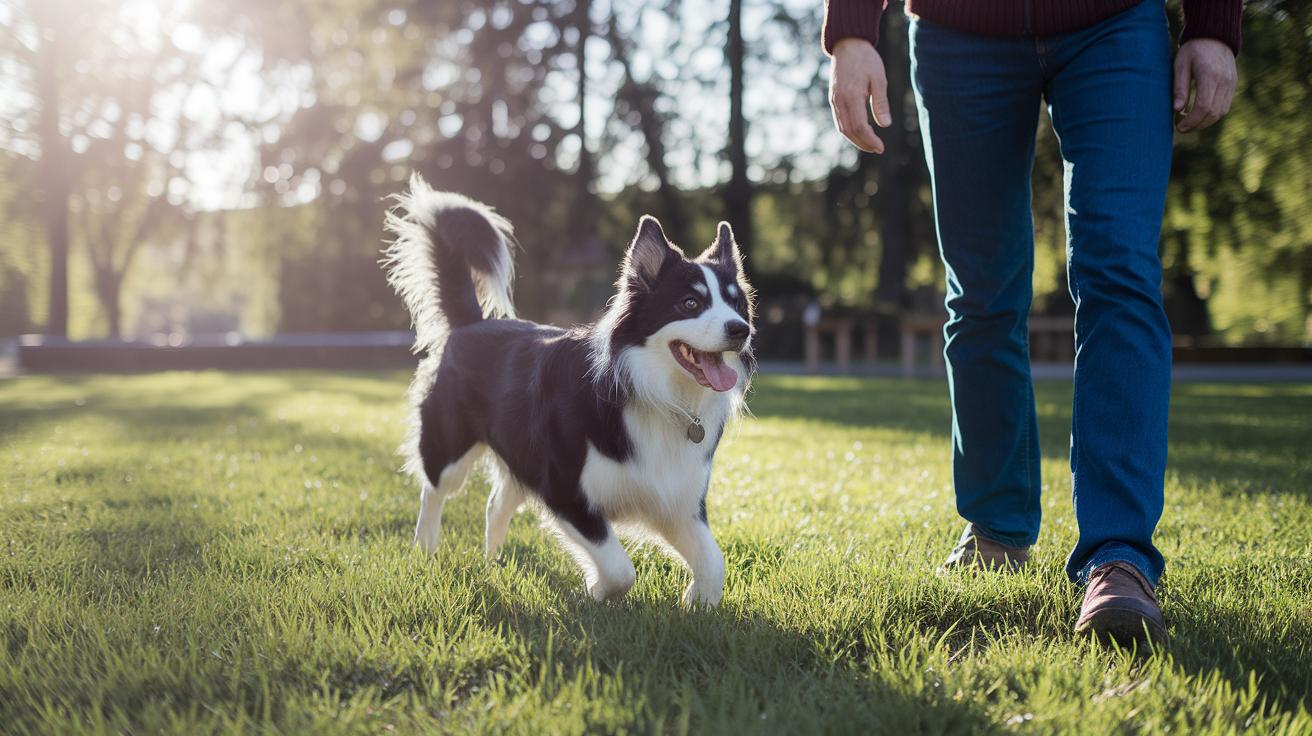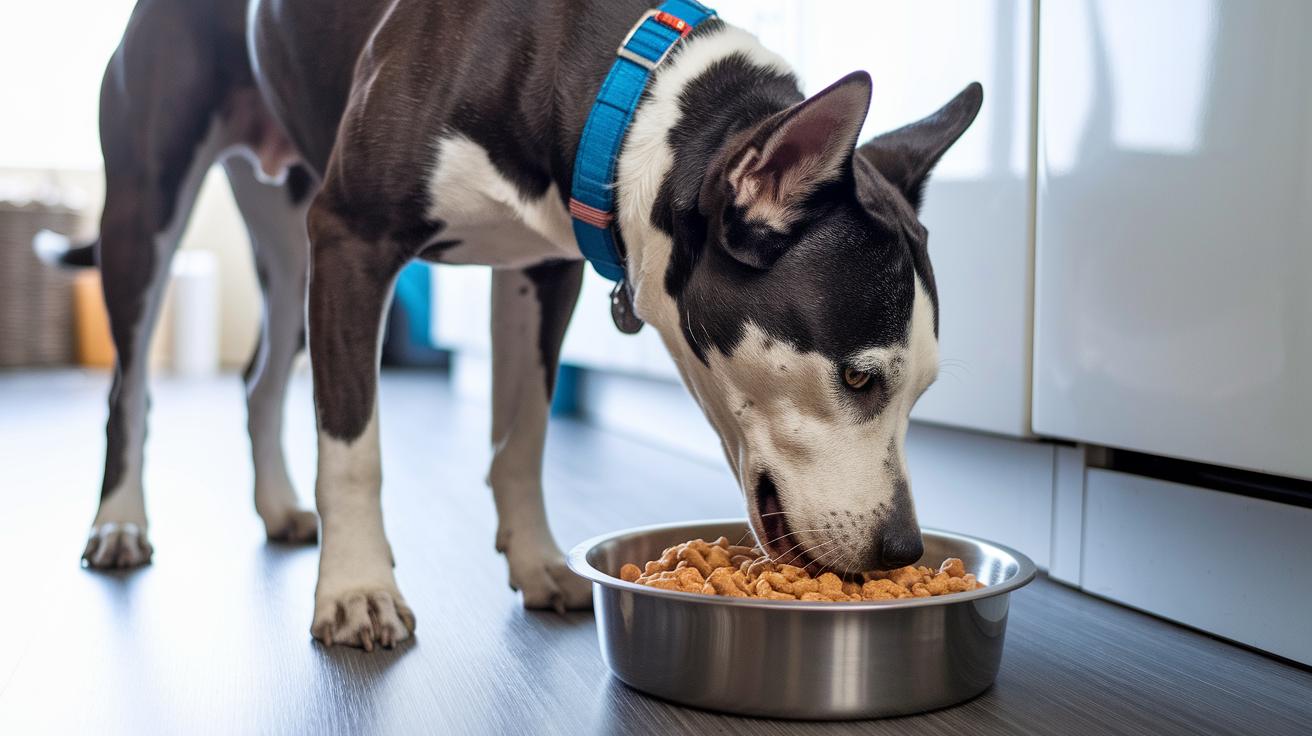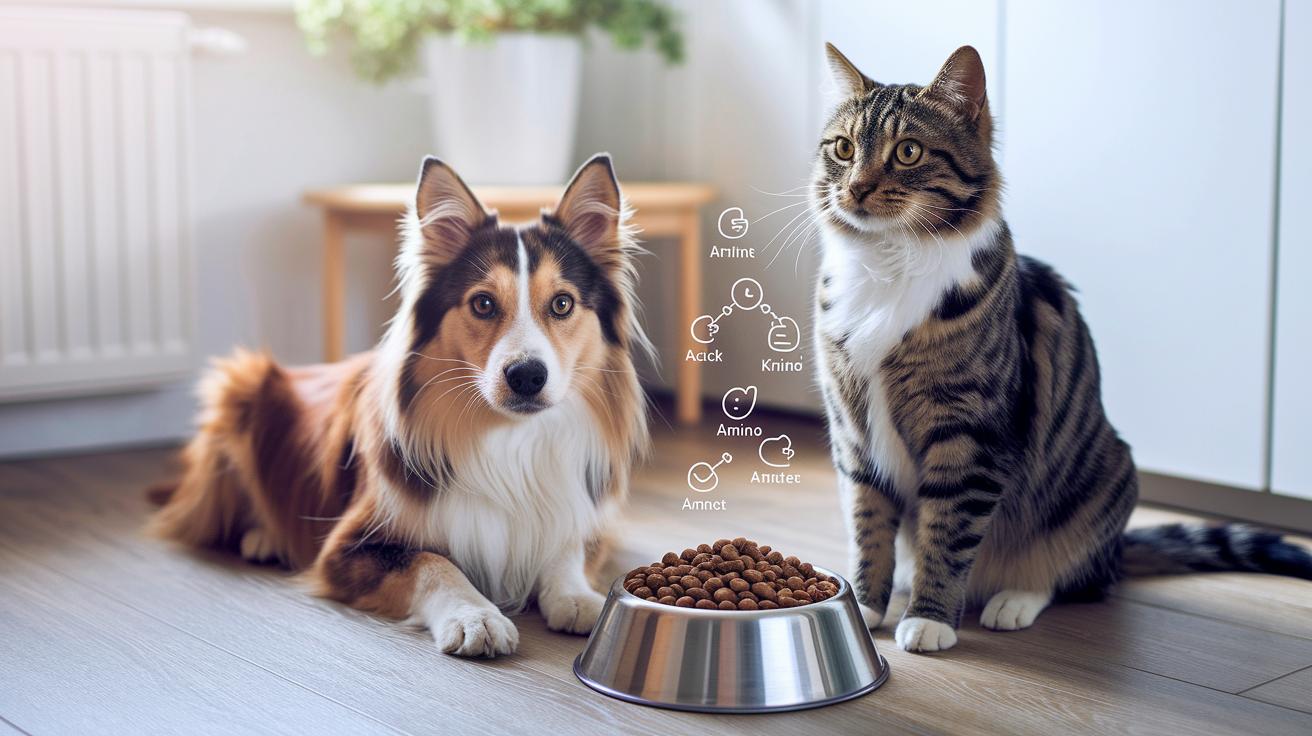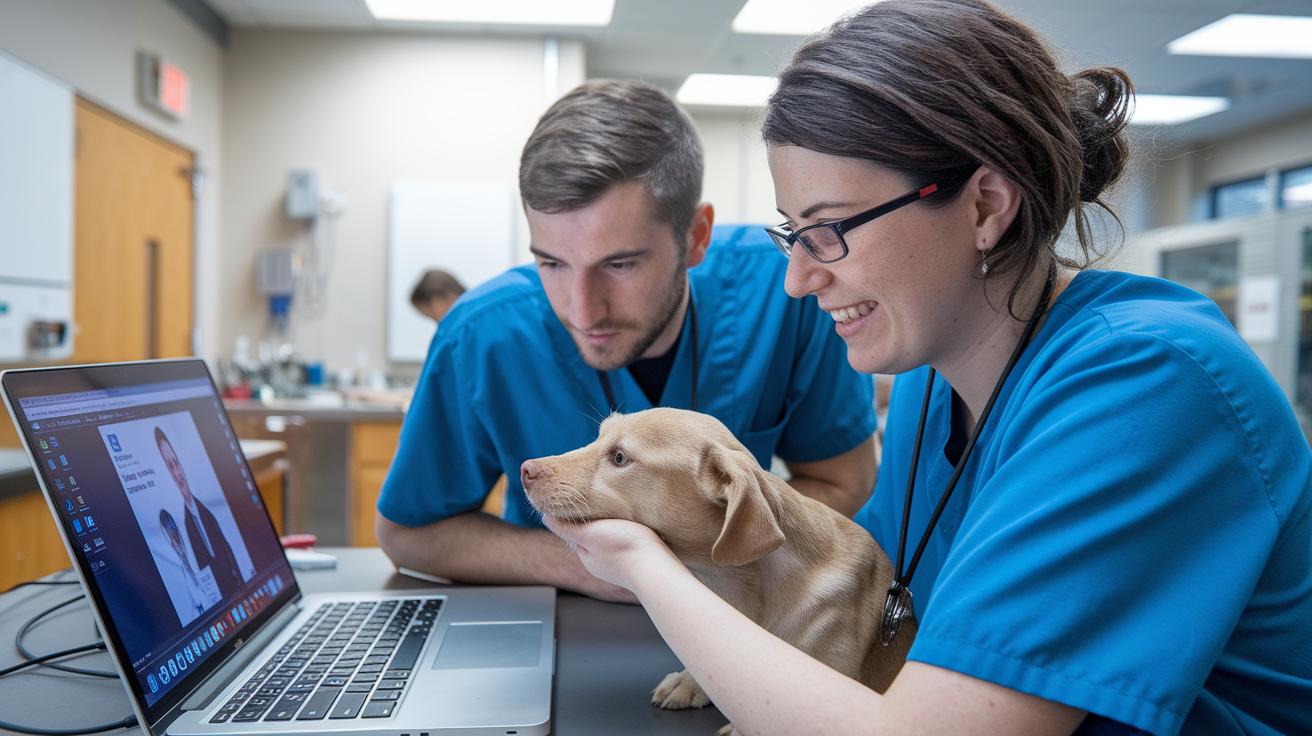
Home Blog Page 4

Dog Yoga For Improved Pet Vitality Boosts Life

0

Have you ever thought about trying yoga with your dog? It might sound a bit unusual, but picture this: you and your furry friend moving through gentle stretches together, each pose building strength and lifting your spirits. Dog yoga has been around for over 2,500 years, and today it adds a fun twist to our daily routines.

Imagine spending a few quiet minutes on your mat while your dog nuzzles close by and maybe even mirrors your stretch. Every movement fills you both with a sense of calm and energy. In this post, we’re chatting about how a simple yoga session can boost your pet’s vitality and sprinkle a little extra joy into your everyday life.

Key Benefits of Dog Yoga for Pet Vitality

img-1.jpg

Dog yoga, or DOGA as many know it, began over 2,500 years ago in India. Today, it’s a fun way to share special moments with your furry friend. When you include your dog in your yoga routine, both of you enjoy extra muscle strength, more flexibility, smoother blood flow, and healthier joints. Think of that satisfying stretch you get after a long day, now picture feeling that with your pup by your side.

But it’s not all about the physical perks. This gentle exercise sends a little boost of oxytocin (a hormone that makes you feel happy) to both you and your pet. That feel-good rush can lift your mood, ease loneliness, and even help you bounce back after tough times. Many pet owners notice their dogs seem extra calm and content after a shared yoga session.

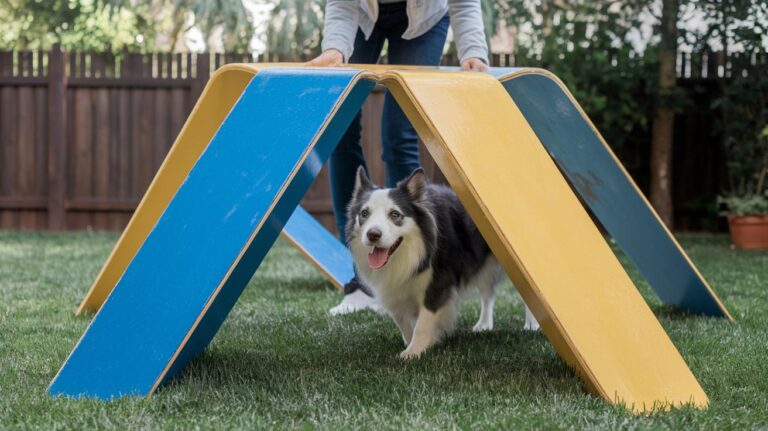
Doing yoga together also deepens the bond between you and your dog. Trying out poses like a dog-friendly version of the downward-facing dog builds trust and strength. The close physical contact and shared breathing create a warm connection that makes daily life feel more joyful.

  • Stronger muscles and more flexibility
  • Better blood flow and healthier joints
  • A lift in mood and less loneliness
  • A closer, more loving bond between you and your dog

Setting Up Your Dog Yoga Space: Safety and Comfort

img-2.jpg

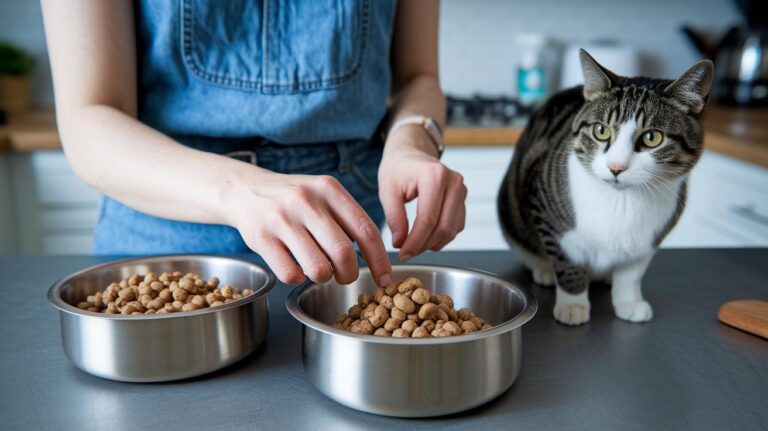
Choose a quiet, cozy room where you and your dog can unwind together. A calm spot with soft lighting, a nonslip mat, and little background noise sets the stage for a fun and safe stretching session.

Start your time with gentle warm-up stretches to get both your muscles and your dog's joints ready. It’s like giving your pet a soft welcome before trying something new. Let your furry friend set the pace because every pup is unique and may need a little extra time to feel comfortable. Patience really makes a difference when your dog is learning these new moves.

Here's a quick checklist to guide you:

Essentials Description
Quiet Space A room free from distractions
Nonslip Mat A secure surface for safe exercises
Soft Lighting Warm light that creates a cozy feel
Minimal Noise Helps keep both calm and focused

For a little extra help, check out dog training classes to learn basic techniques and poses. This way, you both build confidence and enjoy a joyful, mindful activity together.

Essential Dog Yoga Poses to Boost Pet Vitality

img-3.jpg

When you do yoga with your dog, each pose creates a special time for both of you. Start with the Quiet Lotus. Sit with your legs crossed, placing one hand on your heart and the other on your dog's chest. This simple move helps you both breathe calmly and feel close.

Next, try the Downward Facing Dog. Stand in front of your furry friend and stretch into an upside-down V shape. This familiar stretch opens your shoulders, back, and legs, while your dog gets a gentle stretch too. Imagine you both are forming a matching V, letting go of any tightness.

For a little extra strength work, give the modified Plank a shot. Get into a strong plank position and let your dog rest a paw on your back or side. This fun twist builds your core muscles and gives your pet a comforting spot to lean on. It’s like sharing a playful challenge together.

Then, try a low push-up move called the Chaturanga variation. Lower yourself slowly as you support your dog's body. This gentle exercise works your arms and balance, creating a light and shared workout for you both.

Pose Description
Quiet Lotus Sit crossed-legged with one hand on your heart and one on your dog’s chest; promotes calm and bonding.
Downward Facing Dog Stand and stretch into an upside-down V; opens shoulders, back, and legs for both of you.
Modified Plank Hold a strong plank while your dog rests a paw on you; builds core strength while sharing a moment.
Chaturanga Variation Slowly lower into a gentle push-up with support for your dog; strengthens arms and improves balance.

Mindful Canine Movements for Enhanced Pet Vitality

img-4.jpg

Take slow, deep breaths while gently stretching with your dog. Breathe in slowly as if you’re sharing a warm, cozy moment. Place one hand on your heart and the other lightly on your dog’s chest. This little act helps you both feel calm and lowers stress.

Then, take a quiet pause between each stretch. Enjoy the silence together and let your furry friend feel safe and relaxed. These peaceful moments strengthen your bond without any extra fuss.

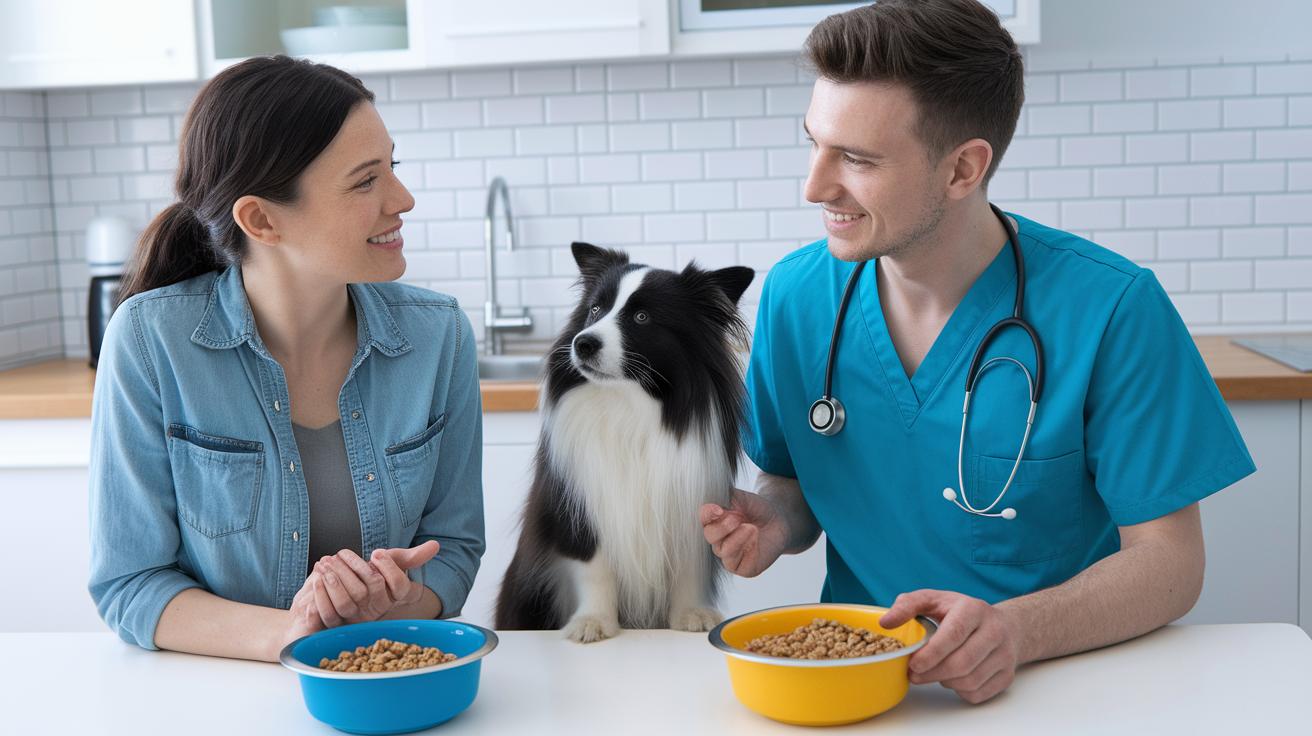
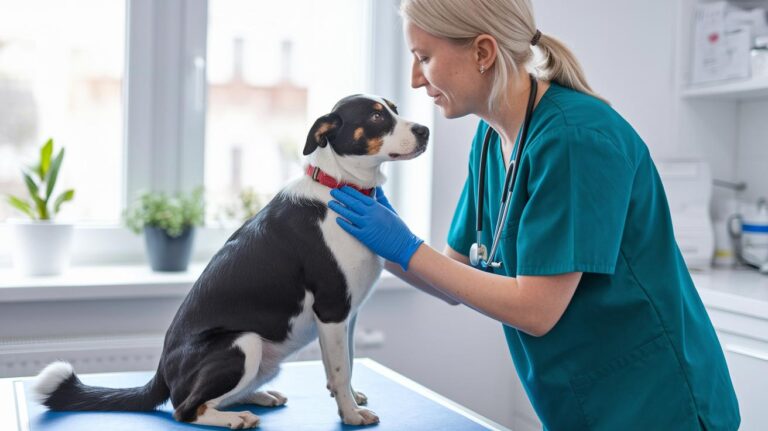
You might also want to try a pet wellness plan that blends simple yoga, tasty healthy treats, and regular vet check-ups. It’s a nice way to support your dog’s overall well-being.

Planning a Weekly Dog Yoga Routine for Sustained Vitality

img-5.jpg

Start by picking a schedule that works for both of you. Begin with two short 10-minute sessions each week and slowly add more time as your pup grows more relaxed. This easy routine builds positive vibes and lets your furry friend adjust at their own pace. Think of your dog yoga as a fun dance you create together that strengthens your bond and boosts energy.

Let your dog lead the way. Watch how your pet reacts, do they look excited or a bit unsure when you try a new pose? One day, you might try the Quiet Lotus, and on another, the Downward Facing Dog (a stretch where your dog stretches its body). Change the poses to keep them natural and fun. This friendly method builds strength and keeps stress away for both of you.

Mix up the routine by combining basic poses with short moments of calm. This variety not only keeps your dog interested but also helps build core strength and flexibility over time. Here are a few tips to brighten your dog yoga routine:

  • Start with soft warm-ups each time.
  • Add extra minutes slowly, letting your pup show you what works best.
  • Change up the poses to keep your routine fresh and playful.
  • Take quiet, mindful breaks to relax after each move.

When you adjust your dog’s activity levels, it might help to use a pet nutrition alliance calorie calculator (a tool that shows how many calories your dog needs) to balance their energy. And if you need more guidance, consider professional help from the banfield pet wellness plan (a program to keep your dog healthy long-term), which might include dog yoga sessions.

Final Words

In the action of embracing dog yoga, you learned how simple mobile stretches spark joy and boost pet vitality. We chatted about setting up a calm space, exploring key poses, and enjoying mindful moments for both body and heart.

By planning regular sessions, you, and your furry friend, get to enjoy improved energy and a deeper bond. Remember, using dog yoga for improved pet vitality can brighten even the cloudiest day.

FAQ

What does free dog yoga for improved pet vitality offer?

Free dog yoga helps boost your pet’s vitality by promoting strength, flexibility, and a calm mood, all while deepening the bond between you and your furry friend.

Where can I find dog yoga classes near me, including puppy yoga and Doga yoga?

You can find local dog yoga classes in community centers, parks, or pet wellness studios. Many offer sessions for puppies and joint owner-dog practice, making it easy to join in near you.

Who should not do the downward dog pose in dog yoga?

Dogs with joint pain, injuries, or limited mobility should avoid the downward dog pose, as it may cause discomfort. Always check with a vet before starting new exercises.

Is yoga good for dogs?

Dog yoga can be good by boosting muscle strength, flexibility, and emotional well-being, while helping your dog feel relaxed and more connected to you.

How much is the Down Dog yoga app?

The Down Dog yoga app typically uses a subscription model with a free trial, and charges a monthly fee that may vary based on current offers and pricing plans.

What does the downward dog stretch mean for dogs?

The downward dog stretch mimics the human pose, helping dogs extend and loosen their back, shoulders, and legs to promote overall physical comfort and mobility.

High Protein Pet Diet Benefits: Energizes Pet Health

0

Ever wondered if a little extra protein might really boost your pet’s day? A protein-rich meal is like premium fuel for building muscles and repairing tissues, helping your furry friend stay strong and full of energy. Picture your playful pup chasing its tail or your wise cat padding around with a shiny coat. Protein gives those tiny amino acids (the little helpers that build and fix body parts) your pet needs for a quick recovery and a happy, active life. In this post, we'll share why a high protein diet could be just what your pet needs to feel their very best.

Core Advantages of a High Protein Pet Diet

img-1.jpg

Protein is like the essential building block that keeps your pet strong and healthy. It helps build muscles, repair worn-out tissues, and even supports their natural defenses. Whether you have a playful puppy or a wise old cat, the amino acids (the tiny pieces needed for building and repairing tissues) in protein play a key role in their overall health.

High-protein meals offer several benefits that can really boost your pet's zest for life. They help develop and maintain strong muscles, letting your pet jump, run, and play with energy. Plus, protein gives your pet the raw materials needed for a strong immune system, so they’re better able to fight off germs. You might even notice a shinier coat and steadier energy throughout the day, as protein helps them feel full and satisfied while supporting quick recovery from minor injuries.

All these benefits work together to give your furry friend a well-rounded boost in health. With stronger muscles, a resilient immune system, and steady energy, your pet can enjoy a more active and joyful life. It's a nutrition plan designed to help them absorb vital nutrients and thrive every day.

High Protein Pet Diet Benefits for Muscle Development

img-2.jpg

Protein acts like a little energy boost that helps build strong muscles by fueling your pet’s muscle-building process (that means it helps them grow and repair muscles). Foods like chicken, beef, fish, venison, and goat pack in all the essential amino acids needed for quick muscle repair after lots of play. Think of these proteins like handy tools that fix your pet's muscles after a busy, fun-filled day.

Young pets, such as puppies and kittens, need protein to rapidly build new muscles and support their growing little bodies. And for adult animals, protein helps repair tired muscles after active play, keeping them lively and ready for more adventures. Picture a playful pup with boundless energy or a cat bouncing back after a spirited play session.

Older or recovering pets also gain a lot from protein. It helps slow down muscle loss and supports healing when they’re recovering from minor injuries. So, even if your senior dog or cat isn’t as quick as before, a good dose of protein can help keep their muscles strong and steady.

Enhanced Energy and Metabolic Effects of a High Protein Pet Diet

img-3.jpg

Protein gives your pet the energy to play and explore. It helps change how their body uses fuel by letting them burn amino acids (the building blocks of proteins) instead of relying on carbs. This natural switch powers everything from a slow stroll in the park to a lively play session with friends.

High protein meals even help your pet’s body burn energy faster when they’re resting. That means every bite makes a difference, so food turns into the kind of energy that lasts. With steady energy release, your pet can play or work without sudden tired spells.

The steady flow of energy also keeps blood sugar more balanced, which means fewer dips in energy during the day. It’s a bit like using a rechargeable battery that keeps a playful pup or curious cat active well into the evening. With this energy plan, your pet stays alert, lively, and ready for fun from morning to night.

Weight Management and Body Condition Benefits of High Protein Diets

img-4.jpg

When your pet enjoys a meal full of protein, they feel full and happy. This means they eat less, helping control their calories while still keeping their muscles strong. Protein meals spark natural full-feeling hormones that help curb hunger. And those amino acids (tiny building blocks that help build muscle) work hard to keep muscles in shape even as extra fat disappears.

High-protein diets can also make a big difference in how your pet feels and moves. With less extra weight, there's less pressure on their joints, letting them frolic around with ease and fun.

  1. Targeted fat reduction – Extra protein nudges the body to burn unwanted fat using energy.
  2. Lean tissue retention – Amino acids help keep muscle strength, even when your pet loses weight.
  3. Improved joint comfort – A lighter body means their joints don’t have to work so hard, letting them move more freely.
  4. Controlled caloric intake – A protein-rich meal keeps your pet full for longer, helping prevent overeating.

This balanced way of feeding rewards your pet with a steady, healthy body over time. With less hunger and strong muscles, your furry friend can play more and enjoy life without extra strain.

Immune Support and Recovery Advantages of a High Protein Pet Diet

img-5.jpg

Protein gives your pet's immune system a boost by helping to create more antibodies and white blood cells. It’s like rallying a team of tiny defenders, always ready to jump in and protect your buddy.

Amino acids work like your pet’s very own repair crew when injuries occur. They speed up tissue healing and encourage immune cells to work faster, so your pet can get back to their playful self sooner, just think of a little pup bouncing back after a minor cut.

A diet rich in protein also helps keep your pet’s organs running smoothly, meaning they can enjoy a long, active, and energetic life.

Implementing High Protein Pet Diet Benefits: Guidelines and Risks

img-6.jpg

When planning your pet's meals, start by figuring out just how much protein they need. Check food labels closely. Look for diets that list real animal proteins like chicken, turkey, beef, fish, or lamb right at the top. This helps you pick foods that meet AAFCO standards of at least 30% protein (the energy your pet gets from food) on a dry matter basis. Also, remember that puppies, adults, and seniors each need their own perfect amount of protein.

Assessing Protein Requirements

Every pet is unique when it comes to protein. For example, puppies need around 22–32% protein to support their fast growth and boundless energy. Active adults usually do well with 18–25% protein to keep their muscles strong, while older pets benefit from 20–30% to help slow muscle loss. So, if you’re shopping for your lively puppy, check that the product reliably shows these protein numbers.

Selecting Quality Sources

Choosing good protein sources matters a lot. Always read the ingredient list to ensure the food names a specific animal protein as its first ingredient. When you see this, you can be more confident that your pet is getting quality nutrition, not just protein, but the right fats, vitamins, and minerals too. It’s like making a favorite treat where every ingredient matters.

Monitoring Health

Keep an eye on your pet for signs that they might be getting too much protein. If you notice changes in how often they pee or shifts in their energy, it might be a hint to adjust their diet, especially if they have kidney or liver issues. Regular check-ups with your vet can really help fine-tune the best meal plan for your furry friend.

Life Stage Recommended Protein % DM Key Considerations
Puppy 22–32% Supports fast growth and high energy
Adult 18–25% Keeps muscles strong and energy steady
Senior 20–30% Helps slow muscle loss and sustain energy

Final Words

In the action, we explored how a high protein pet diet boosts muscle strength, supports a robust immune system, and fuels energy with steady metabolism. We also looked at how this diet helps manage weight while keeping pets active and joyful. Each section showed how essential amino acids pave the way for enhanced tissue repair and overall wellness. High protein pet diet benefits make a real difference in health and vitality, leaving your furry friend ready for every playful moment ahead.

FAQ

What are the benefits of a high protein pet diet and the main purpose of protein in pets?

A high protein pet diet supports muscle growth, boosts immune function, improves skin and coat health, and aids in tissue repair. Protein provides essential amino acids that help build lean mass and maintain steady energy, benefiting dogs and puppies alike.

What are the symptoms of too much protein in a dog’s diet?

The symptoms of too much protein in a dog’s diet may include digestive upset, extra thirst, and more frequent urination. Changes in energy levels or stool consistency can also signal that protein intake is higher than needed.

How can I prepare homemade protein-rich dog food?

Preparing homemade protein food for dogs involves using high-quality meats like chicken or beef with safe vegetables. Using well-tested recipes that cover balanced nutrients is key, so checking with a veterinarian or reliable source is a smart idea.

What foods are best for dogs needing extra protein to gain weight?

High protein foods for dogs gaining weight often feature rich meats such as beef, lamb, or salmon. These foods build lean muscle and add healthy calories, helping a dog develop better body condition without excess fat.

How much protein is typically found in dog food per 100g?

Typically, quality dog food contains about 20 to 30 grams of protein per 100 grams, though it can vary by brand. Always read the nutrition label to match your pet’s dietary needs accurately.

Which protein source is best for dogs to build muscle?

The best protein sources for muscle building in dogs include high-quality animal proteins like chicken, beef, or fish. These proteins offer complete amino acid profiles, which support muscle development and aid in recovery after activity.

Veterinary Continuing Education: Elevate Your Expertise

0

Ever wonder if learning stops once you finish vet school? It really doesn't. Continuing education is like a fun, ongoing journey that keeps your skills sharp while boosting the care you give pets every day.

New techniques and fresh treatment ideas pop up all the time, and each course is like a little adventure that helps you do your job even better. Picture chatting with friendly experts or asking lots of questions during live talks, it's like swapping pet stories with people who really get it.

And don’t forget about trying out new lab methods with fellow professionals, just like sharing your favorite pet care tips. These moments make handling daily challenges feel smoother and more rewarding. In truth, learning on the job isn’t extra work at all, it’s the secret to growing your pet care know-how and loving every minute of it.

Key Opportunities in Veterinary Continuing Education

img-1.jpg

Keeping up with fresh ideas in pet care is key for any vet. It helps you learn new tricks to boost your patient care and feel more confident every day. Just think, learning a quick update on how medicines mix can change how you help a pet in need.

Staying active in continuing education grows your skills and makes the daily challenges feel a little less daunting. You get to learn from seasoned experts and swap stories with peers, much like sharing tips during a fun lab session where feedback is immediate.

Then, there are plenty of ways to fit learning into your busy schedule:

Option Description
Self-paced online courses Learn at your own speed, whenever there’s a quiet moment.
Live veterinary practice webinars Join real-time talks and ask questions as you go.
Interactive case study sessions Dig into real-life cases with others, making tough ideas easier.
Hands-on lab experiences and workshops Practice skills in a setting that feels as engaging as a pet playdate.
Virtual professional conferences Attend online events packed with new ideas from peers and experts.
Masterclasses in animal care Tackle in-depth topics to boost your care for every pet.

These courses stick to high, trusted standards, allowing you to update your skills without disrupting your busy day. With a reliable study series like this, practical and accessible learning is always on hand to support your journey as a pet care professional.

Online Animal Care Seminars & Digital CE Modules in Veterinary Continuing Education

img-2.jpg

Digital continuing education puts learning right at your fingertips. It lets you catch up on the latest animal care ideas whenever it fits your busy schedule. With self-paced online modules, you can dive into quality learning during a quick coffee break or between appointments.

The VETgirl platform creates a friendly multimedia space where you can explore online animal care seminars by topic. It’s simple to search using keywords to find digital CE modules for clinicians, and you can easily upload files to review case studies or new research. Plus, there are downloadable resources and mobile support so you can learn while on the go. This setup makes it easy to stay updated with practical tips that truly enhance patient care.

Using these modules is as simple as checking your email. You can easily slot in a short session whenever you have a moment. This flexible, self-paced system means you stay current without having to block out long periods, keeping professional growth comfortably in step with your regular pet care routine.

Accredited Veterinary Continuing Education Courses & Certification

img-3.jpg

RACE approval is the heart of high-quality pet care learning. When a course earns RACE, it means it has met very strict AVMA standards, so you know it’s reliable and professionally sound. You can trust that your earned credits come from material that’s been carefully checked to support your growth.

VETgirl makes it really easy to track your education progress. Every course or webinar shows the number of credits you can earn, along with details about the topics and any requirements. This lets you check out the info before jumping in, making sure it fits what you need. And once you start learning, the dashboard updates your progress automatically with each completed credit. It’s a clear way to see that you’re on track for your certification requirements. Whether you’re taking accredited animal medicine courses or joining online certification sessions, it’s all neatly organized. There’s even a section that compares credits so you always know where you stand, and free accredited webinars are available to help you add new skills when time is tight.

Signing up is simple, too. Just create your account with some basic info, then choose the courses or webinars that match your career goals. After finishing each session, your credits get updated automatically. This gives you peace of mind knowing you’re keeping up with your certification and continuing education.

Veterinary Continuing Education Programs for Veterinary Technicians

img-4.jpg

Vet techs are essential for making sure pets get the best care. They work closely with veterinarians and communicate with pet owners every day. That’s why they need to stay updated with fresh techniques and practical ideas to help them shine.

VETgirl has courses designed to boost your confidence on the job. They offer hands-on labs where you can practice procedures, much like a mini lab exercise after a hectic morning. And the client communication workshops turn chatting with pet owners into a friendly exchange, just like swapping heartwarming pet stories. Their diagnostic modules simplify tricky processes into easy, bite-sized steps, reminding you of that little "aha" moment when things finally click. With interactive videos and downloadable guides, learning feels more like a fun workshop than a strict classroom.

There’s even free training available on the platform. You can quickly find digital pet medicine resources that fit right into your busy day. Best of all, these courses earn you credits toward technician certification, making it easier to keep up with the best care practices.

Live Veterinary Continuing Education Webinars & Interactive Study Sessions

img-5.jpg

Live webinars bring a fun chance to learn right away while enjoying a lively chat. You join experts live, swap ideas, ask questions when things seem fuzzy, and get quick replies that keep everything bright and engaging.

Interactive study sessions add even more to that live feel. You can jump into Q&A parts where questions get answered on the spot, share files to see real-life case examples, and join small group chats that feel just like a hands-on workshop. It’s like sitting in a room with friends, discussing a tricky case over a warm cup of coffee. Everyone pitches in, making the learning feel friendly and supportive.

Upcoming VETgirl CE Library Preview Event

Mark your calendar for September 30, 2025, from 8–9 PM ET. If you’re a practitioner, log into your VETgirl account to RSVP and explore the full continuing education catalog. It’s a great way to see firsthand the fresh approach to veterinary webinars and live study sessions.

Membership, Cost, and Registration in Veterinary Continuing Education

img-6.jpg

VETgirl has created two membership plans that work great for busy pet care professionals. The Basic Membership lets you try free, self-paced sessions when it fits into your day, just like taking a break to cuddle your pet. Meanwhile, the Premium plan gives you full access to a library of courses, so you get first dibs on CE events and extra study tools.

Both plans are priced to be affordable and designed to fit into a hectic schedule. They help you earn your credits and learn at your own pace without any extra pressure. Choosing one is simple since each option is built to support your growth with quality content that feels like it was made just for you.

Planning for your professional education is easy, too, thanks to a digital calendar. With it, you can quickly see which live sessions or self-paced courses work with your everyday schedule.

To get started, all you have to do is sign up by creating an account on the platform. Then pick the membership that suits your needs. Once you’re set up, you’ll receive schedule update bulletins so you never miss a course or a priority session, a bit like getting a reminder for your pet’s vet appointment.

Final Words

In the action, the post explored different ways for veterinary professionals to expand their learning. It highlighted self-paced online courses, engaging webinars, hands-on workshops, and more, each option keeping pace with busy schedules and RACE standards.

The insights gathered serve as a quick guide for those navigating veterinary continuing education while balancing daily demands. The options shared aim to bring positive change and ease into professional growth for every dedicated pet care provider.

FAQ

What does veterinary continuing education online offer?

The online courses let you study at your own pace with live webinars, self-paced modules, and interactive case reviews, supporting busy professionals in staying current with the latest pet care practices.

What does Veterinary CE 2025 include?

Veterinary CE 2025 includes updated schedules and a mix of webinars and in-person sessions, ensuring professionals have access to new, structured courses that meet accreditation standards.

What is free veterinary CE?

Free veterinary CE offers select online sessions and webinars at no cost, allowing you to earn credits and gain valuable insights into pet care without impacting your budget.

How does a veterinary CE calendar help you?

A veterinary CE calendar organizes your learning activities by listing upcoming webinars, in-person sessions, and deadlines, making it easier to plan and track your continuing education.

What options are available for veterinary continuing education near me?

Local options include in-person workshops and hands-on lab experiences that offer the practical, interactive training you need, conveniently available close to your practice.

What features are included in the Veterinary CE 2025 schedule?

The Veterinary CE 2025 schedule features a variety of events such as webinars, in-person sessions, and interactive study groups, all designed to help you meet your credit requirements.

What benefits do veterinary CE in-person sessions provide?

In-person sessions offer hands-on practice, interactive case discussions, and live expert demonstrations, giving you direct feedback and a practical approach to learning.

How do Veterinary conferences 2026 support professional development?

Veterinary conferences 2026 feature keynote speakers, interactive sessions, and networking events, providing a rich environment for learning and sharing ideas while earning your credits.

Small Pet Supplies For Happy Furry Friends

0

Have you ever wondered if little pets need a bit more care too? Lots of pet parents might skip the supplies that turn a space into a safe and fun home. In this chat, we’ll share how the right cage, bedding, food, and playful extras can brighten your pet’s day, like the happy bounce of a puppy’s step. Our tips are as simple as choosing your pet's favorite treat. Stick with us to learn easy ways to keep your little buddy cheerful and healthy.

Small Pet Supplies for Hamsters, Guinea Pigs, Rabbits, and Reptiles: Comprehensive Product Guide

img-1.jpg

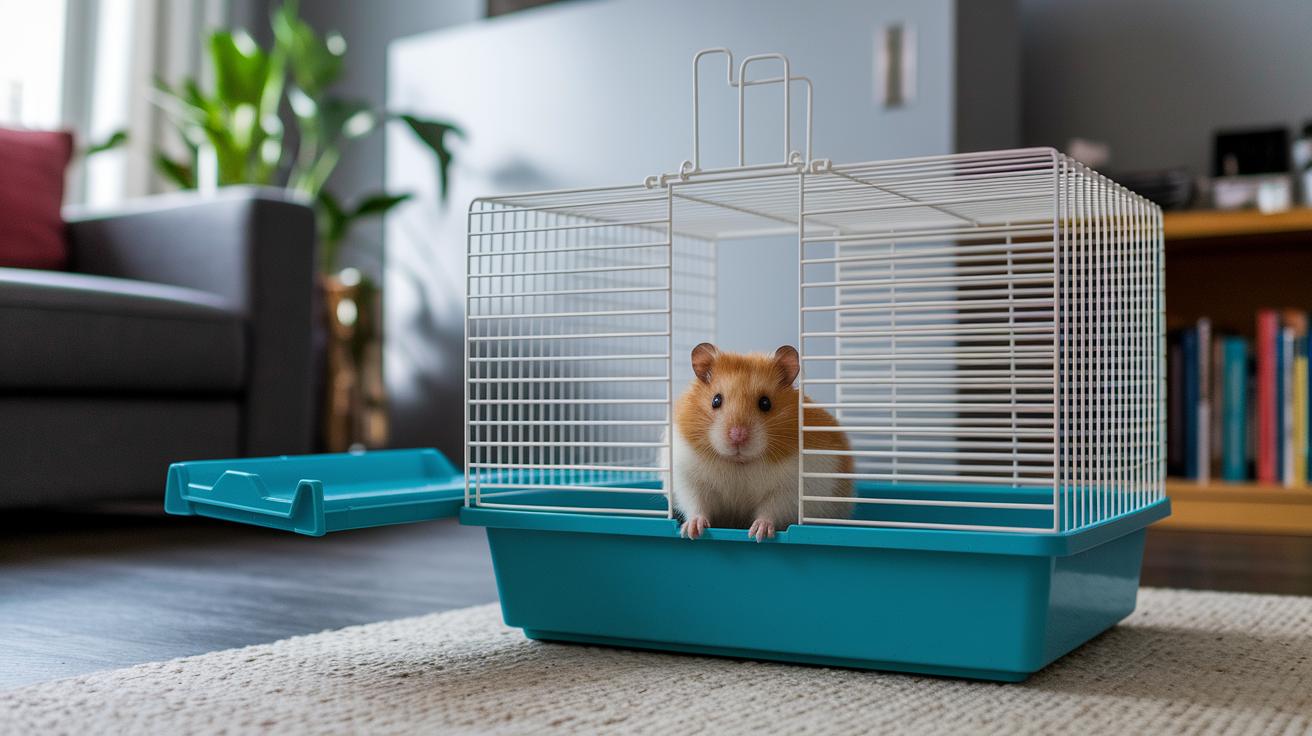
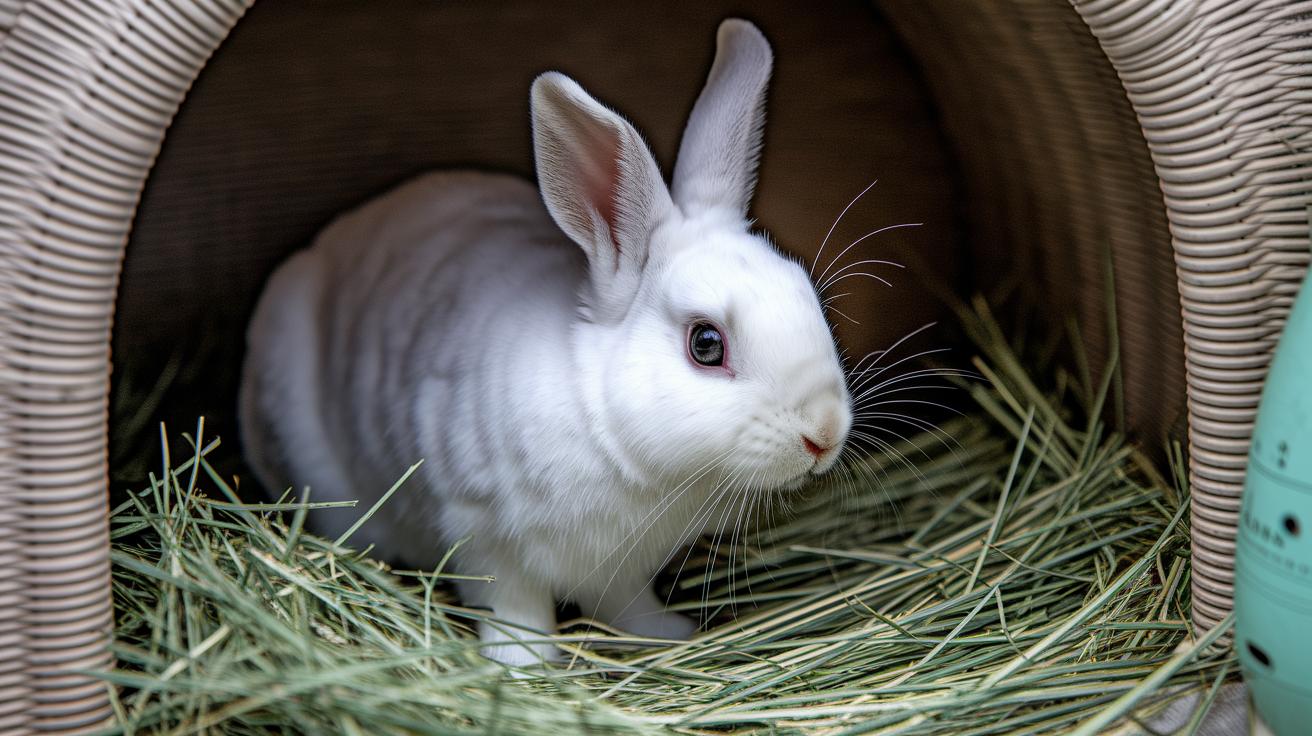
When you’re picking out supplies for your small pet, start with a reliable cage. Many plastic habitats come in sizes that begin around 450 square inches, and modular cages let you add more space as your pet grows. Choose cages with wire bars spaced from 0.5 to 1 inch apart so your pet is safe and has plenty of room to explore.

Bedding is a must-have too. Popular choices include aspen shavings, recycled paper pellets, or wood pulp. These often range in price from $10 to $30 per bag. A good tip for you: avoid cedar or pine bedding because they can upset your pet’s sensitive nose. Picture your pet snuggling on bedding that feels as comforting as a cozy, familiar blanket.

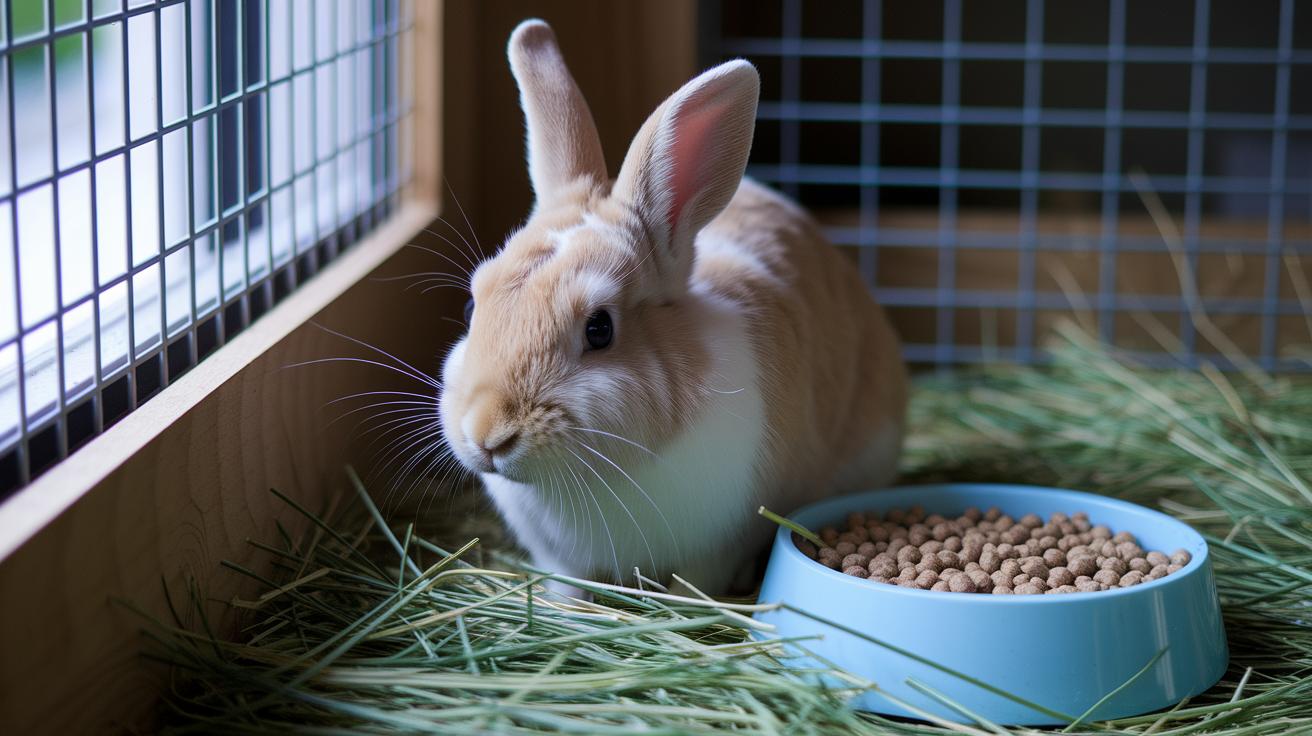
Food is another important part of your pet’s routine. Look for balanced pellet diets, hay bundles, or special seed mixes. These typically come in 1 to 3-pound packages and cost between $5 and $20. Just like you choose nutritious ingredients for your own meals, select food that keeps your little friend happy and healthy.

Don’t forget fun accessories, too. Hideouts, exercise wheels (ranging from 6 to 12 inches), and chew toys can add extra comfort and playtime fun. Prices for these items usually fall between $5 and $30. Top product brands like Kaytee, Living World, Oxbow, and Prevue Hendryx are trusted, with many pet owners rating them around 4.5 out of 5. Always check that latches are secure to keep your pet safe and sound.

For more options, check out Pet Supplies Online.

Bedding Solutions for Miniature Companions: Cozy Bedding Options

img-2.jpg

When you’re picking bedding for your small pet, comfort really matters. You want to choose a material that feels soft yet sturdy and helps keep dust and smells under control. Picture your little friend snuggling into bedding that minimizes airborne dust as gently as a soft cushion, letting sensitive paws settle in comfort. For instance, using recycled paper pellets is a great idea, as they work well at keeping odors away, making your pet’s bed both safe and inviting.

Below is an HTML table comparing three popular options:

Bedding Type Absorbency (ml) Dust Level (%) Price per bag Best For
Aspen Shavings 400 2 $12 Allergy-sensitive pets
Recycled Paper Pellets 600 1 $15 Odor control
Carefresh Scented 500 3 $18 Comfort and scent

It’s a good idea to change the bedding every 2 to 3 days. Many pet lovers rate these options around 4.7 out of 5, showing that they are both reliable and high quality for caring for small pets. This careful choice helps ensure that your furry pal gets a clean, fresh, and safe place to rest day after day.

Secure Cages and Playpens for Small Animals

img-3.jpg

Making sure your little buddy is safe is super important. Sturdy cages and playpens give them a cozy little home where they can scurry, sniff, and explore. For example, hamsters need around 450 square inches of space to zip around happily. Guinea pigs do best with over 7.5 square feet while rabbits often enjoy 8 to 12 square feet of playful room.

Most cages come with a powder-coated wire frame and a plastic base, along with handy slide-out trays that make cleaning so much easier. Chew-resistant bars help protect your pet’s tiny teeth, and if you ever feel the need for extra space, modular designs let you expand their area easily. Setting up a playpen is a breeze too, usually taking only about 20 minutes before it’s ready for your pet’s adventures.

Prices vary between $40 and $150, so you have plenty of options no matter your budget. Popular choices like Midwest Guinea Habitat, Kaytee CritterTrail, and Prevue Pet Products are built tough for everyday play and designed to grow as your pet does. Choosing a solid habitat means your little friend can play safely and happily, while you relax knowing they're well cared for.

A good cage makes all the difference. It gives you peace of mind and offers a comfy, secure spot for your playful pal, boosting their overall well-being.

Feeding and Hydration Essentials for Pocket Pets

img-4.jpg

Using the right feeding gear makes a world of difference for your little pet, keeping them happy, healthy, and ready to explore each day. Choosing smart bowls and water dispensers means their food stays fresh, and it helps control portions without messy spills. It’s a win-win: your pet gets tasty, properly measured meals while you enjoy a neat, fuss-free feeding area.

Imagine how calm things feel when your pet eats from a bowl that won’t tip over, or sips water from a leak-proof bottle. That’s what quality feeding tools do, they let your pet savor every bite and slurp without you scrambling to clean up.

Product Features Price
Living World Crystal Ceramic Bowl Non-tip, dishwasher-safe $7
Kaytee Chew-Proof Stainless Steel Bowl 50 ml capacity $10
Kaytee Nano Water Bottle Leak-proof 100 ml $8
Oxbow Plastic Hay Feeder Minimizes waste $12

Feeding guidelines to follow:

  • Pellet ration: 1–2 tablespoons per day
  • Fresh water: refill daily and clean the bottle weekly

By picking out these trusted tools and sticking to a simple feeding plan, you’re setting the stage for your little friend to greet every day with playful energy and a satisfied belly.

Interactive Toys and Enrichment Gear for Tiny Pets

img-5.jpg

Give your little buddy the chance to explore and play with fun toys made just for daily adventures. Many pet lovers choose wooden chew blocks because they help clean little teeth while letting your pet enjoy natural chewing. Plastic tunnels are another hit as they mimic those cozy hiding spots pets love. And don’t forget exercise wheels, make sure you pick the right size. For instance, a 6-inch wheel works best for dwarf hamsters, 8 inches for Syrian hamsters, and 12 inches for guinea pigs. This way, your pet gets a good workout without any strain.

Treat-dispensing balls add even more excitement. They don't just boost your pet's energy, they also keep your little friend thinking hard about how to earn a tasty treat. With prices ranging from $12 to $20, they’re a clever, fun addition to any pet’s playtime routine.

A floor playpen is another great choice for safe, supervised exercise. Imagine about 8 x 8 feet of space where your pet can roam freely, all for around $25. Customers have loved these tools, giving them an average rating of 4.6 out of 5. With these interactive toys and playful gear, your tiny pet enjoys both mental stimulation and physical exercise, making every day a joyful adventure.

Travel Carriers and Outdoor Accessories for Petite Pets

img-6.jpg

If you're taking your little pet on outdoor trips, a good carrier is a must to keep them comfy and safe. You can pick a soft carrier with lots of breathing space or a hard one that feels like a tiny fortress. Most carriers are about 16×10×11 inches and work great for pets weighing up to 5 pounds. They often come with mesh windows so your pet can peek out, waterproof bottoms to handle spills, and removable pads that make cleaning really easy. And best of all, they usually cost between $20 and $50, so there’s something to fit most budgets.

With a reliable carrier, your furry friend can explore the outdoors with ease. You might also want to add a few handy travel accessories to boost your journey. Some must-haves include a foldable water bottle, a collapsible food bowl, and a mini first-aid kit.

Brands like Sherpa Deluxe and Sleepypod Air are favorites among pet lovers. With customer ratings around 4.4 out of 5, their gear makes every outing more fun and safe for you and your pet.

Budget-Friendly and Wholesale Options for Small Pet Supplies

img-7.jpg

Saving money on supplies for your small pet is simpler than you might think. Many pet lovers find that buying in bulk can lower your bill. For instance, you might get a 10% discount when your order is over $100. This is great if you often stock up on cozy bedding or nutritious food. Buying in larger quantities cuts costs and means you'll never run out of the essentials. For more bulk deals, check out Wholesale Pet Supplies at https://bonsiaai.com?p=148.

Here are some tips to help you save:

Strategy Benefit
Bulk Discounts Save 10% on orders over $100.
Wholesale Suppliers Great deals like $1.50 per 100 g of bedding from shops like PetEdge and Wholesale Pet.
Subscription Services Chewy Autoship can save you 5% on repeat orders.
Outlet Deals Find clearance items for up to 50% off.
Local Retailer Savings Stores like Petco and PetSmart often offer weekly discounts on select items.

These ideas help you stretch your budget while keeping your pet happy and comfy. By mixing up your shopping spots and taking advantage of bulk and subscription deals, you'll keep your furry friend's supplies well-stocked and your wallet smiling.

Final Words

In the action from secure cages and cozy bedding to feeding essentials and fun enrichment gear, this guide covers smart choices for every small pet. The insights provided, from price points and safety tips to bulk savings options, help you feel confident and ready to care for your furry or scaly friend.

Every detail here is meant to brighten your day and boost the care you give. With solid tips and suggestions, you'll always find top-notch small pet supplies for every need. Enjoy the ride!

FAQ

Where can I find small pet supplies near me and online for various pets, including guinea pigs and small dogs?

You can shop at nearby pet stores like PetSmart or visit trusted online sites such as Pet Supplies Online for quality cages, bedding, food, and accessories for a variety of small pets.

What is Small Pet Select?

Small Pet Select is a brand known for offering specialized supplies designed especially for small pets, with a focus on quality and comfort.

What is the Small Pet Select discount code?

You can find the Small Pet Select discount code by checking their website or reputable coupon sites to save money on your favorite small pet products.

What supplies do I need for a small dog?

For a small dog, you should consider a secure cage or crate, soft bedding, properly sized food and water bowls, engaging toys, and accessories that make outings safe and enjoyable.

What is the best small pet to buy and the cheapest to own?

Many owners find that small rodents or similar critters are a great choice due to their low upkeep costs, manageable space requirements, and engaging, sweet personalities.

What happens to unsold pets at PetSmart?

Unsold animals at PetSmart are typically rehomed through adoption programs managed by the store rather than being kept on display for long periods.

What can I expect at PetSmart for small pet supplies?

At PetSmart, you can expect a wide range of products and accessories for small pets, along with seasonal deals and helpful customer service to guide you in creating a cozy, safe environment for your pet.

Veterinary Imaging Elevates Pet Care

0

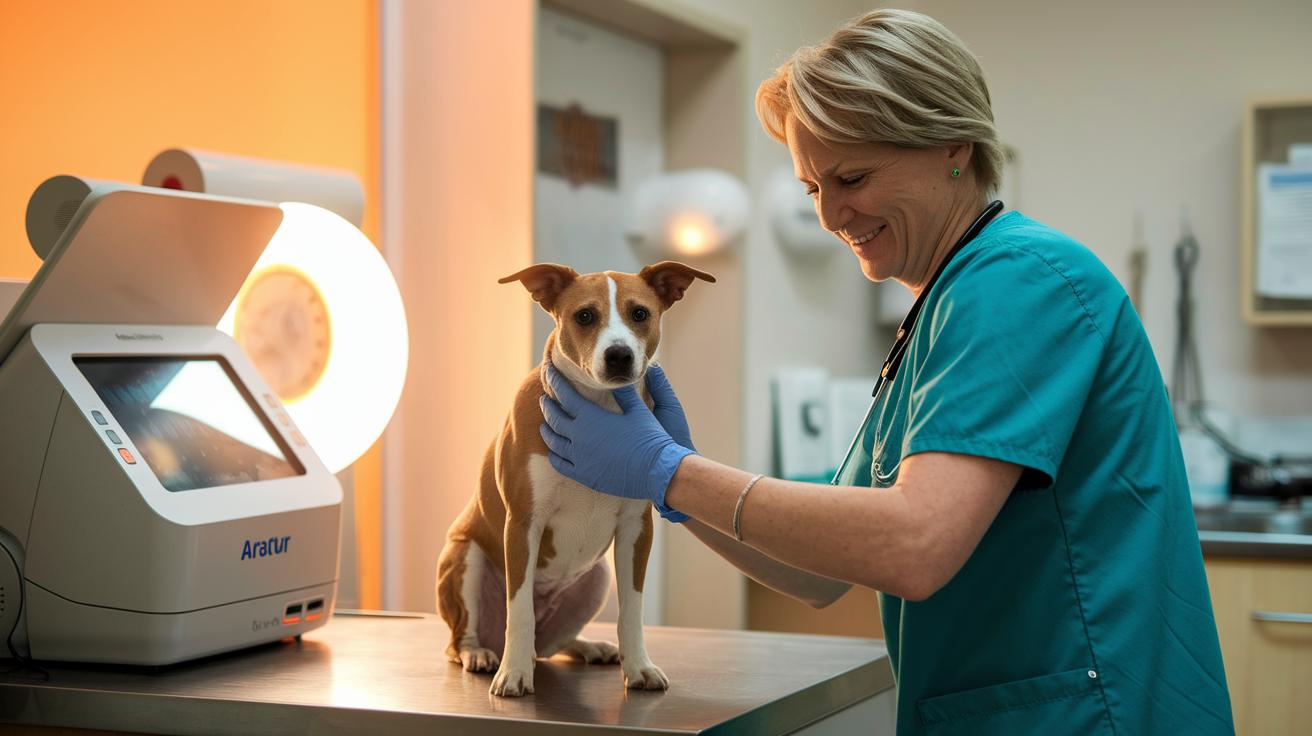
Ever noticed how one picture can tell you so much about your pet’s health? Vets use cool tools like digital X-rays and ultrasounds (special scans) to see inside your pet’s body. It’s like getting a sneak peek at what’s happening under the fur.

These images help spot little issues early, like tiny cracks or changes that might mean trouble. And that means we can plan care to keep your furry friend happy and healthy. Stay with us to learn how these tools make pet care even better.

Understanding Diagnostic Imaging Techniques in Veterinary Medicine

img-1.jpg

Veterinary imaging is all about using cool, high-tech tools to peek inside your pet safely. Digital X-rays (like a careful snapshot of bones and tissues) give us clear images that help spot fractures or signs of sickness in areas like the chest, tummy, or even the teeth. It’s kind of like taking a neat photo that reveals hidden details inside your furry friend.

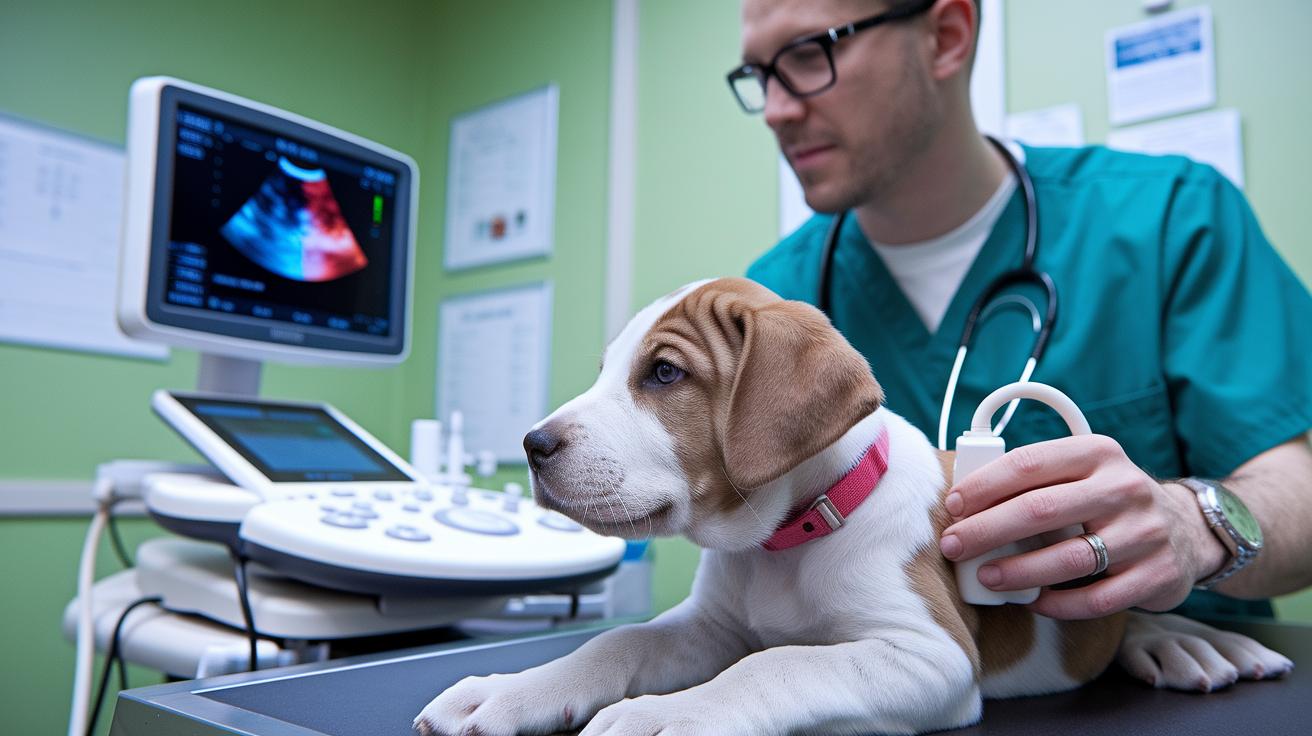
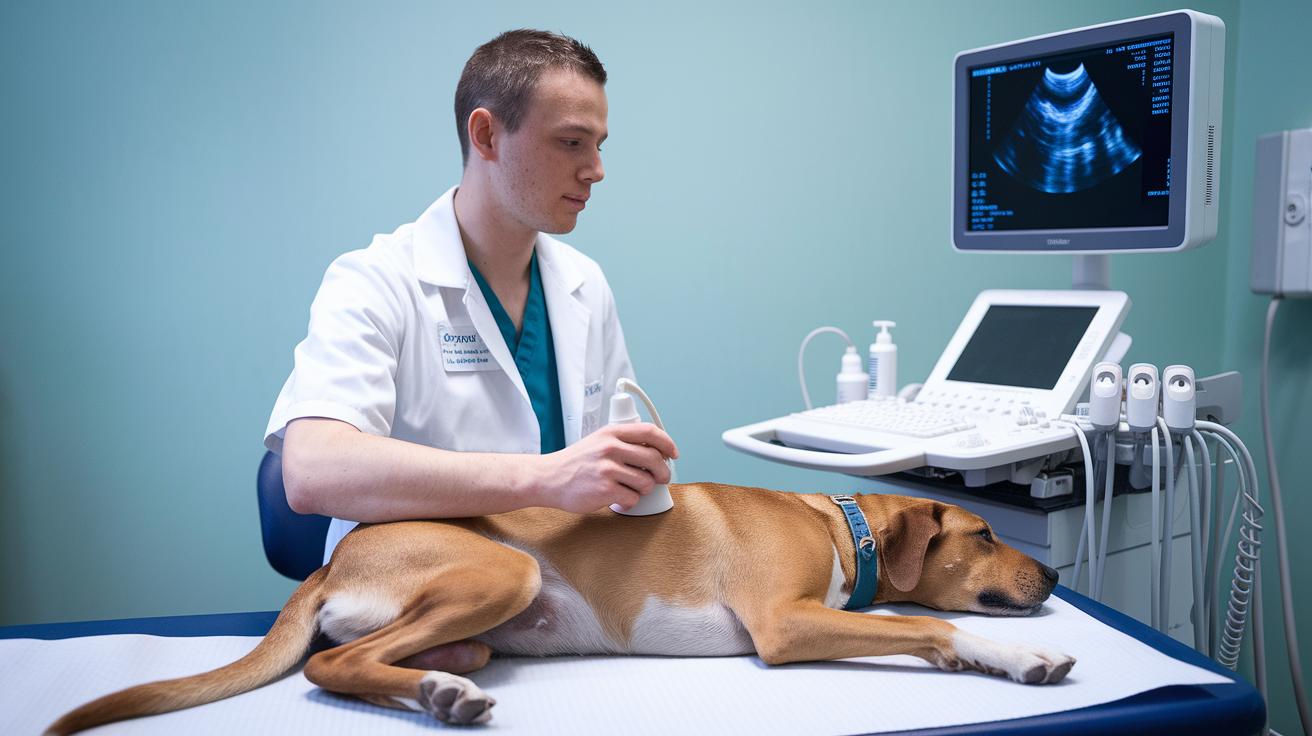
Ultrasound works a bit like a live movie. It uses sound waves to create moving images, so you can see a tiny heart beating or a kitten in the early stages of life. This tool is great for checking soft tissues in the belly and catching any problems early.

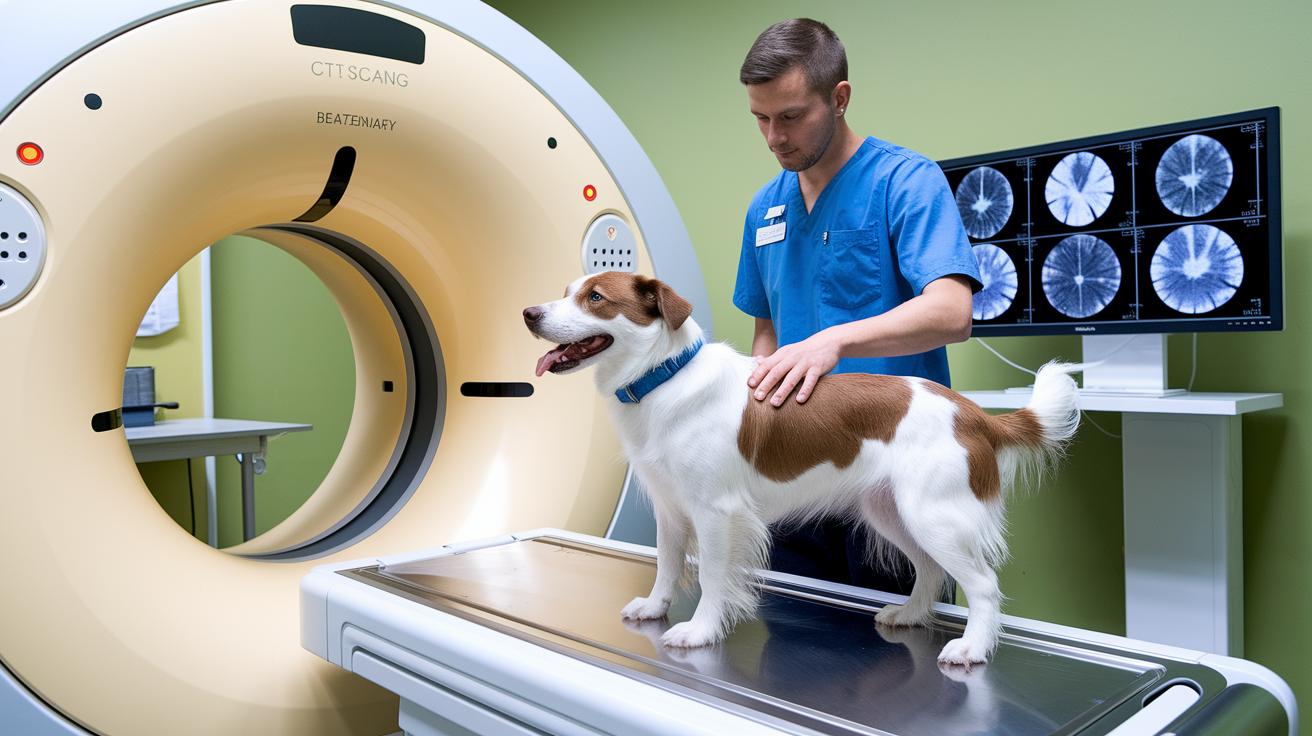
CT scans build up layers of pictures to form a 3D view of your pet. This method is especially handy when looking at tricky spots like a pet’s brain or complex bone structures. By showing different angles, CT scans give vets a full picture of what might be wrong.

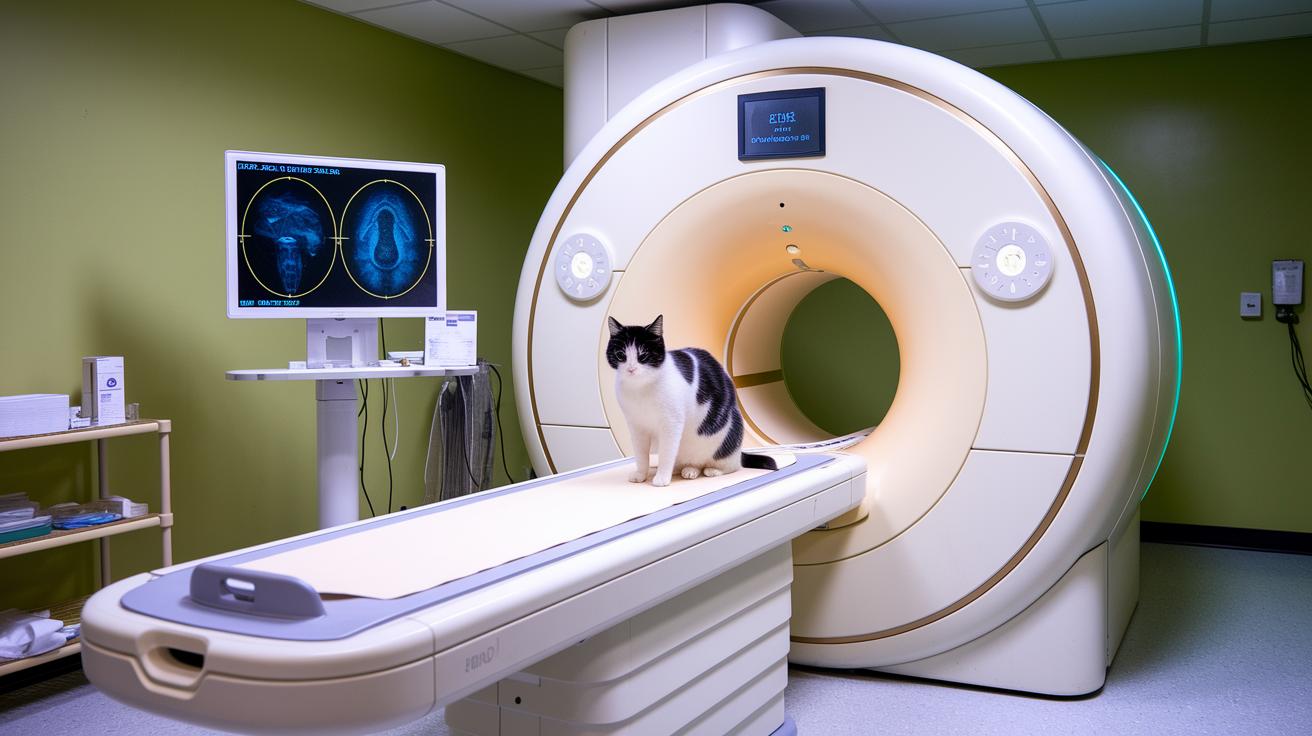
MRI uses strong magnets to make very detailed images of soft tissues such as muscles and the central nervous system (the body's control center, like the brain and spine). This helps with examining delicate parts and catching any small changes before they become bigger problems.

Together, these imaging tools work as a complete set, allowing vets to check for broken bones, examine soft tissues, and monitor nerve health. This way, every pet gets the careful attention they need, with images that truly capture the details of their well-being.

Radiographic Techniques and X-Ray Procedures for Animal Diagnostics

img-2.jpg

Radiography is like using a special light to create flat pictures of your pet's bones and soft tissues. When X-rays pass through your pet’s body, different parts soak up the energy in their own way. This process makes a shadowy image that shows the differences between structures. And did you know? A high-resolution detector can catch details as tiny as a hairline fracture, revealing clues to an animal's injury that might otherwise go unnoticed.

Today’s X-ray machines use smart digital software (computer programs that make images clear and process them fast) so veterinarians can easily spot fine details in your pet's chest, tummy, teeth, and bones. They also include strict safety steps like monitoring the radiation dose (the amount of energy used) and reducing extra exposure. So, whether it’s a quick checkup or a closer look at a possible bone issue, every exam is set up to protect your beloved pet.

All these tools and safety measures work hand-in-hand to make sure X-ray exams are both effective and safe, giving clear and reliable images that help vets decide the best care for your furry friend.

Companion Ultrasound and Doppler Imaging in Veterinary Practice

img-3.jpg

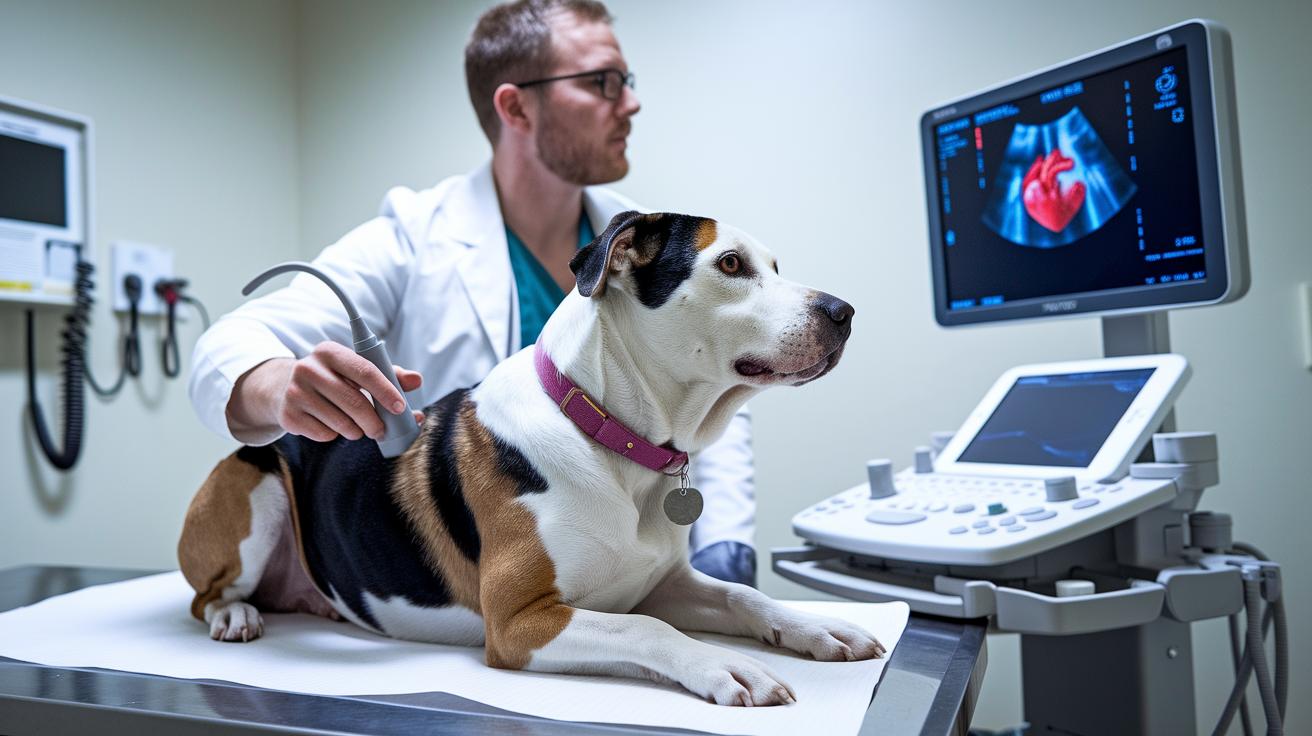
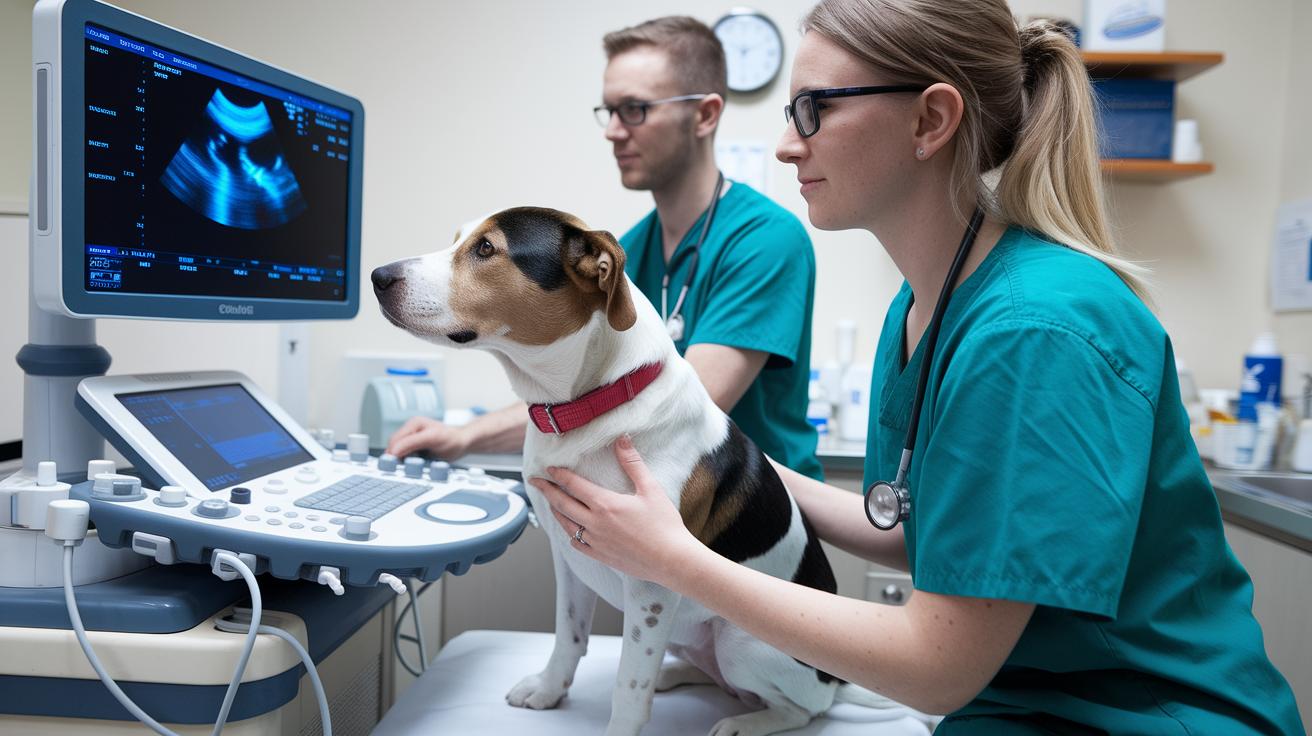
Ultrasound uses high-frequency sound waves to create live images of soft tissues. Imagine watching your pet's heart gently beat or spotting a playful kitten’s belly move. It’s like having a tiny TV inside your pet, letting vets see organs like the liver, kidneys, or heart very clearly.

Color Doppler adds a fun twist by checking how blood flows through your pet’s vessels. Think of it as a colorful traffic report, showing where blood is rushing and where it might be slowing down. This technique helps vets find vascular issues whether it’s a small pet like a cat or dog, or a larger animal like a horse.

Portable clinical units bring this cool technology right to your pet. A mobile ultrasound cart can be rolled straight into a clinic, or even taken out into the field, to check abdominal, heart, and reproductive health without any delay. For instance, one vet used a portable unit to capture a puppy’s heart in real time, catching a mild abnormal rhythm before it became a bigger concern.

This easy-to-use, advanced imaging tool makes routine checkups and emergency scans both faster and more accurate, giving every pet a better chance at a healthy, happy life.

Computed Tomography Applications: Fast 3D Imaging and CT Processing

img-4.jpg

Computed tomography (CT) uses X-rays and simple computer math to make cross-sectional pictures of your pet’s body. The scanner moves around your pet, taking lots of tiny images. Then the computer pieces them together, much like a photo puzzle, to show you a detailed 3D view of both bones and soft tissues. It works well whether it’s a small dog or an animal as big as a horse.

When scanning smaller pets, the CT machine adjusts its settings, lowering the X-ray strength and making thinner slices, to match their size. For bigger animals like horses, a wider scanner is used to cover every part of their larger body. Imagine snapping many little pictures and then joining them to make one big image; that’s exactly how it works.

The CT scan process has a few clear steps. First, image segmentation separates different body tissues so each can be studied on its own. Next, the computer builds a 3D model by combining these segments together. Then, volume rendering brings out all the details, much like stacking thin layers of cake to reveal the full flavor. One technician put it simply: “Each slice is like a thin cake layer – stack them just right, and you get the whole picture!”

These steps help vets check on heart, brain, and bone conditions quickly and accurately. With fast scans and speedy processing, CT scans are a powerful tool in keeping your pet healthy.

Magnetic Resonance Imaging for Small Animals and Equines

img-5.jpg

Small Animal 1.5T MRI machines are built especially for our furry friends. They don’t use helium and are designed to run almost flawlessly during scans. They check the strength of magnetic fields to produce clear and detailed images, and clever noise suppression cuts out unwanted background signals so you can see soft tissues with sharp contrast.

These systems come with a feature that works like a built-in camera stabilizer. Even if a pet moves a bit, the smart technology adjusts in real time so every image stays crisp. This is great when scanning a restless cat, as it helps prevent any blurriness.

Advanced software steps in to fine-tune the images by aligning and processing the data with care. This makes it easier for technicians to spot tiny differences in soft tissue and nerve structure. By cutting down on extra artifacts (stray signals), these scans give reliable results for checking both the brain and other soft tissues in small animals and horses.

New hardware options also bring a variety of coil setups that improve signal capture. This extra detail helps vets make earlier diagnoses and plan treatments more accurately. In short, the blend of solid engineering and innovative software delivers high-resolution images that pet owners can count on for accurate care.

Every scan gives vets a clearer view of your pet’s organs, guiding them to choose the best interventions to keep your loved ones healthy and happy.

Case Studies in Veterinary Imaging Diagnostics

img-6.jpg

Imagine a bustling day at the clinic where small clues help decide the best imaging test. Take the playful Labrador Retriever with an upset stomach, an abdominal ultrasound was done that showed important details about his insides. Then, a wise old Staffordshire Terrier with a nagging cough had a chest x-ray, and the pictures helped the team spot hidden lung issues.

Over in the horse area, a 2-year-old Thoroughbred with a slight limp had a standing CT scan. The detailed 3D images pinpointed a minor joint problem so that treatment could start quickly. Next, a 3-year-old Domestic Longhair acting a bit strangely and with signs of seizures received a brain MRI. Its clear pictures helped the vet decide on the next steps.

For dental care, a 13-year-old Domestic Shorthair had dental x-rays to check for tooth resorption. In another case, a 10-year-old Shih Tzu showing signs of chest discomfort got a thoracic CT scan that revealed a mass in his lung area, leading to further specialist review. Lastly, a 2-year-old Dachshund suffering from severe back pain underwent a spinal MRI, which identified an intervertebral disc problem and guided targeted treatment.

Animal Age Imaging Modality Key Finding
Labrador Retriever 1 year Abdominal ultrasound Chronic vomiting
Staffordshire Terrier 13 years Chest radiograph Persistent cough
Thoroughbred 2 years Standing equine CT Lameness
Domestic Longhair 3 years Brain MRI Seizure workup
Domestic Shorthair 13 years Dental radiography Tooth resorption
Shih Tzu 10 years Thoracic CT Mass detection
Dachshund 2 years Spinal MRI Disc extrusion

These real-life examples show how each imaging test helps guide accurate and thoughtful care for our furry friends. The tests provide strong evidence so vets can quickly decide on the best treatment to help pets feel better.

img-7.jpg

AI is giving pet imaging a whole new look. Smart computer programs adjust images in real time, making them clearer and speeding up scans. With systems that let vets check images remotely via virtual consultations, help is always just a click away, even if the expert isn’t in the same room. These tools sift through data quickly, letting vets pinpoint issues fast, so both your pet and you benefit from quicker, more precise care.

• Brighter, sharper images
• Shorter scan and anesthesia times
• Automatic spotting of unusual spots or lesions
• Easy remote access and virtual chats with experts
• Organized reporting and secure cloud storage

All in all, these AI improvements are transforming pet care into something smarter and more accessible, helping every pet get the best possible care.

Final Words

In the action of veterinary imaging, we explored how radiography, ultrasound, CT, and MRI work to give clear insights into pet health. We shared real pet examples and covered AI-driven advances that make a real difference in care. Small animal and equine cases showed how these methods help with accurate diagnoses and smoother recovery. It’s a bright time for pet care, sparking new confidence in making smart decisions for each special companion.

FAQ

What is veterinary imaging near me?

The term veterinary imaging near me refers to local diagnostic services like X-rays, ultrasounds, CT scans, and MRIs that your nearby veterinary clinic offers to help detect and manage your pet’s health issues.

What is a veterinary radiology website?

The veterinary radiology website provides trusted online resources where pet owners and professionals can learn about imaging services, access case studies, and find contacts for advanced diagnostic care focused on animal health.

What does veterinary radiology interpretation involve?

The process of veterinary radiology interpretation involves reading and analyzing diagnostic images to help veterinarians accurately diagnose conditions, making it easier to plan treatments and improve your pet’s overall wellbeing.

What is Hallmarq veterinary imaging known for?

The name Hallmarq veterinary imaging is associated with high-quality imaging solutions; it represents a brand that uses advanced technology to produce clear images, aiding in the accurate diagnosis of pet health concerns.

What is the Veterinary Imaging Association?

The Veterinary Imaging Association is an organization dedicated to advancing pet care by promoting quality imaging standards, sharing educational resources, and supporting professionals in the field of veterinary diagnostic imaging.

What is diagnostic imaging in veterinary medicine?

Diagnostic imaging in veterinary medicine uses techniques like radiography, ultrasound, CT, and MRI to visualize internal structures, ensuring that veterinarians detect issues early and create effective treatment plans for pets.

What role does a veterinary radiology technician play?

The veterinary radiology technician operates imaging equipment, ensures quality picture capture, and supports the radiologist’s analysis so that accurate, safe, and reliable diagnostic images are produced for proper pet care.

How does health veterinary imaging benefit pets?

Health veterinary imaging benefits pets by providing clear internal images that help detect fractures, soft-tissue problems, and other issues early, allowing for quicker diagnoses and more effective treatment planning for your pet’s comfort.

Low Calorie Pet Diet For Overweight Pets Uplifts

0

Ever thought that your pet’s love for treats might be the reason they're carrying a bit of extra weight? It happens to the best of us. When our furry friends put on a few extra pounds, even small tweaks can make a big difference.

A diet with fewer calories (that means less energy coming from food) can help them shed excess weight while still enjoying every bite. Picture each meal as a special moment of care, a treat served with love that fills them with joy and energy.

In our chat today, we’ll look at easy ways to adjust both food and playtime, so your pet can feel lighter, happier, and more bouncy than ever.

How a Low Calorie Pet Diet Helps Overweight Pets Lose Weight

img-1.jpg

More than half of our furry pals, especially dogs, are a bit on the chubby side. This extra weight can lead to problems like arthritis, diabetes, and heart issues. Many vets suggest trimming back on kibble and treats while adding more playtime or a brisk walk to your pet’s day. Imagine just a 20% cut in treats and one extra short walk daily, it might seem small, but it really adds up!

A 28-day study found that dogs eating a diet richer in protein and fat ended up eating less overall than those on a high-fiber, low-fat diet. They call it the "rule of compromise" in simple terms: a richer diet helps your pet feel fuller faster.

Fresh, whole-food recipes are another big help. Not only do these recipes help your furry friend shed pounds, but they also keep muscle strong and energy high. It’s like turning a regular dinner into a heartwarming family meal. For example, exploring vet-approved homemade dog food recipes can be a delightful way to boost your pet’s health without sacrificing flavor.

One key thing to remember is that the food must be appealing. If your pet isn’t excited to eat a low-calorie meal, they might not consume enough, which could lead to low energy or missing nutrients. A balanced diet paired with regular exercise is the perfect combo to keep your pet healthy, happy, and full of life.

Setting Calorie Goals for a Reduced Calorie Pet Diet

img-2.jpg

When you're planning a lower-calorie diet for your furry friend, start by figuring out their Resting Energy Requirement. You do this by multiplying 70 with their body weight (in kg) raised to the power of 0.75. Think of it as a starting point for counting calories the safe way.

Next, cut that number down to about 80–90% to set a goal that gently helps your pet shed extra pounds without a sudden change. And remember, treats should only count for about 10% of their daily calories so that every meal fits a balanced, slimming plan that meets your pet's needs and keeps them energized.

If crunching numbers isn't your favorite activity, check out the pet nutrition alliance calorie calculator. This handy tool makes tracking your pet’s calorie, protein, and fat intake a breeze. Try mixing up a recipe that uses quality ingredients in the right portions; a well-planned meal can support steady weight loss while keeping your pet happy and full of life.

Portion Control Feeding Strategies for Overweight Pets

img-3.jpg

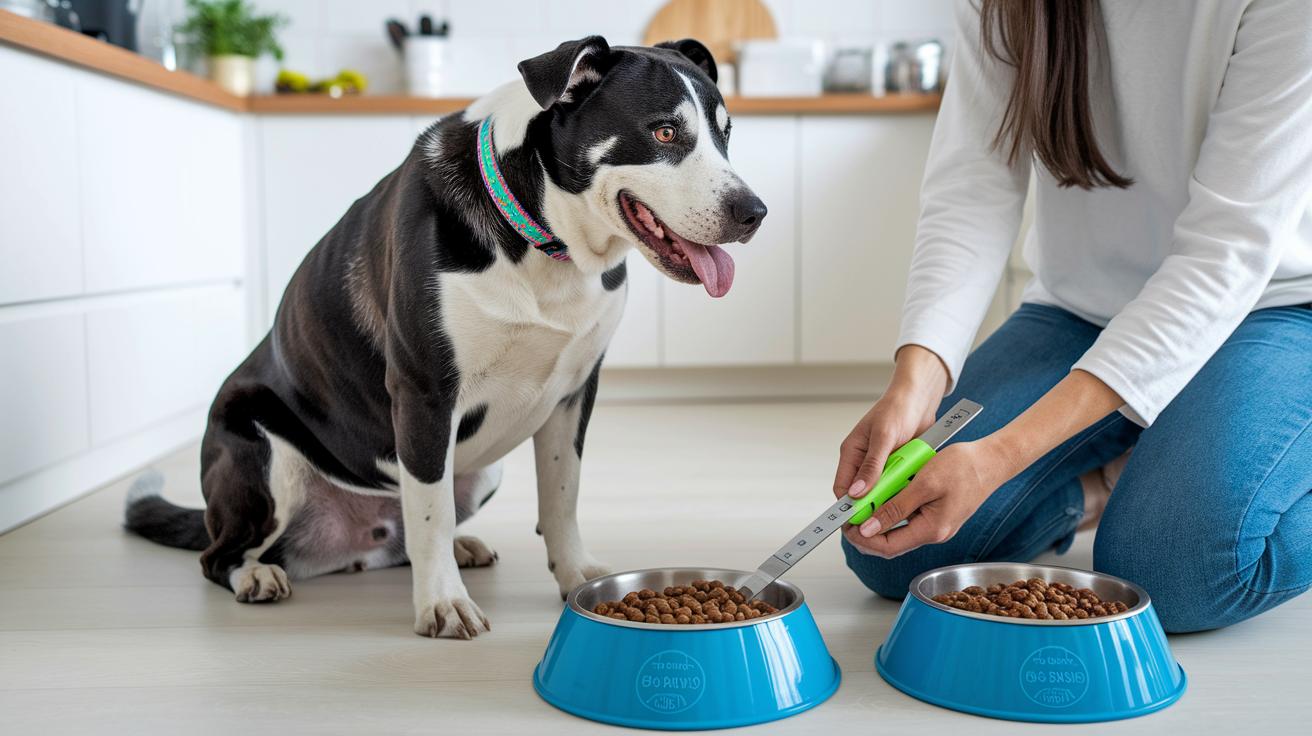
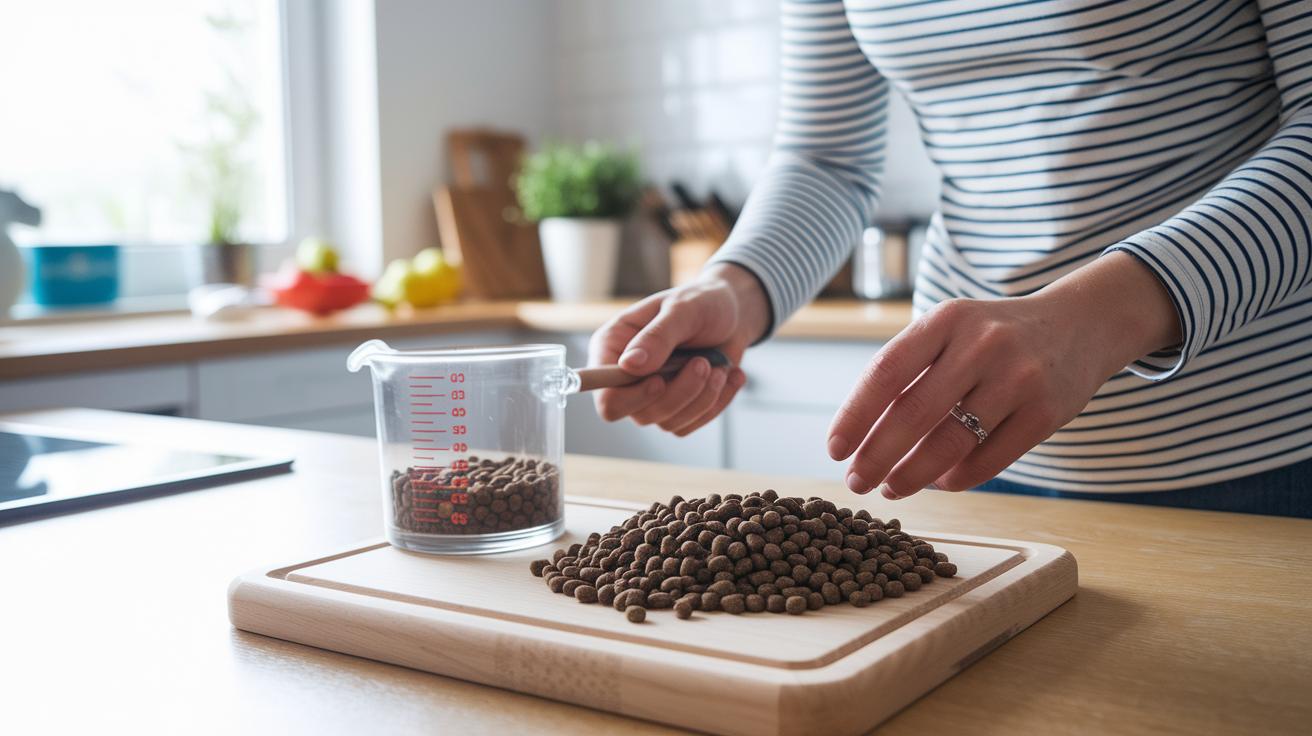
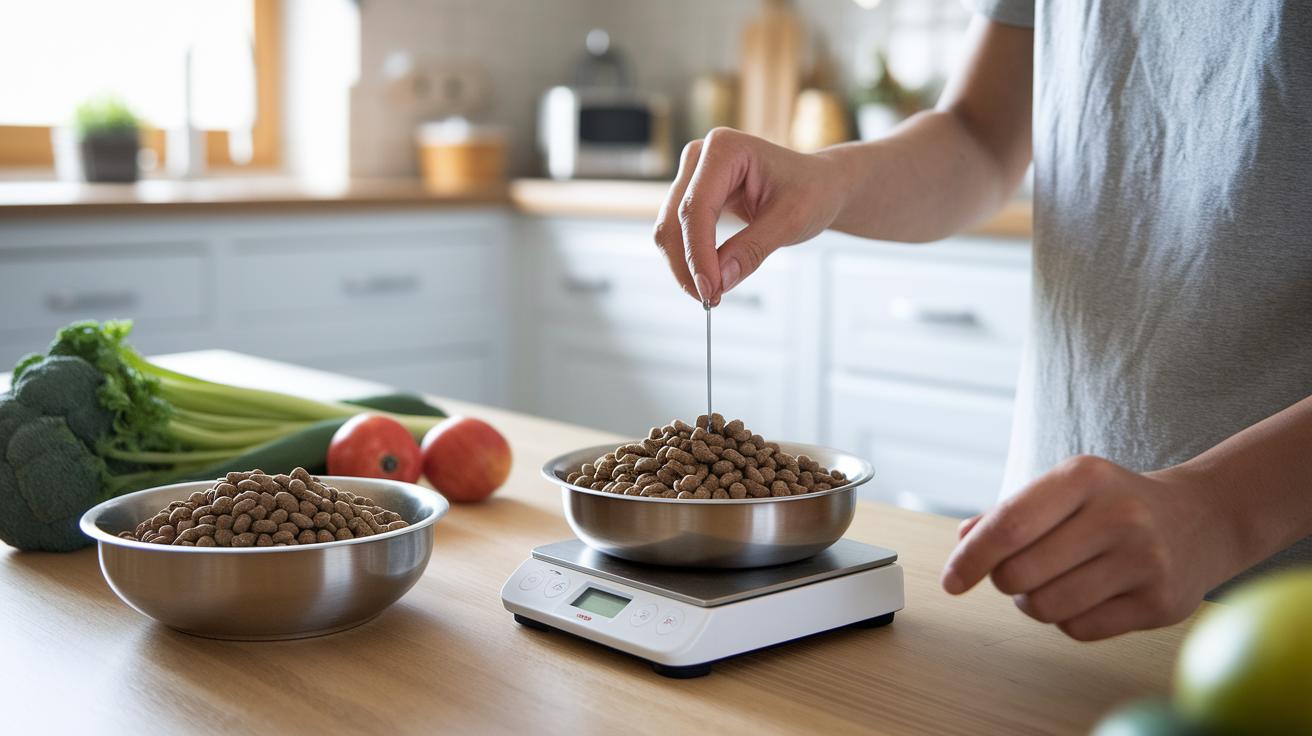
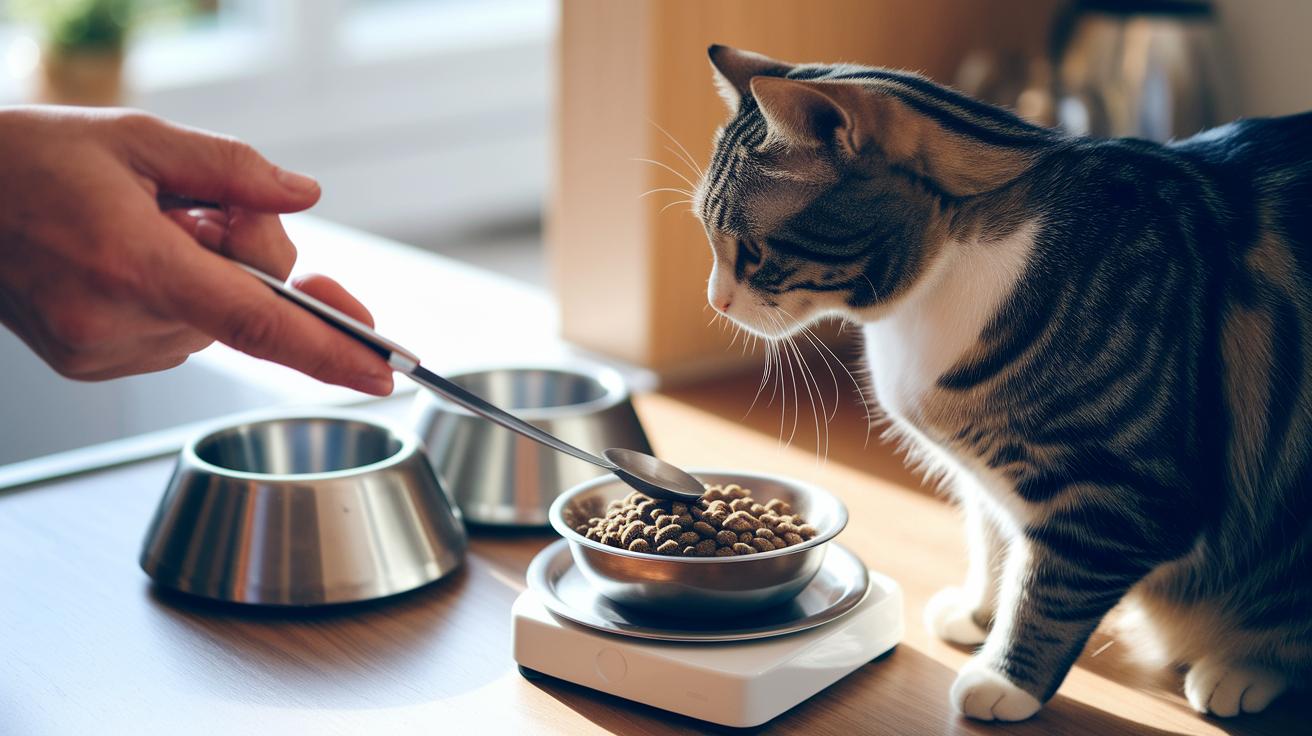
Measuring your pet's food carefully can really help when they're on a low-calorie diet. When you serve controlled portions, your furry friend gets just the right amount of food to keep them satisfied and active without extra calories. It’s all about serving just enough to help them stay healthy.

  • Use a kitchen scale or a special measuring scoop for every meal.
  • Stick to two or three meals a day instead of leaving food out all day.
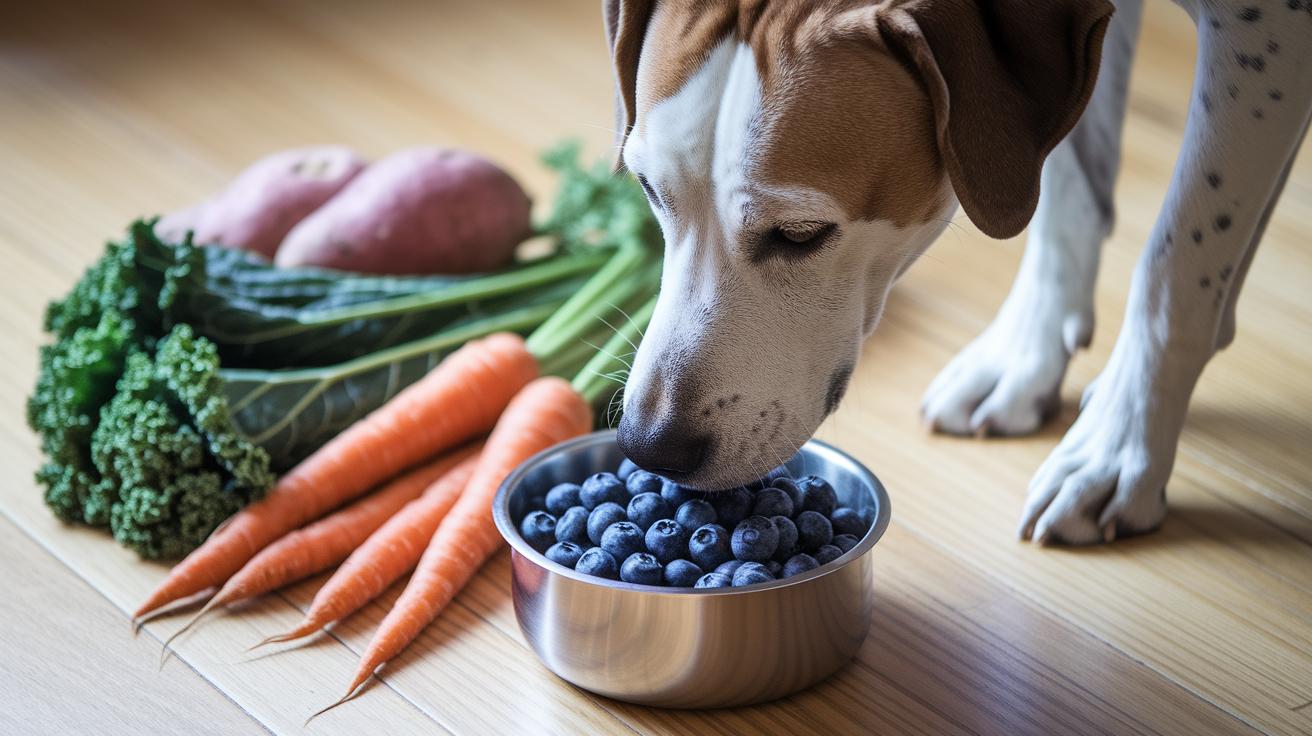
  • Try mixing in high-fiber veggies, like green beans or pumpkin with extra water, to add bulk without extra calories.
  • Avoid table scraps and treats that aren’t part of their daily plan.
  • Keep a regular meal schedule to cut down on constant snacking.

Using these simple habits day in and day out can make a huge difference for your pet. A steady routine with measured meals helps curb overeating and eases your pet into smaller, healthier portions. This not only supports their weight management but also boosts their overall well-being.

Nutrient-Balanced Low Calorie Meal Plans for Dogs and Cats

img-4.jpg

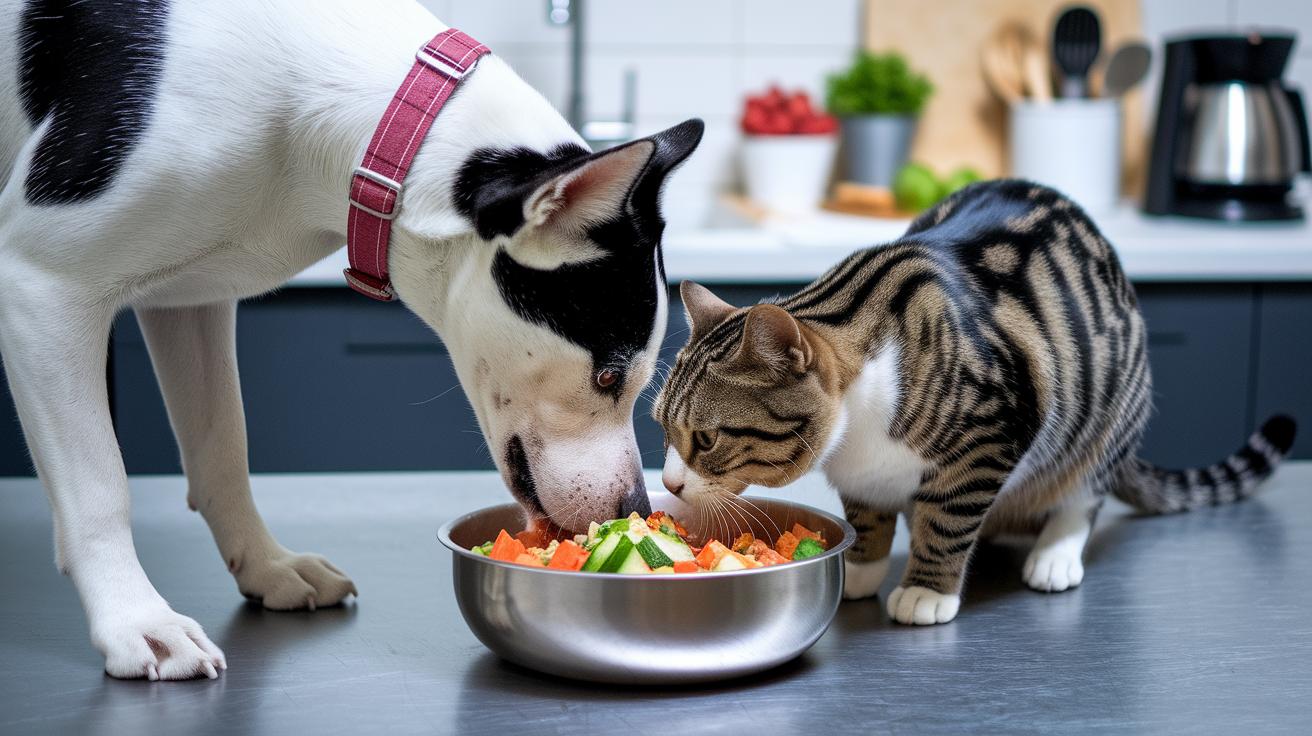
When planning a well-rounded meal for your pet, it helps to focus on lean protein and ingredients that are low in calories yet high in flavor. One smart idea is to use whole-food recipes. Think fresh veggies like zucchini and carrots that add natural fiber and water, keeping your pet full without piling on extra calories. For example, a Fish & Sweet Potato dish is a great choice for dogs. It’s low in fat, free from grains, and packed with antioxidants that help keep them active and support lean muscle. And if you need more inspiration, check out our fresh dog food ideas. Gradually switching to new ingredients over 7–10 days can help your pet adjust without any tummy troubles.

The same idea works for our cat meal plans. A Chicken & Pumpkin recipe is a tasty, high-protein option that doesn’t add too many extra carbs. This meal not only satisfies your cat but also helps maintain a healthy weight. The balance of protein with natural ingredients makes sure your cat gets all the nutrients they need. Adding veggies that are high in water is another trick that makes meals more filling and provides a steady boost of energy throughout the day.

Remember, when you’re moving from a standard diet to these balanced meals, take it slow. Start with 25% new food mixed with 75% of the old, and then add another 25% every few days until you’re at 100%. This gradual change helps avoid digestive issues while letting your pet enjoy all the benefits of the improved recipe. Here’s a quick look at some sample recipes:

Recipe Name Main Ingredients Calories per Serving
Fish & Sweet Potato Fish, Sweet Potato, Zucchini 280 kcal
Chicken & Pumpkin Chicken, Pumpkin, Carrots 200 kcal
Veggie Medley Delight Mixed Veggies, Lean Protein, Herbs 220 kcal

Incorporating Low Calorie Treats into Pet Diets

img-5.jpg

When you add treats to your pet’s meals, aim for snacks that bring joy without packing on too many calories. Keep treats to about 10% of their daily calorie intake so that each bite boosts their happiness and health. Think of it like tossing a tiny treat during a playful game of fetch, short, sweet, and full of flavor.

There are three main types of treats you can consider:

  • Natural treats: Try plain carrot sticks or crisp green beans. These crunchy snacks are full of fiber and low in calories. Imagine your dog crunching on a carrot that feels like a mini, fresh veggie salad.
  • Commercial treats: Look for options like Blue Buffalo Health Bars or Zuke’s Mini Naturals. They come in perfect bite-size portions and are crafted with tasty ingredients that stick to a strict calorie plan.
  • Homemade treats: When you make treats at home, you control every ingredient. For instance, use fully cooked, unseasoned lean meat cut into small pieces. It’s just like serving up bite-size delights during treat time.

By picking from these treat options and reading labels closely, you can stick to your calorie goals while still treating your pet to something extra special. This balance helps your furry friend maintain a healthy weight and keeps treat time as fun as ever.

Transitioning Safely to a Calorie-Restricted Pet Meal Plan

img-6.jpg

Switching your pet to a lower-calorie meal plan takes a little patience and care. To help you out, check out our Nutrient-Balanced Low Calorie Meal Plans for Dogs and Cats for the daily food ratios. Begin by mixing about 25% of the new food with 75% of the old food. After a few days, move to a 50/50 blend, then 75% new food, and finally make a full switch, provided your pet seems to be handling it well.

Watch your pet closely. If you see signs like vomiting, diarrhea, or a loss of appetite, take a break in the transition. For instance, if your pet turns its head away from the bowl, note that reaction and stick with the current mix for a few extra days before trying to change it up again.

Here are a few friendly reminders:

  • Keep tabs on your pet’s eating habits and energy levels every day.
  • If your pet seems hesitant or leaves food behind, it might be best to slow the change and check in with your veterinarian.

Veterinary Guidelines and Progress Monitoring in Low Calorie Diets

img-7.jpg

Working with your vet is super important when you’re helping your pet lose weight on a low calorie diet. Regular check-ins, like monthly weigh-ins and simple body shape checks (that’s a quick way to see how fit your pet is), help catch any changes early. Keeping a small weight journal where you note daily food amounts, playtime, and body condition is a really practical way to see progress and adjust little things along the way. It’s hard to believe, but fewer than half of pet owners chat with their vet about weight issues, even though expert advice can really cut health risks. With your vet’s guidance, even a small tweak of about 5% to 10% in calories can make a big difference when your pet’s weight seems stuck for a couple of weeks.

Having your vet create a wellness plan gives you that extra sense of comfort. With regular progress checks, your vet can notice trends and suggest changes if your pet isn’t meeting its weight-loss goals. This hands-on approach not only builds healthier eating habits but also helps avoid extra complications from being overweight. By keeping a consistent log, both you and your vet can see what’s working and what might need a little adjustment. Rely on these veterinary guidelines and regular check-ups to keep your pet on a balanced, low calorie diet that supports steady weight loss and overall well-being.

Combining Exercise with a Low Calorie Pet Diet

img-8.jpg

Keeping your pet active is super important when you're cutting back on calories. A daily walk or a 30- to 60-minute play session can help fire up their metabolism and keep their muscles strong. Whether you're strolling through the park or tossing a ball in the backyard, a fun burst of exercise not only burns extra calories but also lifts your pet's mood. Make sure you pick activities that suit your pet's age, breed, and joint health. For instance, why not turn a simple stair climb into a playful game? It’s a delightful twist on normal play.

Matching meal times with play sessions sets a steady rhythm that makes the most of your pet's energy. Feed your pet at the same time every day and then let them enjoy a bit of playful exercise soon after. This helps keep their eating habits regular and makes sure they have enough pep for both exercise and a good recovery. It’s a simple, effective way to boost overall health and help your pet shed pounds gradually.

Success Stories: Real-World Results of Low Calorie Pet Diets

img-9.jpg

One friendly Labrador retriever shed 15% of its body weight in just 12 weeks. Its diet was packed with protein and kept fat levels moderate, perfectly paired with daily bursts of fun like quick games and leisurely walks. The pup’s owner was super careful with food portions and only gave a few low-calorie treats. Over time, the Labrador not only dropped the extra pounds but also became more lively and ready for play. One owner even said, "Seeing my dog's improved energy and healthier look made every step of the plan worth it." Small changes here and there helped the dog feel fuller sooner, so it didn’t overeat.

A domestic short-haired cat also made great strides, losing 2 lbs over 8 weeks. Its new Fish & Sweet Potato meal plan was low in fat and had no grains, keeping the kitty both satisfied and well-fed. The transition was smooth; the cat started with a mix of its old food and the new meals, and soon settled into the routine with a good appetite. Its owner noticed the cat was more active and vibrant overall. This story shows how careful calorie control and wholesome meals can really help manage your pet's weight.

Final Words

In the action, we looked at how careful portion control, balanced meal plans, and gradual diet changes help our furry friends lose weight safely. The post shared warm pet success stories and practical tips on keeping meals fresh and appealing.

Try a low calorie pet diet for overweight pets to keep your companion healthy and active. Small changes at home, like adjusting treats and mixing in playtime, can mean a happier, lighter pet. Keep moving forward with care and confidence.

FAQ

How can I create a homemade low-calorie diet for overweight pets?

The homemade low-calorie diet for overweight pets uses lean proteins and low-calorie vegetables. It helps reduce overall calories while keeping meals tasty and nutritionally balanced for steady weight loss.

Which dog food is best for weight loss and recommended by vets?

The dog foods favored for weight loss have a blend of high protein and moderate fat with reduced calories. They promote lean muscle maintenance and a healthier body weight under veterinary guidance.

How do I start putting my dog on a weight loss diet?

Starting a weight loss diet for your dog means measuring meals, reducing treat portions, and choosing low-calorie, nutrient-rich ingredients. Pairing this with regular exercise supports safe and lasting weight loss.

What can I feed my overweight dog to help it lose weight?

Overweight dogs do well with meals that mix lean meats, fiber-packed vegetables, and limited grains. These foods help control calorie intake while preserving muscle and energy levels during weight loss.

What type of diet do most veterinarians recommend for overweight cats?

Veterinarians typically advise low-calorie diets for overweight cats that emphasize high-quality proteins and reduced carbohydrates. This balanced approach aids in gradual weight loss while keeping cats active and healthy.

What is the 90/10 rule for dogs?

The 90/10 rule for dogs means that treats should make up only 10% of the total daily calorie intake, while the remaining 90% comes from balanced, measured meals to support weight management.

What are some options for low-calorie dog treats, including homemade and human food choices?

Low-calorie dog treats may involve plain vegetables like carrot sticks or green beans, simple human food options, or homemade bites using lean meat, all while keeping treat calories within safe daily limits.

Benefits Of Regular Walks For Pet Vitality: Thriving

0

Ever thought a simple walk might give your pet a burst of energy? Regular walks help them burn calories, build a strong heart, and keep their muscles moving.

Imagine your furry friend happily trotting along, each step like a little celebration. As they take in fresh air and new scents, their mind stays sharp and their body grows stronger. This daily routine is not just exercise, it’s a delightful way to help your pet thrive while deepening the special bond you share.

Snapshot: Core Vitality Outcomes from Regular Pet Walks

img-1.jpg

Regular walks offer a world of benefits for our furry friends. They help keep pets at a healthy weight since every mile burns around 0.8 calories per pound (calories are the energy pets get from food). A brisk stroll isn’t just fun, it also powers up their heart, strengthening its rhythm and boosting blood flow.

Walking plays a big role in keeping muscles and joints strong and flexible too. Imagine your pet stretching out with every step, building more endurance with each adventure. And as they wander through parks or down familiar streets, new sights, sounds, and scents spark their curiosity and keep their minds sharp.

Every day’s walk also supports smooth digestion and helps with proper bladder function, making those essential bodily processes easier. Most of all, sharing this time creates a special bond, enhancing both their behavior and your training efforts.

All these little miracles together give your pet a full dose of happiness and health.

Structuring Daily Exercise Routines for Enhanced Pet Vitality

img-2.jpg

When planning your pet's daily exercise, it helps to match the routine to their age and energy. For puppies, short walks are the way to go. Think of a four-month-old pup taking two gentle 20-minute strolls a day, each step sparking curiosity and building confidence without tiring them out too quickly.

For adult dogs (between one and seven years old), it's time to ramp things up. Longer outings that mix brisk walking with bursts of playful running work wonders. Imagine a cheerful dog trotting along a quiet street, pausing to savor a fresh breeze and happily greet anyone passing by.

Older pets, around eight years and above, do best with gentle, slower walks. These shorter strolls, with plenty of stops to sniff the grass or admire nature, keep joints safe and muscles active while ensuring a calm, comfortable pace.

  • Puppies: About five minutes of walking per month of age, twice daily (so a four-month-old gets roughly 20 minutes per walk).
  • Adults: Roughly 60 minutes or more per outing, mixing brisk walks with playful breaks.
  • Seniors: Short, gentle walks with frequent pauses to sniff around and enjoy the outdoors.

Walking Your Pet to Boost Cardiovascular Health and Manage Weight

img-3.jpg

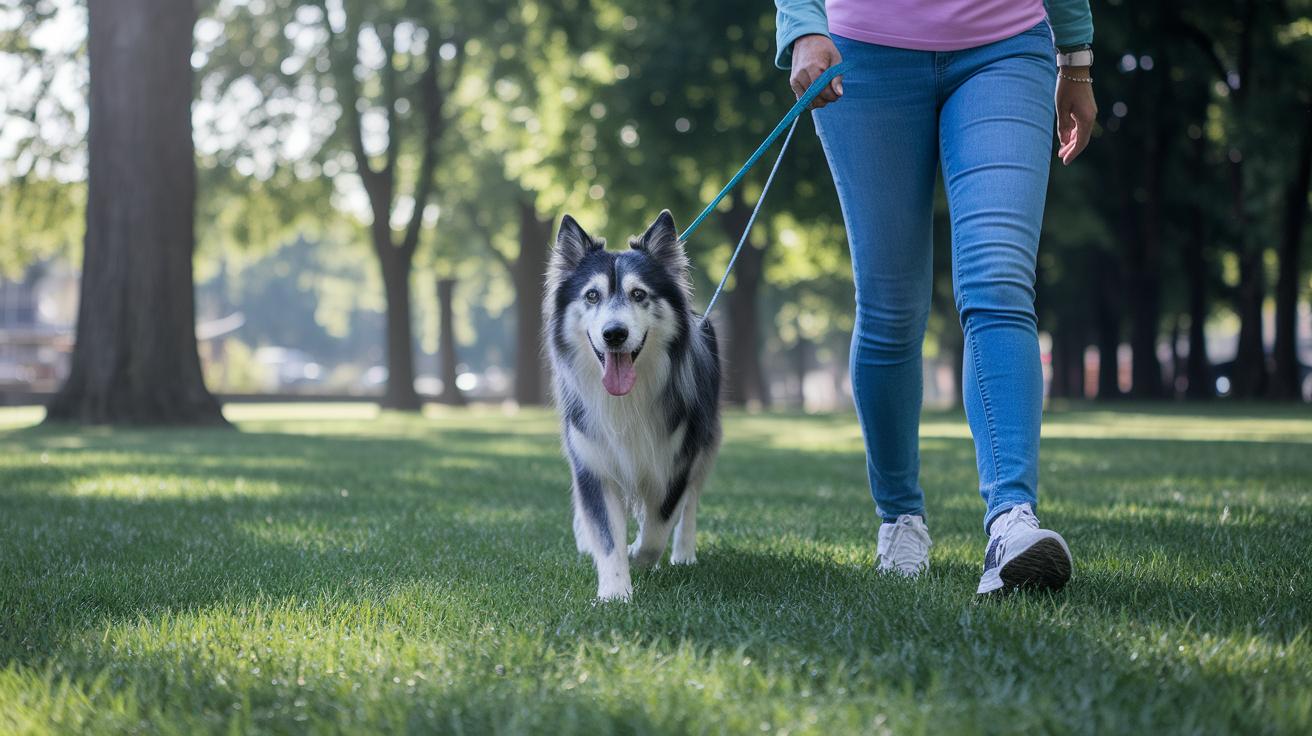
Taking your pet for a walk is like giving both of you a mini workout. It strengthens the heart and helps move oxygen and nutrients to the muscles and organs. Imagine a happy dog prancing along a shady trail, each step lighting up its body with energy.

Every mile your pet walks burns about 0.8 calories per pound (calories are the energy pets get from food). Of course, the exact amount can change with a faster pace or a bumpy path. If you're curious about the numbers, you can always check the pet nutrition alliance calorie calculator at https://goodkaws.com?p=1007.

Plus, those walks give your pet a boost in blood flow, helping the heart work better and the muscles recover nicely. Isn't it amazing how a simple walk makes such a big difference?

Enhancing Mental Stimulation and Stress Reduction with Walks

img-4.jpg

A brisk walk treats your pet to bright sights, lively sounds, and enticing smells that spark curiosity. Each stroll feels like a little adventure, keeping boredom at bay and their mind alert.

  • Fresh views and new scents work like a fun puzzle, helping your furry friend think and stay sharp.
  • Spending time outdoors gently lowers stress; a calm walk soothes both dogs and cats, easing their worries.
  • Leaving the indoors relieves the strain of sitting too long and lifts their mood with the joy of the outdoors.

Picture a happy dog pausing in a sunlit park, ears perked up to the rustle of leaves and soft murmurs nearby. These gentle walks break up daily routines, easing restless energy with every step. Moving away from screens and quiet rooms gives your pet a refreshing change that brightens their mood and lowers tension. Over time, these outings help keep your pet balanced and alert, nurturing both body and mind.

Improving Digestion and Metabolic Health Through Daily Walks

img-5.jpg

A daily walk is like a gentle nudge to start your pet's day, much like a refreshing stretch for you. Every step helps their tummy work, easing the flow of food and lowering the chance of constipation. Picture your pet enjoying a calm stroll, with each step encouraging their belly to keep things moving.

  • Daily walks can lead to more regular bathroom breaks, easing any discomfort.
  • Steady movement helps your pet absorb important nutrients well, keeping their blood sugar in check.
  • A brisk walk makes sure the bladder empties completely, which may cut down the risk of urinary problems.

Regular walks do more than spark a bit of adventure; they keep your pet's metabolism in great shape. When your pet moves daily, their body works more smoothly, think of it like oiling gears so everything runs with less strain, saving energy for play and fun.

Plus, a consistent routine of activity helps your furry friend maintain a healthy weight. Those regular strolls not only fuel steady energy but also keep life full of joy and vitality.

Strengthening the Owner-Pet Bond and Behavioral Benefits of Walks

img-6.jpg

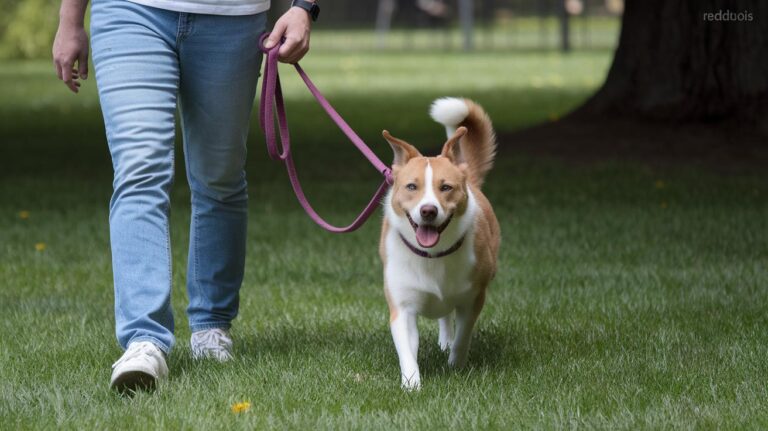
Regular walks are a wonderful chance for you and your pet to enjoy quality time together. Imagine taking a sunny stroll with your furry buddy, where every step builds trust and a real sense of closeness. These everyday outings turn into special moments that strengthen your connection.

Out on these walks, you can also practice simple commands like “sit,” “stay,” and “heel” in real life. Trying these commands in the park, even with all the distractions of nature, helps sharpen your pet’s focus and builds good habits. For example, while out in a busy park, you might say, “Let’s work on your heel, just like in dog training classes” (which means learning these skills in a fun, practical way). This hands-on practice is a great way to improve training and deepen the trust between you.

Your pet gets to experience different people, animals, and surroundings during these outings. This variety boosts their confidence and helps decrease fear or aggression, making them more relaxed around others. Regular walks also serve as a fun mental workout and a natural way to burn off extra energy, which can help lessen issues like excessive barking, chewing, or hyperactivity.

  • Enjoying time together outside creates a comforting routine.
  • Practicing commands amidst everyday distractions boosts obedience.
  • Meeting new friends and pets builds confidence and eases anxiety.
  • Regular walks provide a natural outlet for energy, reducing disruptive behaviors.

Tailoring Walk Frequency and Duration for Lasting Pet Vitality

img-7.jpg

Veterinarians say adjusting your pet's walk can really help keep them happy and healthy. Active pups like border collies might need a fast pace, while others with breathing troubles do better on a gentle, cool stroll. Imagine a poodle enjoying a shady path on a warm afternoon, simple changes can make a big difference.

Even small tweaks in your daily walk can boost your pet's long-term health. Switching things up, like mixing paved sidewalks with soft grassy routes, can help keep their joints (how easily they move) and muscles strong. It’s like adding a little extra fun to their day, a change in scenery helps them feel lighter and more relaxed.

Here are a few extra tips to consider:

  • High-energy breeds may need faster bursts to burn off all that energy.
  • Weather matters too; on a sunny day, try shorter bursts with extra rests.
  • If your pet seems uncomfortable, slow down for a bit during the walk.

By keeping an eye on your pet's unique needs and the environment around you, you can tailor their walks to keep them feeling their best.

Safety Considerations to Maximize Walk Benefits for Pet Vitality

img-8.jpg

Planning ahead makes every walk safer and more fun for both you and your pet. I always check the weather first, because a really hot day can cause heatstroke and very cold weather might lead to hypothermia. Choosing a cooler time to walk and being ready to change your route keeps your furry friend happier and safer.

It helps a lot to use the right gear. A reflective collar, a secure harness, and a sturdy leash keep your pet visible when it's dim outside. On your walk, take a moment to check your pet's paw pads for little cuts or any signs of irritation, and offer some water on longer outings. If your pet seems tired or uncomfortable, it’s a good idea to slow down or switch paths.

Tip Why It Helps
Check the Weather Avoids dangerous heat or cold.
Wear Reflective Gear Keeps your pet seen during low light.
Inspect Paws and Hydrate Prevents minor injuries and dehydration.
Adjust Your Route Ensures comfort and safety if your pet tires.

For more everyday safety tips, check out preventative pet health at https://bonsiaai.com?p=356 to make sure your outdoor adventures are always both enjoyable and safe.

Final Words

In the action, we saw that a simple walk can do wonders for your pet’s health. Regular walks boost heart and joint strength, support healthy digestion, and even sharpen your pet’s mind through new sights and smells. Each outing becomes a special time to bond and practice commands while keeping your furry friend active and safe. All these show the benefits of regular walks for pet vitality, leaving your pet feeling happier and more energetic every day. Enjoy the fun and health benefits with every step you share together.

FAQ

What are the benefits of regular dog walks?

Regular dog walks help maintain a healthy weight, build stronger muscles, and improve heart health. They also offer quality time for bonding and training, ensuring your pet stays active and joyful.

What mental benefits do dogs get from their walks?

Walking your dog boosts their mental well-being by offering new smells, sounds, and sights that reduce boredom and stress, making them happier and more relaxed.

How do the timing and consistency of dog walks benefit their overall well-being?

Consistent walks—whether in the morning, at night, or daily—kick-start your dog’s energy, improve mood, and help regulate routines, enhancing their physical and emotional vitality.

What happens if I don’t walk my dog regularly?

Without regular walks, dogs can suffer from boredom, weight gain, and increased stress. Insufficient exercise may also lead to behavioral issues due to built-up excess energy.

What is the five-second rule for walking dogs?

The five-second rule means quickly correcting behavior distractions during a walk. It helps keep your dog focused and safe while reinforcing basic command responses.

Is a 30-minute walk enough for my dog?

A 30-minute walk can be sufficient for many dogs, especially if combined with some play and mental stimulation. Adjust duration based on your pet’s age, breed, and energy needs.

Pet Supply Stores: Where Smiles Abound

0

Have you ever noticed how a visit to the pet store can brighten your day? Imagine stepping into a shop where every aisle feels like a warm chat with someone who truly understands the love for pets.

You can easily find one nearby with online tools that show you local gems. Each trip turns into a little adventure that makes your pet’s eyes sparkle with joy.

Pet supply stores blend friendly, old-school service with a hint of modern convenience. Even a routine errand can become a special moment, filling both you and your furry friend with delight.

Pet supply stores: Where Smiles Abound

img-1.jpg

Have you ever wished that finding pet supplies was as fun as watching your pup chase its tail? Now it is. Just enter your ZIP code into the online locator, and you'll quickly see nearby shops like hidden treasures waiting to be discovered.

Across the country, there are store locations in towns such as Dothan, AL, and Chipley, FL. In these places, friendly helpers are ready to chat about everything from choosing the perfect toy for a playful pup to picking out a nutritious treat that makes tails wag. And if you love a good online search, these locators give you all the details you need to compare different outlets with ease.

A cool new feature is the 24/7 AI Nutrition Expert (a smart helper that gives advice about pet food, like explaining calories, which is the energy your pet gets from food). Working in beta mode, it's like having a knowledgeable buddy on call to boost your confidence when making pet care decisions.

Whether you're a seasoned pet parent or just starting out on your pet journey, these easy-to-use tools blend friendly service with modern tech. Each visit, whether in person or online, leaves both you and your pet with a smile.

Exploring Product Range at Pet Supply Stores

img-2.jpg

When you step into a pet supply store, you're greeted with a delightful mix of pet care goodies that make everyday life easier and extra special. You’ll see bright, cheerful feeding bowls and handy accessories that turn meal times into a little celebration. Imagine a row of colorful bowls that almost sing with fun, each one ready to brighten your pet’s day. There are also collars and leashes to help keep your furry friend safe, plus cozy crates and home items that add comfort to your space.

Next, you can explore a playful section filled with toys and treats designed to spark joy and exercise. Many stores also feature gently cooked meals and wet-food packs, giving a fresh twist to mealtimes. Health-minded pet parents love finding flea and tick treatments, dental care aids, and grooming tools that keep pets looking and feeling their best. All these items come from years of smart choosing, over 40 years of expertise, in fact!

There’s also a special corner for older pets, stocked with supplies that make their days as comfy as can be. And if you have farm animals or outdoor pets, you'll find products like livestock vaccines for overall farm health, equine gear for safe riding, and care items for little bunnies that keep them bouncing happily.

Every visit feels like wandering into a pet treasure trove, where each item is chosen with care to support you and your pet. Whether it’s everyday essentials or a unique find, these stores help you feel confident and cared for every time you shop.

Pet Supply Stores Store Hours, Contact, and Directions

img-3.jpg

Planning your pet shopping is a snap with these hours. Most stores open Monday through Friday from 10:00 AM to 7:30 PM. On weekends, you can stop by between 9:00 AM and 7:00 PM. It’s perfect for when your furry friend needs a last-minute treat or a fun new accessory.

Holiday hours change a bit, so keep an eye on your calendar. On Memorial Day and Labor Day, the shop runs from 10:00 AM to 6:00 PM. But on July 4th, Thanksgiving, and Christmas, you’ll find the store closed. New Year’s Eve follows the 10:00 AM to 6:00 PM schedule while New Year’s Day is off.

For orders over $49, you also get the perk of local delivery or curbside pickup, making it super convenient on busy days. And if you prefer shopping from the comfort of your home, check out the pet supplies online at https://bonsiaai.com?p=347. Giving them a call at 1-800-533-3377 is a great option too, especially when you need that extra bit of help in finding your local pet emporium.

Customer Reviews of Pet Supply Stores

img-4.jpg

Customer feedback is a big help when pet owners decide where to shop. Many pet lovers say the friendly, knowledgeable staff and wide product range make each visit feel like a chat with a trusted friend. One review even said, "It was amazing how fast my order arrived – same-day delivery for orders before 2:00 PM really makes a difference!"

Reviews show that pet retailers have been offering dependable, affordable care for years. Shoppers appreciate free in-store nutritional consultations (that means getting simple advice on what to feed your pet), which add extra value to every purchase. It’s like walking into a neat, well-organized store where finding the right pet supplies is a breeze.

Some customers pointed out the extra personal touch during their visits. One pet parent mentioned, "I came in looking for something special for my old dog, and the staff really made me feel cared for." These honest reviews help guide others looking for pet care that feels both professional and warm.

All in all, these positive reviews build trust, reassuring pet lovers that these stores stand by their promise of quality and service. Every visit leaves both you and your pet with a smile.

Promotions and Seasonal Events at Pet Supply Stores

img-5.jpg

Shopping at pet stores can feel like a little celebration. Many stores offer fun deals on pet essentials that make your trip more enjoyable. At certain times of the year, you'll find holiday toys and treats that brighten your pet's playtime. Imagine a display full of festive chew toys, just the thing to keep your furry friend excited while you celebrate the season.

Then, you'll come across seasonal offers like bulk-buy savings and special discounts on grooming and nutrition products (basically items that help keep your pet looking and feeling great). These timed offers give pet lovers a chance to plan their shopping around the best deals. One store even has extra savings days when prices drop on premium pet foods and accessories, so you can fill up on your pet’s favorites without stretching your budget.

And there’s more. Many pet shops reward regular customers with loyalty programs. With these, you earn points towards discounts, gain early access to special deals, and sometimes even get free nutritional advice (simple guidance on keeping your pet healthy). It’s like receiving little thank-you gifts every time you shop.

Some places go even further by including gift card deals and exclusive offers on new items. Whether you’re looking for everyday supplies or something a bit different, these promotions make sure pet care stays affordable and fun.

Final Words

In the action, the post showed you how to find top-rated pet supply stores near your area. It walked through local listings, detailed product selections from everyday to specialty care items, and gave clear store hours and contact info. Customer feedback and current seasonal deals were also highlighted to boost your confidence when shopping. Enjoy discovering trusted options, whether browsing store locators or checking promotions. Happy shopping for all your pet supply stores needs!

FAQ

How do I find pet supply stores near me, including those in California, Texas, or online?

The question is asking how to locate nearby pet supply stores. Use online ZIP code searches or store locators like the pet supplies online tool to find physical outlets in your area, including in California and Texas.

What is the 50 30 20 rule for pets?

The question refers to a budgeting guide for pet expenses. It suggests spending about 50% on essentials like food and healthcare, 30% on extras, and 20% on saving. This rule is flexible.

Which company is the largest pet supply company?

The question states that PetSmart is widely recognized as the largest pet supply company. Its reach and range of products set it apart, although market standings can change over time.

Which is cheaper, PetSmart or Petco?

The question highlights price differences that depend on products and promotions. Often, one store may offer lower prices than the other, so comparing current deals and reviews is a smart move.

What happens to unsold pets at PetSmart?

The question asks about unsold pets at PetSmart. They are given proper care and are rehomed or matched with new families through the company’s responsible animal welfare practices.

What are some popular pet supply retailers I can shop at both in-store and online?

The question is about major pet supply retailers. Popular options include PetSmart, Petco, Pet Supplies Plus, Chewy, Walmart, Amazon.com, Marshalls, and BarkBox, each offering a wide range of pet care products.

Natural Remedies For Boosting Pet Energy: Pure Vitality

0

Have you ever noticed how a small change in your pet’s diet can brighten their day? Many pet lovers have seen a boost in their furry friend’s energy when switching to fresh, natural meals.

Imagine serving up real meat and vitamin-packed fruits that make your pet feel truly alive. It’s like adding a sprinkle of magic to every bite, the soft crunch of fresh veggies or the juicy burst of fruit really brings out their playful side.

Next, we’ll share simple, everyday tips to use natural ingredients that keep your pet feeling spirited and happy. Ever see how a wagging tail or a gentle purr can lift your mood? That's the power of wholesome food making your buddy’s day just a bit brighter.

Natural Remedies That Safely Boost Pet Energy

img-1.jpg

Feeding your pet a fresh, natural diet is a simple way to boost their energy. Instead of sticking with processed kibble, try switching to human-grade food. It’s like preparing a homemade meal for your furry friend, imagine a chef whipping up a warm, tasty stew just for them. This swap helps your pet soak up those energy-packed vitamins and minerals in every bite.

Keeping fresh water nearby is just as important. Especially in hot weather, a bowl of clean water keeps your pet hydrated and ready for play. When they’re well-hydrated, they have the pep to frolic, explore, and enjoy their day to the fullest.

Real meat is another game-changer. It offers powerful protein that supports lean muscles, healthy joints, and that shiny coat we all love. Fresh cuts mean the protein stays just the way nature intended, so your pet gets the full benefit. Think of it like using a trusted, human-grade recipe where every bite is bursting with real nutrients. If you’re looking into the best supplements, check out Ultimate Pet Nutrition Reviews for some handy advice. With these small changes to your pet’s diet, you’re setting them up to be energetic, happy, and always ready for the next adventure.

Organic Nutrition Strategies for Enhanced Pet Energy

img-2.jpg

Feeding your pet nutrient-rich foods can naturally boost their energy. When you choose whole, natural ingredients, you're giving your pet a little bundle of vitamins and minerals to enjoy during playtime and rest. Switching to organic food means your furry friend gets better energy, stronger immune support, and improved overall health without the extra processed bits.

  • Blueberries – These small fruits are bursting with antioxidants and vitamins C and K, which help protect your pet’s immune system while keeping their heart and brain in good shape.
  • Carrots – They’re loaded with vitamin A and fiber that help keep your pet’s vision sharp and digestion smooth, plus they add a fun crunch to the meal.
  • Sweet Potatoes – Rich in beta-carotene, these naturally sweet treats can help lower risks of certain health problems and give a steady, lasting energy boost.
  • Kale – This leafy green offers vitamins like C, A, and B6 along with antioxidants, giving pets a steady flow of energy and supporting strong body health.

Mixing these colorful, organic ingredients together is like setting up a nature-inspired buffet for your pet. Each food brings its own special nutrients, letting your pet’s body use a wide range of energy sources. Whether it’s the fun burst of blueberries or the long-lasting energy from sweet potatoes, every ingredient works together to help your pet stay lively and ready for fun moments.

Herbal Pet Supplements to Raise Stamina

img-3.jpg

Herbal supplements can give your furry friend an extra burst of energy while helping them stay calm and ready for play. Many natural herbs have been used for ages to support healthy energy levels and ease a bit of nervous tension. They mix old herbal wisdom with modern pet care tips to work safely for your buddy.

Skullcap & Valerian

Skullcap and Valerian root team up to guide your pet's natural energy rhythms and gently calm them. Vets usually recommend a little pinch for small pets and a tad more for larger ones. These herbs are great for pets that tend to get overly excited, helping them relax in a cozy way.

Panax Ginseng

Panax Ginseng is known as an adaptogenic herb, which means it helps manage stress (adaptogens help the body deal with stress) and boosts endurance. Usually, a very small amount is enough, adjusted to your pet’s weight. Even a tiny sprinkle can help your pet stay sharp and active while keeping stress away.

Lingonberry Extract

Lingonberry extract stands out for its antioxidants, which may help lessen tiredness from daily activities. The recommended serving sizes are modest so your pet gets the support they need without overloading their system.

Before adding any herbal supplement to your pet’s routine, have a chat with your vet. Start with a low dose and watch your pet’s reaction. Stick to the vet’s advice and follow the packaging instructions to keep things safe and comfy for your furry companion.

DIY Energizing Pet Treats and Tonics

img-4.jpg

Making your own treats is a fun way to give your pet a little energy boost while adding a bit of nutrition to their day. These recipes mix everyday ingredients like quinoa, kale, carrots, and blueberries to help your pet feel strong and refreshed.

Let's start with the no-bake quinoa-carrot bites. You will need:

Ingredient Description
Cooked Quinoa A healthy grain that energizes
Grated Carrots Good for muscles and eyesight
Rolled Oats They add fiber (good for digestion)
Honey A natural sweetener
Unsweetened Peanut Butter Great for flavor and protein

Mix equal parts of cooked quinoa and grated carrots in a bowl. Then, stir in the rolled oats, honey, and peanut butter until the mix sticks together. Scoop out small amounts and roll them into bite-sized balls. Pop them in the fridge for at least 30 minutes to firm up.

Next, try a blueberry-kale smoothie tonic. For this yummy drink, you'll need fresh blueberries, a few roughly chopped kale leaves, a dollop of plain yogurt, a small splash of water, and a pinch of ground flaxseed (a tiny seed that supports good health). Toss everything into a blender and blend until it's smooth. Pour the mix into a bowl or a pet-safe cup, and you're all set.

Store both recipes in an airtight container in the refrigerator. Serve the no-bake bites as a special treat now and then, and offer the smoothie tonic as a refreshing, energy-boosting sip no more than once daily to keep your pet feeling vibrant and loved.

Lifestyle Adjustments for Sustained Pet Vitality

img-5.jpg

Daily Exercise Routine

Keeping your pet moving is key to their happiness and health. Try to pick activities that fit your pet's age and breed. For instance, a playful puppy might love a lively 15-minute fetch session, while an active adult dog might get a kick out of a 30-minute walk around the block. And for our older friends, short, gentle sessions can help keep their joints happy without wearing them out.
Quick tips:

  • Puppies: Enjoy several playful 10-15 minute sessions throughout the day.
  • Adults: Aim for a steady 30-minute walk or even a fun swimming session each day.
  • Seniors: Consider 15-minute strolls with calm play, repeated a few times daily.

Hydration Tips

Fresh water is just as important as exercise to keep your pet full of energy. Make sure their water bowl gets cleaned and refilled every 2-3 hours, especially on warm days or after they've been active. Keeping an eye on how much they drink can help you spot any changes in their routine right away.
Quick tips:

  • Check the water bowl every 2-3 hours, particularly during busy, warm parts of the day.
  • If your pet is playing for long periods, a pet-safe electrolyte mix (a special water additive to help with energy) can be a good idea.
  • Consider setting a timer as a reminder to refill their bowl regularly.

Final Words

In the action, this article covered ways to safely boost pet energy with natural methods. We checked on natural diet swaps, proper hydration, and lean proteins that support your pet’s well-being. We also touched on nutrient-packed superfoods and simple DIY treat recipes to help lift energy naturally.

Small lifestyle shifts, like routine exercise and refreshing water breaks, add to the care. Remember, natural remedies for boosting pet energy work best when combined with steady, loving attention. Stay positive and enjoy these practical tips for a lively pet life.

FAQ

How can I naturally boost my dog’s energy and overall vitality?

Boosting your dog’s energy begins with offering a balanced diet that includes lean, protein-rich meats, nutrient-packed fruits like blueberries, and vegetables. Regular play and fresh water also help keep energy levels up.

What natural remedies help increase a sick dog’s appetite and energy?

Helping an unwell dog regain its zest can be as simple as serving small portions of high-quality, human-grade meals with natural appetite boosters like bone broth or a sweet potato mix to entice eating and boost energy.

What is the strongest natural energy booster for my pet?

The strongest natural energy boost often comes from real, lean meat and whole, nutrient-rich vegetables. These foods provide essential proteins and vitamins that support sustained energy and overall pet wellness.

How can home remedies cure lethargy in dogs?

Addressing lethargy at home can involve serving nutrient-dense meals, offering hydrating treats like bone broth, and mixing in gentle herbal supplements. A balanced routine of exercise and rest also helps improve energy.

How can I send healing energy to my pet?

Sending healing energy to your pet means creating a calm, loving environment, offering gentle touches, and spending quality quiet time together. This peaceful approach can help reduce stress and support your pet’s wellbeing.

Pet Diet Tips For Senior Dogs And Cats

0

Have you ever thought a few changes to your pet’s food might help your older friend feel a bit spryer? As our furry pals get on in years and slow down, even a tiny shift in their diet can spark extra energy and comfort. For senior cats and dogs, simple diet tweaks can aid digestion, support achy joints, and lift their spirits. Picking the right proteins and healthy fats could really brighten up their day. Keep reading for easy, practical tips that might just make mealtime a new, joyful adventure for your aging companion.

Essential Nutrition Strategies for Senior Dogs and Cats

img-1.jpg

As our furry companions age, their bodies slow down and need a different kind of fuel than when they were young. Their metabolism isn’t as speedy, and they don’t play around like they used to, which can lead to extra weight, arthritis, kidney problems, or tummy troubles. Using top-notch protein from sources like chicken, turkey, or fish (protein that helps build and repair muscles) is key to keeping them strong and vibrant. Ever notice how your pet's tail doesn’t wag quite as energetically as before? A nutritious meal might just bring back that spark.

Older pets also benefit from diets that are lower in calories and fats. Since they’re not burning off energy like they once did, cutting back on fats helps prevent those extra pounds that can put a strain on joints and hearts. It also helps to add joint-support nutrients such as omega-3s (good fats for your pet’s joints), glucosamine, and chondroitin to ease any discomfort. Antioxidants like vitamins E and C protect their cells, and extra fiber makes digestion smoother, keeping mealtime gentle on their aging bodies.

Keeping a regular feeding schedule and slowly transitioning to a new diet over 7–10 days helps avoid digestive upsets and stress. Plus, foods with a softer texture can be a relief if your pet has dental issues, making meals easier and more enjoyable. Here are some key tips for feeding senior pets:

  • Provide high-quality, easily digestible protein sources.
  • Control calories and fat to help prevent weight gain.
  • Add joint-support nutrients like omega-3s, glucosamine, and chondroitin.
  • Include antioxidants such as vitamins E and C.
  • Increase dietary fiber for better digestion.
  • Ensure adequate hydration with moist, wet food options.
  • Offer soft-textured meals for easier chewing.
  • Transition diets gradually over a 7–10 day period.

Protein and Calorie Management for Senior Dogs and Cats

img-2.jpg

When your older dog or cat slows down a bit, they still need a good amount of protein that is easy on their tummy. Foods like chicken, turkey, or fish (easy to digest and great for muscle) should make up about 15 to 25% of their meals. Since they are not as active anymore, reducing extra calories by lowering fat can help keep their joints and heart happy.

Daily calorie needs depend on your pet's breed, size, and how much they move. Big breeds usually become seniors around age 7, while smaller pets might not reach that stage until they are 11 or 12. Splitting their food into smaller portions throughout the day makes it easier to balance their diet and prevent weight gain.

  1. Check your pet's weight, age, and how active they are.
  2. Look at the food packaging to see the standard portion sizes.
  3. Adjust the serving size to match their breed and activity.
  4. Divide the daily meals into two or more servings.
  5. Use the pet nutrition alliance calorie calculator (https://goodkaws.com?p=1007) to fine-tune the calorie intake.

Keeping the right balance of protein and calories helps your furry friend maintain muscle and feel great overall. And remember, stick with formulas for older pets unless your pet is underweight.

Joint Support Meals for Senior Dogs and Cats

img-3.jpg

Older pets can sometimes struggle with stiff, achy joints as they age. Adding extra nutrients to their meals can ease discomfort and help them move more freely. It’s a gentle way to turn mealtime into a mini healing session.

Special ingredients in their food can lower inflammation and support strong bones and tissues. That means every bite can be both delicious and helpful for your pet’s joints.

Omega-3 Fatty Acids

These healthy fats from fish oil and flaxseed help calm joint swelling and support smoother movement.

Glucosamine & Chondroitin

They work together to give your pet’s joints a little extra cushion, making each step a wee bit easier.

Mineral Balance

A careful mix of calcium and phosphorus helps build and keep strong bones, supporting the ligaments and tissues in a balanced way.

Vet-Approved Supplements

These are specially made products designed for senior pets. They include gentle proteins that are easy to digest and work to improve joint flexibility.

Nutrient Source Daily Recommendation (g) Benefit
Omega-3 Fatty Acids Fish Oil, Flaxseed 0.1 – 0.2 Reduces inflammation
Glucosamine & Chondroitin Cartilage Extract 500/400 Supports joint cushioning
Mineral Balance Calcium/Phosphorus Mix 1.0 Promotes strong bones
Vet-Approved Supplements Special Formulations 0.05 Enhances joint flexibility

Digestive Wellness and Hydration Strategies for Senior Dogs and Cats

img-4.jpg

For pets growing older, adding a little extra fiber, about 2 to 4%, can help keep their bathroom routine regular. A small boost of probiotics (those friendly bacteria that help your pet’s tummy work well) also supports healthy digestion.

You can help your furry friend stay hydrated by offering wet or raw food that is 75 to 80% moisture. Plus, a bit of low-sodium broth can encourage them to drink more water without being too harsh on their system.

Making these food changes slowly ensures mealtime stays comfortable and avoids upsetting their stomach. This thoughtful approach mixes the right fiber and probiotics into your pet’s diet, keeping meals both nourishing and gentle on their digestive system.

  • Introduce an extra 2–4% fiber gradually.
  • Mix in a small amount of probiotics with every meal.
  • Serve food that contains 75–80% moisture.
  • Use low-sodium broths to encourage extra water intake.
  • Keep feeding times consistent.
  • Transition slowly to new foods.

Dental Health and Soft-Food Options for Senior Dogs and Cats

img-5.jpg

Many older pets deal with common dental troubles like tooth decay or missing teeth, which can make biting hard kibble a real struggle. You might catch your senior dog or cat having a tough time during meals because chewing is painful for them.

Switching to softer food options can really help. Think about offering wet food, semi-moist treats, pureed meals, or even raw diets that are easier on their teeth. There are also special dental foods that work to reduce plaque while being gentle on aging gums.

Soft Food Option Description
Wet diets for seniors Smooth, easy-to-chew meals made just for older pets
Semi-moist treats Soft offerings like canned tuna in water that are kind to sensitive mouths
Pureed pumpkin A silky option that’s gentle on the teeth and easy to swallow
Cooked sweet potato Soft and packed with nutrients to soothe dental discomfort
Grain-free small-piece kibble Tiny bits that are easier to chew for pets with dental issues

These changes can really boost your pet’s comfort and overall meal enjoyment. With softer food choices, they won’t have to work as hard to eat, which helps keep their teeth healthier and makes each meal a bit more joyful.

Diet Adjustments for Common Health Conditions in Senior Dogs and Cats

img-6.jpg

Older dogs and cats sometimes face ongoing health issues that need special meals. Changing their food routine can help ease symptoms, support important organs, and boost overall comfort. For instance, if your pet has kidney trouble, they may need food low in phosphorus and made with top-notch protein to give their kidneys a break. If they have heart concerns, meals with less salt and added nutrients like taurine (an amino acid that supports heart health) and L-carnitine (helps convert fat into energy) can make a difference. Some pets do well on foods packed with antioxidants (nutrients that protect cells), while others benefit from ingredients that help with thyroid or urinary health. In truth, a diet tailored to your pet’s needs might even lessen the need for extra medications.

Renal Support

Meals for kidney health focus on keeping phosphorus levels low and using high-quality protein. If you enjoy making homemade pet food, look for vet-approved recipes that let you pick the best ingredients to keep those kidneys happy.

Cardiac Support

For pets with heart issues, try a diet with less salt and extra nutrients like taurine and L-carnitine. This kind of food can ease the heart’s work and help your pet keep a steady burst of energy throughout the day.

Cancer Prevention

Some meals are designed to help fight cell damage. By including antioxidant-rich ingredients such as berries and green beans, these diets give your pet a little extra help to protect their cells and keep sickness at bay.

Thyroid Support

If your pet needs help balancing hormones, a thyroid-friendly diet usually includes minerals like selenium and iodine. These ingredients can aid in hormone regulation and keep your pet’s energy levels up.

Urinary Health

Diets aimed at supporting urinary health typically provide extra moisture and balanced minerals. This careful mix helps prevent crystal formation and keeps the urinary tract comfortable for senior cats and dogs.

Transitioning Senior Dogs and Cats to New Diets

img-7.jpg

Changing your senior pet’s food is a big step, so it’s best to do it slowly. Mixing the new food with the old over a period of 7 to 10 days helps keep their tummy calm and happy.

I like to think of it like a gentle conversation with your furry friend, you’re gradually introducing a new idea without overwhelming them. This smooth change helps avoid any upset stomach and keeps mealtime familiar and stress-free for our older dogs and cats.

Here’s a simple, four-step plan to follow:

  1. Days 1–2: Mix 25% new food with 75% old food.
  2. Days 3–4: Blend 50% new food with 50% old food.
  3. Days 5–7: Use 75% new food and 25% old food.
  4. Day 8 onward: Serve only the new food.

Keep a close eye on your pet’s stool and overall behavior during this period. If something seems off, feel free to adjust the schedule a bit. And of course, stick to regular feeding times so your senior companion always feels secure and cared for.

Final Words

In the action, we've explored key nutrition strategies for senior pets. Each section offered simple tips, from calorie control to joint support and dental care, that help you build a balanced routine.

We also covered practical steps to adjust diets for common health conditions and provided a clear plan for diet transitions. Simple and smart pet diet tips for senior dogs and cats can truly boost your pet’s overall wellness. Keep loving, keep caring, and enjoy each wag and purr along the way.

FAQ

What should be included in a homemade diet for a senior dog?

The homemade senior dog diet means using fresh, lean proteins with cooked vegetables and a small portion of whole grains, all prepared in simple, easy-to-digest recipes under the guidance of your veterinarian.

What should I feed an old dog that is losing weight or not eating well?

The feeding plan for a weight-losing or picky senior dog involves offering nutrient-dense, easily digestible foods like warm, moist meats and vegetables, which can stimulate appetite. Consult your vet if issues persist.

What is the healthiest dog food for senior dogs?

The healthiest dog food for senior dogs features balanced high-quality proteins, low fat, fiber for digestion, and nutrients for joint support, crafted to match their slower metabolism and special needs.

How can I use human food for senior dogs?

The approach for human food for senior dogs involves safe, simple choices like lean meats and cooked vegetables. Always avoid toxic ingredients or excess seasonings, and use them in moderation.

Is senior dog food necessary for older pets?

The necessity for senior dog food is seen in its ability to meet the unique nutritional needs of older pets by providing proper calorie control, joint support, and easier digestion for their aging systems.

What is a good feeding schedule for a senior dog?

The senior dog feeding schedule often includes two regular meals per day, which helps maintain steady energy levels and supports proper digestion while easing weight management.

What is the best protein source for senior dogs?

The best protein for senior dogs comes from lean sources like chicken, turkey, or fish. These high-quality proteins help support muscle maintenance without overloading on fat.

What is the best diet for a senior dog?

The best diet for a senior dog is a balanced mix of high-quality protein, controlled calories, fiber for digestion, and joint support nutrients that align with their reduced activity and metabolic needs.

What ingredients should be avoided in senior dog food?

The ingredients senior dog food should avoid include fillers, artificial additives, and hard-to-digest high-fat items which may upset their digestive system or contribute to unwanted weight gain.

Should senior dogs have wet or dry food?

The choice between wet or dry food for senior dogs depends on their dental condition and moisture needs; wet food can improve hydration, while dry food may assist with dental health when paired with extra fluids.

Is homemade dog food better for senior dogs?

The homemade dog food can be better for senior dogs when it is crafted with balanced, high-quality ingredients and approved by your veterinarian, offering tailored nutrition for their aging needs.

Veterinary Diagnostics: Advancing Animal Health

0

Have you ever thought about how one simple test could unlock your pet’s secret health story? Vets now use neat tests like blood work (a check-up on the fuel your pet gets from food) and imaging (taking clear pictures of bones and organs) to peek inside your pet. It’s a bit like having a tiny window into their little world.

This smart mix of tools helps vets act fast when your furry friend isn’t feeling well, and it makes you feel a lot better knowing someone is watching over them. Let’s take a closer look at how these tests are making pet care clearer and quicker for everyone.

Understanding Veterinary Diagnostics: Scope and Significance

img-1.jpg

Veterinary diagnostics is all about checking on our pets to catch sickness before it gets too serious. Think of it like reading a health report for your furry friend. Your vet uses tests ranging from simple blood work to advanced imaging to show how well your pet's heart, liver, or other organs are doing. Imagine a little test that tells you a big secret about your pet's health, pretty cool, right?

Your vet will often mix different tests together. For example, a blood test might reveal tiny changes in a pet’s tissue, while an ultrasound gives a clear picture of what’s happening inside, often done quickly and without bothering your pet too much. Other tests, like checking for infections with special panels, add another clue to the overall picture of your pet’s health.

These simple yet powerful tools help both veterinarians and pet owners take the best action when needed. With clear test results, your vet can decide on treatments that are safe and effective, and you get an easy-to-understand view of your pet's well-being. In the end, catching any illness early means a happier, healthier life for your beloved companion every day.

Clinical Pathology in Veterinary Diagnostics

img-2.jpg

When it comes to testing your pet’s health, taking care of the sample is key. Lab techs pick the right collection tubes and follow clear, strict steps to keep the sample clean and safe. This careful handling helps stop any mix-ups and makes sure the sample stays true to what’s happening inside your pet. For instance, a nicely handled blood sample can give a very accurate Complete Blood Count (CBC), showing your vet a clear picture of your pet’s red and white blood cells shortly after it’s collected.

  • Complete Blood Count (CBC) – Checks overall blood cell levels to spot things like infections or signs of inflammation.
  • Serum Chemistry Profiles – Looks at how well your pet’s organs work by checking the balance of minerals and enzymes (the body’s building blocks).
  • Urinalysis – Helps find kidney issues, urinary tract troubles, or other metabolism problems.
  • Cytology – Studies cells from various body fluids to spot infections or unexpected cell changes.
  • Fungal Diagnostics – Uses tests like Histoplasma antigen EIA and antibody IgG EIA (these are tests that search for fungal infections) to check for problems in dogs and cats.
  • Syndromic Fungal Panels – Scans for several fungi, including Aspergillus, Blastomyces, and Cryptococcus, to give a broad overview of possible issues.

Looking at these test results means matching each outcome with how your pet is doing. Lab experts compare the numbers to normal ranges and might run a test again if something seems off. This careful check helps prevent errors and gives clear next steps for the vet. Regular quality checks and tool calibrations keep everything reliable, whether it’s a quick CBC or a more detailed test like an immunodiffusion antibody test (a method to see how your pet’s body reacts) that can take a couple of days.

Sample Collection and Quality Control

The choice of tube depends on what test your pet needs, and techs make sure the sample stays at just the right temperature during transport. They also use built-in control checks, like running duplicate samples and using standard reagents (consistent testing chemicals), to catch any issues early. This way, every test remains dependable and gives your vet the clear information needed to help your pet.

Diagnostic Imaging for Animals: Techniques and Applications

img-3.jpg

Imaging gives vets a close look at what’s happening inside your pet. Modern digital images and clinic equipment capture clear, high-quality pictures fast and with little stress for your furry friend. This quick peek inside helps vets make the right call when it comes to keeping your pet in tip-top shape.

Ultrasound exams for the tummy are friendly and last about 45 to 60 minutes. They don’t usually need any sedation, so your pet stays relaxed. The exam shows real-time images of organs and tissues, which helps vets spot things like fluid build-ups or small lumps before they turn into big problems.

Echocardiograms, basically a special ultrasound for the heart, give vets a clear view of the heart’s rhythm and structure. It lets them check heartbeats and blood flow closely, so they can catch early signs of irregular beats or structural heart issues.

X-rays, or radiography, are great for looking at bones and the chest area. With a simple image, vets can see if there are fractures, lung troubles, or other skeletal concerns that need attention.

For even more detail, advanced CT and MRI scans are used. They show soft tissues in great detail by taking still or sequential images. This technology helps vets pick up on tiny changes that might be key for diagnosing more complex issues, without any invasive steps.

Then there’s ECG and digital auscultation. These tests record your pet’s heart electrical activity and listen to the heartbeat. This combo makes it easier for vets to hear subtle differences, ensuring that even small heart murmurs don’t slip by unnoticed.

All these imaging tools are used with your pet’s safety as the top priority. Vets work with your pet’s primary care team to get a full picture of health, so they can plan smart and safe treatments. In the end, this teamwork catches problems early and helps keep our beloved pets happy and thriving.

Molecular and Genetic Testing in Pet Diagnostics

img-4.jpg

Molecular tests, such as PCR assays (tests that amplify DNA to detect germs), help find viruses, bacteria, and fungi quickly and accurately. Imagine your pet coughing, and a simple test revealing if a virus is the cause, just like a home test that uncovers hidden clues.

Vets also use antigen assays like the MVista® Pythium antibody IgG EIA to spot fungal infections. Beta-D-Glucan tests are handy too; they check for widespread fungal issues. And best of all, results usually come back in 24 to 48 hours, giving your vet a fast look at your pet’s health.

Then there are next-generation sequencing panels. They find genetic changes that can lead to inherited conditions. This type of screening helps pinpoint if your pet might be prone to certain disorders, so the vet can plan preventive care just right.

Advanced biomarker panels go even further. They measure key markers in your pet's blood to see how well the body is fighting off infections or responding to treatments. It’s almost like having a scorecard that tracks small changes in your pet’s health.

Using these test results is like having a clear map for your pet's care. When your vet gets trusted data fast, they can match the right treatment to your pet's unique needs. If a test shows the first hint of an infection, the vet can quickly adjust the medicine or change the care plan. This smart approach turns treatment from guessing work into careful, informed action that truly benefits our furry friends.

Innovations and Emerging Technologies in Veterinary Diagnostics

img-5.jpg

Lately, pet care has gotten a high-tech makeover with smart automation and AI. These cool tools are changing how we check our pets' health. Clinics now use systems that speed up tests and give clear results, saving time for both vets and pet owners. It’s like having a friendly, digital helper on duty!

Recent advancements mean that routine screenings are smoother than ever. Automated test systems handle the busy work, while digital diagnostics powered by AI (a tool that lets computers learn and solve problems) quickly checks ultrasound images. This mix of tech and hands-on care modernizes pet health, cuts down on wait times, and makes it easier for everyone to understand the results.

  • Mobile point-of-care testing units let clinics process samples quickly, whether they’re at the clinic or in the field.
  • AI algorithms (computer programs that spot hidden details) automatically scan imaging data to catch small changes that might slip by human eyes.
  • Rapid in-clinic PCR devices give fast results by boosting specific DNA signals (PCR stands for Polymerase Chain Reaction, a method to multiply DNA snippets).
  • Digital pathology platforms convert tissue samples into high-resolution images so experts can review them from anywhere.
  • Cloud dashboards provide remote access to test results, making it simple for vets and specialists to work together.

By using these clever tools, veterinary practices can cut processing times and boost test accuracy. This smart technology catches even the tiniest health changes early, paving the way for vets to craft spot-on treatment plans that keep our furry pals happy and healthy.

Choosing Veterinary Diagnostic Service Providers

img-6.jpg

When it comes to picking a pet lab service, it’s important to check if the lab is properly accredited and certified. Look for labs that follow standards like ISO/IEC 17025 (this means they meet strict testing protocols). Accredited labs have a detailed checklist to ensure every test is done right. They also offer extra goodies like referral forms and ongoing training for vets, so you and your vet can feel confident about the test results.

Besides credentials, think about how the lab handles operations. Providers that promise quick turnaround times help you get answers faster when your pet is not feeling its best. They carefully manage the journey of your pet’s sample from collection all the way through to analysis. And thanks to secure online portals, you can check results safely. Plus, clear, organized communication with your vet makes understanding the results a breeze.

It’s also a good idea to weigh up cost, quality, and service features. Find a provider that mixes top-notch lab work with clear, honest pricing. When you get accurate results and a wide range of tests backed by solid support, both pet owners and veterinarians can plan the best treatment for our furry friends.

Final Words

In the action, we explored veterinary diagnostics, diving into clinical pathology tests, advanced imaging techniques, and molecular testing while spotting emerging tech trends that add speed and accuracy. This overview touched on everything from sample collection and quality control to picking the right service providers for your pet’s needs.

Our discussion shows how modern veterinary diagnostics not only detect issues early but also ensure pet care is both informed and compassionate. Here’s to optimized pet care and bright, healthy days ahead.

FAQ

What is a veterinary diagnostic?

The term veterinary diagnostic means tests done to spot pet health issues. These tests, like blood work and imaging, help vets plan the best care for your furry friend.

What are common veterinary diagnostic tests and what do they include?

Common tests include complete blood counts, urinalysis, and imaging like ultrasounds and radiographs. These tests help detect infections and guide pet treatment quickly.

What are some well-known veterinary diagnostics companies and which is the largest veterinary laboratory?

Major companies, including IDEXX Laboratories, often lead the field. They offer extensive diagnostic services with advanced technology, making them a top choice for pet care.

What is Antech Diagnostics?

Antech Diagnostics is a pet laboratory that uses modern technology to provide quality tests. Their services help vets identify and treat pet health issues effectively.

Are free veterinary diagnostics available?

Free veterinary diagnostics may be available through certain community programs or shelters. These services aim to help pet owners, although they are not common in standard practices.

How is the veterinary diagnostics market evolving?

The veterinary diagnostics market is growing with the use of automated systems and digital tools. These innovations improve test speed and accuracy, benefiting both pets and their owners.

What opportunities exist in veterinary diagnostics jobs?

Veterinary diagnostics jobs range from lab technicians to clinical pathologists. These roles support pet care by ensuring accurate test results and effective disease detection.

What services can one expect at a veterinary diagnostic center in Mokena?

A diagnostic center in Mokena offers comprehensive pet testing, combining modern technology with quality care. They provide quick and accurate results to help vets treat pets safely.

Why is vet bloodwork so expensive?

Vet bloodwork is expensive due to the use of precise testing methods, advanced equipment, and the specialized expertise needed to ensure accurate results for your pet’s health.

Can a vet make 200k a year?

Yes, some vets can earn around 200k a year. Earnings depend on factors like specialization, location, and experience, all of which can boost income in veterinary diagnostics.

Bunny Pet Supplies: Happy Finds For Bunnies

0

Ever wondered if shopping for your bunny could be fun and simple? You'll be amazed at the smart supplies waiting for your little friend. This guide walks you through items that make feeding easy and playtime full of joy. From snug cages and easy-to-use feeders to fun toys, every product is chosen to keep your bunny happy and lively. Get set to see how the right supplies can turn daily care into little moments of delight with your furry pal.

bunny pet supplies: Happy Finds for Bunnies

img-1.jpg

Shopping for bunny supplies is a breeze when you know where to look. You'll discover a range of items that help your bunny stay happy and healthy. Orders ship in just 2 to 5 business days, and if you spend over $125, shipping is on us. That means less waiting and more fun moments with your furry friend.

We pick our products by checking trusted online retailers and expert advice. Items like feeders and hay mangers give your bunny the nutrition and fiber it needs for smooth digestion.

Our collection also features comfy cages and travel carriers for safety, plus grooming kits to keep your bunny looking its best. For those bunnies that love to play, interactive toys and fun enrichment items provide exercise and joy. And you can feel good knowing our treats have been tested by a rabbit nutritionist, so every nibble is worth it.

  • Feeders & hay mangers
  • Cages & travel carriers
  • Grooming kits
  • Interactive toys & enrichment items
  • Guaranteed-analysis tested treats

Bunny Nutrition and Feeding Supplies

img-2.jpg

When it comes to hay for your bunny, freshness makes all the difference. A top-notch hay mix not only helps with smooth digestion but also offers a fibrous snack that keeps your pet happily nibbling away. Many owners find that a blend of grass and legume hay feels just like nature intended. And with handy automatic watering systems and bowls designed especially for small mammals, your bunny enjoys a clean sip every time.

Pellets give your bunny a concentrated burst of nourishment with an organic grain mix that adds a natural touch to each meal. These specially made pellets pack a balanced mix of vitamins and minerals (nutrients that build strong bones and boost energy) in a form that’s easy to digest. Paired with hay, they provide the essential protein and fiber your pet needs, making every meal both practical and beneficial.

Special treats add a fun twist to mealtime. Snacks enriched with prebiotics, probiotics, fiber, and a blend of good-for-you herbs gently support digestion, minimize shedding, and even help keep joints moving smoothly. Seasonal favorites like Meadow Harvest Mix deliver a fresh burst of flavor, while limited-edition Ice Cream Cone treats add a playful option that feels just right for your furry friend.

Bunny Housing and Bedding Essentials

img-3.jpg

When picking a hutch for your bunny, comfort and toughness are the top things to consider. A hop n’ flop bed with a Warm n’ Cool insert gives your little friend a soft, cozy spot to relax, almost like their favorite blanket on a chilly night. Adding water hyacinth hideaways and padded mats brings in a natural feel and gives your bunny a gentle place to rest. Insulated covers help keep the temperature steady (that means even on wild weather days, your bunny stays comfy).

Good bunny housing mixes smart, useful features with a clean look. Simple water bowl designs fit right in with modern styles and keep mealtime neat. Weather-resistant runs offer extra safety during rough weather, so your bunny can enjoy outdoor time without worry. Plus, bedding made from recycled foam or organic materials is not only comfy but also a breeze to clean. Every little detail helps create a safe, playful space that keeps your bunny feeling great every day.

Housing Option Key Features Best Use
Hop n’ Flop Bed Warm n’ Cool insert, soft cushion Indoor chill-out
Water Hyacinth Hideaway Padded mats, natural vibe Cozy retreats
Insulated Hutch Cover Temperature control, stormproof run Outdoor safety

Toys and Enrichment for Your Bunny

img-4.jpg

Bunnies really enjoy a variety of fun toys that keep them active and help them chew safely. They love interactive toys that make meal times playful and chew toys made from soft, natural fibers that feel great on their teeth. These different textures let your bunny explore and keep their teeth busy, kind of like how you might nibble on a favorite snack.

Enrichment items like mazes, tunnels, and little hideaways make playtime super exciting. They invite your bunny to hop around, explore, and follow its natural urges to scurry and hide. Plus, natural chews crafted from water hyacinth give a satisfying crunch that works like a gentle workout for its jaw muscles.

Every toy is designed with safety in mind. They even have little herb-filled areas where your bunny can nibble on mild, tasty leaves while staying safe with non-toxic materials. Picture a cozy space where your bunny explores a mini-maze, chews happily on textured toys, and finds little surprises in every corner, it’s a safe, fun world made just for your furry friend.

Grooming Tools and Health Accessories for Bunnies

img-5.jpg

Grooming your bunny isn’t just about keeping them neat; it’s a sweet way to check on their health too. A safety-tested brush slides softly through their fur, removing loose hairs while giving them a little, loving massage. Nail trimmers made for tiny paws keep those nails just right, so your bunny stays comfy. And really, a quick grooming session gives you the perfect moment to admire those perked-up ears and bright eyes.

Keeping your bunny’s space clean is just as important as keeping them groomed. Simple cleaning guides can show you how to wash and store fresh greens and herbs safely, a real lifesaver for busy pet parents. Some grooming kits even come with waterproof cases for water bottles, so your essentials stay neat and ready. Plus, non-toxic odor control means your bunny’s home remains fresh and welcoming.

Sometimes a little expert help makes all the difference. On-site grooming clinics offer in-person support and advice, ensuring every grooming routine goes off without a hitch. They often include first-aid guides for those minor scrapes or skin sensitivities, so you can keep your bunny feeling happy and healthy every day.

Comparing Bunny Pet Supplies Brands and Pricing

img-6.jpg

When you shop around for bunny supplies, speedy delivery really makes a difference. Many pet parents love that orders can arrive in just 2–5 business days, and if you spend over $125, you even get free shipping. It’s like getting a little extra treat with your order!

Budget-friendly stores make it simple to compare prices, quality, and service, all important when you’re choosing the best for your bunny. Big online retailers, like those you see on the pet supplies online page, offer everything from useful supplements (extra help for your pet’s health) to fun, show-stopping items. This way, you can find the perfect balance between great quality and a price that feels just right.

Another neat point is the trust many suppliers build by sticking to fine craftsmanship. They offer reliable, everyday products and even mix in special treats to make your bunny extra happy. Some brands also show their caring side by supporting rabbit rescues, which adds a warm, feel-good vibe to your shopping experience.

For anyone thinking about buying in bulk, there’s plenty of advice on wholesale pet supplies websites too. You can be sure that even when you’re picking up a lot at once, you’re not missing out on quality. In short, every dollar you spend goes a long way in keeping your bunny safe and sound.

Final Words

In the action of exploring everything from essential feeders to cozy housing and fun toys, this guide breaks down every detail in a warm, easy-to-follow way. We looked at practical options like grooming tools, housing essentials, and nutritional treats that support overall bunny care. You'll find strategies for comparing prices and ensuring orders ship in 2–5 business days, plus free shipping on orders over $125. These insights equip you to choose top-notch bunny pet supplies that keep your furry friend happy and healthy. Enjoy caring for your pet with confidence.

FAQ

Q: Bunny pet supplies near me / Bunny pet supplies nearby

A: The phrase “bunny pet supplies near me” means you’re checking local sources or nearby shops for items like cages, feeders, and grooming kits designed for your rabbit’s care.

Q: Bunny pet supplies wholesale / Rabbit supplies wholesale

A: The term “bunny pet supplies wholesale” refers to buying rabbit essentials in bulk from distributors, offering competitive pricing on items like cages, toys, and grooming tools.

Q: Bunny pet supplies online / Rabbit supplies online

A: Searching for “bunny pet supplies online” means shopping via the internet where retailers offer a broad range of products, easy comparisons, and convenient delivery of your rabbit’s favorite items.

Q: Bunny supplies list and What supplies do I need for a bunny?

A: Asking for a “bunny supplies list” means you want a rundown of essentials. Common items include cages, feeders, grooming tools, toys, and bedding to keep your rabbit happy and healthy.

Q: What is the 3 3 3 rule for rabbits?

A: The 3 3 3 rule for rabbits means feeding three types of hay, three types of pellets, and providing three parts vitamin-rich greens daily, which supports balanced nutrition and healthy digestion.

Q: What is the 3 hop rule for rabbits?

A: The 3 hop rule suggests offering rabbits at least three separate safe areas for hopping or exercise, encouraging physical activity and mental stimulation for a lively bunny.

Q: Can I leave my rabbit alone for 2 days?

A: Leaving a rabbit alone for two days is not recommended since they need daily care, fresh food, and companionship. Arranging for a trusted pet sitter is a better option when you’re away.

Cognitive Games To Improve Pet Vitality: Energize Pets

0

Ever thought a bit of brain training might give your pet a burst of energy? Brain games aren’t just fun, they help sharpen focus, cut down on unwanted habits, and add a little spark to your pet's day. Imagine your dog eagerly sniffing out hidden treats or your cat intently watching a small toy, like it’s solving a playful puzzle. This simple activity turns everyday routines into fun challenges, making your furry friend feel truly alive. Keep reading to discover some playful games that can boost your pet’s energy.

Top Cognitive Games to Boost Your Pet’s Vitality

img-1.jpg

Cognitive games are a fun way for your pet to put their natural skills to work while keeping their body and brain busy. They turn everyday energy into playful tasks that can help cut down on things like excessive barking or chewing. When your pet figures out a puzzle, it builds confidence and strengthens the special bond you share. Think of it as a daily treat of fun training that keeps tails wagging and purrs soft.

Here are six playful activities to spark your pet’s clever side:

  • Treasure Hunt
    Setup: Hide small treats in spots that are easy to reach at first, like around the living room or yard.
    Challenge: Gradually make hiding spots trickier so your pet really gets to use their nose.
    Benefit: It sharpens their focus and trains their sense of smell.

  • Indoor Hide and Seek
    Setup: Have a family member hide safely inside and then call your pet.
    Challenge: This is a fun way to practice the “come” command in a relaxed setting.
    Benefit: It boosts their recall skills and brings you closer together.

  • Sand Pit Dig Game
    Setup: Fill a shallow container with play sand and bury a few treats inside.
    Challenge: Let your pet dig in a controlled spot where they can follow their instinct.
    Benefit: It satisfies their natural urge to dig while keeping them engaged.

  • Hoop Jumping
    Setup: Place a small hoop or object at a low height for your pet to jump through.
    Challenge: Encourage them to time their jump right for a bit of physical fun.
    Benefit: It helps improve agility and keeps their focus sharp.

  • Shell Game – “Find It”
    Setup: Hide a treat under one of several small cups, then mix them up.
    Challenge: Your pet has to remember or sniff out which cup hides the treat.
    Benefit: It’s a great way to build problem-solving skills.

  • Muffin Tin Puzzle
    Setup: Put treats in a muffin tin and cover each cup with a tennis ball.
    Challenge: Your pet works out how to nudge or remove the balls to get at the treats.
    Benefit: It encourages mental stimulation and controlled energy release.

How Cognitive Games Enhance Pet Vitality: Benefits and Evidence

img-2.jpg

Brain games are a fun way to keep your pet busy and happy. When your pet works on a puzzle, it uses energy that might otherwise turn into unwanted barking or mischief. For example, hiding a treat under one cup helps your dog learn to wait and stay focused (it’s like training their impulse control).

These games are kind of like a workout for your pet's brain. They mix small physical moves, like hopping through a hoop, with little puzzles to solve. This combo helps sharpen their smarts and decision-making skills. You might even notice your pet eating a bit slower, which can help avoid upset tummies.

Regular mental play can also melt away a bit of your pet's stress. It gives them a clear challenge and fun rewards, which can boost their recall and social skills, think of those joyful hide-and-seek games. Overall, these brain games build a healthier, happier pet with stronger bonds and better behavior.

Each playful challenge acts like a stepping stone to stronger brainpower, making every game a boost for your pet’s overall wellness.

Dog-Centric Brain-Boosting Activities to Energize Your Companion

img-3.jpg

Ever notice how a little mix of play and puzzles can light up your dog’s day? These fun games get your buddy moving while also challenging their mind. They help build focus, keep excitement in check, and even slow fast eating, all while deepening the bond between you two.

Game Setup Targeted Skill Benefit
Obstacle Course Create ramps, tunnels, and jumps in your home or yard Agility and problem solving Boosts coordination and quick thinking
Name-Object Associations Practice matching names to different items Word association and memory Improves listening skills and mental alertness
Fetch with Variations Add extra commands or obstacles to a game of fetch Focus and impulse control Mixes active play with clever challenges
Towel Enrichment Hide treats inside a folded towel for your dog to find Tactile exploration and reasoning Encourages curiosity and keeps the mind busy
Hide and Seek Have someone hide and call your dog using a special cue Recall and social interaction Strengthens command response and enhances bonding
Find It Tuck a treat under one of several cups and mix them up Scent detection and memory Boosts puzzle-solving skills using scent cues
Muffin Tin Puzzles Place treats in a muffin tin and cover them with tennis balls Scent tracking and puzzle solving Promotes controlled problem-solving while using up energy

Each game keeps your dog active and sharp. They blend movement with thinking, making playtime both fun and rewarding for your furry friend.

Feline Mind Exercises to Promote Cat Vitality

img-4.jpg

Interactive Puzzle Feeder

Imagine turning treat time into playtime! Fill a treat maze with your cat’s favorite dry snacks. Your kitty will paw and nudge the maze, working to free a treat while getting a fun little workout. A playful 5- to 10-minute session not only sparks their natural foraging instincts but also slows down how fast they eat, which is great for digestion.

Hide-and-Seek Variation

Try this cozy game by hiding a treat under one or two small cups or boxes around your room. Your furry friend will love exploring and remembering where the treat might be tucked away. Spending about 10 minutes on this gentle challenge can help ease stress and sharpen their problem-solving skills as they roam and discover.

Laser Chase Maze

Set up a simple maze on the floor using pieces of cardboard to create a clear path for your cat. Use a laser pointer (that little bright dot cats go wild for) to guide them through the maze. A 5- to 7-minute session is just right to boost their tracking skills, keep them moving, and give their mind a quick burst of fun.

Age-Specific Cognitive Challenges for Puppies, Adults, and Seniors

img-5.jpg

Puppy Puzzle Play

Puppies are full of energy and love exploring. Try a simple treat maze or a low-rise tunnel for a quick 5–10 minute play session. Imagine setting up a block maze with tiny openings hiding yummy treats and cheerfully saying, "Go find it!" This playful challenge makes your pup focus while using their natural curiosity and keen sense of smell.

Adult Maintenance Games

Adult dogs enjoy a bit more of a challenge. A fun hide-and-seek game works great here. Pick three safe spots like behind a sofa cushion, under a chair, or near a door and hide a treat in each spot. Spend about 10–15 minutes playing this game, and you'll see your dog moving and thinking at the same time. It not only helps boost their memory but also sharpens their listening skills in a fun, lively way.

Senior Support Activities

Older dogs appreciate gentle brain exercises that keep them sharp without tiring them out. Try a shallow shell game or a bit of guided scent work for 5–8 minutes. You can lightly arrange two or three cups and hide a treat under one, using a kind tone to help guide your senior companion. This low-impact activity supports memory recall and focus while keeping the experience calm and enjoyable.

Safety and Best Practices for Cognitive Game Play

img-6.jpg

Cognitive games are a blast, but safety always comes first. When your pet digs in the sand, keep a close eye on them so they don’t accidentally gulp down the sand. Pick treat sizes that are just right – small enough to avoid choking but big enough to see. And for lively games like obstacle courses or hoop jumps, start slow. Check that every step feels safe before you make things trickier.

Watch your pet for signs of stress or frustration during these brain-teasing activities. If they seem overwhelmed or just lose interest, it might be time to dial back the challenge a bit. A few pauses and some gentle praise can go a long way in keeping them confident and happy. This thoughtful approach makes playtime both safe and a joy for your furry friend.

Expert Insights on Integrating Cognitive Games into Pet Wellness Plans

img-7.jpg

Veterinarians say that just 10 to 15 minutes of fun, mind-challenging games, done two or three times a week, can really make a difference. These short sessions with puzzles or interactive challenges help your pet build focus and feel calm. Experts suggest mixing store-bought puzzle toys with home-made games so each session feels fresh and engaging. Think of it as part of your pet’s daily wellness routine, where a few minutes of brain play support their overall health as much as exercise does.

Animal experts also share that mixing in different exercises, like simple shell games or treat-based mazes, can help lower your pet’s stress levels. These activities can slow down speedy eating and help manage quick impulses while encouraging better habits. Changing up the puzzles or adding new challenges not only stimulates their mind but also boosts their confidence and deepens the bond you share.

Regular mental play is a great way to channel your pet’s energy and help them feel calm and capable. A steady schedule that blends familiar fun with new challenges creates a balanced routine that keeps your furry friend both happy and healthy.

Final Words

In the action, we explored fun ways to boost pet energy with clever games. We walked through activities like scent searches, obstacle challenges, and playful puzzles suited for all ages. Each idea helps build mental strength and improves pet care. Small, engaging sessions pave the way for happier, more balanced companions. Remember, incorporating cognitive games to improve pet vitality is a joyful step toward a lively day with your furry friend. Enjoy every smile and precious moment shared with your pet.

FAQ

Q: What cognitive games can improve pet vitality online and stimulate a dog’s brain?

A: The cognitive games for boosting pet vitality online engage your pet with interactive treat puzzles and scent hunts that tap into natural instincts, keeping them alert and playful.

Q: How do impulse control and calming games help dogs?

A: The impulse control and calming games help dogs by channeling their energy into gentle puzzles that improve self-discipline, reduce anxiety, and strengthen the bond between you and your pet.

Q: What games keep dogs occupied and enrich their minds at home?

A: The games designed to keep dogs occupied include indoor puzzles like muffin tin challenges and treat scavenger hunts, which spark curiosity and steadily enhance mental focus.

Q: What brain games are ideal for terriers and Jack Russell Terriers?

A: The brain games perfect for terriers, especially Jack Russell Terriers, involve obstacle challenges and scent-based puzzles that use their energy constructively, sharpening both agility and thinking skills.

Q: What are the best cognitive and mentally stimulating games for dogs?

A: The best cognitive games for dogs mix challenges like hide-and-seek and treat puzzles that develop decision-making and focus, all while turning playtime into a rewarding learning experience.

Q: What does 15 minutes of mental stimulation for dogs involve?

A: The 15 minutes of mental stimulation for dogs usually include brief, engaging activities such as interactive puzzles or scent games, which work their minds just enough to stay sharp and satisfied.

Custom Pet Diet Plans Using Ai Transform Nutrition

0

Ever wonder if your pet’s diet could be as one-of-a-kind as their playful spirit? AI is now helping to give pet nutrition a fresh spin. By collecting details like your pet’s breed, age, and basic health signs (these are simple clues about your pet’s well-being), smart systems design meal plans that really match them.

It’s just like chatting with a caring friend who notices every little change and suggests a tiny tweak before any big issues arise. This mix of data and genuine care means your furry pal can enjoy meals made just for them. A brand new way to keep our best companions happy and healthy.

How AI Customizes Pet Diet Plans to Meet Individual Needs

img-1.jpg

AI meal-planning tools start by gathering important details like your pet’s breed, age, weight, allergy profile, and any health issues it might have. Then, they craft a meal plan that fits your pet like a glove. They even check things like eating habits and lab test results to get the right mix of nutrients and calories (calories mean the energy your pet gets from food). Just imagine a smart system that adjusts a growing puppy’s portions differently from a senior dog’s, based on their current needs.

These clever systems go a step further by keeping an eye out for early signs of problems. They can notice tiny hints such as the first signs of kidney stress in a calm cat or early joint issues in a larger dog. It’s like having a helpful friend who turns old pet records, symptoms, eating habits, and even playful quirks, into simple advice just for you. For instance, you might get a tip saying, "That once underweight cat is now full of energy after its AI-based diet was fine-tuned!"

What’s really cool is that AI pet nutrition tools don’t stop there. They routinely check in and adjust the meal plan as your pet grows and changes. Picture a caring buddy who spots something new in your pet’s behavior and suggests a tweak before any big issues arise. These smart, science-backed tips transform complex health data into practical feeding ideas, making it easier for you to share every new joyful bite with your furry friend.

Key Data Inputs for Effective AI-Driven Custom Pet Diet Plans

img-2.jpg

When setting up a unique pet diet plan, smart AI (artificial intelligence, which is like a computer brain that learns from data) gathers important details about your pet. It looks at your pet’s breed, age, weight, allergies, health issues, lab test results, and daily eating habits, much like tweaking your favorite recipe when the flavor needs a little lift.

Here are the essential details needed:

  • Breed and age help figure out the right calorie needs.
  • Current weight shows how well your pet is growing.
  • Allergy profiles make sure we avoid ingredients that might cause trouble.
  • Health conditions shape the feeding plan to suit your pet’s needs.
  • Lab test findings keep the nutrient balance just right.
  • Daily eating habits help catch any changes in appetite.

Did you know? A cheerful dog's meal plan can shift with just a small change in activity levels, just like adjusting a cookie recipe to match different tastes!

AI-Driven Advanced Algorithms Behind Custom Pet Diet Plans

img-3.jpg

Imagine a smart diary that keeps track of every little detail about your pet’s health. That’s what these AI platforms do. They gather loads of information from old records and new observations, like lab tests, behavior notes, and even daily eating habits. They use pattern recognition (that's just a fancy way to say they spot recurring themes) to learn what your pet needs nutritionally, and then they whip up a personalized diet plan just for your furry friend.

In truth, predictive analytics (using current data to make educated guesses about the future) helps catch any issues before they turn into something bigger. For instance, if there’s a tiny change in a kidney enzyme level, the system lets you know right away, kind of like getting a heads-up before a little mishap occurs. This means your pet’s eating plan can be adjusted in time, much like giving your car a check-up before a problem really shows up.

The beauty of these systems is how they continuously adapt. Machine-learning routines, which work like a devoted assistant, keep an eye on real-time updates. They adjust calories and nutrients as your pet grows or becomes more active. These routines also monitor even the smallest changes in lab values so that your pet’s meal remains a balanced mix of proteins, fats, and carbohydrates.

Below is a simple table that breaks down the core parts of this clever meal design process:

Component Role
Pattern Recognition Finds recurring trends in both past and current data
Predictive Analytics Anticipates future health issues based on current data
Machine Learning Loops Regularly adjusts calorie and nutrient levels

It all works like a tight-knit team doing their best to make sure your pet enjoys meals perfectly suited to their unique health and lifestyle needs.

Tangible Benefits and Outcomes of AI-Powered Custom Pet Diet Plans

img-4.jpg

When you try an AI-powered review for your pet’s meals, you see real improvements in how they feel and move. It’s like having a friendly helper who keeps track of every bit of nutrition and even spots early signs of things like kidney strain or sore joints, just like a regular vet check-up, but built into your pet’s food plan.

Customized meal plans can cut obesity in at-risk breeds by nearly 30%. Imagine your pet avoiding extra weight issues, like trouble breathing or slowing down, because a smart system is always checking if every nutrient is in the right place. It’s like having a caring friend who always makes sure your pet’s food is spot-on.

The system also helps if your furry friend has a sensitive tummy or pesky allergies. It picks out just the right ingredients to keep their stomach comfortable and happy. Many pet owners notice that their pets seem more bouncy and full of life, as if every meal brightens their day.

If you’re curious for more, exploring ideas like Holistic pet nutrition (a balanced approach to all-around wellness) can add extra insights that work perfectly with these smart diet plans.

How Pet Owners Can Implement AI-Based Custom Pet Diet Planning

img-5.jpg

Begin by picking a trusted AI nutrition app that helps you easily tailor your pet’s meals. Look for one that gathers details like your pet’s age, breed, and health (think of it as getting the basics for a perfect recipe). A safe and friendly app is like a trusty tool in your kitchen.

Next, fill in your pet’s profile with all the details. Include things like past health issues, allergies, and daily play or walk routines. For example, you might note, “I have a 2-year-old terrier who loves park runs.” This step makes sure the app knows your pet well so it can create a plan that fits their lively spirit.

Then, take a good look at the meal schedule the app generates for you. The system uses smart meal analysis (a quick way to check for balanced nutrition) to recommend the right portions and nutrient mix, much like a recipe that’s been fine-tuned for your pet’s needs. And if it doesn’t feel just right, adjust the serving sizes or ingredients with the app’s customization options.

After that, touch base with your veterinarian to double-check the plan. A short online consultation can give you extra peace of mind, just like getting advice on a homemade treat before you share it with your family.

Finally, use the app’s monitoring dashboard to keep an eye on your pet’s condition over time. Watch for changes and let the system tweak the meal plan as your pet’s needs shift. Follow these simple steps to keep your pet’s nutrition as fresh and dynamic as their playful spirit.

Case Studies: Success Stories with AI Custom Pet Diet Plans

img-6.jpg

One heartwarming story comes from a pet owner whose senior Labrador started moving easier after 12 weeks on a special AI-guided diet. This once-troubled pup not only found relief from joint pain but also shed some extra pounds. The change was so impressive that even daily walks became a pleasure, with each step feeling more joyful than the one before.

Then there’s the case of a 7-year-old cat struggling with urinary issues. Its owner noticed that after switching to an allergy-aware AI meal plan, the buildup of crystals dropped significantly in just six weeks. The cat’s veterinarian confirmed that the data-driven nutrition had a clear, positive impact on its health. It’s almost like the system understands a pet’s needs so well that it gives them a fresh start.

These real-life examples show that personalized food plans can boost a pet’s health and overall well-being. By carefully considering each pet’s history, current health, and even lab results, the AI diet plans mix the right nutrients together, much like following a trusted recipe in the kitchen.

Pet Case Outcome
Senior Labrador with joint issues Better mobility and improved weight after 12 weeks
7-year-old cat with urinary concerns Noticeable health boost after a six-week allergy-aware diet

Future Innovations in AI-Enhanced Custom Pet Diet Plans

img-7.jpg

Pet nutrition is about to get a whole lot smarter. Picture a small, clever gadget that picks up on your pet’s mood, maybe a cat with droopy ears or a dog pausing during treat time, and gives you a gentle nudge saying, “Your buddy might need a bit of extra love today.”

These smart sensors watch your pet’s eating habits in real time. They catch moments when your pet munches a little slower or a bit faster than usual. It’s like a friendly helper who tweaks meal portions and timings based on everyday behaviors, keeping things just right.

New health-monitoring wearables will also start tracking details like heart rate and playful energy. They send this info into smart systems that predict changes early on, almost like noticing a tiny shift in a familiar routine and adjusting a favorite recipe for your pet.

Before long, even pet matching might get personalized. Future services could connect pet parents with pets whose nutritional needs perfectly fit their lifestyles. It’s an exciting step toward a world of pet care that adjusts to each pet’s unique rhythm, ensuring every bite is made with care.

Final Words

In the action, we witnessed how AI transforms pet care through smart data inputs and advanced algorithms. It showed clear benefits in weight management and early detection of health issues. We explored every step, from gathering pet details to real-world successes, to help pet owners confidently apply custom pet diet plans using AI.

The future looks bright with more innovations on the horizon. Every pet can enjoy personalized care that makes their daily lives healthier and happier.

FAQ

Custom pet diet plans using AI free

Custom pet diet plans using AI free offer free, personalized meal suggestions by using your pet’s breed, age, weight, and health details to craft balanced recipes that support their overall well-being.

Balance It dog food calculator

The Balance It dog food calculator provides a simple way to estimate your dog’s nutritional needs based on vital stats like weight and age, helping you mix balanced meals at home.

Homemade dog food calculator free

A homemade dog food calculator free lets you create balanced meals for your dog using everyday ingredients by calculating portion sizes based on your pet’s unique health details.

Balance It Canine

Balance It Canine is a tool designed to help pet owners plan balanced dog diets by considering factors like breed, age, and weight, making homemade meal planning easier and more accurate.

Best homemade dog food calculator

The best homemade dog food calculator combines ease of use with precise dietary estimates, taking into account your dog’s weight, age, and health to suggest nutritious meal recipes.

Vet approved homemade dog food recipes

Vet approved homemade dog food recipes are carefully crafted and reviewed by veterinarians to ensure that your pet’s meals meet their nutritional needs while addressing specific health concerns.

Balanced diet for dogs homemade

A balanced diet for dogs homemade involves combining the right amounts of proteins, carbohydrates, and fats to create meals that support your dog’s energy and overall health based on their personal requirements.

Nutritionally complete homemade dog food recipes PDF

Nutritionally complete homemade dog food recipes PDF provides a downloadable guide with balanced meal recipes that offer all the essential nutrients your pet needs from easy-to-find ingredients.

Can AI create a diet plan?

AI can create a diet plan by analyzing key pet information like age, weight, and medical history, then crafting and adjusting personalized meal recommendations to meet your pet’s nutritional needs.

Is there an AI for pets?

There is AI for pets that offers personalized diet and health planning. It uses smart data analysis to tailor feeding plans, monitor health status, and adjust nutrition based on your pet’s needs.

Which AI is best for diet?

The best AI for diet takes into account details such as breed, age, and allergies to provide precise meal recommendations. It merges expert data with advanced analysis for balanced pet nutrition.

Is AI nutrition legit?

AI nutrition is legit because it uses comprehensive pet health data to generate personalized meal plans. It continuously refines its recommendations with updated inputs and vet insights, ensuring safe and healthy diets.

2 Preventive Veterinary Medicine: Happy Pet Health

0

Ever wonder if a simple vet visit might be the secret to a long, happy life for your pet? Regular checkups work like a gentle safety net, catching tiny changes before they become big issues.

Each lab test or dental cleaning is a little step toward a brighter future, imagine the soft purr of a cat or the joyful bounce of a puppy's step after a good visit. This proactive care not only spots problems early but helps your furry friend stay full of life every day.

In short, happy pet health starts with smart, routine checkups that keep illness at bay right from the start.

Core Principles of Preventive Veterinary Medicine

img-1.jpg

Preventive veterinary medicine is all about keeping our furry friends healthy long before any issues pop up. It focuses on regular checkups, simple lab tests, and dental care to catch small problems before they turn into big ones. Clinics have been using these methods since 1983, helping many pets live happier, longer lives while supporting overall well-being.

Routine visits play a big part in this care. They help us notice little changes, like a shift in appetite or behavior, that might signal a developing issue before it becomes serious. Whether it’s a quick blood test or a dental cleaning, these visits act like an early warning system for pet illnesses, making sure our companions get the care they need right away.

Vaccines and parasite treatments are also key. Immunizations protect against common infections, while regular deworming and flea treatments keep both pets and their owners safe from harmful bugs. Plus, spay and neuter surgeries not only prevent unexpected litters but also boost a pet’s overall health, making them another piece of the proactive care puzzle.

Extra screenings, like X-rays and ultrasounds, help spot hidden problems such as fractures or internal issues before they worsen. Together, these steps create a reliable shield against disease and even help reduce the risk of illnesses spreading between pets and people. With such thoughtful and thorough care, preventive veterinary medicine helps our pets enjoy a bright, energetic life every day.

Strategic Immunization Scheduling & Vaccine Administration Programs

img-2.jpg

Making a plan for when your pet gets its shots is really important for keeping them healthy. Think of it like planning a family meal, everything is set up with care and done on time. When you have a clear plan, your pet is ready to fight off common illnesses, just like how a well-timed meal gives you energy for the day. Experts at places like UC Davis base their advice on solid research to keep these plans effective.

Research shows that these vaccine programs help pet doctors fine-tune when each pet should get its shots. They look at local patterns of disease, essentially, what bugs are around, and adjust the schedule to match. This careful planning means that each vaccine works as best as it can, similar to making sure all the ingredients in your pet’s meal are fresh and balanced.

Your vet uses immunization schedules to create a timeline that fits every stage of your pet’s life. They then update these plans during checkups to stay on track with seasonal risks. In truth, planning around local outbreaks and trends means your pet gets the best defense possible, leaving you with less worry and more time for belly rubs.

All in all, a smart schedule for shots and well-organized vaccination programs work together to keep your pet’s immune system strong. When the plan is followed, you can see clear improvements in your pet's health, much like watching your furry friend bounce happily after a good meal.

Effective Parasite Control Protocols for Comprehensive Health

img-3.jpg

Keeping your pet safe means dealing with pesky parasites before they can cause any trouble. When you use smart parasite control methods, you help stop harmful bugs like fleas, ticks, and heartworm from causing illness. These tiny pests can be a real nuisance, and by taking care of them, you lower the risk of germs spreading between your pet and family.

There are a few simple ways to keep these critters at bay. You might choose a skin treatment that wipes out fleas and ticks right from the start. Or, you could try an oral medicine that works on the inside out. Some pet owners even use injections that offer long-lasting protection. Every option plays a part in a bigger plan for keeping your pet healthy (these are simple steps to help stop diseases), and they also help reduce the risk of spreading sickness.

The changing seasons can mean different needs for your pet. In spring and summer, when bugs are buzzing around more, you might need to treat your pet more often. Think of it like adding an extra layer of sunscreen on a bright day. Even in cooler months, sticking to a routine is important to keep your furry friend safe.

Here are a few tips to remember:

  • Combine different treatments for extra defense.
  • Follow your veterinarian’s advice and make time for regular checkups.
  • Keep an eye on your local area, since the weather and surroundings can change how parasites behave.

With the right mix of treatments and a clear schedule, you can keep those pesky parasites away and help your pet live a happy, healthy life.

Routine Pet Examinations & Wellness Screening Protocols

img-4.jpg

Routine checkups are essential for keeping your furry friend feeling their best. Most clinics recommend visiting the vet every year or even twice a year to catch any problems early. Each visit typically begins with a gentle physical exam. Your vet will look at things like your pet's heart rate, body temperature, and overall appearance. Even something as simple as a soft paw squeeze or a quick look into their eyes can hint at hidden issues.

Blood tests are another important part of these exams. They help spot small changes in your pet's inner health (meaning any shifts in how their body is working). A basic blood test might reveal small changes in cell counts or enzyme levels, allowing for quick action. Tools like X-rays or ultrasounds give a closer look inside, sometimes detecting a tiny hairline fracture long before your pet shows any discomfort.

Vets also use regular health risk checks during these visits. They review current findings with past records to notice any early signs of trouble. This might include questions about changes in your pet's energy or appetite and sometimes even a checklist to see the full picture of their health. By finding issues early, treatments can start before problems become serious.

Sometimes extra tests are added, especially for pets in high-risk groups. Regular checkups, thorough screening, and detailed risk assessments help vets tailor care plans that keep your pet energetic and happy. This proactive approach not only supports a long, healthy life but also gives you peace of mind.

For more tips on keeping your pet healthy, check out the resource on preventative pet health.

Nutritional Counseling & Oral Hygiene in Preventive Care

img-5.jpg

When you choose high-quality diets crafted by a veterinary nutritionist, you’re not just filling a bowl, you’re boosting your pet’s immune system and keeping them at a healthy weight. Nutritional counseling helps you pick balanced meals made with fresh ingredients that truly nourish your furry friend. For example, you might hear, "Mix lean protein with seasonal veggies for a balanced meal," a tip many pet owners find really useful. You can also explore resources like holistic pet nutrition for more ideas on planning nutritious meals.

Daily routines include caring for your pet’s teeth, too. Regular dental care, whether at the clinic or at home, can cut the chance of gum problems by a large margin. A simple suggestion is, "After feeding, gently brush your pet's teeth for two minutes." This small step not only keeps their teeth healthy but also adds to their overall well-being.

Vets often recommend nutritional counseling to create special meal plans tailored to your pet’s unique needs. Along with consistent oral care, these practices help fend off both metabolic and dental issues, keeping your pet lively, comfortable, and happy.

Behavioral Evaluation & Client Education Workshops

img-6.jpg

Understanding your pet’s behavior starts with simple observational tools. Using checklists and basic observation tips helps you notice small hints like a slight growl during mealtime that might show anxiety or discomfort. These little signals make it easier to have meaningful discussions about what your pet could be feeling.

Next, education workshops bring pet owners together in a friendly setting. Imagine a cozy room where you and other pet lovers learn to read body language, like the way a trembling tail can tell you a story or how a hesitant step might mean a pet is feeling uneasy. These sessions break complex ideas into clear, everyday language that’s easy to follow.

During these workshops, hands-on activities and role-playing make learning fun and practical. You get to practice what you’ve learned with case studies that show common pet behavior challenges. With simple strategies shared in group discussions, you’ll feel more confident in creating a caring, safe space at home for your furry friend.

Digital Health Monitoring & Data-Driven Preventive Strategies

img-7.jpg

These days, vet clinics are making pet care super simple. They use easy online portals, pet health apps on your phone, and cloud records (online files) to keep track of everything. They set up schedules, send you reminders for checkups, and even let you know when it's time for shots or tests. Imagine getting a friendly nudge on your phone saying it's time for your pet's annual exam, it's like a little tap on the shoulder to keep your buddy healthy.

Many vets now use smart systems that bring together all your pet’s visit details, treatments, and test results. This means less paperwork and more clear, data-driven insights to fine-tune care. When plans are backed by real-time information, you stick to treatment guidelines much more easily, sometimes by around 30%.

New gadgets like wearable monitors keep an eye on your pet’s daily game and behavior changes. They give early hints if something feels off, making it easier for your vet to jump in quickly. For example, check out a pet health app like this one: pet health app. It helps you track your furry friend with a simple, personalized interface.

  • Automatic reminders and updates.
  • Easy-to-access records of all pet visits.
  • Real-time info from wearable monitors.

Thanks to these digital tools, caring for your pet becomes more efficient and perfectly tuned to their unique needs.

Clinical Care Guidelines & Evidence from Epidemiological Research

img-8.jpg

Veterinarians follow trusted steps when caring for our pets. They use regular check-ups, vaccination routines, and simple screenings to spot issues early. These guidelines give pet doctors a clear plan so every pet gets consistent and thoughtful care.

Researchers track pet health trends in everyday settings. Studies show that pets who stick to regular wellness visits have a lower chance of falling seriously ill. Think of it like a teacher noting a student's progress, routine check-ups help catch problems before they grow.

Other research compares different care plans to see what works best. Even small changes in routine can make a big difference. For example, one study found that pets on a steady, planned schedule had fewer outbreaks than those who didn’t follow the same plan.

All in all, both our guidelines and research agree: sticking to proven care routines helps our pets live healthier, happier lives.

Final Words

In the action, we explored how regular wellness exams, vaccine schedules, and parasite control protocols work hand in hand with nutritional care and behavioral evaluations to keep pets healthy. Digital health tools and clinical research offer smart, up-to-date insights that support everyday pet care. These combined strategies make it easier to spot early warning signs and adjust care routines. With a focus on preventive veterinary medicine, every step aims to make our pets’ lives happier and healthier.

FAQ

What is preventive veterinary medicine?

The term preventive veterinary medicine refers to keeping pets healthy through early detection, regular exams, immunizations, and routine screenings that help catch issues before they become serious.

What is the impact factor and ranking of the Preventive Veterinary Medicine Journal as seen on platforms like Scimago?

The impact factor shows how often articles are cited, and the journal’s ranking on sources like Scimago reflects its influence within the pet care field, offering a quick quality check.

What degree and program options are available for preventive veterinary medicine, including master programs and certifications?

The academic options in preventive veterinary medicine include master’s degrees, certification courses, and specialized programs that prepare professionals to practice well-rounded, modern pet care.

What does a Preventive Veterinary Medicine Clinic offer?

The clinic provides wellness exams, lab tests, immunizations, and parasite control services, aiming to spot early signs of disease and promote overall animal well-being.

What are the author guidelines for the Preventive Veterinary Medicine Journal?

The author guidelines outline submission standards, manuscript formatting, and citation details, ensuring that research findings are presented clearly and consistently for the pet care community.

What is the abbreviation for preventive veterinary medicine?

The abbreviation used is typically “Prev Vet Med,” which helps maintain brevity in academic writings and clinical documentation.

Unique Pet Id Tags Spark Pet Pride Instantly

0

Have you ever thought a little pet tag could change everything? It might look small, but these custom tags add style and, more importantly, help keep your furry friend safe.

Imagine seeing your pet flaunt a tag that reflects their unique personality, a little charm that boosts their flair during every outdoor adventure. Many pet parents have shared their peace of mind, knowing that these fun, one-of-a-kind accessories add an extra layer of security.

It’s amazing how a simple tag can turn into a must-have piece of pet care, adding both personality and protection to your pet’s day.

Essential Benefits of Unique Pet ID Tags for Your Pet’s Safety and Style

img-1.jpg

Many pet parents have found that a one-of-a-kind pet ID tag can really make a difference. Since 2009, you’ve had the chance to personalize your pet’s tag with a name, contact number, or even a little funny quote. Imagine a small tag that clearly shows who your pet is, making it easier for a lost buddy to find their way back home. Plus, if your pet has any special health needs, there’s an option with medical-alert info that helps keep them safe when it matters most.

The design tool is super fun and simple to use. You can explore various fonts, check how many characters work best, and preview different layouts while matching them with reflective collars and name plates for extra visibility. It’s a stylish little accessory that not only looks good but also gives you peace of mind during your outdoor adventures. Check out the full collection of pet tags to see how each design can add a dash of personality and safety to your everyday pet care.

Design Collections of Unique Pet ID Tags: Breed and Theme Categories

img-2.jpg

Unique pet ID tags blend style with practicality, letting your furry friend show off their personality while staying safe. Whether you have a playful pup or an elegant cat, our collection is arranged by breed and design so you can easily find a tag that fits just right. For instance, energetic dogs might love options from our Sporting or Working groups, while cat lovers can choose from categories like General, Persian, or Siamese. This thoughtful layout makes picking a tag as simple as a friendly chat over coffee.

Our themed collections bring extra fun to pet care. Feeling playful? Check out designs like Floral or Nautical & Beach, perfect for sunny days at the park or the shore. Celebrating a tick-milestone? Birthday or Gotcha Day tags add a special touch. And when the season changes, ideas like Halloween, Christmas, or Fourth of July tags keep your pet stylish all year round. Each design shines with personality and doubles as a smart, practical ID for your pet.

Category Example Design Pet Type
Sporting Group Bone-Shaped Stainless Steel Tag Dog
Working Group Monogram Engraved Tag Dog
General Round Enamel Tag Cat
Floral Theme Pastel Floral Dog ID Tag Dog
Nautical & Beach Anchor-Shape Aluminum Tag All Pets
Seasonal Holiday Pumpkin Halloween Tag All Pets

Personalization Features in Unique Pet ID Tags

img-3.jpg

Text and Monogram Engraving

When you start making your pet’s special ID tag, the fun begins with the text and monogram. Our online design tool lets you pick from different font styles and engraving depths so you can show off your pet’s name, a quick contact number, or even a cheeky quote that captures their personality. There’s even a character limit in place to keep everything neat. Plus, you can add a stylish initial that feels just right. Imagine using a crisp, modern font for Max or a playful, swirly script for Bella, each choice adds that personal flair!

Custom Artwork and Colors

Next, you can upload your own little artwork, maybe a tiny logo or a cute drawing of your pet, to make your tag extra unique. The tool offers several color fill options, too, so you can match the tag with your pet’s collar or even the colors in your home. You get to see your design change in real time, which is a treat. Picture your pet’s delightful portrait shining against a bright background; it’s sure to bring a smile every time you see it.

Specialty Tag Shapes and Materials

The personalization doesn’t stop at design details. You can choose a tag shape that really suits your pet’s vibe, whether it’s a bone, heart, circle, or even a diamond. Each shape brings its own character and style. And when it comes to materials, you can select something sturdy like stainless steel for extra durability or go for anodized aluminum if you prefer something light. The choice of material not only affects the tag’s look and feel but also fits your pet’s active lifestyle and unique charm.

Selecting the Ideal Size, Shape, and Material for Your Unique Pet ID Tags

img-4.jpg

When you’re picking out a pet ID tag, the right size is really important. For example, a cat will do best with a tag about 1 inch wide that feels light on its neck. Small dogs enjoy tags that are a little bigger, usually between 1.25 and 1.5 inches, while larger dogs can handle a 2-inch tag without any fuss. It helps to know your pet’s size and the type of collar they wear so the tag is comfy. And why not have fun with it? A bone, heart, or a round shape can give your tag a cute twist that shows off your pet’s personality.

Active pets need tags that can keep up with them. If your furry friend likes to chew or play rough, stainless steel is a solid bet because it resists scratches and rust. For pets with a calmer nature, anodized aluminum is lighter but still tough. Both materials work great with reflective collars and quick-release buckles, so your pet’s tag will stay secure during those night-time walks. Matching the material to your pet’s lifestyle means the tag isn’t just stylish, it’s built to last through all the daily adventures.

Quality Assurance and Pricing for Unique Pet ID Tags

img-5.jpg

Ever since 2009, we’ve put extra care into every pet ID tag we make. We check each tag to ensure the engravings are neat, the materials are strong, and the prints are clear, kind of like making sure your pet’s favorite toy is safe for playtime.

We even run tests for things like corrosion (when metal starts to rust) so that every tag can withstand daily adventures. Whether you opt for a simple design or something more detailed, you’re always getting a sharp, durable engraving that stands the test of time.

On the pricing side, there’s something for everyone. You can pick a budget-friendly tag or choose one with enamel finishes and extra engraved details for that little bit of flair. We also offer premium options like name tokens and stylish safety labels that suit different tastes and budgets.

Plus, with a lifetime engraving guarantee and friendly customer service, every purchase feels secure. It’s much like choosing a tag that not only looks terrific but also stays strong, just like the special bond you share with your pet.

Real Customer Reviews and User Experiences with Unique Pet ID Tags

img-6.jpg

Customers say the design tool is a real treat, it makes choosing a custom pet ID tag fun and super easy. A lot of pet parents love that the fine engravings stay clear and sharp, even when their furry friends are busy playing or exploring outdoors.

One review told the story of a service dog proudly wearing a tag that kept its text readable through rain, mud, and adventure. Imagine that, a tiny tag that makes a big difference in safety! One happy user shared, "The engraving stayed sharp throughout our hikes!" and it’s easy to see why.

Users also love that there are many cool styles to choose from. Some pet owners pick tags with themes for rescue support, a bit of sci-fi flair, or even designs that include international flags. Plus, people keep mentioning the fast delivery and kind customer help they receive.

  • Intuitive online tool that makes creating your tag simple
  • Tough tags that stick with your pet through everyday adventures
  • Special identifiers for medical alerts and service dogs that add extra safety

All of these experiences add up to a lot of trust in the brand. Each custom-made tag isn’t just a simple accessory, it’s a special symbol of a pet’s personality and a promise of safety.

Final Words

In the action, exploring the benefits of unique pet id tags shows just how much these small accessories boost your pet's safety and style. We covered everything from design collections organized by breed and theme to custom engraving options and material choices, each option helping keep your pet secure and stylish.

Every detail, from precise engraving to durable materials, adds value. Embrace the charm of unique pet id tags and feel confident that your pet’s well-being continually shines with every tag.

FAQ

What are unique pet id tags for dogs?

The unique pet id tags for dogs provide a customized way to showcase your pet’s identity. They often display your pet’s name and your contact info, adding style along with extra safety during outdoor adventures.

How do custom military dog tags work?

Custom military dog tags serve as rugged identity markers with personalized engravings. They’re built tough for active use and offer durable, clear details that reflect a military-inspired design for both pets and enthusiasts.

What makes quality engraved dog tags the best dog tags?

Quality engraved dog tags combine strong materials with precise, lasting details. They stand out as the best dog tags by offering customization, clear engraving, and durability, making sure your pet always carries clear identification.

How do custom dog tags for humans work?

Custom dog tags for humans function as stylish accessories with personalized engravings. They let individuals showcase unique designs and messages, blending fashion with a nod to military-inspired memorabilia.

What are funny dog tags?

Funny dog tags feature playful engravings or quirky messages that reflect your pet’s personality. They mix humor with practicality, ensuring your pet remains stylishly identified while sparking smiles.

Where can I find pet ID tags near me?

Pet ID tags near you are available at local pet stores and online shops. A quick search or visit to a nearby pet supply retailer should help you easily locate the right options for your furry friend.

What should be on a pet ID tag and what should you not put on it?

A pet ID tag should feature your pet’s name and your contact details. It’s best to avoid including too much personal information, like your full home address, to safeguard both you and your pet’s privacy.

What are the alternatives to dog tags?

Alternatives to dog tags include microchip implants (small, internal ID chips), QR code tags linking to an online profile, and GPS-enabled smart collars, all offering varied ways to keep your pet easily identified.

Do silent dog tags really work?

Silent dog tags work by providing clear, engraved information without any noise. They rely on their durable design and precise engraving to offer lasting identification for your pet in all settings.

Diy Activities To Boost Your Pet’s Vitality: Energize!

0

Ever notice how a little imagination can turn your pet’s energy into pure happiness? Think about spending just a few minutes on fun, simple projects that engage both body and mind. Imagine creating a snuffle mat or a treat-filled obstacle course using everyday items. It’s amazing to see how these DIY games can light up your pet’s day, making their playful spirit shine. So, why not try a new project today and watch your furry friend buzz with excitement?

DIY Activities for Instant Boost in Pet Vitality

img-1.jpg

Hey there, pet lover! Want to give your furry buddy an instant boost? Try out these fun, free DIY projects that spark both mind and body. Just a quick 10-15 minutes of playful brain work can be as refreshing as a long, energetic romp.

Here are some simple ideas:

  • Snuffle Mat: Cut up some old t-shirts and tie the strips onto a rubber mat. Hide treats among the strips to let your pet forage just like they would in nature.
  • Muffin Tin Puzzle: Place a few treats in a muffin tin, cover some of the holes with tennis balls, and watch your dog use its nose and brain to find the goodies.
  • Frozen Treats: Mix low-sodium broth (a tasty way to keep salt in check) with small bits of fruit and freeze it. It's a cool treat for a warm day.
  • Busy Box: Use cardboard, paper tubes, or other safe items around your home to create a busy box that sparks your pet’s curiosity.
  • Scavenger Hunt: Hide some kibble or treats around your living room or in the garden, and let your pet enjoy the thrill of the chase.
  • Trick Training: Spend a few minutes teaching fun tricks like spin, roll over, or play dead. It's a great way to bond while getting a mental workout.
  • Doggy Ball Pit: Fill a kiddie pool with plastic balls and sprinkle a few treats on top. It’s a playful, energetic way to keep your dog entertained.
  • Cardboard Box Fort: Build a cozy fort from a cardboard box where your cat can explore and hide, it’s perfect for invoking her playful side.
  • Window Perch: Install a safe, comfy perch by a window so your cat can watch birds and outdoor sights safely.
  • Puzzle Feeder: Construct a puzzle feeder using PVC pipes or plastic bottles. Your pet will have to work hard for every bite!

Give one or two of these projects a try, and enjoy the bright spark in your pet’s eyes. Isn’t it delightful how a little creativity can lead to so much joy?

DIY Backyard Obstacle Course for Pet Vitality

img-2.jpg

If you're looking to add some extra pep to your pet's day, why not set up a playful obstacle course right in your backyard? Pick a spot that's flat and safe, like a grassy patch or a clear, carpeted room.

You'll need a few everyday items you probably already have. Think chairs for jumps, a broom handle for a bar, cushions for weaving, and even a hula hoop to serve as a tunnel entrance.

Start by clearing a safe space and laying out your supplies. Then, set two chairs a short distance apart and balance a broom handle between them to create a low jump (aim for about 6 to 12 inches high for beginners). Next, line up cushions about 3 feet apart, so your pet can weave through them. Finally, place a hula hoop on the ground as a fun tunnel entrance, making sure it stays firmly in place.

Begin with just two obstacles and add one new challenge each session until you have up to five. This gradual build-up lets your pet learn and enjoy each new element without feeling rushed.

Always double-check that all parts are free of sharp edges and securely set up before starting. And remember, keeping an eye on your furry friend during play is key to a safe and joyful adventure. Enjoy the process, and watch how excited your pet gets with each new challenge!

Homemade Brain-Boosting Puzzle Games: Advanced Guide

img-3.jpg

Muffin Tin Puzzle Variation
Start with a muffin tin. Hide a few tasty treats in selected cups and cover each treat with a small ball, think tennis balls or similar sized toys. This setup gives your pet a fun challenge as they sniff and explore. Mix up the treat spots between sessions to keep things fresh, and always keep an eye on your furry friend during play.

Busy Box Advanced Setup
Find a small, sturdy box with a lid. Mark a few spots and carefully cut openings along the sides so you can create secret treat nooks. Tuck in safe chew toys along with some hidden treats in different sections. Rearranging the setup every now and then makes it even more exciting, and always check that everything remains safe and secure.

Snuffle Mat Enhanced Version
Take some dense fleece fabric and cut it into strips of different widths. Knot the strips onto a non-slip mat in a variety of styles to form little hiding spaces. Place treats unevenly to spark your pet’s curiosity, and add tighter clusters in certain areas for an extra challenge. Remember to inspect the mat regularly and replace any worn-out strips.

PVC Pipe Puzzle Upgrade
Use a clean PVC pipe and carefully drill holes of different sizes along its sides. Pour in a mix of kibble and a few special high-value treats for a delightful surprise. Cap both ends with smooth-edged covers to keep everything safe during play. Regularly check the holes and adjust sizes as needed to ensure that your pet has a secure puzzle to enjoy.

Short mental workouts can be just as tiring as long play sessions, so each of these puzzles offers a fun brain boost for your pet!

DIY Healthy Treat Recipes to Boost Pet Vitality

img-4.jpg

Have you ever wanted to cook up something healthy and fun for your pet? These two easy recipes use whole-food ingredients to create delicious treats that support your pet’s lively spirit.

Try this one first:

  1. Frozen Broth Cubes
    Ingredients:

    • 1 cup low-sodium chicken or beef broth
    • 1 small carrot (diced) or a handful of blueberries

    What to do:

    1. Pour the broth into an ice cube tray.
    2. Pop a few vegetable pieces or berries into each section.
    3. Stick the tray in the freezer for 2–4 hours until the cubes are solid.

    Save these cubes in a tightly sealed container in the freezer for up to seven days.

Now, another fun option:
2. Energy Bites
Ingredients:

  • ½ cup oat flour
  • ¼ cup natural peanut butter
  • ¼ cup pureed pumpkin

How to make them:

  1. Heat your oven to 325°F.
  2. Mix all the ingredients together in a bowl.
  3. Roll the mix into little 1-inch balls and place them on a baking sheet.
  4. Bake for about 12 minutes, then let them cool down.

Keep these bites in a closed container and enjoy them within seven days.

Using fresh, whole-food ingredients in these recipes not only makes mealtime fun but also gives your pet the nourishment they need to stay full of energy and vitality. Enjoy the cooking process, and don’t be surprised if you see extra tail wags when you serve these treats!

Incorporating Trick Training and Core Conditioning for Pet Vitality

img-5.jpg

Mix up a fun trick session with a short core workout to give your pet a natural boost. Try teaching your furry friend to spin, roll over, and then pretend to be asleep during a lively 5-minute routine. These playful moves help keep their mind sharp and build their strength. Next, add a core exercise by setting up a wobble board (a board that wobbles a bit) or a disk. Let your pet balance on it for about 10 to 15 seconds, then give them a little break. Do this balance move five times to help improve their posture and lower the chance of injury.

Now, switch things up by doing two trick rounds followed by one core exercise. For example, start with spin and roll over back-to-back, then move to the wobble board activity, and finish off with the play dead trick before taking a short pause. Repeat this whole circuit three times to create a special pet workout that keeps both body and mind active.

Below is a mini-table outlining the exercise routine:

Exercise Duration Reps
Trick (Spin/Roll Over/Play Dead) 5 minutes 1 set
Core (Wobble Board) 10–15 seconds 5 reps
Circuit Round Varies 3 rounds

Give these rounds a try today and watch how your pet's energy and mood lift with each playful move.

Safety Tips and Routine Planning for Lasting Pet Vitality

img-6.jpg

Keeping your pet safe while getting creative with DIY projects is super important for their happiness. Always keep a close eye on them so they don't chew or gulp down things they shouldn't. Check that all your materials are safe and non-toxic (they won’t harm your pet), and be ready to hit pause if something unexpected pops up.

Here’s a quick four-point safety checklist:

  • Watch over every session to stop accidental chewing or swallowing.
  • Look over your setup for any sharp edges or wobbly spots.
  • After outdoor play, take a moment to check for ticks or pesky critters.
  • On hot days, switch indoor activities to help your pet stay cool.

Having a routine can keep your furry friend engaged and joyful. Try these three simple tips:

  • Plan 15–20 minute sessions on four days each week.
  • Rotate between at least two different activities every week to keep things exciting.
  • Set a schedule that gives you a chance to check how your pet feels and if they're full of energy.

Remember, as your pet grows or their needs change, tweak your plans a bit. Little changes over time make a big difference in keeping your pet safe and happy.

Final Words

In the action, this article showed several ways to spark your pet’s vitality. We outlined easy DIY activities, from creating snuffle mats and ball pits to building safe backyard obstacle courses and brain-boosting puzzles.

Each project offers a hands-on way to brighten your pet’s daily playtime and health. With clever treat recipes and core conditioning tips, you’re set to see a happier, more energetic furry friend. Enjoy the process and have fun testing these projects today!

FAQ

Frequently Asked Questions

What free DIY activities can boost my pet’s vitality?

The free DIY activities to boost your pet’s vitality include designing simple puzzles with household items and playful training sessions. These projects stimulate both their mind and body, making it fun and affordable.

What DIY activities can I do indoors at home to boost my pet’s vitality?

The DIY activities to boost your pet’s vitality indoors feature snuffle mats, busy boxes, and puzzle feeders. These projects keep your pet engaged and active even when you’re spending time indoors.

What DIY enrichment ideas are available for dogs and puppies?

DIY enrichment ideas for dogs and puppies include creating ball pits, muffin tin puzzles, and trick training sequences. These projects spark playful instincts and enhance both physical and mental energy.

How can I provide dog enrichment without using food?

DIY enrichment without using food centers on interactive toys and manual play. Consider obstacle courses, engaging trick training sessions, or a busy box to keep your dog stimulated without treats.

Can I set up DIY enrichment activities for my dog while I work?

DIY enrichment ideas while at work involve leaving safe, engaging puzzles or chew toys that your dog can explore on its own. This approach maintains focus and energy during your busy day.

How do I mentally stimulate my dog with DIY methods, and what does 15 minutes of mental stimulation for dogs mean?

Mental stimulation for dogs via DIY methods includes using puzzle games, snuffle mats, or busy boxes. Even 15 minutes of these interactive activities can help tire your pet as effectively as longer play sessions.

What are the five pillars of enrichment for dogs?

The five pillars of enrichment for dogs consist of physical exercise, mental stimulation, sensory engagement, social interaction, and environmental exploration. Each supports overall well-being and a happy, healthy pet life.

How can I manually stimulate my dog?

Manual stimulation for dogs can be achieved through interactive play like tug-of-war, guided training sessions, or gentle massages. These activities strengthen your bond while actively engaging your pet’s senses and body.

Homemade Pet Diet Recipes For All Pets Shine

0

Ever wonder if cooking at home can make your pet shine? Picture using simple, natural foods to create meals that taste great and keep your furry friend healthy.

In this post, you'll learn how dishes like Chicken and Veggie Rice Bowl and Rainbow Blend with Noodles turn cooking into a fun, creative adventure for pet lovers. Every recipe uses everyday ingredients so you can easily whip up a nutritious meal that feels as warm and caring as a big hug.

Core Homemade Pet Diet Recipes for All Pets

img-1.jpg

Our recipes show you how to make pet meals out of real, whole foods without any confusing extras. Begin with the Chicken and Veggie Rice Bowl, a tasty mix of boiled chicken, fresh veggies, and brown rice. For example, you can chop up some crisp vegetables, mix in tender chicken pieces, and stir in aromatic brown rice to create a dish that’s both filling and fun for your pet.

Then try the Rainbow Blend with Noodles. This recipe features low‐fat turkey, sweet potatoes, carrots, zucchini, broccoli, and macaroni. It’s loaded with colorful ingredients to help keep your pet lively and balanced. Imagine a bowl bursting with vibrant veggies and turkey, almost like a cheerful little rainbow on your pet’s plate!

If your pet needs a protein boost, try the Diet-Friendly Liver Biscuits. With just wheat flour, eggs, and beef liver, these biscuits are simple to make and delightful to eat. It’s like having a quick, playful kitchen experiment where a dash of creativity and loads of love make your pet’s day brighter.

Next up are the Apple and Sweet Potato Treats. They blend unsweetened applesauce, eggs, and sweet potato into naturally sweet, easy-to-digest treats that even the most sensitive tummy will enjoy.

Finally, there are the Simple and Healthy Tuna Bites. These combine tuna rich in omega-3 (healthy fats your pet needs) with a crunchy breadcrumb coating, giving your pet a satisfying bite without any unnecessary extras.

Together, these five recipes create a balanced menu that’s a perfect start for any pet owner. They offer a heartfelt, homemade approach to pet nutrition for dogs, cats, and other cherished companions.

Homemade Pet Diet Recipes for Dogs, Cats, Birds & Small Creatures

img-2.jpg

Feeding your pet at home can be a fun and heartfelt way to share healthy meals. For dogs, you could try a mix of 790 grams of cooked brown rice (that’s about 3 cups uncooked), lean protein like boiled chicken or sirloin, some chopped carrots, a little parsley, and a few tablespoons of omega-3 oil (olive or safflower). For a big dog over 80 lbs, serve 4 cups twice a day. For a 40 lb dog, 2 cups twice a day works just right. Think of it like this: a large dog enjoys 4 cups in the morning and 4 cups in the evening.

When it comes to cats, a tasty tuna treat with a little crunch and extra omega-3 is perfect. Stick to the right serving sizes based on your kitty’s weight, and adjust ingredients as needed, just as you would for a special snack.

For our bird and small mammal friends, it’s important to tweak the recipe. Use a bit less protein, chop the veggies into very small pieces, and steer clear of ingredients like onion that can be harmful. For small birds, a bit less protein and finely cut veggies help keep their meals safe and tasty.

  • Measure each ingredient carefully based on your pet’s weight and needs.
  • Switch recipes slowly if you’re moving between different kinds of pets.
  • Keep an eye on how your pet reacts to the new food.

Ingredient Selection & Substitutions for Homemade Pet Diet Recipes

img-3.jpg

Start your pet's meal plan with quality proteins that keep their energy high. Lean ground sirloin and chicken work wonderfully. Eggs can be a nice boost too, but use them in moderation because of their high phosphorus (a mineral that can add up if too much is served). A little hard-boiled egg, chopped up and sprinkled on their bowl, feels like a mini protein treat.

Next, carbs and fiber are key players in a balanced meal. Brown rice is easy on your pet's tummy while giving them steady energy. Sweet potato is soft, naturally sweet, and especially good for pets with sensitive stomachs. A spoonful of unsweetened applesauce adds moisture and a gentle flavor. Imagine a warm bowl of steamed rice with a small dollop of applesauce; it is both nourishing and delightful.

Vegetables bring essential vitamins and fiber to the mix. Crunchy carrots add a satisfying snap, zucchini gives a light taste, and broccoli packs a nutritious punch. Together, they fit like puzzle pieces on your pet's plate to support overall health.

Healthy fats are important as well. A light drizzle of omega-3 rich oils like olive or safflower oil can help keep your pet's coat shiny and their heart happy. These oils work great on a fresh veggie salad and make a real difference.

A few herbs can also boost your pet's meal. Parsley, for example, can help with digestion and add antioxidants. Just a little sprinkle is like adding that perfect pinch of salt to your favorite dish.

Finally, using local organic produce helps lock in essential nutrients. As the seasons change, think about swapping ingredients too. In the fall, you might choose pumpkin instead of squash to keep the menu fresh and friendly for pets with allergies.

Portion Guidelines, Recipe Measurements & Feeding Schedules for Homemade Pet Diets

img-4.jpg

Every batch starts with 6 cups of cooked organic brown rice (about 790 grams) as your meal base. For a pet over 80 pounds, dish out 4 cups in the morning and another 4 cups in the evening. If your pet weighs around 40 pounds, give them 2 cups twice a day. Adjust the amounts based on your pet’s weight and how active they are. So if your furry friend is extra playful, they might need just a bit more energy.

For small mammals, it can help to split their meals into four even portions throughout the day.

  • 6 cups of rice per batch forms a solid base for balanced energy.
  • For larger pets (80+ lbs), serve 4 cups each meal; for a 40 lb pet, 2 cups per meal works well.
  • If your pet’s always on the move, consider offering a little extra without overfeeding.
Pet Weight Morning Serving Evening Serving Meal Frequency
80+ lb pet 4 cups 4 cups 2/day
40 lb pet 2 cups 2 cups 2/day

Think of it like following a simple recipe: 6 cups of brown rice creates a sturdy foundation for a meal that’s balanced and easy to whip up for your pet.

Veterinary Consultation & Safety Warnings for Homemade Pet Diet Recipes

img-5.jpg

Before giving your pet homemade meals, always have a quick chat with your veterinarian or pet nutritionist. They can help tailor recipes to fit your pet’s needs, whether it’s allergies, diabetes, or kidney issues. A professional will also suggest safe ingredient swaps if you notice any sensitivities. For instance, if your pet has kidney troubles, keeping them well-hydrated is key, so a vet might recommend more water-rich foods and close monitoring of fluid intake.

When you're in the kitchen whipping up meals, stick to simple safety steps. Keep your surfaces clean, measure ingredients carefully, and cook foods to the right temperature to keep them safe. Avoid toxic foods like onions, garlic, and grapes completely. And while eggs are a great protein source, it’s best to use them sparingly because they contain high phosphorus levels, especially if your pet’s diet already includes other high-phosphorus foods.

  • Always ask for professional advice before making big changes to your pet’s diet.
  • Follow safe food preparation and storage practices closely.
  • Watch for any unusual reactions and tweak recipes with professional guidance.

Also, running lab tests before and after changing your pet's meals can really help. These tests make it easier to craft recipes that support your pet’s overall health perfectly.

Specialized Homemade Pet Diet Recipes: Grain-Free, Low-Allergen & Health-Specific Menus

img-6.jpg

For pet lovers eager to serve special meals, try swapping out regular grains for fun alternatives like quinoa or sweet potato. Quinoa brings a gentle nutty flavor that works well as a rice substitute, and sweet potato’s natural creaminess is perfect for pets with sensitive tummies. Picture a bowl filled with lean chicken, quinoa, and steamed carrots that feels both nourishing and playful.

You can also try low-allergen treats that are just as tasty. Make liver biscuits using almond flour instead of wheat. Mix fresh beef liver with an egg and a bit of almond flour to form a dough, then cut it into small shapes and bake into treats. These biscuits pack in protein while lowering the chance of an allergic reaction, a clever switch for pets with special needs.

If you're preparing meals for diabetic pets, focus on lean proteins like turkey or chicken paired with low-glycemic veggies such as green beans and zucchini. This combo helps keep blood sugar in check while offering a balanced meal. And when weight management is a priority, adding extra fiber from pumpkin puree or oats can help your pet feel full for longer and manage their calorie (energy) intake more easily.

You can also tailor meals to fit each life stage. Senior pets may benefit from dishes enriched with extra calcium for strong bones, while puppies and kittens thrive on meals boosted with DHA (a nutrient good for brain and eye development) and essential vitamins. Try making a bone broth too, use safe bones and let them simmer slowly to release collagen (a protein that supports joint comfort). Just be sure to leave out the onions. Finally, stir in a spoonful of plain yogurt for probiotics and a dash of oregano for a mild antimicrobial boost, rounding out a collection of recipes that honor the unique nutritional needs of every pet in your family.

Final Words

in the action, we explored five creative recipes that bring balanced nutrition right into your kitchen. You learned how to choose fresh ingredients and swap options for seasonal needs, plus precise serving sizes and feeding tips for different pets. We even covered the importance of vet advice and safe kitchen tips. Each recipe is designed with your pet's well-being in mind, offering simple style and care. Homemade pet diet recipes for all pets can bring joy and health to every bowl. Enjoy making every meal a moment of care.

FAQ

What are some simple, easy homemade pet diet recipes for all pets?

The simple homemade pet diet recipes use whole, natural ingredients like lean proteins, veggies, and whole grains, making them friendly for all species and easy to whip up with everyday items you already have.

What are vet approved homemade dog food recipes and can they help with health issues?

Vet approved homemade dog food recipes are created under professional guidance and include special recipes for pets with specific health concerns, ensuring balanced nutrition and meeting tailored needs.

What do nutritionally complete homemade dog food recipes include, and is there a PDF guide for them?

Nutritionally complete homemade dog food recipes balance proteins, carbs, and healthy fats, often backed by PDF guides that offer easy, step-by-step instructions to help you prepare a proper meal.

What are the best ingredients to put in homemade dog food and how do I make sure all nutrients are included?

The best ingredients include lean proteins like chicken, brown rice, fresh veggies, and a drizzle of omega oils. These choices help cover all nutrients when used in the right portions, ensuring a complete meal.

Can I feed my dog homemade food every day?

Feeding your dog homemade meals daily can be safe when the recipes deliver balanced nutrients. Always check with your vet to confirm the diet meets your pet’s specific nutritional needs.

What is the healthiest food to cook for your dog?

The healthiest dog food usually involves lean proteins, mixed vegetables, and whole grains, all prepared without additives. This balanced meal supports overall health and a happy, energetic pet.

Integrative Veterinary Medicine: Elevating Animal Health

0

Have you ever wondered if mixing modern vet visits with gentle, natural treatments could help your pet feel better? Integrative veterinary medicine combines trusted animal care with options like acupuncture (tiny needle treatments) and herbal remedies rooted in tradition. Imagine your older cat becoming more playful after a simple session.

This blend of care looks after your pet as a whole, body, mind, and even that little spark of spirit. In this post, we’ll explore how pairing regular check-ups with extra gentle therapies can bring a happier, more balanced life to your furry friend.

Integrative Veterinary Medicine: Elevating Animal Health

img-1.jpg

Integrative veterinary medicine is all about mixing the best of both worlds. It brings together everyday vet care with gentle, alternative therapies to boost your pet’s health. Think of it like combining your trusted vet’s advice with tips from Eastern traditions, such as Traditional Chinese Veterinary Medicine (TCVM, which focuses on balancing your pet’s energy). Imagine a 12-year-old dog feeling calmer after a well-placed acupuncture session, almost like a wave of peaceful energy washing over them.

This approach sees your pet as a whole being, not just a list of symptoms. Vets and pet parents work hand in hand, sharing little details about your pet’s daily habits and surroundings. Ever notice how a chat about your pet’s favorite napping spot can lead to a better care plan? For example, a senior cat might regain its playful spirit with the help of some gentle physical therapy mixed with herbal remedies.

Here, both Western diagnostics and alternative options come together in a warm, balanced way. Think of strategies like non-invasive physical rehab exercises, herbal treatments, and even special TCVM food therapies (diet plans that help balance energy naturally). These methods work together to ease pain, boost movement, and nourish your pet’s overall well-being.

Key parts of this care include:

  • Looking after the body, mind, and spirit of your pet
  • Creating treatment plans through honest, caring conversations between you and your vet
  • Blending traditional Eastern ideas with everyday Western practices

By coming together in this way, integrative veterinary medicine gives every pet the chance to live a happier, more balanced, and healthier life.

Integrative Veterinary Medicine Treatment Modalities

img-2.jpg

Integrative veterinary care mixes regular treatments with alternative therapies to help your pet feel great. This gentle approach doesn’t stress your pet out, it’s made to be soft on them. It works well for animals with long-term health issues, older pets, busy canine athletes, or even those healing after surgery. These strategies support movement, ease pain, and boost overall energy. Picture your pet, once tired, finding new pep after a calming session, like watching a gentle dance that brings both relief and renewed spirit.

Here are some key treatment methods used in integrative care:

  • Acupuncture: Tiny needles are placed on special spots to help ease tension and manage pain. Many pet owners see a big difference after just one session.
  • Herbal Therapies: Natural, plant-based remedies help reduce inflammation and support organ health. Think of it as nature’s own medicine kit.
  • TCVM Food Therapy: Diet plans built on Traditional Chinese Veterinary Medicine (a way to balance energy with food) work hand in hand with nutrition. It’s like serving up meals designed to give your pet a steady burst of energy.
  • Regenerative Medicine: This method encourages your pet’s body to repair itself, helping tissues heal and easing long-term issues.
  • Veterinary Chiropractic: Gentle spinal adjustments can improve mobility and lower pain, much like a well-timed stretch on a cool morning.
  • Physical Rehabilitation: Tailored exercises and therapy sessions help rebuild strength and flexibility, so your pet can bounce back quickly after an injury.

Each of these methods is picked to meet your pet’s unique needs, ensuring a warm, caring approach that touches every part of their well-being.

Scientific Evidence and Practitioner Qualifications in Integrative Veterinary Medicine

img-3.jpg

Research tells us that integrative veterinary medicine stands on a firm foundation of science and experienced care. Vets in this field have put in the hard work, earning certificates in acupuncture (using tiny needles to ease pain), chiropractic care (hands-on adjustments for better movement), herbal medicine (natural remedies), and physical rehabilitation (exercises to help pets recover). They use these gentle, non-invasive treatments to help our furry friends heal, and studies from places like the Massachusetts Veterinary Referral Hospital and Ethos back up these methods with real pet stories. For example, one study showed a pet felt a big boost in comfort after several acupuncture sessions. Isn't it wonderful when a little care brings so much relief?

This approach mixes techniques that are soft on pets yet aim for clear, measurable benefits. Clinical research has found improvements in mobility and overall ease when pets receive both traditional diagnostic tests and alternative therapies. Think of it as a warm blanket of scientific insight and caring hands, reducing stress and speeding up recovery.

Some key points include:

  • Evidence-based practices supported by detailed clinical studies
  • Extensive training in various integrative care methods
  • Consistent research backing from respected veterinary institutions

Each of these points shows that integrative veterinary medicine is all about blending solid science with compassionate care to brighten the lives of our beloved animal companions.

Customizing Integrative Veterinary Medicine Plans for Diverse Patient Needs

img-4.jpg

Every pet comes with its own little story and special needs. That’s why creating a care plan just for them is so important. In integrative veterinary care (a mix of conventional and alternative treatments), vets carefully check out a pet’s daily habits, home environment, and overall lifestyle. This helps set clear, simple goals that guide how we take care of our furry friends. Pet parents and vets team up to choose gentle therapies that not only ease pain but also boost energy.

A personalized care plan might mix physical therapy, acupuncture (tiny needles used to help relieve discomfort), healthy eating tips, and herbal remedies. For example, a speedy racing dog might need a plan that focuses on fast muscle recovery after a hard run. Meanwhile, a senior pet might enjoy calmer exercises and gentle pain relief tricks. Overweight pets can benefit from a blend of smart feeding advice and fun, short walks, and pets coming off surgery gradually start moving to build strength again. Vets also share handy advice on regular checkups and small lifestyle tweaks to keep our pals healthy.

Every pet is unique, so the best care matches exactly what they need. Pet parents and vets stay in touch and adjust the plan as little changes pop up. This way, every routine stays practical, flexible, and full of heartfelt care that helps our pets thrive.

Diagnostic and Assessment Protocols in Integrative Veterinary Medicine

img-5.jpg

When you're caring for your pet, good tests are the heart of balanced care. Experts mix simple tests with keen observation to gather every bit of information needed for proper treatment. Blood tests check how your pet’s organs work and spot any signs of swelling. Ultrasounds let us peek at soft tissues, and radiographs (x-ray pictures) show the condition of bones and joints. Scoring pain and illness gives a clear picture of discomfort, which helps us plan ways to ease pain and boost mobility. Even looking at your pet's home and daily routines adds extra clues.
Every test is part of a thoughtful process. A team of veterinarians, technicians, and even alternative care experts work together, sharing insights every step of the way. This teamwork means the details from each test blend into a fuller picture of your pet’s overall health. With accurate data from all sources, we can choose gentle, effective treatments that keep your pet comfortable and thriving.

This approach is all about clear, measurable details from many angles. We collect everything from lab results to everyday observations, ensuring that every little piece of evidence helps shape a care plan that’s truly suited to your pet.

Diagnostic Tool Purpose Use Case
Blood Tests Check organ function, spot swelling Baseline health, track therapy
Ultrasound View soft tissues Examine organ health, find issues
Radiographs Show bones and joints Assess pain, check orthopedics
Pain/Disease Scoring Measure discomfort Monitor recovery progress

Case Studies Illustrating Integrative Veterinary Medicine Success

img-6.jpg

One story features a 12-year-old dog who felt much better after an acupuncture session. After the treatment, it was noticeably calmer and moved with greater ease. You could see the difference in its soft, gentle eyes and lighter steps, much like a pet rediscovering its spark.

Another tale comes from a senior cat that received chiropractic adjustments along with some gentle physical therapy. This cat, once stiff and shy about playing, gradually started moving its joints more freely. Even a quieter purr and a more confident step showed how this care helped bring back its playful side. The owner said the improvement in comfort was clear as the weeks went by.

There was also a spirited canine athlete who made a rapid recovery thanks to a thoughtful regenerative medicine plan. Its eager energy began shining through as it dashed around during each recovery session. Each visit added a dash of renewed vitality to its steps, lifting everyone's spirits.

Weight management is yet another success story. With a mix of nutritional counseling (simple advice to help pets eat right) and herbal support, several pets managed to achieve a healthier weight. Their newfound energy and balanced appetites were clear signs of improved overall well-being.

Comparing Integrative Veterinary Medicine to Traditional Veterinary Care

img-7.jpg

Integrative veterinary medicine cares for your pet as a whole buddy. It’s not just about fixing one problem; it looks at everything, from daily routines and eating habits to playtime and rest, so your furry friend can thrive in the long run. And it feels like a friendly chat where your insights truly matter.

Traditional veterinary care, however, usually zooms in on the main problem. It tends to follow a set plan, often using meds or even surgery to deal with an immediate issue. That approach might not always consider your pet’s diet or everyday activities, which can be just as important for keeping them happy.

One major difference is that integrative care works with you. You share little details about your pet’s habits, and together you create a plan that helps your pet feel better over time. With standard care, the vet mainly directs the treatment without much input on daily life, which sometimes leaves out the big picture.

Integrative methods also bring in gentle fixes like light exercise and mindful nutrition (which means giving your pet good, balanced food) to help keep them active and content. Traditional care, by contrast, is more about quick solutions for immediate issues.

Focus Integrative Traditional
Care Approach Looks at the whole pet Targets one main symptom
Role of Owner You’re a partner in care Vet-directed treatment
Treatment Style Gentle, preventive, and non-invasive Quick fixes like meds or surgery

Both approaches care deeply for your pet, but integrative veterinary medicine offers a warm, long-term way to help your pet feel their best, like a cozy chat with a friend who understands every little purr and playful bark.

Final Words

In the action, we explored how integrative veterinary medicine blends conventional methods with gentle alternative therapies to support complete pet well-being. We reviewed key treatment options like acupuncture and herbal support, and saw how precise diagnostics and real case studies confirm true pet care success. Each section showed that combining owner insight with expert veterinary guidance can make all the difference. By embracing this approach, you can help your pet thrive with comfort and renewed energy. Isn't that a bright prospect for every pet at home?

FAQ

Integrative veterinary medicine near me

The phrase “integrative veterinary medicine near me” means local pet care centers that combine modern treatments with alternative therapies. You can search online or ask for pet owner referrals to connect with these experts near you.

Integrative veterinary medicine reviews

Integrative veterinary medicine reviews point to positive feedback on whole-pet care that benefits overall wellness. Many pet owners appreciate the blend of traditional methods and natural therapies in managing chronic conditions.

Holistic veterinary care

Holistic veterinary care refers to treatment that looks at your pet’s overall health, merging standard medicine with natural therapies. This approach supports improved quality of life through balanced care for the mind and body.

Naturopathic veterinary medicine

Naturopathic veterinary medicine focuses on natural healing. It uses herbal remedies, diet changes, and gentle therapies to help your pet heal in a way that minimizes drugs and emphasizes wellness.

Functional veterinary medicine

Functional veterinary medicine identifies the root causes of pet health issues. It blends dietary, lifestyle, and complementary therapies to support your pet’s overall vitality while addressing underlying imbalances.

Holistic Veterinary Medicine School

A holistic veterinary medicine school trains pet care professionals to use both conventional treatments and natural therapies. This extra study helps vets develop a balanced, whole-animal approach for improved pet health.

Best holistic vet near me

The best holistic vet near you can be found by looking up local pet wellness centers and reading online reviews. Certified professionals who practice integrative care ensure your pet benefits from a mix of standard and alternative treatments.

Integrative Veterinary Wellness

Integrative veterinary wellness combines modern medicine with complementary therapies to support overall pet health. This approach emphasizes tailored care that boosts energy, mobility, and long-term quality-of-life for your pet.

What is integrative veterinary medicine?

Integrative veterinary medicine is a practice that fuses Western medical treatments with alternative therapies like acupuncture and herbal remedies. It focuses on personalized, whole-body care that enhances your pet’s overall well-being.

What is the highest paying veterinary specialty?

The highest paying veterinary specialty tends to be in focused areas such as surgery or internal medicine. These fields require advanced training and skills due to the complex nature of care and the expertise involved.

Why are so many veterinarians quitting?

Many veterinarians are quitting due to high work pressures and stress. The demanding schedule and emotional toll can lead to burnout, driving some to seek better work-life balance or different roles within pet care.

Are holistic vets licensed?

Holistic vets are licensed professionals who complete standard veterinary training. Many also pursue extra education in natural therapies, ensuring they meet conventional standards while offering complementary pet care techniques.

Pet Gear: Stylish Essentials For Happy Pets

0

Ever wonder if the perfect pet gear can make your furry friend even happier? Just picture stepping out with accessories that are not only safe but also super stylish, like a new collar that catches every eye.

Our friendly guide shares a list of must-have items such as collars, leashes, and harnesses that give your pet a confident and bright look for every adventure. Quality gear not only makes walks more fun but also keeps safety in mind, so you can relax and enjoy the day with your best buddy.

We’ve gathered simple tips and genuine insights for pet owners who really want the best for their companions. After all, watching your pet prance happily by your side is one of life's little joys.

Essential Pet Gear Items Every Owner Needs

img-1.jpg

Good collars, leashes, and harnesses are must-haves for fun and safe pet outings. A snug, well-crafted collar looks great, fits securely, and helps keep your pet safe during busy park adventures. A sturdy leash gives you reliable control, and a padded harness gently supports your furry buddy, making every outing more enjoyable.

When you choose gear you can trust, walks become less stressful and more delightful. Plus, you can often find these quality items at trusted spots like pet supplies, where safety meets style.

Item Description and Price Range
Collars Crafted from tough materials; usually $10–$30
Adjustable Leashes Offers flexible control for any walk; typically $15–$40
Padded Harnesses Extra comfort for pets of various sizes; moderately priced
Retractable Tethers Lets your pet explore safely while keeping control; around $15–$35
Reflective Vests Enhances night-time visibility and safety; typically $10–$25

When it comes to pet gear, safety and durability truly matter. Choosing items that stand up to daily wear can prevent mishaps during energetic play or unpredictable weather. With quality gear, you add an extra layer of protection for your pet, ensuring every adventure is as safe as it is fun.

A Comprehensive Pet Gear Strollers Guide

img-2.jpg

When you're looking for a pet stroller, start by thinking about what works best for you and your furry friend. Is your pet always ready to jog, or do they prefer a gentle, relaxing walk? You might want to check the weight limit, if you’re planning for some running, most models hold up to 60 lbs. Also, features like air-filled wheels for smooth rides and a UV-protective canopy to keep your pet safe under the sun are big pluses. And it helps if it folds up quickly with no messy zippers, imagine a stroller that collapses as fast as your pet settles in for a nap!

Model Name Weight Capacity Price
Swift Strider Up to 60 lbs $80
Urban Pacer Up to 55 lbs $150
Terrain Trekker Up to 60 lbs $200

Keeping your stroller in top shape is easier than you might think. Wipe down the frame and fabric regularly, it's like giving your pet a little cleanup routine. Also, check the wheels and folding parts every now and then to catch any wear early. A little maintenance goes a long way, much like a treat that keeps your pet happy and healthy over time.

Different adventures call for different features. If you often find yourself on tougher ground or bumpy paths, air-filled wheels are your friend since they soften each bump. On the flip side, if you're mostly cruising city sidewalks or parks, a sleek design with a quick-fold mechanism is perfect. With the right setup, every outing becomes not just safe, but a fun experience for your pet, whether it's a stroll in the park or a quick trip to the local cafe.

Innovations in Pet Gear Carrier Technology

img-3.jpg

Carriers for your pet have really stepped up their game. Today’s designs make traveling with your furry buddy easier and safer. They now come with cool features like rotating designs and magnetic closures (secure, quick-fastening systems). With weatherproof polyester shells priced between $50 and $120 and the ability to fold flat for travel, these carriers simplify getting on and off while keeping your pet comfy and safe.

These new designs also put easy access and strong durability right at the front. Many carriers support pets up to 20 lbs, which is perfect for smaller friends. Imagine a carrier that spins around effortlessly, you can watch your pet explore every angle, whether you're at home or on the move.

360° Carrier Systems

These carriers have a rotating frame that makes it super easy for your pet to step in, step out, or even take a peek at the world outside. It’s great when you want to quickly check on them during a busy day. The smooth spin helps lower stress and makes the carrier feel open and inviting.

No-Zip Innovations

Forget fiddling with zippers, these carriers use magnetic closures for a quick and secure opening. When your pet is excited and ready to hop in, this smart design comes in handy. It also means there’s less chance of your pet’s fur getting pinched, keeping them safe and content.

When choosing a carrier, pick one that fits your pet’s size and has breathable, sturdy fabric. This way, both you and your pet can enjoy every adventure together.

Pet Gear Ramp Innovations for Enhanced Mobility

img-4.jpg

Modern ramps now offer clever ways to help your pet get around safely and comfortably. They ease the strain on both your pet and you, especially when getting in and out of cars or tackling stairs. Imagine your pet walking on a smooth ramp instead of having to jump or scramble awkwardly, it really makes a difference.

Designs like tri-fold and bi-fold entry ramps bring a lot of convenience. Your pet gets a steady and reliable path, which can lower stress during transitions. It’s a more natural way for pets to adjust when facing different elevations.

When choosing a ramp, the decision often comes down to whether a foldable or modular system best suits your needs. Foldable ramps, such as some bi-fold designs, are quick to set up and perfect for on-the-go moments. Meanwhile, modular systems like the Easy Step II let you change the ramp layout to fit different doorways or steps. This kind of flexibility works well for pets of various sizes and mobility levels.

Modern ramps have also seen material upgrades to support better traction and safety. SuperTrax carpeted treads, for example, help prevent slips and keep your pet secure. Plus, these ramps are built tough enough to hold up to 200 lbs, so even larger dogs can move confidently. In short, focusing on load ratings and non-slip materials can make everyday mobility a lot safer and easier.

Assembly, Maintenance, and Component Replacements for Pet Gear

img-5.jpg

When you set up your pet gear, start with clear, simple steps. First, attach the stroller wheels carefully, adjust the harness buckles, and make sure every piece is secure. One easy trick is to line up the wheel with the frame, tighten the screws, and then give it a gentle wiggle to check its firmness. Many pet gear brands include easy guides that help make this process smooth and worry-free.

Taking care of your gear is like giving it a quick check-up after a fun day out. After each outing, spend a few minutes wiping down the weatherproof fabrics and checking every part for wear. Look over harnesses and leashes to be sure the buckles hold tight and everything works well. Think of it as a mini health check, like making sure your pet’s collar isn’t loose before heading home.

If you start to see signs of wear, it’s time to swap out any old parts. Replacement items like clips or ramps usually cost about $5 to $20 each, so fixing small issues won’t break the bank. Check your pet gear manual or watch a video tutorial for tips on buying and installing new parts. This helps keep everything safe and sound, ensuring your furry friend always has reliable, happy gear to enjoy.

Pet Gear Buying Guide: Pricing, Discounts, and Availability

img-6.jpg

Pet gear prices can really change depending on what you're buying. For instance, basic pet carriers usually fall somewhere between $30 and $60. They work just fine for everyday walks with your furry friend. If you want something with extra comforts like smooth folding or added support during strolls, deluxe strollers cost about $100 to $200. Ramps that help your pet climb in and out of cars or handle steps usually range between $25 and $80. Matching those prices with your pet’s needs and your daily routine can help you pick the perfect gear. A basic carrier might do for short errands, while a deluxe stroller shines when you’re off to parks or busy sidewalks.

Sometimes, seasonal discounts or promo codes can lighten the load on your wallet. Many pet stores and online shops host sales where you might snag 5% to 20% off. Keep an eye out during holiday events or clearance sales, as these can offer great deals on both simple and fancy gear. Whether you’re shopping online or locally, comparing prices and reading what other pet lovers have to say can make a big difference. With a little extra time researching, you might turn a regular purchase into a clever way to save money.

Before you make a decision, it’s smart to check the warranty and return guidelines that come with each item. A quick look at these details can give you comfort, knowing you have support or an easy way to exchange something if it doesn’t work out just right.

Final Words

In the action, our discussion trotted through all the basics of pet gear. We looked at quality collars, harnesses, strollers with jogging options, advanced carriers with easy access, and smart ramp ideas.

We also shared simple steps for assembly, upkeep, and finding the best deals. Every tip aims to help you choose pet gear that supports both safety and style. Here’s to making smart choices that keep our furry friends happy and healthy!

FAQ

Q: What is the importance of quality collars, leashes, and harnesses in pet gear selection?

A: The importance of quality collars, leashes, and harnesses in pet gear is shown by their role in keeping pets safe and comfortable, while providing secure support for walks and active play.

Q: What are some essential pet gear items and their typical price ranges?

A: The essential pet gear items include collars ($10–$30), adjustable leashes ($15–$40), padded harnesses suited for different weights, retractable tethers, and reflective vests—all designed to offer functionality and value.

Q: What factors should I consider when choosing a pet stroller?

A: The factors to consider when choosing a pet stroller include weight capacity, design features like UV-protective canopies and compact-fold mechanisms, plus whether you need a model for jogging or walking with your pet.

Q: How do innovations like 360° carrier systems and no-zip magnetic closures improve pet carrier design?

A: The improvements from 360° carrier systems and no-zip magnetic closures add ease-of-access and safer loading for pets, making it simpler for owners to manage quick and secure transport.

Q: What benefits do modern pet ramp innovations offer for pet mobility?

A: The benefits of modern pet ramp innovations include enhanced mobility with foldable and modular step systems, upgraded materials for durability, and weight capacity support up to 200 lbs, all ensuring smoother access for pets.

Q: How should I approach the assembly, maintenance, and component replacement for pet gear?

A: The approach for assembling, maintaining, and replacing pet gear components involves following simple step-by-step guides, performing routine cleaning and inspection, and ordering affordable replacement parts when needed.

Q: What should I look for in a pet gear buying guide regarding pricing and discounts?

A: The pet gear buying guide highlights checking price brackets for products, timing purchases for seasonal discounts, comparing online and local store options, and reviewing warranty and return policies for informed buying decisions.

Improving Senior Pet Vitality Through Exercise: Feel Great

0

Have you ever thought a gentle, slow walk might change your senior pet's day? It may seem a bit unusual, but a light stroll can give them a quick burst of energy. Imagine a little boost that helps keep their muscles strong and their joints feeling comfortable.

Studies even show that these easy, simple moves can help ease pain and slow down muscle loss. Let’s chat about how a daily walk can bring joy and comfort to your older friend, just like a warm, friendly hug on a sunny day.

Exercise-Based Approaches for Improving Senior Pet Vitality

img-1.jpg

Using gentle, low-impact exercise helps senior pets stay mobile and keep their muscles strong. It’s like giving them a little boost of energy while taking care of their joints. Research shows that safe, measured activities can help build muscle and ease joint discomfort. In fact, studies on conditions like osteoarthritis (joint pain and stiffness) support these gentle movement plans, and findings about serum myostatin (a protein linked to muscle growth) even suggest that regular movement may delay muscle loss as pets age.

When planning a routine for your older friend, why not start with short walks, tender playing sessions, or simple stretching exercises? These low-key activities not only keep them moving but also make sure they aren’t overdoing it. If you ever need more guidance, there are veterinary home-care services available Monday through Friday from 7:00 am to 7:00 pm at 778-840-5438 or by emailing liftingstars@gmail.com. It’s a real comfort to know there’s expert advice right when you need it.

There are also special products to help support muscle strength and overall energy. For example, items like Fortetropin® and canine probiotic chews are designed to protect muscle function as your furry friend grows older. It’s a bit like choosing the perfect recipe for a nutritious treat, simple steps that gradually build endurance and make exercise fun and safe.

Taking a thoughtful approach to your pet’s daily exercise can really brighten their day. Picture a slow, peaceful walk where your pet enjoys a gentle stretch and experiences less stiffness. These small, loving steps not only help maintain strength but also add quality moments to everyday life. It’s all about keeping the joy alive, one gentle move at a time.

Personalized Exercise Plans for Senior Dogs and Cats

img-2.jpg

When it comes to planning exercise for our older pets, it helps to remember that every dog or cat is one of a kind. We start with easy, gentle moves that suit your pet’s age, breed, and health. Think of it like a slow, friendly stroll rather than a race, simple steps that keep muscles active without putting too much strain on joints.

For example, a little terrier might enjoy a few extra minutes on a relaxed walk, while a larger dog with joint concerns may need a more careful pace. And our wise old cats can join in too, maybe with light indoor play or a gentle climb that helps with balance. It’s kind of like setting up a fun puzzle just for them, one that they can solve at their own speed.

Research shows that when we tailor exercise to fit a pet’s needs, it can help slow down muscle loss. Safe, targeted activities can make a big difference. Pairing these routines with good nutrition, like a few extra supplements or treats that support muscle health, gives your pet the best chance to stay strong and happy.

Just imagine your furry friend enjoying a calm, thoughtful routine that not only keeps them fit but also makes their eyes sparkle with joy. This approach is all about celebrating each pet’s unique personality while keeping them engaged and comfortable every step of the way.

Low-Impact Mobility and Joint Health Workouts for Aging Pets

img-3.jpg

Low-impact activities help your older pet stay flexible and feel great. A gentle workout is perfect for a senior pet, allowing them to move safely while putting less strain on muscles and joints. Think of it like a calming stretch after a warm shower, simple moves that ease stiffness and set the stage for everyday play.

A careful routine might include a few easy exercises that older pets can do without stress. These workouts gently spark energy while letting your pet enjoy every step.

Below are four simple low-impact workouts that support joint health and mobility:

  • Short leash walks: Begin with a relaxed, short walk. Let your pet set the pace, keeping muscles active without putting too much pressure on the joints.
  • Underwater treadmill sessions: Water naturally supports your pet’s weight, like a soothing bath. This encourages safe movement while reducing joint strain.
  • Assisted stretching: Help your pet through gentle stretches. Use slow, controlled motions to lengthen muscles and free up movement, just like a comfortable warm-up.
  • Massage therapy: A light, calming massage can help relax tight muscles and boost blood flow. It's like a gentle rub after a long day, easing stiffness and making your pet feel cared for.

Introduce each exercise slowly and keep sessions short. Watch for signs of discomfort to make sure your furry friend stays safe and enjoys the extra energy boost.

Strength and Balance Conditioning to Enhance Senior Pet Vitality

img-4.jpg

If your older pet isn’t as bouncy as they used to be, a few gentle strength drills might help keep them feeling lively. Studies on serum myostatin (a protein that helps muscles grow) and Fortetropin® (a supplement to support muscle strength) show that a regular, calm routine can keep muscles strong. Simple, slow resistance exercises work wonders without stressing sensitive joints, and even light balance moves keep pets steady and confident on their paws. It’s a bit like a warm-up before playtime, a few well-paced steps that really add up.

When you see your pet hesitating during a walk, a quick balance drill can give them that extra boost. And hydrotherapy, where water supports their body weight, is another friendly way to improve both strength and balance. By keeping routines gradual, you lower the risk of overexertion and make sure every session stays safe and fun.

Here’s a handy table listing some exercises, their benefits, and how long you might try each one:

Exercise Primary Benefit Recommended Duration
Gentle Resistance Workouts Keeps muscles strong 10-15 minutes
Hydrotherapy Eases joint strain 10 minutes
Balance Drills Boosts stability 5-10 minutes

Each of these activities lets our senior pets stay active while being kind to their joints.

Integrating Cardiovascular and Flexibility Routines for Senior Pet Wellness

img-5.jpg

When you're helping your older pet stay healthy, try a mix of light heart-pumping activity and soothing stretches. Imagine a gentle jog or a fun game of fetch that gets your pet's heart going just a bit without overdoing it. It warms up their muscles and feels like a cozy playtime together.

Next, ease into some simple stretches. Picture guiding your pet through slow, easy movements for about 5 to 10 minutes, almost like a mini yoga session that calms both of you. These gentle stretches help keep joints comfy and smooth in movement.

A good plan might be 10 minutes of easy cardio followed by 5 minutes of gentle stretching, done about three times a week. Adjust things a bit if your furry friend needs extra care, and enjoy watching them feel better with each session.

Monitoring Progress and Veterinary Recommendations in Senior Pet Exercise Programs

img-6.jpg

It’s really important to keep an eye on your senior pet’s progress when you’re setting up safe exercise routines. Take a moment to jot down a few simple notes, maybe your furry friend is walking a bit quicker, or you notice a little extra sparkle in their eyes during playtime. Imagine your dog strolling more easily along a familiar path; these small details can tell you a lot.

Measuring progress can be as easy as keeping a little journal. Write down any changes you notice, like more energy during walks or any signs of discomfort. That way, you have a handy record to share at regular vet visits. This clear snapshot of your pet’s condition helps them get the best care.

If you ever feel unsure or need advice, professional help is just a call or email away. The experts are available Monday through Friday from 7:00 am to 7:00 pm at 778-840-5438, or you can reach out via email at liftingstars@gmail.com. They can guide you on when it might be time to make the exercises a bit easier or gently step them up.

Good care means mixing exercise with overall well-being. Try linking movement routines with healthy nutrition and preventive care. For more ideas on keeping your pet in tip-top shape, check out preventative pet health tips and follow their pet wellness plans. This balanced approach can really help keep your furry friend safe and happy.

Regular check-ups make it easy to celebrate your pet’s little victories and adjust activities as needed. Always remember to note even the smallest win, and be ready to change plans to match your pet’s gentle pace.

Final Words

In the action, you explored safe low-impact activities, custom strength routines, and gentle mobility exercises designed to boost energy in aging pets. The article walked through simple workouts, balance drills, and practical tips to track progress while involving veterinary advice for added support.

Every section shared clear steps to help our furry companions feel more agile and joyful. Here's to improving senior pet vitality through exercise and many happy, active days ahead.

FAQ

Frequently Asked Questions

How does exercise improve senior pet vitality?

Exercise improves senior pet vitality by boosting mobility, maintaining muscle tone, and enhancing energy. It includes gentle, low-impact activities that support joint health so your pet can enjoy a more active, comfortable life.

How does exercise help senior dogs with arthritis?

Exercise helps senior dogs with arthritis by easing joint stiffness and pain. Gentle, controlled movements promote increased mobility and comfort, making daily activities easier for your furry friend.

How long or how far should I walk my senior dog?

The ideal walk for a senior dog is a short, controlled stroll, roughly 10-15 minutes. Length and distance depend on your pet’s energy and health, so adjust gradually to keep walks safe and enjoyable.

What are good exercises for senior dogs?

Good exercises for senior dogs include short walks, hydrotherapy, light play, and balance routines. These low-impact activities help maintain joint health and muscle tone while keeping your pet engaged and energetic.

How do balance exercises benefit dogs?

Balance exercises benefit dogs by improving stability and coordination. They strengthen core muscles, reduce the risk of falls, and support overall mobility, making everyday movements easier for aging pets.

How does exercise connect to increased vitality?

Regular exercise connects to increased vitality by boosting circulation, enhancing energy, and lifting your pet’s mood. Simple, safe activities keep their body active and help maintain a happier, healthier lifestyle.

How can senior dogs regain muscle through exercise?

Senior dogs can regain muscle by engaging in targeted strength exercises like gentle resistance training and hydrotherapy. These activities help preserve muscle mass, reducing the effects of aging in a safe manner.

How do I help an older dog gain more energy?

Helping an older dog gain energy involves combining gentle exercise with balanced nutrition and supplements. Consistent, low-impact physical activity strengthens muscles and boosts overall energy for a livelier pet.

What changes in behavior might I see in an older dog nearing the end of life?

An older dog nearing the end of life may display decreased energy, reduced interest in play, and slower movements. Paying close attention to these changes and consulting your veterinarian can help keep your pet comfortable.

8 Balanced Pet Diet Plan For Cats Thrives

0

Have you ever wondered if your kitty is getting the best food? Imagine serving a perfect cat meal, warm and inviting like a freshly baked cookie, where every ingredient shines. Here are 8 simple tips to keep your cat feeling energetic and healthy. When you mix just the right amounts of protein (which helps build muscles), fats (that give energy), carbs (quick fuel), vitamins, minerals, and water, you create a meal that boosts both strength and playfulness. Enjoy turning everyday feeding into a loving, happy recipe for your furry friend.

Designing a Balanced Diet Plan for Cats

img-1.jpg

A balanced cat diet gives your pet the right mix of proteins, fats, carbs, vitamins, minerals, and water. This mix helps your kitty grow strong, stay playful, and bounce back after a long day of fun or a minor bump. Think of it like a perfect cookie recipe, each ingredient has its own important part.

High-quality cat foods come with a nutritional statement that shows they meet safe guidelines. For example, imagine your cat enjoying a meal where every bite is carefully measured, just like a batch of perfectly baked cookies.

For adult cats, AAFCO-approved foods provide at least 26% crude protein (this means the protein amount after removing water) and 30% for kittens or pregnant cats. This careful balance makes sure your pet gets exactly what they need to thrive.

Here's a quick look at the key ingredients:

Ingredient Role
Protein Helps build muscles and repair tissues
Fat Provides energy and helps move nutrients around
Carbs Gives a little extra energy (kept under 10% of total calories)
Vitamins/Minerals Keeps body functions running smoothly
Water Essential for hydration (about 4–5 oz per 5 lb of body weight)

Choosing a high-quality commercial diet means you’re not left guessing about your pet’s meals. It takes out the stress of planning, helps keep weight in check, and makes sure your cat stays healthy, just like giving your best friend the good stuff every day.

Essential Nutrient Components in a Balanced Cat Diet

img-2.jpg

Eating a balanced meal is key to keeping your cat happy and full of energy. Every ingredient plays a role in boosting your feline friend’s health.

  • Protein: Aim for at least 26% protein for adult cats and 30% for kittens or pregnant cats. This nutrient helps build muscle and provides important heart-healthy amino acids from quality meats and fish.
  • Fat: Look for a minimum of 9% fat. It gives energy and supports smooth nerve function. Omega fatty acids from salmon and chicken can also help make your cat’s coat look shiny.
  • Carbohydrates: Keep these under 10% of the total calories. They offer energy but should be limited to prevent extra weight gain.
  • Vitamins: These come naturally from fresh meats and vegetables and are essential for helping enzymes (the tiny workers that keep body processes moving) do their jobs.
  • Minerals: Often added in special forms (chelated forms, which help your cat absorb them better) to support overall body functions.
  • Water: Make sure your cat gets about 4–5 ounces of water per 5 pounds of body weight, especially if their diet includes wet food.
Nutrient Recommended % (DMB) Key Source
Protein 26% (adult), 30% (kitten/gestation) High-quality meat and fish for essential amino acids and taurine
Fat ≥9% Salmon, chicken, and liver for omega fatty acids and energy
Carbs <10% Limited grains and vegetables to control calorie intake
Water N/A Wet foods and fresh water for optimal hydration

When choosing food for your cat, focusing on quality ingredients can really boost their natural energy and overall well-being. It’s all about supporting your furry pal’s health one meal at a time.

Portion Sizes and Feeding Schedule Recommendations for Cats

img-3.jpg

Figuring out how much to feed your cat isn't too hard once you know their basic needs. An adult cat usually needs about 200–300 calories each day. You might want to tweak this if your kitty is really active or mostly lounging indoors. Kittens, with all their energy and playful bursts, typically enjoy around four meals a day to keep up with their growing bodies. And for our senior pals, one or two smaller meals often work best since their metabolism slows down as they age.

Life Stage Meals/Day Approx. Daily Calories
Kitten 4 Varies (higher energy needs)
Adult 2–3 200–300 kcal
Senior 1–2 Lower calories to suit slower metabolism

To keep things simple and steady, try splitting your cat's daily food into even meals. Using a small scale to measure their portions can really help you stay on track with calorie counts. And don’t forget to watch your pet’s energy levels and body shape, a happy, lively cat is a sign you’re on the right track, while a sluggish or overly thin kitty might need a little adjustment in their meal sizes.

Incorporating Homemade and Raw Feeding in Your Cat Diet Plan

img-4.jpg

Homemade Recipe Essentials

Cooking for your cat at home can be a fun way to show you care. When you plan these meals, pick each ingredient like you’re making a special recipe. Use proteins, fats, and carbs in the right mix, and don’t forget taurine (a vital nutrient that helps your cat’s heart) and a good multivitamin to keep your cat healthy. It’s best to lightly cook the meat so it keeps its vitamins while also making sure any bad germs are gone. Imagine mixing well-cooked chicken with mashed veggies and just a pinch of supplement powder to make a meal that’s as good as what you’d get in a pet store.

Safe Raw Feeding Practices

Feeding your cat raw meals can be great because it adds extra moisture and helps keep your cat hydrated, which might even give them a shinier coat. But you have to be careful. Always use meat that is safe for human eating to lower the chances of germs, and remember to freeze it first (freezing helps kill harmful bacteria). Make sure you clean every surface and tool you use to avoid spreading germs. Start with small amounts of raw food so your cat’s belly can get used to it. This way, you get the benefits of natural ingredients while keeping your pet’s meals safe and balanced.

Adjusting Your Cat’s Balanced Diet Plan for Life Stages and Health Needs

img-5.jpg

When planning meals for your furry friend, it's good to keep in mind that their needs change as they grow or if they have any health issues. Each phase, whether kitten, adult, or senior, calls for small tweaks so your cat gets the right mix of nutrients to stay bouncy and comfy. Think of it like this: you want the perfect blend of protein, energy, and easy-to-digest ingredients, all while keeping an eye on their weight and tummy comfort.

  1. Kittens: For your little ball of fur, aim for a diet with about 30% protein. Serve up four small meals a day to spark that rapid growth. They also need extra calcium and DHA (a type of healthy fat for bone and brain development) to build strong bodies and curious minds.
  2. Adults: For a well-adjusted adult cat, keep things steady with at least 26% protein. It’s important to balance the calories to avoid extra pounds and keep their metabolism humming along smoothly.
  3. Seniors: As cats get older, they naturally need less energy. Cutting calories by about 10% helps match their slower pace. Focus on foods that are easier on their digestion, and you might even consider joint supplements to keep them hopping around happily.
  4. Weight Management: If your cat is carrying a few extra pounds or has a sensitive stomach, trimming daily calories by 10–20% can help. Adding a bit more fiber can keep them feeling full. Offering small, frequent meals along with a touch of probiotics (friendly bacteria for gut health) can ease any tummy troubles.

It’s always a great idea to work side-by-side with your veterinarian. They can help fine-tune these meal plans, monitor your cat’s progress, and suggest any extra supplements needed to keep your furry companion feeling their best at every stage of life.

Monitoring and Fine-Tuning Your Cat’s Balanced Diet Plan

img-6.jpg

Keep an eye on your kitty’s weight and overall body feel each month. It’s like watching the soft purr of a sleeping cat, you notice little things such as the brightness of her coat, the bounce in her step, and even how often she visits her litter box.

When you’re switching up her meals, do it slowly over 7 to 10 days. This gentle change helps her stomach adjust without any surprise upset.

  • Use a digital scale every month to check her weight.
  • Notice if her fur stays shiny and smooth.
  • Observe her energy during playtime and quiet naps.
  • Watch how often she uses her litter box.
  • Try out puzzle feeders to encourage natural foraging behaviors.
  • Transition to new foods gradually over 7–10 days.

If you see signs like a dull coat, fewer bursts of play, or weight changes that seem off, consider chatting with your veterinarian. Their advice can help adjust her diet so she stays happy and healthy.

Final Words

In the action, this article showed how designing a balanced pet diet plan for cats covers everything from essential nutrients and proper feeding schedules to safe homemade and raw meal preparations. We explored AAFCO standards, portion sizes, and tweaks for different life stages. Regular monitoring helps spot changes in energy, coat, and overall health. With clear guidance and trustworthy insights, every pet owner can feel confident in making informed decisions and keeping their cat happy and healthy. Keep enjoying each moment with your furry friend.

FAQ

How can I create a balanced, homemade pet diet plan for my cat?

A balanced, homemade pet diet plan means designing a recipe with adequate protein, fat, and controlled carbs while adding vitamins and water to meet nutritional guidelines for cats.

What does a balanced diet and nutrition chart for cats include?

A balanced diet and nutrition chart for cats shows proper protein, fat, carbohydrates, vitamins, and water amounts, adjusted by age and activity, to support healthy growth and maintenance.

What can I feed a cat if I’m avoiding commercial cat food?

Feeding a cat without commercial food means preparing safe meals using high-quality meats, minimal carbohydrates, and necessary supplements so your pet receives full nutritional support.

What are the top five healthiest cat foods?

The top five healthiest cat foods usually include high-protein wet foods, premium dry formulas, and options that meet nutritional standards with balanced nutrients for optimal feline well-being.

What is the healthiest diet for indoor cats?

The healthiest indoor cat diet is one that focuses on lean proteins, moisture-rich options, and proper portion sizes to help manage weight while fitting the pet’s indoor lifestyle.

Is two cans of wet food a day enough for my cat?

Two cans of wet food can be enough if they meet your cat’s calorie and nutrition needs; monitor your pet’s body condition and adjust portions based on weight and activity level.

Do veterinarians recommend natural balance cat food?

Veterinarians often recommend natural balance cat food when it conforms to nutritional guidelines and fits your cat’s health needs; always discuss choices with your pet’s doctor for personalized advice.

3 Veterinary Nutritionist: Boosting Pet Health

0

Ever wonder if your pet’s food might be the secret to a healthier, happier life? I mean, think about how exciting it is to see your pup’s tail wag or your cat’s soft purr when they enjoy a meal made just for them.

Veterinary nutrition experts spend lots of time crafting meal plans that cut through all the confusing pet food talk. They mix proteins, fats, and carbohydrates (the energy your pet gets from food) in just the right way. Working hand in hand with pet owners and vets, these caring pros add a boost of love and health to every bowl.

So, take a minute and read on to find out how a smart pet meal can lead to more joyful, healthy days together.

Defining the Role of a Veterinary Nutritionist

img-1.jpg

A veterinary nutritionist is a friendly expert who designs balanced meals for your pet using both special training and hands-on experience. They work hard to create meal plans packed with the right protein, fats, and carbohydrates (the energy your pet gets from food). Their guidance clears up the mix-up that can happen when too much conflicting pet nutrition info is around.

These specialists team up with pet owners and vets to make sure every pet’s food plan fits their unique needs, even if your pet has a special medical condition. They craft feeding plans that help keep your pet’s tummy happy, manage weight, and boost overall well-being. By sticking to proven nutrient guidelines, they offer safe advice that really works.

Pet owners count on these nutrition experts to get clear, easy-to-follow advice that looks after their furry friends. Their tips help catch problems early and keep pets in tip-top shape, letting families enjoy peace of mind and happier days together.

Always on the lookout for new research, veterinary nutritionists keep updating their advice to make sure your pet’s diet is just right for long-lasting health.

Qualifications and Certification Path for Veterinary Nutritionists

img-2.jpg

Board-certified nutrition experts learn through a mix of solid schoolwork and hands-on practice. They start by taking pet nutrition programs at approved schools where they study the basics of keeping pets healthy and making balanced diets.

Many soon take extra courses in animal nutrition that show them how to create safe and correct recipes. Then, they often join internships in veterinary dietary settings. In these internships, they work with experienced professionals in facilities that follow strict rules (like FDA standards). There, they learn to mix research with practical work while testing diets against guidelines from groups like AAFCO and WSAVA.

Once they finish residency programs and earn ACVN certification, their expertise is confirmed. With these credentials, they can confidently share science-backed diet advice with both pet owners and veterinarians, ensuring every recipe helps pets stay healthy.

Each step builds their understanding of animal nutrition and makes sure that every pet gets a diet that meets the highest safety standards.

Key Services and Dietary Solutions Offered by Veterinary Nutritionists

img-3.jpg

Veterinary nutritionists are experts who create custom pet food recipes using science (carefully studied methods) to match your pet's needs. They mix everyday clinical work with strict nutrient guidelines, making sure every recipe meets AAFCO profiles (the pet food nutrition standards) and WSAVA rules (international guidelines for pet care). For example, when they craft balanced meals, they rely on digestibility studies showing protein can be digested up to 93%, a pretty impressive rate compared to many common options.

These professionals also offer friendly pet dietary advice. They kick things off by calculating the perfect calories (the energy your pet gets from food) based on your pet’s breed, age, and activity level. It’s like planning a meal that’s just right to keep your pet moving and playing. Fun fact: a well-planned pet diet can boost your pet's energy almost as quickly as a brisk morning walk lifts your mood.

They also design diets to help manage weight, support urinary health, and even address issues like kidney disease or food allergies. Therapeutic diets can be a game changer for conditions such as obesity or other health concerns. For balanced meal standards, you might check out Fresh Dog Food, and for specialized diet options, Prescription Dog Food is a great resource.

Plus, these nutritionists stick by your side with ongoing advice to tweak meal plans and watch for improvements in skin, coat, and digestion.

  • Custom pet food recipes
  • Detailed nutritional evaluations
  • Guidelines for urinary health
  • Special diet plans for both dogs and cats
  • Friendly consultation pricing options

Veterinary Nutritionist-Driven Impact on Pet Health Outcomes

img-4.jpg

Veterinary nutritionists are true pet lovers who mix solid research with caring hands. They conduct long feeding studies and clinical tests (official checks by a vet) to design balanced meals that help manage pet obesity and provide the right amount of calories. Their thoughtfully created diets help pets maintain a healthy weight and boost energy, much like giving a playful puppy the right snack to keep its tail wagging all day.

These experts also share easy-to-follow feeding guides for both healthy pets and those with special dietary needs. You might see improvements like happier tummies and better nutrient absorption, think of it as your pet enjoying a feast that makes its body work smoothly, inside and out.

Balanced recipes work wonders beyond the belly. Many pet owners have noticed better urinary health from these diets, which can lessen the risk of discomfort caused by an unbalanced meal plan. Plus, these carefully tailored diets help keep nutritional gaps at bay, leading to softer skin and even a shinier coat. Imagine your pet feeling more comfortable and looking even more vibrant!

There’s also a handy professional portal that includes FAQs and useful tools for making smart feeding choices. This lets both pet owners and veterinarians track progress and tweak meal plans when needed. With clinical evaluations done by independent experts, the results keep getting better, proving that science-backed feeding plans can truly enhance your pet’s nutrient absorption, weight control, and overall vitality.

In truth, these outcomes do more than simply look good on paper. They turn everyday pet care into a reliable, science-based routine that enriches the lives of our furry friends.

Practical Homemade Meal Planning Tips from a Veterinary Nutritionist

img-5.jpg

Start by gathering your ideas with simple tools like a vet referral form or an owner diet history sheet. These handy guides help you list all the ingredients your pet might need. Whether you have a playful puppy, a gentle cat, or even a pet with special care needs, these notes are great for planning the right mix and portion sizes. For instance, you might write down something like, "Combine a lean protein with a few veggies and a touch of whole grain for a balanced meal."

Try these easy steps for planning homemade meals for your pet:

  • Measure proteins, carbohydrates, and fats with care to keep meals balanced.
  • Look at sample recipes like "Vet Approved Homemade Dog Food Recipes" to inspire you.
  • For our feline friends, check out guides that focus on cat nutrition.
  • Keep an eye on portion sizes and notice how your pet reacts so you can adjust the recipe as needed.

Watching how your pet responds is really important. Use your notes to tweak the meal plan over time, and don’t hesitate to explore resources like "Holistic Pet Nutrition" when you need a little extra guidance.

img-6.jpg

If you dream of helping pets feel their best, starting with a pet nutrition degree is a great idea. These programs build a solid base in nutritional science (that’s the study of food and its benefits) and animal care. Many students even join internships where they work closely with experts in real veterinary settings, it’s like stepping right into the heart of pet care!

Getting certified in animal nutrition is a big milestone. It shows your real commitment to designing balanced diets for our furry friends. I remember a fellow pet lover saying that earning that certification felt like finally unlocking a door to a world dedicated to pet health.

For career advice, it’s wise to connect with professionals. Attending talks and workshops hosted by leaders like Hill’s Pet Nutrition, Nestlé Purina PetCare, and Royal Canin can open up many doors. Some internships, such as those at Foster Hospital for Small Animals, give you the chance to see how clinical care and food planning work hand in hand.

Today, the demand for experts in pet nutrition is growing fast. With competitive salary trends, the field looks inviting for new graduates and experienced veterinarians alike. It really is a rewarding path for anyone passionate about making pets healthier every day.

Final Words

In the action, this article explored the vital work of a veterinary nutritionist. We looked at what these experts do, from creating science-based diets to guiding homemade meal plans and even carving out career paths in pet care. The piece broke down how custom nutrition builds confidence in managing pet health, while emphasizing clear, evidence-based advice that benefits every pet. Enjoy putting these insights into practice and watch your furry friend thrive every day.

FAQ

What is a veterinary nutritionist?

A veterinary nutritionist is an expert who develops balanced diets for pets using proven scientific methods and custom recipes. They help ensure your pet eats safe, healthy meals to support overall well-being.

Is an animal nutritionist a thing?

An animal nutritionist really does exist. They work with pet owners and veterinarians to create safe, nutritious feeding plans that meet each pet’s unique dietary needs.

Do you have to go to college to be an animal nutritionist?

Yes, becoming one typically requires a college degree coupled with specialized training. This academic and practical background equips professionals to offer trustworthy pet diet advice.

What is a veterinary nutritionist online consult?

A veterinary nutritionist online consult lets you get expert diet advice from home. It connects you with professionals who tailor meal plans and recipes to boost your pet’s health.

How do I find a veterinary nutritionist near me?

You can locate local experts by checking online directories, asking your veterinarian, or visiting pet clinics. These trusted professionals provide personalized nutrition tips for healthy pets.

How can I find a board certified veterinary nutritionist near me or a certified list?

Using online directories or requesting recommendations from your vet can help you find board certified experts. These resources offer verified lists of nutritionists committed to safe, science-based pet diets.

What does veterinary nutritionist certification involve?

Certification involves completing a veterinary degree, specialized nutritional courses, and passing board exams. This process ensures nutritionists provide reliable, research-backed dietary guidance for pets.

What degree does a veterinary nutritionist need?

A veterinary nutritionist usually earns a veterinary degree plus additional training in nutritional science. This education grounds them in creating balanced, health-focused meal plans for pets.

What are veterinary nutritionist recipes?

Veterinary nutritionist recipes are carefully designed meal plans that consider your pet’s age, breed, and health conditions. They aim to meet nutritional needs for optimal energy and vitality.

What is the salary for a veterinary nutritionist?

Veterinary nutritionist salaries vary by experience and location, but experienced professionals often earn competitive wages that reflect their extensive training and specialist role in pet care.

Pet Supplies Online: Happy Pets, Great Deals

0

Ever wondered if buying your pet’s supplies online could be fun and simple? Picture scrolling through a tidy shop filled with treats, toys, and a snuggly bed that your furry friend will adore. Everything is set out with care, making it a breeze to pick items that light up your pet’s day. It turns out that great deals and happy pets make a perfect pair. Keep reading to see how online pet shopping can bring comfort to your buddy while saving you some cash.

Comprehensive Pet Supplies Online at Your Fingertips

img-1.jpg

Step into a space where your pet comes first. The dashboard is simple with options like My Orders, My Favorites, and My Rewards. It’s a friendly spot where you can easily find best-loved items like dog and cat food in Dry, Wet, or even Veterinary Diets. You can also browse an array of treats, from All-Natural to Gourmet and even Training Treats like Lil Bitz. Imagine scrolling through an album of your pet’s favorite toys, whether Interactive, Chew, or Balls & Fetch. Need a cozy spot? Check out comfy bedding options like Pillow & Lounger Beds, Crates, Carriers, and Kennels, plus grooming supplies such as Shampoos and Conditioners to keep your furry friend feeling fresh.

Shopping here is a breeze. Think of it like flipping through a neat closet where every pet essential has its special place. You’ll find items from collars, leashes, and harnesses right down to health staples like oral treatments, joint and pain supplements, allergy aids, ear and eye care, and even probiotics like Enisyl-F Lysine and Fortiflora (good for your pet’s tummy). It’s like having a clear map that helps you quickly find what your pet needs for a playful day out or a snug evening in.

And navigating the store feels as welcoming as a wagging tail at the door. The setup is user-friendly and clear so you don’t feel overwhelmed. As you scroll through, it’s like unwrapping a surprise gift, each section reveals products made to support happy, healthy pets. Enjoy the fun and relaxed spirit of a shopping experience designed just for your pet’s needs.

Comparing Prices for Pet Supplies Online

img-2.jpg

When you're shopping for pet supplies online, keep an eye out for offers like "Buy 2 Get 1 Free." These deals let you grab extra items while lowering the cost per piece. For example, if you see a sign with 25% off Crunchy O’s dog treats or a discount on Greenies dental chews, take a moment to compare the cost of each treat with its usual price. It’s just like filling a bowl with treats, each discount brings you closer to a smarter buy for your pet.

Browsing for discount pet supplies can also be a fun little adventure. You might stumble upon cool deals on flavors like Salmon, Smokin’ CheesePlosions, or Cake Batter from Polkadog that turn shopping into a treasure hunt. Remember, it’s not just about lower prices; checking the quantity and unit cost helps ensure you’re getting the best bargain. And when you see something like 20% off Joint Max supplements, it’s a neat way to save on those essential health goodies without cutting corners on quality.
Diverse Categories of Pet Supplies Online: Food, Toys, Grooming

img-3.jpg

Our online store brings you the pet basics you trust, pet food, toys, and grooming supplies, plus some unique specialty items to complete your shopping list. We offer a variety of pet food choices for both dogs and cats, including dry, wet, freeze-dried, and even veterinary diet options. Our pet toys and grooming products are designed to do their job perfectly, just like you expect.

We also have special collections for smaller pets and other friends. For small pets, you'll find comfy cages, soft bedding, and fun accessories. For fish, we offer aquariums, filters, heaters, and even medicines to keep their watery world healthy.

Reptile fans will appreciate products from trusted brands like Exo Terra and Zoo Med, ensuring your scaly friends are well cared for. And for bird lovers, we have a range of items crafted to keep your feathery companions happy.

Category Highlights
Small Pets Cages, bedding, and play accessories
Fish Supplies Aquariums, filters, heaters, and meds
Reptiles Items from Exo Terra and Zoo Med
Birds Products designed for avian care

Finding Premium and Affordable Pet Supplies Online

img-4.jpg

When you’re online hunting for top-notch pet supplies, stick with those brands that pet lovers trust. Think of familiar names like Blue Buffalo, Pro Plan, Royal Canin, Science Diet, and Taste of the Wild. These brands share clear ingredient lists so you know exactly what nutrients are going into your pet’s food. It’s a real comfort to see what your furry friend is eating, right? Always check for safety labels too, those little marks tell you that items like chew toys or supplements are free from harmful chemicals and have the vet’s nod.

Reading reviews is a great way to learn how these brands help other pets stay healthy and happy. One handy tip: peek at the labels for natural ingredients and strong nutrition facts to make sure you’re picking something really good.

Finding affordable pet supplies doesn’t mean you have to cut corners. There are plenty of budget-friendly options available, like generic training aids, grooming tools, and bulk items that cover your pet’s everyday needs without busting your budget. Often, the packaging itself shows safety marks and certifications, so you get a quality product at a price that works for you. Balancing the splurge on premium items with smart, economical choices can keep your pet both happy and healthy.

Unlocking Deals and Coupons for Pet Supplies Online

img-5.jpg

Keep an eye on your favorite coupon pages during seasonal sales. Sometimes, you come across a neat tip like getting 15% off on dental treats during a spring sale. It’s a smart move that not only cuts the price on brands like Greenies but might also unlock surprises on training treats or bird food.

Bulk buys and subscription discounts can add extra savings too. Some pet shops offer special deals on large packs of wet food or drop the price when you sign up for monthly pet treat deliveries. For example, buying 10 cans at once may save you 20% compared to buying them one by one. This trick helps you save money over time while keeping your pet’s supplies well stocked.

At checkout, don’t forget to enter your online pet discount codes. A quick scan of your cart might reveal bonus perks like extra loyalty points or even a free gift, which add even more value to your purchase.

Deal Type Example
Coupon Code “15% off dental treats during a spring sale”
Bulk Order “Buy 10 cans at once and save 20%”
Checkout Perk “Earn loyalty points for each purchase”

Fast Shipping and Secure Checkout in Online Pet Supplies

img-6.jpg

Shopping online for your pet's goodies becomes even sweeter when your order arrives fast. If you spend over $49, you might even get free or quicker delivery. You can pick from Standard, 2-Day, or even Same-Day shipping if your ZIP code qualifies. It’s like getting a little surprise delivered right when your pet is waiting for its treat. This speedy delivery makes it a breeze to restock on favorite toys and treats without missing a beat.

And, of course, you want to know your details are safe. The checkout process uses SSL (a type of security that protects your info) so you can pay with credit cards, PayPal, or store financing worry-free. This secure system means you can wrap up your order confidently, letting you focus on what really matters, keeping your pet happy and well-cared for.

Trusted Reviews and Ratings for Pet Supplies Online

img-7.jpg

Customer reviews and star ratings work like a warm, friendly chat with a fellow pet lover. They help you spot the best supplies for your furry friend with ease. Many pet owners rave about items like K-Plus MAX Urinary Health Chews, Joint MAX Triple Strength Soft Chews, Advantage II for Dogs, and the PetSafe ScoopFree Self-Cleaning Litter Box, they often get high-fives for being simple to use and really effective. A glowing five-star rating? That’s like hearing a cheerful bark or a soft purr saying, "This works!"

Expert tips and real-life stories add an extra layer of trust when shopping online. Paying attention to details in reviews lets you compare how long products last, their true value, and if they fit your pet’s special needs. Look for notes about the ingredients or design features that make a difference for your pet. This hands-on feedback makes it easier to pick top-rated products that are both affordable and perfect for keeping your pet happy and healthy.

Final Words

In the action, this article explored an easy, step-by-step guide for finding the best pet supplies online. We talked about browsing different product areas, saving with promos, and enjoying fast shipping and secure checkout.

We even highlighted insights from trusted reviews to help you pick what’s right for your furry friend. It’s all about making pet care simple while keeping things affordable. Enjoy shopping for pet supplies online and keep those tails wagging with confidence and joy!

FAQ

What pet supply retailers are available online in the USA?

The question on available retailers reveals that online choices include Pet Supplies Plus, Petco, PetSmart, Chewy, Amazon, Walmart, BarkBox, and Marshalls. These sites offer pet food, toys, and accessories.

Is it cheaper to buy pet supplies online?

The idea behind cost savings shows that online pet supply shopping often comes with discounts, bulk deals, and coupon codes, making it a more affordable option than shopping in stores.

How does free shipping work for pet supplies online?

The question on free shipping explains that many online retailers offer free or expedited shipping on orders that meet set spending thresholds, with options like Standard, 2-Day, or Same-Day delivery available in select areas.

What happens to unsold pets at PetSmart?

The inquiry about unsold pets clarifies that PetSmart works with animal welfare groups, where pets that aren’t sold in a retail setting receive proper care and are placed in loving homes through adoption programs.

Is Chewy cheaper than Amazon for pet supplies?

The comparison between Chewy and Amazon shows that price differences vary by product and promotion, so checking current deals and per-unit costs can help determine which retailer offers the best value.

How can I get free pet supplies online?

The concept of free pet supplies online is explained by joining rewards programs, using coupon codes, or taking part in promotional events that offer free samples or credits toward future purchases.

How can I buy wholesale pet supplies online?

The question of wholesale buying makes it clear that certain online retailers offer bulk purchase options at lower prices, making it easier for pet owners and businesses to stock up on essentials while saving money.

Holistic Approaches To Pet Vitality Energize Pets

0

Ever notice how a cozy cuddle can spark new energy in your pet? Imagine if caring for your furry friend was like mixing your favorite meal with a dash of playtime and the soothing comfort of a safe space. Just a little extra love can turn an ordinary day into a special one.

In this article, we chat about how looking after your pet’s body, mind, and surroundings all together can give them a nice boost in overall health. Little, thoughtful changes can light up your pet’s day with a burst of energy.

Comprehensive Holistic Strategies for Pet Vitality

img-1.jpg

Taking care of your pet the holistic way means paying attention to their body, mind, and surroundings all together. It's more than just treating a cough or an injury. We mix balanced meals, fun playtime, and even natural healing touches to help our furry friends flourish every day. Imagine hearing the soft purr of a resting cat, it's a little reminder that a loving home and gentle play work side by side.

Every August 30, we celebrate Holistic Pet Day. On that day, and every day really, we focus on the whole pet. We look at what they eat and how they move while also giving them fun challenges, quiet cuddle time, and a safe space to just be. Think of it like putting together a puzzle where every piece counts. Ever notice how a quick game of tug or a slow stroll can lift your pet's mood?

Here are a few easy tips that can really change your pet's day:

  • Try planning meals with top-notch ingredients that help keep their body calm and inflammation-free.
  • Add in some light exercise and playful moments that boost their energy and cheer.
  • Make sure your pet's space is tidy and secure, so they feel safe to relax and explore.

These simple ideas help your pet stay active, loved, and healthy, making every day a little bit brighter for both of you.

Organic Nutrition Plans to Support Pet Vitality

img-2.jpg

Our furry pals deserve food that's not only tasty but also good for them. Using natural, whole-food meals can help ease inflammation and keep their bellies happy. We start with ingredients like lean proteins, fresh veggies, and healthy fats that pack real nutrition. And hey, some pet parents even try raw feeding to give their companions an extra energy boost. Check out options like Raw Pet Food if you're curious about adding a fresh twist to your pet’s meals.

When you plan your pet's portions, think about their age, how active they are, and their size – that way, you give them just the right mix of nutrients. Changing up meals by season works wonders too. In summer, toss in some cool fruits, and in the fall, try a hearty stew. Homemade recipes with natural, anti-inflammatory foods deliver key vitamins and minerals while keeping things simple. For more ideas on selecting ingredients and planning balanced meals, many pet parents turn to insights from Holistic Pet Nutrition.

Simple tricks, like cooking in batches and freezing portions, can make healthy eating effortless. Every little ingredient – whether it's a handful of greens or top-quality protein – plays a part in keeping your pet energized and happy.

Stick with an organic nutrition plan, and you’re on the path to nurturing your pet’s vitality every day. Adjust recipes based on seasonal produce and your pet's changing needs, because a little extra care at mealtime can turn every dish into a celebration of health.

Mindful Exercise Routines for Boosting Pet Vitality

img-3.jpg

Mindful exercise routines really help your pet relax while keeping their behavior in check. They mix light cardio, fun strength-building games, and simple brain teasers to keep your pet both calm and alert. Imagine a daily walk where your furry pal goes from a gentle stroll to a burst of sniffing around, it’s like a little adventure with every step. There’s even a surprising twist to it; just like how Marie Curie once carried test tubes in her pockets before she knew what dangers lay ahead, mixing up activities brings fun and unexpected moments into your pet’s day.

Each week, try to blend sessions that wake up both the body and the brain. Older pets might appreciate a softer, thoughtful routine, while the younger ones can have a blast with more energetic play.

  • Daily low-impact cardio: peaceful walks that focus on smooth, calm movement.
  • Weekly interactive play: engaging scent games and simple, fun activities.
  • Strength-building moments: playful tug-of-war and light resistance games.

Changing up these sessions can help ease stress and add joyful energy to each day, making every moment a delightful burst of movement for both you and your pet.

Alternative and Integrative Therapies to Enhance Pet Vitality

img-4.jpg

Using extra healing methods can be a lovely add-on to your pet's regular care routine. Many pet parents have noticed that combining standard veterinary visits with gentle alternative treatments can really lift their furry friends' spirits.

Take acupuncture, for example. In pet care, this involves using tiny needles to ease aches and soothe anxiety. Picture your pet unwinding as calming herbal techniques ease their joint pain, it’s like a little reset button for their body.

Then there’s homeopathy, where diluted natural remedies are used to help your pet relax when stress builds up. And adaptogenic herbs (herbs that help the body manage stress and support the immune system) work like a refreshing boost from the inside out, much like a cool drink on a sunny day.

When trying these methods, it's important to pick experienced practitioners who understand pet health. They can figure out the best mix for your pet's needs. Combining these approaches with everyday care often leads to more energy, smoother movement, and a happier pet overall.

Targeted Supplementation and Immune Support for Pet Vitality

img-5.jpg

When it comes to keeping our pets happy and healthy, the right supplements can be a game changer. Experts often recommend things like probiotics, omega-3 fatty acids, and botanical blends to help with gut health (that's the part of the body that handles food) and to boost immunity. These options work hand in hand with a good diet to keep your furry friend full of life and ready to play.

When you're picking out supplements, start with products that your vet trusts. For example, you might check out a resource like Pet Health Supplement to steer you in the right direction. A simple daily routine might mean adding probiotics with your pet’s meal, and then switching up botanical blends every other week to keep things balanced. Small, regular doses are key, they help your pet enjoy steady benefits without overloading their system.

  • Try including a daily, all-in-one probiotic in your routine.
  • Give omega-3 supplements a rotation every few weeks to keep things fresh.
  • Add in a botanical blend a few times each month as a little health boost.

Switching up these formulas can help avoid nutrient imbalances, and keeping an eye on seasonal needs makes a big difference. A simple, consistent routine can build a strong immune system that supports your pet’s health for the long haul.

Creating a Non-Toxic Environment for Holistic Pet Vitality

img-6.jpg

Our home should feel like a safe, warm hug for our furry pals. Keeping chemicals and allergens to a minimum means fewer health worries. Imagine a calm space where even a quick check-up at the vet feels extra reassuring because there's less build-up of humidity and residue.

Here are some friendly tips to create that clean haven:

  • Use cleaning products made with natural ingredients.
  • Run an air filter or dehumidifier to block out bothersome allergens.
  • Try eco-friendly grooming techniques; you might find cool ideas at this link: Pet Grooming at Home.
  • Invest in a good water filter to ensure your pet drinks fresh, clean water.
  • Pick furniture and bedding that help keep dust mites at bay.

Every little step you take builds a toxin-free home, much like the simple joy of watching your pet relax after a busy day. Enjoy creating a space where your best friend can feel happy, healthy, and loved.

Case Studies and Testimonials Demonstronstrating Holistic Pet Vitality

img-7.jpg

At Wellswood Midtown Animal Hospital, a case on September 24, 2025 showed how mixing regular health checks with natural therapies eased a pet’s storm anxiety. A usually nervous dog became noticeably calmer after a blend of gentle sensory play and safe alternative care (that is, non-traditional treatments). One owner said, "My dog's transformation was incredible, suddenly, thunderstorms became just another day." This story shows that a balanced mix of natural therapies and routine check-ups can really boost a pet's comfort and energy.

Another story features a pet whose regular dental cleaning stopped the spread of disease in a humid setting. In this case, everyday teeth care was paired with natural remedy ideas to keep the pet healthy. The pet's shinier coat and extra zest for life proved how practical care combined with holistic ideas makes a big difference.

Here's a fun fact for you: before Marie Curie became a famous scientist, she once carried test tubes of radioactive material in her pockets, not knowing the danger they held. This reminds us that even small actions, when done consistently, can bring huge benefits. Seeing these improvements, many pet owners now mix proven health strategies with holistic care, giving their furry friends the energy to live happy, spirited lives.

Final Words

In the action, we've explored how a mix of organic meals, gentle exercise, alternative therapies, smart supplements, and toxin-free spaces all work together to boost pet well-being. The blog shared clear, straight-up tips and real-life examples that help pet parents give their companions the best care possible. Every suggestion is meant to support your pet’s overall health in a natural, caring way. Embracing these ideas can lead you to discover holistic approaches to pet vitality.

FAQ

What is the holistic approach to pet wellness?

The holistic approach to pet wellness means caring for pets by considering their diet, exercise, mental stimulation, and loving environment together.

What is the holistic veterinary approach?

The holistic veterinary approach treats pets with a mix of traditional medicine and alternative therapies, supporting natural, whole-body health.

What is a holistic approach for dogs?

A holistic approach for dogs combines balanced nutrition, regular exercise, mental enrichment, and complementary therapies to boost overall vitality.

Are holistic vets licensed?

Holistic vets are licensed professionals who complete standard medical training along with additional studies in whole-body and alternative pet care.