Home Blog Page 5

Balanced Pet Diet Plan For Dogs: Energize Their Health

0

Ever wondered if your dog's meals are giving them the energy they need? A balanced diet works just like premium gas in your car, it helps everything run smoother.
Imagine serving up a mix of lean meats and healthy oils (nutrients that support strong bones and a shiny coat), making each bite count. Every meal fuels those joyful paws and keeps your furry friend ready for the next adventure.
This guide lays out a simple plan to boost your pet’s health, so they stay active and happy all day long.

Key Building Blocks of a Balanced Pet Diet Plan for Dogs
img-1.jpg

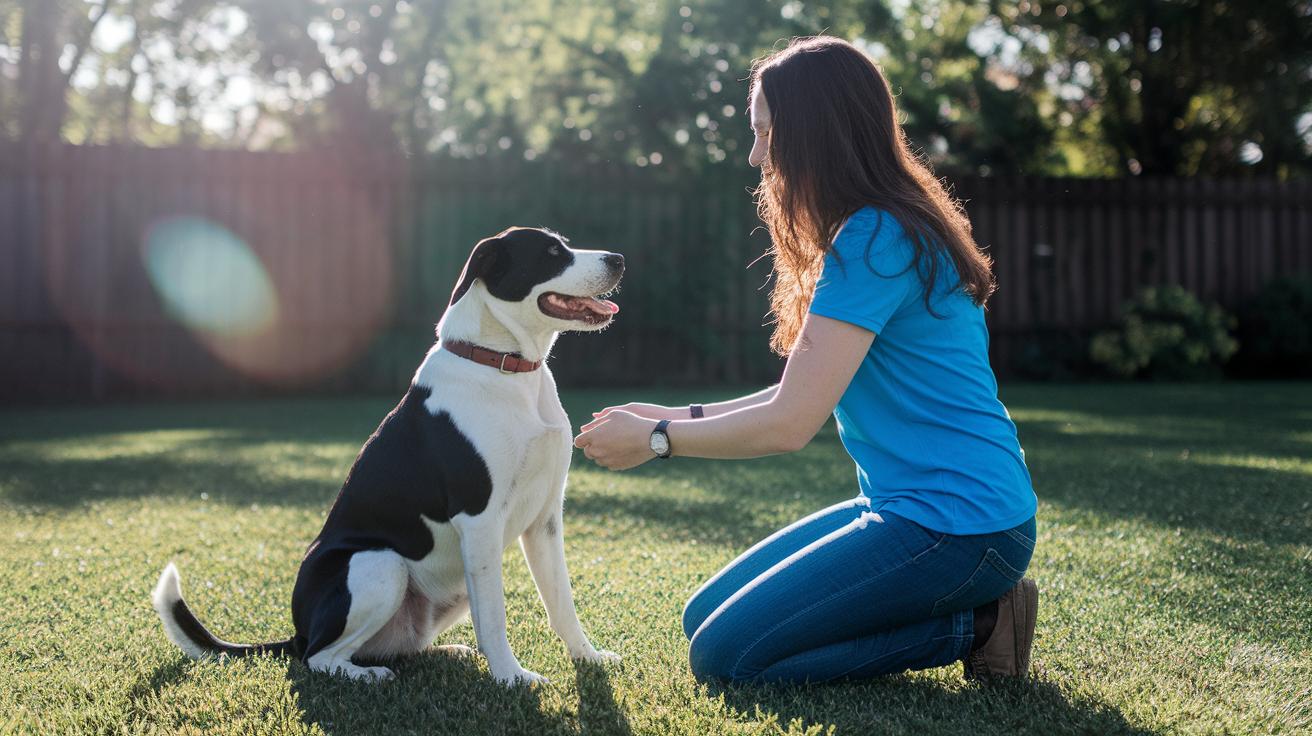
A balanced diet gives your dog the energy to run, play, and enjoy every moment. It helps keep their bones strong, their coat shiny, and their immune system ready for anything.

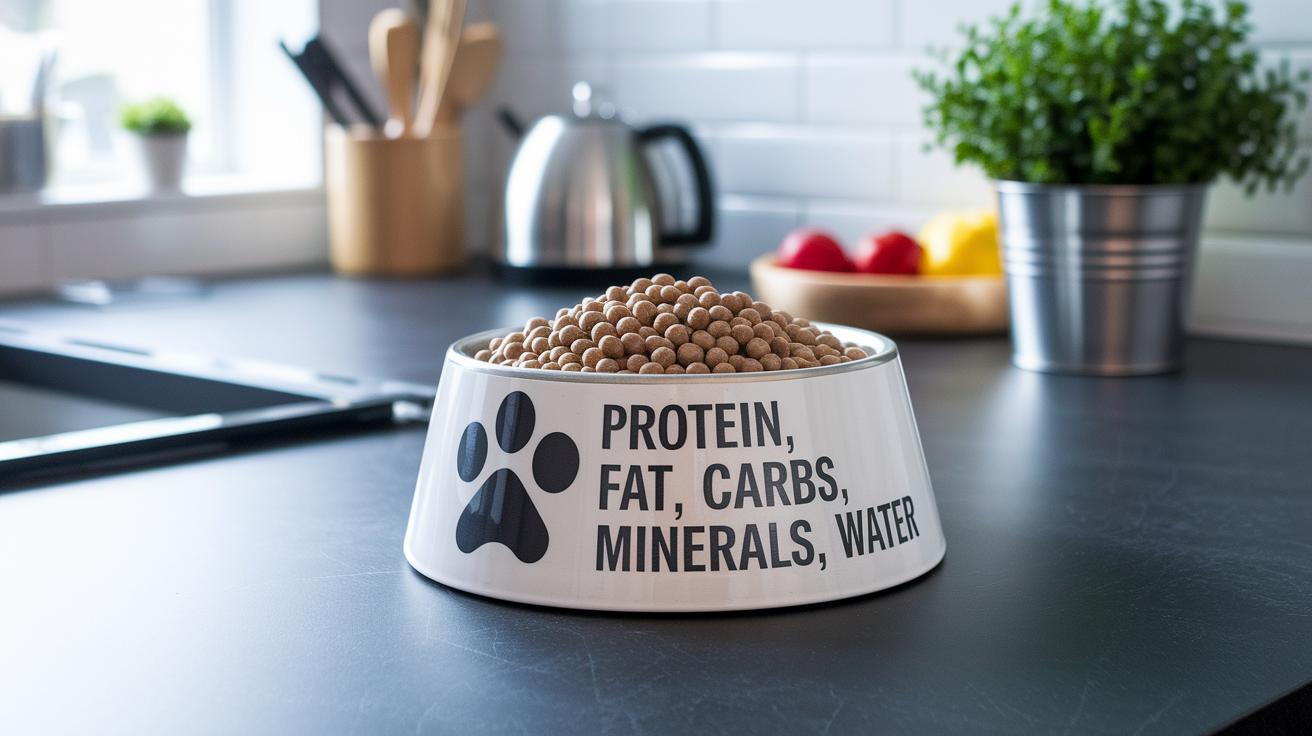
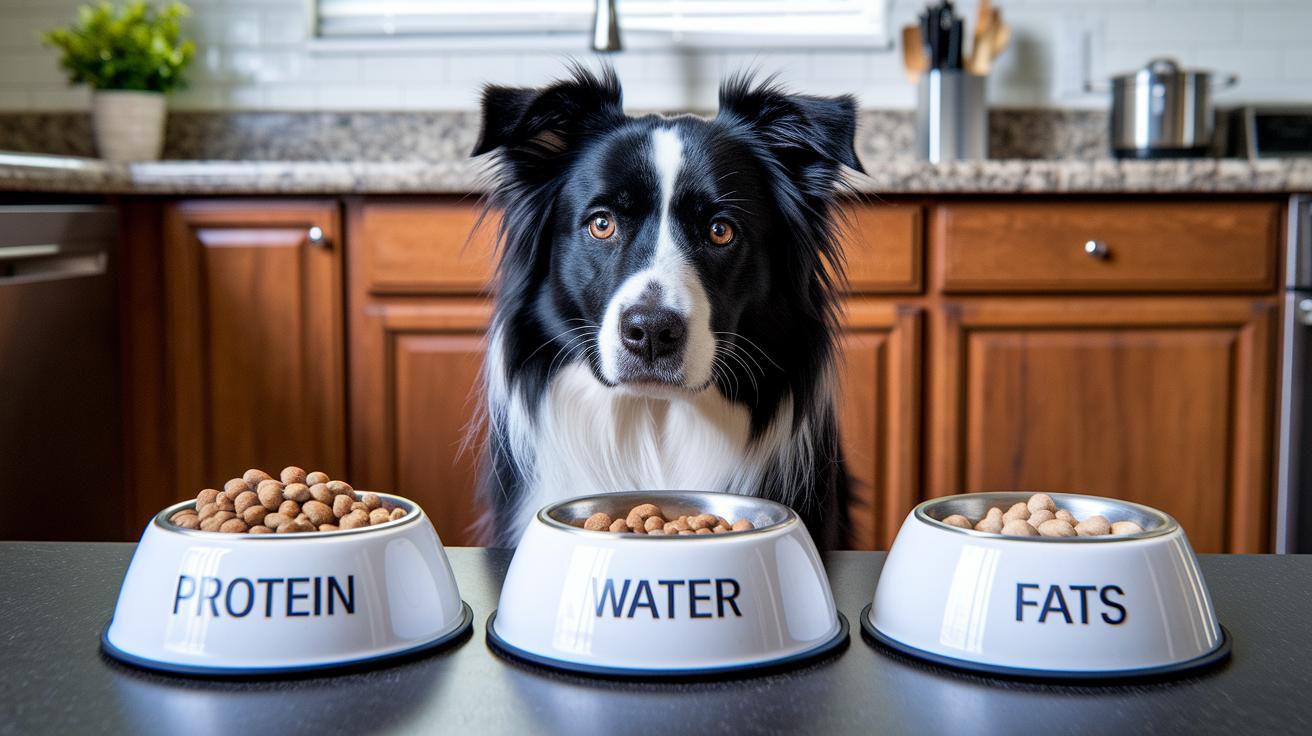
Protein should make up about 18–25% of your dog's daily calories. This nutrient builds muscles and repairs tissues, just like how a playful pup fills you with joy on a sunny day. Lean chicken or turkey acts as the building block of muscle, powering a bouncy, happy dog.

Water is just as important. Fresh water helps your dog digest food, keeps their blood pumping properly, and even cools them down on a hot day. Most dogs need about 1 ounce of water per pound of body weight every day. Think of it as a refreshing drink after a fun play session.

Fats provide around 20–35% of your dog's daily calories. They help the body absorb essential vitamins A, D, E, and K, which keep their skin healthy and coat glossy. Imagine adding a splash of fish oil that not only tastes good but also gives your dog that extra shine.

Key minerals, like calcium and phosphorus, support strong bones and help the body run smoothly. Even a small amount of these minerals works like the sturdy frame of a house, ensuring every bite is balanced and beneficial.

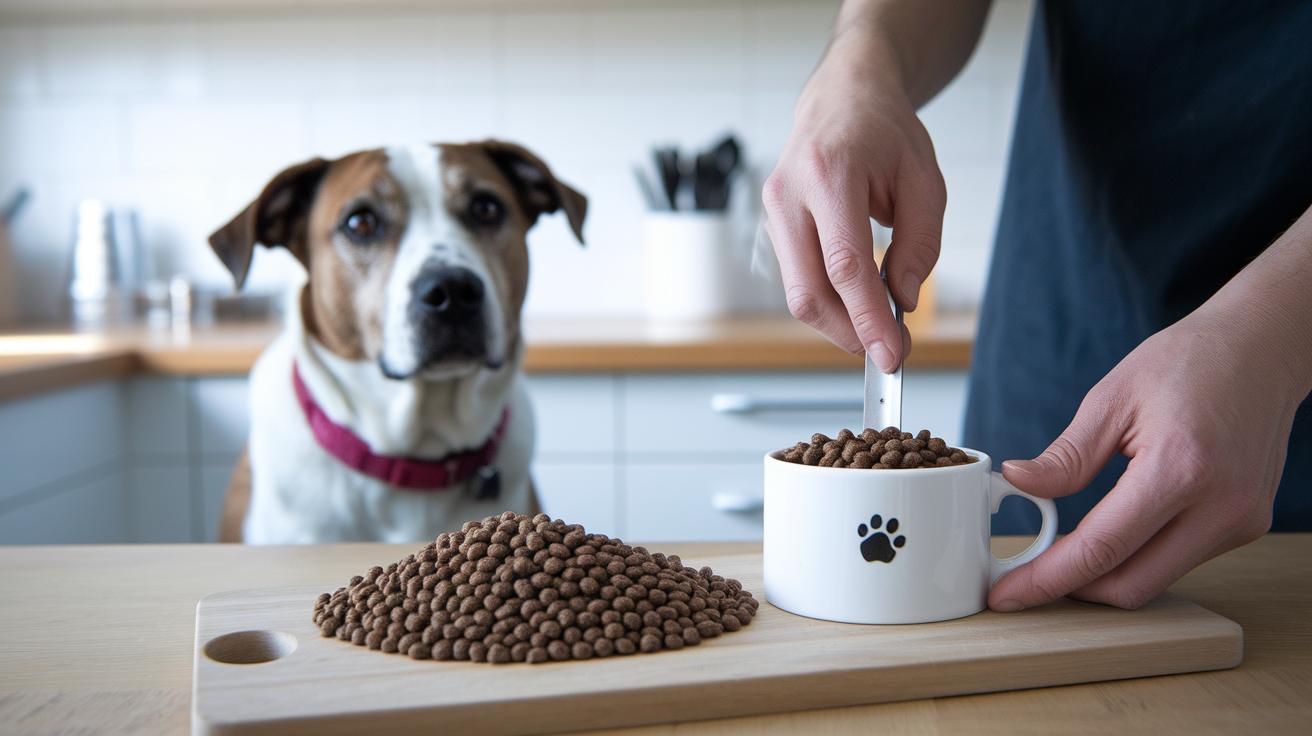
Feeding times should match your dog's age and energy. Puppies do best with 3–4 smaller meals spread throughout the day, while adult dogs usually thrive on 1–2 meals with a few extra treats thrown in. Adjust the portions based on your dog's breed, age, and activity level to keep them vibrant and ready for the next adventure.

Macro and Micro Nutrient Breakdown in a Balanced Pet Diet Plan for Dogs: Energize Their Health
img-2.jpg

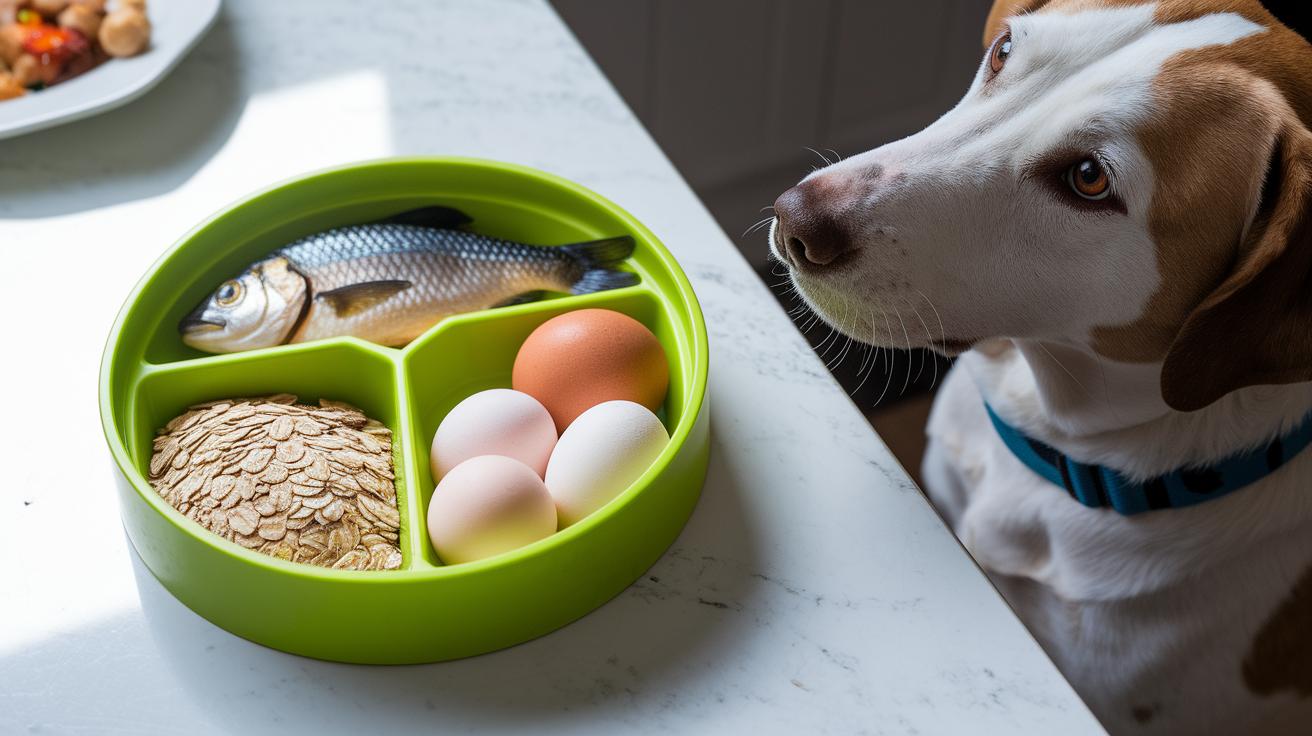
Your dog's morning gets a boost from lean proteins like chicken, turkey, fish, and eggs. These foods help build and repair muscles, kind of like giving your pet a strong, healthy frame to bounce around in.

Next, healthy fats from fish oil and flaxseed supply extra energy and help your dog soak up vitamins A, D, E, and K. The result? A shiny coat that feels as smooth as a fresh, playful cuddle.

Carbs, found in brown rice and oats, offer a steady flow of energy throughout the day and bring along fiber for easy digestion. Plus, B vitamins in whole grains and lean meats spark energy in just the right way, making playtime more fun.

Essential minerals like calcium, phosphorus, and magnesium work together to build strong bones and keep important body processes running smoothly. And, of course, a bowl filled with clean, fresh water helps move these nutrients around while flushing out waste.

Portion Control and Feeding Frequency in a Balanced Pet Diet Plan for Dogs
img-3.jpg

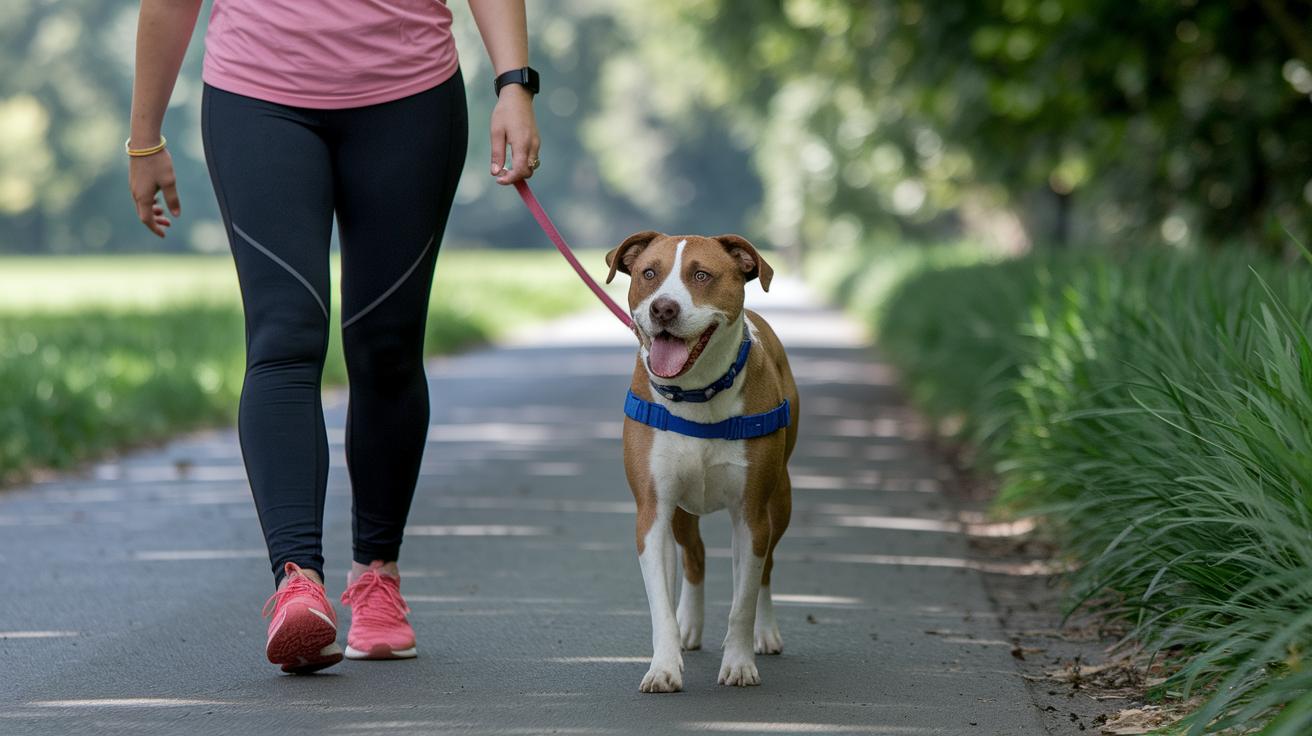
A feeding schedule is really important to keep your dog happy and full of energy. Measuring out the right portions based on your dog's age, size, and activity level is the first step. For example, a playful puppy often needs more meals spread out during the day while senior dogs do well with two steady meals.

Below is a handy table to help you plan your dog's meals:

Life Stage Meals/Day Portion Guideline
Puppies 3–4 5% of body weight split across meals
Adult Dogs 1–2 2–3% of body weight daily
Senior Dogs 2 2% of body weight with reduced calories

Keep an eye on your dog's weight and energy levels to tweak the portions as needed. A diet that's balanced in calories helps your dog stay fit and enjoy every bite.

Think of planning your dog's meals like putting together a simple, balanced recipe that fits their daily needs. This way, you ensure they remain lively, healthy, and ready for play every day.

Homemade vs Commercial Approaches in Your Balanced Pet Diet Plan for Dogs

img-4.jpg

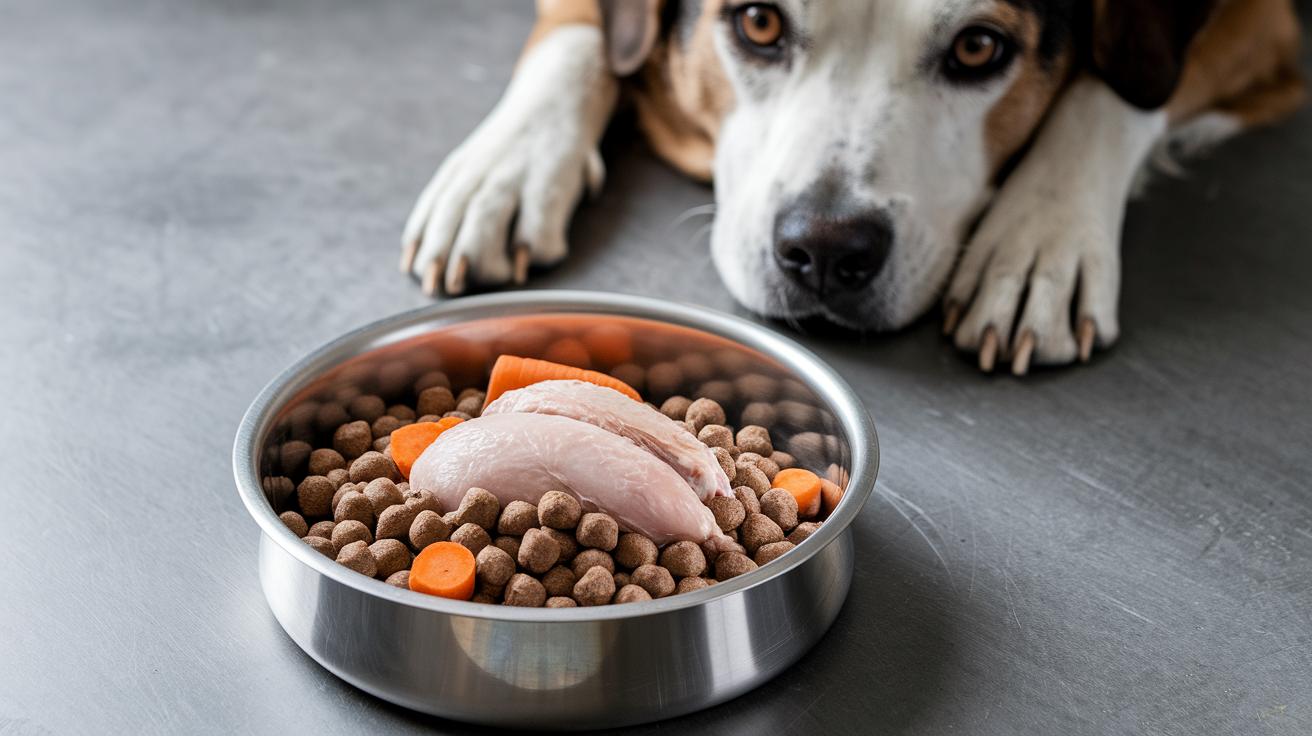
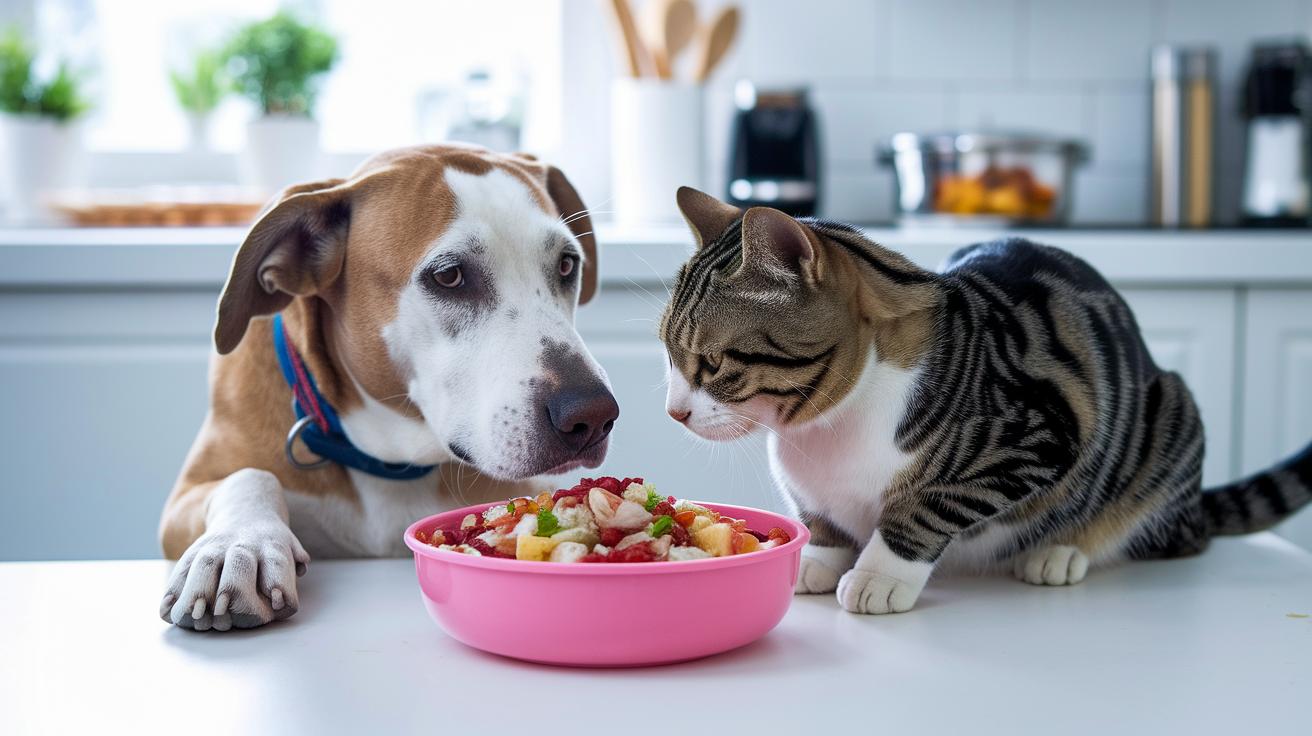
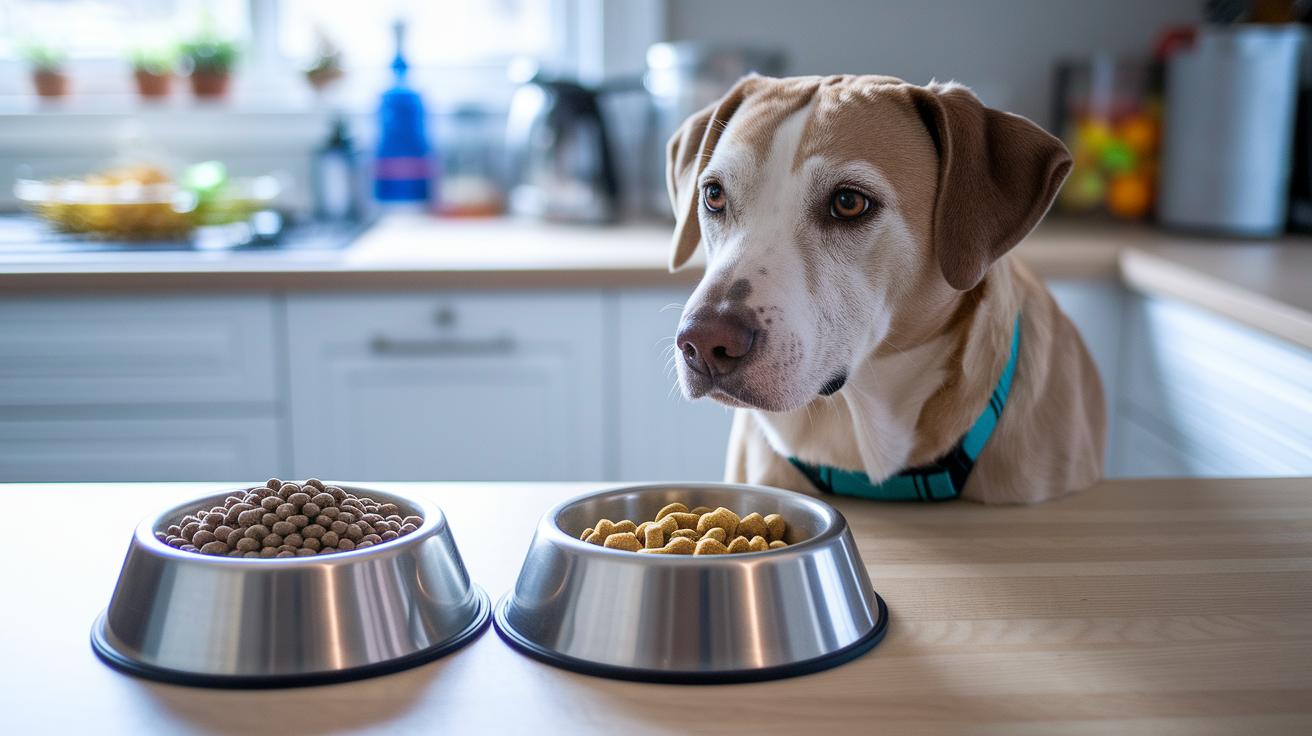
Cooking for your dog at home means you control every ingredient. Imagine mixing about half protein, a third carbohydrates, and a little healthy fat in every meal. You might choose lean proteins like chicken, turkey, fish, or cooked eggs and blend them with brown rice, quinoa, or sweet potatoes. And if your dog is sensitive to certain grains, try a grain-free bowl of turkey, quinoa, and steamed sweet potatoes that smells as inviting as a warm, homemade treat.

But here’s something to keep in mind, only about 13% of DIY dog diets hit every nutrient mark without extra supplements. So if you choose the homemade route, it’s really important to follow the nutritional guidelines closely. Lightly cooked meals can help keep more vitamins intact while giving your furry friend a tender, comforting meal. Just watch the cooking temperature to keep those essential vitamins from fading away.

On the other side, commercial pet foods are made with strict formulas so that every bite supports strong bones, a shiny coat, steady energy, and a solid immune system. They take a lot of worry out of meal planning since you don’t have to fret about missing vital nutrients. However, they might not offer that unique, personal touch you get when you whip up something fresh at home.

If you’re leaning toward homemade meals, check out trusted resources like Vet Approved Homemade Dog Food Recipes or fresh dog food. In the end, choose the option that best meets your dog’s specific dietary needs and overall health.

Energizing Dog Recipe Ideas for a Balanced Pet Diet Plan for Dogs
img-5.jpg

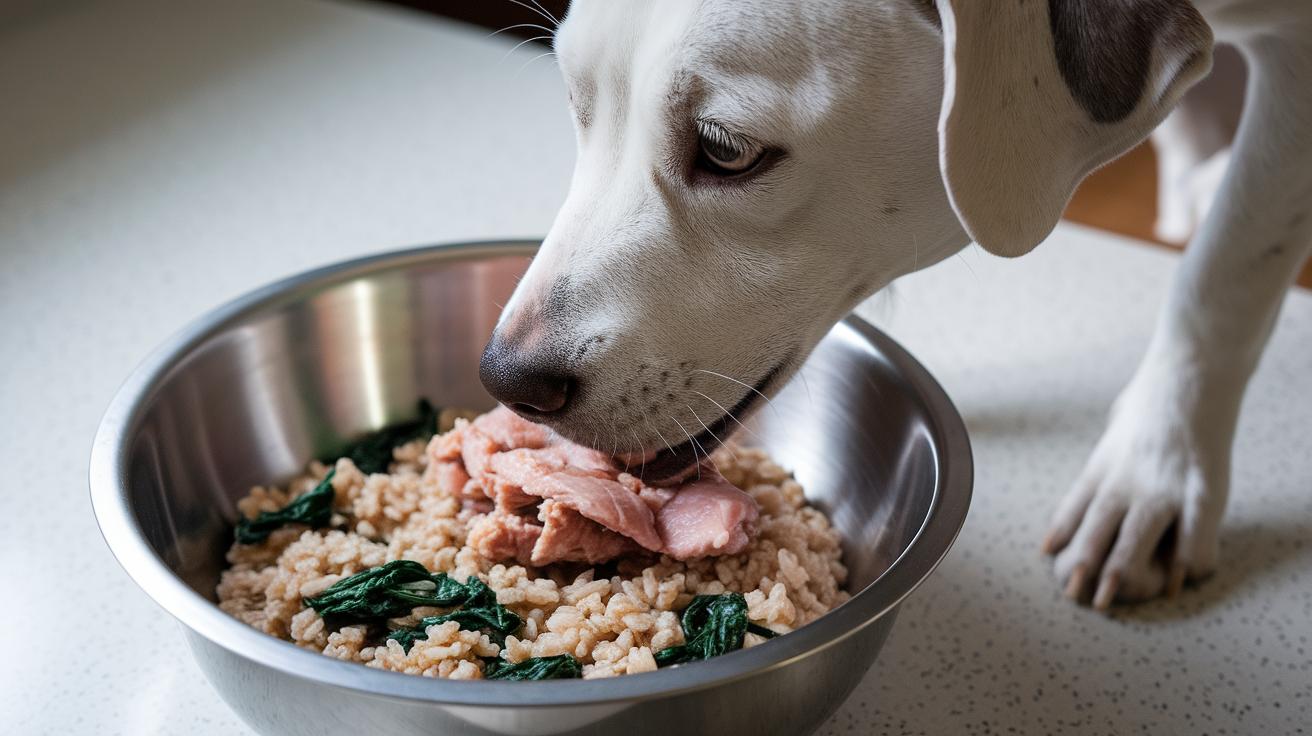
Have you ever tried a meal like Chicken & Brown Rice with steamed spinach for your pup? Start with lean chicken cooked to 165°F (which means all harmful bits are gone so your dog digests it well). Mix in brown rice, a hearty source of slow-release energy, and toss in lightly steamed spinach to boost vitamin C and keep the yummy enzymes intact. The dish is packed with iron-rich greens and loads of muscle-building protein. Imagine your dog’s tail wagging with cheer as they savor every bite of a meal that feels both comforting and energizing.

Another delightful mix is Salmon & Sweet Potato Mash with a handful of blueberries. Salmon gives a good dose of omega-3 fatty acids (that help keep a shiny coat and comfy joints), while sweet potatoes add natural sweetness and fiber. Blueberries bring a burst of antioxidants to help support a strong immune system. You might even add a pinch of pumpkin fiber and a little glucosamine (a helper for joint safety usually found in lean meats) for even more joint support. A quick steam of the veggies locks in all the nutrients, leaving every spoonful tasty and nourishing. This recipe not only fills your dog with energy but also helps keep their bones strong and spirits high all day long.

Tracking Progress and Tweaking Your Balanced Pet Diet Plan for Dogs

img-6.jpg

Every pet parent wants to see their furry friend happy and healthy. Try using a monthly Body Condition Score chart as a simple, clear way to keep an eye on your dog's weight and body shape. It helps you catch little changes before they become bigger issues. Also, notice how playful your dog is during walks or playtime, and take a moment to check their stool, it can tell you a lot about their digestion. If you spot loose stools or if your pup seems unusually tired, you might want to adjust the protein and fiber in their meals. And if they seem a bit sensitive or in discomfort, think about trying an elimination diet. That means you remove foods that might be causing issues and then slowly add each ingredient back one at a time to see which one might be the culprit.

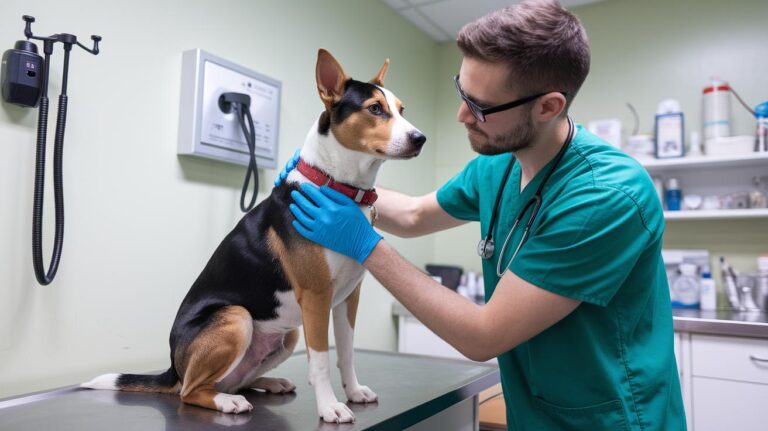
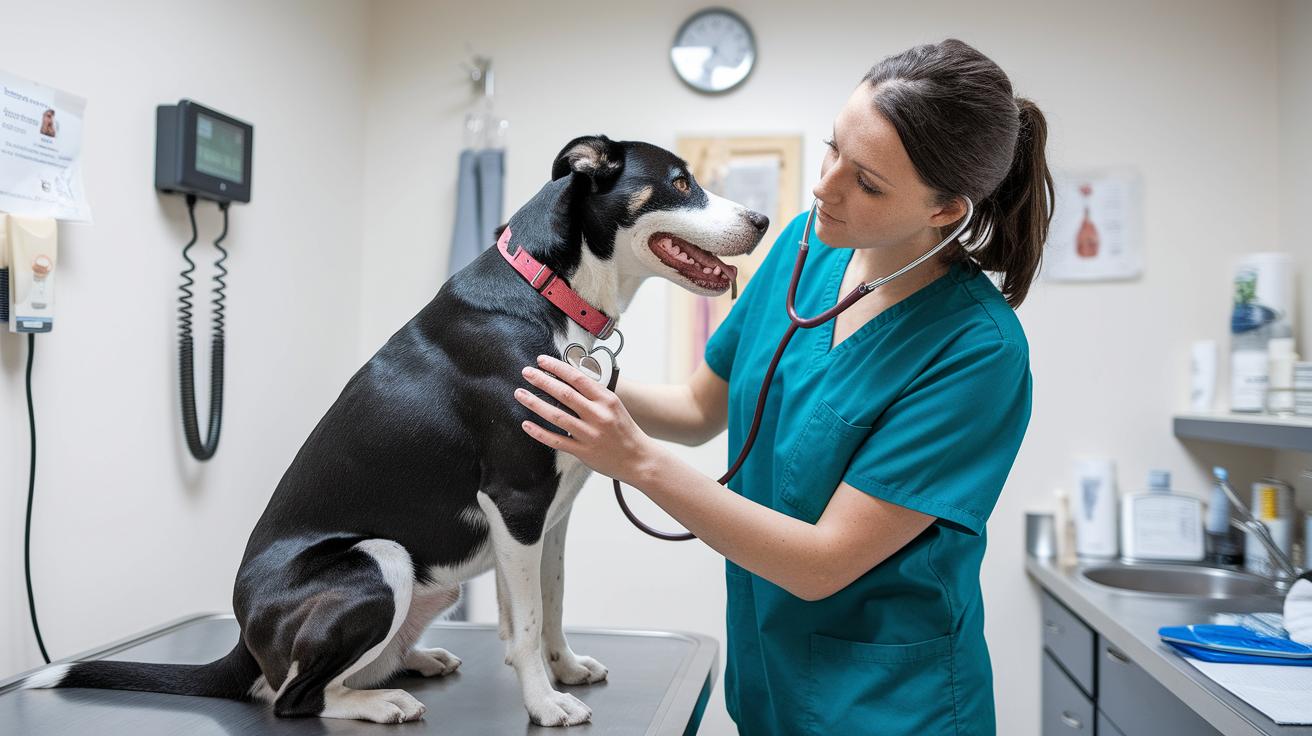
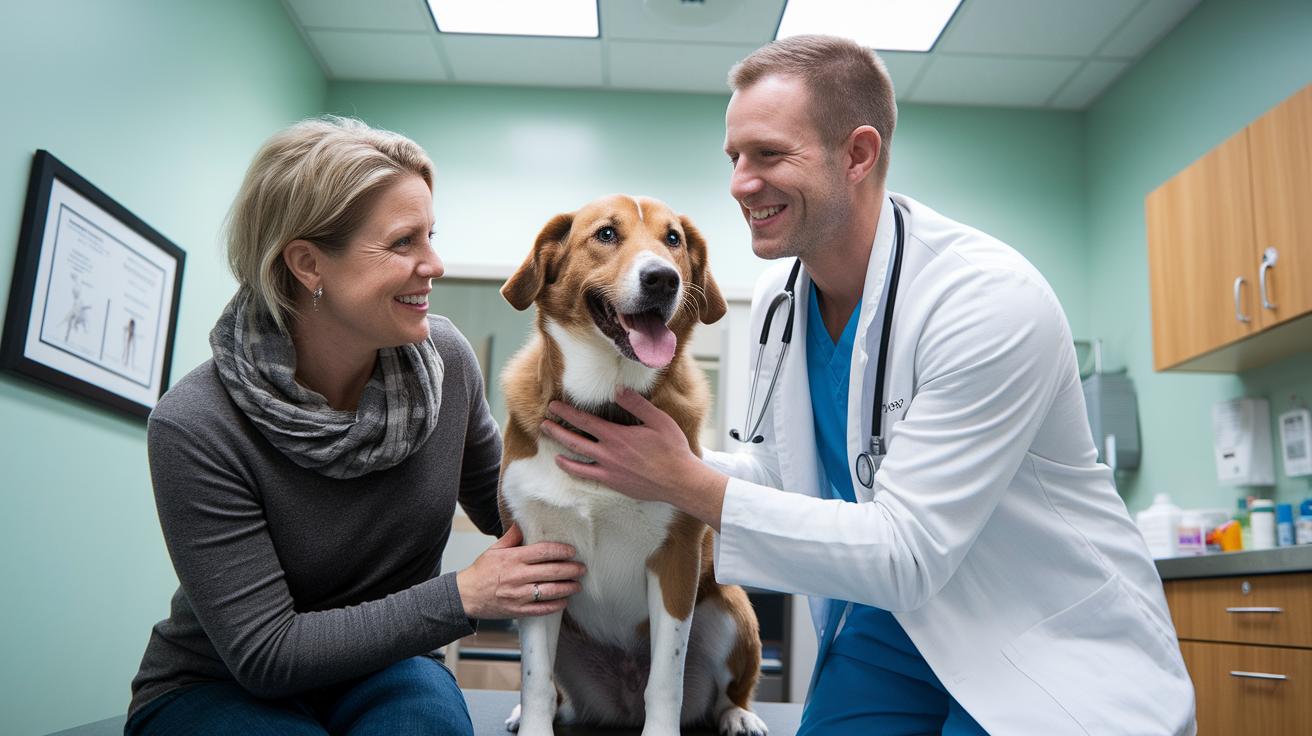
Regular trips to the vet are a must. Your vet can check if your dog's nutrient levels and metabolism (that’s how their body uses food) are in top shape. Keeping up with these check-ins and your own observations will help you fine-tune their diet perfectly. For more tips on wholesome pet nutrition, you might even want to visit holistic pet nutrition online. A little notebook to jot down observations can go a long way in keeping your pet feeling its best.

Final Words

In the action, we explored the building blocks of strong nutrition for our pets. We broke down essential proteins, fats, carbs, and minerals while showing how meal timing and portions support a healthy lifestyle. Homemade recipes and commercial choices both play a part in creating a balanced pet diet plan for dogs. Tracking your pet’s progress helps you adjust for optimal well-being. Every step brings you closer to a life filled with tail wags and contented purrs. Enjoy the process and celebrate the improvements along the way.

FAQ

How can I create a balanced pet diet plan for my dog using homemade recipes and free resources?

The balanced pet diet plan for dogs recipes mix lean proteins, wholesome grains, and veggies. They offer a healthful blend that supports strong bones, a shiny coat, and steady energy for your pup.

Where can I find vet approved homemade dog food recipes?

The vet approved homemade dog food recipes provide expert guidance on ingredients and portion sizes. They help you prepare meals that meet your dog’s nutrient needs for optimal health.

What does a good daily dog feeding chart look like?

The daily dog feeding chart outlines meal frequency and portion sizes based on your dog’s age, weight, and activity. It typically shows puppies eating more meals and adults enjoying one or two balanced meals.

What is a Balance It dog food calculator?

The Balance It dog food calculator is an online tool that figures out proper portion sizes. It uses your dog’s weight and nutrient requirements to help you prepare well-balanced meals.

How can I access a nutritionally complete homemade dog food recipes PDF?

The nutritionally complete homemade dog food recipes PDF offers clear, detailed meal plans with balanced ratios of protein, fats, and carbs. It provides step-by-step recipes to support your dog’s overall well-being.

What is considered a good balanced diet for a dog?

A good balanced diet for a dog includes lean proteins (about 18–25% of calories), healthy fats (around 20–35%), balanced carbohydrates, essential vitamins, minerals, and plenty of water.

What is the 80 10 10 rule for dog food?

The 80 10 10 rule means roughly 80% lean protein, 10% healthy fats, and 10% carbohydrates. This guideline is sometimes used for raw or homemade diets, but it’s best to check with your vet for your dog’s needs.

What are the seven key elements of a balanced diet for dogs?

The seven key elements include proteins, fats, carbohydrates, vitamins, minerals, water, and fiber. These components work together to boost energy, support growth, and keep your dog healthy.


Veterinary Parasitology Energizes Animal Health Research

0

Have you ever wondered if a teeny tick or worm could change the way we care for our pets? Veterinary parasitology uses these tiny bugs as clues to help vets keep our furry friends and farm animals safe. This field blends biology (the study of living things), medicine, and hands-on experiments so we can see how little pests can affect overall health. By looking closely at these uninvited visitors, experts create better tests and treatments that boost animal health. So, get ready to discover how the smallest creatures can lead to big improvements in caring for the animals we love.

Veterinary Parasitology: Definition, Scope, and Key Concepts

img-1.jpg

A parasite is simply an organism that lives on or inside another creature (its host) and often causes harm. Parasitology is the study of these unwelcome guests, digging into how they live, grow, and affect their hosts. When we talk about veterinary parasitology, we're using this study to help animals. It covers everything from tiny insects to bigger worms that can trouble our pets and livestock.

This field is where biology, medicine, and research mix together like a good chat about your furry friend's latest antics. It looks at everything, from the secret internal parasites hiding inside an animal to the ones that live on its skin. Vets and students get hands-on experience, using practical tests and detailed guides to spot and manage these parasites. For example, the Parasite Image Database holds over 3,000 pictures searchable by genus or look, making it a handy tool for identifying these critters.

Category Description
Internal parasites Critters like worms that live inside an animal
Ectoparasites Parasites such as ticks that stick to the skin
Diagnostic methods Easy tests to identify which parasite is causing trouble
Research applications Studies that help us learn more about how parasites work
Prevention strategies Tips and techniques to keep these bugs at bay

A solid understanding of parasitology gives vets and students a clear roadmap to spot and manage these pesky guests. This foundation leads to better diagnosis and treatment, which means healthier animals and more happy pet owners.

Veterinary Parasitology Diagnostic Methods and Technologies

img-2.jpg

A clear diagnosis is a real game changer for our pets. When vets figure out exactly which parasite is causing trouble, they can adjust treatment plans to ease pain and speed up recovery. It’s like piecing together a puzzle where every bit of information leads to just the right remedy. For example, knowing the exact parasite means vets can pick the perfect medicine to help our furry friends bounce back faster and avoid more complications.

Method Principle Sample Required Sensitivity
Fecal Flotation Density separation of eggs Fecal sample 70–90%
PCR Assay DNA amplification Blood or tissue >95%
ELISA Antigen/antibody detection Serum 80–95%
Blood Smear Microscopic parasite visualization Blood smear slide 50–75%

New digital tools are making parasite detection easier than ever. One cool example is the CAPC Parasite ID App. This handy app shows pictures and details of about 100 different parasites that affect dogs, cats, small pets, reptiles, and birds. Vets can search by image or by the parasite’s name, which speeds up finding the culprit.

Also, digital imaging tools let clinics snap clear, high-resolution photos of parasites. These images can then be shared immediately with experts for a quick second opinion. And with mobile apps, vets can get real-time help even during emergencies. This mix of modern tech and good old-fashioned pet care is helping more pets get back to wagging tails and soft purrs sooner.

Veterinary Parasitology Parasite Classification and Life Cycles

img-3.jpg

Understanding how parasites are sorted and how they live out their cycles is super important in veterinary care. Imagine using simple charts and colorful picture guides that help vets spot differences quickly. Plus, local CAPC maps give easy-to-read monthly data on how common these bugs are in our pets. This neat info helps us see patterns and choose the right treatments.

Protozoan Parasites

Protozoan parasites are tiny, single-celled creatures that can really upset your pet’s health. Think of names like Giardia, Babesia, and Eimeria. Most of the time, they jump straight from one pet to another, though sometimes they need an extra host along the way. They build tough little coverings called cysts or oocysts to survive hard times. For example, Giardia forms durable cysts that keep on infecting when conditions are just right.

Helminth Parasites

Helminth parasites are worm-like creatures that come in groups like nematodes, cestodes, and trematodes. You might hear about Toxocara or Ancylostoma (common nematodes) and Taenia or Fasciola (cestodes or trematodes) that can pose risks. Usually, these parasites need one or more extra hosts before they can infect a pet. Knowing their life cycle helps vets pick the best way to break the chain of infection.

Ectoparasite Arthropods

Ectoparasites are the little bugs that live on your pet’s skin, like fleas, ticks, mites, and lice. Their journey starts from eggs, then moves to larvae, becomes nymphs, and finally grows into full adults. These pests spread through direct contact or bites, and they can even carry diseases between pets. With clear imaging guides that show each stage, pet care experts can better manage and control these infestations.

Veterinary Parasitology Clinical Manifestations and Pathogenesis

img-4.jpg

Parasitic infections in pets send out clear signals that something’s off inside their bodies. When a pet gets infected, vets often notice changes like more eosinophils (a type of white cell that helps fight infections) and higher levels of acute-phase proteins (substances made during inflammation). It’s almost like their body is giving a little shout-out that it's busy fighting off unwelcome visitors. These clues help guide vets to pick the right treatment.

Some parasite-related diseases come with pretty clear signs. Take Babesia, for example, it can cause hemolytic anemia, where pets might feel unusually tired or weak because the parasites are chasing away their red blood cells. Then there’s Giardia, which often leads to diarrhea that makes it hard for pets to get all the good nutrients from their food. And if you notice patches of hair loss or red, irritated skin, it might be due to Demodex mites. Each symptom acts as a small hint pointing to a specific problem, making diagnosis easier for our caring vets.

A few of these parasites can even jump from pets to people, which is something we definitely want to keep an eye on. Parasites like Toxocara and Leishmania can spread through contact with contaminated soil or from infected animals. This means that young kids and those with weaker immune systems might be more at risk. By understanding how these tiny invaders move around, vets and researchers can better teach pet owners how to protect both their pets and themselves.

Veterinary Parasitology Integrated Prevention and Control Strategies

img-5.jpg

Designing a solid parasite plan mixes many practical methods into one system. It’s like making a perfect meal where every ingredient counts. Start with regular parasite tests and follow guidelines (like CAPC guidelines that explain doses and cleaning tips) to keep your pet safe. Each step fits together nicely to catch problems early.

A regular deworming schedule works well with keeping living areas clean and sharing easy tips with pet owners. Deworming lowers the number of parasites, and cleaning kennels or your pet’s space removes eggs and larvae. It’s simple: teach pet owners steps like daily spot cleaning and proper waste disposal. This routine helps guard against parasites like Giardia or hookworms and creates a safety net for all pets.

It’s also important to check for drug resistance over time. That means looking closely to see if the usual medicines still work well or if parasites are learning to fight back. A smart move is to rotate different active ingredients (the parts of a medicine that fight parasites) so they don’t get too used to one drug. Regular studies and checks help decide if treatments need a tweak. Keeping a close eye on these details lets veterinarians confidently manage and control parasite infections.

Veterinary Parasitology Recent Research and Future Directions

img-6.jpg

The 2025 Annual Pet Parasite Forecasts show clear shifts in parasite spots and trends from one region to another. Seasonal patterns and local weather can change just how often certain parasites pop up. New data helps vets tweak their treatment plans and prevention steps. Researchers also see changes in parasite behavior, using these clues to predict future outbreaks and adjust their study plans. This forward-thinking method gives fresh insights into animal parasite research and neatly connects advanced lab work with everyday pet care.

NCVP Initiatives

Since 2010, the National Center for Veterinary Parasitology has been a driving force in shaping parasite research. With over $3 million in funding, 21 residents from 10 different institutions have been getting hands-on research and education experience. Their residency programs and case discussions at AAVP events invite experts to share real-world tips on handling parasites in clinical settings. These initiatives create a friendly space for swapping ideas and fine-tuning research methods, all while ongoing grants help track how parasite populations change over time. This support builds strong links between academic research and day-to-day veterinary practice, leading to quicker and smarter responses to new threats.

Parasite Image Database Tools

The Parasite Image Database is a helpful resource that holds more than 3,000 pictures, searchable by genus or by visual clues. This large collection not only makes it easier to identify tricky parasites but also fuels advanced diagnostic research. Vets can quickly compare images to check their suspicions and learn more about the details of each parasite. These tools back up research by offering clear visual data that ties into specific trends. In practice, this easy-to-use lookup saves time during diagnosis and sparks new study ideas by showing how parasites look as they grow.

Veterinary Parasitology Academic Pathways and Career Opportunities

img-7.jpg

Undergrad and grad programs in parasitology mix classroom lessons with real-life lab work. You get to work with microscope samples while chatting with teachers and classmates. Some courses even offer interactive online modules with fun, clickable quizzes that mimic a live lab, so you can practice parasite identification, learn about their life cycles, and explore diagnostic techniques, all from home.

If you’re ready to dive deeper, PhD programs and postdoctoral fellowships are a great next step. They let you join hands-on projects exploring new trends in parasite research. Imagine working side by side with experts at national centers, where every day in the lab or out in the field builds your skills for a future in both academic and applied parasitology.

Even busy professionals can keep learning through continuing education courses and certification workshops. Online resources, like interactive parasite quizzes, monthly updates, and video archives, let you study at your own pace. With these flexible options, you can sharpen your skills while balancing everyday work. This opens up many career paths in diagnostic labs, universities, or research and product development roles.

Final Words

In the action, this article jumped right into what makes parasites unique by defining key terms and exploring diagnostic tools. We touched on parasite classification, life cycles, and even examined clinical signs and prevention strategies. The insights offered a clear view of how research and innovative tactics complement practical pet care. With a focus on veterinary parasitology, the discussion connected science with everyday pet care, leaving a hopeful note for advancing animal health. Keep exploring these helpful ideas as you care for your beloved pets.

FAQ

What is a Veterinary Parasitology book?

The veterinary parasitology book explains parasite biology, life cycles, and diagnostic methods, offering an accessible resource for pet professionals and veterinary students alike.

What does the Veterinary Parasitology Impact Factor represent?

The veterinary parasitology impact factor indicates the journal’s influence by measuring citations, reflecting its role in advancing research and understanding of animal parasites.

What are Veterinary Parasitology regional studies and reports?

The veterinary parasitology regional studies and reports document local parasite prevalence and research findings, providing insights on regional differences that help tailor animal health practices.

What do Veterinary Parasitology PDF Notes and Notes offer?

The veterinary parasitology PDF notes offer concise, downloadable summaries of key concepts, including parasite classifications and diagnostic techniques that assist both students and practitioners in quick reviews.

What is the Veterinary Parasitology journal?

The veterinary parasitology journal publishes scholarly articles on animal parasite research, offering professionals and researchers the latest studies on diagnostics, treatment, and emerging trends.

What is a Veterinary Parasitology website?

The veterinary parasitology website hosts resources like image databases and detailed research articles, making practical information and visual guides readily available for pet care specialists.

What career opportunities fall under Veterinary Parasitology jobs?

Veterinary parasitology jobs span roles in diagnostic labs, research institutions, academia, and industry, supporting various positions that benefit from specialized knowledge in parasite management and control.

2 Dog Supplies Brighten Every Pet Day

0

Ever thought your dog's day could be even more exciting? With the right gear, even a regular day turns into one filled with extra tail wags and cheerful barks. Each toy, treat, and grooming tool helps brighten your pet's mood like magic. Today, we’re chatting about two must-have supplies that make daily care not just easier but a whole lot more fun. Stick with us as we explore items that bring extra delight to your furry friend's life.

Dog Supplies Essentials: Key Categories to Stock Up On

img-1.jpg

If you ask me, nothing beats the convenience of having all your dog supplies ready to go. It saves you time and money, cutting down on those last-minute store runs so you can focus on playtime and cuddles with your furry friend.

There's a neat website that offers free local delivery on dog supplies, working with trusted brands you already know. It brings together everyday necessities and a few specialty items, making shopping easy and stress-free.

  • Food & Treats
  • Grooming Tools
  • Toys & Playthings
  • Bedding & Housing
  • Crates & Carriers
  • Collars, Leashes & Harnesses
  • Training & Behavior Aids
  • Health & Wellness
  • Waste Management

Next, each section will dive into these categories, helping you choose the best items for your pup. Whether you're picking nutritious food or looking for a perfect interactive toy, you'll find tips and advice that make caring for your dog both simple and enjoyable.

Essential Dog Grooming Supplies for a Healthy Coat

img-2.jpg

Taking care of your dog's coat and skin is a must if you love your furry friend. When you groom your pup on a regular basis, you help keep their fur shiny and clean while spotting any skin problems early on. Healthy skin makes for a happy, comfy dog.

Having the right tools really makes the difference. For example, a good hypoallergenic shampoo and conditioner for dogs gives a gentle wash that soothes sensitive skin. And a pet grooming kit with slicker brushes, combs, and nail clippers helps you trim carefully and safely. Using an ear cleaner solution stops any yucky buildup, while dental care tools keep your dog's breath fresh and teeth strong. Many pet owners also add flea and tick treatments to their routine. For an extra boost, try a portable pet grooming kit that even has a vacuum to easily pick up loose fur at home.

Simple, at-home grooming tools let you care for your dog's coat every day, and every now and then adding a few salon-quality accessories gives your pup a polished, professional look.

Dog Feeding Supplies: Bowls, Storage & Premium Food Options

img-3.jpg

Feeding your pup is easier when you have the right gear. Using sturdy bowls, handy storage, and quality premium foods makes every meal a delight and helps keep your furry friend in tip-top shape. Imagine the joy of serving up meals filled with nutrition from brands you trust like Blue Buffalo, Pro Plan, Royal Canin, Science Diet, Taste of the Wild, and Dr. Marty’s Nature’s Blend. And with fun deals like 25% off Crunchy o’s dog treats and discounts on Greenies, treating your pup has never been simpler.

Item Description Price Range
Bowls Durable stainless steel and ceramic bowls built to last $10 – $30
Water Dishes Ergonomic designs that help slow down gulping $12 – $35
Storage Containers Air-tight containers to keep food fresh and tasty $15 – $40
Automatic Feeders Easy-to-use, programmable feeders for regular meal times $50 – $150
Premium Foods Top-grade dry, wet, and freeze-dried diets (premium dog food) $30 – $100
Treat Packs Delicious organic treats and chews at a discount $5 – $25

Picking the right diet is all about quality and keeping things fresh. Whether you mix dry, wet, or freeze-dried foods, a smart storage container keeps everything tasty and prevents waste. Plus, a balanced diet combined with a helpful automatic feeder can manage portions just right, while a variety of bowls and water dishes can match your pup’s unique eating habits.

Dog Supplies: Interactive & Durable Toys for Playtime

img-4.jpg

Interactive and durable toys give your furry friend endless fun. They're built tough for rough play and lots of chewing, so your pup stays entertained for hours. Bright, colorful toys like fetch toys and puzzle feeders help spark your dog's mind while keeping them active.

These long-lasting toys offer a great blend of strength and fun. Chew-safe designs mean even the most passionate chewers can enjoy play without worry. When your dog plays with these toys, their focus sharpens and their energy turns positive.

Popular collections like MuttNation, along with trusted brands such as KONG and RuffWear, really stand out on the shelf. Many pet parents love that these toys can handle a lot of tugging and nonstop play. And with a special 25% discount on Crunchy o’s treats, playtime gets an extra boost of fun. These toys not only promise lasting durability but also pair perfectly with tasty treats, making every play session a delight.

Keeping play safe is super important for your dog's well-being. Always keep an eye on your pup while they play, pick toys that match their size, and check them often for any signs of wear. This way, every playful moment is both fun and safe.

Dog Travel Supplies: Gear for On-the-Go Adventures

img-5.jpg

When you hit the road with your furry buddy, safety always comes first. You want your dog to feel snug and secure, no matter where the adventure takes you. It’s a comforting feeling knowing the right gear can lessen worries for both of you.

Think about the basics like feeding and water, plus keeping your pet safe during stops. A solid carrier or a collapsible travel kennel can be a lifesaver during rests. And a portable water bottle lets your dog drink easily, no messy spills! A foldable bowl sets up a quick feeding station wherever you are, making meal times fun and simple.

Don’t forget car safety. A dependable travel harness and some seat protection for your pet can really make a difference. Many pet parents swear by compact products like hard and collapsible crates to ease long journeys. In truth, the right gear turns a regular trip into a joyful trip for you and your dog.

Before you embark on an airline or road trip, double-check that your gear meets travel standards. Make sure everything fits well and is secured properly. Following these rules means fewer surprises and a safer trip wherever your wanderlust leads.

Dog Bedding & Housing Supplies for Comfort

img-6.jpg

If you want your dog to feel cozy and supported, choosing the right bedding is key. A good bed can help with joint support and keep your pup warm. For instance, orthopedic pet beds provide a soft cushion (like a gentle cloud for your dog's joints) that is great for older dogs or those with joint issues. Insulated pet blankets are also a wonderful choice to wrap them in comfort on chilly nights.

When looking at indoor beds versus outdoor shelters, it helps to know what each offers. Indoors, beds like orthopedic memory foam cushions and cozy floor mats not only feel soft but also help improve circulation, easing stiffness. Waterproof sleeping mats, for example, prevent spills from turning your space into a mess. Outdoors, ventilated dog houses protect your pet against harsh weather while letting in fresh air to keep them cool. These shelters come in many styles, from affordable options to luxury heated models, ensuring every pup finds a safe, comforting spot. Regular cleaning, like washing indoor mats often and checking outdoor shelters for wear, is a simple way to keep your dog's resting area neat and inviting.

Dog Supplies Essentials: Collars, Leashes & Harnesses for Walks

img-7.jpg

When you head out for a walk with your dog, the right gear makes all the difference. Picking strong collars, leashes, and harnesses not only keeps your furry friend safe and comfy but also makes every stroll feel like a mini adventure.

When choosing a collar, you'll find many styles, from simple nylon to smooth leather, and even ones you can personalize with an ID tag or a fun design. Adjustable collars fit just right without squeezing, and they often let you add a bit of flair that matches your dog’s unique personality. Picture a collar that not only boosts your pup’s style but also gives you that extra peace of mind, like a little badge of safety on every walk.

Leash and harness options mix durability with ease. Think of a tough leash built for all the energy of play, or even a retractable or hands-free style that lets you switch things up. Some harnesses come with extra padding or a vest design to spread the pressure gently across your dog’s chest, easing any strain on long adventures. Many pet parents love a biothane lead (a tough material that resists wear and rain) because it stands strong no matter the weather. All these choices help you keep a gentle hold while letting your pup roam safely.

Always make sure each piece of gear fits well and isn’t too tight. A quick safety check before every outing can save you worry and keeps both you and your dog feeling happy on each walk.

Dog Supplies: Training & Behavior Aids for Well-Trained Pets

img-8.jpg

Using basic obedience aids can help you build a strong, loving bond with your dog. Simple tools like clicker training devices (a small tool that makes a quick sound to signal a good behavior) set clear commands and add a fun twist to learning. They make starting training at home easy and help your pup stick to good habits.

When you’re ready to try something new, advanced gear like weave poles, tunnels, pause stations, and wobble boards bring extra joy to every session. These agility tools not only test your dog’s balance but also challenge its mind. It’s a bit like turning a simple walk into a playful adventure. And if your dog loves a spirited challenge, you can even explore sports gear designed just for canines. This extra equipment can turn everyday training into a lively game that boosts coordination and confidence. Need more ideas? Try checking out some dog training classes for extra guidance.

And don’t forget about treats! Reward snacks are a delicious way to encourage good behavior, while anti-chew sprays can help steer your dog away from unwanted habits. Together, these rewards make training both fun and effective for you and your furry friend.

Dog Supplies: Waste Management & Cleaning Solutions

img-9.jpg

Your home feels brighter when it's clean and your pup stays happy. A neat space means less stress and more time for cuddles.

There are plenty of bag options and dispensers that make cleaning up after your dog super simple. For example, poop bag dispensers let you grab a bag quickly when nature calls. Many pet parents love biodegradable waste bags that break down naturally, helping the environment. Others choose scented disposal bags to keep unpleasant smells away during walks or park visits. These products make waste control easy and everyday outings less of a hassle. Whether you clip a dispenser to your leash or keep a spare roll at home, having the right supplies nearby makes all the difference.

Also, a good floor-safe enzymatic cleaner or an odor-neutralizing spray is a must-have. Regular cleaning keeps your floors fresh and ensures a healthy environment for your furry friend.

Dog Supplies: Health & Wellness Products for Vitality

img-10.jpg

It’s important to check on your dog’s health every day. A quick look at their coat, ears, and skin can help you spot any little changes early on. It’s like giving your furry friend a little pat on the back, making sure they stay healthy and happy.

Flea and tick treatments work by creating a gentle shield on your dog’s skin that keeps those annoying bugs away. And if you’re worried about chemicals, natural repellent collars are a great option. There are also soft dewormers that help keep common parasites in check. Each of these items adds up to a caring routine that eases discomfort while keeping your pup’s coat shiny and strong.

You might also try joint support chews and vitamin formulas to keep their energy up. Many pet lovers now go for grain-free foods that match your dog’s tummy needs perfectly. Immune boosts and electrolyte supplements work hand in hand to keep your active buddy ready for any adventure. With a mix of wholesome, natural products, you’re there for your brave companion every step of the way.

Dog Supplies Apparel: Stylish & Functional Clothing Options

When the skies turn gloomy, having the right gear can really save the day for you and your furry friend. Imagine your pup snug in an insulated sweater or dashing around in a raincoat that shields them from cold winds and surprise showers. And those cute dog boots? They not only give extra grip on slippery paths but also protect those tiny paws. On hot days, a cooling vest can bring instant relief, while reflective fabrics make those early morning strolls safer with added visibility.

Every season brings its own style. Take the Halloween 2025 lineup, for example, it’s a fun way to let your pet join the party with outfits that celebrate their playful spirit.

Finding the perfect fit is a must. Check your dog’s measurements and choose items made from soft, breathable fabrics. That way, whether they’re prancing around in the park or settling down for a nap, they’ll always be comfy and looking their best.

Where to Buy Dog Supplies: Top Retailers & Online Platforms

When you're picking where to get your dog's supplies, it's smart to balance the price, shipping, and overall service. Free shipping over $75, seasonal coupon deals, and friendly customer care can really make a difference. Many trusted stores, even ones open since 1965, offer quality products and fun loyalty rewards that add extra value. So, whether you prefer browsing an online pet supply site or visiting a local store, keeping these things in mind helps you find the best deal for your budget and your furry friend's needs.

Platform Type Key Benefit Example
Online Marketplaces Huge variety with competitive prices pet supplies online
Specialty Pet Shops Expert selection with friendly advice Local pet boutiques
Big-Box Retailers Great bulk deals and in-store offers Major retail chains
Wholesale Suppliers Discounts on large orders Pet wholesale centers

Plus, extras like membership perks and seasonal promotions make shopping even more exciting. Many places love rewarding loyal buyers with exclusive coupons and discounts, whether you're grabbing pet accessories at a lower price or stocking up on the essentials. And during holidays or special local events, you'll often catch offers that save you time and money while keeping your pup's tail happily wagging every day.

Final Words

In the action of choosing the right products, our post covers a broad range of dog supplies essentials. It touches on everything from grooming and feeding to travel gear, training aids, bedding comfort, and even stylish apparel. We highlighted free local delivery, top-quality brands, and smart buying tips, all designed to simplify your pet care routine. Each section breaks down key products and offers personal insights to help you feel confident in your decisions, making every day a little brighter for you and your furry friend.

FAQ

What is included in a dog supplies list?

A dog supplies list covers essentials such as food, grooming items, toys, bedding, crates, collars, training aids, health products, and cleaning tools that keep your pet happy and healthy.

How can I buy dog supplies online?

Buying dog supplies online lets you choose from many categories at retailers like Pet Supplies Plus, Petco, PetSmart, Chewy, and Walmart, often offering free local delivery and competitive prices.

What are luxury dog supplies?

Luxury dog supplies refer to high-end products designed with extra quality, style, and comfort in mind, including upscale toys, premium beds, and designer collars that add a touch of elegance to your pet’s routine.

What can I find at stores like Pet Supplies Plus and Petco?

Stores like Pet Supplies Plus and Petco offer a full range of dog supplies from everyday essentials to specialty items, ensuring you easily shop for food, grooming, toys, and more in one convenient location.

Where can I get dog supplies nearby or from outlets?

Finding dog supplies nearby or at outlets means visiting local pet shops or big-box stores that offer quality products at competitive prices, often incorporating outdoor and travel gear for your pet.

What is available at popular retailers such as PetSmart, Chewy, Walmart, BarkBox, Marshalls, and T.J. Maxx?

Popular retailers like PetSmart, Chewy, Walmart, BarkBox, Marshalls, and T.J. Maxx carry a wide range of dog supplies, from basic necessities to fun accessories, making it easy to find something perfect for your pet.

What are outdoor dog supplies?

Outdoor dog supplies are designed for adventure and include rugged gear like travel crates, durable harnesses, and weather-resistant accessories that help keep your pet safe and comfortable during outdoor activities.

Benefits Of Mental Stimulation For Pet Vitality: Joyful

0

Have you ever thought that a little puzzle could make your pet happier and healthier? Picture your furry friend eagerly chasing hidden treats, enjoying a playful brain workout that lights up their day.

These fun games keep your pet busy, help sharpen their memory, and boost their confidence. Simple games like puzzle toys or treat hunts can lift their mood and give them a burst of energy.

In this chat, we’ll share why keeping your pet’s mind active brings extra joy and helps them stay vibrant every day.

Enhancing Pet Vitality with Mental Stimulation

img-1.jpg

Your pet needs brain workouts just like it needs good food and regular vet visits. It’s fun and helpful to let your furry friend solve little puzzles that tickle their mind. Picture a playful dog sniffing out hidden treats, it’s like a fun treasure hunt that lights up their eyes and makes their tail wag.

When your pet is busy solving problems, they’re less likely to get bored or act out by barking too much. These simple challenges also help keep their memory sharp and make it easier for them to learn new tricks. Imagine a curious cat exploring a small maze or a dog following a scent trail, it’s a wonderful way to boost their confidence and keep them active.

You can easily add a bit of mental play to your daily routine. Maybe just a quick session with a puzzle toy or a moment of guided play will do the trick. It feels great to see your companion engaged, happy, and full of life.

Key Mental Stimulation Activities to Enhance Pet Vitality

img-2.jpg

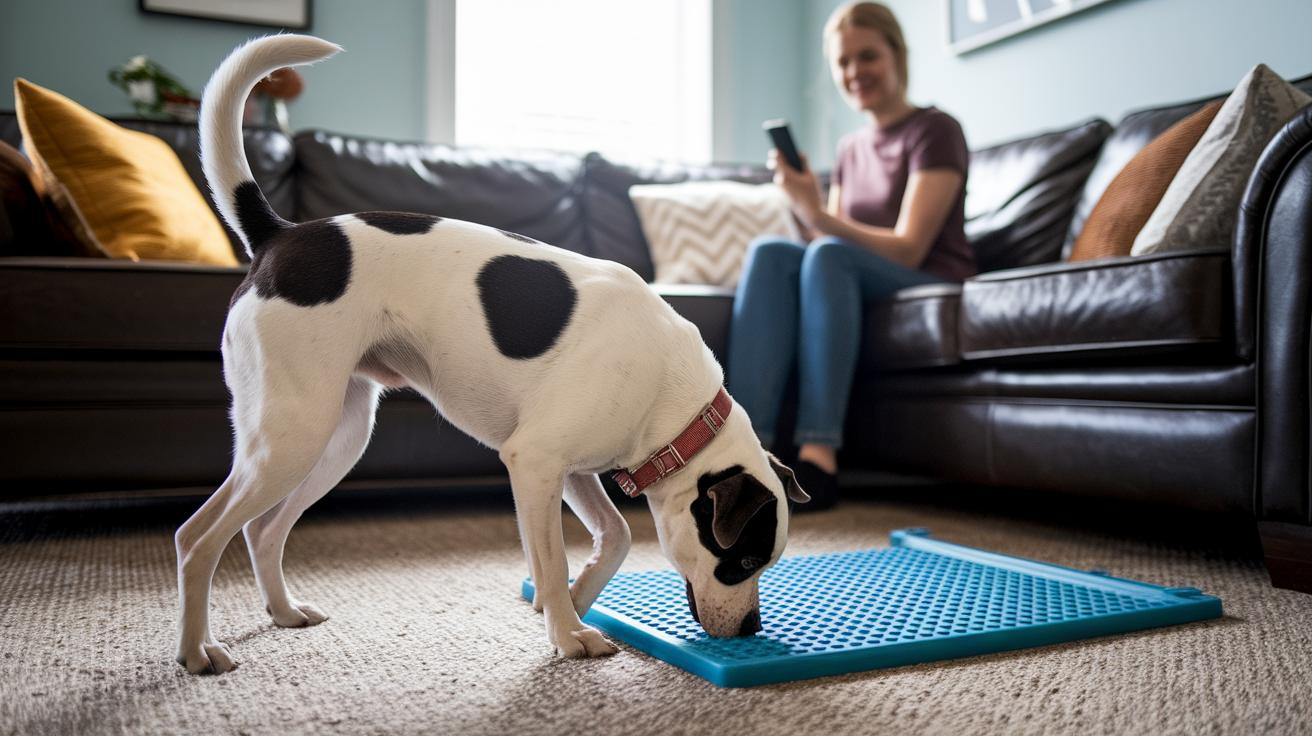
When you mix fun mental challenges into your pet’s day, their minds light up and they stay sharp. One great way to do this is by using puzzle toys that get your pet to think and use their nose in a playful hunt. You can try puzzle feeders or toys that drop treats as your dog plays. And if you’re curious, check out dog snuffle toys which add a little extra excitement as your pet sniffs out hidden goodies.

There are plenty of simple DIY ideas too. Imagine hiding a few treats around a room, or setting up a small maze made from cardboard that your cat can explore with wide-eyed curiosity. Rotating these toys keeps the fun fresh, each playtime feels like a brand new adventure for your furry friend.

Here are some fun ideas to consider:

  • Puzzle toys that challenge your pet’s problem-solving skills
  • Puzzle feeders that slow down eating and bring extra fun
  • Treat-dispensing toys to spark curiosity during play
  • Nose work games for dogs that let them follow scent trails
  • Puzzle boxes or treat mazes for cats to tap into their natural instincts

Each activity not only entertains but also helps ease unwanted behaviors like constant barking or destructive chewing, since your pet stays focused on the challenge. Just picture a playful pup sniffing around for treats or a careful cat testing each twist of a puzzle, it all adds up to a joyful, balanced life that boosts both mental sharpness and overall well-being.

Cognitive and Neurological Benefits of Mental Stimulation for Pet Vitality

img-3.jpg

Recent research shows that fun brain games can help your pet's brain create new connections, which means a stronger and sharper memory as they age. For example, a 2019 study found that dogs that played with puzzles had 15% more brain connections than those who weren't as active mentally. Dr. Emily Sawyer, a pet brain health expert, says that regular brain exercises wake up parts of the brain that are usually quiet, making their memory and flexibility better.

Different puzzles work well for different ages. Little pups might love quick, exciting puzzles that fire up their brains fast, while older pets can enjoy puzzles that slowly get more challenging to keep their minds engaged. Imagine a senior cat using a puzzle feeder that is gently complex, each little step lights up their brain like a burst of energy.

More advanced activities, like memory tests and interactive puzzles that increase in difficulty, do more than keep your pet busy. They help improve memory retention and build up strength against stress.

Age Group Recommended Cognitive Exercise
Younger Pets Short, fast-paced puzzles and interactive games
Older Pets Puzzles that gradually get more challenging to keep the brain active

Behavioral and Emotional Outcomes from Mental Stimulation Supporting Pet Vitality

img-4.jpg

Regular brain games can help your pet relax. When your furry friend takes on playful puzzles, it turns nervous energy into a calm focus, kind of like unwinding after a sunny walk.

And getting a bit of expert help, like a friendly dog training class, adds even more support. This guidance strengthens the bond between you and your pet while gently easing away anxious habits.

  • Helps cut down on signs of worry
  • Lessens destructive behaviors
  • Keeps your pet in a steady, happy mood

Adding these fun mental challenges into your pet's routine can make a big difference, helping them enjoy a calmer, more content life.

Implementing Mental Stimulation: Practical Tips for Pet Owners

img-5.jpg

When it comes to keeping your pet sharp and happy, try adding some new games into your everyday routine. Here are a few ideas that feel just like chatting about your pet's playful quirks:

• Every week, bring in a new interactive toy. Think of a treat-dispensing puzzle that makes your pet work for a reward. You might be amazed at how quickly your furry friend figures it out.

• Dedicate one weekly session to teaching a simple trick, like "sit" or "high five." Even a small trick can brighten your pet’s day, like sharing a secret smile with an old friend.

• Set aside about 10 minutes each day for focused play. This could be a quick hide-and-seek game with treats or rotating through their favorite toys so things stay fresh.

• Adjust the activities to match your pet’s energy. If your pet is very active, a more challenging game might be perfect. For older or slower pets, choose gentle, low-impact games that feel just right.

• Consider a weekly routine that mixes up the fun. For example, one week you might introduce a new puzzle toy along with a basic trick, while the next week you stick to a familiar toy and try a simple game that suits your pet’s pace.

• Follow a clear routine: start with a quiet time when your pet is ready to focus, warm up with a favorite toy, introduce a new activity, and then wrap up with a simple trick to keep everything fresh in their mind.

By mixing in these fun, brain-boosting activities, you’re not just adding variety to your pet’s day, you’re also helping their mind stay engaged and happy. Isn’t it wonderful to see them learn and play at the same time?

Personalizing Mental Stimulation Plans for Optimal Pet Vitality

img-6.jpg

Making a special daily plan for your pet might be the key to keeping them happy and engaged. Try tailoring each activity to your pet’s type, age, and personality. For example, a playful border collie might love energetic puzzles and treat hunts, while an older cat could enjoy gentle challenges that spark their curiosity.

Mixing up your pet’s brain games does wonders for their overall well-being. Switch between fun puzzles, a simple game of hide-and-seek with treats, and light problem-solving activities every week. And remember, keeping your pet stimulated doesn’t need to be fancy or costly, a new interactive toy or a quick change in their play area can make a big difference.

Keep an eye on how your pet reacts during play. If your active buddy seems too tired after a challenging game, it might be time to tone it down a bit. But if your senior pet looks disinterested, try a fresh, low-key activity to spark their interest.

Don’t forget to have regular check-ups with your vet to ensure your pet’s routine stays just right for their needs. For more creative ideas, explore pet wellness plans that focus on fun enrichment and consistent brain workouts.

Final Words

In the action of using fun puzzle toys and simple DIY activities, this post highlighted how smart, everyday games boost brain health and energy in your pets. We explored mind-challenging routines, step-by-step activity tips, and ways to adjust play based on your pet’s unique needs. These ideas not only spark joy but also help lower stress and improve behavior. Embrace the benefits of mental stimulation for pet vitality and watch your furry friend thrive each day.

FAQ

How to mentally stimulate your dog at home?

Mentally stimulating your dog at home means using interactive puzzle toys, treat-dispensing tools, and hide-and-seek games. These activities spark curiosity and keep your pet’s mind active and engaged.

What are the benefits of having pets for human health?

Having pets benefits human health by reducing stress, boosting mood, and encouraging daily routines that promote physical activity. Companionship with animals helps ease anxiety and supports emotional wellness.

Are car rides mental stimulation for dogs?

Car rides serve as mental stimulation by exposing dogs to novel sights, sounds, and smells. These sensory experiences can spark curiosity and keep their minds alert during travel.

How do dogs reduce stress, anxiety, and depression?

Dogs help reduce stress, anxiety, and depression by offering loving companionship and a stable routine. Their presence soothes emotional distress and brings comfort to daily life.

How can I provide mental stimulation for dogs without using food?

Providing mental stimulation without food involves engaging your dog with interactive toys, teaching new tricks, and playing games like hide-and-seek with their favorite items. This keeps their mind busy without relying on treats.

Is chewing considered mental stimulation for dogs?

Chewing acts as mental stimulation by focusing a dog’s attention on a task, reducing boredom and stress. Offering safe chew toys encourages healthy chewing behavior that benefits both mind and mouth.

What are some mental stimulation games for dogs?

Mental stimulation games for dogs include interactive puzzles, hide-and-seek, and learning new tricks. These games encourage problem-solving and keep them happily challenged through varied play.

Why is mental stimulation important for pets?

Mental stimulation is key for pets as it sharpens their mind, reduces behavior issues from boredom, and supports emotional balance. Regular brain exercises promote overall well-being and contentment.

Does mental stimulation tire out dogs?

Mental stimulation tires out dogs by engaging their brain through puzzles and new learning. This satisfying fatigue helps them relax and can complement their regular physical exercise.

What is the best mental stimulation for high energy dogs?

The best mental stimulation for high energy dogs combines fast-paced puzzles, agility challenges, and interactive games, which channel their energy into problem-solving activities while keeping them actively entertained.

Is mental or physical stimulation better for dogs?

Mental and physical stimulation work best together for dogs. Mental challenges spark cognitive growth, while physical activities build strength and overall well-being. Both are essential for a happy, healthy pet.

Turtle Diet Pet: Nutritious Choices For Happy Turtles

0

Have you ever wondered if your turtle's meals really spark its playful spirit? A mix of crunchy veggies, fresh proteins, and sweet fruits does more than just fill a bowl. It helps build a strong shell and gives your turtle the energy to explore and play.

Imagine your little turtle nibbling on crisp greens and tasty minnows, each bite making it feel more lively and content. In this chat, we'll share simple tips about how to feed your scaly friend a healthy diet that turns every meal into a little moment of joy for both of you.

Key Nutritional Requirements in a Pet Turtle Diet

img-1.jpg

Aquatic turtles naturally enjoy a mix of different foods. They do best when their meals include tasty fruits, crunchy veggies, and lively protein. Turtles often love nibbling on moving minnows, crickets, and worms because it reminds them of the wild. And don’t worry, commercial pellets pack in vitamin D3 (a helper for calcium absorption) and extra calcium to keep their shells and bones strong.

Veggies are super important for your turtle. Leafy greens like kale, collard greens, spinach, parsley, broccoli, and romaine lettuce give them the calcium they need for firm, healthy shells. Meanwhile, proteins boost their energy and help build muscle. It’s best to serve fresh proteins such as aquatic snails or small fish, and save sugary treats like apples, bananas, strawberries, and melons for special moments. This balanced mix helps keep your turtle active and wards off vitamin shortages.

Nutrient Function Common Sources
Calcium Strengthens shells and bones Romaine lettuce, broccoli, collard greens
Protein Supports muscle growth and energy Minnows, crickets, worms
Vitamin D3 Helps absorb calcium Commercial pellets
Fiber Assists in digestion Kale, spinach
Antioxidants Boosts immune health Parsley, occasional fruits

Mixing up your turtle’s meals is a great way to ensure no key nutrients are missed. When you serve different veggies, proteins, and supplements, each mealtime becomes interesting and healthy. This variety helps keep vitamin shortages at bay and lets your turtle stay happy and full of life.

Pet Turtle Diets for Different Species

img-2.jpg

Painted Turtles

These little turtles sport dark green shells with bright orange-red streaks that catch your eye. They typically grow to around 4 to 10 inches, so you'll easily spot them in your tank. They do best when their food is split evenly between protein from animals and plant matter. For example, you can offer them tiny fish or small aquatic snails along with crisp leafy greens like romaine lettuce or kale. This kind of mix helps them build strong shells, grow healthy muscles, and keep up their playful energy.

Box Turtles

Box turtles have charming, domed shells accented with eye-catching yellow markings that give them a unique look. They lean more toward a plant-based diet. In fact, about 60% of their meal should be fruits, leafy greens, berries, or even a few mushrooms. The other 40% comes from safe protein sources such as earthworms or little insects. This plant-forward approach supports their need for vitamins and minerals while still giving them enough protein to stay active and strong, just like they would in the wild.

Aquatic Turtles

Aquatic turtles, like the popular red-eared slider, are known for their energetic swimming and playful nature. They enjoy a varied meal plan that includes roughly 40% vegetables, 40% live protein (think feeder fish, aquatic snails, or small crustaceans), and 20% pellet food for extra vitamins. This balanced blend mirrors what they would find naturally, helping them keep their shells healthy and their movements lively. With this diet, your aquatic friend will remain agile, stimulated, and in great overall health.

Homemade Turtle Diet Pet Recipes

img-3.jpg

For a veggie-packed snack, try a mix of fresh greens. Chop up kale, spinach, and collard greens into little bits. Add shredded squash and grated carrots. This bright, crunchy blend gives your turtle the fiber and calcium it needs for a strong, healthy shell. It's like a garden salad made just for your little buddy.

When you're looking for a protein boost, offer gut-loaded crickets, mealworms, or even dehydrated shrimp that’s been soaked just a bit. These choices pack high-quality protein (the building material for muscles) to keep your turtle energetic. It feels almost like watching a mini nature show right on your kitchen counter.

For a fun twist, blend store-bought pellets with finely diced veggies and a few small berries. This treat mixes the bulk of pellets with the freshness of vegetables and a touch of sweet fruit. You can also toss in little pieces of apple, strawberry, or melon once a week. This way, your turtle enjoys a mix of textures and flavors without too much sugar.

Safe vs Hazardous Foods in a Pet Turtle Diet

img-4.jpg

Your turtle’s diet really matters, it helps build a sturdy shell and keeps your little buddy energetic. Feeding your friend safe vegetables and proteins gives important vitamins for calcium uptake (that’s the process your turtle uses to create a strong shell). Fresh, clean water is super important, too. I always scooped out leftover food after about two hours to keep the water crystal clear.

Category Safe Choices Items to Avoid
Vegetables kale, collard greens, spinach, parsley, broccoli, romaine lettuce, squash, carrots, bell peppers N/A
Fruits apples, bananas, strawberries, melons citrus fruits
Proteins minnows, aquatic snails, crickets, mealworms, waxworms, dehydrated shrimp goldfish, rosy red minnows (they have too much thiaminase)
Other Foods occasional pellets and fresh veggies avocado, rhubarb, onion, garlic, chocolate, dairy, processed human foods, insects with pesticides

Keeping your turtle’s water clean by promptly removing leftovers helps prevent bad substances from building up in its home.

Feeding Schedule and Portion Guidelines for Pet Turtle Diets

img-5.jpg

When your young turtle is under 7 years old, daily meals are best. A mix of high-protein treats like live insects and small aquatic creatures works wonders for them. These foods boost muscle growth and help build a strong shell. It’s like giving your little buddy the energy to explore and play!

Once your turtle reaches adulthood, you can switch to feeding every 2–3 days. A balanced mix of veggies, proteins, and commercial pellets keeps things interesting and healthy. It’s a good idea to watch your turtle’s behavior and overall look, if the mood or energy seems off, a small tweak in the feeding schedule might be in order.
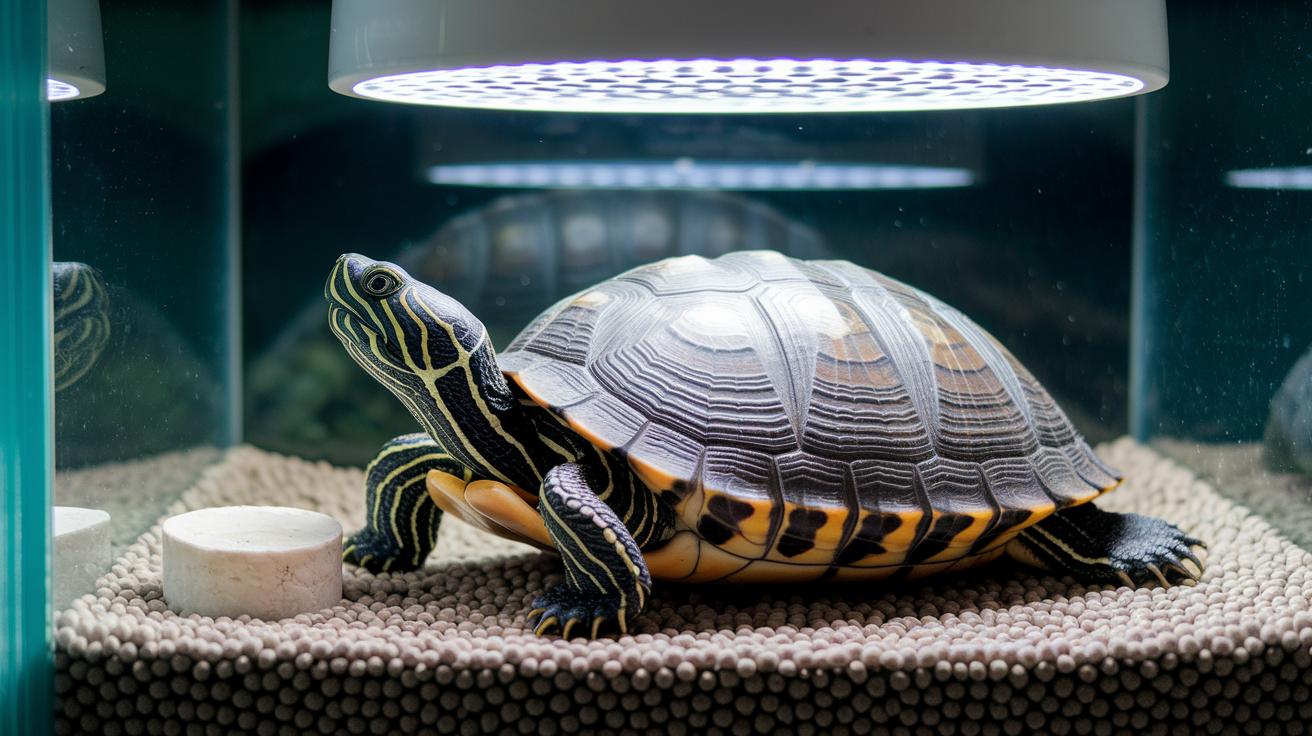
Portion size matters too. Think of giving an amount about the size of your turtle’s head. For turtles between 7 and 10 years old, adding more plant-based goodies can boost their overall health. And don’t forget: any leftover food should be scooped out within two hours. This keeps the water fresh and the habitat safe for your pet.

Keep an eye on your turtle’s shell and general condition as you go. Adjusting portions and meal times over time will help your turtle stay happy, strong, and ready for its next little adventure.

Supplementation and Habitat Considerations in a Pet Turtle Diet

img-6.jpg

UVB lighting is really important for your turtle’s well-being. Using a UVB lamp for about 10 hours each day helps your turtle form vitamin D3 (the nutrient that lets it absorb calcium), while UVA lighting keeps it active and moving. And a warm basking area kept between 85–90°F feels just like a sunny spot for a lazy day, helping its shell grow strong.

Sometimes, the greens and pellets might not pack enough nutrients. In that case, adding a calcium supplement, like a sprinkle of powder or a small block, twice a week can really lift your pet’s diet. Pelleted foods act like a multivitamin by giving your turtle extra vitamin D3 and other tiny minerals that boost bone and shell strength. Imagine mixing a little pellet treat into its meal as a fun, extra dose of goodness.

Keeping your turtle’s home neat is just as important as its food. After meals, remove any leftover bits and give the tank a good cleaning once a week. This simple habit stops harmful bacteria from growing, keeps the water fresh, and makes sure your little buddy gets all the nutrients it needs to stay happy and full of life.

Final Words

In the action, this post broke down pet turtle nutrition in simple, everyday terms. We touched on balanced meal plans and smart homemade recipes to meet each pet’s needs. The guide compared plant and protein mixes, smart portioning, safe versus risky food choices, and even how to boost vitamin D3 for strong shells.

Remember, a varied turtle diet pet plan helps spark a healthier life. Keep experimenting and enjoying each feeding moment, it all makes a happy turtle.

FAQ

What does a pet turtle’s diet pet food list include?

The turtle diet pet food list includes a mix of leafy greens like kale and romaine lettuce, safe vegetables, occasional fruits, and protein sources such as crickets, snails, or mealworms. This balance supports healthy shell growth.

What vegetables do turtles eat?

The vegetables turtles eat often include leafy greens such as kale, collard greens, spinach, parsley, broccoli, and romaine lettuce. These choices provide essential calcium that helps maintain their strong, healthy shells.

How does a turtle diet pet chart help with feeding?

The turtle diet pet chart organizes essential nutrients by listing key food groups like veggies, proteins, and limited fruits. This clear guide helps pet owners plan balanced meals that provide the right nutrients for their turtle.

What do sea turtles eat?

Sea turtles eat items like seagrass, algae, jellyfish, and small invertebrates. Their natural diet varies with age and location, ensuring they receive the nutrients needed to thrive in their aquatic surroundings.

What can turtles eat from human food?

Turtles can have certain human foods like fresh fruits and vegetables, but it’s best to serve them plain and unseasoned. Processed or heavily spiced foods should be avoided to protect their delicate digestion.

What do turtles eat in the wild?

Wild turtles forage on a range of foods including insects, small fish, aquatic snails, and native plants. This diverse intake naturally supplies them with plenty of energy and supports overall shell health.

How often should a pet turtle be fed?

A pet turtle should be fed daily when young and every 2–3 days once adult. Regular feeding helps support steady growth and maintains proper water quality by reducing leftover food in the tank.

What food is not good for turtles?

Foods that are not good for turtles include avocado, chocolate, citrus fruits, onions, garlic, dairy products, and processed human foods. These can disrupt their nutritional balance and may lead to digestive problems.

Can my pet turtle eat fruit?

A pet turtle can eat fruit, but only in small amounts. Low-sugar fruits like apples or melons should be offered occasionally, as too much fruit can upset their balanced diet and affect their digestion.

Veterinary Science Inspires Breakthrough Animal Health

0

Have you ever wondered if a hidden trick in pet care could truly change how our animal friends stay healthy? Veterinary science is a bit like noticing the gentle purr of a resting cat, it takes the everyday care a pet owner gives and blends it with careful, smart research.

It brings together that loving, hands-on care with a focused study that picks up on even the smallest signals in your pet’s health. In this blog, we take a friendly look at how mixing art and science creates breakthrough treatments that keep pets lively and happy. Stay with us, and discover how knowledge, real-world practice, and lots of heart work as one to care for our furry pals.

Foundations of Veterinary Education, Research, Clinical Practice, and Careers

img-1.jpg

Veterinary science is all about a mix of learning, research, hands-on pet care, and a range of fulfilling career paths. Accredited DVM programs and additional training help future vets pick up the essential skills they need, much like learning to understand the quiet signals of a familiar pet at home.

Research in this field helps us learn more about keeping our animals healthy. Studies – both basic and practical – act like the gentle purr of a cat, drawing our attention to the small details in care. And when it comes to clinical practice, accurate check-ups, careful treatments, and preventive steps work like a caring pet owner noticing when their furry friend seems a bit off.
Career options here are as diverse as the pets we love. Whether you work in a busy clinic, a lively research lab, or a community center, much like a vet using a smart tool to notice a tiny change in a dog’s heartbeat before any trouble starts, every role helps protect and improve animal and community wellness.

Veterinary Education Pathways and Institutions

img-2.jpg

If you're dreaming of a career helping our furry, feathered, or scaled friends, you’ll need a strong background in science, like biology and chemistry. Many schools want to see top-notch grades and even appreciate solid skills in math or physics. Most veterinary tracks take about five years at the undergraduate level, mixing classroom learning with real-life practice. Accredited programs cover everything from how animals work inside (think anatomy and physiology) to special topics like skin care, cancer treatment, and even care for exotic pets. It’s a bit like watching a playful pup take its first excited steps.

Undergraduate Veterinary Degrees

These courses build a sturdy base in both the theory and practice of pet care. You’ll study important subjects and also jump into hands-on experiences, like clinical rotations. Picture a class where you're asked to check out a cat’s heart structure to learn about its job, mixing book knowledge with real-life observation. This stage gets future vets ready to notice little changes in a pet’s behavior, much like a loving pet owner would.

Postgraduate and Doctoral Programs

For those who already have a bachelor’s degree, postgraduate courses open the door to deeper learning. These programs put a spotlight on research and specialized subjects, such as pet nutrition (the food your pet needs to thrive) or preventing infectious diseases. It’s like putting together a puzzle where every new piece enhances overall pet care.

Online and Distance Learning Options

Online learning has really changed the game for busy pet lovers. Virtual courses on topics like how medicines work in animals (pharmacology explained simply) let you study at your own pace. Imagine logging in for a digital lesson on clinical diagnostics between giving your own pet some extra cuddles. It’s flexible, practical, and perfectly suited to today’s busy lives.

Institution Name Location Program Type Duration (years)
Paws University California, USA Undergraduate 5
Animal Health Institute Texas, USA Postgraduate 2-3
Critter College New York, USA Undergraduate 5
Vet Masters Academy Florida, USA Doctoral 4
Virtual Vet Learning Online Distance Learning Varies

Veterinary Research Domains and Publication Processes

img-3.jpg

Infectious Diseases and Zoonotic Research

Recent work is all about finding new vaccines and boosting biosecurity to keep diseases that jump between species under control. Researchers are trying out smart methods to manage illnesses like swine diarrhea, lumpy skin sickness, and Newcastle virus in birds. One study even noted, "A novel vaccine candidate cut disease spread by nearly half." It’s a small step that shows how careful research really helps both animals and our communities.

Clinical Trials and Therapeutic Development

Scientists are testing fresh treatments through hands-on clinical trials. They’re exploring exciting approaches like neuroprotection for dogs following strokes and checking how medicines travel in birds’ bodies (pharmacokinetics means studying how a drug is absorbed, spread, and cleared). By carefully measuring drug levels and adjusting doses, they’re working to give our pets the very best care possible.

Genetic and Molecular Investigations

Inside labs, experts are digging deep into the secrets of pet DNA. They’re exploring how shifts in gene control can affect a pet’s ability to resist disease. Using techniques like comparative epigenetics (which looks at changes in gene activity, not the DNA itself) and molecular pathology, researchers are piecing together clues about overall pet health. One promising report mentioned, "New insights into gene regulation may lead to smarter treatments in the near future," hinting at future breakthroughs.

Publication and Peer-Review Process

Top journals are speeding up the sharing of new discoveries. On average, it takes about 39 days for a paper to get its first decision, 102 days to be accepted, and just 36 days for it to appear online. This quick and open system makes sure that all these fresh findings reach veterinarians and pet lovers who need the latest updates in animal health research.

Clinical Practices and Diagnostics in Veterinary Care

img-4.jpg

When you bring your pet in for a check-up, the veterinarian starts with a friendly physical exam. They check your pet’s heartbeats, take their temperature, and watch how they move, much like noting the soft purr of a resting cat that shows it’s content. They might also run a few lab tests, like a blood panel that tells us how things are working inside, and even check for any hidden infections through pathology tests.

Next up are diagnostic images. Tools like digital X-rays and ultrasounds help the vet see what’s happening inside your pet. Just imagine an ultrasound that picks up tiny changes in a dog’s liver, much like noticing your pet’s cheerful stride on a sunny morning.

Then, there are surgical procedures. Routine ones, like spaying or neutering, help keep the pet community healthy. More complex surgeries fix problems like torn ligaments or joint pain. Each surgery is planned carefully, starting with the right anesthesia (medicine that puts your pet to sleep during surgery) and constant monitoring throughout the operation.

In emergencies, vets act quickly. They sort cases by urgency, clean wounds to keep infections at bay, use fluid therapy to help pets stay hydrated, and offer critical care when life-saving help is needed.

Together, these practices not only diagnose and treat issues but also keep you in the loop about your pet’s well-being every step of the way.

Veterinary Career Paths and Outlook

img-5.jpg

Veterinary science opens up many exciting opportunities for anyone who loves animals. You can work in caring for household pets, help farm animals, or even look after wild species at conservation centers. These jobs let you blend science with animal care, making a real difference in their lives. With more families welcoming pets and wanting the best care, job opportunities in this field are growing. In fact, many veterinarians earn around $99,250 a year.

There are plenty of paths to choose from in animal healthcare. For instance, you might work as a clinical veterinarian in pet clinics, livestock farms, or wildlife centers. You could become an animal nutritionist, designing special diets that keep pets healthy and happy. Others work as researchers, exploring new treatments for animal illnesses. Some share their passion by teaching future professionals, and others write as science journalists, keeping everyone updated about pet health matters.

Market trends show that people are paying more attention to preventive care and advanced tests (diagnostic methods that spot problems early). Every role, whether in the clinic, lab, classroom, or newsroom, plays a part in keeping our animal friends strong and cared for.

Ethical, Public Health, and Disease Control in Veterinary Practice

img-6.jpg

Veterinarians play a big part in keeping our animal friends healthy. They run vaccination drives and set up biosecurity plans (steps to keep germs away) that help stop diseases in their tracks. Remember when a vet once shared, "We acted fast, using targeted quarantine measures to limit the spread of infection"? Quick action like that is so important when managing emergencies during outbreaks that can jump from animals to humans.

Ethics guide every decision. Every test, especially the non-invasive ones that don't hurt our furry pals, and treatment is done with care. Vets follow strict rules to keep animals both comfortable and safe while also protecting public health. By sticking to clear guidelines for moving animals safely, they find that careful balance between keeping germs out and letting animals enjoy their space.

Regular training sessions help keep the team on point. These updates make sure everyone follows the legal and ethical rules, protecting our communities and our pets. It’s a mix of smart animal care and genuine kindness, just what every pet lover hopes for in veterinary practice.

img-7.jpg

Veterinary medicine is welcoming a host of new tools that change the way we learn and care for our pets. New scenario challenges and case studies let vets practice handling tough problems, just like in a real clinic. Imagine a fun virtual game where you work to diagnose a pet's unusual signs, it feels like a real-life emergency workout.

Remote learning is also shaking things up for busy pet professionals. Virtual classes on pet care, interactive webinars on treatments, and online modules that cover pet anatomy (the study of body parts) and medicines make learning simple and practical. Picture yourself logging into an online lesson that breaks down the slight differences in a cat’s heart sound, these digital sessions turn tricky details into easy-to-follow steps.

New tools like AI-assisted diagnostic imaging are leading the way in pet care. (Here, AI means smart computer programs that help spot tiny changes in images.) And with telemedicine consultations, experts can check on cases from far away, ensuring every pet gets the care they deserve. Digital X-rays that save pictures in cloud records mean that each image is kept safe and can be opened on any device right away. All these digital learning tools and modern treatment methods make training more accessible and help vets make smarter decisions. Fun fact: In one simulation, a virtual case let a vet catch an issue that regular exams missed, showing just how promising these tools can be.

Continuing Education and Professional Development in Veterinary Practice

img-8.jpg

Every year, vets can boost their skills by joining fun workshops, global meet-ups, and hands-on seminars. Imagine being in a room where an experienced vet casually shares, "I once learned a new diagnostic trick that improved patient care." It feels like a friendly story that shows you the latest in surgeries, tests, and treatments.

Online sessions have also made it easy to learn without leaving home. You can hop onto a webinar where the speaker offers a quick tip that once saved a pet's life, making it feel like a warm chat with a friend. These digital classes cover lots of topics, from new animal health treatments to the latest in pet medicine practices.

Certification courses and online classes help keep skills fresh and in tune with current guidelines. With these programs, veterinary professionals stay updated and ready to handle the ever-changing world of animal care.

Final Words

In the action, the article walked through the four key areas of pet care, education, research, clinical practice, and career opportunities. It echoed the importance of structured vet medicine education, cutting-edge research, effective clinical diagnostics, and diverse career paths. Each section gives clear insights and practical examples to help pet lovers make sound choices. Embracing the best in veterinary science, the discussion leaves you feeling informed and inspired to support your pet's health every day.

FAQ

What is a veterinary science book?

A veterinary science book provides detailed insights into animal health care, research methods, and clinical practices. It serves as a guide for both pet caregivers and professionals.

What are veterinary science courses, degrees, and majors?

Veterinary science courses, degrees, and majors cover animal biology, treatment methods, and preventive care. They blend classroom learning with hands-on clinical rotations to build practical skills.

What does veterinary science do?

Veterinary science studies animal health, focusing on disease prevention, diagnostics, and treatment. It supports improved pet care through education, research, and clinical practice.

How does veterinary science differ from veterinary medicine?

Veterinary science emphasizes research, education, and animal health studies, while veterinary medicine centers on direct treatment and medical care for animals.

How many years is a typical veterinary science program?

A typical veterinary science program lasts around five years at the undergraduate level, with additional time needed for postgraduate or specialized training.

What are the career paths and salary prospects in veterinary science?

Veterinary science careers range from clinical practice to research roles. Many professionals earn competitive salaries, often near a median annual wage of about $99,000.

What are veterinary science colleges?

Veterinary science colleges are accredited institutions that offer comprehensive training in animal care, combining rigorous coursework with clinical practice to prepare future professionals.

What is a veterinary science journal?

A veterinary science journal is a peer-reviewed publication that shares research findings, clinical studies, and advancements in animal health and treatment practices.

Is veterinary science a hard major?

Veterinary science can be challenging because it requires strong science skills and hands-on experience, but it is very rewarding for those who love working with animals.

How To House Train A Rescue Dog: Success

0

Ever wonder if house training a rescue dog really has to be so hard? Many rescue pups actually love having a routine and clear signals. Once they feel secure, they pick things up quickly.

In this post, we'll share a simple plan that turns everyday tasks into effective training moments. With regular meal times, set bathroom breaks, and lots of positive praise (reward when your pup behaves well), you can build a steady routine that leads your pup to success.

Get ready to turn daily habits into moments of trust and understanding for you and your furry friend.

Fast-Track House Training for Your Rescue Dog

img-1.jpg

Rescue dogs usually pick up house training quickly. They love a steady routine and clear signals that help them feel safe and at home. A regular schedule from day one can ease any worries and set them up for success.

Starting with a set routine is key. Regular meal times, play sessions, and quiet periods tell your pup what to expect. This approach makes it easier for them to learn good habits and reduces stress for both of you.

  1. Fix feeding and bathroom times that match your dog's age and size.
  2. Stick to one outdoor spot for bathroom breaks.
  3. Take your dog outside every 2–3 hours and after naps or playtime.
  4. Use the crate during times when a bathroom break is needed.
  5. Praise or offer a little treat when your dog does well outside.

Patience and steady practice really pay off. With every small win, your rescue dog feels more secure, and house training becomes a fun part of your new life together.

Crafting a Consistent Indoor Routine for Your Adopted Canine

img-2.jpg

Having a steady schedule gives your furry friend clear signals for when it’s time to eat, play, or sleep. When your dog knows what comes next, it feels safe, kind of like knowing your favorite cozy spot is waiting for you.

Try setting fixed meal times, bathroom breaks every 2 to 4 hours, and little bursts of exercise. For instance, you might set an alarm that says, "It's time for lunch now." This simple cue helps your pup understand when to expect a break and builds strong daily habits.

Enhancing Your Routine

Add in some quiet rest periods and a set time for crate relaxation. This extra step supports house training while giving your dog calm moments, imagine a peaceful pause after a brisk walk. A gentle 10-minute crate break can be a great way to wind down.

Keep an eye on your dog and adjust the timing if needed. Every pup is unique, so a few tweaks here and there can help create a balanced, comforting indoor routine that fits your dog’s natural rhythm.

Mastering Crate Training for Housetrained Success

img-3.jpg

Crate training creates a cozy little den where your rescue dog can feel both safe and calm. It sets aside a special spot that helps your buddy develop good habits, ease stress, and slowly build confidence. Short sessions with the door left open, paired with a tasty treat or kind word, make the space feel welcoming rather than like a punishment.

Crate Type Use Case
Wire Quick drying with an adjustable divider
Plastic Great for travel and offers a den-like feel
Soft-sided Easy to carry and perfect for a quiet start

For best results, put the crate in a room where your dog can see you and feel part of everyday family life. Soft bedding makes it even cozier, and adding a favorite blanket or toy can help, especially if your older pup needs extra comfort. Make sure the crate is large enough for your dog to stand, turn around, and lie down comfortably (dog crate training tips). Start with short intervals and slowly lengthen the time as your pet adjusts without getting stressed. A mix of gentle cues and positive reinforcement really builds trust, setting your pup on the right path to a steady housebreaking routine.

Managing Potty Guidance and Indoor Accidents

img-4.jpg

Adjusting to a new home means that indoor accidents are bound to happen. Even when everything seems fine, your rescue dog might have a slip-up from excitement, stress, or even smells from past accidents. It’s all part of learning, so both you and your pet can stay relaxed.

Identifying Accident Triggers

Keep an eye out for little hints. If your dog starts sniffing around, circling, or suddenly pauses, they could be looking for a spot to go. Noticing these signs early gives you a chance to gently steer them to the right place.

Stepwise Remedies for Mishaps

When an accident occurs, try to calmly interrupt the behavior. Then, lead your dog outside to their usual potty spot. And when they finish outside, offer a happy word or a small treat. This friendly routine helps show your pet what you expect.

Also, cleaning the soiled spot with an enzymatic cleaner (a cleaner that breaks down pet messes) makes a big difference. It helps remove the lingering smells so your dog won’t be drawn back to the same spot. With your calm approach and a little patience, you’ll soon see things back on track.

Transitioning from Indoor Training to Outdoor Elimination

img-5.jpg

When it's time to help your rescue dog learn outdoor habits, clear, simple cues really make a difference. A single word right at the door or at the outdoor spot tells your pup that it's time to go. This clear message helps shift your dog's mind from indoor pads or the crate to the fresh outdoors where nature calls.

Try these four easy tips. First, pick one special cue word and use it every time you bring your dog out. Second, gently lead your pup straight to the outdoor spot while repeating your cue. Third, be patient, give your dog a few moments to figure out what you mean. And finally, as soon as your dog goes outside, shower them with praise or a little treat. These steps help build a strong link between the cue and the behavior you want.

Soon, when your pup gets the hang of using the outdoor area, you can slowly remove indoor aids. Over time, your dog will become confident and happy with a simple and satisfying outdoor elimination routine.

Final Words

In the action, our guide showed practical steps for house training a rescue dog using a clear, steady plan. We looked at establishing fixed routines, making the crate a safe spot, and addressing accidents with calm corrections.

Each section brought a fresh, hands-on tip that helps reduce stress and builds confidence in pet care. With patience, consistent routine, and a little extra praise, learning how to house train a rescue dog becomes a rewarding, everyday success.

FAQ

How do I house train a rescue dog?

House training a rescue dog involves creating a consistent schedule with feeding, outdoor breaks, and crate sessions. This method helps your dog learn quickly by reinforcing good elimination habits using gentle praise.

How do I stop my rescue dog from peeing and pooping in the house?

Stopping indoor accidents means consistently watching for signs like sniffing or circling and quickly guiding your dog outside. Promptly interrupt, direct them to the outdoor spot, and reward them for proper elimination.

How do I crate train my rescue dog?

Crate training a rescue dog starts with short, rewarding sessions that familiarize them with a comfortably sized crate. This safe space supports house training by teaching them to hold their bladder until they reach the right spot.

How long does it take to housebreak a rescue dog?

Housebreaking a rescue dog depends on their age and past habits, with some adapting in days and others requiring several weeks. Consistently following a routine is key to steady progress.

What are the 3-3-3 and 10-10-10 rules for training rescue dogs?

The 3-3-3 and 10-10-10 rules provide structured intervals for care and rewards. They guide you to offer consistent breaks and praise, making it easier for your rescue dog to learn proper elimination behavior.

Can I house train a rescue dog in an apartment?

House training a rescue in an apartment works when you stick to a steady routine with regular outdoor breaks, crate sessions, and consistent scheduling. This approach helps your dog adjust to smaller spaces while learning good habits.

What resources can I use for training my rescue dog?

Trusted resources like Petfinder, PetSmart, Chewy, Adopt-a-Pet.com, the American Kennel Club, and the American Society for the Prevention of Cruelty to Animals offer useful guides, products, and expert advice to support your training efforts.

Pet Diet: Nutritious Tips For Thriving Pets

0

Ever wonder if your pet is really getting all they need from their daily meal? Many pet owners stick with the same old feeding routine, but a well-balanced diet can boost your pet’s energy and overall health.

Think of a proper pet diet like your favorite home-cooked meal, each ingredient has a unique role. Proteins (the parts that help build muscles), fats (which give energy), and essential vitamins work together to keep your pet strong, shiny, and playful.

In this post, we’re sharing simple, practical tips to help you prepare meals that keep your furry friend happy and thriving every day.

Essential Components of a Balanced Pet Diet

img-1.jpg

A balanced pet diet gives your furry friend everything they need, proteins, fats, carbohydrates, vitamins, minerals, and water. These ingredients follow AAFCO guidelines to help build strong muscles, healthy skin, and a shiny coat. For instance, puppies should get at least 22.5% protein (by dry matter) and adult dogs need around 18%. Think of it like a homemade meal where every bite fuels a happy, bouncing puppy.

Fats work like little bursts of energy. They not only power your pet’s daily adventures, but they also help absorb vitamins and make meals taste even better. Growing pets should have at least 8.5% fat (by dry matter), while regular adult meals need about 5.5%. Carbohydrates give your pet the fuel they need for play and exploration. Plus, fiber comes in two forms: soluble fiber holds water to soften stools, and insoluble fiber adds bulk to help things move along smoothly.

Vitamins are just as important. Fat-soluble vitamins, like A, D, E, and K, help strengthen bones and support healing. Water-soluble vitamins such as B and C keep your pet’s body in tip-top shape, especially since shortages can happen more often. Don’t forget minerals too; whether in large or small amounts, they help support growth and keep bodily functions humming along nicely.

Energy needs differ from pet to pet. Their diet should match their age, size, and activity level so they keep a balanced weight and stay full of life.

Below is a quick reminder of the core nutrients in a pet’s meal plan:

Nutrient Role
Protein Builds muscles and tissues
Fats Provides energy and helps absorb vitamins
Carbohydrates Supplies fuel and supports smooth digestion

These essential components form the foundation of a balanced diet that keeps your pet happy, healthy, and ready for every adventure.

Choosing the Right Pet Diet: Commercial vs Fresh vs Raw

img-2.jpg

Commercial pet diets are a popular pick because they meet AAFCO standards (quality checks to ensure proper nutrients). They’re reliable and easy to store, which makes life simpler for busy pet owners. You might even hear experts mention sites like Pet Nutrition Center when they chat about the best commercial options. There are also choices like Premium Dog Food that pack in top-quality ingredients for pets needing a nutritional boost.

Vet-crafted fresh plans offer a new twist. They have choices like the Full Fresh Plan, which uses 100% human-grade food, a Mixed Bowl Plan that blends fresh and baked recipes, and a Half Fresh Plan to add variety to your pet’s current meals. These plans focus on both great taste and a natural eating experience that many pet parents love. For example, Fresh Dog Food explains all the perks of a fresh option. Plus, you often get neat extras like in-app health tracking and door-to-door delivery that you can customize to fit your pet’s routine.

Then there’s the raw food approach. Raw diets use ingredients that are barely processed, keeping things as natural as possible, though they do need strict hygiene and a careful balance. Each method has its upsides and things to watch out for, so many personalized feeding plans let you switch diets whenever it suits your pet. Resealable packaging also makes it easy to manage portion sizes, adding a bit more convenience whether you go with commercial, fresh, or raw options.

DIY Homemade Pet Meals: Vet-Approved Recipes

img-3.jpg

When you take charge of your pet’s meals, you’re choosing a fresh, homemade way to keep them strong and happy. Start with lean meats like skinless chicken or turkey. These proteins help build muscles and give your pet energy. You can even mix in small bits of salmon for a tasty twist, along with brown rice or quinoa to provide steady energy.

Next, toss in some veggies. Carrots or peas add a natural crunch along with vitamins and minerals. Imagine stirring in freshly chopped carrots and letting that gentle crunch make every bite feel special. Some recipes also suggest a vitamin-mineral blend for that extra boost, which is really helpful for pets with special health needs.

Balancing the ingredients is key. A simple guide is to aim for about 50% lean protein, 30% veggies and grains, and 20% healthy fats. This mix supports energy levels and keeps body functions running smoothly. It might take a few tries to get it just right, so chatting with your vet and scheduling routine blood tests is a good idea to adjust the formula perfectly.

For those who want a step-by-step guide, look into Vet Approved Homemade Dog Food Recipes. These guides break down each stage so that designing a balanced meal is easy and fun. Regular visits with your vet ensure that your meal meets all the nutritional needs for a happy, thriving pet.

Feeding Schedules and Portion Control for Pet Diets

img-4.jpg

Finding the right balance between meal times and portion sizes is a smart way to keep your pet cheerful and thriving. These days, you can use food calculators that consider your pet's breed, age, weight, and activity level (that is, how much they move around) to figure out the perfect daily portions. For instance, puppies usually enjoy 3 to 4 meals a day to help them grow, adult dogs do well with 2 meals, and many cats prefer 2 to 4 smaller servings spread out over the day. These simple tips work like a tailored feeding plan that adjusts according to your pet’s energy needs, ensuring they get the fuel they deserve.

Getting the serving sizes right is key too. Think of it as finding just the right amount that prevents overfeeding or underfeeding. Counting calories for your pet is also a handy tool, it takes into account their metabolic rate (how their body uses energy), which helps keep any unwanted weight changes at bay. Plus, many modern pet food packages come with resealable tops, making it easier to dish out the right portions for a small or large meal, all while avoiding wasted food.

Factor Description
Breed & Age Sets basic food needs and how often they should eat
Weight & Activity Helps decide calorie needs to keep weight steady
Metabolic Rate Tweaks daily portions based on energy use

By following these pointers, you're ready to plan a pet meal menu that boosts your buddy’s energy and overall health.

Tailoring Pet Diets for Life Stages and Health Conditions

img-5.jpg

Older pets often need meals that are lighter on calories to keep them feeling spry, and they might require a little extra help with joint care. A dash of omega-3 fatty acids (great for helping joints and heart health) or glucosamine (which supports joint function) can truly make a difference. Ever tried adding a tiny drizzle of fish oil to their meal? It’s like giving them a gentle boost to keep those joints moving smoothly.

When your pet has diabetes, keeping their energy steady is really important. Meals crafted with low-glycemic ingredients (ones that don’t spike blood sugar) and just the right amount of protein (the building blocks for muscles) work wonders. This approach helps maintain a balanced energy level all day. Maybe swap simple carbs for more complex ones, so your furry friend enjoys a slow, steady release of energy.

If you start noticing signs of food allergies, an elimination diet might be the way to go. Feeding your pet a limited-ingredient meal, perhaps with novel proteins like duck or salmon instead of the usual chicken or beef, can help pinpoint the culprit causing discomfort. Imagine a meal where every bite is pure and simple, focusing only on what your pet truly needs.

For pets with sensitive tummies, gentle digestion is key. Look for meals rich in prebiotic fibers (which help feed the good bacteria in their gut) and lower in fat to prevent upset stomachs. Whether you’re cooking at home or choosing a commercial option, a mild recipe with steamed vegetables and lean proteins can be just what the doctor ordered for a delicate belly.

In the end, adjusting your pet’s diet for specific conditions is all about exploring options that match their changing needs. Whether you're preparing meals in your kitchen or opting for pre-made foods, every recipe can be fine-tuned to help your furry friend feel their absolute best.

Managing Weight: Strategies for Overweight Pets

img-6.jpg

Helping an overweight pet feel great starts with a mix of the right food and gentle exercise. Try using a food calculator (a tool that estimates how much food your pet needs) so you can adjust their meals and lower the calories bit by bit.

Cutting back on portions is a good start. Instead of giving the usual amount, serve a little less and add extra water or a little low-calorie broth to fill up the bowl. You can also choose meals with more protein (which helps build muscles) and less fat so your pet feels full longer while keeping calories in check.

Along with careful feeding, adding some extra playtime or a short walk each day can really help. Think about a playful session in the yard or a new toy chase inside the house to boost their activity levels. And if your pet struggles with movement, consider a joint-friendly supplement like omega-3 fatty acids (a type of healthy fat that supports joint health) to keep them comfortable.

Here’s a quick guide:

Tip Description
Smaller Portions Serve less food and add extra water or broth.
High-Protein Meals Choose meals that fill your pet up while keeping calories low.
More Activity Add extra playtime or walks to keep muscles strong.
Track Progress Regular weigh-ins and simple app trackers can help monitor improvements.

These steps help your furry friend lose weight while staying happy and healthy. Ever notice how a little extra play lifts a pet's mood? It all adds up to a better quality of life for your beloved companion.

Transitioning Diets and Handling Picky Eaters

img-7.jpg

When you switch your pet's diet, it should feel calm and stress-free. Start by slowly mixing a little bit of the new food with their current meal over 7–10 days. For example, in the first few days, try using about 25% new food and 75% of what they're used to. Gradually bump up the new food so you don’t upset their tummy.

Stick to a regular feeding schedule. Feeding your pet at the same time each day makes them feel secure and ready to embrace new flavors and textures. If your pet is still a bit fussy, you can add a tasty topper, imagine drizzling a spoonful of their favorite broth over the meal to create a welcoming aroma that might just win them over.
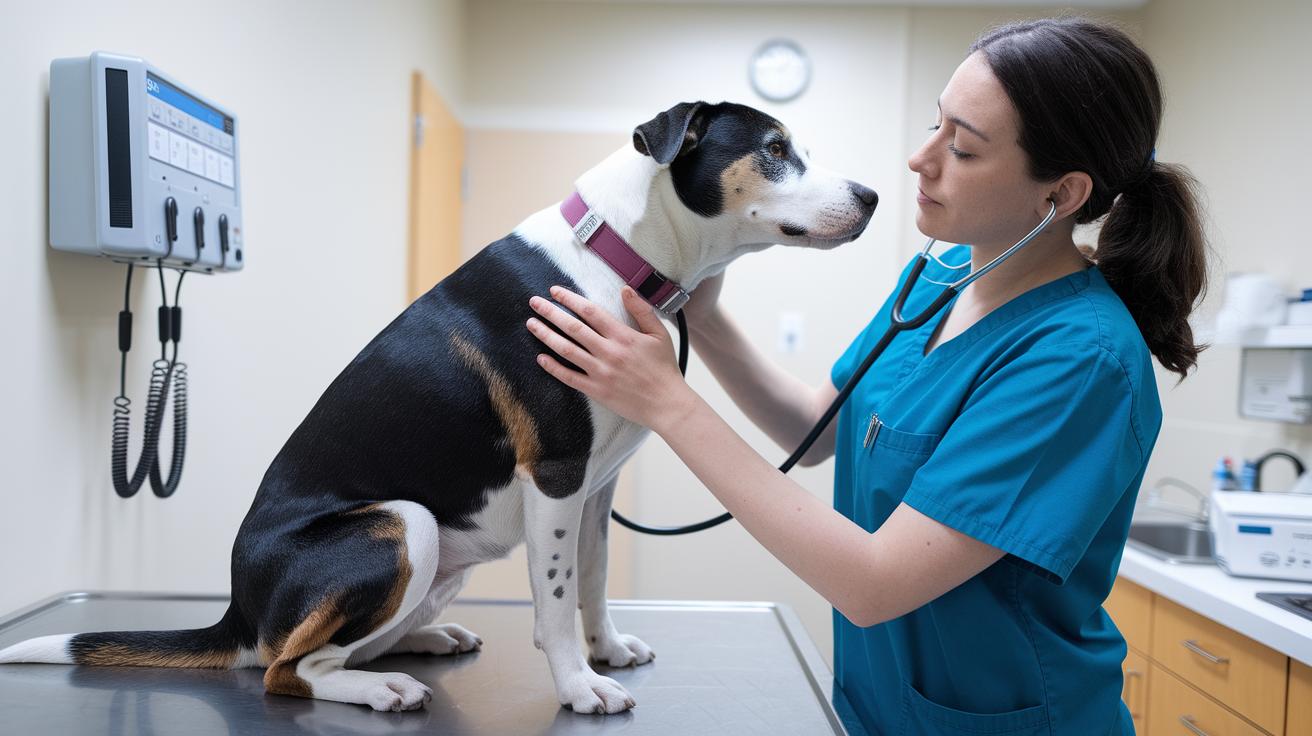
Here are some simple tips for the transition:

  • Mix in more of the new food gradually over 7–10 days.
  • Keep meals at consistent times daily.
  • Avoid letting your pet graze all day.
  • Watch their stool and appetite closely to catch any changes early.

This gentle change helps ease any digestive stress and lets you see how your pet adjusts to the new meal plan. It also makes it easier to encourage even the pickiest eater.

Expert Veterinary Insights and Debunking Common Pet Diet Myths

img-8.jpg

Veterinarians tell us that many popular pet diet stories just don’t add up when you look at real science. For example, some say grain-free foods are a magic fix for every pet. But experts explain that these diets might leave out some key nutrients a pet really needs. The raw food trend also gets a lot of praise, though only well-balanced, research-backed recipes give pets the proper fuel to thrive.

These days, regular lab tests and digital meal planners are making it easier than ever to keep our pets eating right. These modern tools adjust your pet’s meals based on things like how active they are, their age, and how many calories (the energy they get from food) they need. In truth, this means vet-led feeding advice is more reliable than ever.

Veterinarian tips remind us that the secret to a healthy pet diet is a little bit of everything in the right amounts. For instance, you might think that loading up on protein automatically means better health. But too much protein without enough fats and carbs can actually throw things off balance over time.

Key tips include:

Tip Explanation
Personalized meal planning Use digital meal planners to tailor recipes to meet standard nutrition guidelines
Regular health check-ups Frequent lab screenings help catch any diet issues early
Science over hype Choose diets based on research and expert advice, not just catchy ads

In the end, sticking with evidence-based advice helps clear up myths that might confuse pet parents. Imagine every meal being created using real data about your pet's day-to-day fun and energy, making sure they get just the right mix of nutrients as they grow and play.

Final Words

In the action, we explored the essentials of a balanced pet diet, including proteins, fats, and vitamins. We broke down choices between ready-made meals, DIY recipes, and strategies for picky eaters. We also looked at feeding schedules, portion sizes, and tips for adjusting diets based on age or weight. Vet insights helped clear up common myths and highlight smart nutrition choices. Every step we took aims to boost confidence and guide better health for our furry pals. Positive changes begin with the right pet diet!

FAQ

What is the 25 rule for pet food?

The 25 rule for pet food is a guideline suggesting that up to 25% of your pet’s total calorie intake can come from treats or supplemental foods, helping maintain balanced nutrition while preventing excess calories.

What is a balanced diet for pets?

A balanced diet for pets contains proteins, fats, carbohydrates, vitamins, minerals, and water following AAFCO standards, supporting proper growth, energy, and overall health.

What is the healthiest diet to feed your dog?

The healthiest dog diet balances quality proteins, nutritious fats, and energy-supplying carbohydrates through AAFCO-compliant commercial formulas, fresh plans, or carefully prepared homemade meals suited to your dog’s age and activity level.

What’s a good homemade diet for dogs?

A good homemade diet for dogs combines lean proteins, whole grains or rice, vegetables, and added vitamin-mineral supplements, with vet guidance to keep protein, fat, and carbohydrate ratios in check.

What are some pet diet recipes and planning ideas?

Pet diet recipes can range from simple homemade meals with lean meats and veggies to structured plans designed by pet nutrition experts, ensuring your pet receives balanced nutrients for optimal health.

How can I design a pet diet plan for my dog?

Designing a pet diet plan involves choosing between commercial, fresh, or homemade options while following AAFCO standards, with adjustments based on your dog’s age, weight, and activity levels after consulting with your vet.

How can pet diets be tailored for medical needs?

Pet diets tailored for medical needs might modify calorie levels, include supportive nutrients like joint supplements, or focus on hypoallergenic ingredients, and should always be planned with advice from your vet.

What is a Pet Diet Designer?

A Pet Diet Designer is typically a tool or expert service that helps create a personalized nutrition plan based on guidelines and your pet’s specific health data, ensuring balanced and appropriate dietary choices.

Veterinary Medicine: Innovative Insights For Quality Care

0

Ever wonder how our pets always seem so happy and healthy? It’s not just about routine check-ups; it’s a mix of smart gadgets and caring hands that keep them safe. When a pet isn’t feeling like their usual playful self, vets quickly run tests and use clever treatments (a gentle fix-up) to bring back that joyful spark.

In this chat, we share fresh tips on how vets care for all animals, from your cozy house pet to those lively farm animals. Stay with us to learn how these caring pros work hard every day to keep our furry friends feeling great.

Veterinary Medicine: A Comprehensive Overview of Animal Healthcare

img-1.jpg

Veterinary medicine cares for all sorts of animals, from our friendly pets and hardworking farm animals to wild creatures and even exotic species. Experts in this field figure out why an animal isn’t feeling well, fix injuries, and help prevent sicknesses before they start. They use a mix of handy tools and techniques to bring any ailing animal back to health. In doing this, they help our furry (or feathery and scaly) pals stay playful and remain part of our families.

Veterinarians are true heroes in animal care and also play a big part in keeping our communities safe. They do regular check-ups and offer preventive care that keeps our pets and other animals in tip-top shape. Plus, they keep an eye on diseases that might jump from animals to people, a comfort to everyone. By staying up-to-date with new research and treatments, these caring professionals help develop better medicines and care routines that work for a wide range of animal pals.

Today, many animal clinics are open 24 hours to help in emergencies. If your pet has a sudden injury or if another animal needs urgent help, these round-the-clock clinics are there to jump in. They’ve got the latest diagnostic tools and skilled staff to handle emergencies quickly. This constant availability not only keeps our pets safe but also gives owners the peace of mind of knowing help is always just a call away.

Diagnostic and Treatment Techniques in Veterinary Medicine

img-2.jpg

When our pets act a little off, getting the right diagnosis is like having a clear map for their care. Quick, reliable test results are the key to figuring out what’s wrong. Our vets use special lab tests made for animals to find the problem fast. Plus, with modern in-house machines, we get those important answers in no time.

A smart treatment plan mixes test results with the best care options. Our team uses tools like X-rays and ultrasound (a method that uses sound waves to see inside the body) to get a clear look at what’s happening. This clear view helps plan medicine and even guide surgeries, from simple spays and neuters to more complex bone repairs. Every step is backed by careful testing.

Diagnostic Test
Complete blood count (CBC)
Serum biochemistry panel
Urinalysis
Radiography (X-ray)
Ultrasound imaging
Biopsy and cytology

When careful tests mix with the right treatments, our pets get the best care possible. This blend gives a complete picture, so every treatment is just right for each animal. When tests and therapies work together, every pet gets help quickly and feels better sooner.

Preventive Care Protocols in Veterinary Medicine

img-3.jpg

Vaccines are the first way we help keep our pets safe and healthy. Just like you might schedule an annual physical, our furry friends get regular shots to protect them from diseases such as rabies, distemper, parvovirus, and kennel cough. The timing and type of vaccines change based on your pet’s age and lifestyle, helping them build a strong shield against illnesses.

Pet care isn’t just about pills or injections. It’s about mixing modern medicine with natural treatments. Think of it like preparing a balanced meal; while medicines work inside the body, therapies like acupuncture help ease pain and lower stress from the outside. This mix of care gives pets the best chance to recover and feel better using both science and nature.

Regular check-ups are key to making sure your pet stays in great shape. These visits often include tests for parasites, dental health, and even a look at their diet. Catching small issues early means you can adjust their food and exercise routine before problems grow. For more ideas on keeping your pet in top condition, check out the detailed guide here: https://bonsiaai.com?p=356.

Career Paths and Education in Veterinary Medicine

img-4.jpg

Many pet doctors begin by studying pet healthcare at a recognized college. While earning their degree, they learn hands-on skills for caring for animals and prepare for the Veterinary Medical College Application Service (VMCAS), a system that makes applying to vet schools in the U.S., Canada, and beyond more straightforward.

Becoming a pet doctor takes many years of study, hands-on work with animals, and passing a licensing exam. Along the way, future veterinarians can choose from special training programs and internships that offer extra guidance from experienced vets.

Role Education Path Average Salary
Veterinarian DVM degree plus license exam $119,099
Veterinary Technician Associate degree plus certification $25,000–$27,000
Animal Behaviorist Master’s/PhD and specialized training $25,000–$90,000

Even after becoming a licensed vet, learning never stops. Many veterinarians take extra exams and courses to sharpen their expertise in areas like surgery, behavior, or internal medicine (the branch of medicine dealing with internal organs). These advanced studies help improve job prospects and ensure they keep up with new treatments. Leadership programs and internships also give them a chance to handle complex pet cases while being mentored by seasoned specialists. Regular workshops, conferences, and continuing education keep pet doctors updated and ready to deliver the best care for every furry friend.

Specialties and Board Certifications in Veterinary Medicine

img-5.jpg

Veterinary medicine covers many different areas so every pet gets the best care. Pet doctors might focus on internal medicine (treating problems inside the body), cardiology (helping the heart and blood vessels), oncology (fighting cancer), neurology (looking after the nerves and brain), dentistry, or anesthesiology (keeping pets safe and comfortable during procedures). For example, internal medicine deals with tummy troubles or urinary issues, while cardiology keeps an eye on the heartbeat and overall blood flow. Even routine pet care is improved by these specialized skills, making sure every animal gets the attention they need to be healthy.

Board certification is a big milestone for these experts. Once they finish extra training in a residency program, they take a special exam given by a college and recognized by the AVMA. This process teaches them advanced techniques and checks that they can spot and treat lots of different conditions. In essence, the certification shows the difference between general care and expert-level care, giving pet owners peace of mind knowing their furry friends are in truly good hands.

Specialists like pet neurologists and cardiologists play especially important roles. A pet neurologist treats issues with the brain, spine, and nerves by using modern tools and careful treatment plans. At the same time, a cardiologist focuses on keeping the heart healthy, managing problems like irregular heartbeats and other issues. Their expertise is key to handling health problems that can affect a pet’s overall well-being.

Often, these specialists work together as a team. For example, if a pet shows several different symptoms, a neurologist and a cardiologist might share their insights to figure out the best care plan. By collaborating like this, they make sure even the most complicated cases are handled with care and kindness, giving every pet the support they need to thrive.

img-6.jpg

Digital tools are making it easier for future pet doctors to learn. Platforms like AAVMC Learn and VMCAS let students follow courses and handle school applications all in one smooth step. Imagine a busy student pausing to watch an interactive lesson on pet care, easily fitting learning into their day. This simple, fun approach builds confidence early and helps tomorrow’s veterinarians be ready for any pet challenge.

New research is also opening exciting doors for better pet care. Experts are checking out breakthroughs in animal nutrition and ways to help hurt tissues heal naturally (like when a little scratch starts to mend on its own). Picture a pet getting a treatment that soothes its symptoms and helps repair its body at the same time, it’s like mixing a little science with a lot of heart to make life more comfortable for our furry friends.

Digital innovations aren’t just for learning; they’re also changing how we care for pets every day. Telemedicine lets pet owners chat with experts from the comfort of home, while modern digital records make sure every vet sees the full story of a pet’s history. For instance, if a pet needs a quick follow-up after a visit, a fast online check-up can provide the advice needed without a stressful trip. These smart tools combine convenience with quality care, keeping pets and their families connected with trusted animal health help around the clock.

Management and Client Services in Veterinary Medicine

img-7.jpg

Clinic management software is a smart tool that keeps pet clinics running smoothly. It brings together online booking, digital pet files, and client feedback all in one spot. This means the clinic team can easily check when a pet is due for a visit and update its file with new details. It really helps make pet care more efficient and stress-free for everyone.

Walk-in and urgent care centers are designed for situations that need quick, careful attention but aren’t emergencies. In these centers, an experienced team quickly sorts which cases need faster help using simple check methods (triage is a fast way to decide treatment order). Imagine arriving with a pet that is just a little hurt; the team will promptly assess the pet, explain what comes next, and guide it through treatment without waiting for an appointment. Modern tools and a ready team make sure every pet gets the proper care quickly and gently.

Clinics also use clear pricing, regular follow-ups, and a team-based care style to offer pet care that feels like family support. By keeping costs easy to understand and checking in with pet owners after visits, clinics build strong trust and maintain high treatment standards. This well-organized approach ensures that every visit is a quality, compassionate experience.

Final Words

In the action, we explored how veterinary medicine works to keep our pets healthy. We touched on fast diagnostics, smart treatments, and careful preventive measures that help our furry friends thrive.
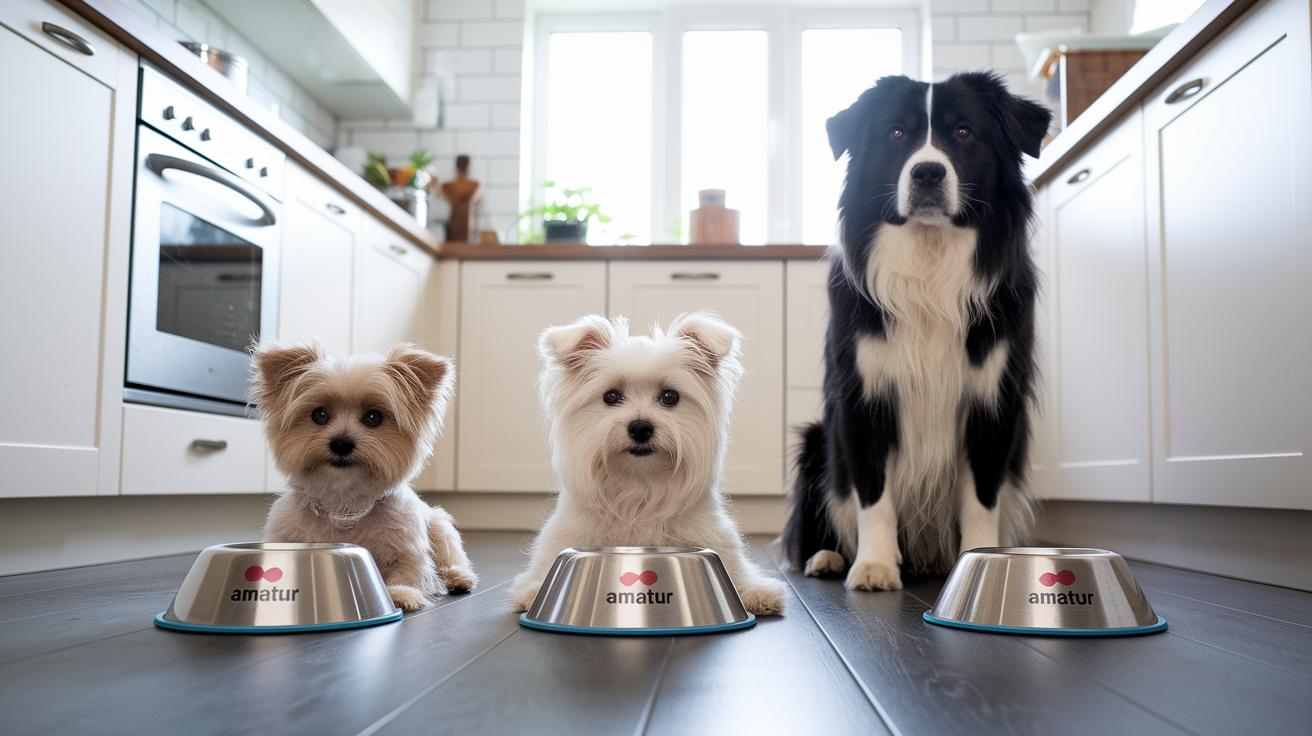
We also looked at education paths, specialties, and the latest tech in pet care. Every part of the write-up showed real-life examples of round-the-clock pet care and emergency treatment.

It all comes together to provide clear insights into veterinary medicine that empower every pet owner to make the best care choices.

FAQ

What does veterinary medicine do?

The role of veterinary medicine is to diagnose, treat, and prevent health issues in pets, livestock, wildlife, and exotics. It also provides routine care, vaccinations, and emergency treatment to keep animals thriving.

How many years is veterinary medicine?

The training for veterinary medicine usually takes about four years of veterinary school after completing undergraduate studies, with additional internships or residencies available for those seeking further specialization.

Which is better, DVM or VMD?

The comparison of DVM and VMD reveals that both degrees prepare you well for a career as a veterinarian. They offer similar training, with the choice often coming down to the specific program and your career goals.

What is the best major for veterinary medicine?

The best major for veterinary medicine is one that focuses on animal science or biology. Such programs build a solid foundation in pet care basics and prepare you for the rigorous coursework of veterinary school.

How can I find veterinary medicine programs, universities, and online resources near me?

The search for veterinary medicine programs involves exploring colleges and universities that offer veterinary degrees, as well as online courses and journals. Local listings and school reviews can help you pinpoint programs that fit your needs.

What is the average veterinary medicine salary?

The average salary in veterinary medicine varies by role. Veterinarians typically earn around $119,000 per year, whereas veterinary technicians usually earn between $25,000 and $27,000, depending on experience and location.

Redbarn Pet Products: Amazing Finds For Pets

0

Ever notice how your pet’s snack time can be both healthy and fun? Redbarn might be just what you need. They offer treats that make tails wag, from air dried powerfood with a mouthwatering aroma to chewy bully sticks that your pet will love.

Shopping is simple too. Whether you’re browsing online or popping into a local store, you’ll find lots of tasty options that are as nutritious as they are yummy. This guide will show you why choosing Redbarn makes sense for any pet parent who wants high-quality snacks without the hassle.

Redbarn Pet Products Overview & Purchasing Guide

img-1.jpg

Redbarn Pet Products show up in lots of places. You can visit their official website or check out big names like Amazon and Chewy. The site is set up so you can easily explore treats like Air Dried Powerfood, Semi-Moist Rolled Food, Canned Stews, Bully Sticks, and Collagen Chews. It’s simple to click through each category, compare your options, and read the details before you decide to buy. Plus, there’s a fall deal that gives you 15% off when you spend $50 or more, and you get free shipping on orders over $49.99.

If you prefer shopping in person, local pet stores have you covered too. Many brick-and-mortar stores, part of a nationwide network, stock Redbarn products. Authorized distributors also offer a more personal service where you can physically check out the treats, ask questions, and get quick, friendly pet care advice.

  • Redbarn website
  • Amazon/Chewy
  • Independent pet stores
  • Authorized distributors

These different buying options make it easy for pet parents to grab quality treats, no matter how they like to shop. With exciting offers like the fall discount and free shipping on the right order size, Redbarn Pet Products lets you enjoy top-notch pet supplies whether you shop online or in a local store.

The Redbarn Story: Company History, Mission & Values

img-2.jpg

Redbarn started in 1996, when lifelong pals Jeff Baikie and Howie Bloxam cooked up a dream in a small home kitchen. They both loved pets and cared about healthy, tasty snacks. Back then, they wanted to build treats that pet parents could easily trust. In no time, their passion grew into a company that now has over 500 team members and is based in Long Beach, CA.

At its heart, Redbarn has a clear goal. The company makes smart, quality pet treats at prices that work, all while sharing simple facts about pet nutrition (the energy and nourishment pets need). Every treat is made carefully, as if you were whipping up your pet’s favorite snack with a good dose of love and smart science, imagine preparing a meal you can truly appreciate.

Redbarn still holds onto its family-owned roots, celebrating the warm, close-together spirit that started it all. The founders remain a big part of what the company does every day, always making sure that pet health and happy owners are the top priority. It’s this heart and genuine care that makes Redbarn a trusted friend to pet parents everywhere.

Quality Assurance & Safety Standards for Redbarn Treats

img-3.jpg

Redbarn treats are made in modern U.S. and Paraguay facilities that follow strict food safety steps. Every part of the process is checked to help pet parents feel at ease. The company uses careful food practices, each ingredient is first inspected and then tested in their in-house lab (a special place where food quality is confirmed). Temperature control is kept tight so every batch remains fresh, and every ingredient can be tracked from start to finish. They work hard to keep the treats safe and delicious for your furry friends.

They ensure each facility follows top safety rules and meets both U.S. and global pet food regulations. Extra steps, like third-party audits, are part of their routine to catch even the smallest detail. This way, pet treats are produced every day in spots that really stick to the highest standards.

They also follow guidelines set by the FDA and international pet food agencies.

  • Ingredient sourcing: Only the best ingredients are chosen.
  • Lab testing: Every batch is checked in a professional lab for any harmful agents.
  • Temperature controls: Strict practices help keep treats fresh and safe.
  • Traceability: Each ingredient can be tracked back to its source.
  • External audits: Independent reviews ensure quality stays in line with global rules.

Premium Redbarn Treat Lineup: Canine & Feline Selection

img-4.jpg

Redbarn treats bring a burst of flavor and fun for your pet. Whether your dog loves a chewy treat or your cat craves a soft and savory bite, there's something special waiting for them. These snacks come in different textures and flavors that satisfy both picky eaters and lively, energetic pets. Just picture your furry pal getting excited as you open a bag of Collagen Chews, it feels like a mini celebration with every bite. The variety means every pet finds a treat that suits their personality and dietary needs.

Product Category Example Treats Ideal For
Air Dried Powerfood Air Dried Powerfood bites Active dogs needing a natural energy boost
Bully Sticks Traditional Bully Sticks Chewers who love a meaty taste
Collagen Chews Collagen Chews Pets needing joint support with tasty rewards
Dental Treats Crunchy Dental Treats Dogs that need a little help keeping their teeth clean
Dog Special Formulas Dairy-Free and Chicken-Free options Pets with food sensitivities or allergies
Cat Treats Collagen Bites; Semi-Moist Seafood Chews Felines looking for a gourmet snack

This wide range means you can mix and match treats to fit your pet's taste and needs. Pair a crunchy Dental Treat with a soft Bully Stick to bring extra fun to snack time. Some pets do better with special formulas like Dairy-Free options, while others just love the rich taste of Collagen Chews. With value packs and variety bundles available, treat time turns into a rewarding moment that both you and your pet can look forward to.

Ingredient Transparency & Nutritional Benefits of Redbarn Snacks

img-5.jpg

Redbarn clearly shows every ingredient on its labels so you always know what your pet is nibbling on. They list out every component, from natural proteins like beef, chicken, or fish to vitamins and minerals that add an extra boost. They pick only quality items to help keep your pet happy and healthy with every treat.

Each snack is made with your pet’s well-being in mind. Their recipes are packed with nutrients that support joint comfort, ease digestion, and even keep those little teeth strong. Lots of veterinarians trust these treats and recommend them to pet parents who want snacks that do more than just taste good.

  • High protein
  • No artificial additives
  • Grain-free options
  • Vet-approved formulas

Customer Reviews & Expert Ratings of Redbarn Pet Products

img-6.jpg

Many pet parents and friendly review sites are buzzing about Redbarn treats. They rave about the long-lasting chew and irresistible flavors that make snack time extra fun for our furry pals. Experts also point out that meticulous quality checks (ensuring every bite meets high standards) really make these treats shine. It all helps pet owners feel sure they’re giving their pets only the best.

Both buyers and pet care experts trust these treats to deliver every time. Whether it's the crunchy satisfaction of a Bully Stick or the gentle chew of a Collagen Stick, every testimonial brings the snack to life. These heartfelt ratings create a special bond between the brand and its customers, affirming that every bite is all about quality and safety.

Product Average Rating
Collagen Stick 4.89/5
Bully Stick 4.91/5
Whole Grain Land Recipe 4.92/5
Beef Recipe 4.93/5

Pet owners are invited to share their thoughts or ask for advice if they have questions about the treats. The customer support team is all ears, making sure every pet parent enjoys the best snack time possible. Real user feedback keeps improving these trusted products, just as every wag and purr reminds us why quality matters.

Finding Redbarn: Authorized Distributors & Store Locator

img-7.jpg

Redbarn’s online store-locator tool is a handy way to find your next pet shop. Just type in your ZIP code or state, and you'll tap into a network of over 5,000 stores, big chains and small, local pet shops alike. Think of it like a fun treasure hunt that shows you where to grab your favorite pet supplies.

  • Use search filters to zoom in on your area.
  • Look at distributor profiles for live updates on in-stock items.
  • Reach out directly to authorized distributors for a bit of personal help.

Local pet stores often give you a cozy, personalized experience with friendly advice that feels like chatting with a neighbor. Discover a nearby pet supplies store and see how a simple trip can brighten both your day and your pet's too.

Redbarn Careers: Employment Opportunities in Pet Care

img-8.jpg

Redbarn is a friendly company where every team member feels like family. With more than 500 people working in research, quality assurance, manufacturing, marketing, and customer support, the workplace buzzes with energy and warm ideas, just like the happy pitter-patter of paws at home.

At Redbarn, your creative ideas and love for pets take center stage. They nurture a spirit of innovation and teamwork, always encouraging each other. You know that feeling when your pet looks up at you with those loving eyes? That's the kind of care and support you'll find here.

Here are some areas where you can contribute:

  • Research & Development
  • Quality Assurance
  • Production
  • Marketing

Plus, if you’re just starting out, Redbarn offers paid internships in product development and nutrition research. These hands-on opportunities are perfect for pet lovers who want to learn from experienced pros while diving into pet nutrition and other fun areas of pet care. Imagine making your pet’s favorite treat by blending quality work with a lot of heart.

Ready to join a team that is just as passionate about pets as you are? Apply today and help create treats that make pets wag their tails and purr with joy.

Final Words

In the action, we've seen how redbarn pet products bring quality, safety, and variety to pet care. From clear ingredient labels and rigorous testing to multiple purchasing options, every pet gets real quality care.

We've explored the brand’s roots and the many channels, from online deals to local retailer finds, that make it easy to pick the best treats. It's a refreshing way to care for your furry friend with confidence and a smile.

FAQ

Frequently Asked Questions

Where can I buy Redbarn pet products?

The query about purchasing shows you can buy Redbarn pet products on their official website, Amazon, Chewy, or at select local pet stores, with free shipping on orders over $49.99.

What types of products does Redbarn offer for dogs, and are they good for dogs?

The inquiry about dog products reveals Redbarn provides nutritious options like Air Dried Powerfood and Bully Sticks that pet owners rate highly for flavor, durability, and overall quality.

What types of products does Redbarn offer for cats?

The question on feline options indicates Redbarn supplies cat food varieties and specialty treats, including Semi-Moist Rolled Food and Collagen Bites, designed to support a cat’s health and enjoyment.

What career opportunities are available at Redbarn Pet Products, and what do employee reviews on Glassdoor say?

The careers question shows Redbarn employs over 500 team members in areas like R&D, quality assurance, and marketing. Employee reviews on Glassdoor highlight a supportive, family-owned work culture.

Where is Redbarn Pet Products headquartered?

The inquiry about headquarters means Redbarn Pet Products is based in Long Beach, CA, where they manage operations and maintain their commitment to premium pet nutrition.

What do customer reviews say about the quality of Redbarn pet products?

The quality and reviews query informs that Redbarn products consistently earn high ratings, around 4.9 or above, for their flavor, durability, and reliable performance, reflecting pet owner satisfaction.

Who owns Redbarn Pet Products?

The question on ownership reveals that Redbarn is a family-owned business founded by longtime friends Jeff Baikie and Howie Bloxam, who started the company in a home kitchen.

Has Redbarn dog food ever been recalled?

The recall inquiry indicates that Redbarn dog food has maintained a solid safety record with strict quality controls, and there have been no significant recalls affecting their products.

Is Redbarn made in the USA?

The query about production origin shows many Redbarn products are manufactured in the USA, alongside operations in Paraguay, both following rigorous quality standards for pet food safety.

Dog Training Resources: Spark Pet Joy

0

Ever wonder if training your pup can be as fun as playtime? Spark Pet Joy offers simple tips to help you bond with your furry friend as you both learn new tricks. Imagine a laid-back walk in the park turning into a mini training session, where a few easy commands open up moments of shared joy.

From step-by-step guides you can follow at home to friendly advice from experts, these tips help boost your dog’s behavior without any stress. In this post, we dive into ways to make training a fun part of your daily routine, making every session feel like a playful adventure with your best buddy.

Comprehensive Dog Training Resources for Every Dog Owner

img-1.jpg

Dog training tips cover everything from taking care of a playful puppy to keeping your furry friend safe, happy, and well-behaved. Imagine explaining commands in a soft, reassuring tone while your dog watches eagerly, then lighting up when rewarded with a tasty treat. It’s amazing how a simple “sit” and a little treat can turn training into a joyful moment for both of you.

Only a small group of dog owners, about 8%, choose professional classes, while a whopping 73% prefer to learn at their own pace with helpful guides and fun tools. Many pet parents are fond of using techniques like clicker training (a little tool that signals good behavior) and reward-based methods using treats for commands like “sit” and “stay.” This way, you can easily pick the training style that fits into your everyday routine, whether it’s a hands-on expert method or a laid-back home practice.

There’s a wide variety of resources available. Some offer clear, step-by-step lessons and friendly advice, while others provide interactive, real-life coaching for your pup. Picture a calm walk in the park turning into a fun practice session, where every step and every command builds trust and makes training feel natural. These resources help make training simple, safe, and a cherished moment of bonding between you and your pet.

Free Dog Training Resources: Tutorials, Videos, and Downloadables

img-2.jpg

Discover lots of free ways to help your dog learn new tricks. These free guides make training fun and easy, turning everyday moments into playful learning sessions. Whether you’re showing your pup a new trick or helping them behave around little ones, you’ll find clear, step-by-step tips in everything from well-written articles to engaging videos.

  • Free Behavior Tutorials – Simple lessons that show you how to handle common pet behaviors.
  • Video Tutorial Series – Over 900 videos full of useful, practical ideas.
  • Self-paced Education Guides – Printable and interactive lessons that work around your schedule.
  • Online Seminar Series – Join free dog training workshops (free dog training) that give you live tips and Q&A opportunities.
  • Pup Instruction Materials – Kid-friendly resources made especially for families.
  • Downloadable Skill Guides – Ready-to-use materials you can keep handy during training.

Keep an eye on these free resources as new tips and techniques are added all the time. Enjoy every training moment, and let your dog’s progress bring a smile to your day.

Affordable and Certified Dog Training Programs

img-3.jpg

Only about 8% of dog owners sign up for these professional programs. They offer certification in service dog training and help with behavior changes. These courses mix easy-to-follow expert guides (detailed advice from experienced trainers) and fun hands-on sessions. It’s like having a clear roadmap that boosts your confidence and helps you guide your furry friend step by step.

There are plenty of budget-friendly choices too. You can join online group sessions, weekend workshops, or certificate programs that work with your busy life. Some even include certified behavior classes through dog training classes that give you structured lessons without costing a fortune. It’s quality training that fits your schedule while making every moment with your pet enjoyable.

When you choose a program, think about the course’s credentials, the quality of the guides, and if there are enough hands-on sessions. Compare factors like the schedule and extra support offered, so you can find an option that is both affordable and practical. In truth, these programs are all about helping you build clear, effective training skills that strengthen your bond with your pup.

Digital Dog Training Tools: Apps, Online Platforms, and Virtual Sessions

img-4.jpg

These days, many pet lovers are turning to digital tools that make training fun and simple. Picture your phone or computer turning into a personal classroom for your furry friend. With interactive lessons and easy-to-follow videos showing every step, these tools bring training right to your living room. And with live sessions online, you can chat with expert trainers who guide you as if they were right there with you.

Puppr App

Puppr App is a favorite among dog owners. Its free version gives you lots of easy video lessons that teach basic commands, perfect for starting out. Once you switch to premium, more in-depth tutorials and progress tracking features help you see your pup’s growth. You can check clear progress reports that turn training into a rewarding journey, making every step of improvement visible.

Virtual One-on-One Sessions

Imagine getting personal training for your pet without leaving home. With just your smartphone or computer, you connect live with a trainer who offers tailored feedback just for you. These sessions feel like one-on-one private lessons, where advice comes in real time and keeps things engaging. The interactive lessons built into these platforms ensure that you and your best friend can easily follow along and have a great time learning together.

Digital training options come in all shapes and prices. Some give you free access to basic lessons, while others, including options with more advanced features, might require a premium subscription. This mix lets you choose what suits your budget and your pet’s needs best.

Essential Dog Training Books, eBooks, and Manuals

img-5.jpg

These trusted books and manuals are like hidden gems for any dog owner wanting to boost training skills. They break down ideas into simple, step-by-step plans complete with lesson plans and printable worksheets, making the process clear and fun. Ever read a guide that feels like a chat with a knowledgeable friend? That’s exactly how these expert-reviewed manuals work. They help you understand your dog's body language and change its behavior with easy-to-follow instructions.

Imagine grabbing a copy of Zak George's Dog Training Revolution or Jean Donaldson's The Culture Clash. Each book offers friendly advice, showing you how to decode your dog's signals and build a happy routine. Other must-read titles include Decoding Canine Cues, which explains dog signals in a simple way, The Obedience Roadmap with its clear lesson plans, and Playful Progress that even gives you printable sheets to track your dog's improvements.

Local In-Person Dog Training Classes and Community Workshops

img-6.jpg

Step into a warm, hands-on training session where you and your pup can hang out with fellow pet lovers. In places like Seattle, you might sign up for fun puppy learning sessions (puppy training classes) where the focus is on basic obedience and socializing with other dogs, and sometimes even little kids. Local trainers and community clubs team up to turn your everyday walk into an exciting outing.

These classes come in all shapes and sizes. You can join a one-day behavior workshop full of playful moments or go for a multi-week bootcamp that steadily builds your dog's confidence and skills.

Class Type Format Avg Cost
Puppy Socialization Group $30/session
Obedience Bootcamp Multi-week $150
Behavior Workshop One-day $60

These community programs do more than teach your dog better manners, they help you connect with other pet owners too. Whether you're looking to boost your dog's social skills or make him respond more reliably to commands, these in-person sessions add that friendly, personal touch to your dog’s training journey.

Specialized Dog Training Resources for Behavioral Challenges

img-7.jpg

Our specialized training guides are here to help you handle those tricky dog behaviors. They offer simple, clear tips for issues like resource guarding (when your dog won’t share toys) and separation anxiety (feeling uneasy when you're away). Interactive lessons even show you easy ways to help your pup feel more relaxed around stressful things. With gentle, step-by-step advice, these guides help shift negative reactions into calm responses so your furry friend can feel more confident every day.

When your dog is protective over his favorite spots or toys, many programs break the training into easy, bite-sized steps. Practical charts and visual examples help guide your dog toward sharing nicely. And if separation leaves your pup feeling blue, video tutorials and simple checklists lay out clear steps to ease that anxiety. One popular resource, "how to help a dog with separation anxiety" (https://goodkaws.com?p=816), offers straightforward advice to build trust and soothe those worried feelings. Each module feels just like a friendly chat, making the training natural and fun.

Real-time support can also be a big help in your training journey. Virtual workshops and live Q&A sessions let you ask questions on the spot while learning new, calm behaviors. Follow-up guides give you more practical tips to adjust the training as your dog makes progress. These extra sessions ensure you never feel stuck and help bring joy to every training session, so you and your pet can grow together in a peaceful way.

Final Words

In the action, we explored a range of dog training resources that cover everything from online tutorials and digital tools to in-person classes and helpful manuals. Each section offered clear tips, practical methods, and easy-to-follow advice for making your pet care decisions smoother. The post broke down options by style and cost, guiding you in building confidence through smart training. With these dog training resources, you have the tools you need to help your furry friend grow, learn, and thrive. Enjoy every moment of training time!

FAQ

Dog Training FAQ

What are some top free and downloadable dog training resources?

Free dog training resources include downloadable PDF guides, video tutorials, and interactive online materials. Organizations like SPCA and Petco offer free classes for pet owners seeking practical training tips.

What are the best dog training resources shared on Reddit?

The best dog training resources on Reddit come from pet owners sharing trusted guides, instructional videos, and self-paced education tips that have worked well in everyday training sessions.

What free dog training courses offer certificates?

Free dog training courses offering certificates combine online tutorials with clear, step-by-step instructions. They give pet parents a way to validate their training skills and boost confidence.

What is the professional dog trainer salary?

The professional dog trainer salary can vary widely, usually ranging from around $25,000 to $60,000 per year, depending on experience, location, and the type of training provided.

What is the 3-3-3 rule for dog training?

The 3-3-3 rule for dog training breaks sessions into three short parts. This method helps keep training focused and fun while encouraging consistent reinforcement.

What is the 7-7-7 rule for dogs?

The 7-7-7 rule for dogs divides training into three seven-minute sessions. This approach promotes regular practice with manageable time blocks, aiding in clear communication and learning.

What are the 4 F’s of dog training?

The 4 F’s of dog training highlight a dog’s natural responses—Fight, Flight, Freeze, and Fawn. Recognizing these helps owners manage behaviors and train more patiently and safely.

What is the 10-10-10 rule for puppy training?

The 10-10-10 rule for puppy training suggests short 10-minute lessons repeated 10 times a day for 10 days. This steady method builds strong foundations in obedience and confidence.

Dog Supplies Outlet Delivers Savings Galore

0

Have you ever thought about giving your dog the very best without breaking the bank? At this pet supplies store, you’ll find over 8,000 carefully chosen items that bring both smiles and savings.

Imagine your pup happily enjoying scrumptious meals and fun toys while you feel great about your smart budget choices. Each product is picked with genuine care, turning every shopping trip into a win for you and a treat for your furry friend. It’s proof that top-quality pet care and affordability really can go hand in hand, adding a little extra joy to your day.

dog supplies outlet Delivers Savings Galore

img-1.jpg

At this dog supplies outlet, you'll find more than 8,000 carefully picked items. Think of tasty dog foods, fun toys, handy accessories, and more, all chosen with your pet’s happiness in mind. The prices are set so you can treat your furry friend without breaking the bank.

Every time you stop by, you'll notice the shelves are lined with pet essentials that are both budget-friendly and easy to find. Whether you're grabbing healthy meals or a playful new accessory, each item is picked with care to keep your dog wagging its tail.

The store's warm, friendly vibe shows in every corner. With quick help and sound advice, you leave knowing your dog is getting the best, and that makes shopping here as comforting as a gentle pet hug.

Dog Supplies Outlet Category Guide: Food, Toys & Accessories

img-2.jpg

Looking for a good deal for your pup? This guide makes it easy. Here, you’ll find savings on food, treats, toys, and even leashes that keep your furry friend happy and healthy.

Dog Food Bargains

Check out a mix of dry, wet, and special foods that come with a discount of 10–20%. No matter if your dog likes food with grains or grain-free options, there’s something tasty and affordable waiting for them.

Bulk Dog Treats Sale

Stock up on your dog’s favorites with buy-5-get-1 deals on goodies like bully sticks and packaged treats. It’s a smart way to save while keeping their treat jar full.

Clearance Dog Toys

Now’s the time to score big on fun. Enjoy deep discounts of 30–50% on soft plush toys and sturdy playthings. Your pup gets new toys to romp around with, and you keep some money in your pocket.

Cheap Canine Leashes

Grab a great bargain on quality leashes that make every walk safer and more fun. With price drops on both regular and heavy-duty styles, walking your dog has never looked so good.

Discount Pet Accessories

Snag helpful accessories like harnesses, collars, and travel gear at 15–25% off. Each item is made to keep your pet comfortable and stylish without costing too much.

Outlet Pet Gear

Explore special outlet deals on beds, crates, and feeders for small dogs. These discounts make it super simple to create a cozy space for your little buddy.

Category Discount Range Starting Price
Dog Food Bargains 10-20% $6.99
Bulk Dog Treats Sale Buy-5-Get-1 $3.99
Clearance Dog Toys 30-50% $4.99
Cheap Canine Leashes 15-25% $5.99
Discount Pet Accessories 15-25% $2.99
Outlet Pet Gear 20-30% $9.99

Dog Supplies Outlet Locations & Online Deal Finder

img-3.jpg

When you shop in person, you get to see, hold, and even try out products. Plus, friendly staff are there to help at any of our eight local pet stores, open from 8 AM to 8 PM each day. But you can also explore our outlet online (https://bonsiaai.com?p=347) for fast shipping, easy browsing, and free returns within 30 days.

Whether you stop by a nearby discount shop or shop online, you can count on quality products and a smooth experience. This way, you get more time for fun with your dog and less time waiting.

Location Trim Day & Time
Anthem Monday, 10AM-3:45PM
Rainbow Tuesday, 10AM-3:45PM
Centennial Wednesday, 10AM-3:45PM
Valle Verde Thursday, 10AM-3:45PM
Hualapai Friday, 10AM-3:45PM

Reading reviews from other pet lovers can help you find the best option for your needs. Their insights make planning your visit a breeze and boost your confidence whether you shop in-store or online.

Shipping, Pickup & Returns at Dog Supplies Outlet

img-4.jpg

We offer fast shipping that gets your favorite pet supplies to your door, no matter where you live. You'll receive easy, step-by-step advice during checkout to make sure each item is just right for your furry friend’s health. It’s a smooth process that saves you time and helps you stick to your budget.

You can also place your order online and choose to pick it up in-store at any of our eight locations. Simply select the pickup option, then stop by during store hours to see your items up close and skip extra fees. It’s a quick way to check out everything in person.

And if you ever change your mind, no worries. We offer free returns within 30 days so you can shop confidently, knowing we've got your back if something isn’t quite right.

Exclusive Perks at Dog Supplies Outlet: Loyalty & Free Services

img-5.jpg

Every time you shop here, you earn points that work in your favor. The store’s loyalty program gives you points on every purchase, points you can use for discounts later. Imagine picking up your pet’s favorite treats and toys while racking up savings. It feels like every visit adds a little extra cheer to your day, don’t you think?

And that’s not all. You can even enjoy free grooming services for your furry friend. On special days, like Mondays at Anthem or Tuesdays at Rainbow, you get a free nail trim worth $20. Plus, if you have a bigger pup, up to 110 lbs, they offer self-grooming stations stocked with shampoos, conditioners, and dryers. It’s a fun, handy way to keep your pet looking their best without any extra cost.

All of these perks make this pet outlet a real gem. Combining a rewarding loyalty program with scheduled grooming days means every shopping trip feels like a treat for both you and your best buddy.

Real Reviews of Your Dog Supplies Outlet Savings

img-6.jpg

Our furry friends' parents really love our dog supplies outlet. They appreciate the huge selection and the friendly advice our team offers. Many share that the number of choices always leaves them impressed and builds their trust with our store.

One pet lover said, "I was blown away by the daily deals on dog care items. I always find fresh discounts that make top-quality products affordable. I especially loved the allergy-friendly diets and special clearance offers on dog gear. The warm service and many options keep me coming back."

Another customer commented, "The savings are clear to see. Every visit uncovers dog care deals that work with any budget. I rely on the daily deals, and the staff's tips help me pick items that fit my pet perfectly. This shopping experience really stands out."

We invite you to check out our outlet reviews and see how daily deals have helped pet lovers. Who knows? Your next visit might reveal your favorite discount!

Final Words

In the action, the article showcased savings at a dog supplies outlet with over 8,000 items guaranteed to keep your pet happy and healthy.

You learned how to pick the right categories, from dog food bargains to clearance dog toys, and found tips on store locations and convenient online deals.
Shipping, in-store pickup, and free returns round out the easy shopping experience.
From exclusive perks to authentic reviews, every detail brings hope for smart, quality care.
Positive vibes all around, ensuring a win for you and your fur friend.

FAQ

Where can I find a Dog Supplies Outlet near me, including locations like Las Vegas, Henderson, Sahara, Rainbow, and Centennial?

The Dog Supplies Outlet has several convenient locations in the Las Vegas Valley, including areas like Henderson and Centennial. Checking their website will help you locate the nearest store for discounted pet supplies.

How can I order dog supplies online and through their dog supplies websites?

The dog supplies outlet online offers a broad selection of pet supplies with fast shipping and free 30‐day returns. It’s easy to browse and order quality products, ensuring a smooth shopping experience.

What dog food supplies and discount pet supply items are available at the outlet?

The outlet stocks a range of dog food supplies and other discounted pet items, from dry and wet food to toys and accessories. This makes finding affordable, quality pet care products simple and convenient.

What kinds of job opportunities can I find at Dog Supplies Outlet?

Dog Supplies Outlet jobs include positions in retail, customer service, and management roles. These opportunities let you work in a friendly environment dedicated to serving pet lovers.

What does Furever Dog Supplies refer to?

Furever Dog Supplies indicate specialty pet products designed for durability and lasting value. They focus on meeting a dog’s everyday needs while blending fun with reliable quality.

How To Select Dog Food: Smart Steps

0

Ever wonder if your dog's food really gives them what they need? Even tiny changes in ingredients can make a big difference in their health.

In this chat, I'll show you simple steps to pick a meal that grows with your pet, from those playful puppy days to their cozy adult years. You'll get a clear guide on what hints to look for on labels (like calorie counts, which give you an idea of the energy in the food) and key nutritional facts to check. Small tweaks in your dog's bowl can mean big bursts of energy and a happier, healthier companion.

5-Step Guide to How to Select Dog Food

img-1.jpg

Choosing the right food for your dog doesn't have to be hard. When you break it down step by step, you can feel sure about what you’re giving your furry friend. Each tip here is designed to help you pick a food that matches your dog's age, breed, size, energy, and any health issues they might have.

  1. First, get to know your dog a little better, think about their age, breed, weight, how active they are, and any special health needs they have.
  2. Next, take a close look at the ingredient list. Look for high-quality animal proteins and whole foods. Remember, the ingredients are shown in order, from the most to the least present.
  3. Then, check for the AAFCO "complete and balanced" label. This stamp means that the food meets important nutritional standards set by experts (rules to ensure your pet gets all needed nutrients).
  4. After that, compare the certified amounts of protein, fat, fiber, and calories. This helps you decide if the food fits your dog’s energy requirements and specific health goals.
  5. Finally, have a chat with your veterinarian before you switch diets. A vet's advice can help make sure you’re doing what’s best for your pup, especially if they have allergies or other concerns.

Each step leads you closer to finding the perfect meal that keeps your dog happy and healthy. Ever notice how a simple change in diet can brighten your pet’s day? Enjoy watching your companion thrive with each bite!

Life Stage Nutrition for Choosing Dog Food

img-2.jpg

Puppy formulas are made to help little dogs grow fast and strong. They pack in extra protein and key nutrients like DHA (which helps with brain and eye growth) so your puppy can thrive. Think of it like a burst of sunshine on a cloudy day, giving your playful pup the energy to explore and learn.

Adult dog food is all about keeping energy levels steady and muscles toned. It has just the right mix of protein, fats, and carbohydrates, similar to enjoying a well-balanced meal that fuels your day without making you feel weighed down. It’s like having a satisfying snack that keeps you going strong.

Senior formulas are made with gentle care for older dogs. These foods support aging joints and help keep calories in check, often including helpful ingredients like glucosamine (which supports joint health) and antioxidants to ease mild stiffness. Imagine it as a light meal that still comforts and nourishes your loyal companion, just like a calm afternoon nap that brings peace to your heart.

Breed and Size Specifics in Selecting Dog Food

img-3.jpg

Picking the right food for your dog depends on their breed and size. When you understand these differences, you can choose a meal plan that helps your furry friend grow, stay lively, and feel their best.

Small Breed Requirements

For small dogs under 30 lb, every bite really counts. These pups need calorie-rich meals packed with nutrients because their fast metabolism burns energy quickly. Plus, small kibble makes it easier for them to chew, like giving a tiny engine the perfect fuel to run smoothly.

Medium Breed Requirements

Dogs weighing between 30–70 lb do well with well-balanced meals. They enjoy a plate that mixes the right proteins, fats, and carbs to support steady growth and keeps their joints feeling good. It’s like creating a balanced meal plan that keeps all parts of their body happy as they play and explore.

Large Breed Requirements

For larger dogs over 70 lb, controlling calories is key while still giving enough energy to keep them active. They usually need food with added glucosamine (a supplement that helps keep joints comfortable) and a careful mix of calcium and phosphorus for strong bones. This helps even the most energetic big dog get the support they need without extra calories.

How to Select Dog Food by Reading Labels and AAFCO Standards

img-4.jpg

Reading a dog food label is a bit like diving into a story about your pet’s well-being. The product name gives you a quick hint about the main ingredient. For instance, if the label just says "Beef," it usually means the food consists of at least 70% beef. But if you see "Beef Dinner," there’s likely much less beef in the mix.

Check out the ingredient list too, it’s arranged from the heaviest ingredient to the lightest. This order helps you figure out whether you’re getting real meat and whole foods or a bunch of fillers. The guaranteed analysis then shows you numbers for protein, fat, fiber, and moisture. This makes it easy to compare what different brands offer.

The FDA requires that dog food packages include eight key pieces of information. These details cover the ingredient list, a statement about nutritional adequacy, and feeding guidelines, among other things. When you go through the label, you quickly learn not only what’s in the food but also if it meets AAFCO standards (AAFCO is the group that sets the guidelines for pet nutrition). Look for words like "complete & balanced" to know that your dog’s getting the right mix of nutrients. And yes, keep an eye out for any artificial colors, flavors, or preservatives.

Taking a few moments to understand these details can really help you choose the best food for your beloved dog.

Label Component What It Means How to Use
Product Name Shows the percent of the main ingredient Select “Chicken” rather than “Chicken Flavor”
Ingredient List Listed in descending order by weight Look for real meat and whole foods
Guaranteed Analysis Details protein, fat, fiber, and moisture levels Compare these numbers across different brands
Nutritional Adequacy Statement Confirms compliance with AAFCO standards Ensure you see “complete & balanced” on the label
Feeding Guidelines Offers portion recommendations Adjust portions based on your dog’s activity level

How to Select Between Dry, Wet, and Raw Dog Food Options

img-5.jpg

When it comes to feeding your dog, the choice is all about matching the food to your pet's everyday needs. Each type of food has its own charm and special benefits. Sometimes you might consider things like how easy the food is to store, how it feels in your dog's mouth, or if it follows a natural, old-school diet.

Dry Kibble

Dry kibble is a hit with many pet parents because it is both simple and affordable. It stays fresh for longer periods and comes with a well-rounded mix of nutrients. You will often find grain-free options too! It is like serving a neat, everyday meal that reliably fuels your dog, just like a constant, friendly routine.

Wet Food

Wet food brings a little extra moisture and a softer bite which can help dogs with dental issues or older pals who may find it hard to chew. Its rich taste and smooth texture often win over the pickiest of eaters. Imagine a moist dish with a burst of flavor that transforms mealtime into a special little celebration for your furry friend.

Raw Diet

A raw diet leans into a more natural approach by offering uncooked meat, bones, and vegetables that remind you of a dog's wild roots. However, this choice also means you need to handle the food carefully because of a higher bacterial risk. Regular checkups with the veterinarian can help ensure everything stays balanced and safe. It is a fresh, adventurous option that calls for a bit of extra care and attention, much like tending to something delicate and true.

Selecting Allergy-Friendly Options When Choosing Dog Food

img-6.jpg

If your dog seems uneasy after eating, trying a limited-ingredient or one-protein recipe might help a lot. Fewer ingredients means it's easier to figure out what could be upsetting your furry friend. In truth, by keeping the recipe simple, you steer clear of usual suspects like chicken, beef, wheat, and corn. This way, your pet gets a reliable meal without extras that might irritate a sensitive tummy.

You might also want to look at food that uses proteins your dog hasn’t tried before, think rabbit, venison, duck, salmon, or even kangaroo. These novel options can really lessen the chance of a bad reaction. When you check the label, be sure it lists just one main protein and doesn’t include cheap fillers or harsh additives. For more ideas, you can read up on dog food designed for allergies at this link: https://bonsiaai.com?p=500.

Consulting Vet for Final Dog Food Selection

img-7.jpg

Working with your vet is really important when you decide on your dog's new food. They know your pet best and can spot any allergies, weight problems, or joint issues quickly. It’s like having a trusted friend guide you through every step. So, when you decide to change your dog's diet, your vet will advise you to do it slowly over 7–10 days. Think of it like gradually adding a new spice to a favorite meal, this way, you can notice if your dog’s energy, body shape, or even the little details like stool quality change. Keep an eye on your furry friend each day to see if anything seems off.

If a homemade diet is more your style, don’t hesitate to ask your vet for a trusted recipe. You might even want to check in with a pet nutrition center for extra tips and support. For example, you could look up a vet-approved homemade dog food recipe or visit a pet nutrition center online.

And remember, regular checkups during this transition help you stay on top of your pet’s progress, ensuring they stay happy and healthy.
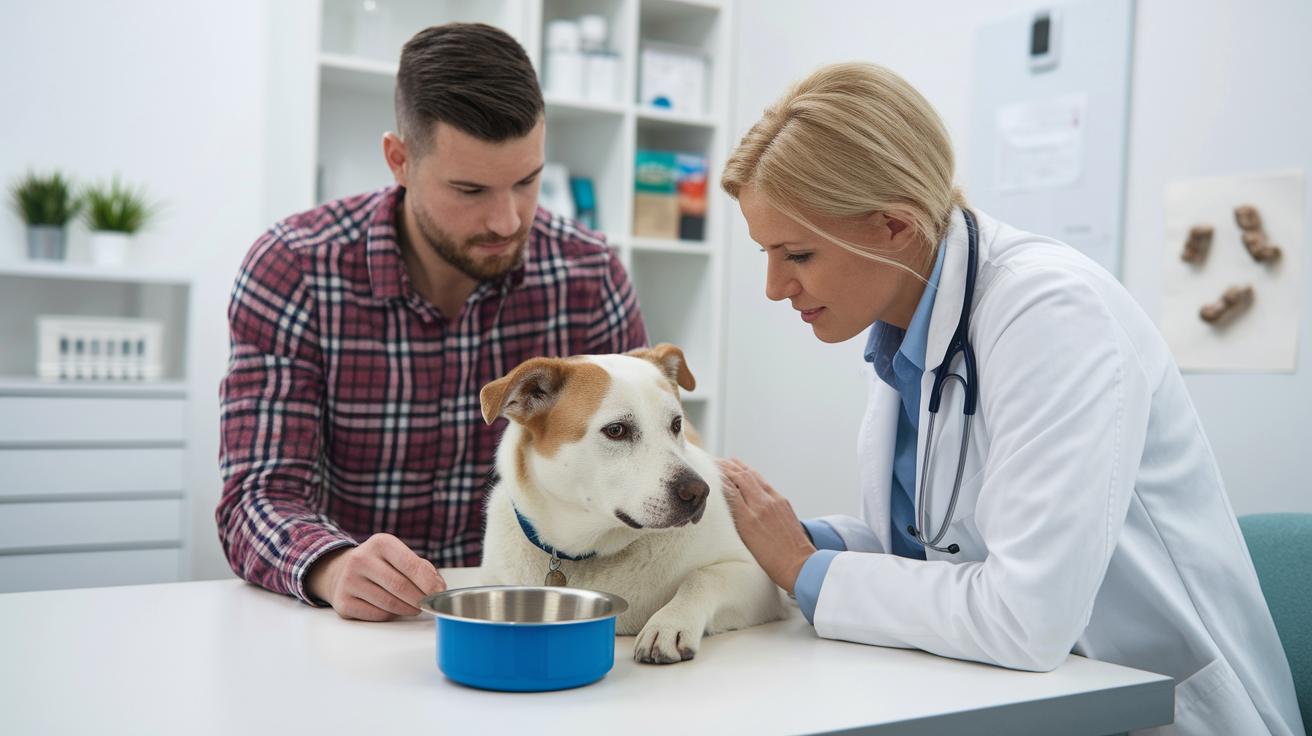
Final Words

In the action, this guide broke down everything from profiling your dog to understanding AAFCO labels. It explained how life stages, breed, and size influence food needs and compared different formats like dry, wet, or raw. The steps woven together show how checking ingredients and consulting experts can support pet health. Each tip helps bring clarity and care to every feeding decision. Remember, using these insights on how to select dog food makes feeding time a thoughtful, positive experience.

FAQ

How do Reddit discussions and quizzes help select dog food?

Reddit discussions and quizzes offer real owner experiences and quick assessments. They can provide simple tips and interactive guides to help you pick the best food for your dog.

How can I tell which dog food brands to avoid?

Dog food brands to avoid often contain low-quality ingredients, fillers, or artificial additives. Look for products that meet nutritional standards and list real meat and whole foods first.

What defines the best dry dog food?

The best dry dog food meets AAFCO standards, contains high-quality proteins and fats, and suits your dog’s age, breed, and activity level while offering a convenient, shelf-stable option.

How are AAFCO, vet, and WSAVA approved dog foods identified?

Dog foods with labels stating AAFCO “complete and balanced,” vet recommendations, or WSAVA approval show they meet established nutrient profiles and are vetted for safety and quality.

What is Royal Canin Dog Food?

Royal Canin Dog Food is a commercial brand known for its formulas designed for specific sizes, breeds, and life stages, aiming to support your dog’s health with targeted nutrition.

What does the 80 10 10 rule for dog food mean?

The 80 10 10 rule means a raw diet formula consisting of 80% lean meat, 10% bone, and 10% organ meats to offer a balanced approach to natural feeding.

How do I figure out what to feed my dog?

Figuring out what to feed your dog involves evaluating age, breed, weight, and activity level. Check ingredient lists, nutrient ratios, and consult with a veterinarian for personalized advice.

Is 30% protein too high, and what is the 95 rule in dog food?

A diet with 30% protein can work for active or growing dogs, while the 95 rule refers to a stricter nutrient guideline in some formulas. Protein needs vary by age, breed, and activity level.

How To Manage Pet Chronic Illnesses Made Simple

0

Ever feel swamped by taking care of a pet with a long-term illness? I know it can get really tough. But a few easy steps can make a huge difference.

Think about it: regular vet visits and a few small daily routines can help keep your pet as comfy as a cozy nook on a chilly day. I remember when my puppy first got sick, those little changes really helped him feel better, and they might work for your furry friend, too.

This guide breaks down what might seem complicated into simple, everyday actions. With these tips, you can support your pet and feel a bit more confident each day.

Building a Comprehensive Plan for Managing Pet Chronic Illnesses

img-1.jpg

Caring for a pet with a long-lasting illness means gearing up for ongoing care that keeps your furry friend comfy and happy. It’s not a quick fix, just like looking after a dear family member who needs extra daily attention. Every little choice about medications, food, and exercise really counts, even if the changes seem small day-to-day.

Think of your plan as built on four important steps. First, getting a proper diagnosis during routine vet visits helps spot early signs. Next, timely treatment with the right meds and therapies keeps things on track. Then, simple lifestyle tweaks, like better meals or gentle exercises, work to reduce discomfort. Lastly, keeping an eye on changes in behavior or health signals makes sure you’re adjusting the plan to give your pet the best quality of life.

Diagnosing Pet Chronic Illnesses Early

img-2.jpg

It’s so important to notice even small changes in your pet’s behavior. When you catch these signs early, you can help keep your pet cozy and cheerful. Finding out about issues early stops little problems from growing into bigger worries.

  • Feeling unusually tired
  • Changes in eating habits or weight
  • Breathing problems
  • Upset stomach or digestive troubles
  • Harder time moving around
  • Changes in skin or fur
  • Drinking more water than usual

At each regular vet visit, your pet gets a close check-up that might include simple blood tests and pictures (like X-rays, which let the vet see inside your pet’s body). These exams can reveal tiny changes, like slight shifts in lab results or a small difference in blood pressure, that might mean an organ isn’t working right yet. Getting these check-ups at least twice a year not only finds these changes early, but also lets your vet keep track over time. This steady monitoring helps your vet fine-tune treatments and make smart choices to avoid bigger problems. Keeping a good record of how your pet behaves between visits gives you and your vet useful clues to help manage any long-lasting issues.

Medication and Established Treatment Routines for Pet Chronic Illnesses

img-3.jpg

When your pet has a long-lasting illness, keeping up with a regular medication schedule is super important. Taking medicine on time helps each dose work the way it should and cuts down on unwanted side effects. It’s all about sticking to a routine and chatting with your vet during check-ups, so they can adjust the treatment as needed, just like tuning up a bike for a smoother ride.

Medication Type Purpose Common Side Effects
NSAIDs Helps ease arthritis pain Stomach upset, tiredness
Insulin Helps control diabetes (balances blood sugar) Low blood sugar, more hunger
Phosphate Binders Helps manage phosphorus in kidney disease Nausea, constipation
Immunotherapy Helps clear up allergy symptoms Mild swelling, slight fever
ACE Inhibitors Keeps heart function in check Cough, low blood pressure

It’s a good idea to keep a close eye on your furry friend after starting any new medicine. Look for small changes like shifts in energy, appetite, or behavior that might hint at a need to tweak the dose. When you notice something off, chat with your vet right away. Regular lab work and check-ups help confirm that the current doses are the best fit, keeping the medicine both safe and effective. This ongoing teamwork with your vet makes sure your pet’s care plan adapts as they grow and change.

Nutrition Optimization for Long-Term Disease Management in Pets

img-4.jpg

When your pet faces a long-term health challenge, a good diet makes all the difference. The right food can slow down the disease while making your pet feel more comfortable each day.

  • A diet low in protein and phosphorus works wonders for pets with kidney troubles.
  • Foods rich in antioxidants, like blueberries and spinach, boost your pet’s natural defenses (the body’s way of fighting off illness) and might even help in cancer support.
  • Low-fat meals help manage weight, which is key for pets who tend to gain extra fat.
  • Omega-3 fatty acids (fats that help reduce swelling) can ease inflammation and keep your pet's joints feeling smooth.
  • Dental chews act like little toothbrushes, breaking up plaque to keep your pet's mouth clean.
  • Plant-based joint supplements offer natural ingredients to ease stiffness and support smooth movement.

Teaming up with a veterinary nutritionist makes planning meals so much easier. They look at your pet’s unique needs and balance calorie intake with essential nutrients. You’ll get tips on preparing meals at home using fresh ingredients, like simple recipes that are gentle on the kidneys or boost antioxidants from fruits and veggies. Regular check-ins with your vet let you adjust the diet as your pet’s condition changes. This partnership not only makes mealtime more fun for your furry friend but also plays a big part in managing their chronic illness effectively.

Lifestyle Modifications and Exercise for Ongoing Condition Control in Pets

img-5.jpg

Custom exercise routines can really brighten your pet's day. When your pet’s health needs extra care, small changes to everyday habits can boost movement and ease aches. Try a short leash walk or a gentle session on an underwater treadmill (a pet-friendly machine that helps with movement) to support smooth, pain-free actions. Paired with a balanced diet, these routines can help keep your pet at a healthy weight and reduce joint strain. A steady routine like this not only builds physical strength but also offers mental comfort and stability. Start with a simple, gentle walk around the block, sometimes a brief stroll can lift your pet’s mood and energy.

Gentle, low-impact exercises are perfect for keeping your furry friend active without overdoing it. Activities like sit-to-stand moves or a calm version of fetch can build muscle tone at a gentle pace. You might even make small changes at home, such as adding non-slip floors or secure carpets, to lower the risk of falls and injuries. Rearranging a few pieces of furniture can create safe, clear paths for movement. These little steps work together to make your home a pet-friendly haven that encourages movement and eases discomfort every day.

Monitoring and Tracking Chronic Symptoms in Pet Chronic Illness Management

img-6.jpg

Keeping a daily log of your pet's habits is like jotting down a little diary. It helps you catch small shifts early, almost like watching the soft purr of your cat or the excited wiggle of your pup as they greet you. Every little detail matters, what they eat, how much water they drink, when they visit the bathroom, and how playful or quiet they feel.

Take a moment every day to note changes in their mood or behavior. Then, once a week, check their weight to spot any trends that might slip by unnoticed. Some pet parents use a digital spreadsheet, while others still prefer a trusty paper journal. It’s all about finding what works best for you and your furry friend.

Sharing this diary with your vet makes your visits much more helpful. Your pet’s daily notes and weekly weight readings can guide your vet in tweaking treatments and managing chronic symptoms even better. It’s like having a heart-to-heart about your pet’s health, making sure they get the best care possible.

Leveraging Technology and Veterinary Partnerships for How to Manage Pet Chronic Illnesses

img-7.jpg

New tech tools and telehealth services have really made pet care easier. Digital radiology (taking detailed pictures of the inside of your pet) and ultrasound let vets see inside your pet’s body early on. And with telemedicine, you can chat with a vet from your living room. These tools work together to spot early signs and adjust treatments quickly. It means expert advice for your furry friend is always close by, regardless of time or place.

Mobile apps and online patient portals also help you handle chronic illnesses smoothly. Many of these apps offer friendly reminders for medication, let you track symptoms, and even allow remote check-ins with your vet. Over time, using these apps builds a cool record of your pet's daily habits and mood. Think of it as a personal diary that you and your vet review together to catch any changes. Scheduling lab work and imaging appointments becomes a snap, and notifications keep you on track with follow-ups.

Before you visit your vet, jot down any concerns or changes in a quick symptom list. This simple record helps your vet ask the right questions so nothing gets missed. Keeping regular appointment dates on your calendar makes check-ups easier. Both you and your vet stay in tune with your pet’s long-term care.

Managing Costs and Resources in Enduring Animal Condition Care

img-8.jpg

Many pet parents know that taking care of a pet with a chronic condition can lead to regular monthly expenses. For example, you might spend about $50 to $100 a month on a special diet that keeps your pet healthy. Medications (the drugs your pet takes to feel better) can cost around $30 to $80 monthly, and therapy sessions might run between $40 and $60. A clear budget helps you manage these costs over time.

There are ways to ease this financial load. Many clinics offer payment plans, so you can split up your costs. Charities and non-profit programs sometimes help cover treatments, too. Plus, chatting with local pet groups or browsing online forums can give you fresh ideas for DIY diets or supplement deals.

Keeping a close eye on your spending is really important. Check your monthly expenses and review your services each year. This way, you ensure your pet gets the best care without breaking your budget.

End-of-Life Care Considerations for Pet Chronic Illnesses

img-9.jpg

Veterinary partners can visit your home to offer gentle hospice and palliative support for your pet. Hospice care creates a warm, calm setting where your pet can feel safe and cared for in their final days. Palliative care focuses on easing pain and discomfort with simple pain-management routines, so your companion feels less stress.

In these precious months, make your home a peaceful haven for your pet. Try using soft bedding and quiet spots filled with familiar scents to help keep stress at bay. A relaxed place with dim lights and a steady routine can really help. And simple things like warm, easy-to-digest meals or a gentle massage now and then can brighten their day.

It’s also important to care for yourself. Take short breaks when you can, and lean on local support groups or friends who understand what you’re going through. Sharing your feelings can lighten your load a bit, so you can continue to care for your beloved friend.

Final Words

In the action, we explored how a structured plan can help pets live better with chronic illnesses. We talked about spotting early signs, setting up treatment routines, fine-tuning diets, and adapting exercise and lifestyle for comfort. We even covered ways to track symptoms and use technology to keep pace with your pet’s needs. Every bit of effort adds up to more joyful moments with your furry companion. Here’s to healthier, happier days and knowing exactly how to manage pet chronic illnesses.

FAQ

What are the 5 C’s of chronic disease management?

The 5 C’s cover key care areas including consultation with your vet, consistent medication, customized nutrition, commitment to lifestyle adjustments, and careful observation of your pet’s symptoms.

How to manage chronic illnesses?

Managing chronic illnesses means creating a structured plan with early diagnosis, regular vet check-ups, steady medication, proper dietary changes, exercise routines, and daily symptom tracking.

How to cope with pet illness?

Coping with a pet’s illness means building a caring plan that combines treatment, nutrition adjustments, safe exercise, and regular observations, so you can keep your companion comfortable.

What is the hardest chronic illness to live with?

The toughest chronic illness can vary, but conditions with rapid changes or complex symptoms, like severe heart issues or diabetes, tend to be especially challenging for pets.

Pet Products Dropshipping: Boost Your Profits

0

Have you ever dreamed of running a pet store without worrying about extra storage space? With pet products dropshipping, you can shop for success without the need for a big warehouse. This approach saves you money on keeping endless stock, letting you invest more in spreading the word and caring for your customers.

The U.S. pet market is growing fast, and clever sellers are seizing the chance to shine. They earn more by offering favorites like sturdy dog leashes and handy training clickers (those little tools that help teach your pet new tricks). Smart online tools make it easy to handle orders quickly and simply, so you can spend less time sorting logistics and more time making pet lovers smile.

Pet Products Dropshipping: Your Complete Startup Guide

img-1.jpg

The U.S. pet market hit an impressive $151 billion in 2024 and is on track to top $500 billion worldwide by 2030. That tells us pet products dropshipping is booming and full of profit potential. When you skip inventory costs, you can spend more on marketing and customer service, plus, you get higher margins on popular items like sturdy dog leashes and helpful training clickers (tools that guide pets in learning new tricks). Imagine running a store without worrying about storage space. You can focus on researching great products and crafting smart online ads.

Smart tools make everything run smoothly. For instance, AI-powered Shopify templates do more than create a slick online shop. They update designs based on what’s trending and how customers behave. One-click product import options let you add top pet items quickly, without the hassle of manual entry. Real-time inventory systems help you keep track of what’s in stock, so you never sell more than you have. Order fulfillment that works automatically with your suppliers speeds up shipping, cutting down the waiting time between an order and delivery. Picture setting up a feature that adds the latest training clickers with all their details and images in just one tap, saving you lots of time.

This business model is a dream for anyone wanting to start or boost a pet-related dropshipping venture. With no upfront inventory costs, your financial risk stays low. Advanced tools like AI-driven templates and simplified order processing make it all seem almost like magic. It feels like having a peek behind the scenes of your pet store with just a few taps on your screen, giving you more time to develop fun strategies, boost your profits, and keep your customers smiling.

Pet products dropshipping: Boost Your Profits

img-2.jpg

Choosing the right pet products can really boost your earnings. Start by focusing on items that pet owners already love. Research for 2025 shows that some products keep getting re-ordered because they work so well. For example, imagine a dog snuffle mat that not only keeps your pet busy at mealtime but also offers a quiet moment of mind stimulation, much like a gentle tip shared between friends.

Here are some popular pet product picks:

  • Double Knot Chew Toy
  • Plush Animal Chew Toy
  • Pet Security Camera
  • Dog Snuffle Mat
  • Cat Self-Grooming Brush
  • Automatic Ball Launcher

Each of these items speaks directly to pet owners looking for smart and fun solutions. They give pets both comfort and excitement, sometimes even a touch of modern technology. When picking your niche, let your store’s personality shine through every product. Ask yourself, does this choice really capture the caring and playful spirit of your brand? When your niche matches your style, you not only attract devoted customers but also create a special place in the pet products market.

Sourcing Reliable Dropshipping Suppliers for Pet Products

img-3.jpg

When picking suppliers for your pet store, start with partners known for a good reputation and clear policies. You want vendors who take shipping seriously and offer great bulk deals. After all, when a pet owner receives their order quickly, everyone is happier. I often check out sites like "wholesale pet supplies" (https://bonsiaai.com?p=148) for fresh ideas and awesome discounts.

Next, look at where the supplier is based and what they specialize in. Some focus on business-to-business services, while others offer smart pricing plans to keep costs low even when trends change. It helps to read customer reviews or even order a sample now and then so you can see their care and consistency firsthand.

Supplier Name Location Key Feature Typical Shipping Time
Alibaba Global Great bulk deals 2-4 weeks
AliExpress China/U.S. expedited Fast U.S. shipping 5-10 days
Temu Global Smart pricing adjustments 7-14 days
Petco U.S. Trusted B2B help 3-7 days

Each of these suppliers brings something unique to the table. When you find one that fits your store’s needs, you can breathe a little easier and focus more on delighting pets and their loving families.

Setting Up Your Pet Products Dropshipping Store on Shopify and Other Platforms

img-4.jpg

Setting up your store means choosing the right tools for your needs. Every platform brings its own perks that can change how you run your pet shop. Whether you go with Shopify, WooCommerce, or BigCommerce, you’ll find one that suits your vision and technical comfort.

Comparing Shopify, WooCommerce, and BigCommerce

Shopify comes with smart templates that let you import products with a single click and keep your inventory up to date, almost like having a helpful pet buddy who handles the routine chores. It’s as easy as adding a new line of pet collars with just a tap! WooCommerce, meanwhile, lets you customize every detail of your store. Think of it like choosing a special bowl just for that quirky cat, you can make your store truly yours. And then there’s BigCommerce, which offers built-in SEO tools and supports several currencies, perfect for reaching pet lovers from different countries. Each platform has its own fees, design options, and plugins, so take a moment to decide which details are most important for a smooth, fun pet supply experience.

Integrating AI Product Importing Tools

After you pick a platform, the next step is to add AI importing tools to keep things running smoothly. These one-click importers let you quickly load new pet products into your store, saving you time for more creative tasks, like arranging your products in a fun, appealing way. Real-time inventory sync works like a reliable feeder, always keeping your stock levels accurate so customers can easily find what they need. It’s almost as delightful as watching a playful puppy chase its favorite ball on a sunny day.

Automating Inventory and Order Fulfillment in Pet Products Dropshipping

img-5.jpg

Using smart tools on platforms like Shopify, these systems now update your store’s inventory as soon as orders come in, all without extra steps. They work by linking together API connections (simple links that help different software chat) and smart order routing, making everything run smoothly.

Imagine a pet shop where the moment a sale happens, order details instantly zoom over to the supplier and your inventory refreshes on the spot, just like a playful pup quickly reacting to its favorite toy. This clever setup helps cut down on mistakes, slashes manual work, and leaves pet parents smiling with satisfaction.

Marketing Strategies to Grow Your Pet Products Dropshipping Venture

img-6.jpg

Having a solid plan is like giving your pet store a tail-wagging head start, it helps you reach pet lovers who truly care for their furry friends. Paid ads, which are simple ways to show your products online quickly, can get your store noticed fast. For example, a Facebook ad might highlight a fun LED dog collar that not only looks cool but also keeps your pet safe at night.

These ads work perfectly with smart product targeting tools (tools that help you adjust your spending and reach the right crowd) so you spend wisely while growing your store.

Social media makes your store feel friendly and personal too. Platforms like TikTok and Instagram let you see what pet products are trending now. You might share a short video of a playful pup enjoying a new toy or a happy pet owner picking up their favorite product. This kind of real, heartfelt content invites other pet lovers to check out your store.

Partnering with influencers is another great way to spread the love. Start with micro influencers, those with around 10K–100K followers, whose recommendations feel personal and genuine. When you’re ready for an even bigger boost, team up with mega influencers who can share fun posts like, “This pet bed made my cat purr like never before!”

Finally, don’t forget about SEO and blogging. Write simple articles about pet care tips or the benefits of your products. Imagine a blog post that explains how a good pet leash can make daily walks more enjoyable. These clear, helpful posts not only explain what makes your products special but also build trust with pet owners.

Case Studies and Success Tips for Pet Products Dropshipping

img-7.jpg

Case Study: Niche Dog Accessory Store

This little doggy shop started with a modest budget and quickly caught everyone’s attention by reaching $50K in revenue during its first year. They used smart, AI-powered descriptions (that means clear, automatic texts explaining each product) to make each dog accessory appealing. Their monthly sales kept growing thanks to well-placed social media ads and a careful eye on what worked best. They made things smoother by simplifying order processing and listening closely to customer feedback. It’s like watching a friendly pup eagerly waiting for its treat, a small change made a big difference in a busy market.

Case Study: Cat Care Ecommerce Brand

This cat-focused store made a big leap by doubling its returns through fine-tuning shipping and return rules. They picked popular items like grooming kits and fun, interactive toys that cats love. By putting their money into smart ads and chatting with customers in a personal way, they kept buyers coming back. Their secret was mixing efficient stock management with caring customer service. Every order felt special, a bit like a contented cat curling up for a nap after a long day.

  • Focus on clear, AI-enhanced product descriptions.
  • Spend wisely on targeted ads and keep an eye on how they perform.
  • Make shipping smooth and return policies friendly.
  • Pick out popular, specialty items for each pet niche.
  • Follow up with customers in a warm, personal way.

These real-life examples show you practical ideas to try in your own store. Keep things focused on detailed product info, seamless order handling, and staying in touch with your customers. Little tweaks can really boost your overall performance and profits in the fast-moving world of pet products dropshipping.

Scaling and Risk Management in Pet Products Dropshipping

img-8.jpg

Growing your pet store isn’t just about adding new goodies. It’s about making sure your day-to-day work runs like clockwork. As the pet world gets bigger around the globe, you need smart ways to handle orders from far away. Slow deliveries and suppliers who sometimes let you down can really throw things off, so it’s super important to stay on top of every step.

A great tip is to work with more than one supplier. That way, if one hits a rough patch, you’ve got a backup, kind of like setting out an extra bowl of water for a thirsty pup on a hot day. Adjusting your prices daily helps you stay competitive and cover those extra shipping or handling fees that might pop up. Just think of it as tweaking your pet food recipe a little bit depending on what’s popular.

You should also have clear return policies. A good return policy not only keeps your profit safe but also makes your customers feel secure. Keep an eye on things like on-time shipments and product quality. With backup plans ready and a steady check on how things are running, your pet dropshipping store will smoothly handle any bumps on the road.

Final Words

In the action, we broke down pet products dropshipping, from choosing a niche and sourcing suppliers to setting up your store and automating order fulfillment. We also shared ideas on boosting your marketing and managing risks smoothly.

This guide offers clear steps for those eager to see pet products dropshipping thrive. With each tip, making smart choices becomes easier, paving the way for success and a brighter future in pet care and business alike.

FAQ

What does pet products dropshipping on Reddit discuss?

Pet products dropshipping on Reddit reviews community insights on which suppliers to consider, tools that cut inventory costs, and tips for managing a pet store, all while sharing real-world experiences.

What are essential pet products for dropshipping?

Essential pet products for dropshipping include popular items like chew toys, grooming brushes, and pet cameras. These products meet everyday pet needs while offering steady sales and good margins.

How do I find pet dropshipping suppliers in the USA?

Pet dropshipping suppliers in the USA are found by using platforms that vet vendors, reading community reviews, and checking supplier profiles for real-time inventory and efficient order shipping.

What makes a pet products dropshipping supplier the best?

The best pet products dropshipping suppliers combine quick shipping, quality items, and reliable integration with online stores. They help you run your business smoothly and keep customers happy.

What do pet products dropshipping reviews reveal?

Pet products dropshipping reviews reveal that many store owners appreciate low startup costs, high margins on items like leashes and clickers, and smart tools such as one-click product imports.

Who is Mirage Pet Products?

Mirage Pet Products is known for offering a unique line of pet accessories that attract pet lovers. Their innovative range gives online retailers fresh options to keep their customers engaged.

What does TopDawg pet supply offer?

TopDawg pet supply offers a broad range of quality pet accessories. Their dependable service and diverse product lineup help retailers serve pet owners and boost customer satisfaction.

How do private label dropship pet products work?

Private label dropship pet products let you brand items with your own logo. This approach builds a unique store identity and gives customers a personalized shopping experience while keeping overhead low.

Therapy Dog Training Cost: Smart & Affordable

0

Ever thought therapy dog training was just too expensive? I used to feel that way too, until I discovered there are plenty of affordable options out there. You can join a fun group class, try a personalized one-on-one session, or even opt for a board-and-train setup (where your dog stays with trained experts for a while).

In this post, we break down the costs so you can see how quality training can fit into your budget while getting your furry friend ready to bring comfort to others. It’s amazing how investing in your dog’s talents can be both practical and heartwarming.

Therapy Dog Training Cost: Smart & Affordable

img-1.jpg

Training your therapy dog can have a bit of a price tag. You might end up spending somewhere between $2,000 and $5,000 overall. Group classes usually cost about $250 to $500 for a 6- to 8-week course, while one-on-one sessions run about $75 to $150 per hour. There are also board-and-train programs, which offer full-time training for 1 to 4 weeks at rates between $1,500 and $4,500. Plus, don’t forget the one-time certification fee, typically around $100 to $300, and annual refresher lessons that might set you back another $500 to $1,000.

Prices can be higher in big cities compared to smaller towns. Your overall cost depends on the type of program, the length of training, and local fees. Group classes feel like a friendly neighborhood get-together where dogs learn basic obedience in a fun, shared space. Private lessons, on the other hand, offer special one-on-one time to tackle unique behavior issues. And if you’re looking for a faster, all-in-one approach, board-and-train programs might just be the perfect match. Ultimately, it all narrows down to what fits best with your dog’s learning style and your budget.

Factors Influencing Therapy Dog Training Cost

img-2.jpg

When planning therapy dog training, prices can vary a lot. Group classes let your dog learn basic tricks and good manners with other pups, while one-on-one lessons give each furry friend special attention. And if you go for board-and-train, your dog gets daily, focused training for several weeks, which usually costs more.

Trainer experience and special certificates matter too. A trainer with extra credentials may charge higher rates. Also, methods like positive reinforcement (rewarding good behavior with treats or praise) are often priced differently than those using other tools. There can even be extra fees for training materials, facility use, or registration.

The length of the program is important as well. A basic obedience course costs less than one that focuses on specialized therapy work.

When deciding, think about these main factors:

  • Training format (group lessons, private sessions, or board-and-train)
  • Trainer qualifications and certifications
  • Teaching methods (positive reinforcement versus equipment-based approaches)
  • Program duration (basic lessons versus therapy-specific training)
  • Location and facility expenses
  • Extra fees (materials, facility use, registration)

Comparing Therapy Dog Training Options and Their Costs

img-3.jpg

Here’s a friendly look at different therapy dog training programs and what they cost. We’ve gathered these program types into an easy table so you can see the differences at a glance. This way, you get a quick view of each option without reading the same details over and over.

Program Type Duration Cost Range
Group Classes 6–8 Weeks $250–$500
Private Sessions Hourly $75–$150 per hour
Board-and-Train 1–4 Weeks $1,500–$4,500
Subsidized Programs Variable Low or Free

Think about what works best for you and your furry friend. For example, if you prefer group activities, remember that even a playful pup picks up good manners when learning with other dogs, each group class feels like a fun playdate!

If you’re watching your budget, the subsidized programs might be a great option. By checking out the table, you quickly see how long each training lasts and how much it costs.

This clear, simple overview makes it easier to decide which therapy dog training program fits your pet’s needs and your budget perfectly.

Budget Planning and Cost-Saving Strategies for Therapy Dog Training

img-4.jpg

Planning your budget can actually make training your therapy dog more affordable than you might think. Start by checking with local community centers or rescue groups, they often offer sliding-scale or even free classes to help you get started. You might notice seasonal discounts or lower prices during quieter periods, so keeping an eye on training schedules can really save you a bundle.

Sometimes, trainers let you break payments into smaller chunks spread over a few months. This makes it easier on your wallet and less stressful overall. And if you have more than one furry friend, consider enrolling them together; it often cuts the cost per pet. Early scheduling or choosing off-peak times can even drop the training fees further.

These smart tips help stretch every dollar while making sure your therapy dog gets the hands-on instruction it needs. Always compare local options and check out community-sponsored programs that match your budget.

Tip How It Helps
Free or Sliding-Scale Classes Saves money by offering lower costs or no fee at all.
Seasonal Discounts Take advantage of special pricing during low-demand times.
Group Sessions Reduce the cost per pet by training multiple dogs together.
Payment Plans Spread expenses over time to keep it affordable.
Off-Peak Scheduling Lower fees by choosing less busy times for training.

Certification and Additional Expenses in Therapy Dog Training Cost

img-5.jpg

The main chart shows that basic certification fees and yearly refresher classes are already included. But when you’re planning your budget, remember to factor in a few extra items. These include facility visit insurance, background checks, screenings for volunteers, and course materials. Think of it like gathering all the right ingredients to whip up your pet’s favorite meal, each addition helps create the perfect recipe.

Regional Variations in Therapy Dog Training Cost

img-6.jpg

Where you live can really change how much you pay for training your therapy dog. In big cities, for example, you might pay about 10 to 30% more than in smaller towns. In places like Northampton, MA, where Animal Alliances runs courses all year, prices cover higher local costs and extra state fees. So, if you’re in a busy city, expect a bit of a premium.

Out in the countryside, training can be much friendlier for your wallet. Local community centers and smaller facilities often offer discounts that help keep costs low. Imagine walking into a local shelter where community-sponsored classes give your dog a chance to learn happily and affordably.

Board-and-train programs also see different prices by state. Fees for permits and facility costs can really add up. In bustling urban areas, private trainers might pass on extra expenses to you, raising the overall training cost.

Comparing urban and rural options is a smart way to plan your budget. Rural programs might have fewer extra services, while city trainers often include more personalized help and advanced teaching techniques. Knowing these regional differences can really help you make an informed decision that fits your budget and your dog’s needs.

Evaluating Value: Cost vs Benefits of Therapy Dog Programs

img-7.jpg

Good training for therapy dogs does more than teach a few tricks. It’s an investment that helps avoid extra costs later on by keeping behavior in check and making visits more effective. Dogs that pass tests, like the Canine Good Citizen test, show they can stay calm and act reliably, giving comfort to those in need.

Advanced training courses might seem expensive at first, kind of like paying a little more for a toy that lasts longer. And regular refresher classes keep these skills sharp, sparing you extra costs on fixing problems later. In the end, spending smartly on therapy dogs means smoother visits, fewer behavioral pitfalls, and a happier time for both the animals and their owners.

Frequently Asked Questions on Therapy Dog Training Cost

img-8.jpg

What’s the difference between therapy dog training and service dog training?

Therapy dog training is all about preparing your furry friend to bring comfort to people in hospitals or care homes. Service dog training, on the other hand, teaches dogs to perform specific tasks that help people with disabilities. Think of it like this: a gentle nuzzle from a therapy dog can brighten someone’s day, while a service dog might help its owner with everyday chores.

Which factors most impact total training cost?

The cost usually depends on a few things. It matters whether your dog is training in a group class, one-on-one sessions, or a full board-and-train program. Trainer experience and the length of the program also play a role. And yes, little extras like training materials or special equipment can add up too.

Are there truly free or subsidized therapy dog programs?

Yes, there are sometimes free or low-cost programs available. Community centers and local animal shelters might offer these classes. While they may have eligibility requirements or longer wait lists, they do offer an affordable way to get your dog started on therapy training.

How long does therapy dog training typically take?

Training lengths can vary a lot. Some basic obedience training might only take a few weeks. But if you’re aiming for full certification as a therapy dog, be prepared for a commitment of around 6 to 12 months, including regular evaluations along the way.

What hidden fees might arise during certification?

Sometimes, you’ll find extra costs hiding in the details. These might include fees for course materials, insurance, background checks, or license renewals. Think of each fee as a small extra ingredient in your dog’s training recipe.

How often are refresher sessions required and what do they cost?

Refresher sessions are a good idea each year to keep your dog’s skills sharp. Usually, these sessions can cost between $500 and $1,000. This annual check-in helps ensure your dog stays ready and effective in providing comfort.

Final Words

In the action, we explored therapy dog training cost and broke down each option, from group classes and private lessons to board-and-train programs. We looked at how factors like location, trainer expertise, and certification fees can affect expenses. The post also shared smart ideas to save a bit on these costs.

  • Look for affordable group classes
  • Ask about payment plans
  • Consider combined dog sessions
  • Check free community options
  • Use seasonal discounts
  • Sign up early for reduced fees

Here's to smart, caring training decisions.

FAQ

Frequently Asked Questions

How does location affect therapy dog training cost?

The training cost depends on your area. Urban regions and states like California often charge 10–30% more than rural areas due to higher overhead and specialized trainer expertise.

Are there free or subsidized therapy dog training programs?

Free or sliding-scale programs do exist, usually offered by shelters or community centers. These low-cost options can help reduce training expenses, though availability may be limited.

How much does it cost to train a dog to be a therapy dog?

Training a therapy dog typically costs between $2,000 and $5,000. This range covers group sessions, private lessons, board-and-train programs, and added certification fees.

How long does it take and what training is required for a therapy dog?

Therapy dog training often takes six to eight weeks in group classes. It includes obedience exercises, socialization, and specialized skill work using positive reinforcement.

What are the requirements for therapy dog certification?

Earning certification means your dog must complete training, pass evaluations, and meet behavioral standards, with a one-time fee of about $100–$300 plus potential annual refresher fees.

How does service dog training for anxiety differ in cost from therapy dog training?

Service dog training for anxiety usually costs more due to more intensive, customized programs and additional support designed to address specific emotional needs.

What is the 7 7 7 rule for dogs?

The 7 7 7 rule suggests that a dog benefits from seven minutes of focused training daily, seven hours of activity, and that building a solid behavior foundation can take about seven months.

Royal Canin Dog Food Reviews: Happy Tails Ahead

0

Have you ever wondered if spending a little extra on dog food really makes your pet happier? Many dog parents trust Royal Canin because they mix proven science (studies that show what works) with a careful blend of ingredients.

They offer a variety of options, from crunchy dry meals to soft, moist recipes, that aim to meet the unique needs of every dog. And yes, it might cost a bit more, but sometimes quality really shows in your pet's well-being. In this article, we take a friendly look at the quality, cost, and nutrition of these recipes so you can decide if Royal Canin is the right choice for your furry friend.

Royal Canin Dog Food Reviews: Quality, Cost & Nutritional Performance

img-1.jpg

Royal Canin started its journey in 1968, created by a veterinarian who really cared about pets. Over time, in 1972 and later in 1990, the company changed hands. Today, it's part of a big, global pet care family that believes in science-based nutrition. They offer a range of formulas designed just for dogs. In fact, you can choose from four main lines, two dry types with 86 recipes and two canned options with 22 recipes, all crafted to meet a variety of doggy dietary needs.

They figure out risk scores by checking each ingredient and how balanced the nutrition is. For the dry recipes, they gave an overall risk score of 1.3 out of 10 and a breed-specific score of 1.2 out of 10. The canned recipes, on the other hand, earned slightly higher scores of 3.4 overall and 3.3 for breed specifics. They look closely at things like how easily the food is digested, hints of lower-quality parts, and how steady the production is. This careful check helps pet owners feel clear about what they're feeding their dogs.

Price is a big deal, too. Royal Canin tends to cost a bit more than regular kibble, and that price tag reflects the hard work put into making these special formulas. The risk scores, especially for the dry food, suggest that these might not be the best match for every dog's tummy, particularly if your furry friend has a sensitive system. If you’re after detailed, science-driven nutrition and are ready to spend a little extra for specialty care, Royal Canin might just be the perfect pick for you and your dog.

Ingredient Breakdown in Royal Canin Dog Food Reviews

img-2.jpg

Being open about the ingredients is super important because it lets pet parents know what exactly goes into the food. When you can see a clear list, it builds trust in the product’s safety and nutrition. It also shows what good stuff is included and which parts might be a little risky for some dogs. This detail is key for knowing how the food will power up your dog’s day while keeping them healthy.

Brewers rice gives energy through carbohydrates, even if it may not have a lot of nutrients.
Chicken by-product meal is used for protein, but it might not be the easiest for your dog to digest.
Wheat gluten boosts the protein content, though a few pets might be sensitive to it.
Pork by-products, like the ones in the Beauty In Gel recipe, add flavor but might not be the healthiest choice.
Chicken ingredient is usually a good protein source, but its quality can change.
Corn meal is mainly a filler and sometimes people worry about pesticide traces.

These ingredients all affect your dog’s health by playing a role in how well they absorb nutrients and digest their meals. They team up to provide energy and support a shiny, healthy coat while also being carefully looked at for any potential downsides. When you know what’s in your dog’s food, you can feel good about feeding them meals that are balanced and boost their overall well-being.

Royal Canin Dry vs Wet Formula Reviews

img-3.jpg

Royal Canin makes two kinds of pet meals that are quite different in how they’re made and how they feel. Their dry options, 86 choices in all, go through a process that removes most of the moisture. This gives the food a crunchy bite and lets it last longer on the shelf. On the flip side, the 22 wet formulas hold onto more moisture, offering a soft, stew-like meal that some dogs just can’t resist.

When we look at risk scores, we see clear differences. The dry formulas score a pretty low 1.3 out of 10 overall, and their breed-specific score is 1.2. This suggests they might be a safer bet for many breeds. In contrast, the wet recipes have higher scores, 3.4 overall and 3.3 for specific breeds. These numbers hint that wet food might have ingredients that don’t break down as easily or balance nutrition quite the same way. Sometimes, a drier kibble can be easier on your dog’s tummy, while wet food might win hearts with its richer taste and smoother texture.

Practical everyday use is another point to consider. Dry food is a breeze to store since it usually comes in big bags, and it’s simple to scoop out the right amount at mealtime. Wet food, however, often needs to be kept in the fridge and might come in different serving sizes that require a bit more attention when you’re getting dinner ready. And if you’re watching your budget, dry formulas generally cost less per meal, making them a handy choice for many pet parents.

Life-Stage & Breed-Specific Royal Canin Dog Food Reviews

img-4.jpg

Royal Canin offers a range of recipes made just for your dog’s different life stages and breeds. They have 108 different formulas so whether your furry friend is growing up, full of energy, or easing into their golden years, there’s a meal made to support their unique needs.

Puppy Formulas

Puppy formulas are all about helping your little buddy grow strong and smart. These recipes mix high-quality proteins with easy-to-digest carbs to boost energy and support development. Even pups with sensitive tummies can enjoy these meals, and the tasty flavors mean every bite is fun. Picture a tiny pup, tail wagging happily, knowing each meal helps build muscle and shine up that coat.

Adult Breed-Specific Lines

When your dog moves into adulthood, their diet should match their breed and energy level. For instance, a recipe made for a Jack Russell Terrier includes ingredients like brewers rice, chicken by-product meal, and wheat gluten to maintain lean muscles and fuel an active life. These formulas even come with careful checks to keep you informed about any potential dietary concerns, so you know your pet is eating just right.

Senior Nutrition Support

Older dogs deserve meals that let them enjoy every bite comfortably. Senior formulas are designed with fewer calories to prevent weight gain and include special supplements to aid joint health and hydration. This balanced nutrition gives senior dogs the support they need to stay mobile and feel cozy, making meal times a highlight during their peaceful years.

royal canin dog food reviews: Happy Tails Ahead

img-5.jpg

Online reviews from places like Amazon, Google, and Reddit show a mix of experiences with Royal Canin dog food. Some pet parents have noticed a brighter, shinier coat in their pups after switching brands, and that has everyone talking. But a few have also mentioned tummy troubles, so there’s a bit of caution in the air. Overall, people seem to balance exciting benefits with the occasional digestive issue.

Veterinarians agree that Royal Canin meets AAFCO guidelines (AAFCO stands for the Association of American Feed Control Officials, which sets safe nutrition rules for pet foods). They like that it offers a good mix of proteins, fats, and carbohydrates. Still, some of the by-product ingredients might not suit every dog, especially if they’re prone to allergies. Experts suggest keeping a close eye on pets with delicate systems and thinking about your own pet’s needs before making a change.

Comparative Analysis of Royal Canin Dog Food Reviews Vs Premium Alternatives

img-6.jpg

When trying to choose the best food for your dog, it helps to think about a few simple things: where the ingredients come from, how balanced and safe the food is (that means checking for any potential issues with digestion), and of course, the price. Royal Canin often uses by-products (parts of the animal that are less ideal) and shows scores that hint at possible tummy troubles. Meanwhile, premium options like The Farmer’s Dog use fresh, human-grade ingredients that keep nutrients locked in better. And yes, the price really matters, Royal Canin sits in the middle, while the fancier brands cost a bit more because of their top-quality ingredients.

Brand Ingredient Quality Risk Score Price Range Pros/Cons
Royal Canin Uses by-products with controlled nutrients; may worry you about digestion Dry: 1.3/10, Wet: 3.4/10 Mid-range Time-tested recipes but caution on ingredient quality
The Farmer’s Dog Fresh, human-grade ingredients that keep nutrients intact Lower risk due to premium selection High Great for sensitive dogs; higher cost can be a barrier
Premium Pet Select Carefully sourced ingredients for balanced nutrition Moderate risk Upper mid-range More transparency on ingredients; a well-rounded option

Thinking about cost versus benefits? Premium dog foods often make up for their higher price with formulas that are gentler on your dog’s tummy and help them absorb nutrients better. If your furry friend has a sensitive stomach, using top-quality ingredients can really make a difference. So, if your pet could use that extra nutritional boost and you’re okay with spending a bit more, it might be worth giving a premium alternative a try. In the end, it all comes down to matching your dog’s specific needs with what fits best in your budget and your heart.

Safety & Recall Review in Royal Canin Dog Food Reviews

img-7.jpg

Royal Canin has a solid history of safety, with no big recalls in the past ten years. They stick to strict EU and global rules, showing they truly care about every pet’s well-being. Every product is carefully checked before it reaches your doorstep, so you can feel confident when you serve it to your furry friend. Even though some tests flagged a possible issue with a few plant ingredients, nothing has raised any official alarms.

Inside the company, quality control is taken seriously. From the moment raw ingredients are chosen to the final package, every step gets a thorough look-over. In-house lab tests check for things like nutrient balance and tiny microbes (germs that can affect health) to make sure each batch meets safety standards. Independent experts also test the food to double-check these results. All these careful steps show Royal Canin’s deep commitment to making safe, reliable meals that help keep our canine companions happy and healthy.

Final Words

In the action, we examined how brand history and product lines set the stage for royal canin dog food reviews. We looked at risk scores, ingredient breakdowns, and practical comparisons between dry and wet formulas. Vet insights and user feedback gave us a clear view of cost and nutritional performance. This review helps make smart, informed pet care decisions, leaving you feeling confident and upbeat about meeting your pet's needs.

FAQ

What do Royal Canin dog food reviews on Consumer Reports and other sources say about the brand’s quality?

Royal Canin dog food reviews on Consumer Reports, along with other sources, reveal a mix of praise and concerns. Reviews note strict adherence to standards while highlighting lower performance scores in select dry formulas.

What complaints and problems are mentioned in discussions and reviews about Royal Canin dog food?

Reviews and online discussions mention that some pets experience digestive issues and taste aversion. Users also point to ingredient concerns and low risk scores in certain formulas as ongoing problems.

What is the recall history for Royal Canin dog food?

Royal Canin dog food has no major recalls in the past decade. The brand follows global quality protocols and undergoes regular third-party testing to maintain safety and compliance.

What do Amazon reviews indicate about Royal Canin dog food?

Amazon reviews present mixed feedback. Some pet owners appreciate improvements in their dogs’ coat and energy, while others express concerns regarding the use of by-products and inconsistent digestibility.

What makes Royal Canin Gastrointestinal dog food special?

Royal Canin Gastrointestinal dog food is designed specifically for dogs with sensitive stomachs. It focuses on ease of digestion and balanced nutrition to support pets experiencing digestive challenges.

Is Royal Canin actually good for your dog?

Royal Canin dog food is generally good, meeting industry AAFCO standards. Its suitability depends on your dog’s specific nutritional needs, so a discussion with your veterinarian can help determine if it’s the best fit.

What is considered the number one healthiest dog food?

The number one healthiest dog food is not universally defined. While some prefer human-grade fresh diets for their nutrient retention, the ideal choice depends on your dog’s unique dietary needs and overall health.

Which is better for my dog, Purina Pro Plan or Royal Canin?

Comparing Purina Pro Plan and Royal Canin largely depends on your dog’s individual requirements. Both brands deliver balanced nutrition, so it’s best to consult your veterinarian to decide which aligns better with your pet’s needs.

Is Royal Canin better than Hill’s dog food?

The debate between Royal Canin and Hill’s centers on differences in formula ingredients and pet sensitivity. Both brands meet industry safety standards, and selecting the right one usually comes down to your dog’s specific health factors.

Diy Pet First Aid Kit: Simple & Secure

0

Ever felt that panic when your pet suddenly gets hurt? I know that feeling well. Imagine having a little kit ready to go, almost like a safety net for your furry friend, no matter where you are.

In this guide, I'll share how to put together a DIY pet first aid kit that's simple and practical. Picture the gentle rustle of paws and the soft purr of comfort as you handle a small boo-boo with ease. Having the right tools on hand can really mean the difference between a minor mishap and a bigger problem.

Let’s dive in and create a kit that gives you peace of mind and your pet the care they deserve.

DIY pet first aid kit: Simple & Secure

img-1.jpg

Being ready with a pet first aid kit means you're set to handle any sudden mishap. Emergencies don’t stick around, so be prepared. Having a complete kit gives you the confidence to care for your pet whether you're at home or out on the road. Think of it as a safety net for your furry friend, where you can quickly grab essential supplies during minor injuries or when unexpected issues pop up and your regular vet isn’t available.

Begin with a sturdy, waterproof organizer that has a removable tray or a robust locking case to protect your items from the weather and rough handling. Then, gather your supplies, clean gauze pads, sticky bandages, antiseptic wipes, pet-safe medications, and useful tools like a digital thermometer (a simple tool to check your pet’s temperature) and tweezers. Label each compartment clearly so you can easily find what you need when every second counts. And don’t forget to include important papers like your pet’s documents and emergency hotline numbers, these can really help if professional care is delayed.

Keep your kit handy at home, in your car, or even when you’re out hiking or camping to cover every scenario. With everything organized and labeled for quick access, you’ll be ready to offer first aid when your regular veterinarian isn’t nearby or when emergency services need to step in. This simple setup helps ensure your pet stays safe and cared for, giving you peace of mind wherever you go.

Essential Components for a Comprehensive DIY Pet First Aid Kit

img-2.jpg

If you're a pet parent, having a handy first aid kit ready for your furry friend is a must. Whether it’s a small nudge or a little boo-boo, this DIY pet emergency kit is designed to help you act fast and with care. Think of it as your go-to box full of essentials, everything from soothing wound care supplies to some extra pet food for a few days when needed.

Your kit should include:

  • Sterile gauze pads – grab around 10 pieces
  • Adhesive bandages – a roll should do the trick
  • Antiseptic wipes – one pack for cleaning up minor cuts
  • Pet-safe antihistamine – use as your vet advises
  • Antidiarrheal medication – one container recommended by your vet
  • Tweezers – a handy pair for removing debris
  • Digital thermometer – one unit to quickly check your pet’s temperature (a must for spotting fevers)
  • Scissors – a pair to cut bandages or tape neatly
  • A small supply of food – enough for 3 to 7 days with both canned and dry options, based on your pet’s size
  • Collapsible water bowl – perfect for hydrating your buddy on the go
  • Elastic bandages – one pack to help wrap minor sprains
  • A waterproof folder for important documents – keep vaccination records, vet contact info, and microchip details safe
  • A small flashlight – one to help see clearly during low-light emergencies

Tailor this kit to your pet’s breed, size, and special health needs. It’s all about making sure your best friend feels safe and cared for, no matter what little mishaps come along.

Organizing and Storing Your DIY Pet First Aid Kit

img-3.jpg

Pick a waterproof container that has a removable tray or locking case. This helps keep your pet care supplies safe and easy to grab when you need them. Stick on clear labels for each section, one for wound care, another for medications, and one for important documents.

Keep a paper copy of your pet's vaccination records and vet contacts in a sealed folder inside the container. It’s a good idea to back these details up on your phone or in the cloud, and give them a quick check each year to make sure they’re up to date.

Waterproof and Durable Containers

Choose a container built with strong, water-resistant materials that can take a few bumps and weather changes. Imagine it like a mini safe for your pet’s care tools, a sturdy box with a removable tray that you can rely on.

Document and Contact Management

Store vaccination records and emergency numbers in a sealed folder inside the container. Also, keep digital copies and look them over once a year to be sure everything is fresh and current.

Maintaining and Updating Your DIY Pet First Aid Kit

img-4.jpg

Keeping your DIY pet first aid kit up-to-date is really important. It makes sure that when your furry friend needs quick help, all the tools, like medicine, antiseptics (germs-killing liquids), and pain relievers, work just right. A well-stocked kit helps you feel ready for any pet emergency.

Every six months, take a little time to check each item. Look over the medications to see if any are expired. Check that the antiseptics and pain relievers are still strong. Give a close look at the bandages and gauze to spot any tears or wear, then toss out any worn or expired items. It’s a bit like giving your car’s safety belt a once-over before setting off on a long journey.

Also, set up an annual visit with your vet to review your kit’s contents. Your vet can help you see if there are extra supplies needed as your pet grows or if their health changes. Updating your kit not only keeps your pet safe but also gives you that extra peace of mind knowing you’re always ready for any little emergencies.

Professional Tips for Effective Use of Your DIY Pet First Aid Kit

img-5.jpg

Sometimes little mishaps happen and your DIY pet first aid kit can be a lifesaver. When your pet gets a tiny cut or scrape, you can quickly clean it up and wrap it with a bandage. This gives you a moment to decide the next steps. If you’re a bit unsure, try checking a pet care guidebook (a simple book with easy pet care tips) or even contact telehealth services (online pet advice).

It also helps to have a list of first-aid hotlines ready nearby so you can get quick advice. But if your pet’s injury doesn’t improve or gets worse, don’t wait. Call your veterinarian right away, and remember that dialing 505-266-7866 for an emergency vet can make a big difference in a crisis. Your kit is great for the first response, yet knowing when to ask for professional help is key to keeping your pet safe.

Final Words

In the action, we explored a step-by-step guide to building your DIY pet first aid kit. We talked details like choosing waterproof storage, organizing supplies, and setting reminders for maintenance. Each section helped explain how to prepare, use, and keep your kit ready, whether you're at home or on the go. Your DIY pet first aid kit becomes more than just supplies; it serves as peace of mind and a boost to your pet’s care. Stay prepared and positive, your pet's health is always worth it.

FAQ

Frequently Asked Questions

What items should be in a pet first aid kit checklist?

The pet first aid kit checklist includes vital supplies like sterile gauze pads, adhesive bandages, antiseptic wipes, pain relievers, tweezers, and a digital thermometer to help you care for your pet during emergencies.

What is a DIY pet first aid kit PDF?

The DIY pet first aid kit PDF serves as a ready-to-print guide that details the necessary supplies, organization steps, and storage tips, making it easier for you to assemble an effective kit at home.

How do I build a DIY pet first aid kit for dogs and cats?

Building a DIY pet first aid kit for dogs and cats involves choosing a waterproof container, gathering essential items like wound care supplies, medications, and tools, and labeling compartments for quick, stress-free access during emergencies.

Can a DIY pet first aid kit be used for humans?

A DIY pet first aid kit is specifically designed for your pet’s care and should not be used for humans, who require a separate first aid kit prepared with items suited for human medical needs.

What is considered the best DIY pet first aid kit?

The best DIY pet first aid kit is one that is organized, comprehensive with essential supplies, stored in a durable, waterproof container, and customized to address the unique health requirements of your dog or cat.

Eco Friendly Pet Products: Happy Green Picks

0

Ever wonder if there's a way to make your pet's favorite treats a bit kinder to our planet? Eco friendly pet products do just that by using natural ingredients and reducing plastic. They’re a fun and simple way to keep your furry buddy healthy while looking after the Earth.

In this post, we chat about how to choose these green goodies that make both your pet and the environment smile. Treat your pet to something delicious that’s gentle on the belly and on our world.

How to Choose Eco Friendly Pet Products to Ensure Pet Safety and Planet Care

img-1.jpg

When you pick eco-friendly pet products, you're giving your furry friend a safe and healthy treat while showing some love for our planet. Simple labels like eco-certifications, natural ingredients, and ethical sourcing mean these items are shipped without plastic and even claim carbon-neutral shipping (which means they try to balance out the carbon they produce). It’s like choosing a treat that’s good for both your pet’s belly and the Earth.

By looking for things like plastic-free, vegan, or ethically sourced products, you can trust that each item is made with care. These standards help your pet stay healthy and let you know you're taking a little step towards a cleaner, greener world.

  • Certification types: plastic-free, vegan, organic
  • Ethical sourcing: fair trade, local production
  • Packaging: biodegradable or recyclable
  • Materials: plant-based or organic
  • Shipping: carbon-neutral commitments
  • Components: upcycled or repurposed
  • Formulations: hypoallergenic and non-toxic

Using this checklist, you can shop with confidence knowing you’re lowering your pet’s carbon pawprint and keeping them safe. Every product that meets these standards not only brings comfort to your pet but also supports programs like the 1% Planet Partner program and Jedi Initiatives. For more eco-certified options, check out our pet supplies online to find items that care for both your pet and the planet in one thoughtful package.

Top Sustainable Pet Supplies: Reviews of Green Pet Accessories

img-2.jpg

Eco-Filled Dog Beds

These comfy dog beds use natural fillings that break down easily in industrial compost (a process that turns waste into nutrient-rich soil). Your pet can snooze peacefully, and after its long life, the bed returns safely to nature without any messy polyester, foam, or plastic beads.

Earth Friendly Pet Shampoo

This gentle shampoo is made from natural ingredients and comes in recycled bottles meant to keep our waterways cleaner. It washes your pet without harsh chemicals, so bath time feels soothing while caring for the Earth too.

Green Collars and Leashes

These stylish collars and leashes are crafted from vegan leather and give your pet an extra touch of class. A Florida brand even donates these items to local shelters and helps out with beach cleanups, showing a true heart for pets and the planet.

Biodegradable Dog Poop Bags

Forget plastic bags. These bags, made from maize flour, vegetable oil, or bamboo, break down completely in just 90 days. They let you handle waste safely while helping reduce the amount of trash in landfills by giving nature a helping hand.

Upcycled Cat Toys

Your kitty can enjoy these fun toys made from repurposed denim, wool, and even discarded plastics. Some come pre-loaded with catnip for extra playfulness, turning old materials into a source of endless feline joy while supporting eco-friendly practices.

Natural Pet Food

This plant-based food not only nourishes your pet with wholesome ingredients but also lowers harmful emissions by 30-50% compared to traditional pet food. It’s a smart choice that fills your pet’s bowl while caring for our shared environment.

Sustainable Cat Litter

Using biodegradable ingredients like walnut shells, pine chips, paper shreds, corn, and wheat, this cat litter naturally breaks down. It keeps your home clean and helps reduce landfill waste, showing care for both your pet and the planet.

Understanding Eco-Certifications and Labels for Certified Sustainable Animal Products

img-3.jpg

When you see third-party labels on pet products, it means they meet high eco standards using safe materials and responsible practices. This makes shopping for your pet easier and gives you extra confidence in what you choose.

Take a look at the table below. It details common certifications so you can quickly check what's in your pet's toys, treats, and other goodies:

Certification What it Means Typical Products
Plastic-Free No virgin plastics in product or packaging Poop bags, toys
Vegan No animal-derived ingredients Collars, bedding
USDA Organic Certified organic materials Treats, grooming solutions
Ethical Sourcing Fair labor and sustainable harvesting Bamboo toys, leashes

These eco labels work as a promise that the product sticks to clear standards. Imagine reading a treat label and knowing every ingredient is chosen with care. It really makes pet shopping simple and trustworthy.

Guide to Biodegradable Playthings for Canines and Felines

img-4.jpg

Biodegradable toys are made with natural materials like maize flour-based bioplastics (a type of eco-friendly plastic from corn), bamboo, and vegetable oil compounds. Many are crafted from upcycled denim, wool, or recycled plastics, and some even have a touch of catnip to spark a playful mood. We test these toys in-house to ensure they hold up during rough-and-tumble play while keeping your pet safe.

When it's time to say goodbye, these eco-friendly toys are designed to compost quickly. Under the right conditions, they break down in just 60 to 90 days, returning useful nutrients to the soil. Home composting is easy, too, just keep an eye on moisture and temperature. Choosing these green playthings is a simple, fun way to reduce waste while showing love to our planet.

Sustainable Bedding and Non-Toxic Cleaning Solutions for a Healthy Pet Home

img-5.jpg

Sustainable Bedding Solutions

Using eco-friendly bedding shows you care about both your pet and the planet. Products made from organic cotton, recycled fleece, and natural fiber blends give your pet a cozy spot to sleep, all while being gentle on the earth. Many of these beds even feature covers that break down naturally after use. Plus, using recycled materials helps cut down on waste. No plastic packaging means you’re embracing a full eco-friendly approach. And with free shipping on orders over $25, it’s an easy way to make a green choice. When you pick these bedding options, your pet gets a soft, inviting resting place, and you help keep our landfills smaller.

Non-Toxic Cleaning Agents

You don’t need harsh chemicals to keep your home safe for your pet. There are cleaning products made with plant-based ingredients (natural ingredients that come from plants) that lift dirt while protecting our waterways from harmful runoff. Many of these cleaners come in simple or recyclable packaging, keeping the eco-friendly vibe going strong. Their water-safe formulas mean you can keep your home clean without risking your pet’s health or harming nature. Whether it’s a quick clean-up or a deeper refresh, these gentle solutions help you maintain a healthier home for your furry friend.

Eco-Friendly Travel Gear and Renewables for Pet Adventures

img-6.jpg

Our eco-friendly travel gear is designed to make trips with your pet safe and kind to our earth. You can find bowls, carriers, harnesses, and seat protectors, each marked with a special eco-seal to show they meet green standards. Did you know that many sustainable pet carriers today are made from recycled stuff that might have ended up in a landfill? It’s pretty cool when you think about how a bit of recycling can help the planet and keep your furry friend cozy on the go.

These travel accessories are built from innovative, earth-friendly materials. Imagine biodegradable carriers made from recycled paperboard or plant-based bioplastics that break down naturally after use. Or harnesses fashioned from hemp webbing or recycled PET fabric (a type of plastic material) that help cut down on using new resources. They handle everyday adventures superbly while being gentle on our planet, giving you a long-lasting option for exploring with your pet.

The website even offers carbon-neutral shipping along with its eco-commitments. You can easily filter products by “New Arrivals” or “Best Sellers” to discover items that back renewable practices. This simple way of choosing means you can help lower your pet’s carbon pawprint and support a cleaner world with every purchase.

Final Words

In the action, this article showed how to pick products using clear eco certifications, natural ingredients, and ethical sourcing. We covered criteria for smart selections, from biodegradable toys to sustainable bedding and travel gear.
Every choice supports better pet care while keeping our environment happy. Keep checking details like carbon-neutral shipping and recycled materials when you shop for eco friendly pet products. Enjoy making choices that brighten your pet's day and help care for our planet.

FAQ

What eco-friendly pet products are available for cats and dogs?

Eco-friendly pet products for cats and dogs include biodegradable toys, natural grooming tools, green collars, and bedding crafted from organic or recycled materials, offering pet safety and a lighter environmental footprint.

What eco-friendly pet products are offered for dropshipping and wholesale orders?

Eco-friendly pet products for dropshipping and wholesale feature items like sustainable collars, toys, and bedding. These products often come with eco-certifications and recycled packaging, supporting low-impact shipping options.

Where can I find eco-friendly pet products in Canada?

Eco-friendly pet products in Canada are available through online retailers that emphasize eco-certifications, plastic-free packaging, and ethically sourced materials, ensuring both pet health and environmental respect.

Which eco-friendly pet products are considered the best?

The best eco-friendly pet products combine natural ingredients, ethical sourcing, and recyclable or biodegradable packaging. They help protect pet health while reducing waste and lowering a product’s overall carbon impact.

What makes eco-friendly pet toys and green accessories beneficial?

Eco-friendly pet toys and green accessories are made from recycled or plant-based materials with non-toxic dyes. They provide safe play options for pets while cutting down on waste and environmental harm.

Which sustainable pet brands stand out in the eco-friendly market?

Sustainable pet brands excel by focusing on ethical manufacturing, eco-certifications, and using upcycled materials. Many of these brands offer biodegradable beds, water-safe shampoos, and recycled collars that meet strict eco-standards.

What is the most environmentally friendly pet?

The most environmentally friendly pet depends on various factors; pets with smaller care needs and low-impact diets, like certain fish or small reptiles, generally have a smaller environmental footprint.

What are examples of eco-friendly products and safe materials for your pet?

Examples of eco-friendly products include biodegradable toys, organic bedding, and non-toxic cleaning agents. Safe materials typically consist of organic fibers, plant extracts, and recycled components designed for a sustainable pet lifestyle.

Dog Boot Camp: Thriving Canine Confidence

0

Have you ever thought about how a training camp might change your dog's behavior? Picture your pup happily running around after spending a day learning with friendly trainers. At a dog boot camp, your furry buddy learns good manners, social skills, and easy obedience commands, all during a fun, engaging session.

This hands-on learning experience not only helps your dog pick up vital skills but also creates a playful space for your pet to shine. It shows that building confidence in your dog is possible, one wagging tail at a time.

What Is a Dog Boot Camp and How It Works

img-1.jpg

Imagine a day full of fun and learning for your pup, led by friendly, certified trainers who are there every step of the way. At a dog boot camp, your furry friend gets personal guidance that teaches good manners, basic obedience, and how to mix well with other pets and people. There’s plenty of one-on-one time, energized off-leash play sessions, and quiet crate breaks that give your dog a chance to relax and soak up all the new skills.

The trainers work closely with each dog while also letting them enjoy group play. They demonstrate commands, build on new skills, and help pups feel comfortable in different settings. But don’t forget, a boot camp isn’t a magic solution for every challenge. If your dog faces serious issues like aggression or separation anxiety, it might be best to seek help from a specialized behaviorist. And practicing at home afterwards makes all those new tricks stick.

The schedule feels a bit like a fun school day. In the morning, sessions might focus on basics and playful social time before moving on to more detailed one-on-one work like off-leash recall and impulse control. Planned crate times give your pup a chance to unwind and let the training settle in. Studies show that consistent daily training can improve a dog’s behavior within a few weeks. Keep the lessons going at home, and your dog’s growing confidence will make every day even brighter.

Key Components of a Canine Discipline Course in Boot Camp

img-2.jpg

This boot camp course is all about boosting your dog’s confidence while building everyday skills in a fun, hands-on way. You’ll find lessons like Advanced Obedience, Basic Obedience, Puppy Foundation, Behavior Modification, Impulse Control (help with keeping that exciting energy in check), and Leash Walking. Trainers work closely with each pup so they can master 12 key behaviors, even making off-leash recall stick during all sorts of distractions. In short, your furry friend will learn to follow commands no matter where the day takes them.

The daily routine really feels like a playful school day. Mornings often start with structured play where dogs mingle, share joyful barks, and even learn to be more confident around other pups. Then there are special sessions for pups that might need a little extra help with impulse control or just being extra shy. Staff gently guide any unwanted habits into positive behaviors, making sure every moment is full of learning and tail wags.

Every session is tailored to fit your dog’s unique personality, so no two days are exactly the same. This means each training session is as unique as your pet, focusing on their strengths and helping improve any tricky spots. Want to explore similar routines? Check out dog training classes to see all the great options available for your furry friend.

Dog Boot Camp Schedules and Pricing Breakdown

img-3.jpg

We offer a range of fun, hands-on boot camp programs built to help your dog learn good manners and make new furry friends. Each option gives your pup a day full of engaging activities and steady, positive training. We run classes Monday through Friday, with drop-offs between 7:00 and 9:00 AM and pick-ups from 4:00 to 6:00 PM. Perfect for busy pet owners, our camp blends affordability with practical, effective training.

Below is a table that lays out each program option:

Program Duration & Details Cost
2-Week Puppy Boot Camp For pups under 5 months – builds a strong start with several daily social play sessions $925
4-Week Boot Camp Includes 2 in-home sessions – teaches 12 reliable skills $1,849
3-Week Boot Camp Includes 1 in-home session – great for polishing up basic skills $1,540
Advanced 3-Week Leash Walking Program Focuses on leash manners and keeping impulses in check $1,540
2-Week Advanced Boot Camp Includes 2 in-home sessions – best for dogs with a solid obedience base $1,335
Holiday Manners Boot Camp 2 weeks plus 1 session – an ideal refresher for dogs with established behavior $1,025

Our boot camp mixes on-site training with at-home reinforcement, making it easy for you to continue the great work at home. For even more details and a side-by-side look at our pricing, check out this link to dog training cost.

Trainer Qualifications and Multi-Location Boot Camp Centers

img-4.jpg

Our trainers are true pet lovers who bring real know-how to every session. You’ll see caring pros like Kyle M, Brandon H, Raina F, Tim K, Liz H, Wendy L, Eli S, and Amanda C all working hard to help your dog learn new skills. Picture a trainer gently guiding a shy pup through a fresh command, one step at a time, building trust and confidence with every move.

Our boot camp centers are spread out so you can easily find a spot near you. In Florida, we welcome you in Jacksonville (904-849-8007) and Tampa (813-512-3347). Up north, you'll find our centers in South Minneapolis, St. Louis Park, Northeast Minneapolis, and West St. Paul. And if you’re further out, we also have locations in Park City, Ogden, Grantsville, American Fork, and Heber City.

Region Location Details
Florida Jacksonville (904-849-8007), Tampa (813-512-3347)
Midwest South Minneapolis, St. Louis Park, Northeast Minneapolis, West St. Paul
West Park City, Ogden, Grantsville, American Fork, Heber City

Every center is set up with a low trainer-to-dog ratio so each pup gets lots of one-on-one attention. It’s like a cozy retreat where your pet gets a personalized plan from friendly experts who care as much as you do. Ever notice how a little extra focus can make all the difference? We sure do, and we’re excited to share that care with you and your four-legged friend.

Real-Life Success Stories from Dog Boot Camp Graduates

img-5.jpg

At our boot camp, progress and playful paws come together every day. Take Parker, for example, a sweet German Shepherd who used to be a bit anxious. After joining our Doggie Boot Camp, he’s much calmer and friendlier. His family loves that instead of barking nervously at visitors, he now greets them with a happy wagging tail. One owner even said, "Parker’s change was amazing; his excitement now turns into a gentle energy during our walks."

Then there’s Hamilton, a lovable Leonberger whose journey is equally inspiring. Just six months after training, he passed the Canine Good Citizenship test, a big win that shows how steady training really works. Our program not only builds reliable skills but also boosts confidence. With our graduate boarding options offering ongoing refresher sessions and chances for social play, these improvements stick around long after boot camp ends.

These heartwarming stories remind us that with the right support and everyday guidance, every dog can shine as a well-behaved companion. It’s all about pairing loving care with a little extra training, and watching that transformation unfold day by day.

FAQs and Next Steps for Enrolling in Dog Boot Camp

img-6.jpg

Getting started is easy if you follow a clear set of steps. Once you register, you’ll get a welcome email that tells you your start date, gives you a packing checklist, lists drop-off times, and asks for your pet’s vaccination record (proof that your pet’s shots are up to date). Just remember, a full refund is only available if you cancel in writing one week before the camp starts.

When you’re ready to sign up, think about asking a few important questions. For example, ask, "How many dogs are usually in a class?" or "How do you keep the dogs safe during sessions?" You can also ask, "How do you manage off-leash social play to keep it safe and fun?" These questions help you figure out if the camp’s style fits what you expect.

Owner follow-up is a big deal, too. The boot camp is just one part of the training. Keeping up the work at home makes those new behaviors stick, just like learning a new trick. A little extra practice can make a big difference.

Before your pet starts, go over the welcome email again for all the details. Make a list of any questions you have for the trainers, and note down any special concerns about your pet’s needs. That way, you’ll feel confident about your choice. Get ready to turn everyday challenges into fun, useful lessons for your furry friend.

Final Words

In the action of exploring dog boot camp, we learned about the daily routines, pricing details, and the heartfelt success stories shared by fellow pet lovers. The post covered training methods, from one-on-one sessions to off-leash play, and how certified trainers guide dogs toward better behavior. It reminded us that continued training at home is key. With clear info on costs, locations, and FAQs, you're now ready to make confident decisions for your pet's care. Every pet deserves the fun and learning experience of a dog boot camp. Enjoy the ride!

FAQ

Where can I find a dog boot camp near me?

Dog boot camps near your area offer structured training and are available in many cities like Indianapolis, Phoenix, Chicago, and Miami. Check local listings for the nearest center.

What are dog boot camp prices and how much does a camp cost?

Dog boot camp prices vary by duration and sessions. For example, a 2-week camp can cost about $925, while a 3-week camp may be around $1,540, with additional in-home sessions sometimes included.

What training durations are offered at dog boot camps?

Dog boot camps offer a range of durations including 2-, 3-, and 4-week programs. Each option combines structured daily sessions with optional in-home follow-up training for lasting behavior change.

Is it okay to send your dog away for training?

Sending your dog away for training can be helpful when the boot camp provides a safe and enriching environment with certified trainers. Continued practice at home helps to strengthen the new habits.

What is the 7 7 7 rule for dogs?

The 7 7 7 rule typically refers to a method used to evaluate and reinforce behaviors over repeated sessions, though its details may vary. Consult your trainer for the precise guidelines in your program.

What is the hardest age to train a dog?

The most challenging age to train a dog can vary, with senior dogs sometimes taking longer due to ingrained habits. However, every dog can learn with patient guidance and a well-structured training program.

Pet Parasite Prevention Tips: Smarter Pet Wellness

0

Ever wondered if your pet’s playful romp might hide some sneaky risks? Imagine your curious pup picking up tiny parasites while exploring outside. Fleas, ticks, and worms may seem small, but they can cause real discomfort and health concerns if you don’t keep them in check.

I’ve learned that a few simple habits go a long way in keeping these pesky invaders away. Regular vet check-ups, monthly medicines (that help keep bugs at bay), and keeping your pet’s space tidy are all easy ways to protect your furry friend.

A few small changes in your daily routine can lead to a healthier, happier pet. So, why not give these tips a try? Your pet might just show their gratitude with an extra wag of the tail or a soft purr.

Essential Pet Parasite Prevention Tips Every Owner Should Follow

img-1.jpg

Every pet, whether they stay inside or enjoy the great outdoors, is at risk from pests like fleas, ticks, and heartworms, plus those pesky internal worms. These tiny invaders can lead to itchy skin, discomfort, and even more serious health issues. Just picture a little tick finding its way onto a playful pup during a walk, what seems small can turn into a big problem if not quickly addressed.

Monthly doses of medicine that protect against fleas, ticks, and heartworms work wonders in keeping these critters away. Regular visits to your local vet are essential too; they help catch any issues before they become serious. For instance, imagine giving your pet their monthly preventive medicine and then heading to an annual check-up to ensure everything is A-OK.

Keeping your pet’s environment tidy is just as important. Washing their bedding often and cleaning up waste from your yard can greatly reduce the chance of these unwelcome guests popping up. Think of a clean space as a safe haven that keeps parasites at bay. By combining year-round medicine, routine vet visits, and good hygiene at home, you're setting up a strong defense for your furry friend every single day.

External Pest Management Strategies in Pet Parasite Prevention

img-2.jpg

Fleas and ticks aren’t just pesky nuisances, they can really upset your pet’s comfort and even bring along diseases like Lyme disease. When these tiny bugs bite, your furry friend might end up with red, itchy spots that make playtime and quiet moments less enjoyable. A regular routine makes all the difference in keeping these critters away and ensuring your pet stays happy and healthy.

  • Use a monthly spot-on treatment to keep bugs at bay.
  • Give your pet a flea-and-tick collar and swap it out every 3 to 6 months.
  • Bathe and groom your pet weekly with a shampoo that fights parasites.
  • After walks outside, take a minute to check your pet’s fur and skin.
  • Treat your yard with a pet-safe outdoor spray.
  • Seal off little gaps in your landscaping where ticks could hide.
  • Add repellent inserts to your pet’s travel carrier for extra security.
  • Rotate between different types of products each season.

Mixing these strategies creates a strong, year-round shield for your pet. When you combine a monthly spot-on with regular fur checks, you’re doubling the defense. And by switching things up with collars, sprays, and shampoos, you help prevent fleas and ticks from getting used to any one trick. In the end, a steady, multi-layer routine is the best way to ensure your four-legged friend stays safe on every adventure.

Proven Internal Parasite Control and Deworming Protocols for Pets

img-3.jpg

Pets can sometimes invite unwelcome guests like roundworms, tapeworms, hookworms, giardia, and coccidia into their bellies. These parasites can cause tummy troubles, diarrhea, and leave your furry friend feeling drained. Young pets and those who spend lots of time outdoors are especially at risk. Even indoor pets might show hints, like a quiet appetite or a little weight loss, that something isn’t quite right.

A quick visit to the vet is the easiest way to catch these bugs early. Vets often check for these visitors with a simple stool test, where a tiny bit of your pet’s poop is examined for parasite eggs. Depending on your pet’s age, habits, and where you live, your vet might suggest more frequent testing. This simple exam can help catch a problem before it gets serious and gives you a snapshot of your pet’s inner health.

Sticking to a monthly deworming routine is a solid plan to keep those pesky parasites at bay. Many heartworm preventives also include ingredients that fight off other worms, giving double protection. Combining these medications with regular vet check-ups and tests means you’re looking after your pet’s health from all angles. This proactive approach not only keeps infections low but also lets you enjoy more fun playtimes and cozy cuddle sessions.

Natural and Holistic Parasite Prevention Options for Pets

img-4.jpg

Lots of pet parents are turning to natural methods to help keep their furry friends safe from pesky parasites. Natural solutions like herbal remedies and whole-food diets feel extra special because they use what nature provides. For example, options like diatomaceous earth, neem oil, and garlic are favorites, though their effects can be different from pet to pet. Also, adding probiotics and a balanced mix of nutrients to a pet’s meals can boost their natural defenses (the ability to fight off sickness). But it’s super important to check with your vet before you try any non-toxic sprays or supplements.

Natural Option Suggested Use Caution
Diatomaceous Earth Sprinkle on your pet’s bed or around the yard Don’t let your pet breathe in the dust; use only food-grade powder
Neem Oil Mix with bath water or dilute for skin use May irritate sensitive skin
Garlic A little bit in their food might help keep parasites away Too much can be harmful
Pet Probiotics Help with digestion and boost natural defenses Be sure it’s made just for pets

Before you try any natural treatments, have a chat with your vet. They’ll help you decide which options are the best fit for your pet’s care plan. This way, your pet can enjoy nature’s benefits while staying safe and happy.

Hygiene, Environment, and Routine Cleaning for Pet Parasite Prevention

img-5.jpg

Keeping your home clean indoors is a must if you want to keep those pesky parasites away. After you play with your pet or take care of them, wash your hands to get rid of any tiny droppings of parasite eggs. Washing your pet’s bedding every week helps erase any hiding spots where pests like to lay eggs. And when you vacuum your carpets and furniture, you sweep up even the tiniest flea larvae or eggs lurking in the corners. It’s like cleaning up after a meal, each little effort stops parasite eggs from building up and makes your home feel fresh and safe for your furry friend.

Outside, taking care of your space is just as important. Regularly mowing your lawn and picking up leaf piles or debris can really cut down on the spots where ticks and other pests like to hide. Cutting back tall grass around your pet’s play area and securing outdoor spaces mean your pet isn’t exposed to these unwelcome visitors. Imagine your backyard looking neat and tidy after a quick cleanup, it’s a simple step that helps keep pests from starting their life cycle right outside your door. Keeping both your indoor and outdoor areas clean makes your home a healthier, safer place for you and your companion.

Safe Use and Scheduling of Preventive Products in Pet Parasite Prevention

img-6.jpg

When you get a new pet medication, start by reading the product label carefully. It tells you the active ingredients (the main ingredients that work) and the exact dosage for your pet. For example, tablets and spot-on treatments have guidelines based on your pet’s weight and age. Just like checking a food label, using the correct amount keeps your pet comfortable.

Next, compare the different products available. Flea-and-tick collars can protect your pet for 3 to 6 months, great for ongoing care. Spot-on treatments are designed for monthly use, while oral tablets or sprays may fit into your pet’s daily activities. You might even mix a collar with a spot-on treatment for extra protection, but be sure the ingredients don’t overlap. It’s like putting together the perfect outfit for your pet, each piece has its own role.

Finally, set up a treatment calendar. Mark the dates when each product needs to be given, whether it’s a collar change, a monthly spot-on, or an oral medicine dose. A simple calendar helps you avoid missing a dose or giving too much. This plan keeps your pet safely guarded against pesky parasites throughout the year.

Recognizing Pet Parasite Signs and When to Consult Your Veterinarian

img-7.jpg

Keep an eye on how your pet looks and acts. If you see them scratching a lot, losing hair, or if you find fleas and ticks in their fur, it might be a sign of an external problem. Sometimes, internal issues show up as diarrhea, weight loss, odd scooting, or even signs of anemia. For instance, if your pet is skipping around on the floor without much pep or just seems down, it could mean those little parasites are causing trouble.

Routine vet visits really help catch these signs early. Regular check-ups and a simple fecal test (a test to check for parasite eggs in your pet’s stool) can reveal problems before they get worse. These quick screenings give you a good look at your pet's overall health and spot any issues right away.

If you notice the symptoms sticking around or if something seems off, don’t wait. Ongoing scratching, constant tummy troubles, or pests that just won’t go away, even after treatment, are clear calls to talk to your vet. Getting an early consult means your pet can get the right tests and treatment to tackle these pesky intruders quickly.

Final Words

In the action, we've explored key pet parasite prevention tips that keep your furry friends safe. We covered year-round defenses for both indoor and outdoor pets, safe use of preventive medications, and the role of routine cleaning with a focus on pet bedding and yard maintenance.

We also looked into external pest treatments, internal deworming protocols, natural remedies, and clear guidelines on product usage and recognizing symptoms. Stay positive and proactive, your pet’s health shines when care is both simple and consistent.

FAQ

What are pet parasite prevention tips for cats and prevention strategies for dogs?

The pet parasite prevention tips for cats and dogs help you keep them safe year-round. Regular monthly treatments for fleas, ticks, and heartworm, plus timely vet check-ups and clean living spaces, reduce parasite risks effectively.

Hill’s Science Diet Dog Food: Pure Pet Joy

0

Ever wonder if your pet really deserves the best nutrition? Hill's Science Diet dog food brings quality care to every bite. They choose each ingredient with care so your furry friend can enjoy strong muscles and steady energy, as if every meal were made with a little extra love.

This food boosts energy, helps digestion (keeps their tummy happy), and adds a natural shine to their coat. It isn’t just food, it’s a promise of joy that helps your pet live their best life. Let’s take a closer look at what makes it so special.

Hill's Science Diet Dog Food: Pure Pet Joy

img-1.jpg

Hill's Science Diet Dog Food is made with care using top-notch ingredients chosen for their goodness. Every ingredient is handpicked to help support strong muscles and steady energy levels, a bit like choosing only the best for your furry friend. You know, it's like when you opt for a high quality dog food (high quality dog food) because you want that extra care in every bite.

This food blends the right mix of proteins, fats, and fibers so your pet can feel lively and satisfied. It’s like serving up a meal where every bite works hard to boost energy, support smooth digestion, and even help keep that coat shiny. Imagine a well-prepared dinner made with love, everything in it is set to help your best friend thrive.

What makes this formula extra special is that it’s built on solid research and a passion for pets. Quality is checked at every step, ensuring your pet gets a meal that’s both safe and nutritious. It feels just right knowing that each bite is a little promise of care for your furry companion.

Nutrition Facts and Ingredient Analysis of Hill's Science Diet Dog Food

img-2.jpg

Every serving gives your pet a friendly balance of protein, fat, and fiber to help keep them healthy. Protein fixes and builds muscles, fat serves as a quick energy boost while helping the body absorb nutrients, and fiber makes the tummy feel comfortable and happy. A steady protein level supports strong muscles, and the right amount of fat fuels fun days without weighing them down.

This recipe also packs a mix of vitamins, minerals, and omega fatty acids (good fats that support skin and joint health). Vitamins and minerals help boost the immune system and power up everyday energy. Omega-3 and omega-6 act like little helpers to keep fur shiny, joints nimble, and skin smooth, ready to greet every playful moment with a wag or purr.

The formula starts with top-notch ingredients like whole foods, which deliver natural nutrients in every bite. An antioxidant blend even lends a hand by protecting cells from everyday stresses, much like a gentle shield. All these elements work together to form a balanced meal that supports your pet’s overall well-being.

Life Stage and Specialized Formulas in Hill's Science Diet Dog Food

img-3.jpg

Every pet goes through different life stages, and each one brings special needs. Whether your furry friend is a bouncing puppy or a calm senior, the right food can make a big difference. Carefully crafted recipes help keep energy high, support smooth digestion, and give coats a healthy shine.

Here's what these special formulas cover:

  • Growth support for playful puppies
  • A balanced blend for adult dogs
  • Nourishment tailored to older pets
  • Options for dogs needing dog food for sensitive stomach (a recipe designed to be gentle on the tummy)
  • A formula to help manage weight
  • A mix that cares for skin and coat
  • Support for joint and mobility health
  • A boost for urinary tract well-being

When picking a food, think about your pet's age, how active they are, and any specific health needs they might have. For example, a puppy does best with plenty of protein and essential nutrients to build strong muscles. An active adult might need a well-rounded meal for steady energy and good digestion. Older dogs can benefit from ingredients that support joint care and overall comfort, and pets with sensitive tummies appreciate a gentle, easily digested option.

Choosing the perfect formula is like finding the ideal recipe for a happy, healthy companion. Reflect on your dog's daily activities, favorite play spots, and any past tummy troubles. This way, you can decide if a boost of growth nutrients, gentle digestion aids, or a mix of both is just right for your best friend.

Feeding Guidelines and Where to Buy Hill's Science Diet Dog Food

img-4.jpg

When it comes to feeding your furry friend, keeping the portions just right is key. For a small dog under 20 pounds, try offering about ¾ to 1 cup per day. A medium dog weighing between 20 and 30 pounds might enjoy 1 to 1½ cups daily, while larger dogs over 30 pounds could need roughly 1½ to 2 cups a day. Of course, every pet is different, so it's okay to adjust these amounts based on your dog's energy levels and growth.

It might be helpful to use a feeding chart to keep track of your pet's needs. This way, you can make sure your dog gets balanced meals and the right number of calories (the energy your pet gets from food) each day.

You can pick up Hill's Science Diet Dog Food at many well-known pet stores like PetSmart and Petco. You also have the option to shop online, where the official brand website sometimes offers discounts for subscriptions or even trial sizes. This mix of choices makes it easy to find a buying option that fits both your pet’s needs and your budget.

Customer Reviews and Expert Opinions on Hill's Science Diet Dog Food

img-5.jpg

Many pet owners say their dogs feel more energetic and have an easier time digesting food after switching to this diet. They love how it gives their pets a shinier coat and helps manage their weight. One pet parent even mentioned, "My dog’s tail wags non-stop during walks now." Others noted that their dog’s tummy is calmer and its coat looks wonderful. These real-life stories show that many folks are happy with the results, and it seems to help dogs lead an active, joyful life.

Veterinarians also praise this food for its balanced mix of nutrients, which they say helps keep joints healthy and boosts overall energy. Studies back up these claims by showing that dogs on this diet often have better energy levels and smoother digestion. Experts appreciate that the formula meets the needs of dogs at every life stage, helping them stay at a healthy weight and full of life. Their positive reviews coupled with what owners observe day-to-day make it clear that this diet is a reliable choice for keeping your furry friend happy and healthy.

Final Words

In the action, we covered top selling features, balanced nutritional facts, and life stage formulas that make premium pet care real. We talked about ingredient details, feeding guidelines, and what customers and experts have to say, all in friendly, clear language.

This recap shows that choosing hill's science diet dog food lets you make smart decisions for your pet’s health. Enjoy the peace of mind that comes with solid, science-backed care for your furry friend.

FAQ

What does Hill’s Science Diet Dog Food Sensitive Stomach and skin address?

The formula designed for sensitive stomach and skin helps support digestion and soothe irritated skin while offering balanced nutrition. It features ingredients that are gentle on your pet’s belly and coat.

What options exist for small or dry Hill’s Science Diet Dog Food?

The small and dry formulas provide balanced nutrition for smaller dogs. They include essential ingredients that keep energy steady and help maintain good digestive health.

Where can I find affordable Hill’s Science Diet Dog Food or nearby purchase options?

Affordable Hill’s Science Diet dog food is available online, at select pet retailers, or through subscription discounts on the official brand site, making local buying convenient.

Is Hill’s Science Diet Dog Food suitable for puppies?

The Hill’s Science Diet puppy formula delivers vital nutrients that support strong bones, healthy teeth, and overall growth, ensuring your young pup gets balanced, science-backed nutrition.

What do pet owner reviews say about Hill’s Science Diet dog food?

Reviews show improvements in energy, coat condition, and digestion. Many pet owners praise the balanced nutrition and notice positive changes in their pet’s overall health.

What issues are sometimes reported with Hill’s Science Diet dog food?

Some users mention that certain formulas may not suit every pet’s digestive system, and pricing can be higher than other brands. Checking with your vet can help determine the best option.

What is considered the healthiest dog food, including Hill’s Science Diet?

Hill’s Science Diet is valued for its science-driven formulation and balanced nutrients. Yet, the healthiest dog food depends on your pet’s unique needs and health profile.

Do veterinarians actually recommend Hill’s Science Diet Dog Food?

Vets often recommend Hill’s Science Diet due to its research-supported recipes and balanced nutrition. However, advice may vary based on your pet’s specific health requirements.

How does Blue Buffalo compare to Hill’s Science Diet for my pet?

The choice between Blue Buffalo and Hill’s Science Diet depends on your pet’s needs. Blue Buffalo focuses on natural ingredients, while Hill’s Science Diet offers clinically tested, balanced nutrition.

Dog Enclosure: A Cheerful Pet Retreat

0

Ever think your pet might love a space all to themselves? Building a dog enclosure isn’t just about putting up a simple fence; it’s about creating a cheerful retreat where your dog feels safe and loved. Picture a snug spot, like your coziest chair, designed just for tail wags and playful jumps. With the right size and secure features, any little patch of your yard can turn into a fun, safe playground for your furry friend to explore and relax. Isn't it amazing how a simple setup can brighten your pet’s whole day?

Choosing the Right Dog Enclosure: Safety, Size, and Style

img-1.jpg

When you're setting up a little haven for your pet at home, a secure space is the first step. A sturdy, lockable gate (that satisfying click when it locks) and solid latches keep your furry friend safe, especially when you're not around. I once heard a German Shepherd owner explain how store-bought enclosures were too pricey, while doing it yourself felt a bit overwhelming. It really shows that even small tweaks can make a big difference for your dog's safety.

Size matters, too. If you live in a smaller space, a cozy indoor pet corner might be best. But if you’ve got a generous backyard, why not create a little sanctuary where your dog can explore? The right fit depends on your pet's breed and energy levels. A tiny pup might be perfectly happy in a small area, whereas a larger breed will need plenty of room to run and play.

  • Choose a sturdy, lockable gate.
  • Use materials with smooth edges and safe hardware.
  • Make sure the enclosure fits both your home's layout and your pet’s play needs.

A handy tip is to measure your available space and compare it with the recommended sizes for your pet's breed. Think of it like arranging a cozy room for your pet, every corner planned for fun, safety, and lots of wagging tails.

Dog Enclosure: A Cheerful Pet Retreat

img-2.jpg

When you're setting up a new haven for your pet, think about the different ways you can design the space to fit both your home and your style. A fixed fenced dog yard is a sturdy option that gives your pet a safe outdoor area to romp around. It feels like a familiar routine spot that’s full of space for play, and it works great as a barrier when you're away.

Indoor ideas offer a fun twist too. A portable enclosure lets you move your pet’s space around whenever you need to. It works perfectly in smaller spaces and gives you the freedom to try out different layouts in your home. Many pet lovers blend a little indoor area with an outdoor spot so their pet gets plenty of fresh air and sunlight.

For those who love variety, a modular canine run might be the answer. These clever setups let you shuffle panels and gates, giving you the freedom to expand or adjust as your pet's needs change. You can even add a small play zone or a cozy rest spot, like creating a little playground just for your furry friend!

Type Benefits
Fixed fenced dog yard Reliable, spacious, and secure
Portable setups Great for indoor areas and small spaces
Modular canine run Flexible design that adapts to your pet’s needs

Choosing eco-friendly materials for your pet’s enclosure adds a special, sustainable touch that helps both your dog and the environment. Every option has its pros and cons, but with a dash of creativity, you can create a cheerful retreat that suits whatever mood or moment your pet is in.

DIY Dog Enclosure Materials and Construction Techniques

img-3.jpg

When you're building a dog enclosure, start by picking materials that are sturdy yet budget-friendly. Some pet lovers have even tried tin boxes paired with firm fencing and a reliable gate. Imagine a frame made of pressure-treated wood (wood treated with chemicals to stop decay) combined with flexible, secure sides using galvanized mesh, chain link, or welded wire. Costs can vary, a DIY project might run around $200 to $600, while a ready-made option can cost anywhere from $300 to $1,500.

Begin with a clear plan and a simple sketch of your enclosure. Measure your space and decide where every post, gate, and fence section will go. This planning step can really keep you from running into surprises later on.

Next, gather your must-have tools:

Tool Purpose
Post hole digger Helps you set fence posts securely
Level Keeps your posts even
Drill Fastens materials together
Concrete mix Anchors posts into the ground

Once you have everything, mark out the boundary for your doggy haven. Dig holes for fence posts and set them in concrete to keep them strong. Then attach your chosen fence, whether it's chain link, welded wire, or even those tin box sections, to the posts. Use your level often to make sure everything is straight and even. Finally, fit in the gate. Check that it locks securely and smooth any rough edges to prevent scrapes on your furry friend.

A little tip: take an extra minute to ensure all your hardware is rust-resistant and safe for your pet. Little details like these can make your DIY dog enclosure last through all the play and weather.

Installing and Maintaining Your Dog Enclosure for Longevity

img-4.jpg

When you're setting up a safe spot for your dog that lasts, start by picking a flat area that meets your local fencing rules. A level ground makes sure everything stays sturdy, no matter the weather. First, mark your boundaries, then dig holes for your fence posts. Set them in concrete so the pet pen holds strong through wind, rain, and even all that playful jumping around.

Next, use fasteners that resist rust. This simple step helps keep the fence panels steady against moisture and time. And don't forget to cover all wood surfaces with a good sealant. This not only stops dampness but also helps ward off early decay, ensuring your enclosure stays solid season after season.

Maintenance is just as important as the initial build. Give your enclosure a close look every few months to check for any loose parts. Also, wash the panels monthly to clear off dirt and grime. Once a year, apply a fresh coat of sealant to boost the moisture barrier. These little caring steps make sure your dog's fenced area stays a safe and welcoming haven for years to come.

Accessories and Safety Features for Dog Enclosures

img-5.jpg

Adding little extras to your dog enclosure can make it cozier and safer. For example, mesh-covered shade sails can give your pup a cool spot on a sunny day. And whether you choose a sunshade pet shelter or an insulated dog house, you're all set for any weather, providing both shade and warmth when needed.

Try these community-recommended enhancements:

  • Use lockable gates with a double-latch system to keep your pet secure.
  • Add raised platforms so your furry friend can enjoy a better view and a comfy resting spot.
  • Install panels made from chew-resistant material that can handle all that energetic play.
  • Place hooks where needed for tethering during grooming, making things easier and safer.

A barrier system that splits the space into secure zones is another smart idea. One pet parent shared, "Adding hooks and extra panels turned my yard into a cheerful, safe playground for my dog." With these thoughtful touches in place, you can easily transform an ordinary dog enclosure into a lively retreat that's built for fun and safety.

Dog Enclosure Buying Guide: Premade vs Custom Solutions

img-6.jpg

When you start looking for a safe space for your furry friend, cost really comes into play. Many pet owners see that ready-made enclosures can run anywhere from $300 to $1,500. They’re quick and easy to set up, but their fixed sizes and shapes might not fit every pet or every yard just right.

On the other hand, building a custom pet pen might set you back between $500 and over $2,000. The best part? You get to call the shots. You can choose the exact size, the materials, and any extra features you want. Maybe you’ll pick up some pre-made fence panels from a local store to help build a sturdy, safe enclosure. This way, you can add things like lockable gates or extra safety touches that standard kits might leave out.

When deciding which option fits your needs, think about:

  • Checking if there are delivery or setup fees that could add to the price.
  • Looking into the warranties available on the materials.
  • Comparing local vendor options to online kits, since local support can feel reassuring.

Here’s a simple breakdown to help you out:

Premade Enclosures Custom Solutions
Fixed design Flexible design
Lower initial cost Possibly higher cost
Limited customization Better chances for added features

This guide is here to help you balance your budget with the peace of mind that comes from knowing your pet has a safe and secure space.

Final Words

In the action, this post guided you through picking a secure, well-sized dog enclosure that fits your pet’s needs. It shared clear tips on design options, from indoor spots to backyard sanctuaries, and how to build, install, and maintain a safe space. We touched on smart accessory choices and compared DIY ideas with ready-made products so you can choose with confidence. A solid, secure dog enclosure can truly lift your pet’s day and spark smiles all around. Enjoy crafting a safe haven for your furry friend!

FAQ

What are the different types of outdoor dog enclosures, kennel panels, and kits?

Outdoor dog enclosures include kits, heavy-duty options with roofs, extra-large models with floors, and specially designed panels for large dogs. They provide secure, comfortable spaces with varying features to suit different breeds.

What does the 7 7 7 rule for dogs mean?

The 7 7 7 rule for dogs means dividing care time equally among exercise, training, and resting periods. This guideline helps maintain a balanced routine that keeps your dog’s body and mind active and relaxed.

What does the 3 3 3 rule for dog training suggest?

The 3 3 3 rule for dog training suggests quick training sessions divided into three-minute segments with short breaks in between. This method keeps your dog engaged without overwhelming them during learning.

What does the 7 second rule for dogs imply?

The 7 second rule for dogs implies that you should respond within about seven seconds during training. Acting quickly reinforces commands while your dog’s focus on the behavior is still fresh.

Is it cruel to leave a dog in a cage?

Leaving a dog in a cage isn’t cruel when it’s used as a safe, temporary space. A well-chosen crate with regular breaks and loving interaction can actually offer comfort, rather than stress, for your pet.

Personal Dog Trainer Boosts Canine Confidence

0

Have you ever noticed how a little extra guidance can make your pup feel more confident? A personal dog trainer works directly with your furry buddy to teach new commands and build a sense of security.

Imagine fun exercises tailored to your pet’s unique nature, yes, even the quiet or shy ones can blossom into happy, brave companions. This kind of personalized training can turn everyday play into a joyful experience for both you and your canine friend.

Finding the Right Personal Dog Trainer for Your Needs

img-1.jpg

A personal dog trainer works one-on-one with your furry friend to build new skills and boost confidence. They also offer small-group sessions where dogs can socialize and learn together. You can choose from different training formats like in-home lessons, group classes, or even board and train programs. For example, you might start with a fun puppy class or join a group to help your dog develop better social skills.

Your local canine mentor can create a training plan that fits your dog's age and unique personality. A good trainer not only teaches basic commands but also adjusts techniques to match your pup's temperament. Think of it as having a private pet guide who listens to your goals and understands your pet's needs. Sometimes, just a few one-on-one sessions can help a shy pup blossom into a confident companion.

In many areas like Virginia Beach and Dallas, trainers offer discovery calls so you can chat about your dog’s specific challenges. Whether you choose Puppy Day School, specialized board and train programs, or at-home sessions, you can find a trainer who shares the warm message of "Play with Your Dog" and ensures that both you and your pet thrive together.

Credentials and Expertise of Certified Canine Instructors

img-2.jpg

Lauren's journey in dog training is really impressive. She studied Wildlife & Fisheries Sciences at Texas A&M and even took classes in ethology (which is just the scientific study of animal behavior). This strong education helps her understand how pets learn and interact, making her a trusted dog behavior expert.

Since starting her career in 2005 in Dallas, Lauren has helped train countless dogs, from a tiny 1.5 lb Yorkie to a giant 180 lb Great Dane. She enjoys working with all kinds of breeds and always finds the best way to meet each pet's unique needs. Plus, she has completed official veterinary behavior consultations and staff training programs, proving she is a qualified and dedicated dog coach.

Lauren keeps her skills fresh by taking ongoing trainer accreditation courses and learning advanced training methods. This blend of formal schooling and hands-on experience makes her a top-notch canine instructor who helps pet owners raise their dog's confidence and happiness.

Personal Dog Trainer Boosts Canine Confidence

img-3.jpg

When it comes to boosting your dog's confidence, choosing the right training is key. In-home training gives you and your pup a cozy spot to work on commands while building trust in a familiar setting. It’s relaxed and personal, kind of like chatting over your favorite pet stories.

Then there are group classes at facilities, like Puppy Day School or Puppy Socials. These sessions let your dog mingle with friends, practicing listening skills and social behavior in a lively, interactive environment.

For a more intensive approach, board & train programs offer a great option. In these programs, your dog spends time at a dedicated training center, learning and practicing skills every day. This setup works wonders when your pup needs a little extra help or if your schedule is packed.

There are also special services available, such as Certified Trainer Dog Walks and Shelter & Rescue Training, designed to meet unique needs.

  • Private home sessions let you work one-on-one with your dog in your own space.
  • Facility classes provide a community atmosphere where your pet learns alongside others.
  • Extended board & train sessions offer a detailed, custom plan for building comprehensive skills.

Each method involves different levels of owner involvement, so you can choose the option that best fits your lifestyle and helps your furry friend shine.

Pricing and Packages for One-on-One Personal Dog Trainer Sessions

img-4.jpg

When you pick a dog trainer, it helps to know how much each option costs. Most trainers charge about $120 per hour for a private session. This gives you a good idea of what to expect if you want one-on-one time with your pup. If you’re ready for a longer plan, you can often snag a 5-session package for around $550, making it a friendlier way to spread out your training over a few weeks. Keep in mind that prices can change by region, as local demand and trainer experience might make a difference.

Group classes are a fun and affordable alternative, running at about $40 a session. They are a great way for your dog to learn new tricks while meeting other pups. For dogs that need extra care and a more intense training boost, board and train programs are popular, usually costing around $1,800 per week. These programs offer a lot of focus if your dog needs extra guidance during a busy week.

Before you make a decision, it’s smart to look at all the different options. Think about your schedule and your dog’s energy levels while weighing the trainer’s experience and the value they bring. This way, every session gets you closer to the goals you and your furry friend have in mind.

Success Stories and Testimonials from Personal Dog Trainer Clients

img-5.jpg

Clients in Chesapeake and Virginia Beach have been sharing their quick wins and lasting improvements. One pet parent shared, "After only 4 sessions, my dog's aggressive behavior turned into calm obedience, it was like magic."

Another caring owner said, "My nervous pup now happily meets other dogs without any fear after just a few focused sessions." These small changes, seen in as little as 4 to 6 sessions, help build trust and boost confidence for both pets and handlers.

A pet parent from Chesapeake was amazed. They remarked, "I was shocked by how fast my dog responded. His behavior improved so quickly that it felt like a brand new outlook."

Lauren's training methods have won awards like Best Dog Trainer in Virginia Beach (2022, 2023) and Neighborhood Faves in 2021, 2023, and 2024. One trainer captured it perfectly with a fun fact: "My dog used to be super anxious, but now his confidence is through the roof!"

Pet owners love the friendly, customer-focused coaching that feels real and personal. Every success story shows how tailored training not only hones a dog's skills but also deepens the bond between pet and owner. These real-life wins remind us that compassionate, thoughtful training can turn everyday challenges into joyful, tail-wagging moments.

FAQs About Hiring a Personal Dog Trainer

img-6.jpg

  1. How many sessions should I plan each week?
    You can usually book around 4 to 8 sessions a week. This steady schedule helps your dog learn new tricks quicker while getting plenty of friendly attention.

  2. What if I need to cancel or reschedule a session?
    Most trainers have a simple rule that asks for a heads-up if you need to change plans. It’s a good idea to chat about this upfront so you avoid any mix-ups later.

  3. What equipment do I need for my sessions?
    You really only need a small kit at home. Grab a clicker (a little tool that gives a quick sound when your dog does well), some yummy treats, and a strong leash. These basics make training fun and clear.

  4. What training techniques does a dog behavior consultant use?
    They mostly rely on positive reinforcement along with clicker training. In other words, your pup learns best by getting praise and rewards, which turns learning into a fun game.

  5. Can I opt for virtual training instead of in-person?
    Absolutely. Plenty of trainers now offer online sessions that still give you step-by-step help, so you can work with your furry friend even from home.

  6. How do group classes compare to private sessions?
    Group classes let your dog meet other pals and learn social skills, while private sessions can be tailor-made just for your dog’s needs. Both have their own special perks depending on what you’re after.

Getting Started with Your Personal Dog Trainer: Booking and Contact Details

img-7.jpg

Booking your first session is as easy as a friendly chat. Just call (972) 364-7910 or email travelingdogtrainer@gmail.com to set up your free consultation. On that call, you’ll share your dog’s personality and needs while planning how you two can grow together.

We know life can be busy, so we offer online scheduling from Monday to Saturday. This way, you can choose a time that fits your routine perfectly. Typically, there’s about a two-week wait before your first session, giving you plenty of time to get ready for your journey.

Your active involvement makes a big difference. One pet parent shared, "My dog responded amazingly when I actively participated in the training!" That’s the power of teamwork, each session turns into a fun learning adventure for both you and your furry friend. So go ahead, jump into this partnership and enjoy every moment of the training experience.

Final Words

In the action of exploring how a personal dog trainer can transform your pet’s life, we uncovered in-home sessions, group classes, and board & train options. We talked about experts with real credentials, shared wins from satisfied pet parents, and broke down clear pricing. Plus, helpful FAQs and easy booking details made it simple. All these tips can help you give your furry friend the best care, leaving you excited and ready for those joyful training days ahead.

FAQ

Personal dog trainer near me

The personal dog trainer near me means you’re looking for local one-on-one training that can offer in-home or nearby facility sessions tailored to your dog’s needs.

Personal dog trainer certification

The personal dog trainer certification shows that a trainer has proven skills and knowledge in dog behavior and positive training methods through recognized courses and credentials.

Personal dog trainer cost

The personal dog trainer cost is usually based on session type, with one-on-one training around $120 per hour and package deals offering savings, though prices vary by location.

Dog training near me

The dog training near me search points you to local classes and training services, ranging from group sessions to private training, available in nearby facilities or at your home.

Best personal dog trainer

The best personal dog trainer is one who combines certified expertise, positive methods, and client testimonials to provide effective guidance that improves your dog’s behavior and obedience.

My personal dog trainer reviews

The personal dog trainer reviews reveal client experiences that highlight successful behavior changes, clear communication, and reliable training methods, helping you decide if they fit your needs.

PetSmart dog training

The PetSmart dog training program offers group classes and sometimes individual sessions led by certified trainers who use positive techniques to build good behavior and obedience skills.

Become a dog trainer

Becoming a dog trainer involves earning certifications, gaining hands-on experience with various breeds, and learning effective training strategies through formal courses and practical mentoring programs.

Is it worth getting a trainer for a dog?

Getting a trainer for a dog is worth considering as it addresses behavior issues, teaches obedience, and deepens the bond between you and your pet through personalized instruction.

What is the 7 7 7 rule for dogs?

The 7 7 7 rule for dogs is a guideline that breaks down training sessions into structured practice segments, helping form lasting habits and ensuring consistent command reinforcement.

How much does it cost for someone to train my dog?

The cost to train your dog depends on the training format, with many trainers charging around $120 per hour for private sessions, while package deals can offer more affordable overall rates.

What is the hardest age to train a dog?

The hardest age to train a dog is often during adolescent stages when pups can be more independent, although well-designed, positive training methods can still achieve great progress.

Total Pet Wellness: Happy Pets, Healthy Lives

0

Have you ever paused to wonder if your pet is getting everything they need? True pet wellness is so much more than a quick checkup. Imagine a care plan that covers it all, from simple exams and lab tests (small tests that check if your pet is healthy) to gentle treatments like acupuncture and herbal remedies. It’s like having a recipe that blends medical care with extra comfort, ensuring your buddy feels great every day.

Today, let’s chat about a service that covers every angle of your pet’s well-being. It’s a one-stop solution that helps keep our furry friends happy, healthy, and ready for more fun adventures together.

Achieving Total Pet Wellness: A Comprehensive Companion Health Overview

img-1.jpg

Total pet wellness is all about taking care of every little need your pet might have, whether it’s a routine checkup or more advanced care. At our service center, your pet can get everything in one place. They offer basic checkups, lab tests, skilled surgeries, and even provide boarding when needed.

They blend regular wellness care with speedy diagnostics. You can get a same-day exam or even have a vet visit your home. Imagine your pet getting a blood test and then quickly receiving a clear treatment plan, almost like a mini health report delivered right away.

They also offer extra treatment options that go beyond the usual. Besides routine shots and blood tests (simple checks that tell you how healthy your pet is), the team provides alternative treatments like acupuncture, laser therapy (using a special light to ease pain), and herbal remedies. This means your pet can feel better with less stress and more comfort.

The clinic makes staying connected really simple with a pet portal. You can book appointments, or even order food and medications, with just a few clicks. They’re prepared for emergencies too, with after-hours care and compassionate in-home euthanasia when needed. All of these services come together under one roof for a complete care package.

A caring team of board-certified veterinarians makes sure every pet is treated with the attention and respect they deserve. Their trusted advice, plus flexible insurance and payment options, helps every pet enjoy a happy, healthy life.

Balanced Nutrition in Total Pet Wellness

img-2.jpg

A balanced diet makes a big difference in keeping your pet happy and healthy. Every pet deserves meals that fit just right with their age and breed. For example, puppies need plenty of protein to grow strong, while senior pets do better with gentler formulas that match their changing needs. Think of it like updating your favorite recipe as your pet grows, switching from a rich stew to a lighter soup.

Many pet meals now mix fresh, organic foods with nutrient-rich formulas to pack plenty of energy. These kinds of meals help your pet build a strong immune system and stay playful all day. Some pet owners even cook vet-approved recipes at home, adding natural flavors that make mealtime extra fun. And if you need a little boost, supplements like vitamins for joints or skin can really enhance overall health.

It’s super easy for pet owners to order these diets online. For expert nutritional advice, you can check out the Pet Nutrition Center (https://goodkaws.com?p=830). Many clinics also offer in-person consultations, where vets help create meal plans and recommend supplements based on your pet’s unique lifestyle. Regular tweaks to your pet’s diet, based on age and breed, help support their energy now and their long-term well-being.

Preventive Veterinary Medicine for Total Pet Wellness

img-3.jpg

Keeping your pet happy and healthy starts with simple, regular checkups. A routine visit to the vet is a bit like a quick tune-up for your car, it helps catch any small issues before they turn into big problems. And if something seems off, you can usually get an appointment the same day to address it right away.

A steady vaccination schedule using trusted, top-quality vaccines keeps your pet well-protected. Regular screenings not only update these shots but also help spot any signs of illness early. This proactive care is why many pet parents feel confident that their furry friend will thrive. Plus, many veterinary clinics offer budget-friendly services and flexible payment plans, making sure every pet can get the care they deserve.

Each visit is a chance to check in on your pet’s overall well-being. The vet might do a quick blood test, a physical check, and sometimes even use advanced imaging to take a closer look. These tests guide the care plan as your pet grows and changes over time. For more details on regular wellness screenings, feel free to visit preventative pet health at https://bonsiaai.com?p=356. This thoughtful, whole-body approach helps keep your pet lively, comfortable, and ready for every new adventure.

Exercise Routines and Mental Health in Total Pet Wellness

img-4.jpg

Your pet's body and mind work as a team. Daily walks, fun playtimes, and engaging puzzles keep them active and happy. Imagine starting the day with a quick stroll, like a mini adventure where your pet sniffs out new scents or chases a bouncing ball. This simple routine helps with weight management and eases joint strain.

Many pet owners now use wearable fitness trackers (little devices that count your pet's steps and calories) to see real progress. You might check your pet portal and smile at the extra energy shown on the tracker, it feels like a small celebration every time. These numbers help set up playful, achievable plans to keep your pet fit.

Beyond walking and running, mental play is just as important. Stress-reducing games and puzzles not only entertain but also give your pet's brain a gentle workout. Whether it's an interactive feeding toy or a simple puzzle, these activities make your pet's mind as agile as its body. Together, these routines create a balanced life where energy and calm focus meet in everyday moments.

Integrative and Holistic Therapies in Total Pet Wellness

img-5.jpg

Integrative care mixes different healing methods with regular vet visits to help your pet feel calm and comfortable. For instance, there’s housecall acupuncture, a gentle treatment that uses a fine needle to ease pain and boost energy. And then there’s frequency-specific laser therapy (a safe light treatment that helps reduce swelling), which often works fast after injuries or surgeries.

Herbal remedies also play a big role in your pet’s overall well-being. Made from natural ingredients, these treatments act like gentle homeopathic solutions and many pet owners have noticed that their pets become calmer and move with more ease when they’re included in the care plan. Natural supplements from whole foods add extra daily support too.

Chiropractic adjustments can help if your pet is feeling stiff or sore. These careful tweaks ease movement issues so everyday play and walks become a lot more fun. Aromatherapy, which uses calming scents, can also soothe an anxious pet and create a warm, relaxing home environment.

For more tips on supplies and guidance with these alternative therapies, check out Pet Wellness Direct. They even offer in-home comfort services, including gentle palliative care to give your pet compassionate attention during tough times.

Essential Grooming and Hygiene in Total Pet Wellness

img-6.jpg

Grooming is key to your pet’s well-being. Regular dental cleanings (removing plaque to prevent painful teeth issues) keep their smile healthy. Brushing their coat not only brings out a shiny shine but also lets you catch any skin irritations early. Nail trims help avoid painful breaks, and keeping their ears clean wards off infections that could affect their hearing.

Mobile grooming services can be a lifesaver when your busy schedule makes a clinic visit tough. On the flip side, in-clinic grooming offers detailed skin checks and precise care. A careful eye exam can spot vision problems early, adding an extra layer of care that keeps your pet at their best.

Good grooming techniques go hand in hand with a healthier lifestyle. Many pet owners use online pet portals to pick up the recommended hygiene supplies they need. This means every brush, trim, and clean is up to a professional standard and brings a boost to your pet’s confidence and mood.

Imagine starting with a quick dental clean, it’s like a mini spa day for their mouth, ensuring that every smile is as bright as it is healthy.

Tailored Care Plans: Life Stage and Breed-Specific Wellness

img-7.jpg

Pets change a lot as they grow, and their care needs do too. When your furry friend is a puppy, it’s important to kick off early vaccinations and serve a protein-rich diet that helps build strong muscles. For kittens, think smaller, more frequent meals, this helps them grow fast and get all the right nutrients they need.

As your pet moves into adulthood, their tastes and energy shift. That’s why adult care plans emphasize a balanced diet with regular checkups to keep them happy, active, and healthy. It’s like adjusting your own meal plan as you get older!

When pets hit their senior years, care routines need a gentler touch. Older dogs and cats often do better with lighter meals and supplements that keep their joints moving easily. Imagine swapping a thick stew for a lighter broth, it’s easier on the tummy and joints. Plus, breed-specific plans can make a big difference. A playful terrier might thrive on extra playtime, while a larger breed might do best with less intense exercise and some extra mobility support.

You can find personalized nutritional plans and care schedules online that offer easy-to-follow guides on when to vaccinate or tweak your pet’s diet. Adjusting these plans as your pet ages or according to their breed is a great way to help them stay their best at every stage of life.

Creating Customizable Total Pet Wellness Plans

img-8.jpg

Designing a wellness plan for your pet is as easy as using a simple online portal. You can choose from a variety of care packages that match your pet’s age and needs. It’s a bit like picking out the best ingredients for their favorite meal.

You can even order ready-made supply bundles that include top-notch products chosen by caring pet professionals. These bundles are made just for your pet, ensuring they get only the best.

Digital health guides offer step-by-step tips and handy advice, so you always know how to keep your pet happy and healthy. Real-life reviews from other pet owners share stories of success, showing you these plans really do work.

Expert consultations are available to help tailor your pet’s plan perfectly, like a custom suit that fits just right. And with interactive tools, you can explore different options and fine-tune the plan to suit your pet’s unique lifestyle.

A clear menu of wellness tips makes it simple to create a program that covers all your pet care needs. For more details and to see what’s available, visit Pet Wellness Plans at https://bonsiaai.com?p=554. This digital platform, combined with friendly professional advice, can help you build a plan that keeps your pet lively and loved.

Finding Trusted Professionals and Community Resources for Total Pet Wellness

img-9.jpg

Taking care of your pet means trusting those who really know their stuff. Local vets who are board-certified (officially approved by experts) offer both house calls and clinic visits. Imagine stepping into a friendly pet center where a kind vet greets you like an old friend, ready to help your pet feel better.

Local pet care events are fun gatherings where pet owners swap tips and share stories. These events aren’t just about checkups, they’re a chance to learn neat grooming tricks or ask questions during a relaxed Q&A with an experienced vet.

Using community resources has some neat perks too. You might find special adoption programs, easy-to-understand insurance advice, or clear payment options. And if an emergency pops up after hours, there’s always someone ready to help.

  • Local pet care clinics
  • Trusted, board-certified veterinarians
  • House call and clinic visit options
  • Community pet care events
  • Adoption partnerships
  • Clear insurance and payment guidance
  • After-hours emergency contacts

All these resources work together like a caring team, making sure your pet lives a happy, healthy life.

Final Words

In the action, this article covered a range of smart ideas, from personalized nutrition and preventive checkups to exercise plans, holistic therapies, and careful grooming. Each section highlights steps to achieve total pet wellness, showing how combining routine care with modern, AI-driven advice boosts a pet’s well-being every day.

We explored various care plans and community resources that help keep your pet happy and healthy. Embrace these insights and keep your furry friend thriving with a focus on total pet wellness.

FAQ

Frequently Asked Questions

What do total pet wellness reviews, owner feedback, complaints, and prices reveal about pet wellness services?

The total pet wellness reviews show that many pet parents appreciate the full range of care and services. Owner feedback tends to be positive, though some note higher prices and a few minor concerns.

What do reviews say about The Gentle Doctor and Gentle Doctor Veterinary Clinic?

The reviews for The Gentle Doctor and its veterinary clinic reveal that pet owners value caring, gentle service and expertise, with many praising the warm, personalized treatment their pets receive.