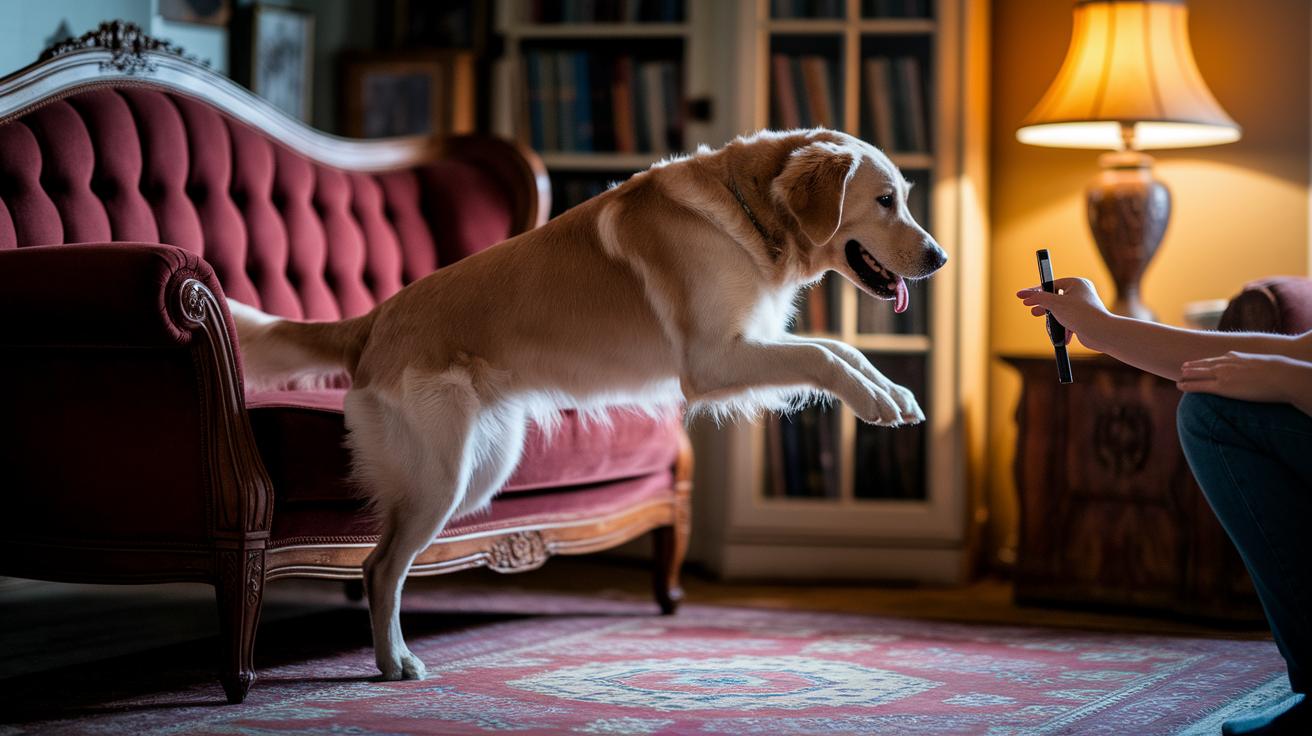
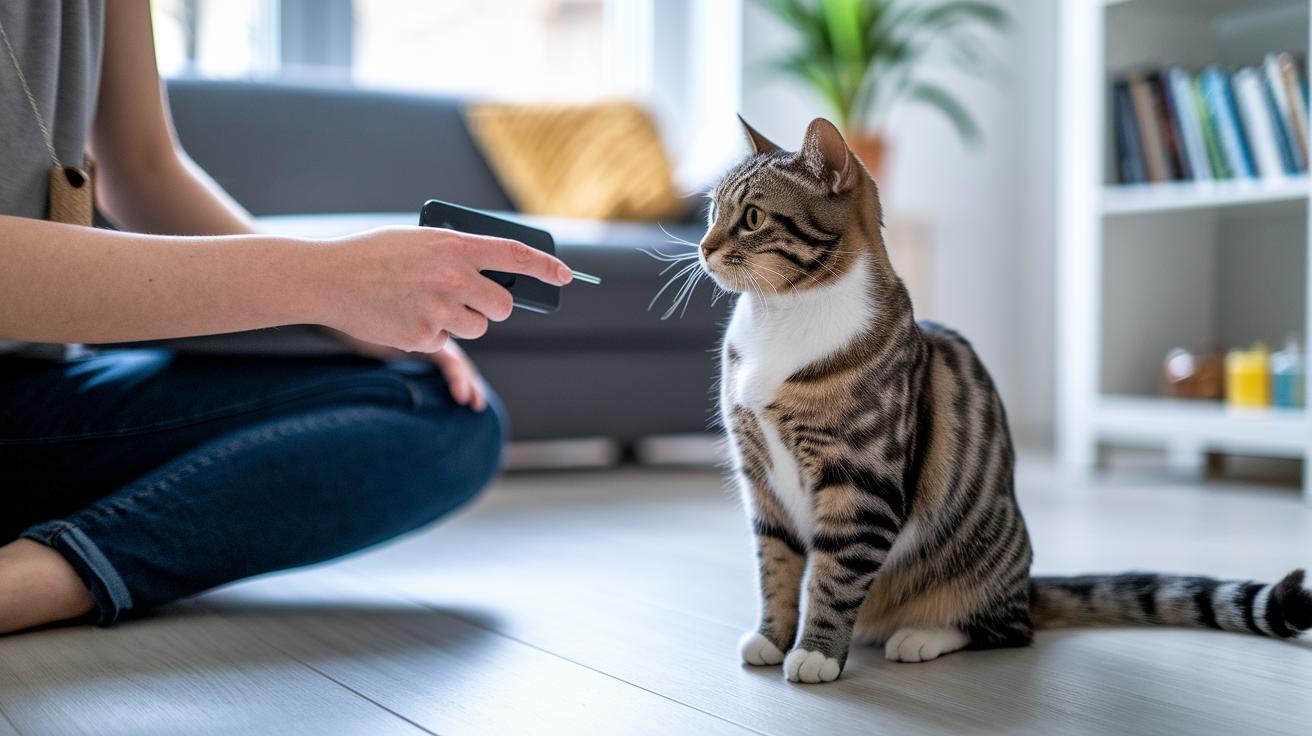
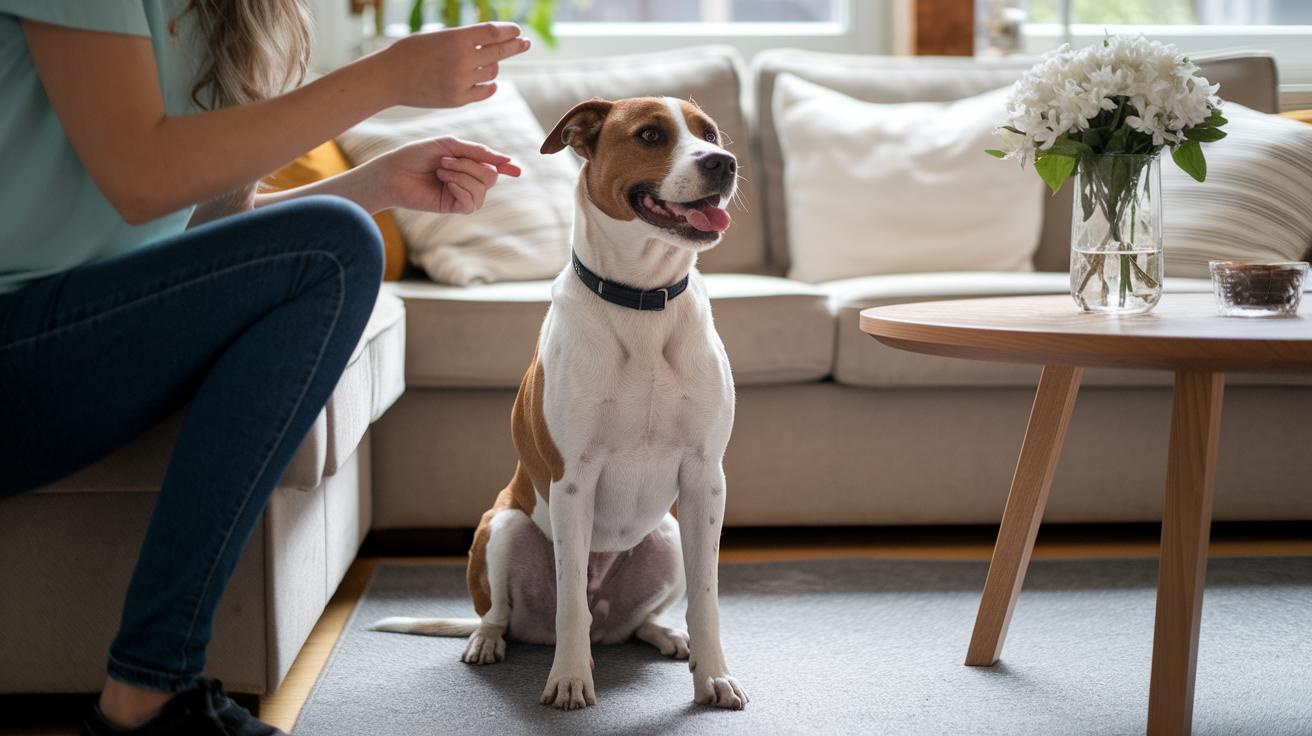
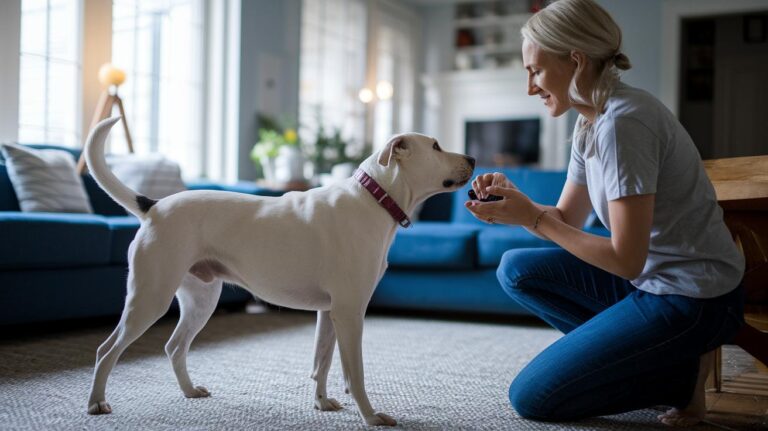
| Heel |
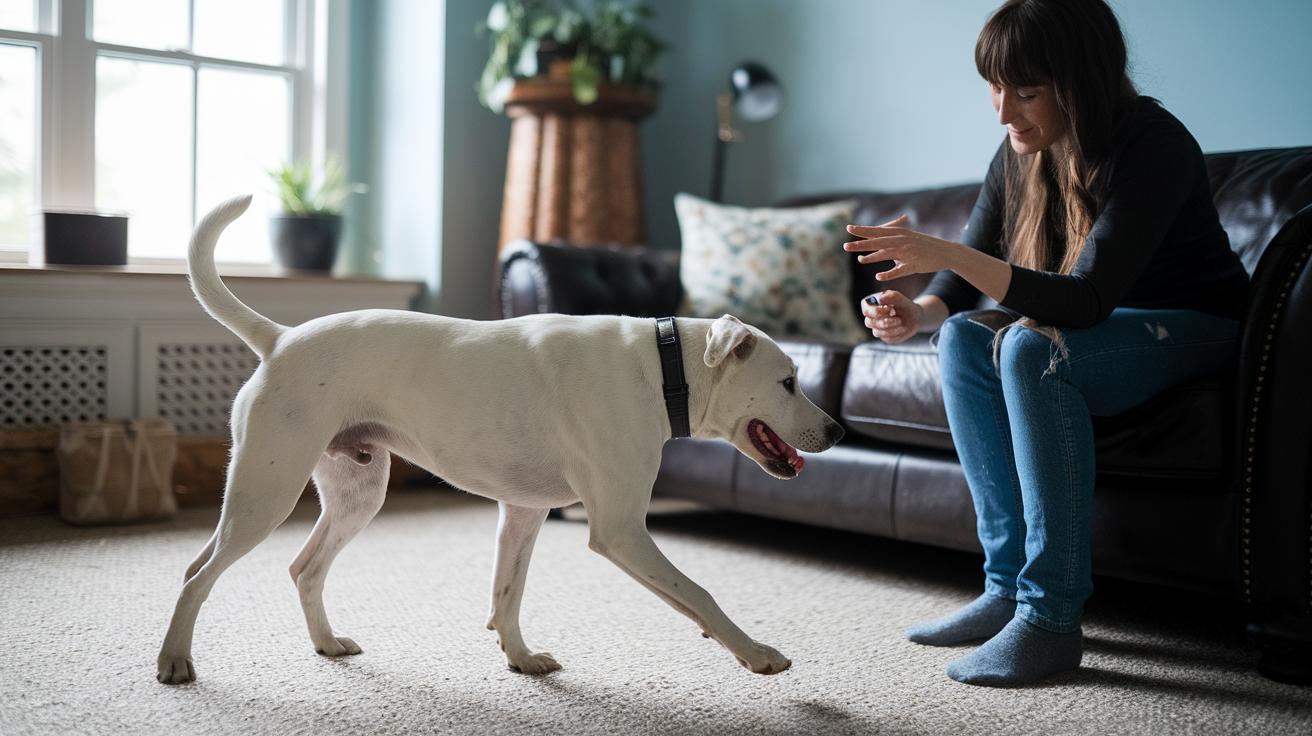
When walking nicely by your
Timing and Cues in Puppy Clicker Sessions

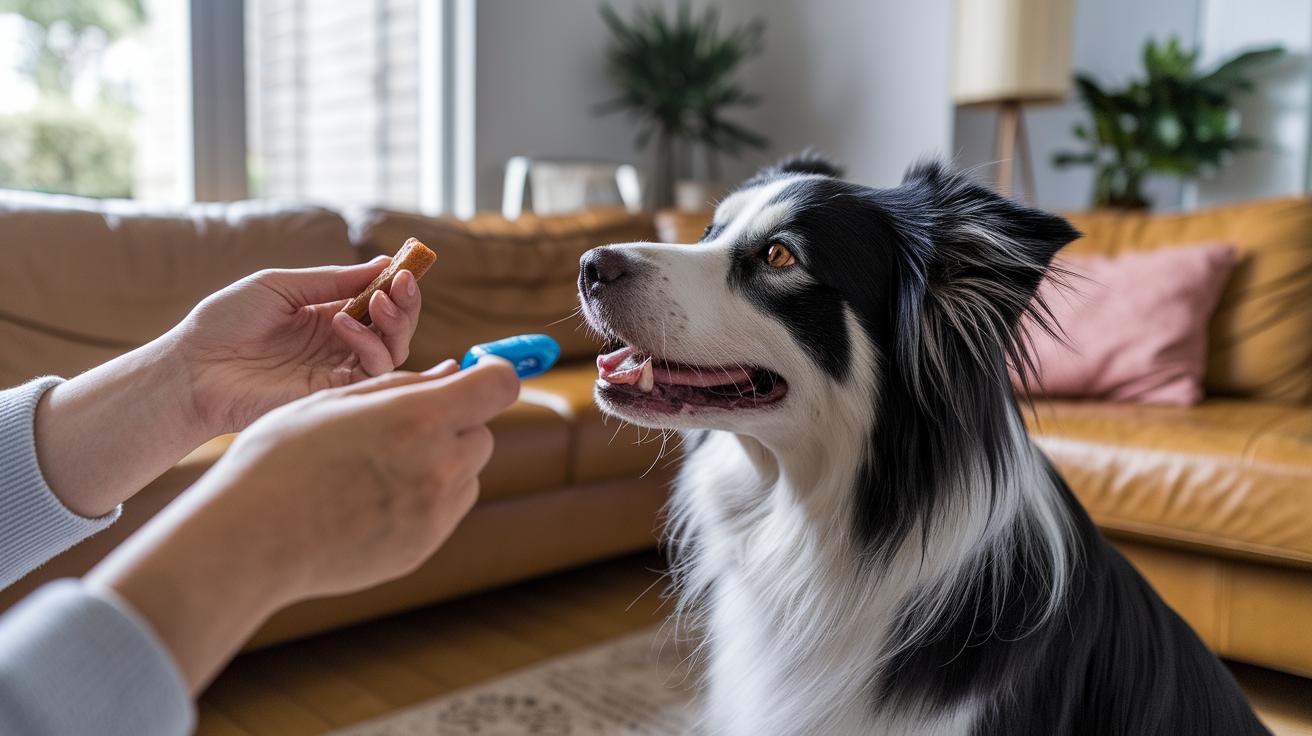
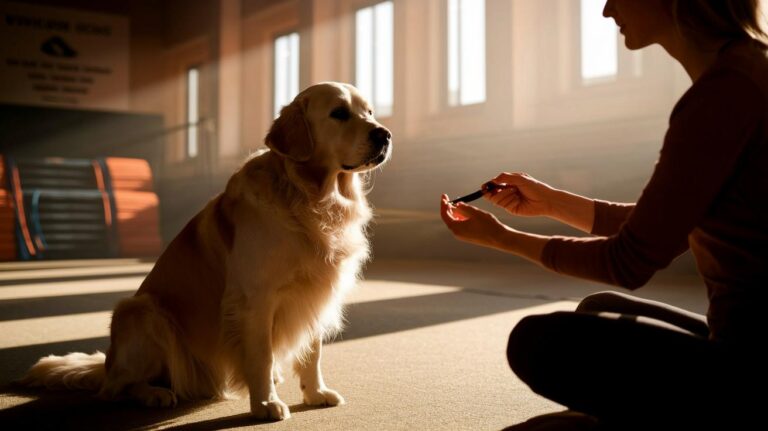
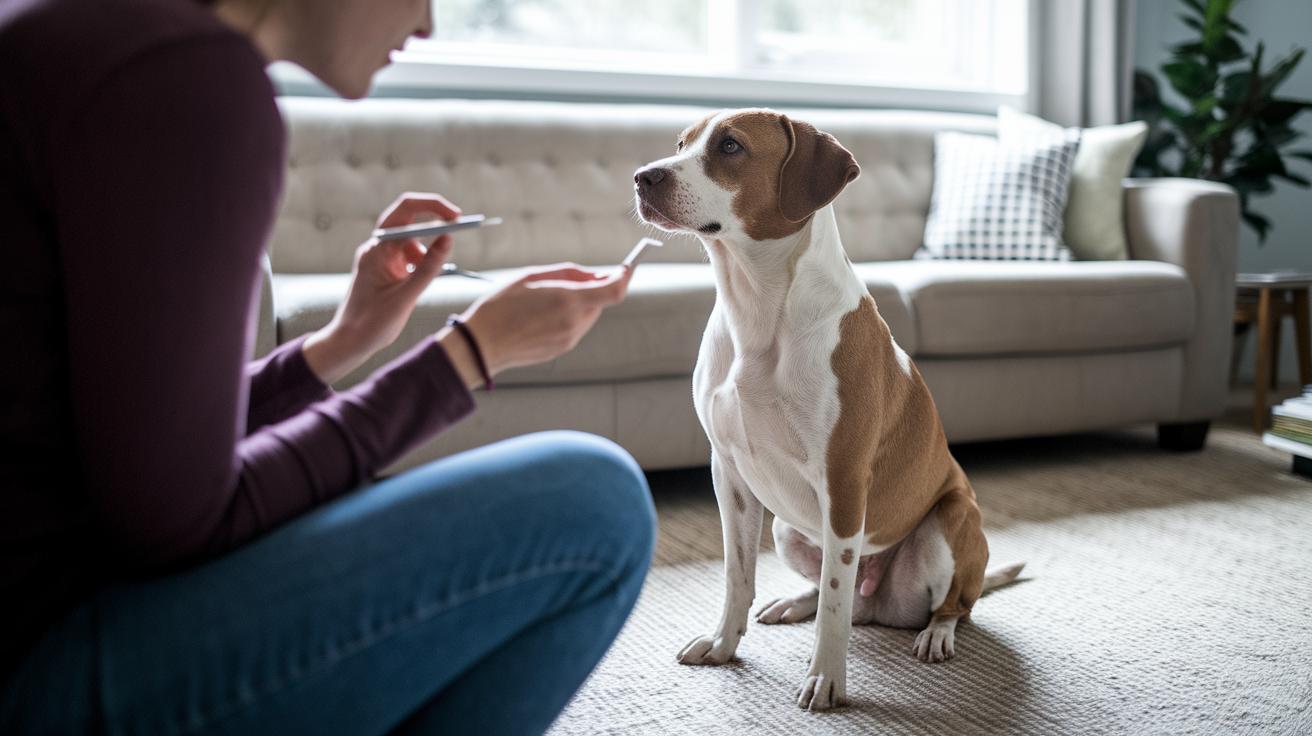
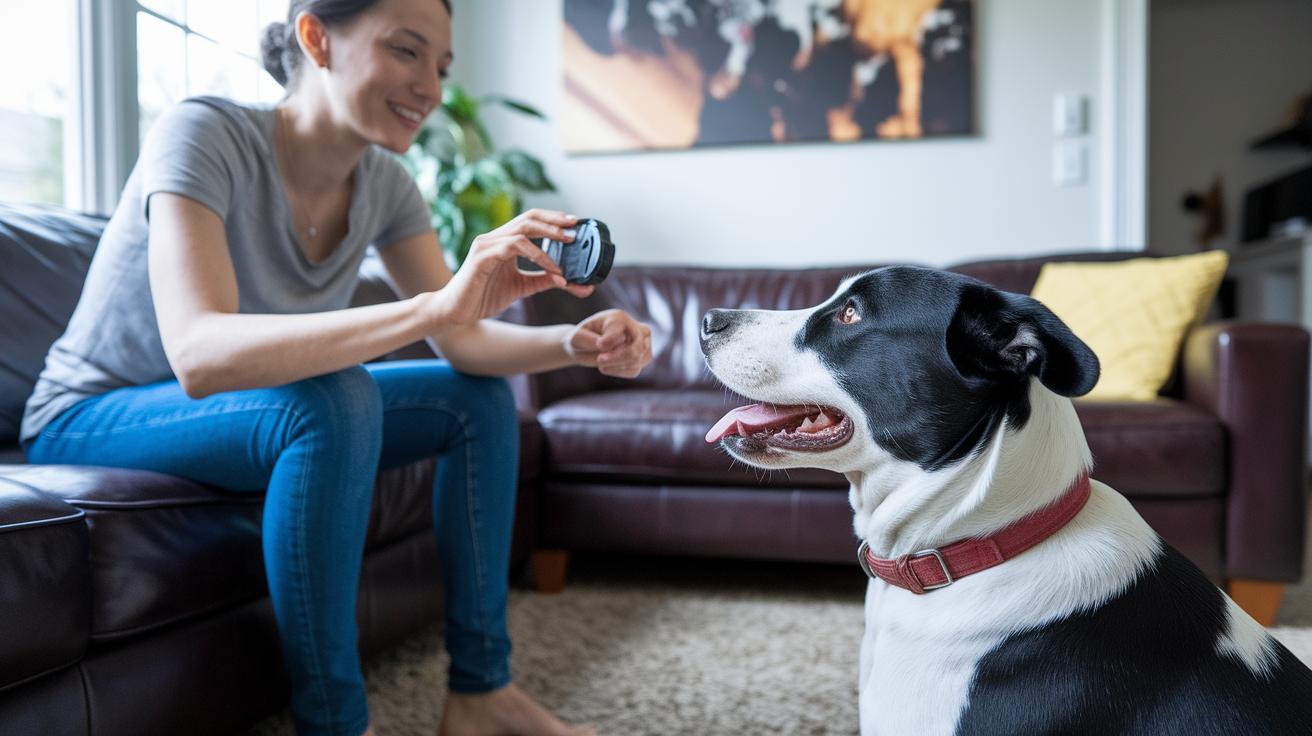
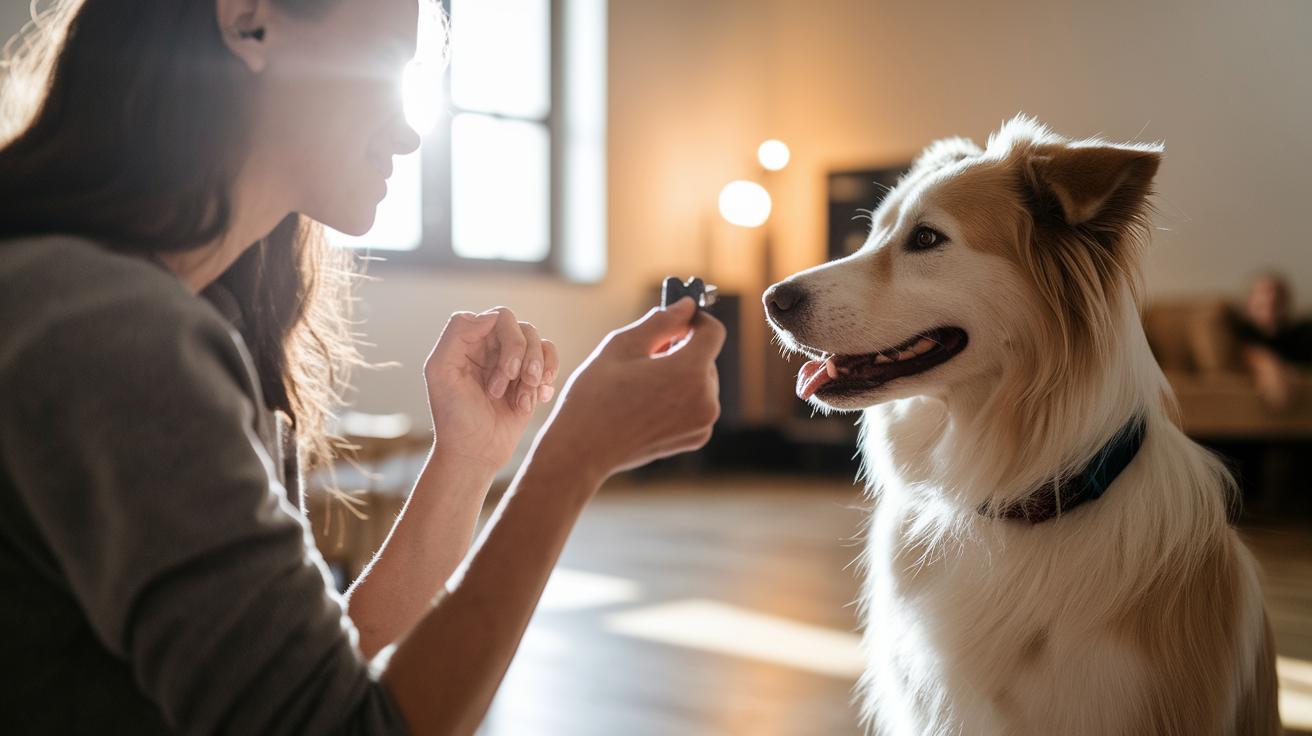
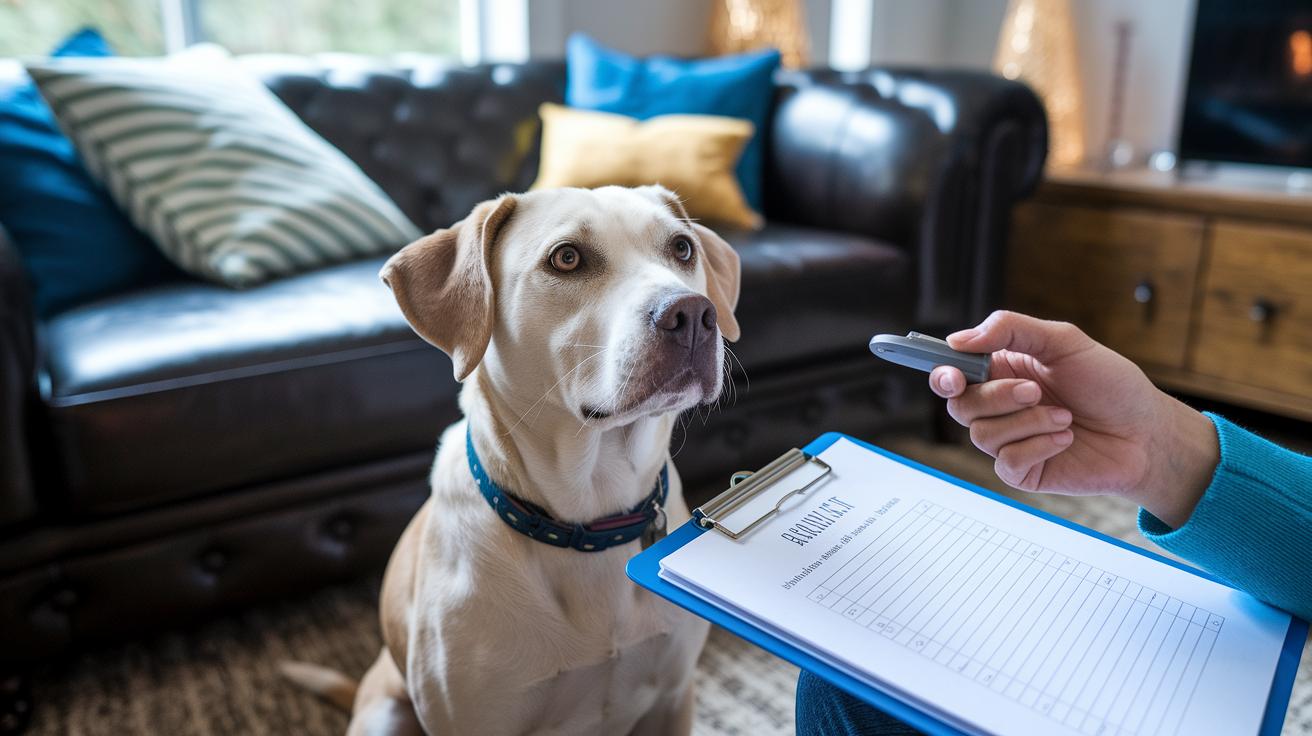
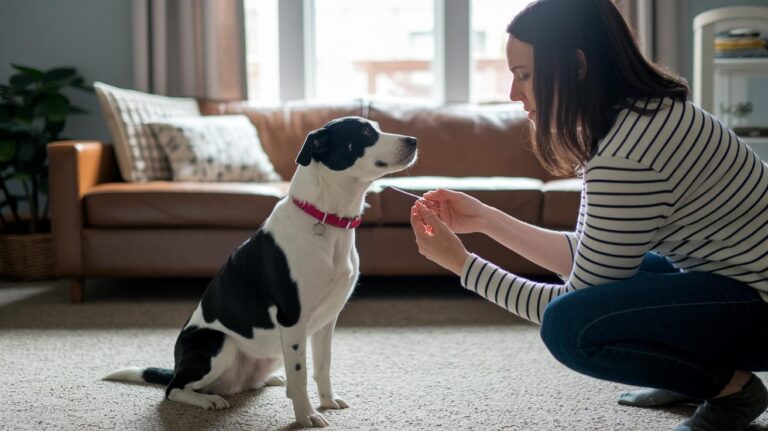
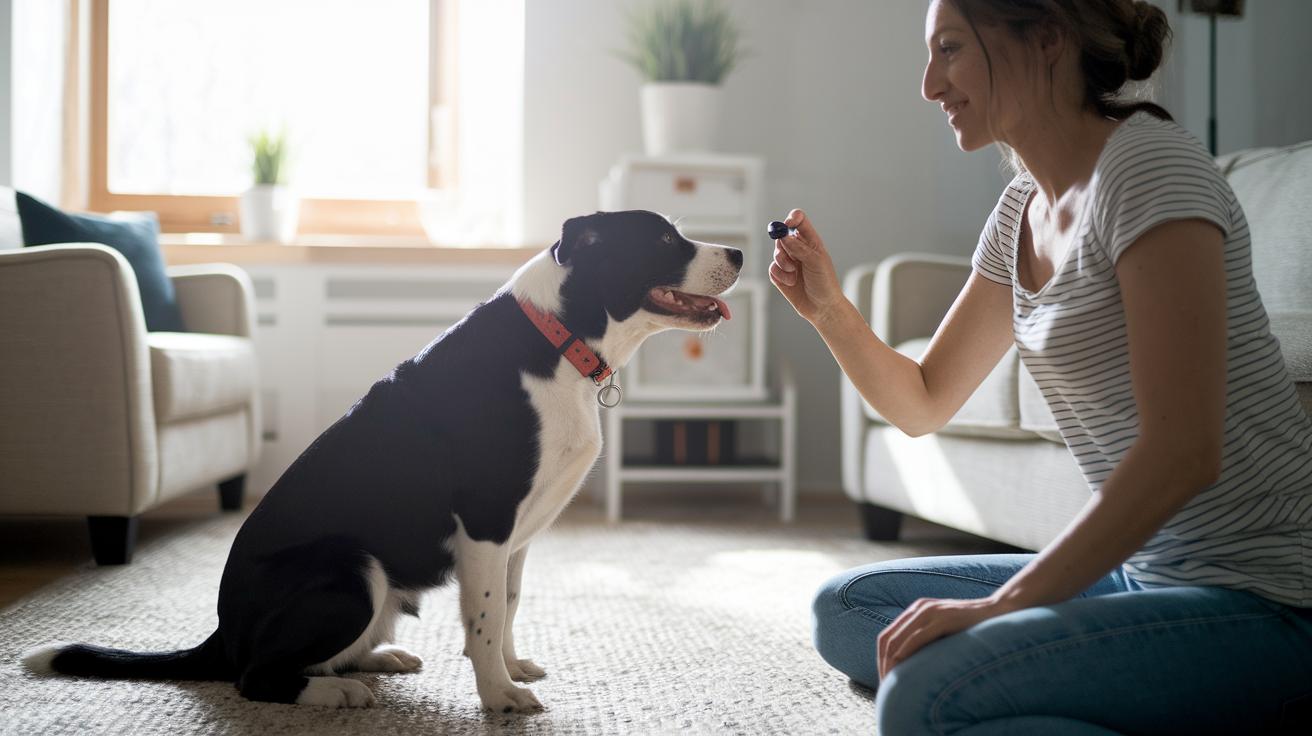
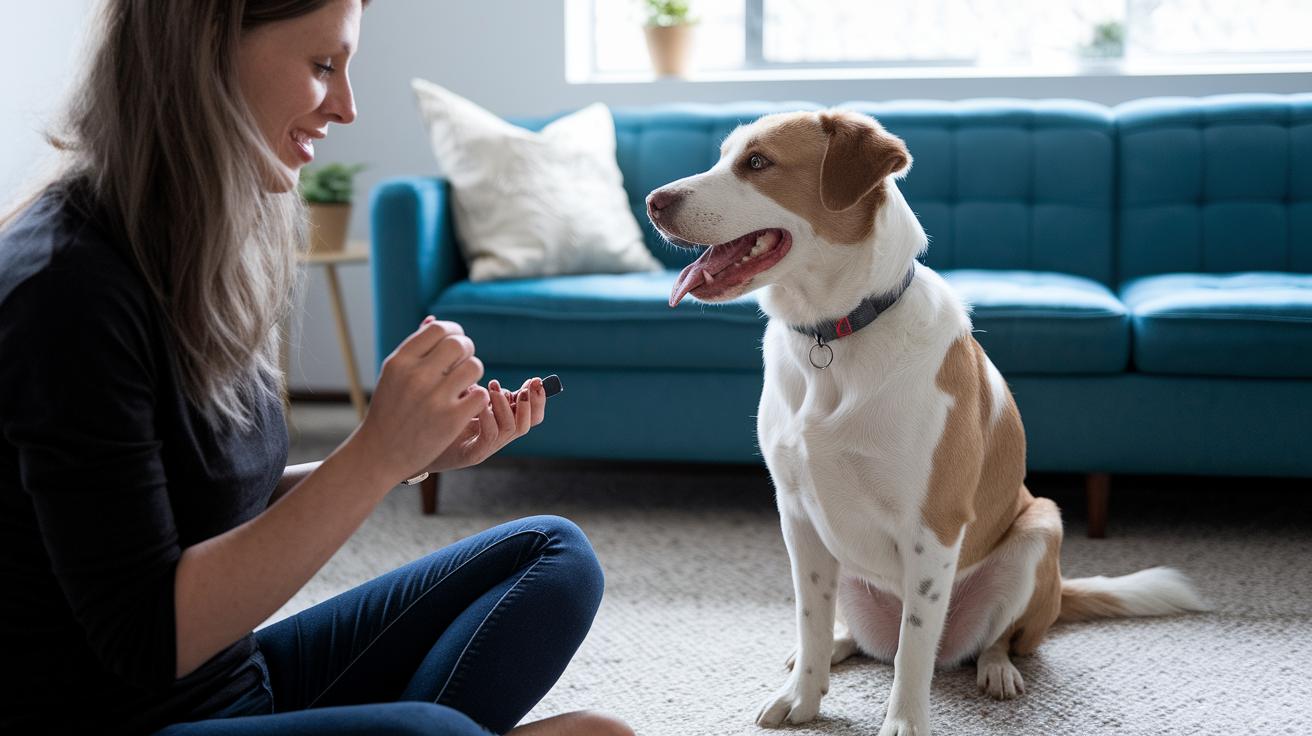
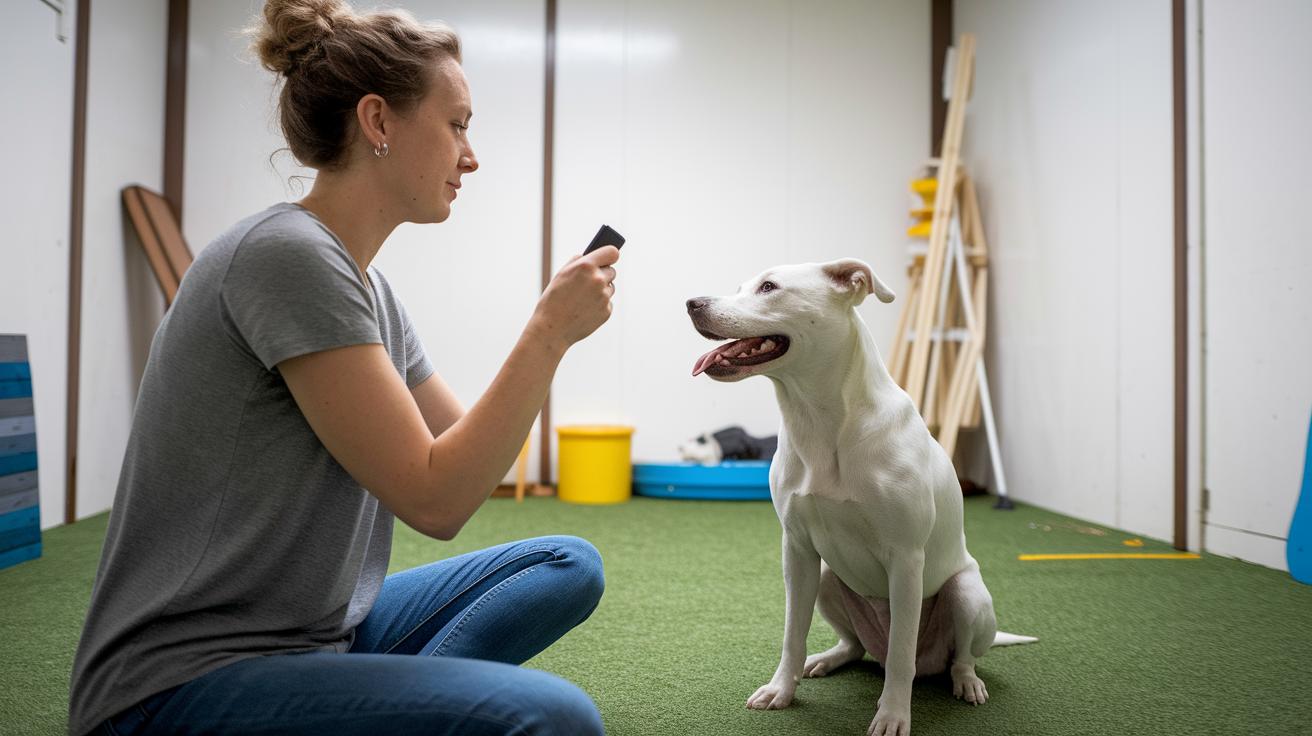
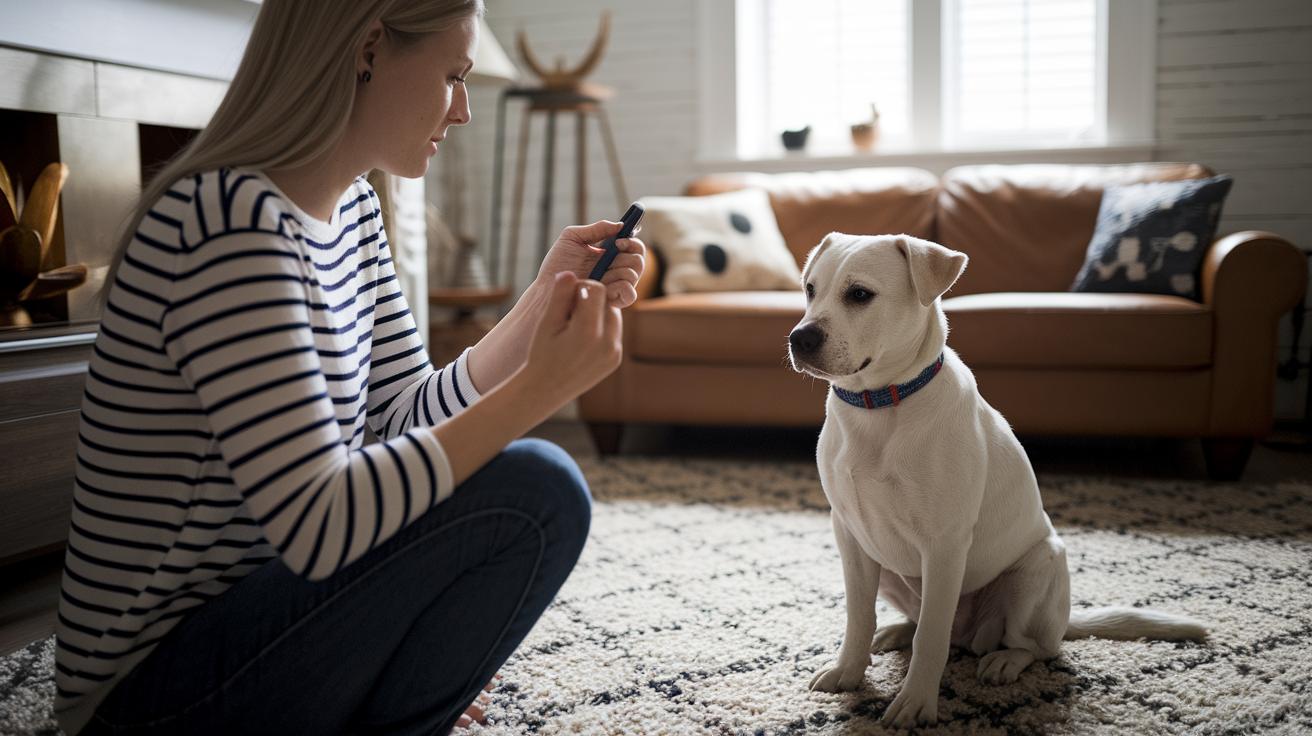
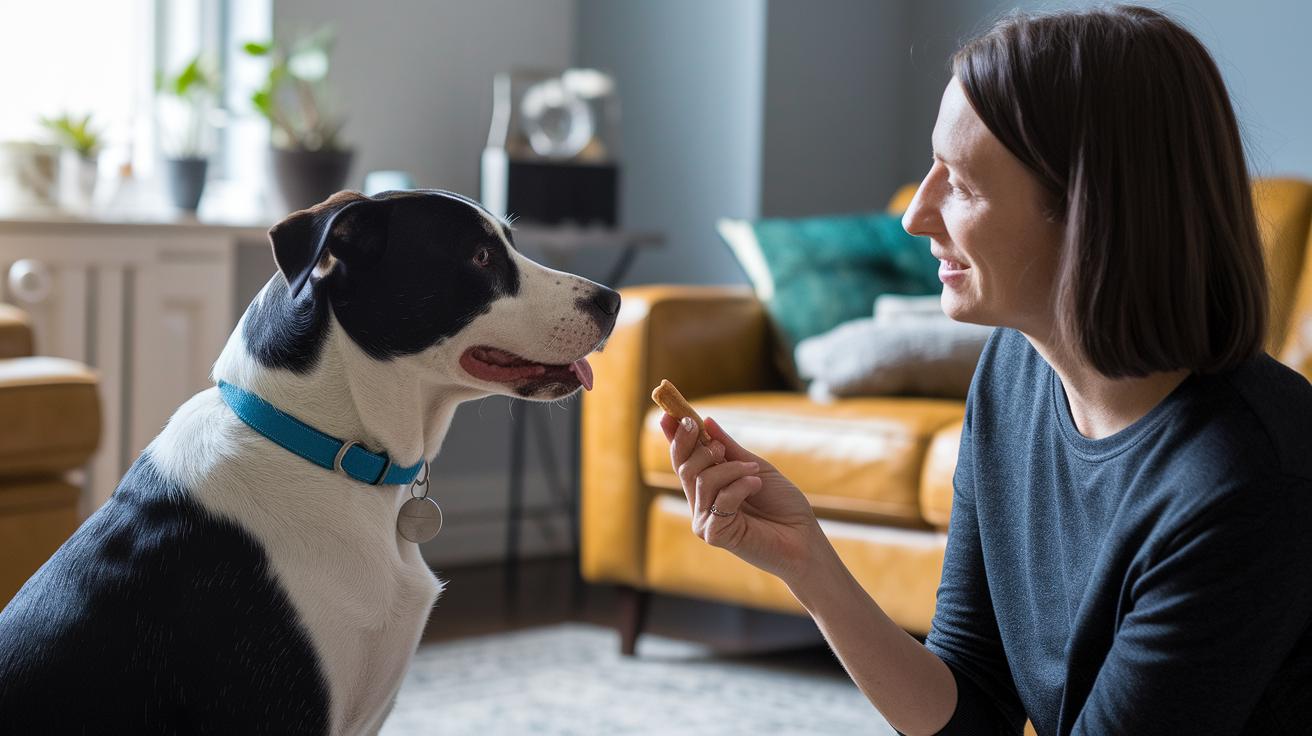
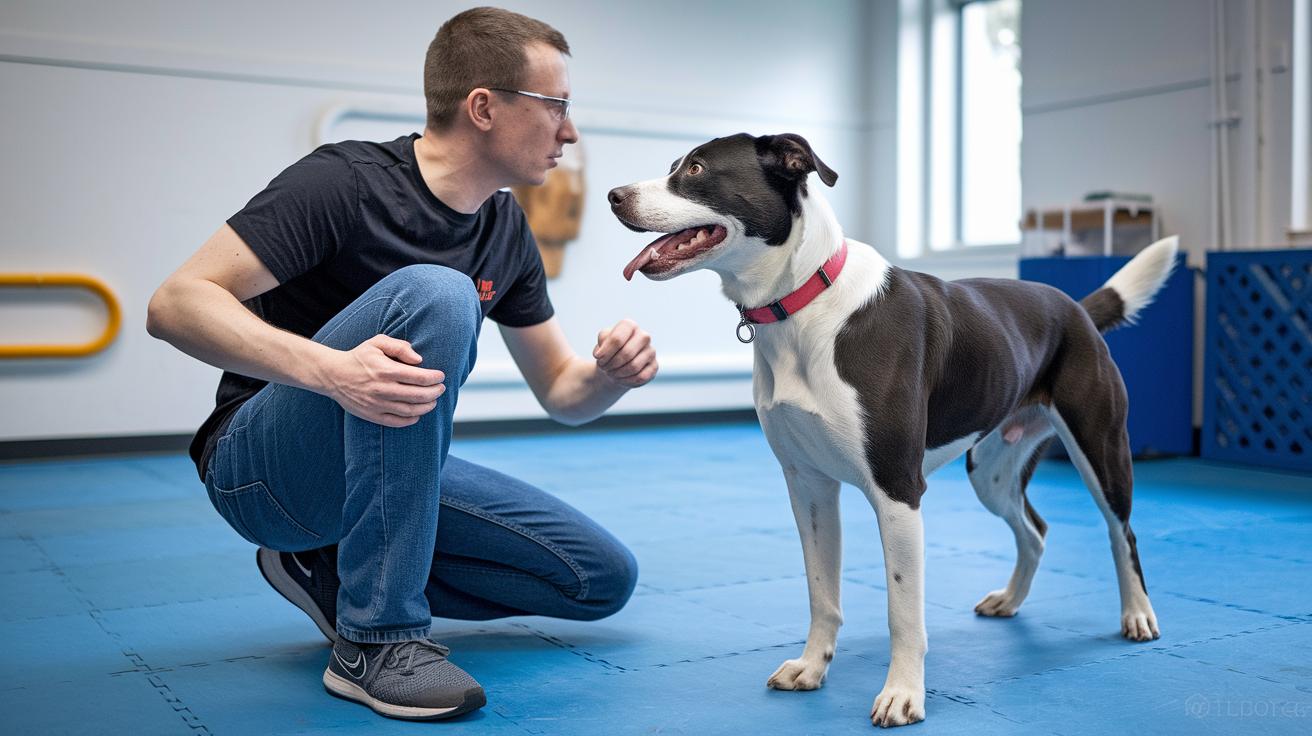
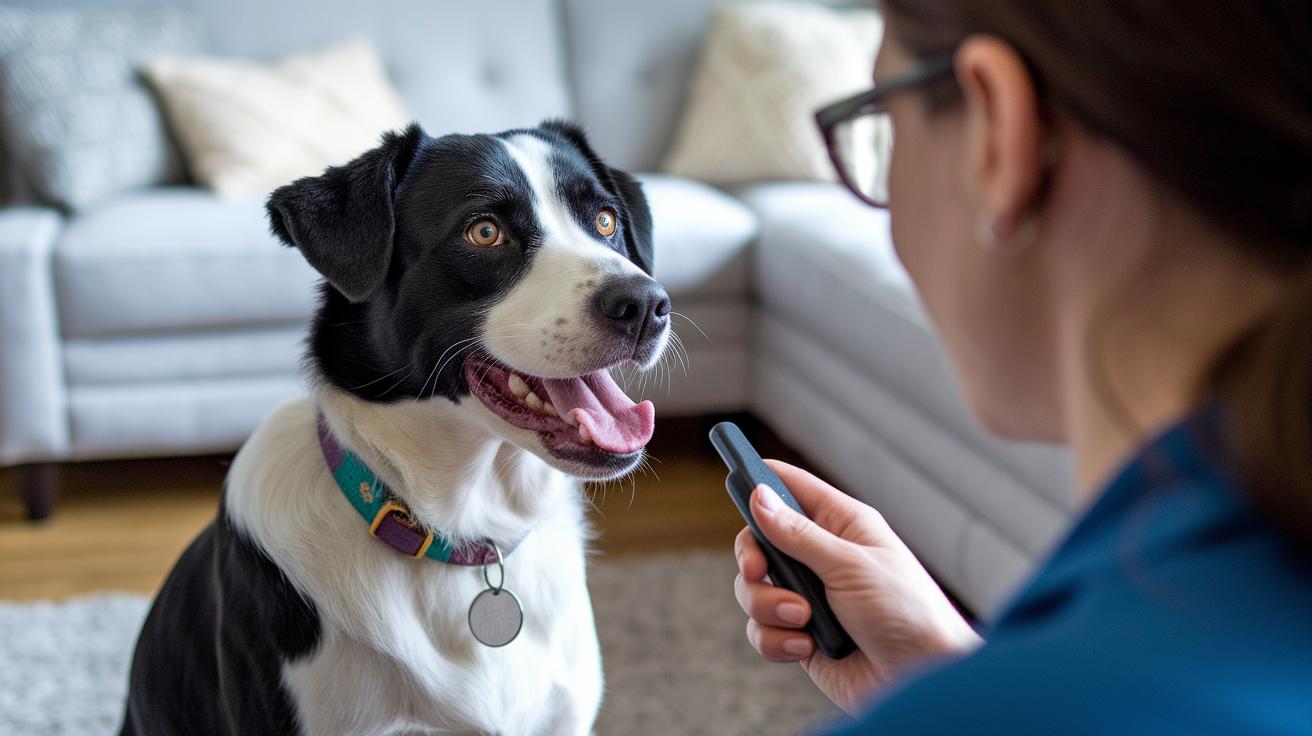
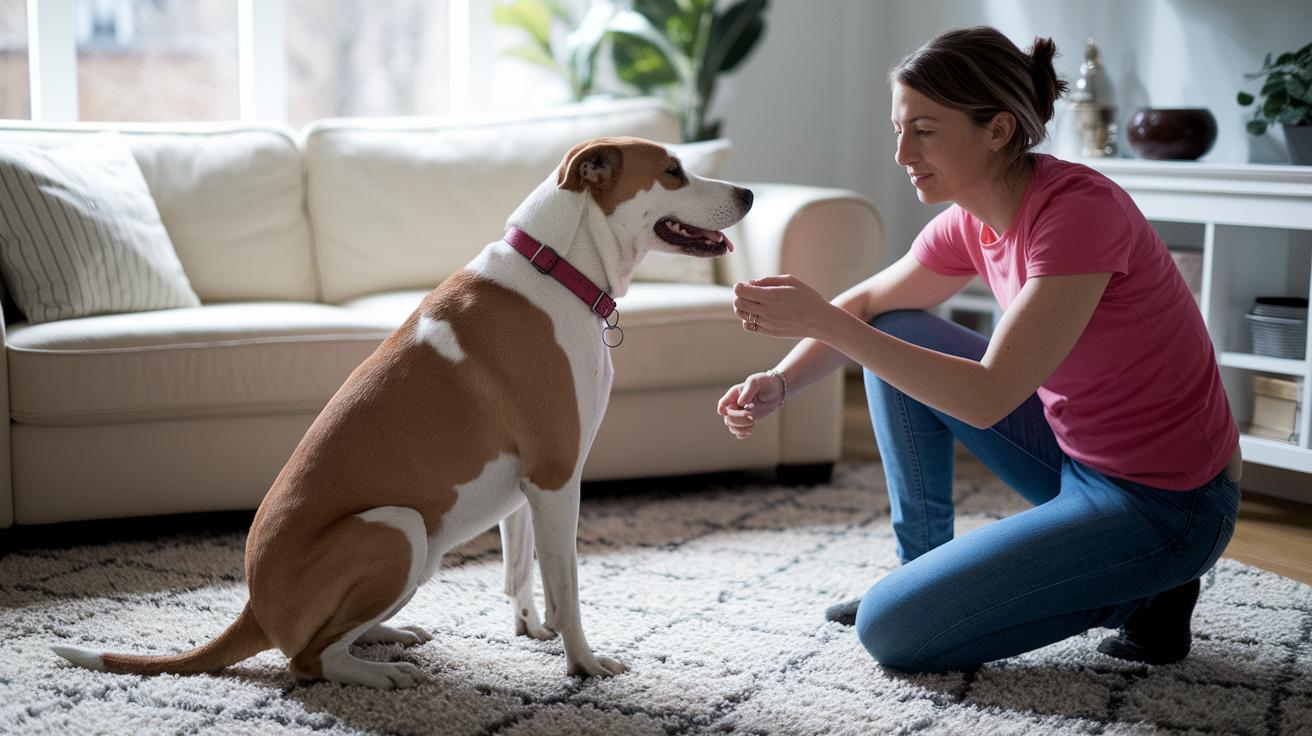
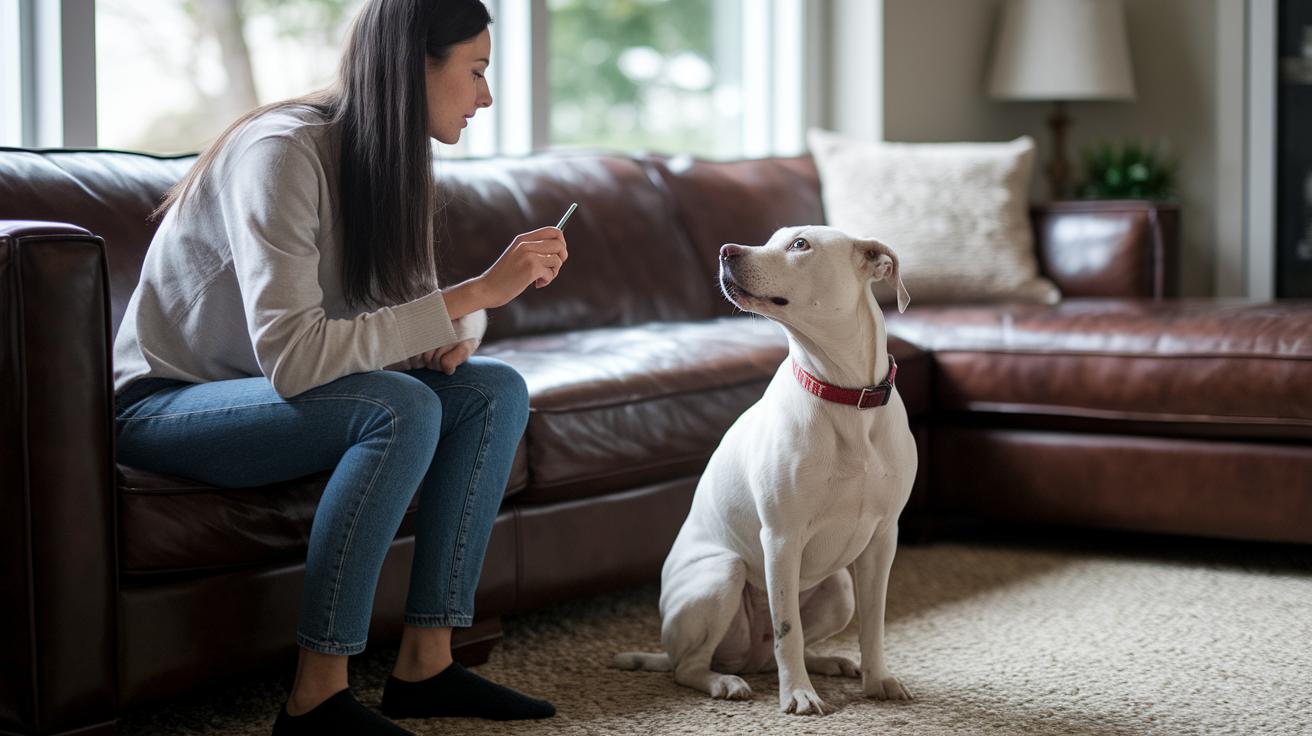
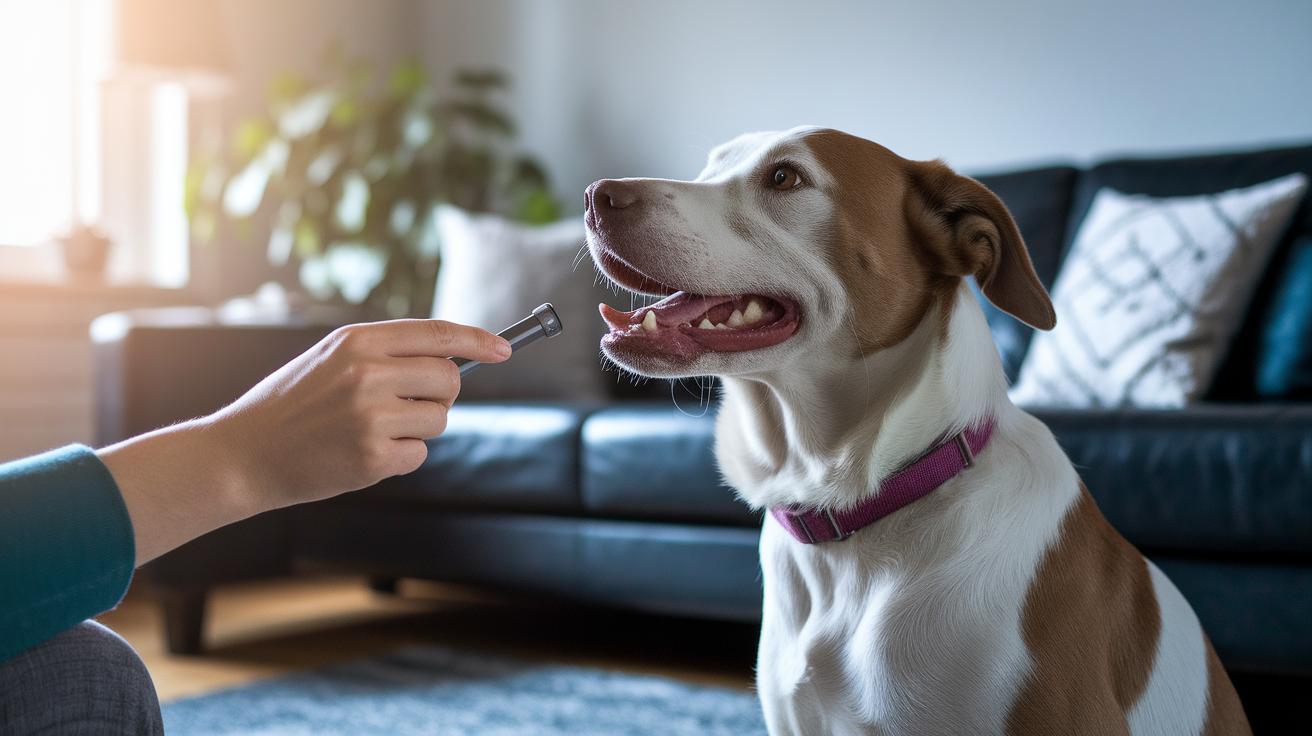
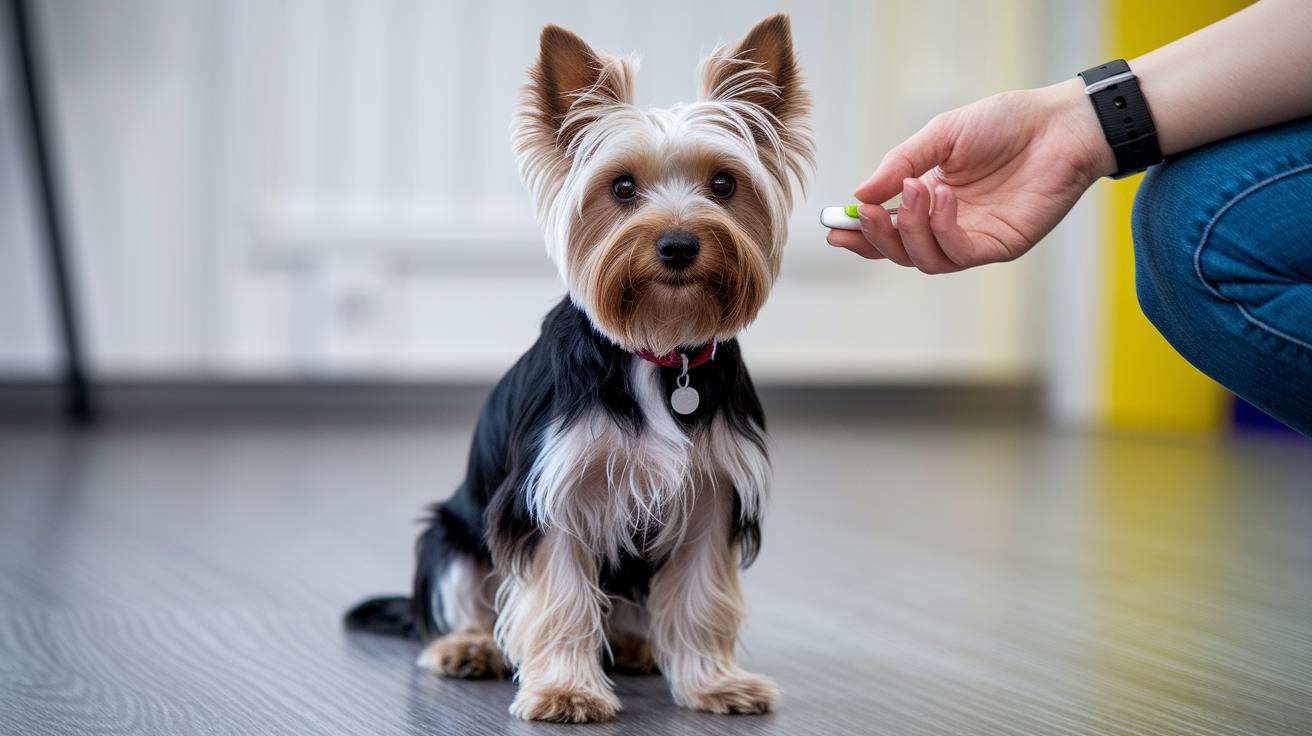
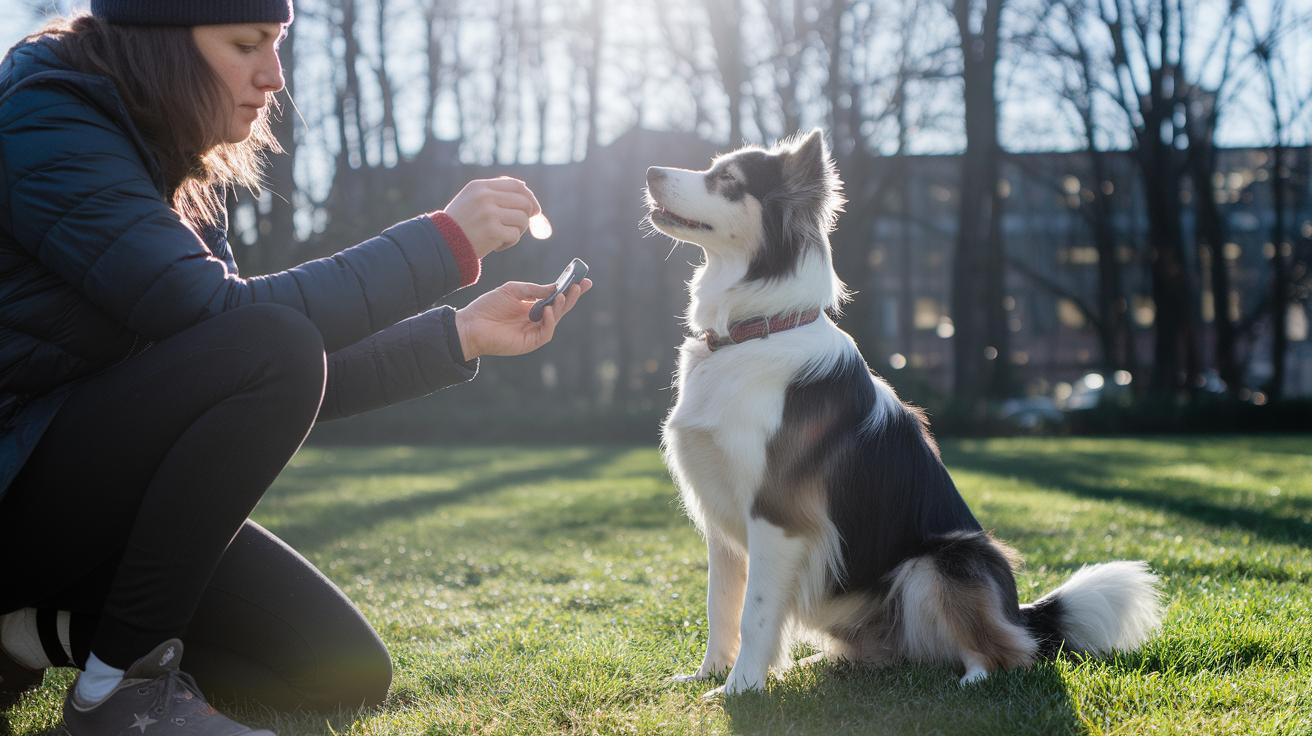
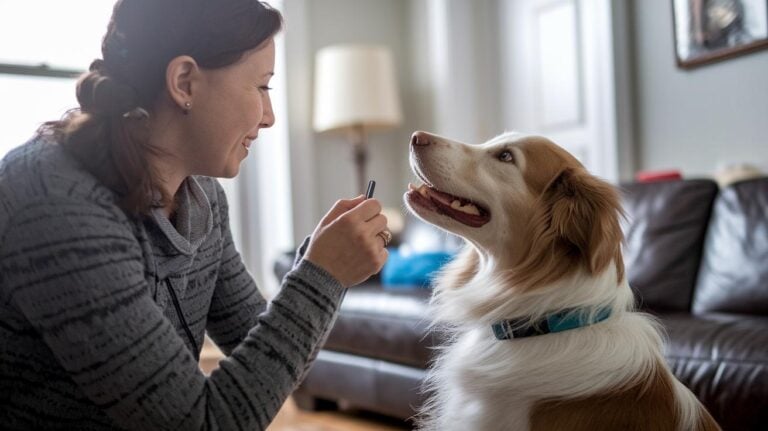
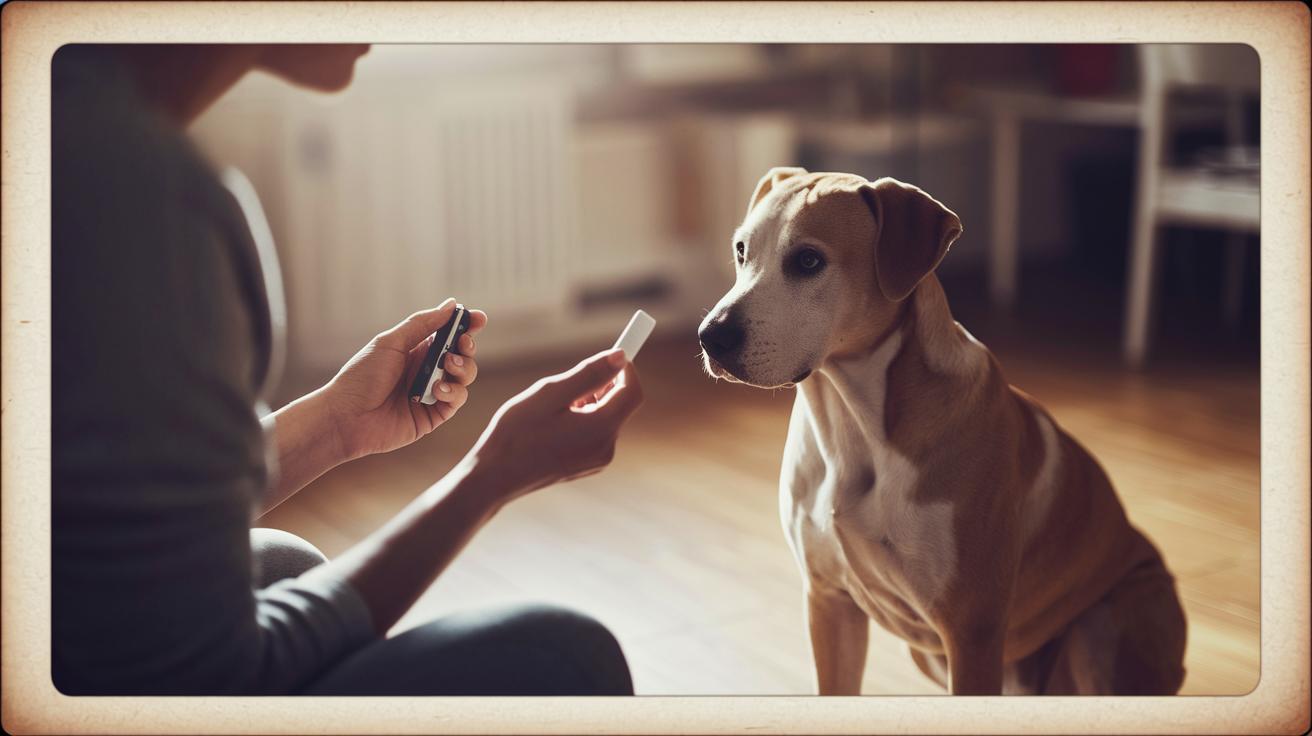
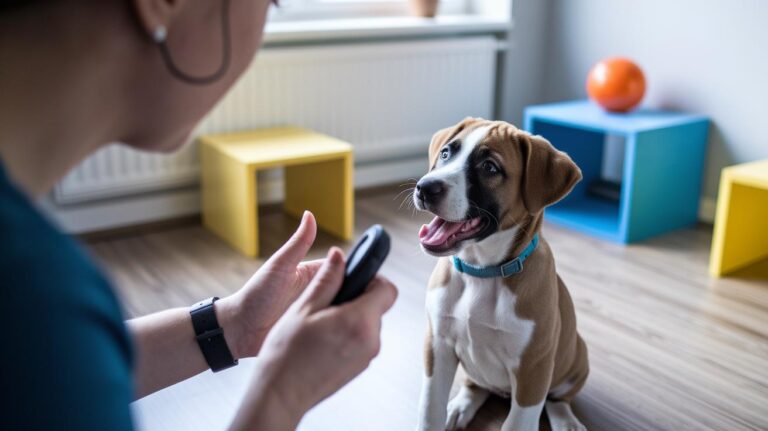
Clicker training is simple when you get the timing right. When your pup does something good, you click at that exact moment. Think of it like this: your little buddy sits down and just as their bottom meets the floor, you hear the click. This split-second sound tells them, "Yes, that’s the trick!" It’s like giving a nod or a thumbs-up in real time.
Keep each training session short – maybe 5 to 15 minutes at a time, a few times a day. This helps your puppy stay focused and not get too tired. When you click at the right moment every time, your pup quickly learns that the sound means a treat is on its way. Picture saying, "Click when you see that calm little furball settle down." It’s like a clear cheer of, "Great job!"
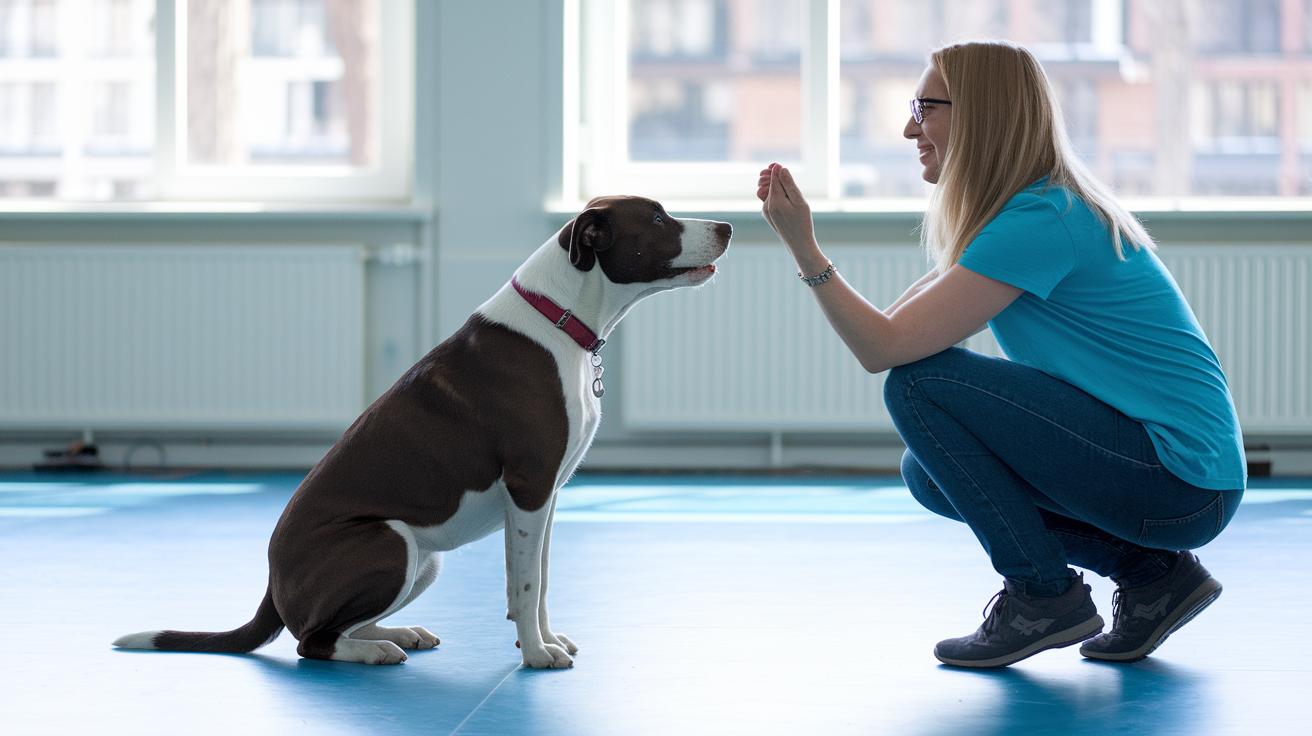
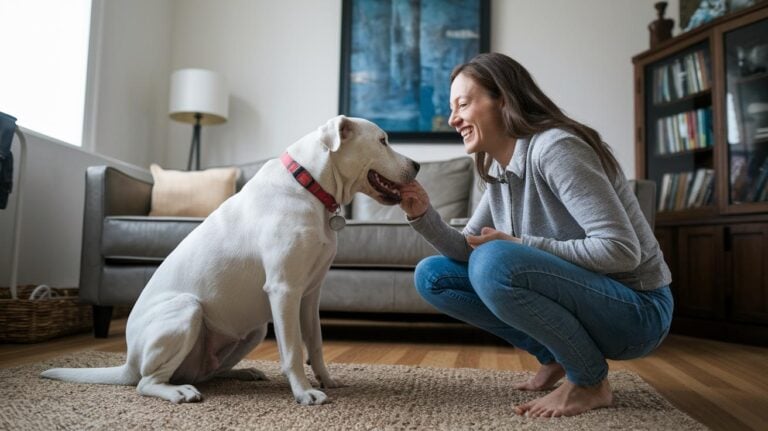
After repeating this about 20 to 30 times, the sound of the click itself becomes exciting. Before you even reach for a treat, your puppy learns to associate the click with doing something awesome. Pair the click with a warm verbal "Good job!" or even a thumbs-up gesture, and soon your little friend understands exactly what you’re saying. With clear timing and consistent cues, you create a fun, positive space where your puppy learns happily every day.
Common Mistakes and Troubleshooting Clicker Challenges for Puppies

When training your puppy with a clicker, even a tiny timing slip can confuse your little buddy about which behavior is really being celebrated. If you click just a bit too early or a bit too late, your puppy might start thinking that a random move was what you wanted. Telling your pup “Good job!” too often with treats can also backfire, it might expect a reward for every little wiggle, and the click loses its magic.
Sometimes the world around you can get in the way too. Noisy rooms or too many distractions can break your pup’s focus, and if the click sound comes in suddenly, it might even feel a bit scary for your furry friend.
A simple fix is to start with a gentle, bite-sized introduction to the click sound. Let your pup become familiar with it in a quiet, calm spot. Then, keep training sessions short, about 5 to 15 minutes, to make sure your pup stays interested and relaxed. A few extra pairings between the click and a reward in a peaceful setting can help remind your puppy what that little sound means. These small changes can really brighten your training routine and make it a fun, smooth experience for both of you.
Designing a Consistent Clicker Training Schedule for Puppies
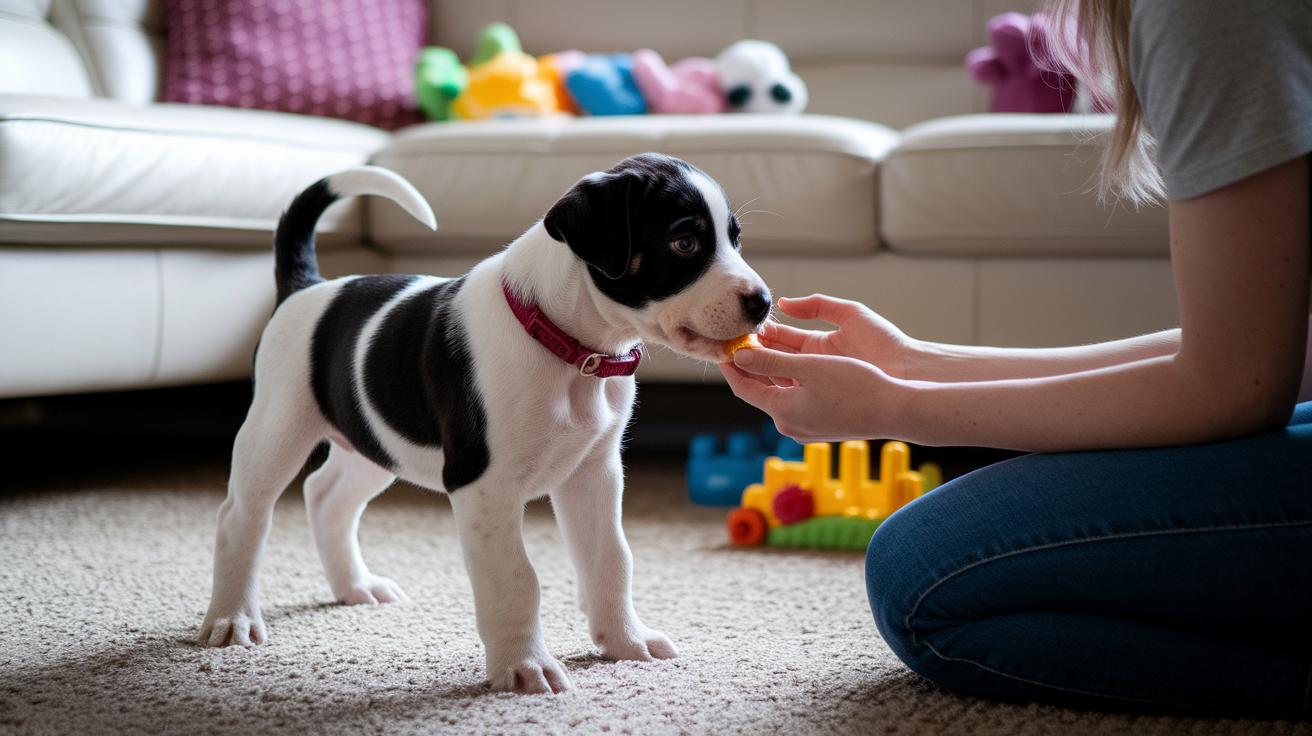
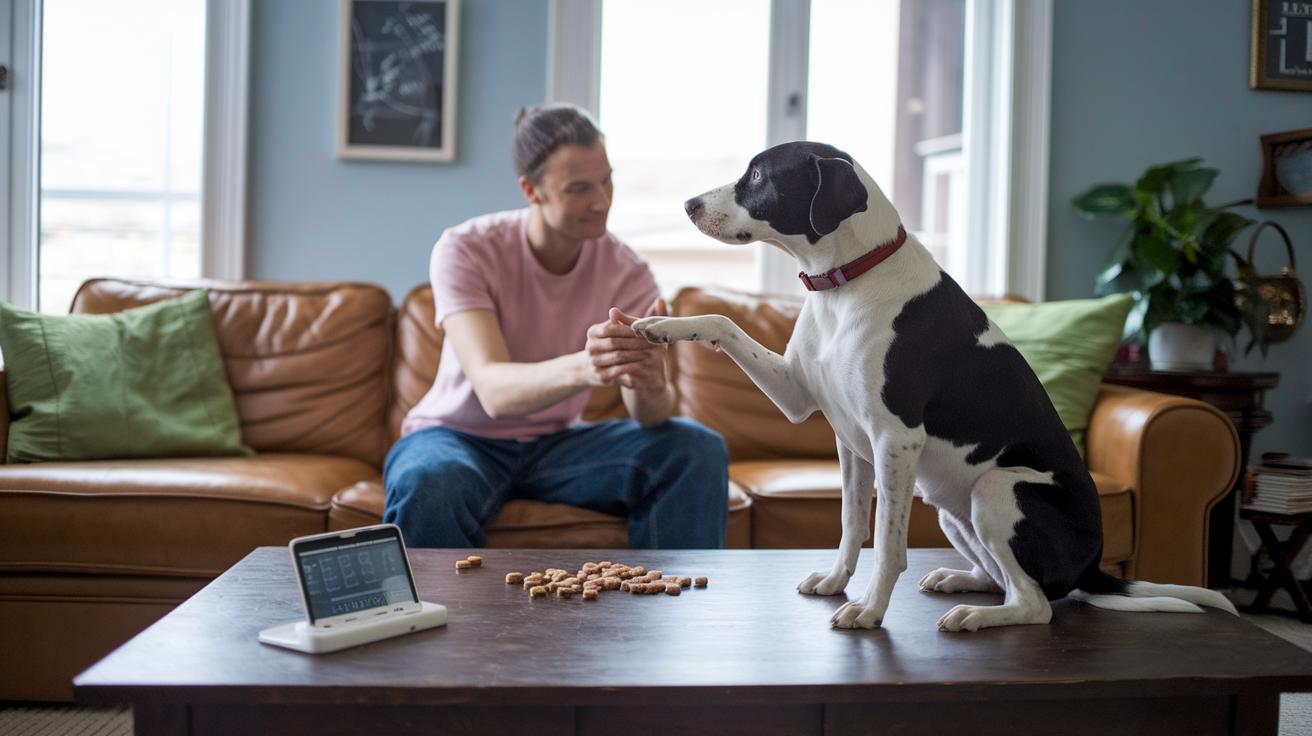
Link your puppy’s training sessions with meal and playtimes to create a fun routine. Short sessions, lasting 5 to 10 minutes and repeated 3 to 5 times a day, easily fit into your pup’s daily activities. This method is like a quick game of fetch, energizing and inviting your little one to learn more.
Mixing training with mealtime and play helps lower anxiety while boosting your puppy’s confidence. When training feels like a natural part of your day, it’s as comforting as a gentle petting session on a quiet afternoon.
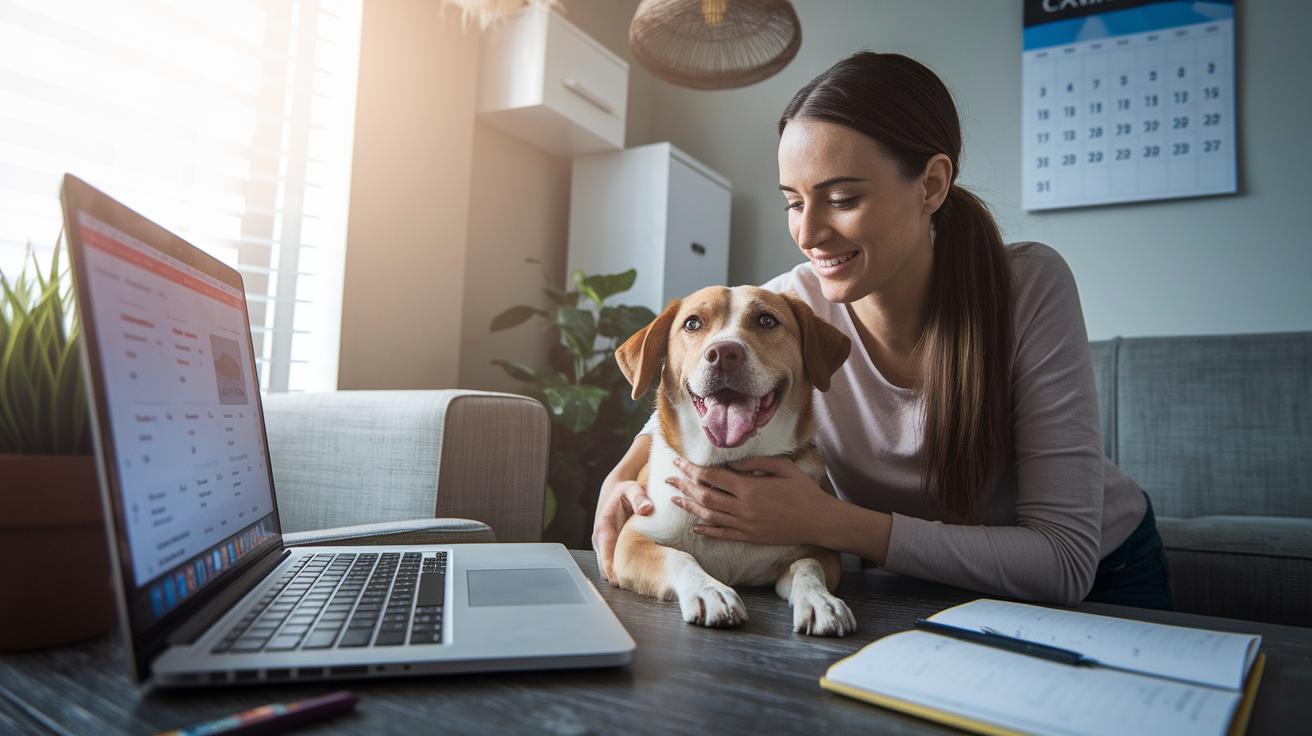
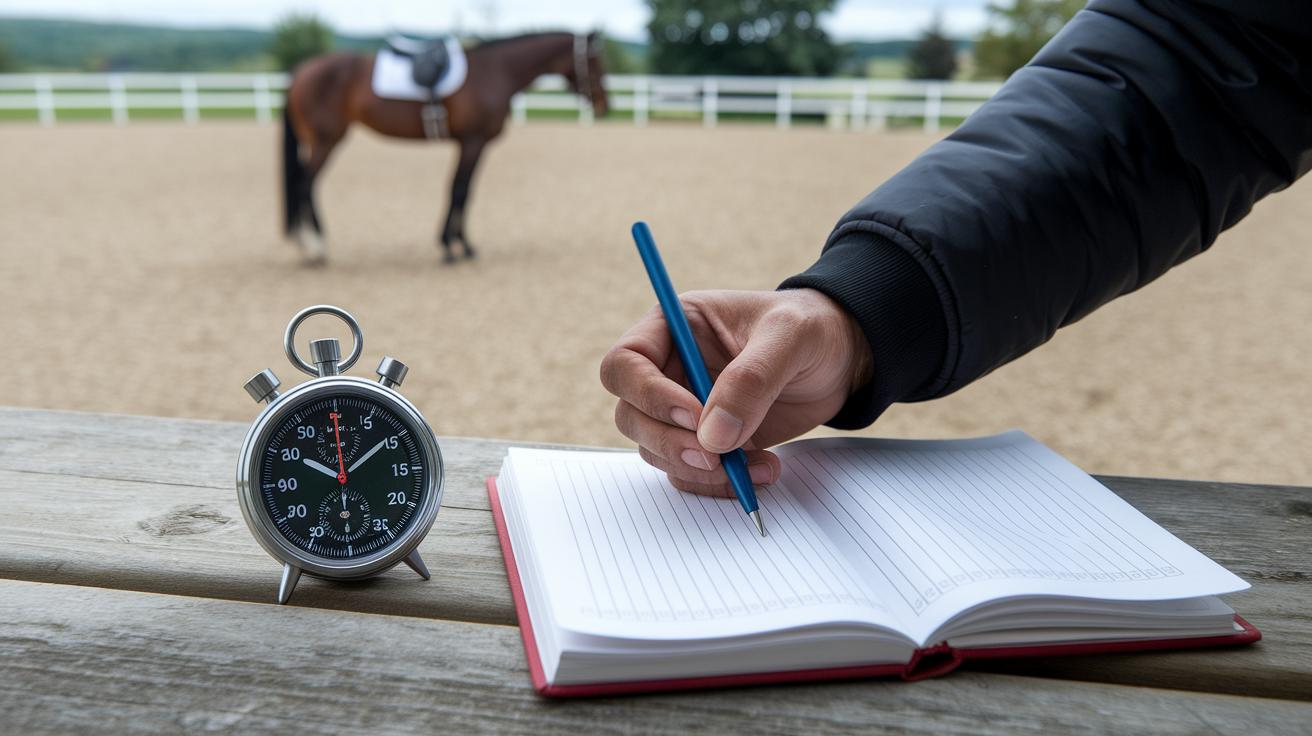
Keep a simple daily log to track what works. Write down details like the time of day and the commands you practice, and note any improvements or challenges. Gradually increase the task difficulty as your puppy’s skills grow, ensuring every session builds on the last.
This steady routine makes training effective and turns learning into a joyful, everyday ritual for you and your furry friend.
Advanced Clicker Techniques and Long-Term Benefits for Puppies

Once your puppy has the basics down, it's time to try some cool new moves. You can combine hand gestures with your clicker in what's called signal shaping (using a hand cue to guide and reward your pup). For example, when you want your puppy to sit, stay, and then come, give a new hand signal for each step and click when they do it right. Chaining these behaviors together makes training both fun and a little challenging. And by mixing up rewards, sometimes a treat, sometimes a warm word of praise, you add a surprise element that keeps your little buddy guessing and engaged.
Over time, these fun training methods really show their value. With signal shaping and behavior chaining, your pup starts picking up commands faster and stays more focused whether it's playtime or cuddle time. You might even notice fewer pesky habits because your pet grows more confident and calm. Plus, all that extra brain work builds a stronger connection between you and your furry friend. Each training session turns into a shared, joyful adventure that eventually leads to better obedience, a lively mind, and smoother, happier days together.
Final Words
In the action, we covered the fundamentals of marker training, from charging the clicker with treats to establishing a steady routine. The blog walked through basic commands and highlighted precise timing and quiet cues to boost effective learning. We also looked at avoiding common slip-ups and setting up regular, short training sessions. Embracing clicker training for puppies can help build trust, refine behavior, and brighten the bond you share with your furry friend. Enjoy every step as you practice and celebrate each small win.
FAQ
What is the clicker training schedule for puppies?
The clicker training schedule for puppies uses short sessions of about 5–10 minutes, repeated 3–5 times daily. This plan keeps your puppy engaged and reinforces learning without overwhelming them.
Why is clicker training sometimes seen as bad?
The view that clicker training is bad comes from improper use, such as mistimed clicks or over-reliance on treats. Correct timing and balanced rewards ensure a positive training experience.
Is free clicker training for puppies available?
Many free clicker training resources for puppies are available online. Free videos and tutorials offer step-by-step guidance to help you start training effectively without any cost.
How does dog clicker training benefit beginners?
Dog clicker training for beginners uses a simple marker sound to reward good behavior. This clear signal makes it easier for new pet owners to guide their puppies towards positive actions.
Can clicker training stop bad behavior in puppies?
Clicker training helps curb bad behavior by marking the right actions immediately. With quick rewards, puppies learn to replace unwanted actions with positive habits over time.
What is clicker training for humans about?
Clicker training for humans uses a similar marker approach for habit-building. The concept relies on associating a sound with a reward, which can be applied to boost personal goals and routines.
Where can I buy a clicker for dog training?
You can buy a clicker for dog training from pet supply stores or online retailers. Check out trusted sources like pet training supplies for quality products and helpful reviews.
What dog training clicker apps are available?
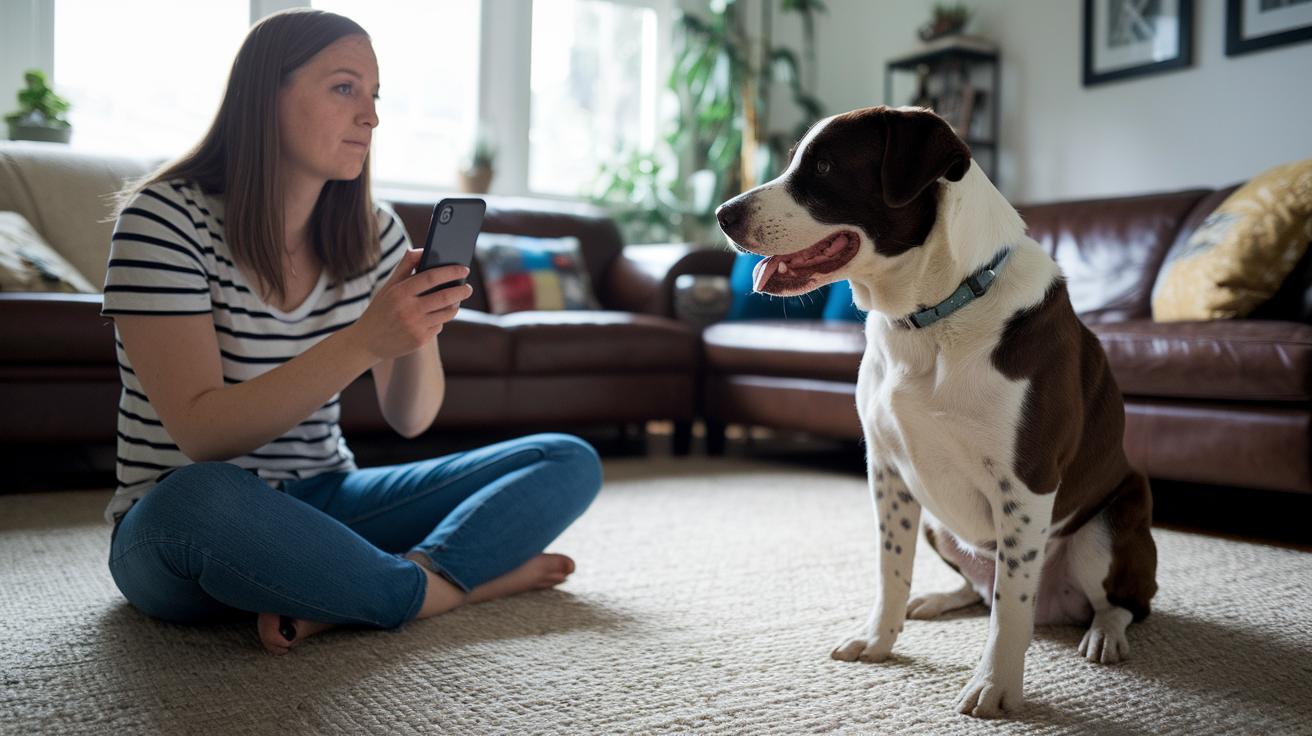
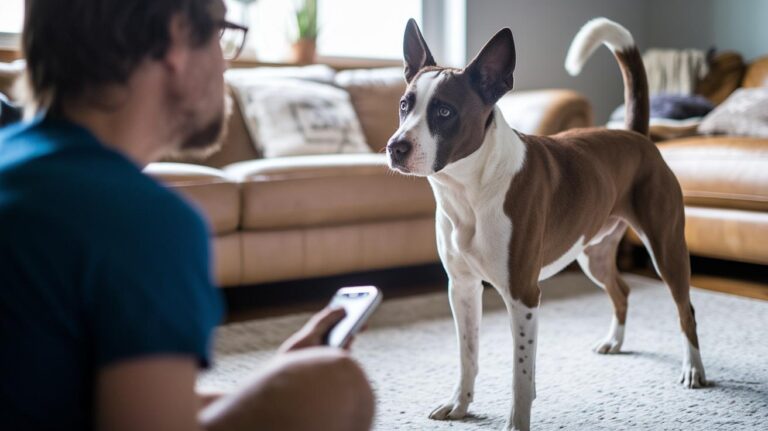
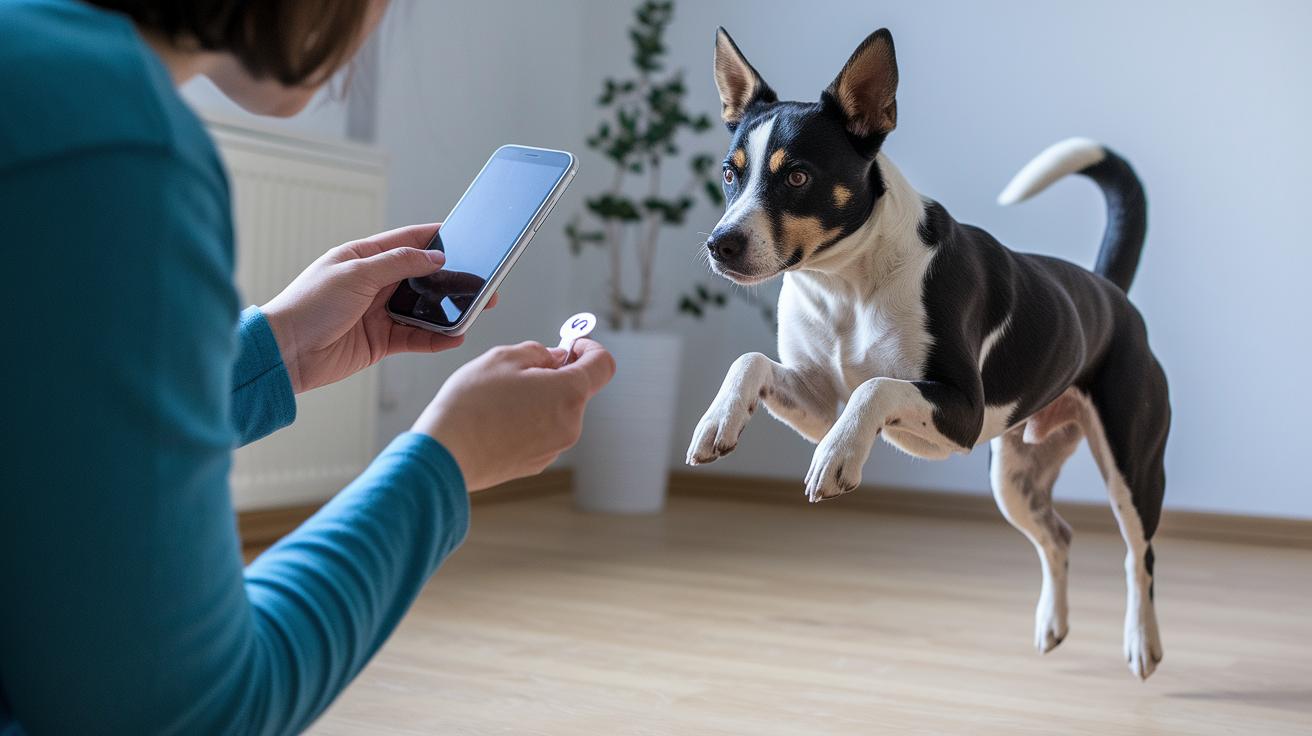
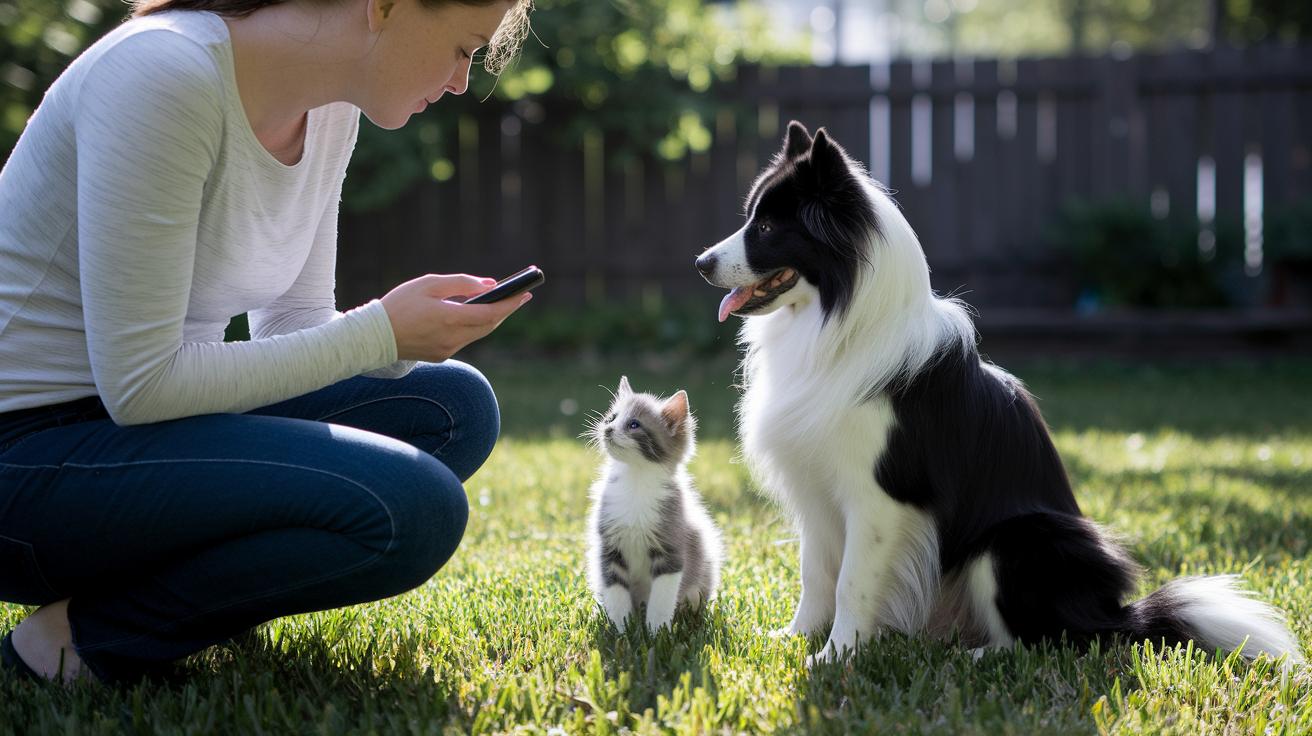
Dog training clicker apps simulate the familiar sound of a clicker on your smartphone. These apps also track training sessions and progress, making them a convenient digital option for busy pet owners.
At what age can you start clicker training a puppy?
You can start clicker training your puppy as early as 8 weeks of age. Early training with fun, brief sessions helps build a strong foundation of good behavior.
How do you start clicker training a puppy?
To start clicker training, first “charge” the clicker by pairing its sound with treats for 5–10 minutes. This helps your puppy learn that the click means a reward is coming.
What are the negatives of clicker training?
The negatives of clicker training may include issues like mistimed clicks or too many treats, which can reduce the click’s value. Some puppies may also be startled if the sound is introduced too suddenly.
What is the 10 minute rule for puppies during clicker training?
The 10 minute rule for puppies suggests keeping training sessions to around 10 minutes. This keeps the pup focused and prevents them from getting tired or frustrated during learning.
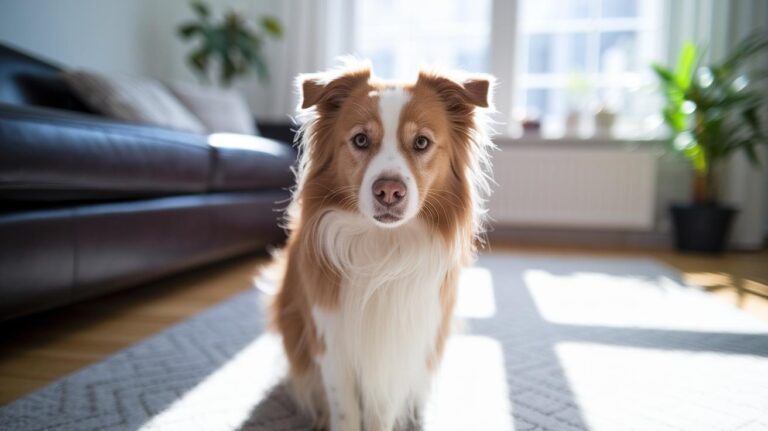
Ever wondered if one tiny click could help your furry friend learn new tricks? Clicker training uses a clear sound and a tasty treat to send a message your dog understands. Each click marks a perfect moment, letting your pup know exactly what you mean.
It’s a fun way to teach and learn, almost like having a cheerful conversation with your pet. In this article, we share simple tips that show how clicker training makes learning enjoyable and helps build a warm, strong bond with your dog.
clicker training for dogs: Bright tips for success

Clicker training is a fun way to teach your dog using a little click sound and tasty rewards. When your dog does something right, a quick click marks that exact moment, and a high-value treat follows. This simple combo helps your furry friend soon connect their actions with a reward. It’s a lot faster than just giving treats, especially when a small delay might confuse a distracted pet.
Every click gives clear feedback. Your dog hears that sign and knows it did just what you wanted. This easy-to-understand signal builds trust and makes training feel like a playful chat between friends. Soon, your pet is more eager to learn and obey while you build a stronger bond together.
Below is how clicker training really helps your dog:
| Benefit |
How It Helps |
| Clear marking |
The click pinpoints the exact moment the correct action happens |
| Speedy learning |
Quick feedback makes it easier for your dog to learn new tricks |
| Better focus |
A distinct sound grabs your dog’s attention on the right behavior |
| Less confusion |
A clear cue helps your pet know exactly what earns a treat |
| Stronger bond |
Consistent clicks and treats build trust and clear communication |
| Easy advanced training |
The reliable marker sets the stage for teaching more complex skills |
By mixing instant sound cues with quick, delicious treats, clicker training turns learning into a confident, enjoyable adventure for your dog. Ever notice how a simple click and a tasty nibble can light up your pet’s day? It’s a heartwarming way to share special moments while guiding your dog from basic commands to playful, advanced tricks.
Essential equipment and environment for successful clicker training with dogs

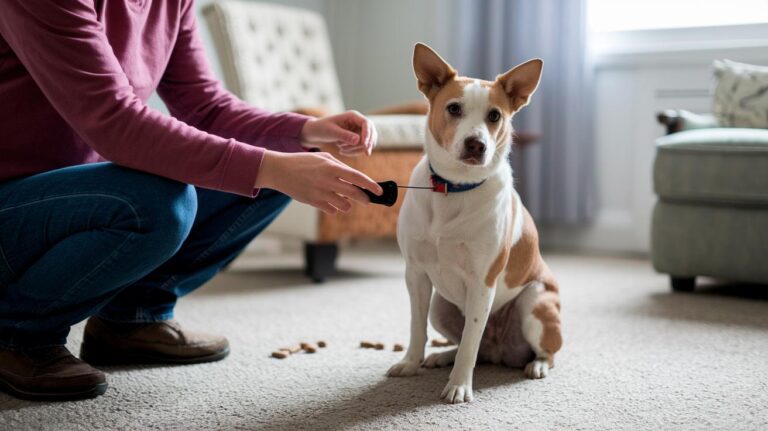
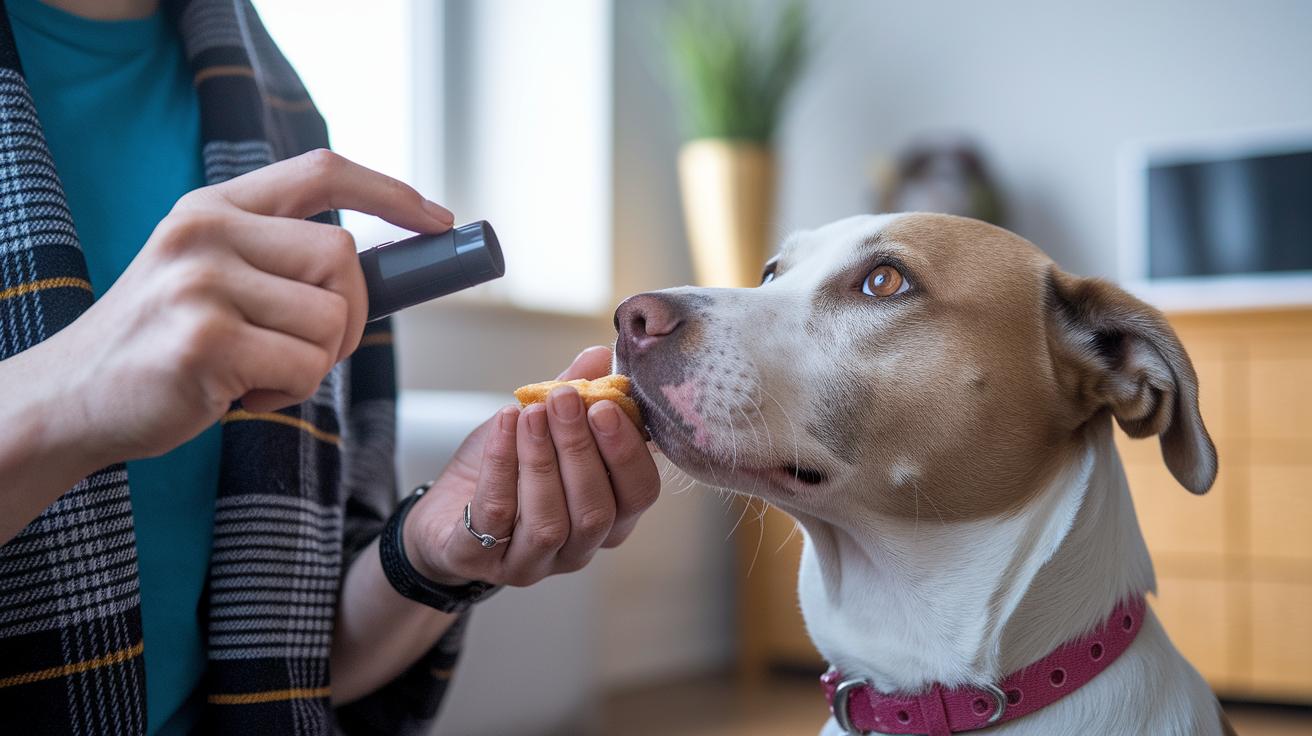
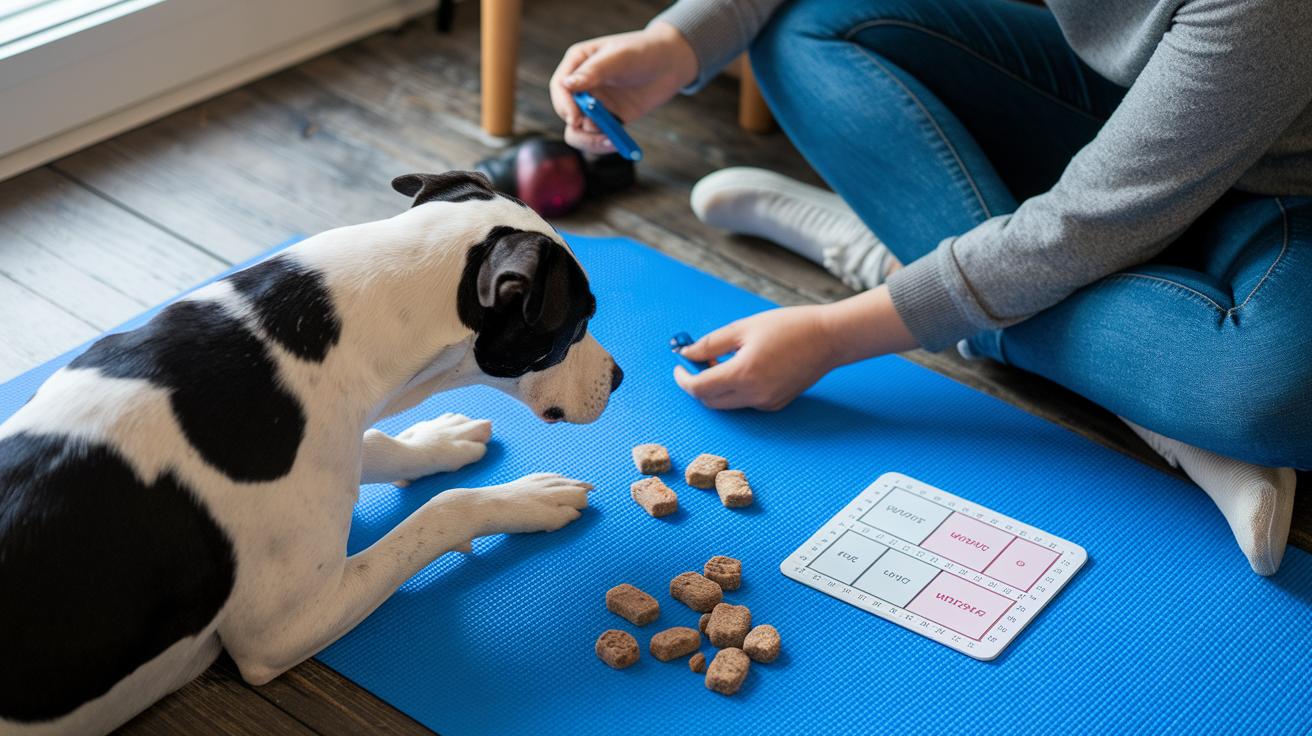
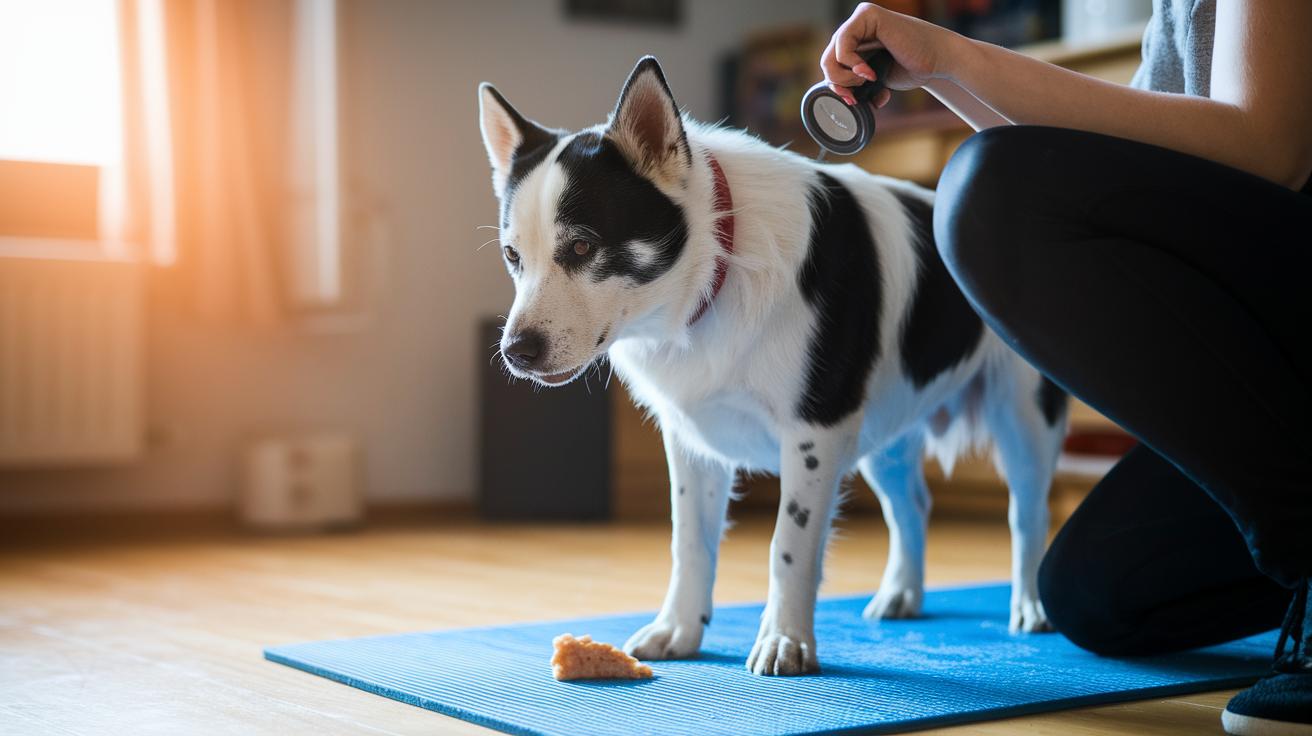
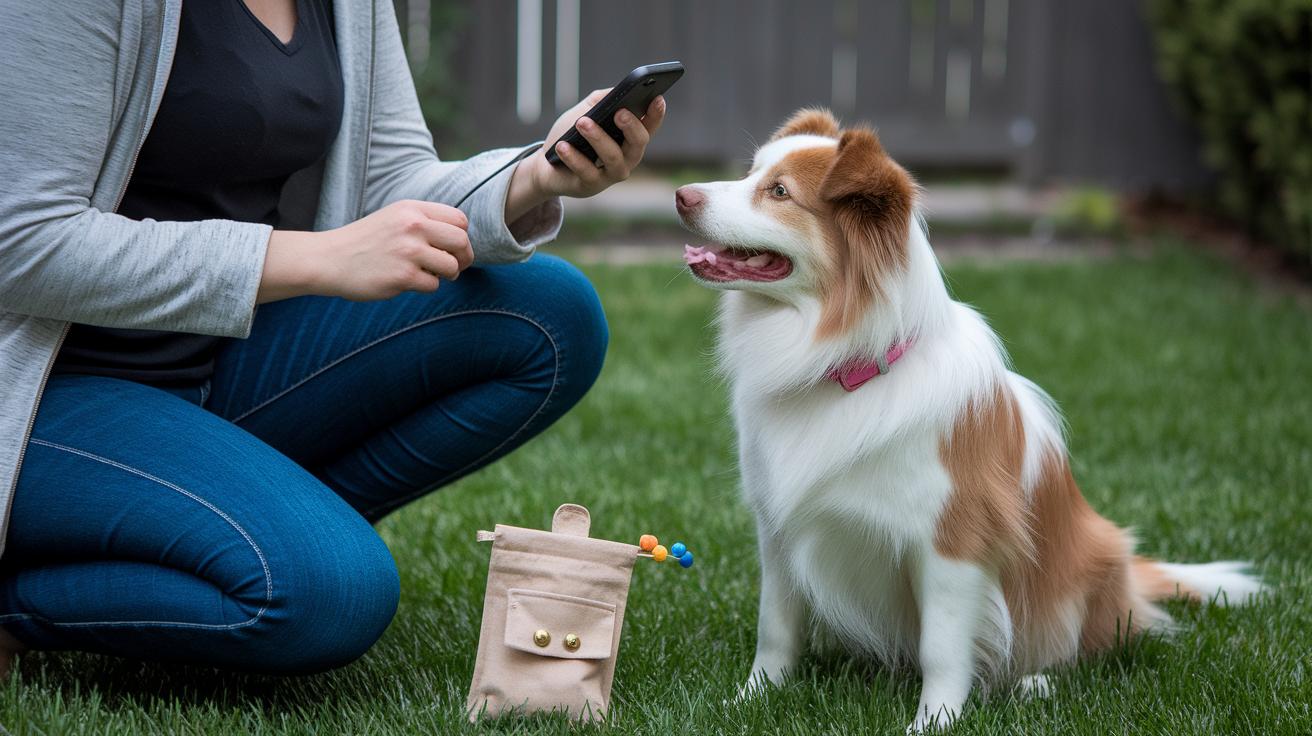
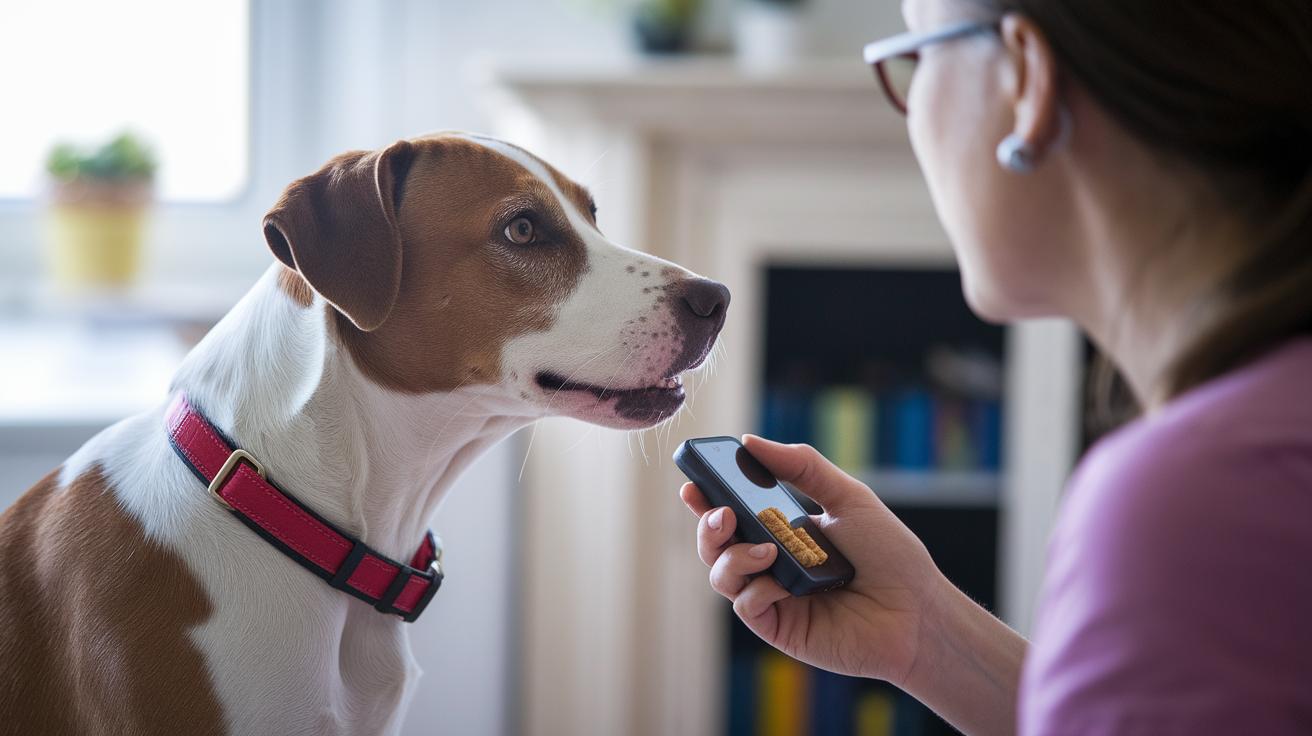
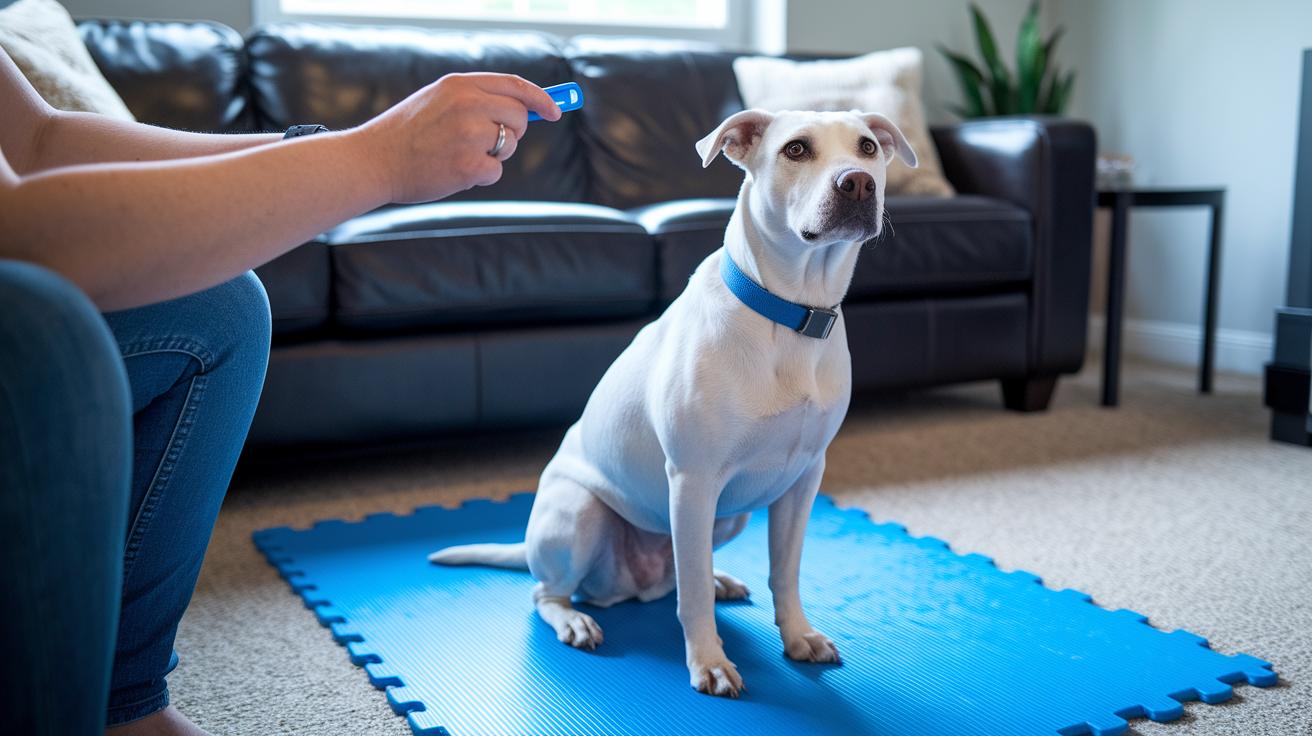
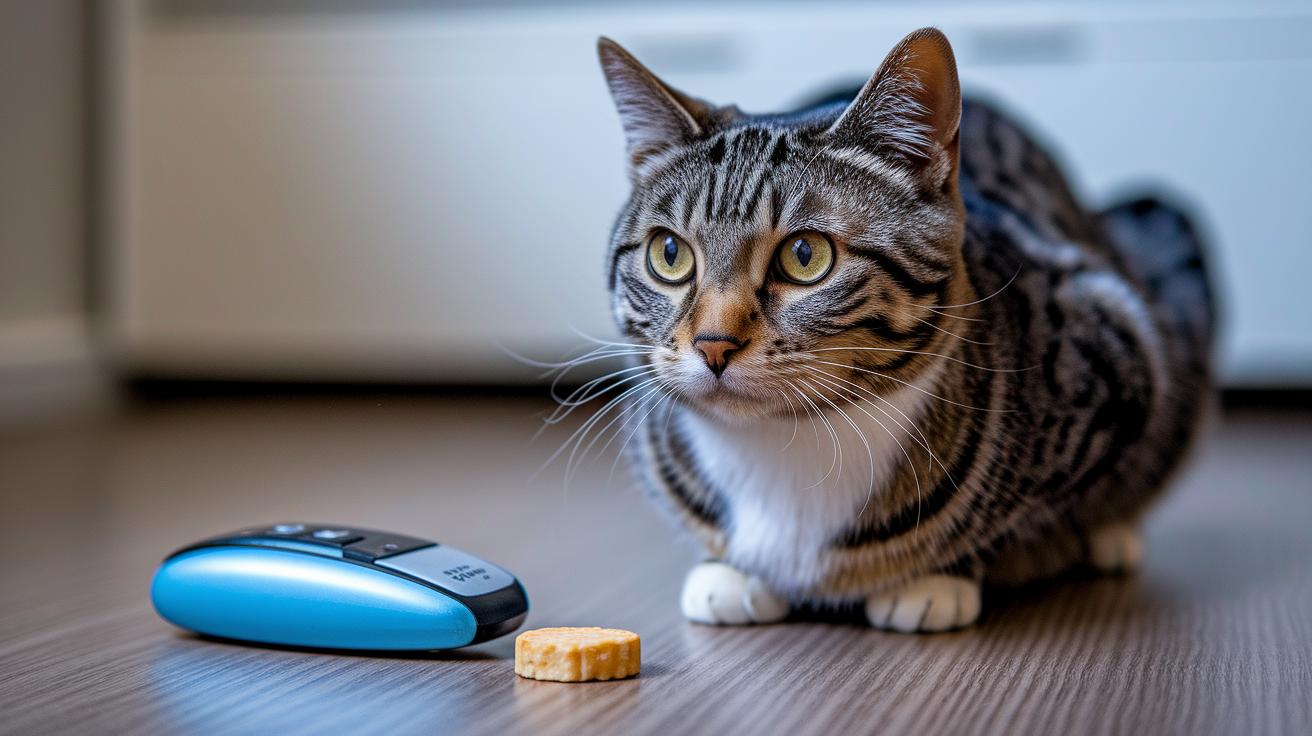
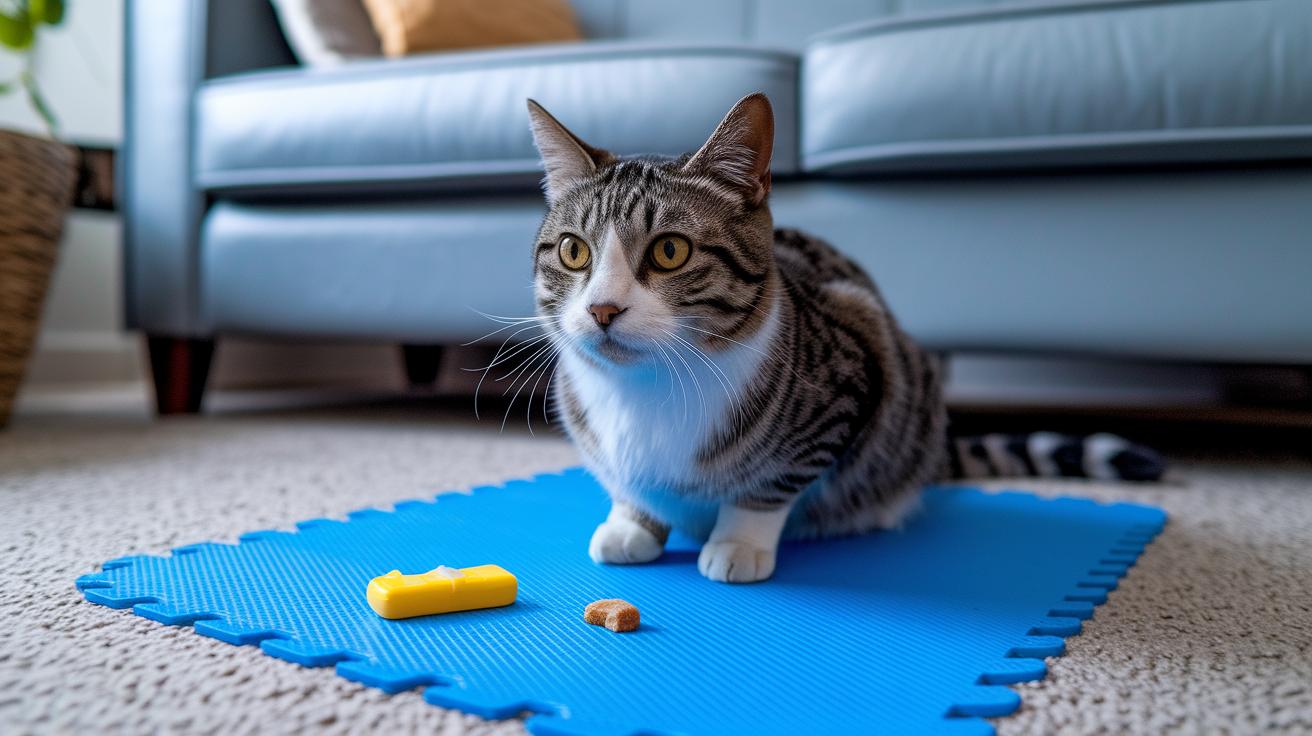
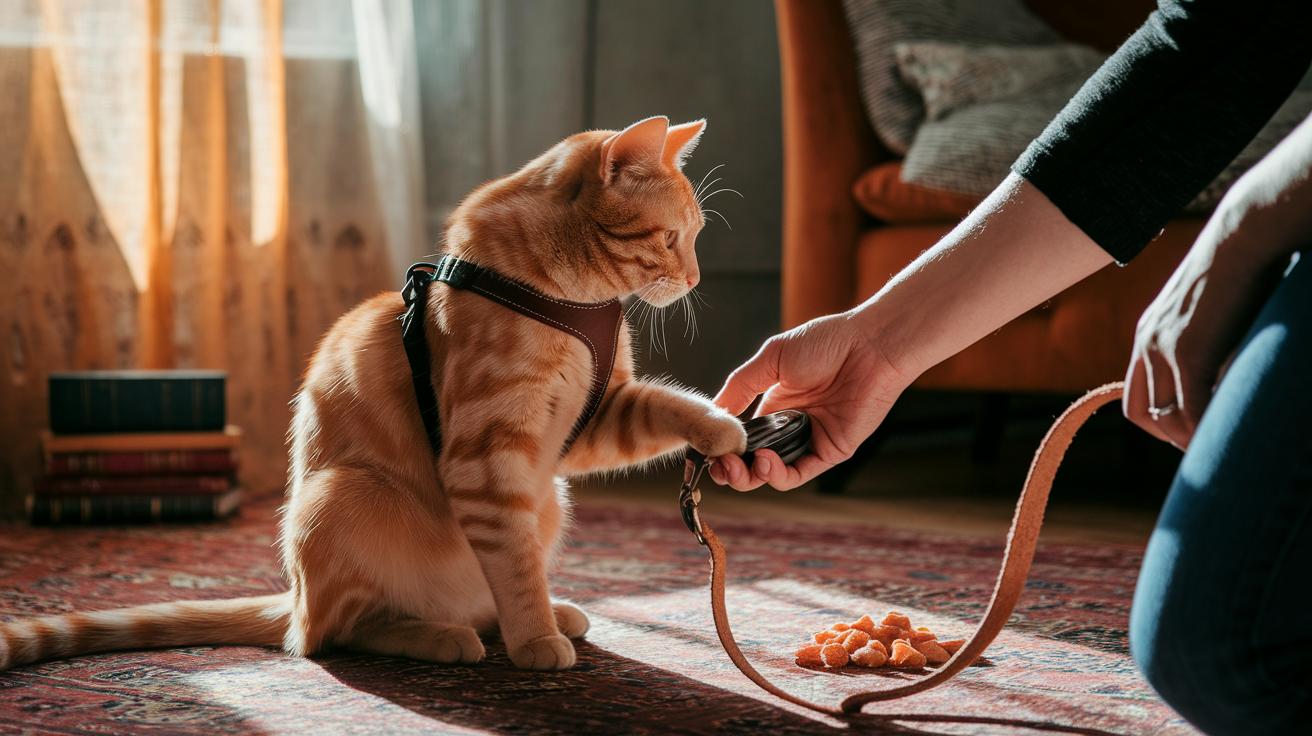
Your main tool for clicker training is a dedicated clicker. At the start, you’ll "charge" your clicker by linking its sound with a tasty treat. It might take around 45 minutes, but this simple step builds a solid bond between the sound and the reward.
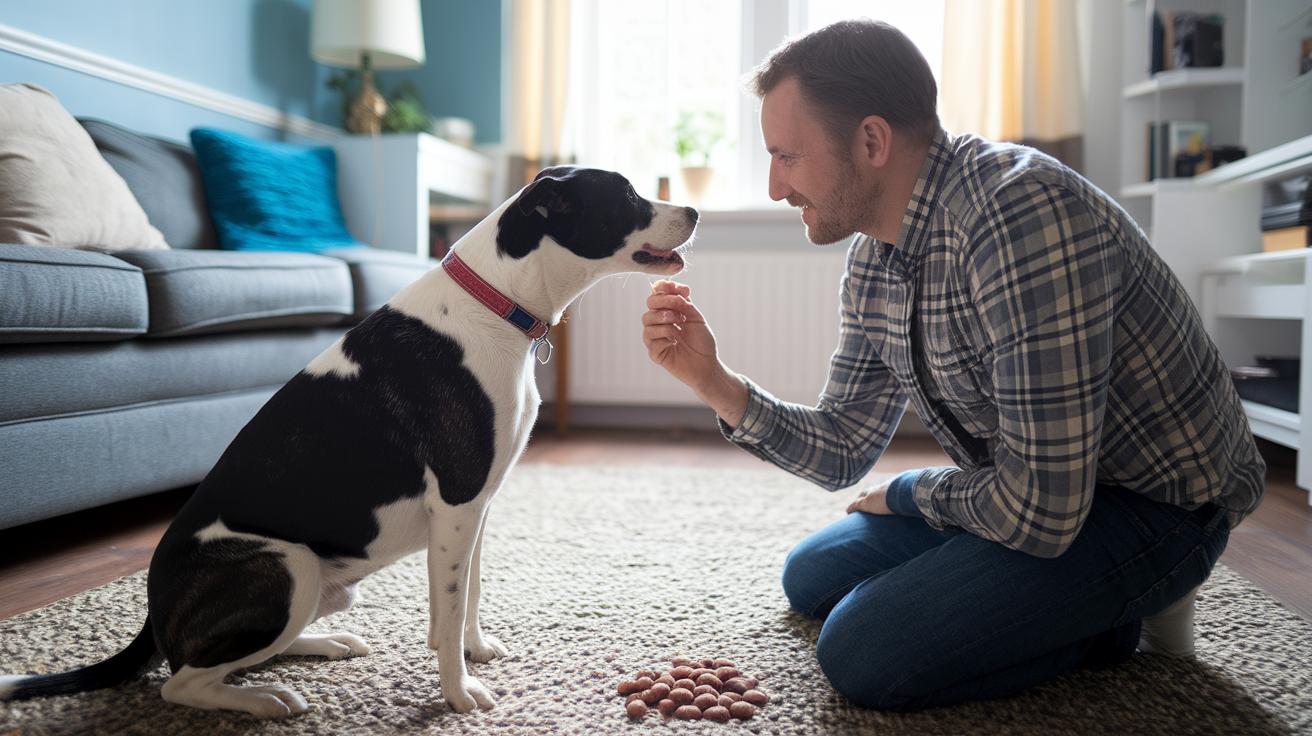
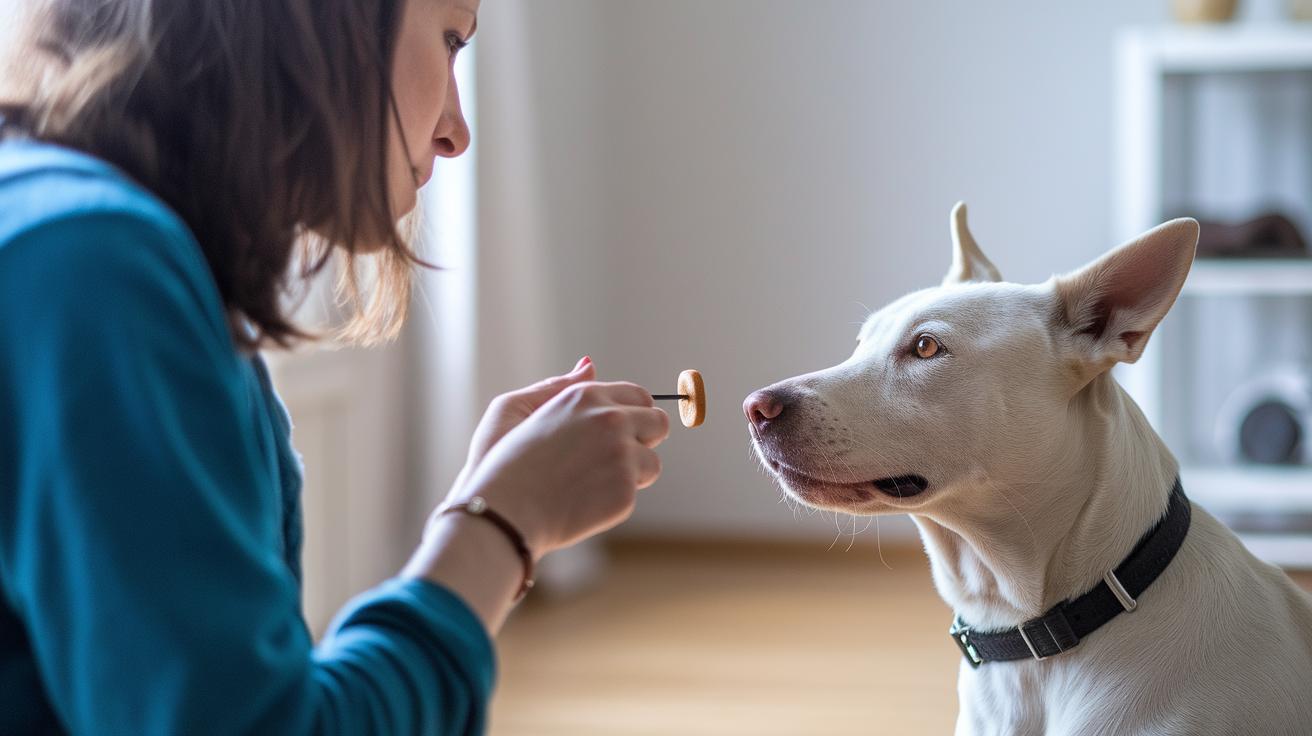
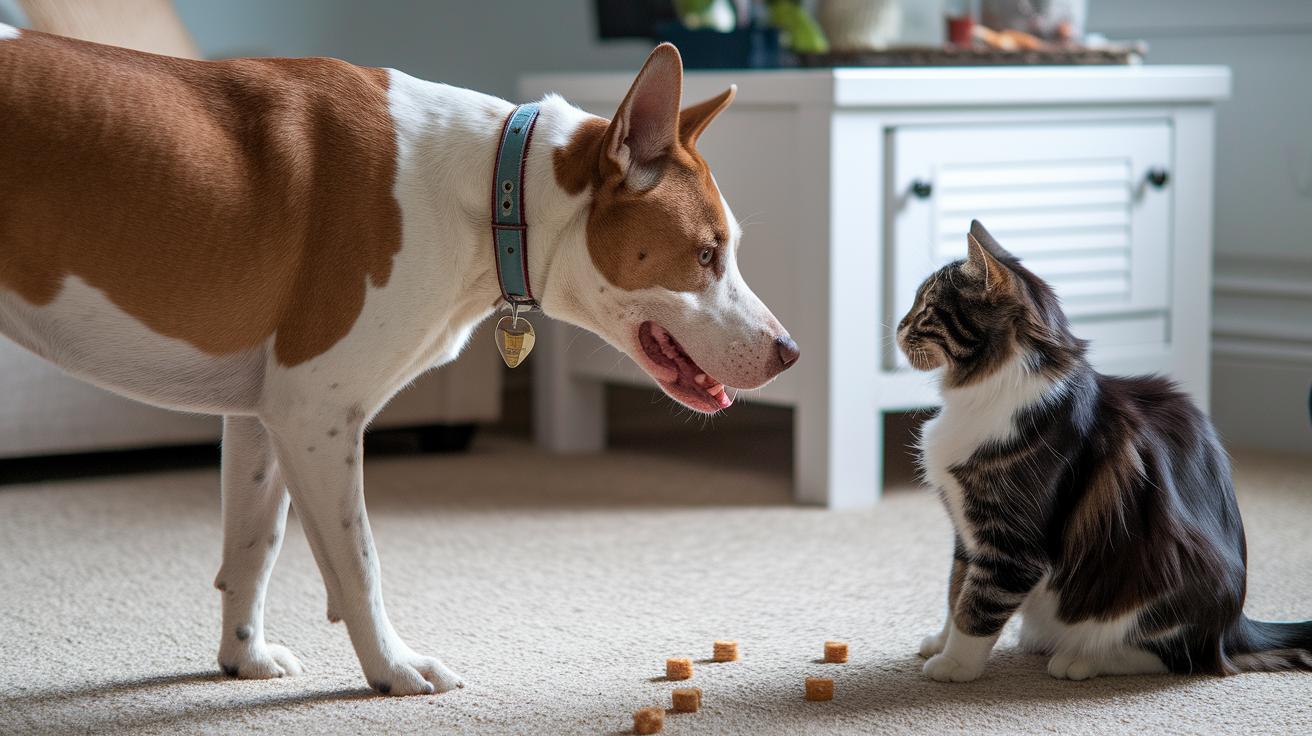
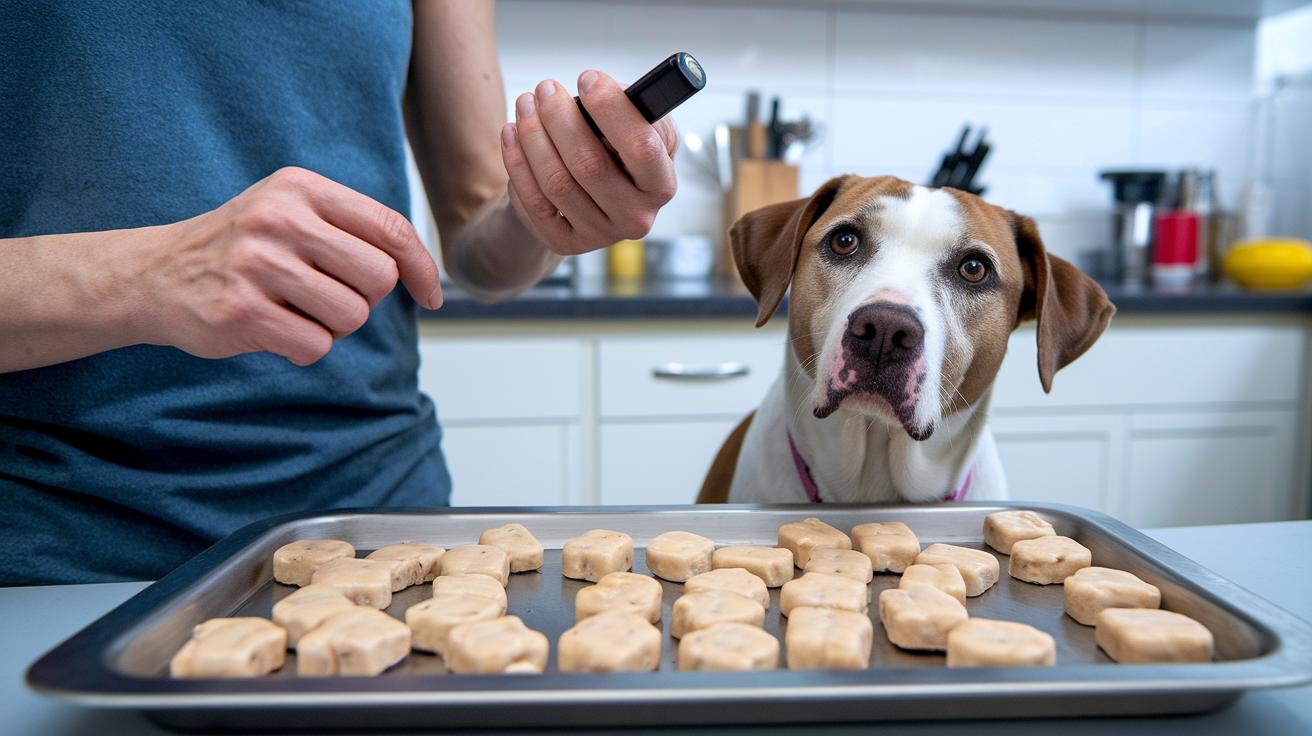
Next, use high-value treats that are small and soft. These treats work like little rounds of applause, sparking your dog’s excitement to earn more. Imagine saying, "Click, here’s a treat you love!" It’s a fun way to keep your pup motivated.
A treat pouch is super handy, too. It lets you grab a reward quickly so you can stay focused on the training. With treats within arm’s reach, your session flows smoothly without long pauses.
Finally, pick a quiet, distraction-free space for your training. A calm spot helps your dog concentrate on the clicker sounds without being pulled by other noises. If you need reliable gear, check out our recommended pet training supplies.
- Clicker device
- High-value treats
- Treat pouch
- Quiet training space
Step-by-step clicker training process for dogs

Let’s take a friendly stroll through the basics of clicker training. First, get your clicker ready by pairing its quick sound with treats so your pup starts to look for that yummy reward. Then, work on one simple command, like "sit", before moving on to new ones. This step-by-step plan builds your dog’s confidence and turns training into a fun game.
Every move has a timing tip so you know the perfect moment to click and mark the good behavior. It’s like catching the right beat in your favorite song. Here’s an easy guide to follow:
| Step No. |
Action |
Timing Tip |
| 1 |
Charge the clicker |
Keep clicking then quickly give a treat until your dog looks for the treat after the click sound |
| 2 |
Introduce a simple command (like “Sit”) |
Click exactly when your dog’s bottom touches the ground and then treat right away |
| 3 |
Add a new command |
Wait for the right behavior, click immediately, and treat, stick to one command at a time |
| 4 |
Build interactive sound cue exercises |
Keep sessions short and focused, using quick sound cues to hold your dog’s attention |
| 5 |
Wean off the clicker |
Once the command sticks, slowly use the clicker less while still rewarding the right action |
Stick with these steps and you'll watch your pup go from basic commands to a mix of up to 120 unique cues. The key is keeping sessions fun and steady. Every click acts as a quick signal that links your dog's good behavior to a tasty reward, a little spark that lights up their excitement to learn.
Troubleshooting common mistakes in clicker training for dogs
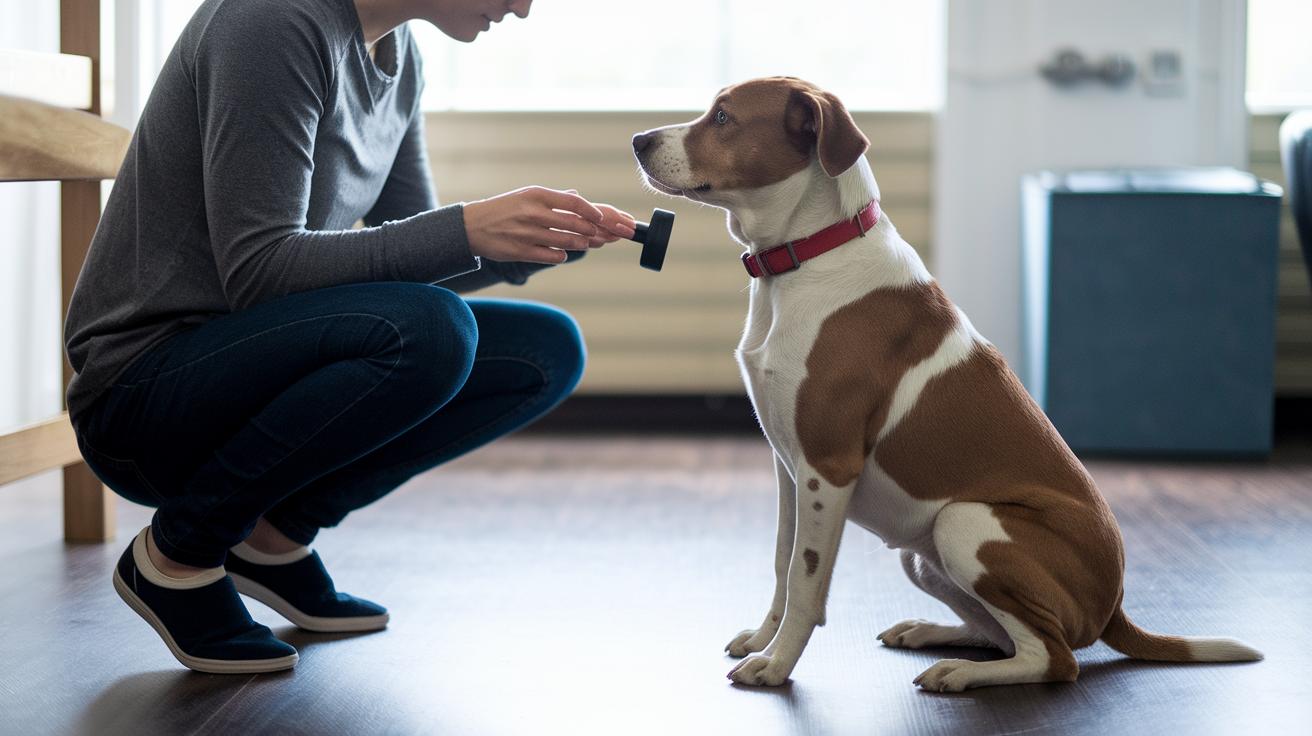
Poor timing is one of the most common mistakes. If you click too early or too late, your dog might not link the action with the reward. For example, if you press the clicker before your dog fully sits, they may not know which move earned the treat. Keep a close eye and click exactly when your dog performs the action.
Another snag is how often you give treats. Using too many treats can make your dog expect one every time, while too few might not keep them excited. It’s like clapping at a show, if you do it too much, it loses its magic. Find a treat balance so each click feels special.
Mixing up your clicker routine can be confusing, too. Changing your method or clicking only sometimes might leave your pup wondering what’s expected. Stick to a consistent routine so your dog knows when to listen.
The training place matters as well. A noisy or busy area might pull your dog’s focus away from you. A calm, quiet spot helps keep your pet’s attention on the clicker and treats.
Lastly, don’t forget to warm up your clicker every day. Start each session with a few practice clicks paired with treats, so your dog quickly reconnects the sound with a reward.
Each of these tips helps build a smoother, more enjoyable training experience, ensuring your dog understands which behavior brings them their delightful treat.
Shaping advanced behaviors using clicker training for dogs

Clicker training goes beyond teaching simple commands. With a small device that makes a distinct click sound (a clear marker for your dog), you can gently guide your furry friend to learn more challenging behaviors. Step by step, each little action leads to a complete trick, and your dog learns to trust that every small effort builds into something bigger.
Duration training
To help your pup hold a position for longer, start by clicking exactly when the behavior begins. Then, gradually wait a few extra seconds before clicking. For example, if your dog sits, pause a tad longer before marking that moment with a click. This way, your pet learns to stick with the position a little more each time, and you reward them with a treat afterward. It’s like giving your dog a little nudge to hold on just a heartbeat longer each time.
Behavior chaining
When teaching a trick that has several parts, break it into small, easy steps. Imagine you want your dog to perform a “wave.” First, click and treat as soon as your dog slightly lifts a paw. Then, ask for a bit more movement before clicking again. Piece by piece, you link these steps together so that one small action leads to the next. Over time, you can ease off using the clicker, letting each step naturally connect to form a smooth, complete behavior.
Continuing education and resources for clicker training with dogs
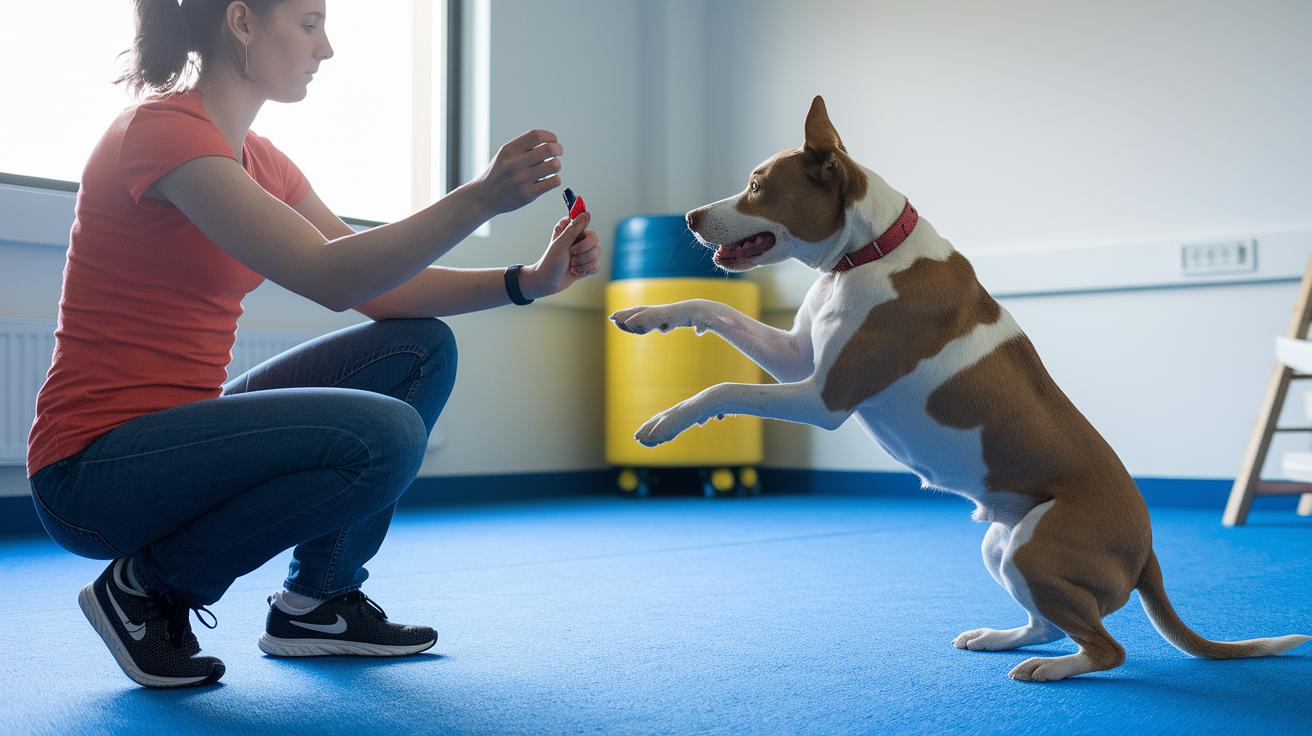
If you're ready to boost your clicker training skills, try checking out advanced courses, fun podcasts, and hands-on class sessions. Karen Pryor Academy, for instance, offers science-based training (which means they use proven methods) along with certificates, and they make sure every lesson is fun with clear sound cues.
For a more interactive experience, online modules and class recordings let you see real-life training sessions where every beep marks a positive behavior. It’s like watching a favorite pet show, only you're learning the secrets behind each success.
Here are some friendly ideas to take your training to the next level:
- Join in on in-person or virtual sessions with expert dog instructors. Try out dog training classes for hands-on practice using sound cues that celebrate every little win.
- Check out “Find A Trainer” directories to connect with professionals who use quick marker signals to keep training structured and enjoyable.
- Listen to the Canine High Jinks Podcast and watch online recordings to see modern training techniques come to life.
- Grab quality clickers, treat pouches, and other essential supplies from trusted retailers to keep your training toolkit complete.
By tapping into these resources, you'll add fresh insights to every training session and enjoy watching your furry friend thrive with each step.
Final Words
In the action, we explored what clicker training for dogs is and how it creates clear markers for rewarding desired behaviors. We reviewed the key tools, a step-by-step approach, and ways to fix common issues that might pop up. We even looked at progressing to more advanced commands. Each step builds a stronger bond with your pet while keeping training fun and consistent. Keep experimenting with clicker training for dogs and enjoy your time growing together.
FAQ
What does a clicker training for dogs book offer?
A clicker training for dogs book explains using a click sound with treats to mark good behavior. It provides tips, examples, and step-by-step guides on how to train your dog with this positive method.
How are the negatives of clicker training and why might some say it’s bad?
Clicker training may face negatives when the timing of the click or treat is off, confusing the dog. Over-relying on treats can also lessen motivation if not managed carefully.
How do you start clicker training a dog for beginners?
To start clicker training, charge the clicker by pairing its sound with treats until your dog associates them. Then, use the clicker immediately when your dog performs a correct behavior, building clear communication.
What do discussions on Reddit reveal about clicker training for dogs?
Reddit discussions highlight real-life experiences, practical tips, and success stories from dog owners who use clicker training. They offer varied opinions and advice from a community of pet lovers.
How can I access free clicker training for dogs and PDFs online?
Free clicker training resources, including PDF guides, are available on various websites and YouTube channels. Local pet groups and online forums also sometimes offer complimentary step-by-step instructions.
How is clicker training applied to humans?
Clicker training for humans uses a similar marker method to reinforce desired actions, though it’s less common. It’s mainly an experimental approach to help build habit awareness and consistency.
What is the best clicker training method for dogs?
The best clicker training method clearly marks the desired behavior with a click sound and immediately rewards it with a high-value treat in a calm, distraction-free setting, boosting your dog’s focus and learning speed.
Are clickers effective for dog training?
Clickers are effective for dog training because they allow you to pinpoint the exact moment your dog does something right. This precise timing helps your pet understand which behavior earns a reward.
What does the 7 7 7 rule for dogs mean?
The 7 7 7 rule suggests keeping training sessions brief—around 7 minutes—conducting multiple sessions throughout the day, and focusing on a small number of commands per session to maintain your dog’s interest and success.
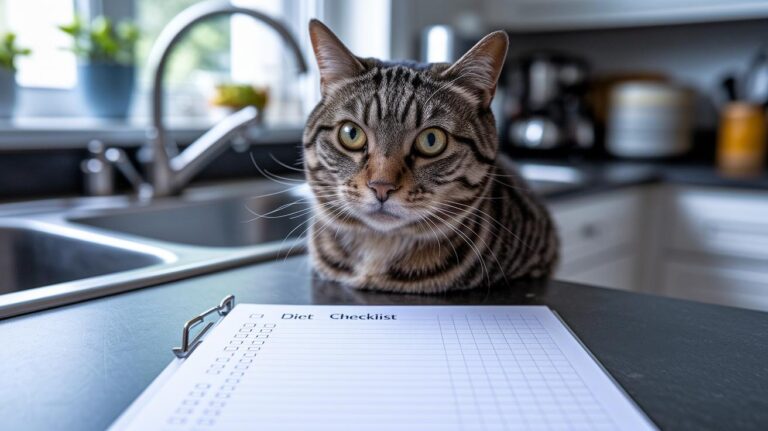
Have you ever noticed how your pet's food can boost their energy and mood? A handy checklist for a new pet diet might be just what your furry friend needs to feel more lively and happy.
In our friendly guide, we share clear steps, like reading food labels and planning balanced meals (meals that give your pet the right mix of nutrients), to help you start a healthy eating routine for your pet. Imagine your pet prancing around with joy, excited for each meal. This simple plan makes pet nutrition both fun and easy to follow.
Step-by-Step Pet Diet Checklist for Beginners
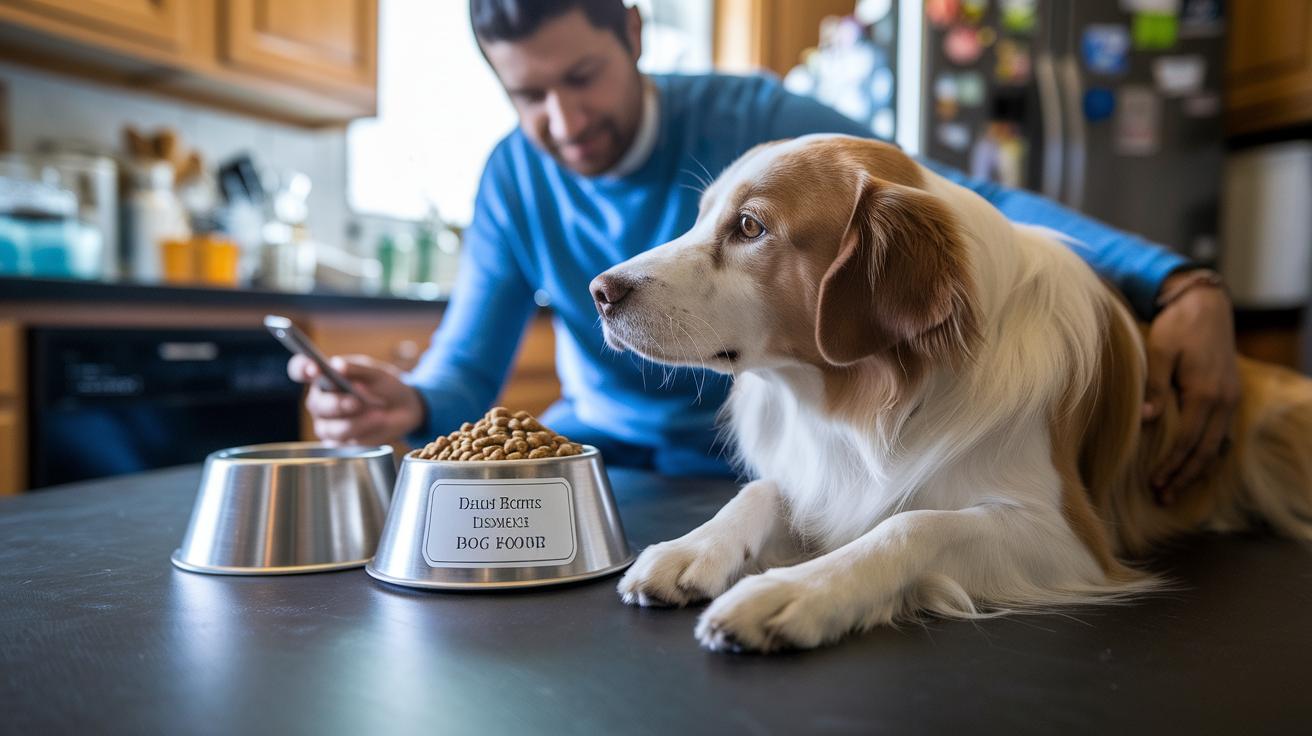
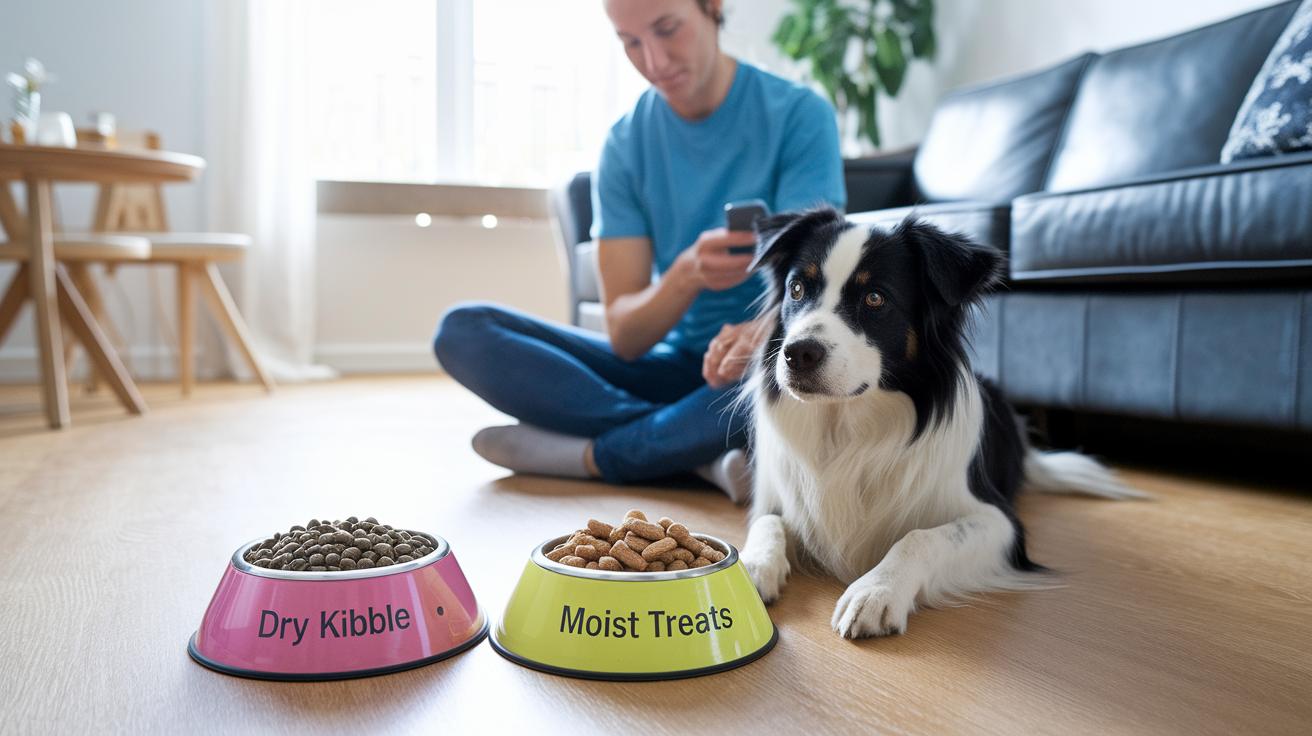
Building a healthy diet for your pet can boost their growth, keep their energy steady, and help manage their weight. It all starts with always having fresh, clean water on hand. A simple nutrition plan is the first step to making sure your pet feels great.
Using a pet diet starter guide can really ease the meal planning process. Take a close look at food labels to be sure they list quality ingredients, like a specific protein such as fresh chicken. Here’s a basic checklist any pet owner can use:
- Arrange an initial vet visit to review your pet’s health and diet needs
- Check current food labels for named protein sources
- Look into any allergies or food sensitivities your pet might have
- Plan meals that mix protein, fat, carbs, vitamins, and minerals
- Set portion sizes based on your pet’s weight and age
- Create a consistent feeding schedule with the same meal times daily
Following these simple steps helps lay the groundwork for a good meal plan. With careful nutrition planning, your pet can enjoy steady energy and sound health. A regular feeding routine, combined with quality ingredients and expert advice, makes for a meal plan that nurtures healthy eating habits and overall well-being. Stick with these tips and soon you’ll see your pet become more energetic and happy at every meal.
Assessing Nutritional Requirements for Your Pet’s Diet
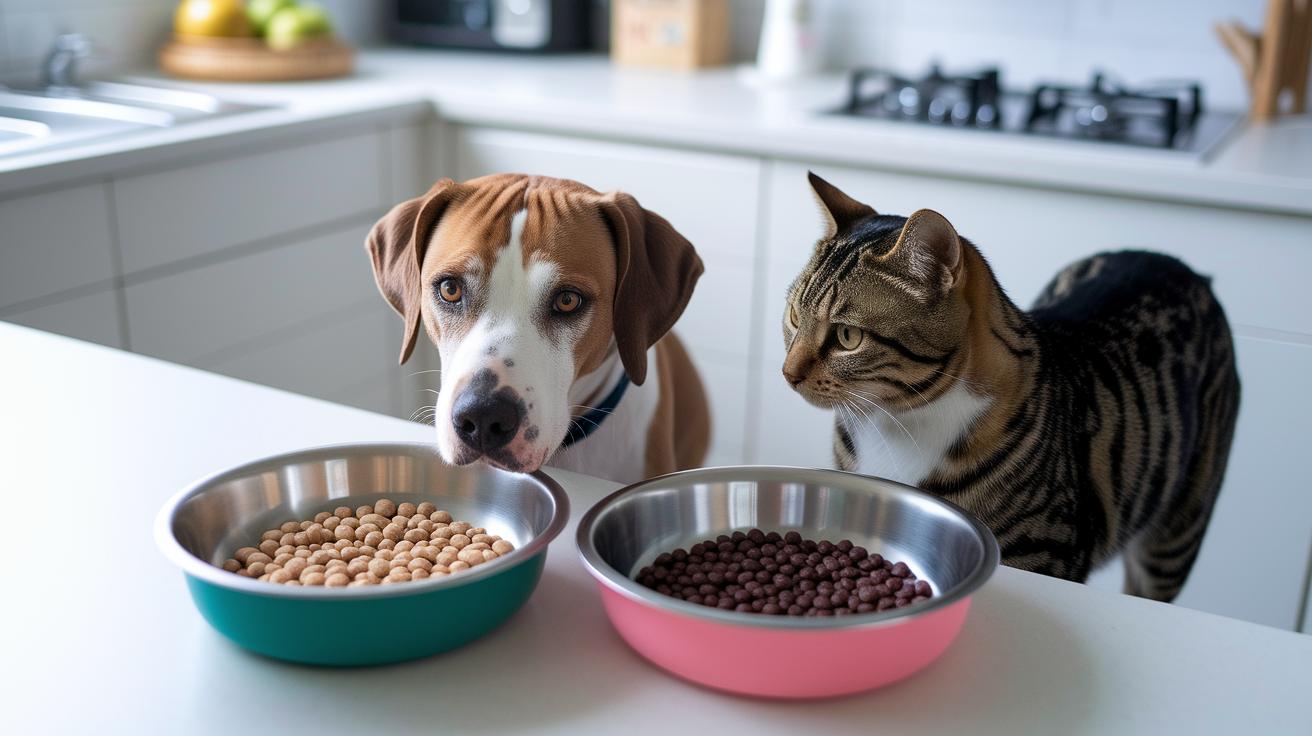
When you start planning your pet’s meals, think about what makes them special. Every pet is different, depending on their species, breed, age, and how active they are. Puppies and kittens usually need extra protein (the building blocks that help them grow strong), while older pets or those that move more slowly might need food that supports their joints and a slower metabolism. Even pets of the same kind can have different needs. For example, a lively dog uses more energy than a calm cat, so it's important to look at these differences from the very beginning.
A well-rounded diet gives your pet the right amounts of protein, fat, carbohydrates, vitamins, and minerals. These help prevent weight gain, tummy troubles, and weak immunity. Many experts, like those from the pet nutrition alliance (a group that studies what pets need from their food), offer advice on the right mix of nutrients. Keep an eye on your pet’s appetite and daily behavior, and be ready to tweak their meals as needed. Taking these little steps makes it easier to keep your pet healthy and happy.
Selecting Quality Ingredients for Your Pet’s Diet

First, take a good look at your pet food’s ingredient list. You want to see a clear protein source right at the top, like “fresh chicken” or “salmon meal.” If you spot vague terms such as “meat & animal derivatives” or “animal by-products,” it might mean the food is made with lower-quality ingredients. I often think, “Hey, there’s ‘fresh chicken’ right here, which is a good sign!” This simple check helps ensure you’re giving your pet the nutrition they need from the very start.
Next, have a peek at the macronutrient breakdown on the package. A balanced mix of protein, carbohydrates, and fats is key, kind of like the ingredients in a well-made snack for your pet. Cats, for example, really need a boost of protein for energy and muscle support. So, if the label shows a high protein percentage and a moderate amount of carbs, you’re on the right track, imagine it as a perfect sports drink for your furry friend!
Finally, don’t forget to review the fiber content and allergen details. Dry foods usually have between 2.5% and 4.5% fiber, which is just right for most pets. But if your pet has a sensitive tummy, a little extra fiber might help. Also, take a moment to look for any common allergens like certain grains. This careful review can help prevent any unwanted reactions and keeps your companion happy and healthy.
Portion Control and Balanced Pet Diet Meals
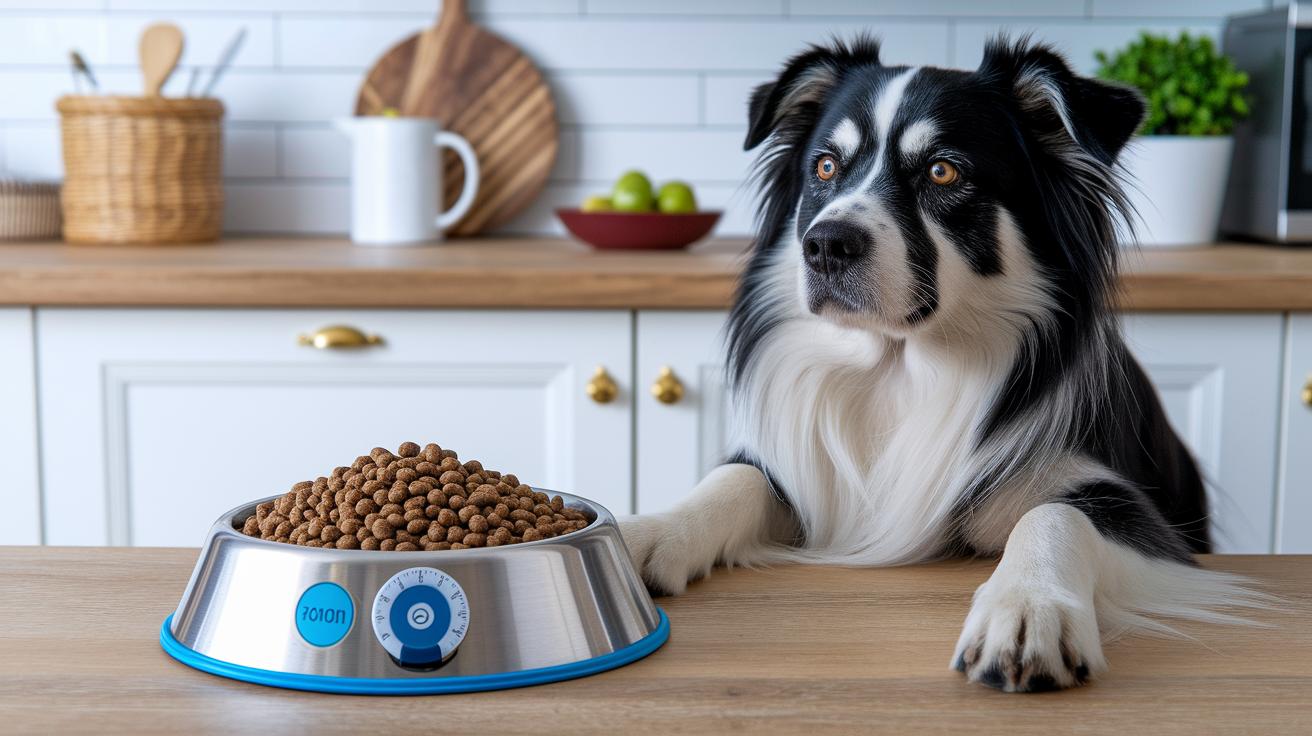
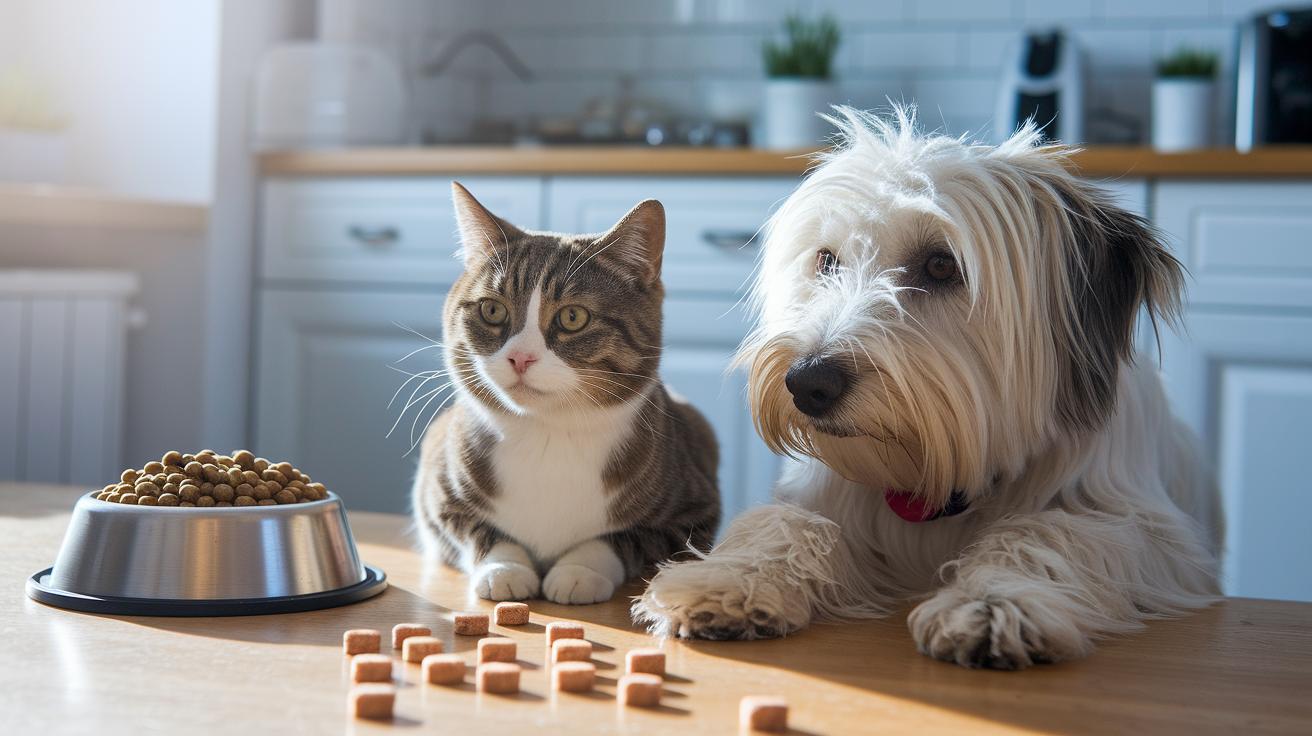
Our furry friends need meals that pack proteins, fats, carbs, vitamins, and minerals. This balanced blend is like a perfect snack that keeps them lively and ready for play. Too much food can lead to extra pounds, and too little might leave them feeling down. It’s all about finding that just-right portion every time.
Remember, your pet’s age plays a big role in how much they need to eat. Puppies and kittens need extra fuel for all that growing, while adult and senior pets do better with measured meals to keep them active without becoming sluggish. Think of it as tuning a radio, adjusting the dial until you hit the perfect volume. Keeping a close eye on their diet helps avoid obesity for energetic pups and low energy in calm cats. Check out the guide below for simple portion size tips tailored to your pet’s needs:
| Pet Type |
Portion Size per Meal |
Meals per Day |
| Small Dog (up to 25 lb) |
½–1 cup |
2 |
| Large Dog (over 50 lb) |
2–3 cups |
2 |
| Adult Cat |
¼–⅓ cup |
2–3 |
| Kitten |
⅓–½ cup |
3–4 |
Creating a Feeding Schedule for Your Pet Diet
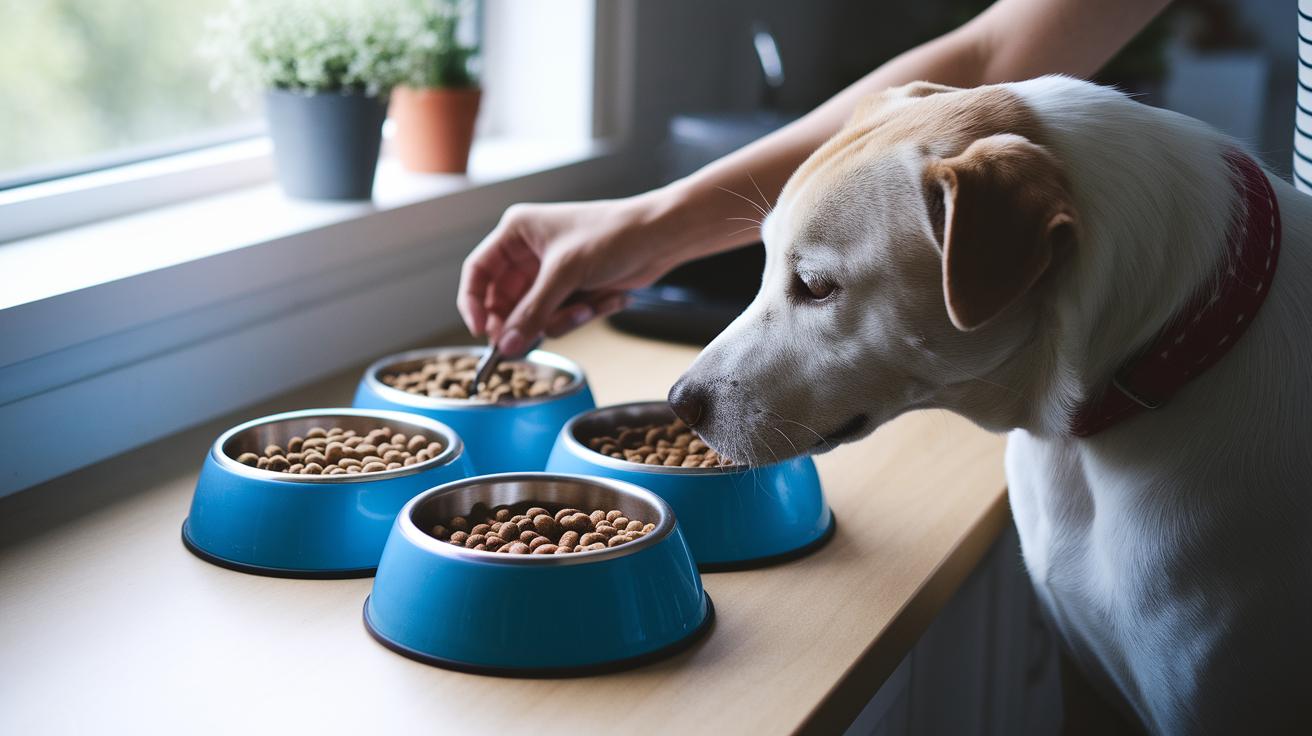
Creating a daily feeding plan makes mealtime a natural, worry-free part of your pet’s day. It helps their tummy work smoothly and keeps their energy just right. Adult pets usually do great with two meals a day, while puppies and kittens often do best with three or four smaller meals. Whether your friend is a bouncy pup or a mellow kitty, a set schedule makes it easy to notice little changes in how much they eat or play.
When you want to add a new food, take it slow. Start by mixing a small bit of the new food into their regular meal and gradually change the mix over a week or so. This gentle shift can help avoid upset tummies and makes the transition feel just right. Over time, you can tweak the portions and timetables, keeping their diet steady and mealtime smooth.
Monitoring Progress and Adjustments in Your Pet Diet
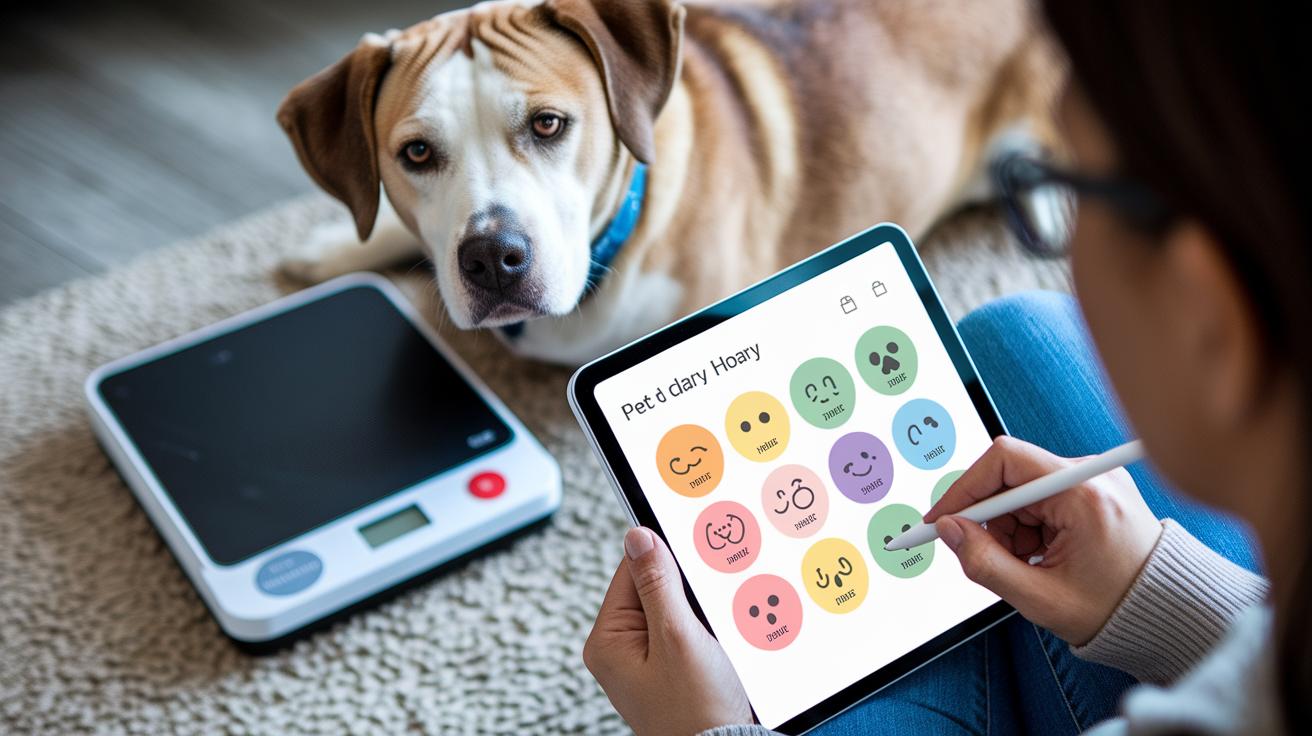
Watching your pet’s health feels a bit like keeping score during a fun game. It’s a good idea to note down things like their weight, how their body looks, appetite, and energy. Maybe you’ve noticed your playful pup isn’t bouncing around like usual, or your cat seems a little heavier these days. I use a small journal or a pet diary app that even tracks mood shifts, making it easy to see small changes over time.
It’s also key to keep an eye on little behavioral hints that might mean it's time for a diet tweak. If you suddenly see extra weight, a drop in energy, or changes in how much your pet eats, jot it down. These handy notes help you and your vet decide on small, smart adjustments that keep your furry friend feeling their best every day.
When to Seek Veterinary Advice for Your Pet Diet
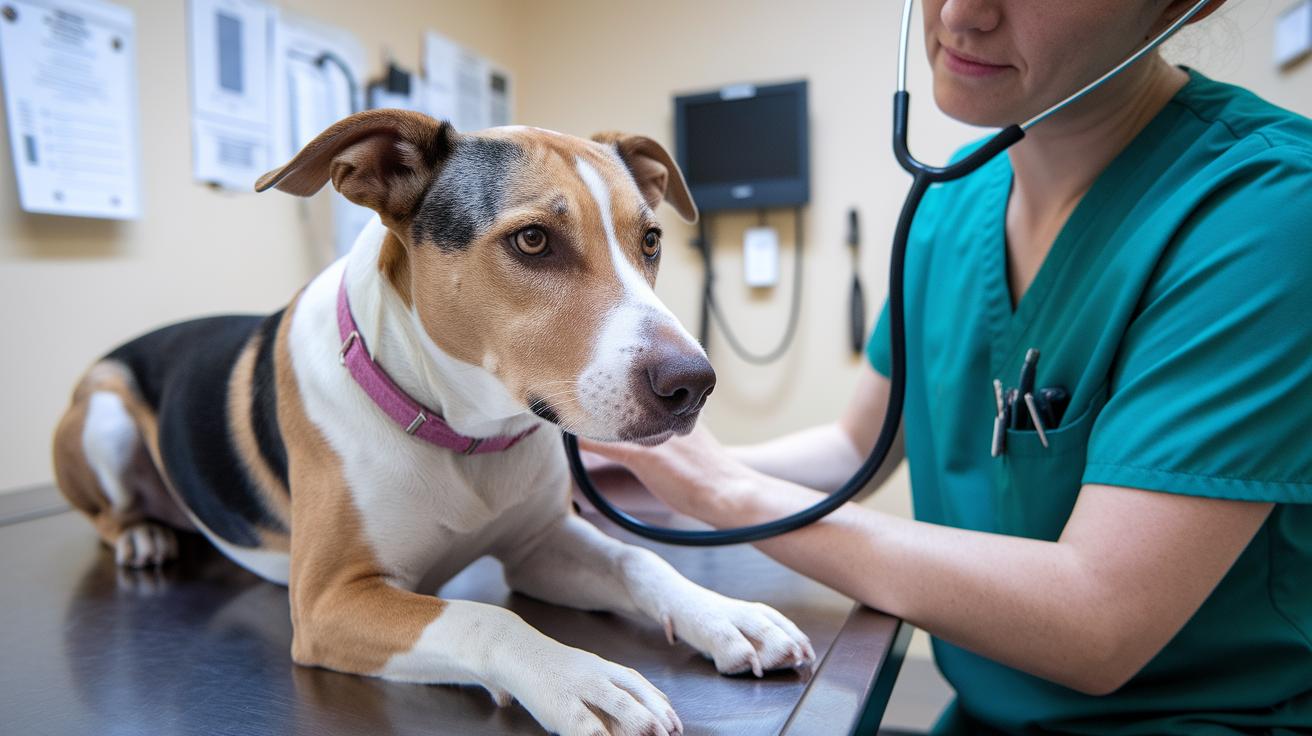
Make it a rule to schedule an annual check-up for your furry friend. This visit usually includes a physical exam, vaccinations, and simple blood tests. Regular vet visits help you spot small changes in your pet’s appetite, weight, or digestion. For example, if your typically bouncy pup suddenly starts eating less or seems more sleepy than usual, it might be time to give your vet a call.
Vets can adjust your pet’s meals based on how they’re doing. They’ll help you decide between commercial pet food and home-cooked treats, suggest helpful supplements (extra nutrients to support your pet’s well-being), and set the right portion sizes. In short, talking with your vet creates a tailor-made plan that keeps your pet both happy and healthy.
Safety Tips and DIY Meal Prep for Your Pet Diet
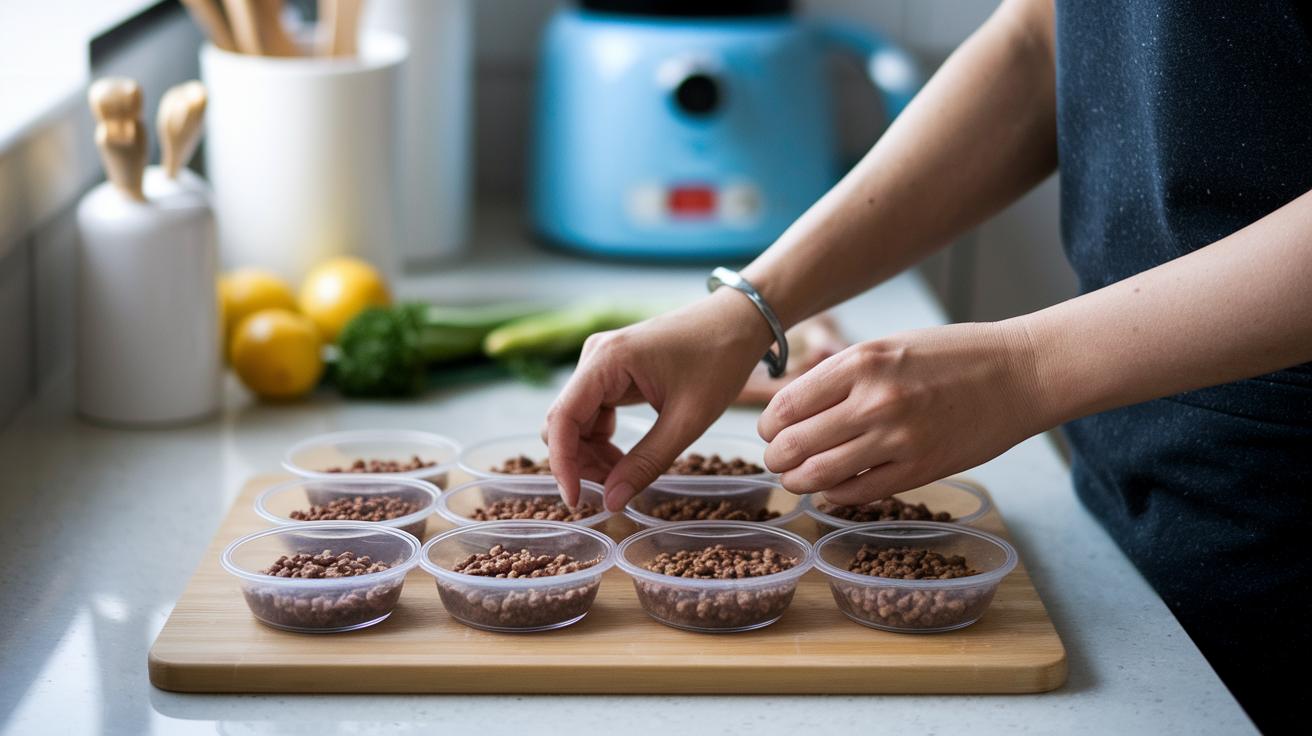
When you whip up homemade meals for your pet, always check that your recipe has a good balance of all the nutrients. Stick with safe ingredients and skip anything harmful, like onion, garlic, or grapes. It helps to use a trusted recipe, maybe one approved by a vet, so you know you're including the right amounts of protein, fats, carbohydrates, vitamins, and minerals. Think of it like making a wholesome snack for yourself, just one that keeps your furry friend happy and playful.
It’s also important to keep your kitchen tidy and your meals fresh. Label and date each meal, and store portions in the fridge or freezer to avoid spoilage. I even have a special shelf in my fridge just for pet meals, so I can grab one on a busy morning. You might also add joint-support supplements like glucosamine, chondroitin, or green-lipped mussel (natural help for joint health) to keep your pet moving easily. Following these steps can turn meal prep into a fun and safe part of caring for your best friend.
Final Words
In the action of laying out each step, this guide walked through everything from vet consultations and reviewing food labels to planning balanced meals and tracking progress. It touched on quality ingredient checks, portion control, feeding schedules, and even shared practical DIY meal tips. All of these tips combine into a solid beginner’s checklist for starting a pet diet. Enjoy applying these ideas to help your furry friend thrive, one mealtime at a time.
FAQ
Beginner’s checklist for starting a pet diet free
The beginner’s checklist for a pet diet includes a vet check, reading labels for proper protein, spotting any allergies, planning balanced meals, setting portion sizes, and a steady feeding schedule.
PET scan diet
A PET scan diet usually means adjusting your pet’s meals before a scan per your vet’s instructions. This often involves a short fast to help get a clear scan image.
What is the 95 rule for pet food?
The 95 rule for pet food means that about 95% of the ingredients should be high-quality and come from clear protein sources instead of fillers or additives.
What is the 25 rule for pet food?
The 25 rule for pet food means no more than 25% of your pet’s total calorie intake should come from treats or extra items, keeping meals well balanced.
How do I start a diet for my dog?
Starting a diet for your dog means having a vet check, reading labels for main proteins, planning balanced meals, choosing portion sizes, and setting regular meal times.
Is 2 cups of food a day enough for a 60 pound dog?
For a 60-pound dog, 2 cups daily might be too little. Portion sizes vary with age, activity, and condition, so talk with your vet to get the correct amount.
|