Home Blog Page 3

Veterinary Online: Smart Pet Wellness Care

0

Have you ever thought that checking on your pet’s health could be as easy as a video call? It’s true. With online vet care, you can connect with a licensed vet from the comfort of your own home.

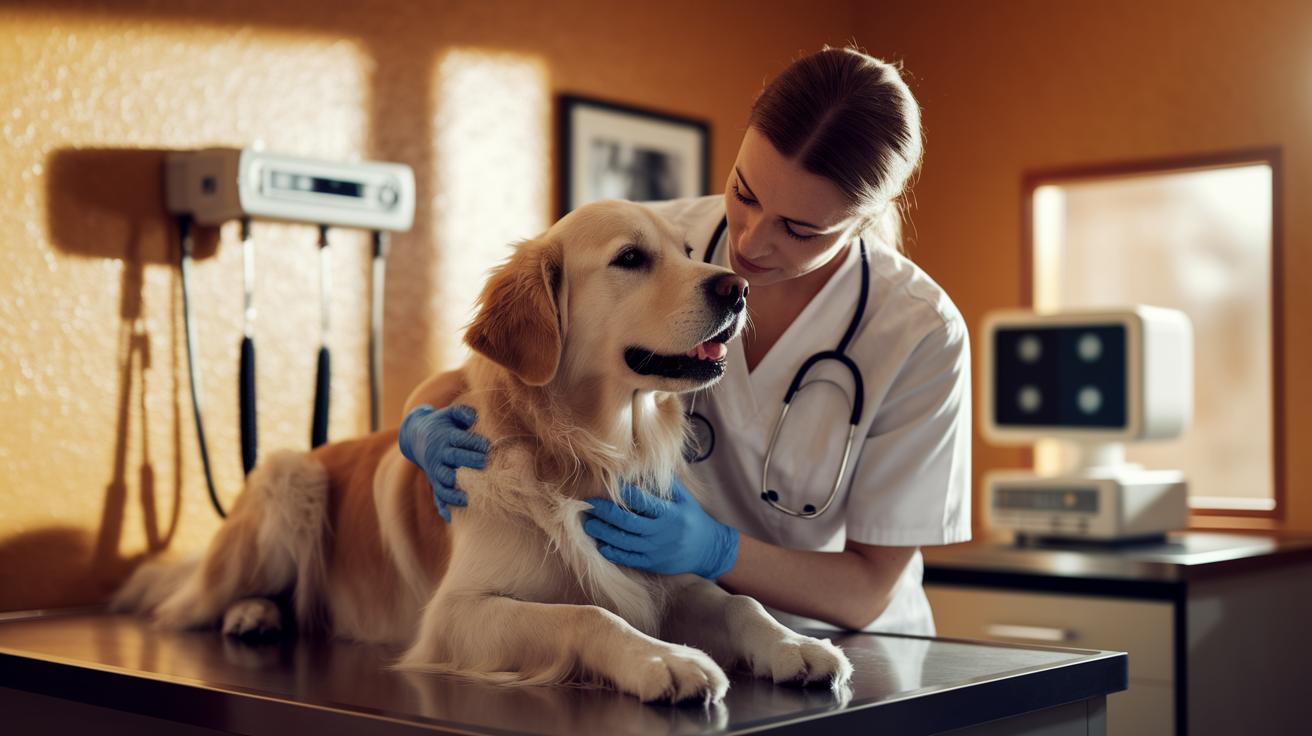
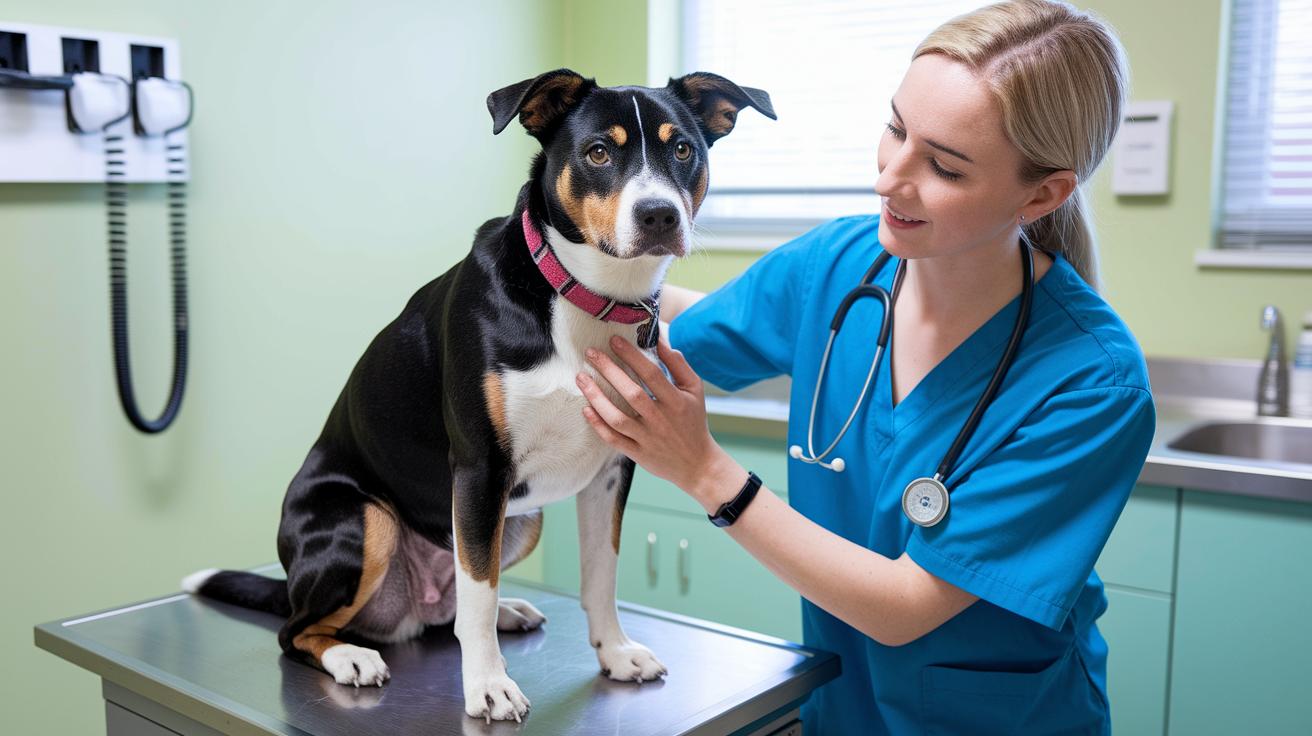
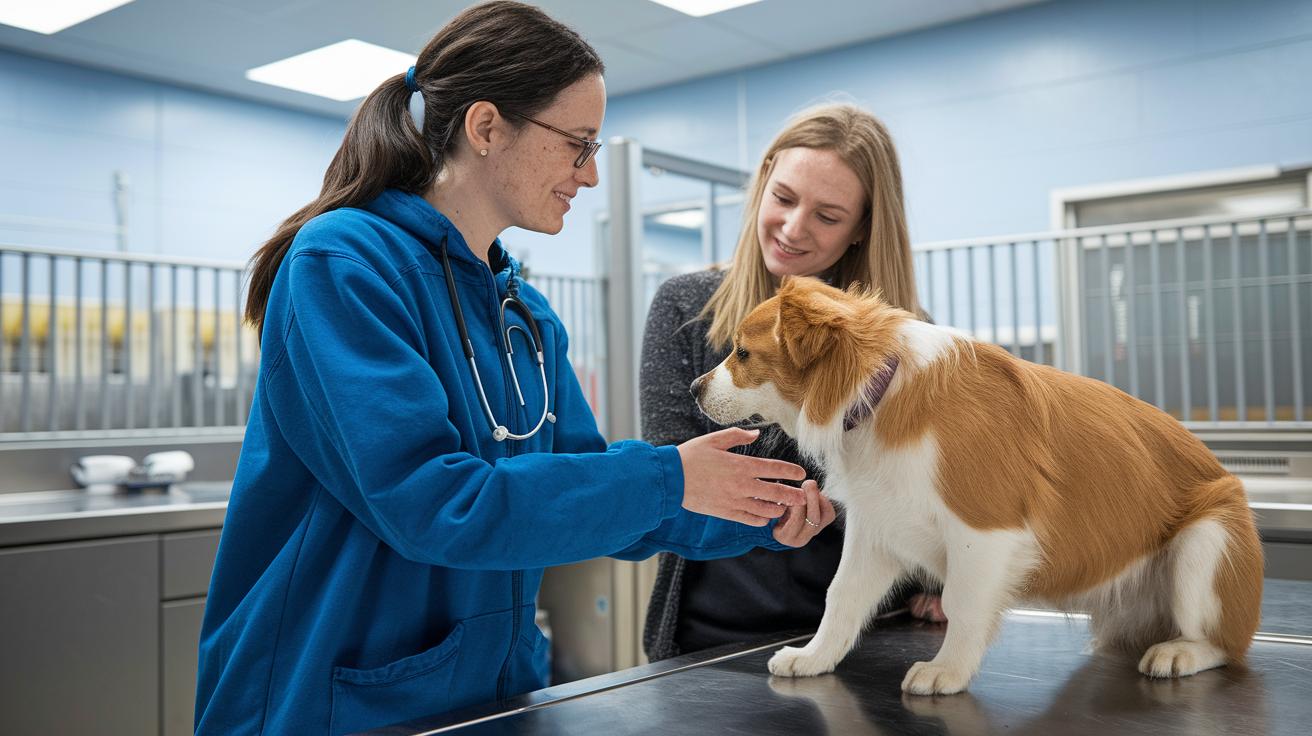
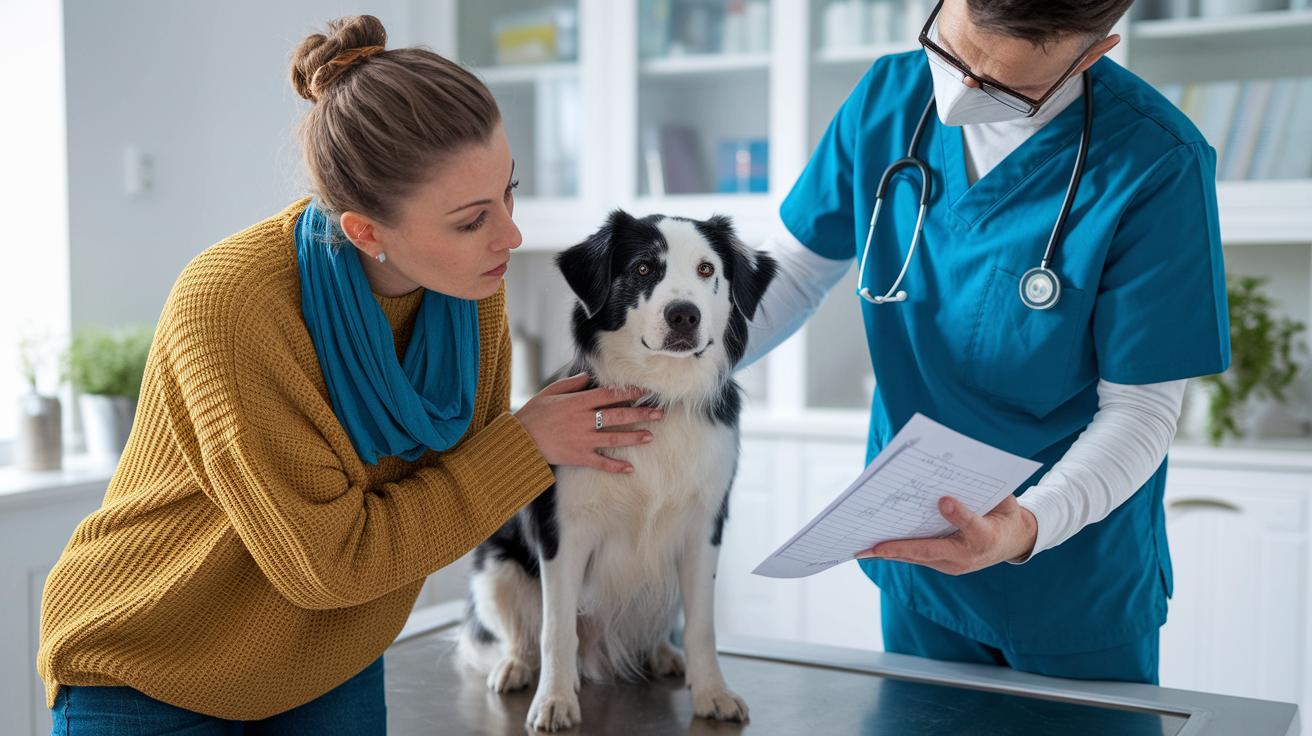
It feels a bit like a cozy chat with a caring friend about your pet’s well-being. You can set up an appointment at a time that works for you, then see the vet on your screen as if they were right there next to you. They’ll look at your pet’s signs of health, and even spot any problems, using your device.

This smart way of caring for your furry friend is turning pet care into something both easy and quick. It gives you comfort and speedy solutions for keeping your little buddy happy and healthy.

How veterinary online consultations work

img-1.jpg

Virtual Appointment Process

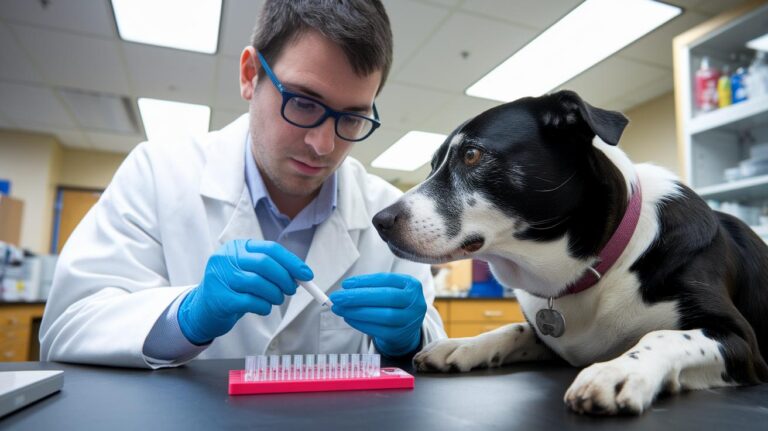
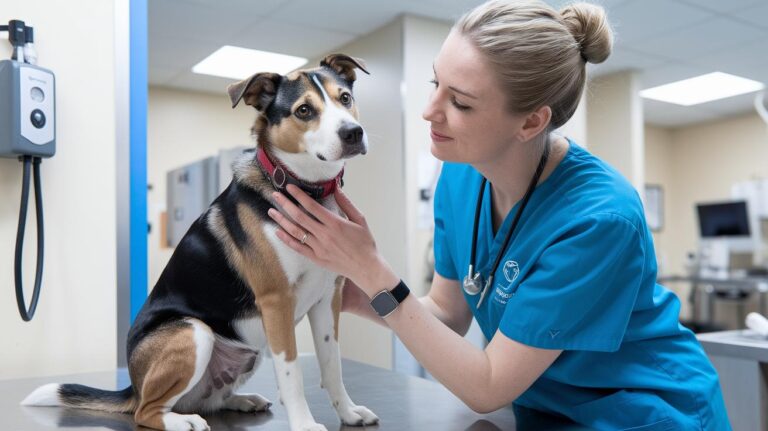
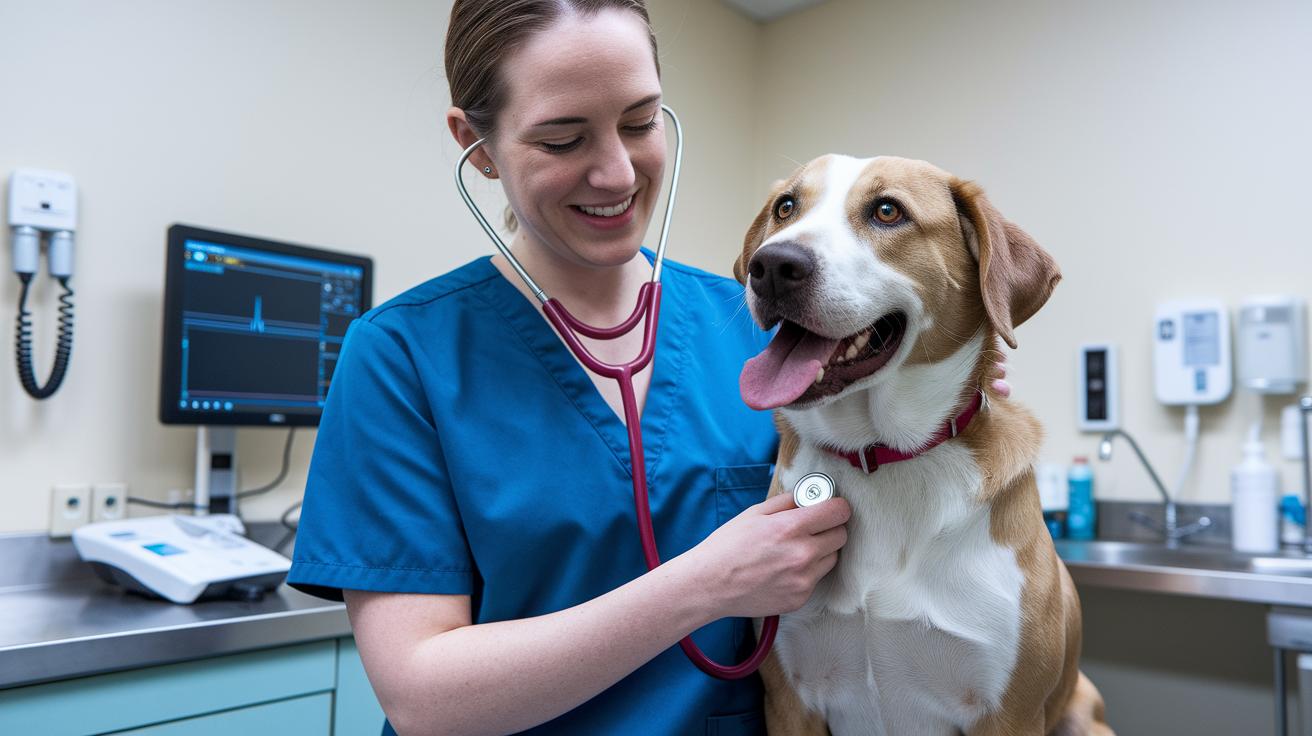
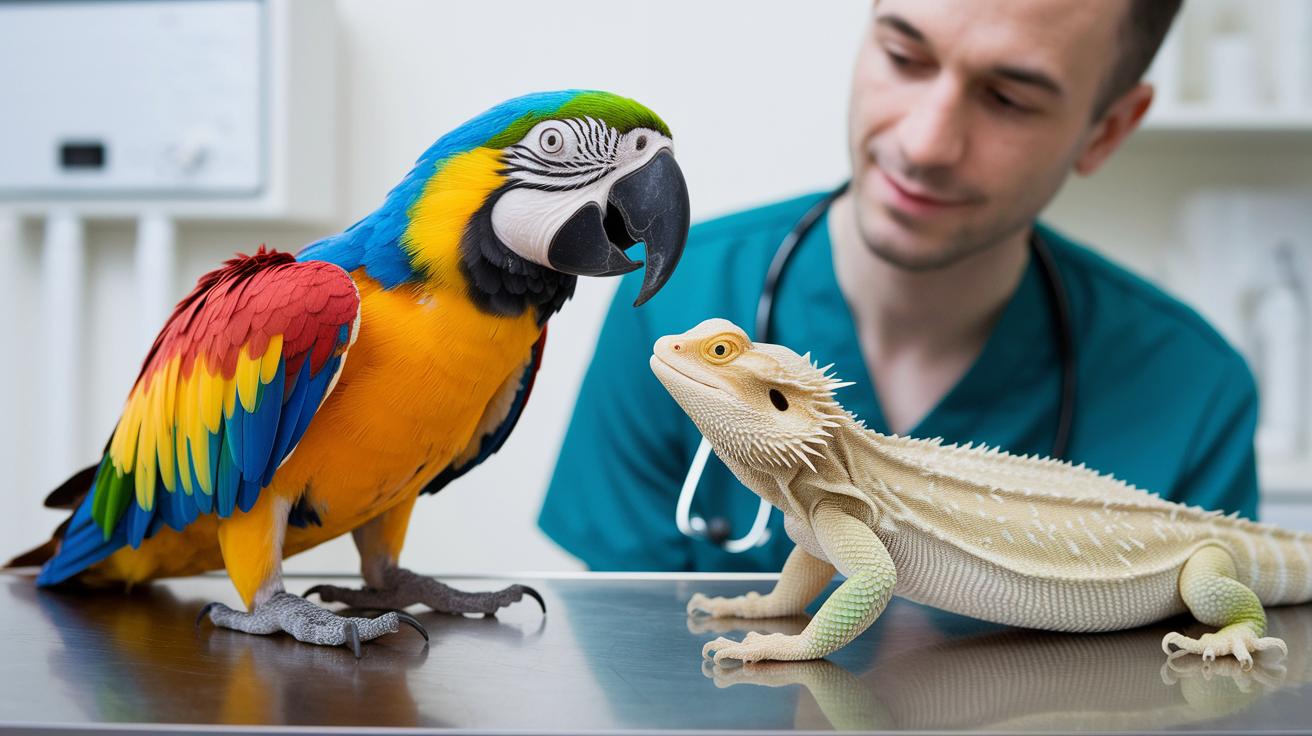
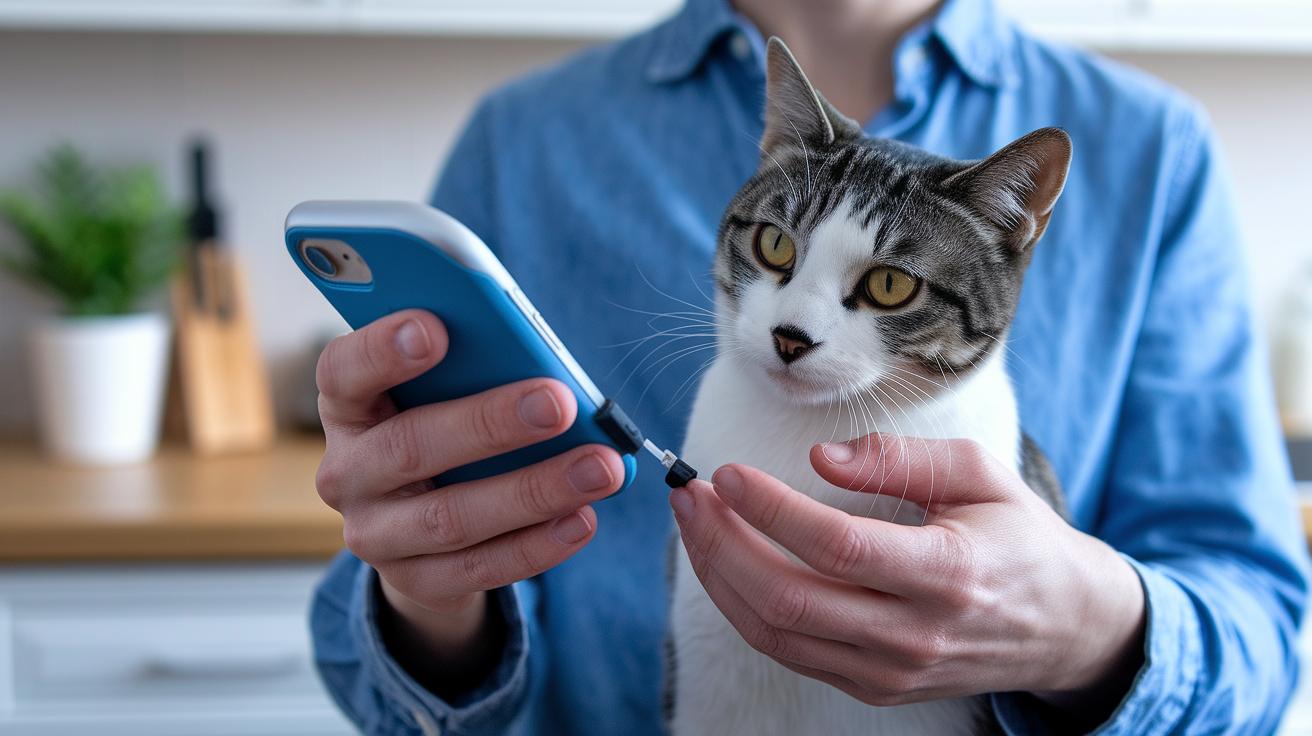
Booking a virtual vet appointment is really simple. First, you head over to your clinic's website or a trusted service like Chewy's Connect (a platform that helps you connect with pet experts online). Many of these sites even have a pet health app, making it as easy as checking your calendar. Next, you pick a date and time that suits you. When your appointment time rolls around, you join a video call on the chosen platform. A licensed U.S. veterinarian will chat with you while you show your pet up close, whether it’s a playful dog, a calm cat, or even a curious reptile. It helps to get your pet ready in advance, make sure they’re comfortable and visible so the vet can spot any signs of illness. After the call, the vet might suggest simple follow-up steps or recommend additional tests if needed.

Prescription and VCPR Rules

When it comes to prescriptions during online consultations, there are a few important rules. State regulations require that your pet's vet already has a relationship with you and your pet (this is called a veterinarian-client-patient relationship, or VCPR) before they can prescribe medications like antibiotics. Without this established connection, the online appointment might only offer basic advice, not a prescription. Even though a video call lets the vet see many common signs of health issues, a full physical exam just isn’t possible remotely. Prices vary by provider, and every licensed vet follows strict guidelines to ensure telehealth is offered safely. Always double-check that your chosen service meets these VCPR rules to keep your pet safe and well cared for.

Selecting a veterinary online platform for your pet

img-2.jpg

Finding the right online vet for your pet can feel a lot like hunting for that extra tasty treat they can’t resist. Some services charge you for each visit, while others let you subscribe for regular advice. This means you can find a plan that fits both your pocket and your pet’s needs, whether it’s a one-time checkup or ongoing care.

Take Chewy’s Connect, for example. It stands out because it shows you exactly what you’re paying for and gives you reliable care. When you’re browsing, check for clear pricing details. Is the fee a flat rate or billed by the hour? Do they offer payment plans? These little checks can help you steer clear of any hidden surprises.

It’s kind of like comparing prices for pet food – you want a deal that gives you great value without extra costs. Consider these details:

  • Easy-to-understand fee structures and available payment plans
  • Affordable options for virtual care
  • Trustworthy reviews and proven track records for competitive telemedicine rates

Also, make sure the platform explains all the costs right up front. That way, you won’t be confused by any hidden fees later on. With clear pricing, you can trust that you’re choosing a service that meets your pet’s wellness needs without breaking the bank.

Verifying credentials in veterinary online services

img-3.jpg

When you're picking an online vet, start by making sure they hold a valid U.S. veterinary license and board certification. This shows they’re qualified. A good virtual pet doctor will proudly list their credentials on their profile. Look for something like VIN membership, it means the vet keeps up with the latest on testing, medication (drugs), treatments, and research, so your pet gets trustworthy advice.

Take a good look at each vet's bio. A licensed online pet doctor will usually share their years of experience and any special training they've had. And don’t forget to check if the whole platform is accredited. Accreditation means the service meets strict standards, giving you extra peace of mind.

Here are some easy steps to follow:

Step What to Do
1 Check the vet’s license and board certification from a trusted source.
2 Look for credentials like VIN membership or similar signs of up-to-date training.
3 Read user reviews and detailed bios that mention hands-on experience with different pets.
4 Make sure the virtual service itself is accredited.

Choosing a licensed online pet expert and a certified virtual platform is key to building trust. With a bit of careful checking, you can feel confident that you’re getting solid help to keep your furry friend happy and healthy.

Veterinary online pet care advice for common health issues

img-4.jpg

Online pet care is a handy way to get help quickly when your furry friend faces small health issues like dehydration or a light sunburn. It offers easy, step-by-step tips to guide you in taking care of your pet at home until you can get to a clinic. Plus, you can chat with a licensed vet from afar who really understands your pet’s needs.

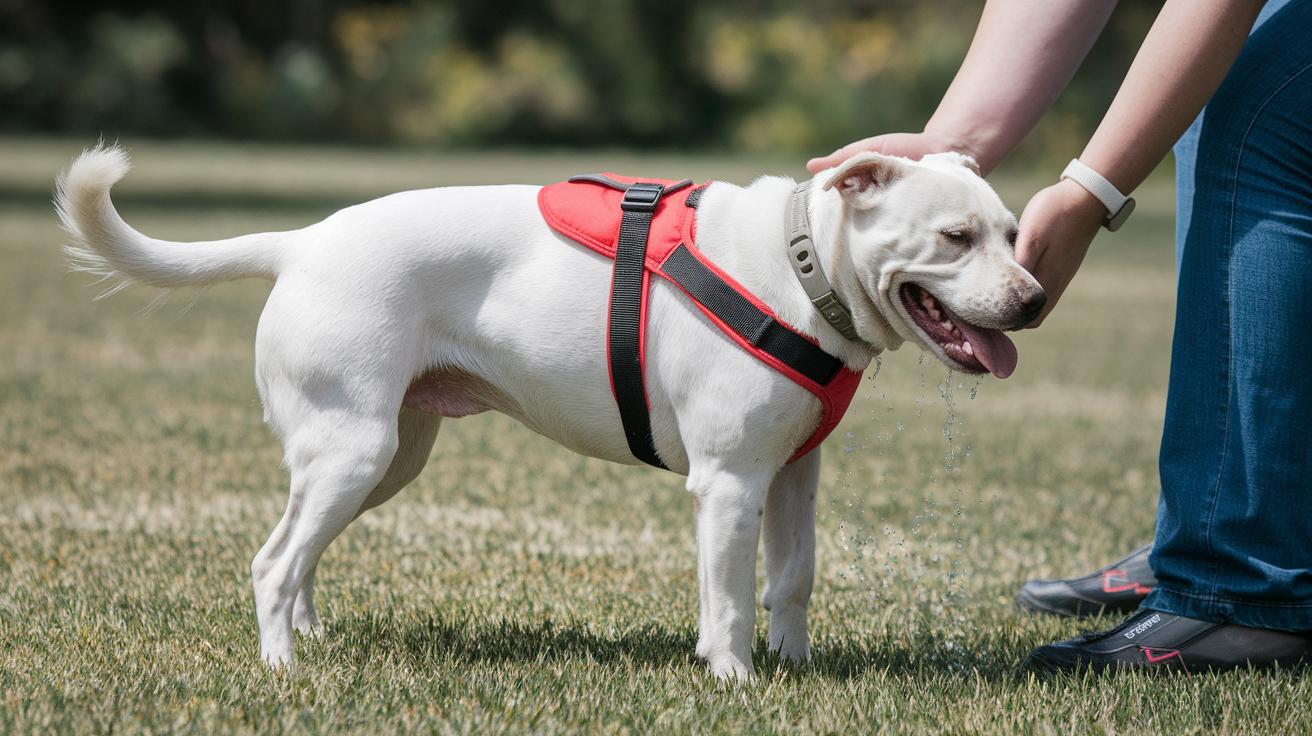
If your pet shows signs of dehydration, like a dry mouth or being unusually tired, an online check-up can tell you to offer water or even an electrolyte solution (a drink that helps replace lost fluids). For pets that have nearly drowned, a digital vet might guide you on drying them off safely and keeping an eye out for any breathing troubles. And if your pet gets a sunburn, especially those with little fur or light skin, online advice usually suggests using cool compresses or pet-safe lotions. But remember, if the burn looks bad, a face-to-face visit is a must.

When bugs get too close for comfort, like with insect bites or bee stings, a friendly online vet can explain how to watch the bite area and lower any swelling. Still, if your pet starts having trouble breathing or swelling a lot, you should get them in for a check-up quickly. And if you’re wondering about any pet medications, online experts are there to offer tips on proper dosing, just keep in mind that their advice complements, but does not replace, a full exam by your vet.

Condition Online Care Tips When to Seek In-Person
Dehydration Give water and monitor your pet If your pet grows more tired or starts vomiting
Near-Drowning Dry them off well and check their breathing If coughing or breathing trouble is seen
Sunburn Use a cool compress or pet-safe lotion If there are blisters or lots of pain
Insect Bites/Bee Stings Apply a cold pack and watch for swelling If severe allergy signs show up
Medication Questions Ask digital vet for dosing ideas If any side effects or reactions happen

Digital vet advice gives you quick, reliable tips to keep your pet safe. It feels like a friendly chat with someone who truly cares, but always remember that nothing beats an in-person care when your pet really needs it.

Veterinary online emergency guidance and in-person referrals
img-5.jpg

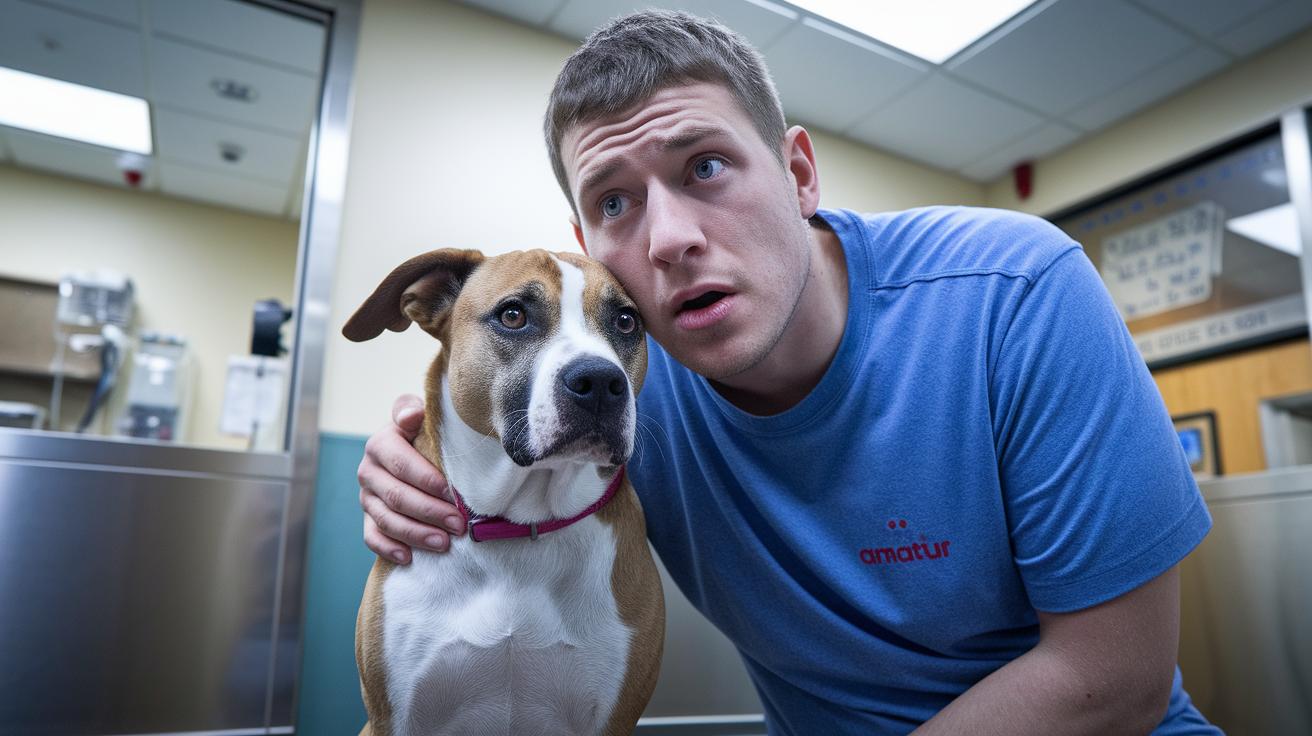
When your pet is in real danger, like heavy bleeding, suspected poisoning, or a big injury, online advice just isn’t enough. In these moments, you need to rush your pet to an animal emergency room or urgent-care clinic right away. While talking with an online vet can help sort out smaller issues, nothing beats an in-person exam by a caring professional who can really check for hidden problems.

Even if you’re chatting with a virtual vet, always have a backup plan for getting your furry friend hands-on care quickly. It’s a lot like knowing when to call the fire department instead of trying to put out a real blaze with a garden hose. The virtual service can help decide what to do next, but your pet will always benefit from a full, face-to-face checkup. So, keep the phone number of your closest emergency clinic nearby to ensure your pet gets prompt, real-world help when it matters most.

Reviewing veterinary online platforms: user experiences

img-6.jpg

Many pet owners love using online pet care platforms because they make life so much easier. Chewy’s Connect, for example, gets a lot of praise for its quick and friendly virtual pet service. I read one review that said, "Everything was so simple. I scheduled an online pet checkup in minutes, and the follow-up was friendly and clear." That kind of feedback brings comfort, knowing that caring experts are ready to help with everything from playful pups to curious cats.

Many users mentioned how easy it is to navigate these sites. One pet parent shared, "I never imagined that booking a pet consultation could be so stress-free. It's like having a caring vet right in my pocket!" Reviews like these show that fast answers and clear advice really matter to pet parents. All in all, positive digital testimonials highlight that convenience and clarity are key in making online pet care a reliable help for our furry friends.

Final Words

In the action, we explored how veterinary online consultations work, from booking a virtual vet appointment to checking credentials and understanding pricing. We shared simple pet care tips for issues like dehydration and sunburn, along with advice on when in-person visits are needed.

We also looked into emergency guidance and real reviews from pet owners. Embrace the benefits of veterinary online care to feel confident and connected, knowing your pet receives caring, informed support every step of the way.

FAQ

Online vets who write prescriptions, free online vet prescription, are there online vets that will prescribe medication, and can Chewy online vets prescribe medication?

Online vets who write prescriptions do so after reviewing your pet’s health history. Chewy’s service and others follow state rules by issuing prescriptions only when there’s an established pet-vet relationship.

Cheap veterinary online, free veterinary online, and 24-hour vet online free?

Cheap and free online vet services exist for basic consultations. Some platforms offer cost-effective options or even free advice, with a few providing 24/7 support for urgent, non-life-threatening issues.

Veterinary online chat?

Veterinary online chat means you can message or video call a pet doctor for prompt advice. It’s a quick way to get minor concerns addressed or follow up after a regular check.

Best online vet and Chewy online vet?

A top online vet service offers clear pricing, friendly advice, and quick responses. Chewy’s service, for example, is popular for its easy-to-use platform and dependable care across different pet species.

Is an online vet worth it?

Online vet care is great for routine checkups and minor issues, offering convenience and immediate advice. However, for serious conditions, a face-to-face visit is still the best choice.

Can I get a vet degree online?

While online classes can support some pet care studies, a full veterinarian degree requires in-person labs and hands-on training that only traditional schools can provide.
Pet Supplies Buying Guide: Pawsome Selections

0

Ever get lost in the pet supply jungle at the store? It can feel like a guessing game when you're trying to pick the right stuff for your furry buddy, especially with so many choices for different ages, sizes, and health needs.

In this guide, we break it all down for you as if we're chatting over coffee. We’ll show you how to choose items that really brighten your pet’s day, from fun chew toys that entertain your playful pup to soft, cozy beds perfect for older pets who just want to relax.

It’s a simple roadmap that saves you time and money, making it easier to keep your pet happy and healthy.

Pet Supplies Buying Guide: Pawsome Selections

img-1.jpg

Start by thinking about what your pet really needs. Look at their age, breed, size, and health. For example, a playful puppy might need smaller chew toys and handy training pads, while a grown pet will appreciate tougher, longer-lasting items. Senior pets might love a soft orthopedic bed and joint support supplements. This helps you zero in on the right products and saves both time and money.

Next, break your shopping list into different product types. Here are some key categories to consider:

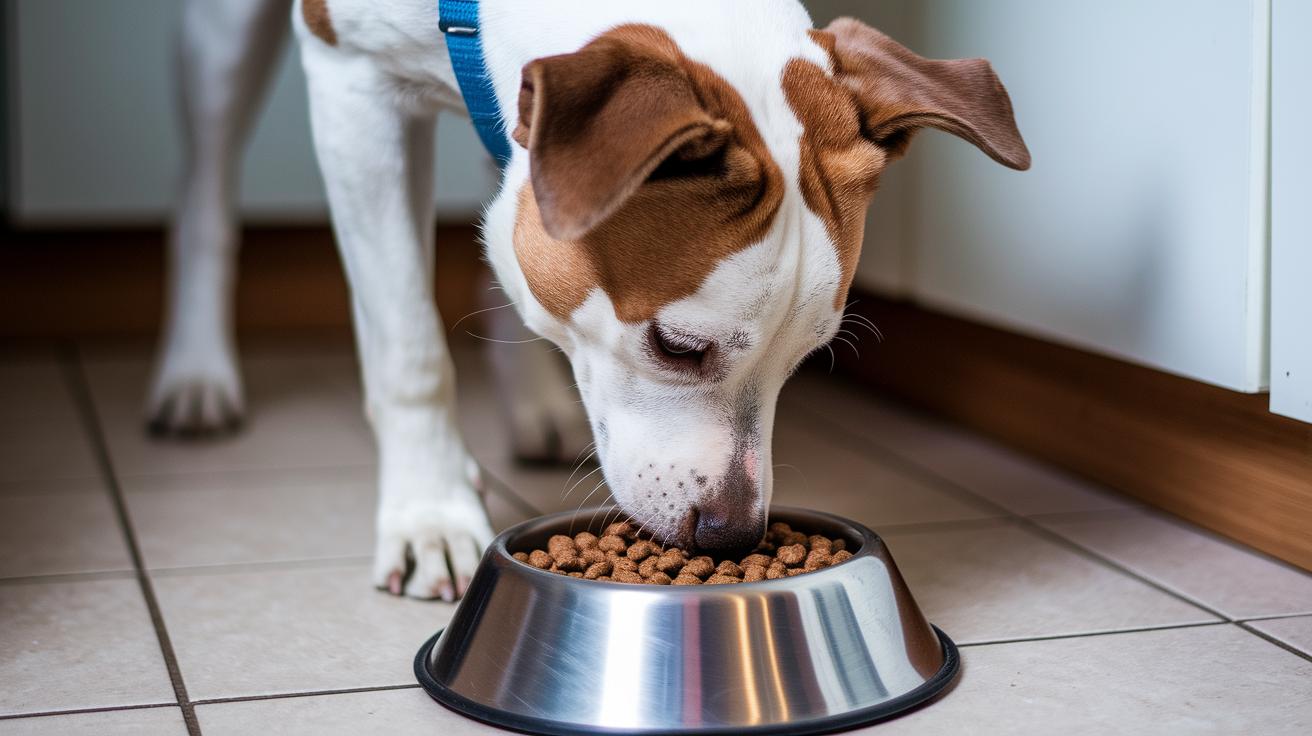
  • Nutrition: Find bowls that won’t slip and choose food that fits your pet’s diet. Dry food can help clean their teeth, while wet food helps keep them hydrated.
  • Grooming: Look at grooming tools like gentle nail grinders, clippers, or even scissors with multiple functions to match your pet’s coat and nail needs.
  • Safety and Comfort: Think about safety gear like reflective collars and leashes, along with cozy options such as plush beds and waterproof mats.
  • Tech and Travel: Check out smart gadgets like GPS collars and automatic feeders, and travel essentials like pet car seats and wide ramps for easier access.

Then, take a moment to compare prices and quality. Making a simple list of pros and cons for each option can help. For example, dry kibble might aid in dental care but sometimes comes with extra additives. Weigh that against a pricier choice that promises to last longer.

Finally, use customer reviews and expert advice to fine-tune your decision. Here’s a fun fact for pet lovers: the right supply can really boost your pet’s health and happiness. This roadmap makes shopping easier while keeping your pet’s well-being at heart.

Pet Supplies Needs Assessment: Matching Products to Life Stage, Size, and Health

img-2.jpg

When your puppy is just starting out, choose items that can keep up with their growth. Chew toys are perfect for easing teething and letting them explore safely, and training pads make those early potty breaks a little easier. Try mixing a fun, interactive toy with a training pad, maybe use a squeaky toy during play and then head outside for a quick potty break. It’s a small routine that helps build good habits.

As your pet grows into adulthood, they need gear that can handle their spirited play and nutrition suited to their energy. Sturdy toys are great for rough-and-tumble fun, and pairing dry kibble (which helps clean teeth) with wet meals (that add extra moisture) keeps them feeling lively. Make sure the food and toys match their breed and size so they get both plenty of play and the right nutrients.

For our older friends, comfort and safety come first. Products like orthopedic beds help ease sore joints while joint supplements keep them moving steadily. Setting up non-slip mats near their food and water areas adds an extra layer of safety. Imagine this: after a gentle walk, your senior pet settles into a supportive bed and enjoys their meal without any mess or fuss.

And for pets with allergies, caring for their special needs is key. Hypoallergenic shampoos can soothe irritated skin, while allergen-friendly diets help keep those sensitivities in check. In some cases, like with cats that have kidney issues, a prescription diet can adjust nutrients to better protect their health.

  • Puppies: Chew toys, training pads, and small-breed beds combined with interactive play routines.
  • Adults: Durable toys and a mix of dry kibble with wet meals to support everyday energy.
  • Seniors: Orthopedic beds, joint supplements, and non-slip mats to ensure safe, easy movement.
  • Allergy-prone pets: Hypoallergenic shampoos teamed with diets that are gentle on sensitive systems.

Key Pet Supply Categories: Comprehensive Product Guide and Features

img-3.jpg

Good nutrition is the foundation of a healthy pet. Using non-slip bowls keeps mealtime tidy, and while dry food helps clean their teeth, wet food gives them that extra bit of hydration they need.

Grooming tools are a must-have. Think nail grinders, clippers, and scissors that come in cool 3 in 1 up to 6 in 1 designs. There are also slicker and rubber brushes, plus shampoos, conditioners, and ear cleaners to round out your pet’s spa day. For instance, imagine handling a busy morning with one handy tool that both clips nails and brushes their coat.

When it comes to comfort, nothing beats cozy plush beds or orthopedic egg-foam beds. These beds offer a secure place for your pet to relax, especially if they have sensitive joints.

Keeping your pet’s area clean is simple with the right hygiene supplies. Washable waterproof mats and pee pads in charcoal or XXL sizes help control messes and odors easily.

Traveling with your pet? Look for secure car seats and extra-wide ramps that make rides smooth and safe. Plus, safety gear like reflective collars, padded harnesses, and fixed or retractable leashes ensure that every walk is worry-free.

Tech gadgets add a fun, modern twist to pet care. Smart collars, automatic feeders, and interactive cameras let you keep an eye on your furry friend no matter where you are.

Last but not least, sustainable options using recycled or organic materials are a great choice if you care about the environment. For more tips on green pet care, check out the
Eco Friendly Animal Supply Guide.

Category Key Items
Nutrition Non-slip bowls, Dry Food (cleans teeth), Wet Food (adds moisture)
Grooming Nail grinders, Clippers, 3 in 1 to 6 in 1 Scissors, Slicker & Rubber Brushes, Shampoos, Conditioners, Ear Cleaners
Comfort Plush Beds, Orthopedic Egg-Foam Beds
Hygiene Washable Waterproof Mats, Charcoal & XXL Pee Pads
Travel Car Seats, Extra-Wide Ramps
Safety Reflective Collars, Padded Harnesses, Fixed or Retractable Leashes
Tech Smart Collars, Automatic Feeders, Interactive Cameras
Sustainable Recycled & Organic Materials

Evaluating Pet Supplies: Reviews, Pros & Cons, and Cost Analysis

img-4.jpg

When you check pet supplies, it's best to really see how they perform over time. Imagine a chew toy that still looks bright and new even after weeks of play. By watching products in daily use, you can spot which ones last and keep your pet safe and happy.

It’s also smart to look at more than just the sticker price. Think about how long a product lasts and if it needs extra care. For example, a more expensive smart collar might work well for months, lowering the cost each day compared to a cheaper one you have to replace often.

Try breaking down your review into three parts. First, check the product with specific tests like how long it lasts, if it’s safe (no loose bits that could harm your pet), and if it needs a lot of fixing. Then, jot down the good and not-so-good parts. Instead of saying “it works well,” note something like, “The feeder dispensed food reliably but sometimes jammed with too many treats.”

Finally, consider long-term cost too. Weigh the buying price against any extra expenses like repairs. This helps you see real savings in the long run.

Criterion Real-Life Example
Durability “The toy stayed in great shape after daily play for a month.”
Safety “No pieces broke off during playful chewing, keeping my pet safe.”
Cost Efficiency “Paying a bit more meant fewer replacements over time.”

Pet Supplies Online: Navigating Stores for Affordable Items and Discounts

img-5.jpg

Shopping for pet supplies online really can be a breeze. Many sites offer free shipping on orders over $59, and you'll often find special sections just for dogs or cats. It’s a bit like having a neat checklist for your pet shopping, just pick your pet type, set a budget, and choose the features you need.

Using discount codes or setting up price alerts can help you save money while still getting quality items. Many stores even have loyalty programs that add extra savings over time. Plus, reading customer reviews helps you see if a product is durable and understand the seller’s return policy, giving you peace of mind when you decide what to buy.

Online retailers also come with handy filtering tools that let you compare products easily. Check the "Pet Supplies Online" page, where filters work like magic to show exclusive discounts.

Tip How to Use It
Search by pet type Select features for your dog, cat, or other pet
Apply filters Sort by brand, price, and rating
Use discounts Combine coupon codes, loyalty programs, and price alerts

Each of these little tricks helps you navigate the online maze with ease. And that way, you keep your pet happy without stretching your budget too much.

Pet Supplies Maintenance & Usage Tips: Ensuring Longevity and Safety

img-6.jpg

Taking care of your pet supplies is a simple way to keep your furry pal safe and happy. Check your pet’s gear every few weeks. If you see a frayed leash or a cracked bowl, swap it out right away. This little habit helps stop any issues that might endanger your pet.

Stick to a regular cleaning routine for mats, beds, and other items. Think of it like washing your favorite t-shirt with mild soap and water, it keeps things fresh, stops smells, and fights off stubborn stains.

Also, remember that as your pet grows or if they’re bouncing back from health problems, the gear might need an update. A playful pup can outgrow its toys fast, and a senior pet might need simpler equipment for comfort.

Here are a few simple tips:

  • Check for wear and tear like torn toys or cracked bowls
  • Clean mats, beds, and supplies regularly
  • Replace or upgrade items at the first sign of damage

Keeping everything in good shape means more smiles, playtime, and safe adventures for both you and your pet.

Comparing Pet Supplies Brands: Warranties, Return Policies & Expert Recommendations

img-7.jpg

When looking for pet supplies, start by checking out what people say about each brand. Some brands have earned a great reputation by offering top-quality products focused on your pet’s nutrition and overall care. Take Hill's Pet Nutrition, for instance. They offer special meals for pets with dietary needs (think of it as food made just for those with unique tastes), kind of like how a loving pet parent would cook a hearty meal. Meanwhile, some eco-friendly makers design sustainable beds and accessories that help you choose a greener option.

Many companies stand behind their products with satisfaction guarantees ranging from 30 to 90 days. So, when you shop for items like nail clippers or scissors, look for warranties that cover defects or even offer free replacements if a snag comes up. A clear and fair return policy can really make a difference if the product just isn’t the right match for your furry friend.

Experts also suggest exploring themed items that can bring a bit of fun to your home. Think of a cat tree with a stylish design or a wooden scratch post that not only looks great but also keeps your cat safe and happy. Reviews and warranty details are handy guides in figuring out how trustworthy a brand is.

Before you make a purchase, it might help to use a quick checklist:

Satisfaction Guarantee Warranty on Grooming Tools Return Policy and Free-Replacement
30- to 90-day guarantee Covers products like clippers and scissors Clear policies that help if a product doesn’t work out

For even more options and detailed information on different brands and their warranty policies, check out resources like Pet Supplies. This extra info can guide you in making the best choice for your pet’s comfort and care.

Final Words

In the action, this pet supplies buying guide shows you how to pick the best items for your pet. You learned about matching products with your pet’s age, size, and health needs and got tips on finding quality, affordable items online.

Each section breaks down the choices, from comparing brands to keeping supplies fresh and safe. It leaves you with clear steps for smart shopping and caring for your pet every day. Enjoy making thoughtful pet care decisions!

FAQ

What is a pet supplies buying guide for dogs?

A pet supplies buying guide for dogs explains essential items like food, toys, and bedding, helping you pick products that match your dog’s breed, size, and age.

How does Pet Supplies Plus compare to other pet stores?

Pet Supplies Plus offers a range of quality items similar to well-known chains, providing a mix of nutrition, grooming, and tech products with a friendly store experience.

What should be included on a pet essentials list?

A pet essentials list covers standard items such as food, grooming tools, bedding, and safety gear, ensuring your pet remains healthy, cozy, and secure.

Do Home Depot and Lowe’s sell pet supplies?

Home Depot often carries select pet supplies like travel and safety gear, and Lowe’s outlines a pet policy that sets clear guidelines for shopping with your pet in-store.

What can I expect at PetSmart and Petco?

PetSmart and Petco feature wide selections from food to grooming and play items, with staff ready to help you choose products that promote your pet’s health and happiness.

How do you select the equipment needed to care for an animal?

Selecting pet care equipment means matching items to your pet’s life stage and health needs by considering factors like size, durability, and safety features.

How Stress Affects Pet Vitality: Spark Pet Energy

0

Ever notice how your pet might seem a little down sometimes? Stress can sneak up on them and change how they act. One minute they’re bouncing around playfully, and the next, they seem tired, like their energy has dried up.

You might spot tiny clues too. Maybe their fur isn’t as shiny as usual or they move slower than normal. These are subtle hints that stress is weighing on them.

In this chat, we’re diving into how stress can sap your pet’s spark and quiet their everyday joy. Stay tuned to learn simple ways to spot these signs, so you can help your furry pal feel lively and loved once again.

Stress and Pet Vitality: Core Physiological and Behavioral Impacts

img-1.jpg

When our pets get stressed, their bodies jump into action. It starts with the Sympathetic Adrenomedullary (SAM) system (this is like the body’s emergency response team) releasing epinephrine. This hormone makes a pet’s heart beat faster, quickens breathing, raises blood pressure, and boosts blood sugar. It helps them stay alert in the moment.

At the same time, another part of their body, the Hypothalamic-Pituitary-Adrenal (HPA) axis (think of it as the stress control center), kicks in and sends out cortisol and similar hormones. While a little stress can help a pet be more ready to play (like a pup suddenly alert after a funny noise), too much stress over time can mess with their body. It can lead to issues like immune trouble, an upset metabolism, and even make their cells age faster.

Pets that endure ongoing stress start to lose their spark. They shift from being playful and active to feeling tired and wanting to rest a lot. You might see a dull coat, hair loss, or changes in how they act. Imagine your furry friend who chases a ball with enthusiasm one day, then seems too tired to even wag their tail the next, these signs show just how deeply stress affects them.

By keeping an eye on these changes, we learn how stress trickles through both body and mind, draining energy and warmth from our beloved pets. Taking action and easing their stress can truly help them feel healthier and happier.

Identifying Stress Indicators That Signal Vitality Decline

img-2.jpg

When our pet feels stressed, it shows in both how they act and how they move. You might see your dog crouching low with trembling legs or panting hard after a walk. They can also drool a lot, pace around, or even have an upset tummy with vomiting or diarrhea. Picture your favorite pup suddenly panting and circling during a simple stroll, it’s a gentle hint that stress could be stealing their spark.

Behavior changes are big clues too. A usually playful cat might hide away when things get too much, and a happy dog could start chewing on furniture out of frustration. There might be shifts with food too, eating too little or too much, and even trouble sleeping, like restlessness through the night. Sometimes even accidents indoors can pop up when anxiety takes hold.

Older or ailing pets may show extra signs like a bit of forgetfulness, odd litter habits, or soft whines asking for comfort.

  • Crouching low, trembling, and extra drooling
  • Hiding away, destructive chewing, or even a bit of aggression
  • Shifts in appetite and not-so-restful sleep
  • Unexpected indoor accidents and restless pacing

Spotting these signs early helps you step in to support your pet’s well-being and keep that lively spirit shining bright.

How Stress Hormones Undermine Pet Energy and Health

img-3.jpg

When a pet feels stressed for a long time, its body starts pumping out hormones like cortisol. This hormone lowers the number of cells that guard against infections (lymphocytes are like little soldiers that protect against germs) and cuts back on antibodies. In simple terms, your furry friend becomes less able to fight off sickness.

At the same time, extra stress hormones called glucocorticoids mess with how pets use sugar (glucose is the fuel in their blood). This mix-up can lead to high blood sugar or even sudden energy drops, kind of like your car sputtering when it's low on fuel. Sometimes, this also makes it tougher for their body to handle sugar properly, a bit like insulin resistance.

Also, the pet’s body releases extra chemicals as part of its emergency response. These chemicals can lead to problems like inflammation or oxidative stress. For example, you might notice skin issues such as itchy rashes or areas your pet licks a lot (like lick granulomas). These changes can stir up tummy troubles, uneven weight, and trouble absorbing vital nutrients.

All these hormonal hiccups disrupt the way a pet’s brain and body chat with each other. Imagine your pet’s energy as a battery that slowly loses its charge with every stressful moment. It’s a gentle reminder to keep our little buddies as happy and calm as we can, so they keep that joyful spark alive.

Long-Term Consequences of Chronic Tension on Pet Vitality

img-4.jpg

When pets deal with ongoing tension, it goes beyond just feeling a bit off. Older pets might show signs like stiff joints or slower thinking. You might see a senior pet having trouble getting up from a nap or forgetting commands they used to know well. This shows that the stress is taking a bigger toll on their bodies than just a momentary worry.

We already talked about short-term stress effects, like quick changes in their hormones. Now, constant stress can actually speed up how fast their cells age. In simpler words, ongoing tension might make their joints stiffer and their minds slower.

Think about a playful pet that used to move freely. Now, it might take extra care with every step, rest more often, and seem less curious. Imagine a happy dog now hesitating on stairs or seeming unsure during playtime. It’s a clear hint that chronic tension is affecting them over time.

Environmental and Behavioral Strategies to Restore Pet Vitality Under Stress

img-5.jpg

Creating a warm and steady home can really help your pet feel less stressed and more energetic. When your furry friend feels safe, they tend to play more and relax into a calm mood. Little changes, like using puzzle feeders or setting up fun playtimes, can bring back that natural spark.

A regular routine works wonders. Feeding, walking, and rest times can make your pet feel secure, they know what’s coming next. When they feel safe, stress slowly melts away. Simple methods like positive reinforcement training, where your pet earns a treat or kind words for calm behavior, remind them that quiet times and gentle play are just as fun.

Your home’s spaces also matter a lot. A quiet corner with soft bedding or a cozy indoor retreat gives your pet a safe spot during stressful times. Calming tools, such as canine pheromone diffusers (devices that release a scent to comfort your pet) or gentle massages, can really soothe anxious feelings. Taking things slowly when introducing new sounds and sights helps turn surprises into fun learning experiences.

Here are some tips to help your pet shine again:

Tip Description
Interactive Toys Fun toys like puzzle feeders boost mental stimulation and play
Planned Exercise Regular play breaks give your pet a chance to move and have fun
Quiet Zones A calm area where your pet can relax and feel safe
Calming Aids Tools such as pheromone diffusers or soft music for a soothing atmosphere
Positive Training Sessions that reward calm behavior with treats or praise
Gradual Exposure Slowly introducing new sounds and sights to avoid overwhelming your pet

Nutritional and Supplement Approaches to Boost Pet Vitality During Stress

img-6.jpg

A balanced meal made from fresh dog food does wonders for your pet's energy and well-being. It helps keep their adrenal function and blood sugar on track (blood sugar is like fuel for your pet). This steady energy stop sudden crashes that make them feel tired.

Eating nutritious food is like giving your pet a smooth start to the day. These meals are full of vitamins and minerals that help the body handle stress. A good diet can even ease mealtime anxiety, so your pet stays lively and cheerful.

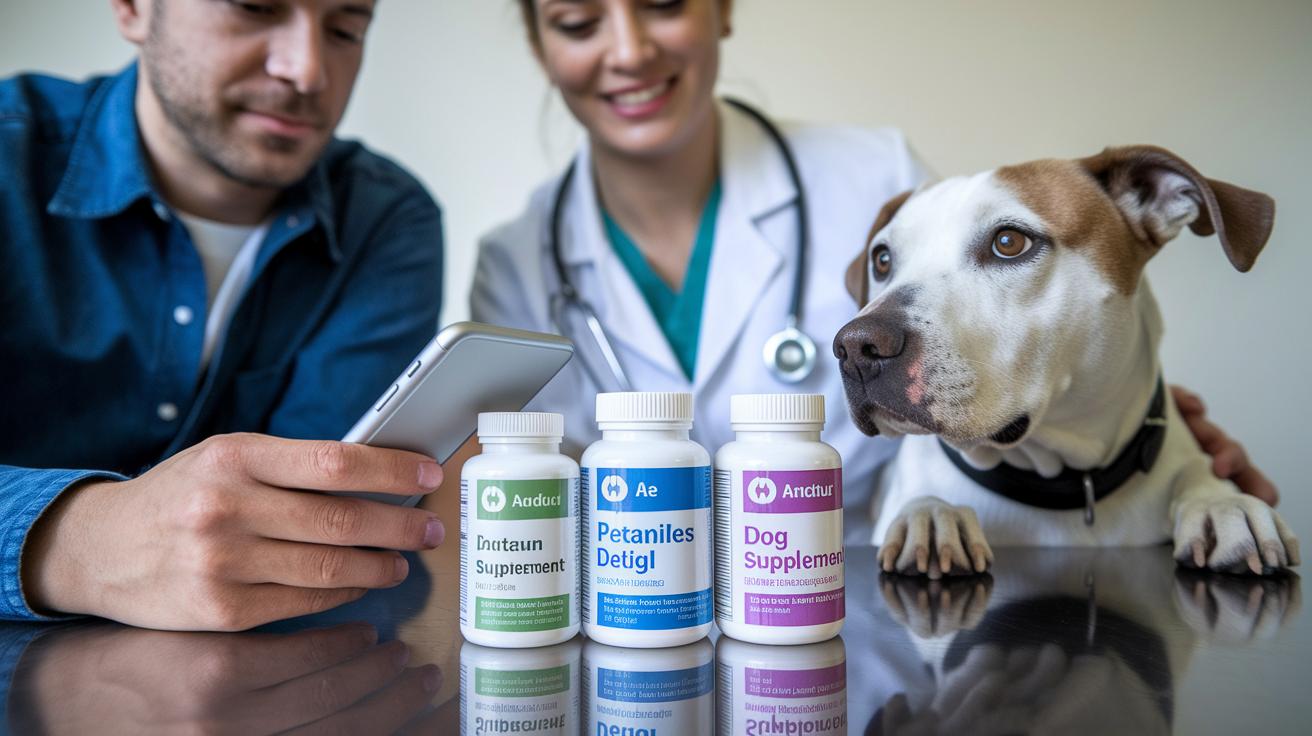
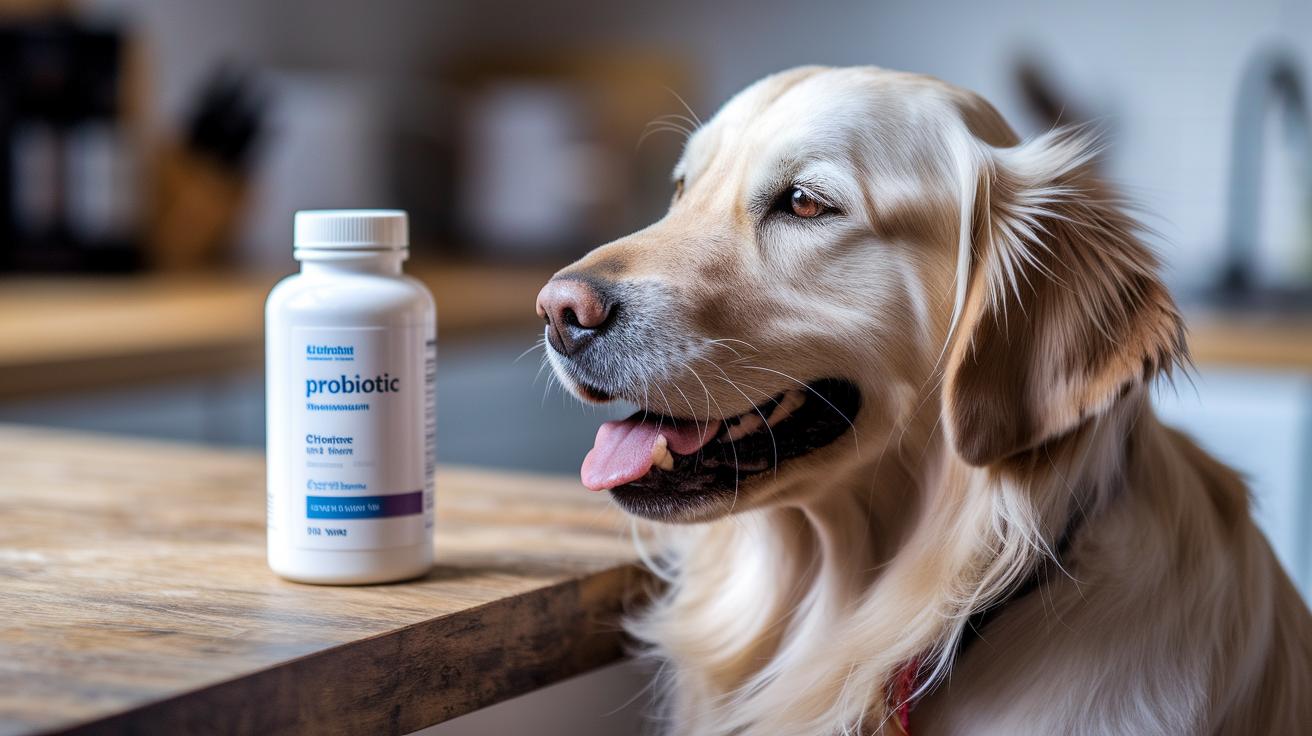
Some supplements can also help ease stress and boost your pet’s vigor. L-theanine, chamomile, and tryptophan work to balance the chemicals in your pet’s brain (these are natural mood helpers), helping them feel calm. Omega-3 fatty acids, which are in many supplements, can reduce inflammation and keep the brain in top shape. Even gut-health probiotics play a part by aiding nutrient absorption and strengthening your pet’s natural defenses. Think of probiotics as little helpers, making every bite count.

Sticking with a routine feeding schedule can also ease the stress of unexpected hunger, keeping your pet’s energy consistent. Combining balanced meals with smart supplements gives your pet the boost they need to stay energetic and relaxed.

img-7.jpg

If your furry friend has been showing signs of stress for over two weeks or if things seem to be getting worse, it might be time to chat with a professional who understands pet care deeply. Things like ongoing vomiting, diarrhea, unusual skin patches, or constant shaking are your pet’s way of saying, "I need some help!" Even a sudden drop in energy or unusual aggression can signal that something more serious is going on.

In such cases, a veterinarian or a certified pet behavior expert can help. They might run a few tests (like checking for hormone issues, which can affect your pet’s mood) and suggest a plan to ease your pet’s stress. Imagine it like a gentle check-up where every little detail counts, much like when you check on a puppy’s playful antics during a fun day at the park.

Getting help quickly can stop minor troubles from turning into big problems. Taking this step can help your pet bounce back to their lively, tail-wagging self, keeping both of you happier in the long run.

Final Words

In the action, we explored your pet's physical and emotional signals, from changes in playfulness to shifts in eating habits. We broke down how hormonal responses and everyday routines intertwine to lower energy levels. We also shared clever ideas for a balanced diet, calming spaces, and quality playtime that can brighten your pet's day.

Remember, knowing how stress affects pet vitality can lead to simple changes that help your furry friend feel more lively and loved.

FAQ

How does stress affect pet vitality in humans and dogs?

The effect of stress on pet vitality comes from hormonal imbalances that lower immune responses and energy levels. Both pets and their owners can experience changes in behavior and physical health when stress prevails.

What are common signs of stress in animals?

The common signs of stress include trembling, panting, pacing, hiding, and changes in appetite and sleep patterns. These shifts in behavior and physical symptoms help spot stress early in pets.

How does stress impact animals’ overall health?

Stress impacts animals by disrupting normal hormone levels, which interferes with immunity and digestion. This can lead to skin issues, energy loss, and overall poorer health over time.

Can your stress affect your dog?

Your stress can indeed affect your dog, as they often pick up on your anxiety. This may cause them to become less playful, more withdrawn, or exhibit unusual behavior patterns.

What are the first signs of stress in dogs?

The first signs of stress in dogs include subtle changes like reduced playfulness, hiding, altered eating habits, and pacing. These early cues indicate that the dog is becoming affected by stress.

Transitioning Your Pet To A New Diet: Thriving

0

Ever wonder if changing your pet's food suddenly might upset their tummy? Many pet parents have found that slowly easing into a new diet makes all the difference, keeping our furry friends calm and content.

Here’s a simple seven-day plan that gives your pet’s tummy (the part that helps digest food) time to adjust. Think of it like introducing a new treat bit by bit instead of all at once.

By taking it slow, you’re helping your pet enjoy a smoother transition to healthier, more energetic days. Ready to give your pet the best start? Let’s make it happen together.

Why a Gradual Approach Matters When Transitioning Your Pet to a New Diet

img-1.jpg

Changing your pet's food all at once can really upset their stomach. A gentle, seven-day switch gives their digestive system time to adjust from dry kibble to wet or fresh food without causing big problems. For instance, start out with about 25% new food mixed with 75% of their old food during the first meals. This slow change helps keep surprises like loose stools or a queasy feeling at bay, much like slowly introducing a new flavor to your pet’s dinner plate.

Taking the transition slow prevents discomfort and keeps your pet feeling happy and healthy. Quick changes can lead to tummy troubles and sometimes even make your pet feel less energetic. By sticking to a step-by-step plan, you help your pet digest their food better and maintain overall well-being. This way, your furry friend stays cheerful and comfy as they get used to the new diet.

Step-by-Step Plan for Transitioning Your Pet to a New Diet

img-2.jpg

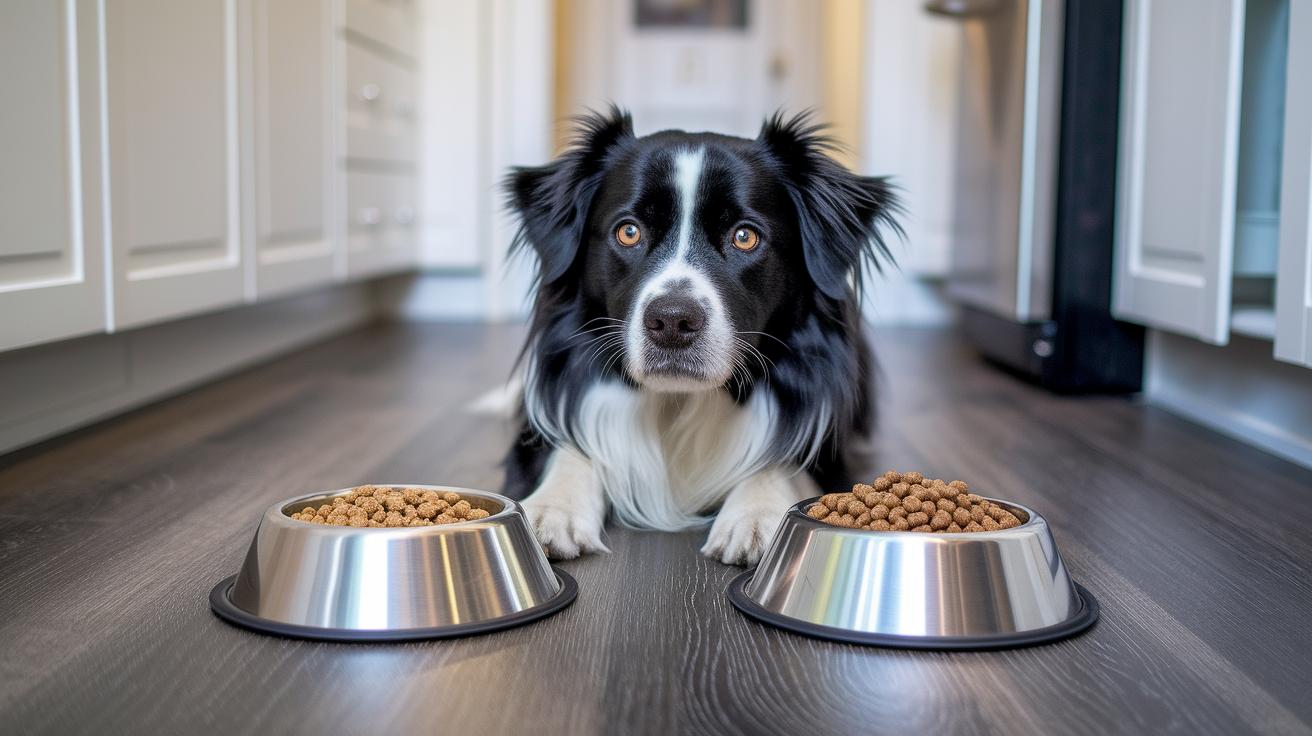
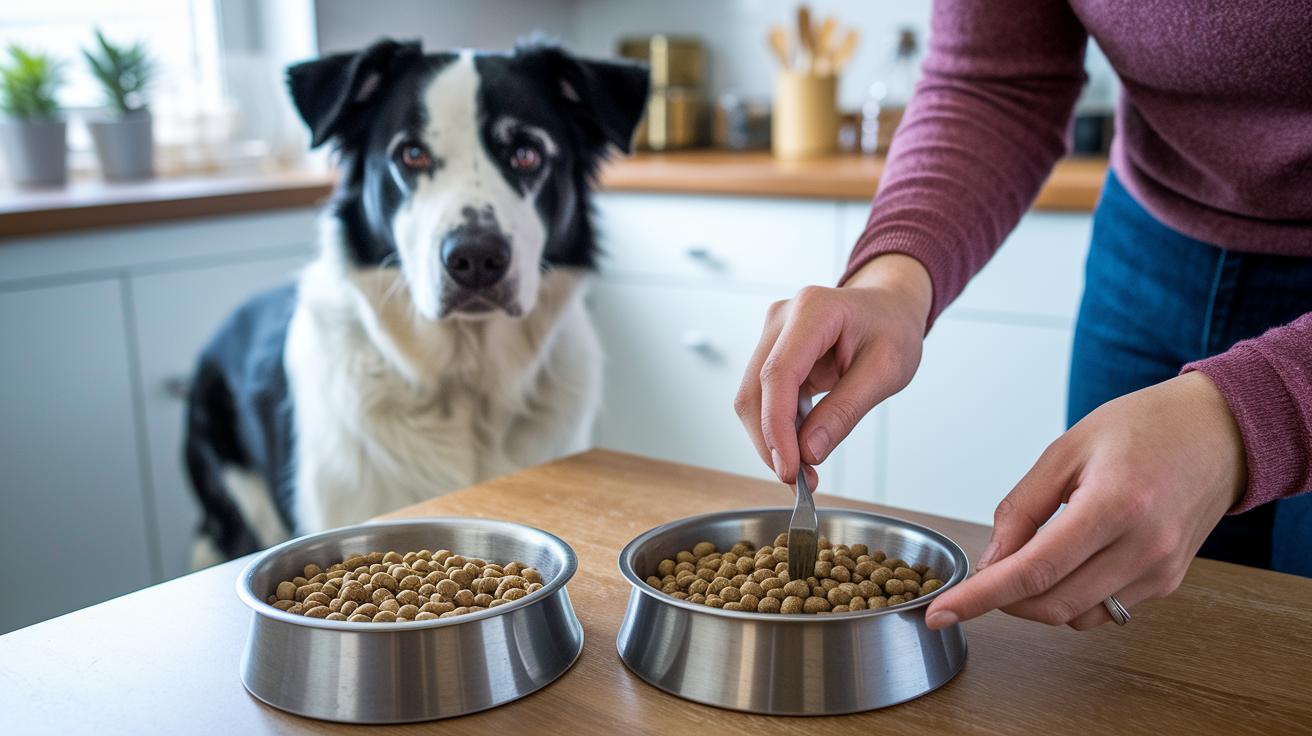
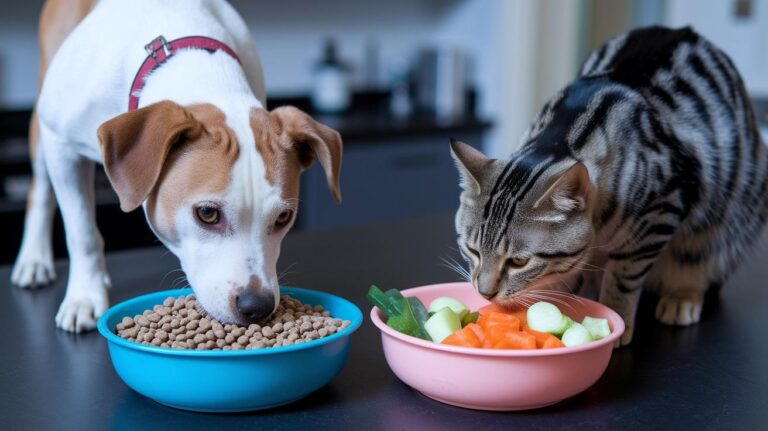
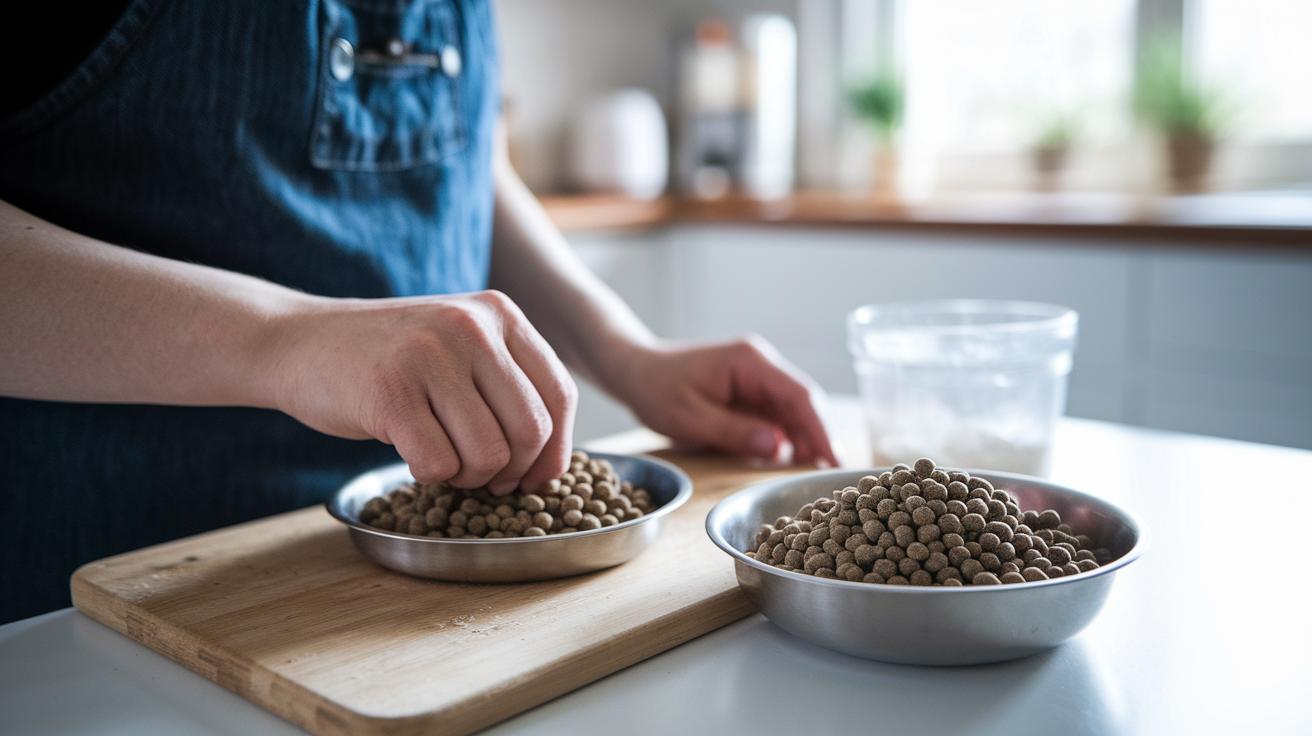
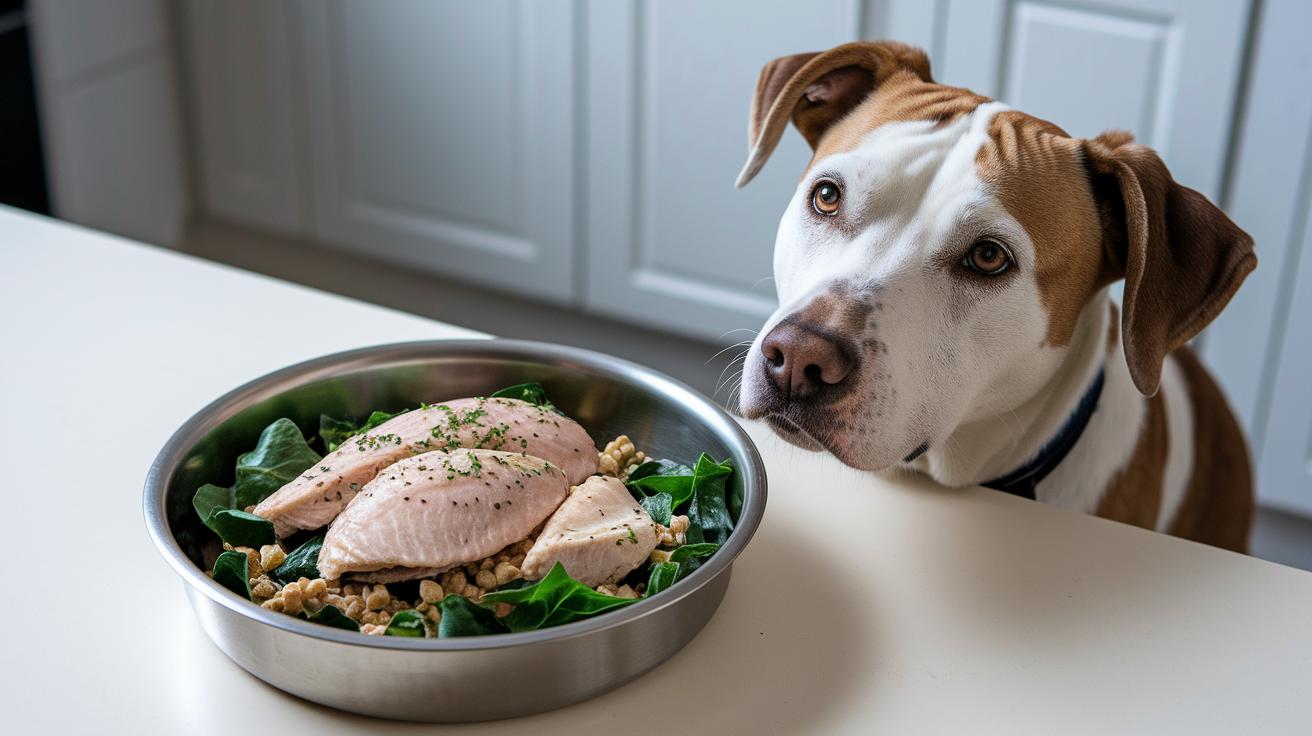
A daily plan makes changing your pet's food feel easier. Using a step-by-step approach, you gradually mix in new, healthy meals like fresh dog food while slowly reducing the old food. This helps your pet adjust without feeling overwhelmed. Serving wet and dry foods in separate bowls even lets your pet pick the texture they like best, keeping things smooth. And having both types of food on hand avoids any break in the plan.

Day Range Old Food % New Food %
Days 1-2 75% 25%
Days 3-4 50% 50%
Days 5-6 25% 75%
Day 7 0% 100%

Sticking to this plan over the week helps your pet's tummy get used to the change. Even if your pet jumps for joy at the sight of new food, following this timeline keeps upset tummies at bay. Check on your pet each day and serve meals separately so you can catch any signs that the change might be too fast. This steady plan builds a strong start for your pet's long-term health and makes mealtime a happy time for everyone.

Monitoring Health During Your Pet’s Diet Transition

img-3.jpg

When you change your pet’s food, keep a close watch on how they handle the switch. Notice if they experience any loose stool, vomiting, or if their appetite drops, or if they seem more tired than usual. These little signals tell you that their tummy might be struggling to adjust. If you see these signs sticking around for over 48 hours, try slowing down the process or even stepping back one stage so their stomach can settle. Sometimes, taking a gentle break can really help your furry buddy feel more comfortable.

If your pet continues to seem upset with constant vomiting, blood in their stool, or very low energy, it’s best to call your vet right away. For pets with extra sensitive tummies, some owners find that options like dog food for sensitive stomach can soothe the irritation. Keeping an eye on your pet early on lets you make small changes to ensure the new diet feels like a smooth transition instead of a sudden shock.

Customizing Your Pet’s Diet Transition for Age, Breed, and Needs

img-4.jpg

Every pet has its own little quirks that make it special. When you switch up their food, keep in mind that each one handles change differently. A puppy or kitten, for example, grows fast and might do well with small, quick tweaks in their meals. Meanwhile, older pets might benefit from meals that are easier on their stomachs and joints, so you can mix things up in just the right way for each furry friend.

For young pets, a tiny change goes a long way. Try mixing in a small bit of the new food with their regular meal, and watch as their curious taste buds adjust step by step. And for senior pets, adding a bit more fiber or a special joint-support formula can make mealtime more comfortable. Their slower digestion means a gentle switch can really help avoid an upset stomach or extra weariness.

Some breeds might need a little extra care. Pets with sensitive tummies or those prone to pancreatitis might do better with lower-fat meals or recipes made to soothe their digestion. If you’re trying out frozen raw food, keep an eye on how they handle the colder meals so they don’t feel any discomfort. Adjust the mix gradually and listen to their cues, ensuring every pet enjoys a smooth transition to happier, healthier eating.

Solving Common Issues When Transitioning Your Pet to a New Diet

img-5.jpg

Sometimes, your pet may be hesitant to try new food. If you notice your furry friend turning up their nose, try feeding them small, hand-fed bites or mix a teaspoon of the new food into their favorite meal. This gentle method lets them slowly taste and get comfortable with the change. Think of it like easing into a fun, new flavor, keeping both the old and new food on hand means your pet never feels rushed.

If your pet still struggles with minor tummy troubles, such as a bit of loose stool or a light upset stomach, it might help to extend the transition period. Stretching it out to 14 days can give your pet more time to adjust without any discomfort. And if these issues continue for a couple of days, a quick talk with your vet or a pet nutrition expert can really put your mind at ease and set the right path for your pet’s new diet.

Final Words

In the action, pet owners learn why a gradual change is the best route for a happy tummy. We shared a clear step-by-step plan and practical tips to work through each stage while watching for signs of upset. Customizing care for age or breed keeps meals special, and simple troubleshooting helps smooth out bumps. Remember, transitioning your pet to a new diet means embracing small, steady changes that bring comfort and joy to mealtime.

FAQ

What are the symptoms of changing dog food too quickly?

Changing dog food too quickly often triggers loose stools, vomiting, and lethargy, as a rushed transition can upset your pet’s sensitive stomach.

How can I switch dog food without causing diarrhea?

Using a gradual method to mix old and new foods can help avoid diarrhea by giving your pet’s digestive system time to adjust slowly to the change.

Is there a guide or tool like a dog food transition calculator or chart to follow?

A dog food transition calculator or chart provides a simple day-by-day mixing ratio plan that guides you over a seven-day period to safely shift your pet’s diet.

How do I switch dog food when my pet doesn’t like mixed textures?

For pets that prefer not to mix food types, serving old and new foods in separate bowls can ease the transition and encourage acceptance of the new diet.

Can changing dog food kill a dog?

Abruptly switching dog food can lead to serious digestive upset, but a slow, gradual transition helps minimize risks and protects your pet’s health.

What is the Hills food transition guide?

The Hills food transition guide suggests a slow mixing method over several days, reducing digestive stress so your pet adapts smoothly to the new food.

How long does it take for a dog to adjust to a new diet?

Dogs typically need about seven days to adjust when you gradually change their food, allowing their digestive system to adapt over time.

What happens when you change your dog’s diet?

Changing your dog’s diet can temporarily alter stool consistency and digestion, making a slow transition key to preventing discomfort.

When should a pet’s diet be changed?

A pet’s diet should be adjusted for health reasons, age-related needs, or after veterinary advice, with changes made gradually to ensure smooth adaptation.

How do you introduce a new diet to your dog?

Introducing a new diet should begin with a small mix of new food (about 25%) with the current food, gradually increasing the new portion to help your pet adjust safely.

Veterinary Specialties: Expand Your Knowledge

0

Have you ever wondered why some vets seem to work magic with your pet? They start with a basic degree and then get extra hands-on training in areas like x-ray work (radiology), surgeries, and nutrition. Every vet builds on a solid foundation, polishing their skills through internships and residencies. This post shows how 41 different specialties come together like pieces of a puzzle to offer each pet precise and heartfelt care. Dive in and discover how these skills make a real difference in your furry friend's health.

Comprehensive Overview of Veterinary Specialties

img-1.jpg

Veterinary medicine offers 41 unique specialties spread across 22 different organizations. Every veterinarian starts with a basic DVM degree and then gears up with a one-year internship and a two- to three-year residency. This extra training helps them become really skilled at meeting the many different health needs of our pets.

These specialties cover a broad range of care. Some are all about diagnosis, like radiology (using X-rays and similar tools to see inside the body) and pathology (studying disease). Others focus on treatment, with experts in surgery, cancer care, and more. There are also areas dedicated to preventive care, things like helping pets eat right and stay healthy, and even specialties for treating exotic or wild animals.

  • Anesthesia and pain management
  • Dentistry
  • Skin care (Dermatology)
  • Emergency and Critical Care
  • Internal Medicine
  • Medical imaging (Radiology)
  • Surgery (both bone and soft tissue)
  • Cancer care (Oncology)
  • Nutrition and Preventive Medicine
  • Exotic and Wildlife Medicine

For pet families, this wide range of specialties means that every pet can receive care that fits its unique needs, from routine visits to more complex treatments. For professionals, specializing opens the door to focused practices, research, and even teaching roles. With all this dedicated, hands-on training, veterinarians can deliver care that feels both expert and heartfelt, ensuring our furry friends get the very best support throughout their lives.

Veterinary Specialty Certification and Training Requirements

img-2.jpg

After earning a DVM, veterinarians start a challenging journey that includes a one-year rotating internship followed by a two- to three-year residency in the specialty they choose. This hands-on training helps them build solid skills to care for your pets. They learn by working side-by-side with experienced specialists, practicing real-world techniques, and understanding the theory behind every treatment. And to prove their expertise, they pass tough board exams from bodies like the American College of Veterinary Surgeons, American College of Veterinary Radiologists, American College of Veterinary Dermatology, American Veterinary Dental College, and American College of Veterinary Internal Medicine.

Specialty Certifying Board Training Duration
Surgery ACVS 2-3 years
Radiology ACVR 2-3 years
Dermatology ACVD 2-3 years
Dentistry AVDC 2-3 years
Internal Medicine ACVIM 2-3 years
Emergency and Critical Care ACVECC 2-3 years

Board exams require vets to show both a deep understanding of pet care theory and strong hands-on skills with real case studies and practical tasks. They need to nail these rigorous exams, which test everything from careful surgical work to thorough diagnostic procedures. Plus, learning doesn’t stop there. Many specialists join regular workshops, seminars, and hands-on training sessions to update their skills and explore new treatments and technology. This dedication to continuous learning helps board-certified veterinarians stay current and ensures they provide the most effective and caring treatment for your beloved pets.

In-Depth Look at Clinical Veterinary Specialties

img-3.jpg

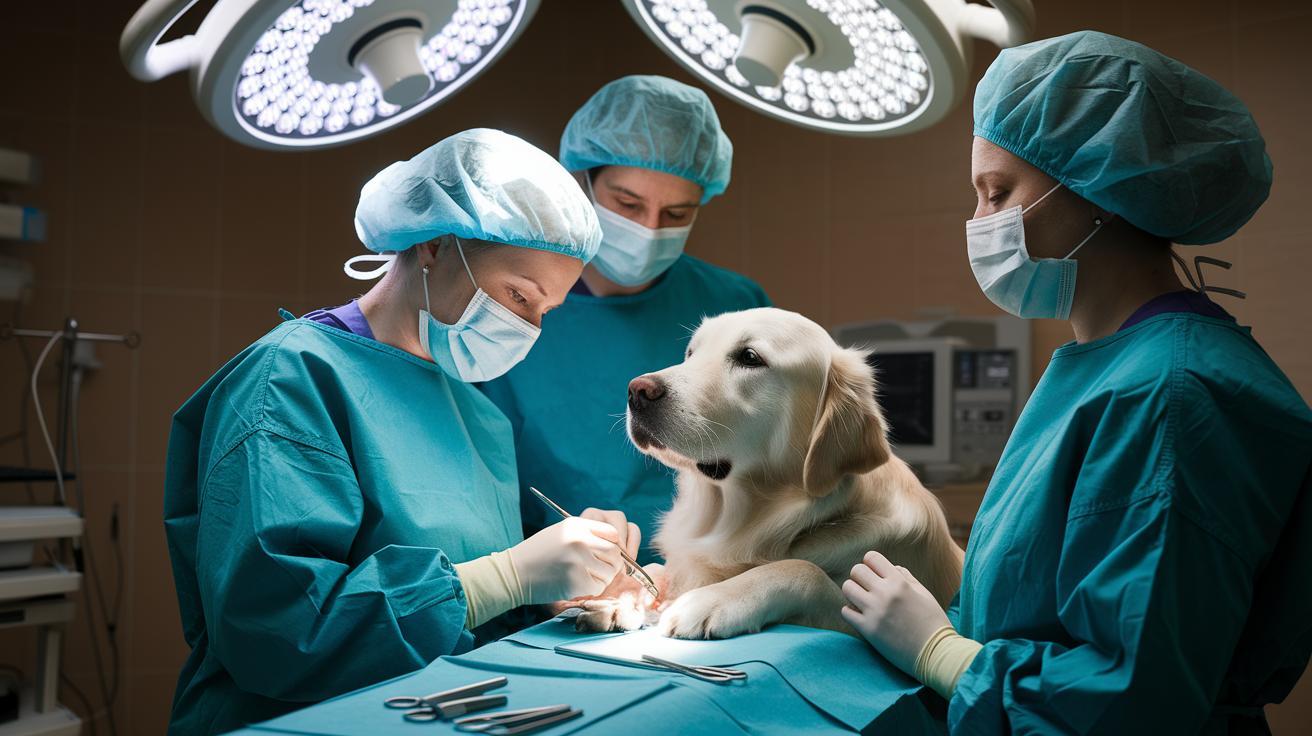
Veterinary surgeons certified by ACVS are true lifesavers for our pets. They use up-to-date surgical tools and careful techniques to fix broken bones or torn ligaments. Imagine a gentle doctor carefully realigning a broken limb so your furry friend can be playful again.

Veterinary dermatologists, recognized by ACVD, are the experts when it comes to pet skin. They treat allergies, infections, and other skin problems. You might picture a calm exam room where a caring specialist soothes your pet’s itchy or red skin with a gentle touch.

Veterinary oncologists under ACVIM Oncology focus on fighting cancer with treatments like chemotherapy, radiation, and surgery. They create detailed plans to manage tumors while keeping your pet’s overall health in mind. It’s heartwarming to see a dedicated team working hard to offer hope.

Veterinary cardiologists take care of your pet’s heart with tests such as echocardiograms (heart ultrasounds). They check for murmurs and irregular beats by listening closely to your pet’s heartbeat. Hearing that steady rhythm can really ease a pet owner’s mind.

Veterinary internal medicine specialists work on more complicated issues affecting multiple organs. They rely on blood tests and ultrasounds, among other tools, to shape long-term care plans. Think of a careful check-up where every test result guides your pet toward better health.

Veterinary radiologists, certified by ACVR, use X-rays, CT scans, and MRIs (Magnetic Resonance Imaging) to capture clear images of what’s happening inside your pet’s body. Their work is like looking at a detailed map that shows hidden details, helping pinpoint injuries or illnesses.

Veterinary gastroenterologists, part of ACVIM Gastroenterology, specialize in digestive troubles such as inflammatory bowel disease and liver issues. They combine thorough exams with careful monitoring to ensure your pet gets the best diet and medical care for a healthy gut.

Specialized Roles in Animal Care and Species-Specific Veterinary Specialties

img-4.jpg

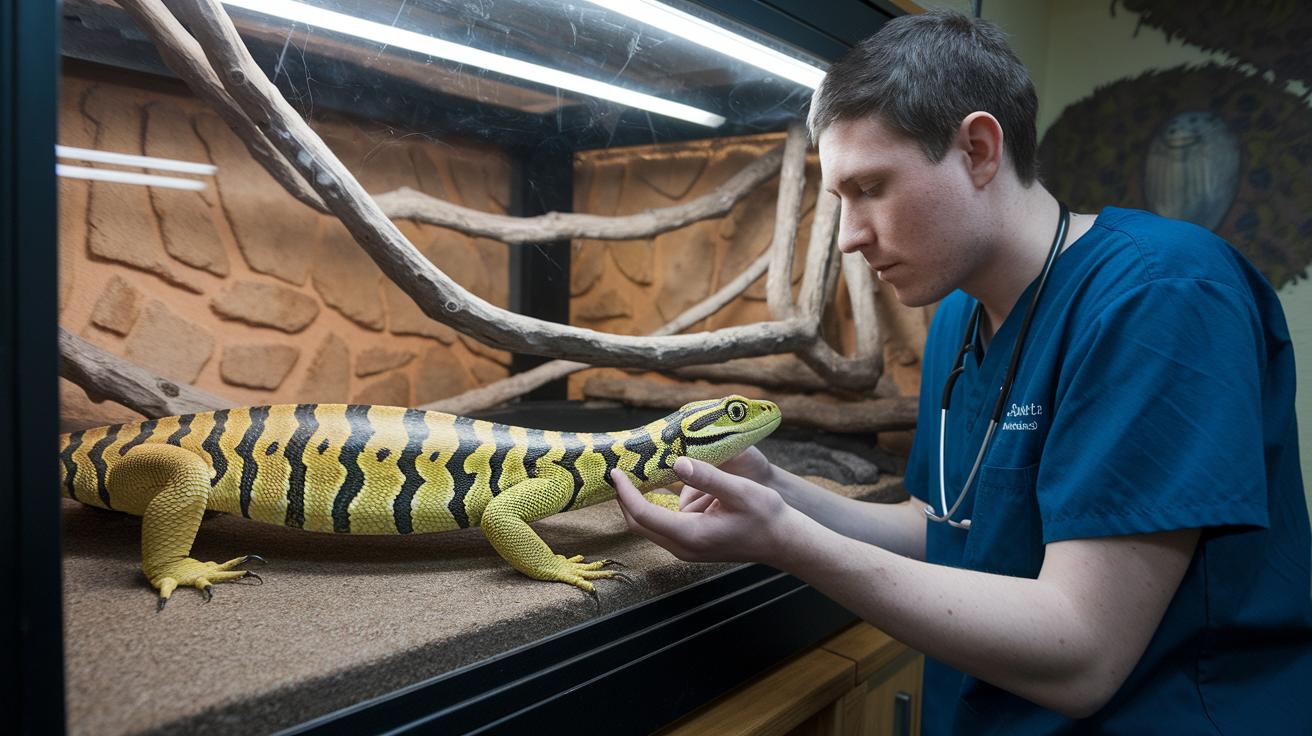
Exotic animal specialists work with unique pets like lizards, colorful birds, and tiny mammals. They handle everything from meal plans to the right kind of home for these pets. Imagine a vet checking a reptile’s diet while making sure its terrarium feels cozy. They mix solid science with a gentle touch to keep these animals happy and healthy.

Laboratory animal medicine experts take care of research critters such as mice, rabbits, and even some primates. They watch over living spaces carefully to support research in a kind way, making sure each animal stays calm and well. Their attentive care helps scientists learn new things that make life better for both animals and people.

Poultry veterinarians focus on keeping birds in large flocks safe and sound, which is key to food safety. Picture a vet strolling through a barn, gently inspecting chickens’ feathers and beaks to catch any signs of disease. Their careful work means the birds stay healthy and our food supply stays strong.

Wildlife and conservation veterinarians help out endangered animals in places like zoos, sanctuaries, and rehab centers. They treat a wide mix of animals, from big mammals to rare birds, with care that addresses both quick fixes and long-term needs. Their special skills are all about protecting our planet’s diverse creatures.

Then there are companion animal specialists who care for dogs and cats at home, and large animal veterinarians who look after livestock and horses. Whether you’re talking about a playful pup or a hardworking farm animal, these vets blend practical know-how with big heart to make sure every pet gets just what it needs.

img-5.jpg

Veterinary specialties open up many rewarding career paths. Vets can choose to work in classrooms, research labs, business settings, or focused clinical practices. As more people welcome pets into their homes, the need for high-level pet care keeps growing, giving skilled professionals steady work and plenty of chances to try new challenges.

Take veterinary surgeons, for example. These experts perform detailed orthopedic and soft tissue procedures that demand a lot of precision and extra training (advanced training means learning more complex skills). Alongside them, diagnostic imaging pros use tools like X-rays, CT scans, and MRIs to spot problems that aren’t obvious at first glance. It’s often these specialists, surgeons and radiologists, who top the salary charts. In many cases, even cardiologists earn similar figures because they use tests like echocardiograms to manage heart issues.

There’s also a rising need for experts in exotic animal care and telemedicine. With more pet owners caring for non-traditional companions and opting for remote consultations, new opportunities are emerging. Vets who develop skills in these areas get to blend practical clinical expertise with modern tech tools, meeting the diverse needs of today’s pet families.

Beyond helping pets every day, these specialties can also lead to roles in teaching and research. For many, further certification in areas like surgery, oncology, or cardiology paves the way to a rewarding and high-paying career. As the veterinary field continues to expand, professionals who mix classic techniques with innovative care are sure to find success.

img-6.jpg

Digital radiology is really changing how we care for our pets. Using tools like X-ray, CT, and MRI (fancy imaging that shows inside the body), these scans offer sharp, clear views of what's happening inside. Imagine spotting a hidden break with just a quick digital scan. It helps our vets understand our pet’s issues fast so they can choose the best treatment.

Minimally invasive surgeries are another game changer. With just small cuts and special tools, these procedures help pets recover quicker and with less discomfort. Picture your pet bouncing back sooner after a surgery, back to chasing toys and wagging tails with hardly any downtime.

Telemedicine is opening new doors for pet care too. Now, pet owners can chat with vets over video calls, no matter where they live. This means that even if you’re far from a big city, expert advice is just a call away, turning a worrying moment into a bit more manageable one for both you and your pet.

New research is pushing pet care into exciting directions. Integrative therapies like hydrotherapy (water exercises) and acupuncture (tiny, careful needle treatments) are boosting sports medicine and rehabilitation for pets. Plus, with fresh cancer drugs and advanced heart devices on the horizon, veterinary care is set to get even more precise, gentle, and easy for every pet owner.

Final Words

In the action, we explored a detailed look at veterinary specialties. We discussed training paths, common roles, and the impressive scope covering diagnostic, therapeutic, and species-specific care. The article highlighted key fields like surgery and preventive medicine, while offering insights into certification paths and emerging innovations.

This quick recap shows how each piece fits together. Veterinary specialties offer pet owners and professionals amazing ways to improve care. It’s uplifting to see how advanced insights make pet wellness more accessible every day.

FAQ

List of veterinary specialties

The question about the list of veterinary specialties tells us that areas include diagnostic, therapeutic, preventive care, and species-specific branches like dentistry, dermatology, and exotic medicine. Each requires extra training after a DVM degree.

Veterinary specialties near me

The inquiry about veterinary specialties near you means locating local clinics or hospitals offering expert care in areas such as emergency services, internal medicine, or exotic animal care. Online directories and local listings are good starting points.

Veterinary specialties jobs

The question on veterinary specialties jobs points to a variety of career roles in clinical practice, research, and academic settings. Advanced training through internships and residencies often leads to these rewarding positions.

How many veterinary specialties are there

The question about how many specialties exist explains that there are more than 40 recognized veterinary specialties across several organizations, each demanding specialized training beyond the standard DVM requirements.

American Board of Veterinary Specialties

The query referencing the American Board of Veterinary Specialties indicates it certifies specialists who complete rigorous internships and residencies after earning a DVM, ensuring high standards in animal care.

Highest paid veterinary specialties, veterinary specialists salary, and What veterinary specialty is the highest paid?

The question regarding which specialties are highest paid shows that careers in surgery, oncology, and cardiology typically offer the best salaries, with roles in radiology and specialized surgical areas also earning competitive pay.

Veterinary Technician Specialties

The inquiry about veterinary technician specialties highlights roles where technicians specialize in areas like anesthesia support, emergency care, or diagnostic imaging, complementing the work of board-certified veterinary specialists.

What are the 11 types of vets?

The question about the 11 types of vets refers to common categories including anesthesia, dentistry, dermatology, emergency care, internal medicine, radiology, surgery, oncology, nutrition, exotic, and wildlife medicine, among others.

Which is better, VMD or DVM?

The question comparing VMD and DVM illustrates that both degrees qualify a veterinarian to practice medicine. They are equivalent credentials that lead to similar opportunities in animal health care.

What are the six specialties of the American College of Veterinary Internal Medicine?

The question about the six specialties of the American College of Veterinary Internal Medicine indicates divisions in areas such as cardiology, neurology, oncology, small animal internal medicine, large animal internal medicine, and critical care, each requiring dedicated residency training.

Eco Friendly Pet Supplies Make Tails Wag

0

Ever wonder if your pet’s treats could also help our planet? Eco friendly pet supplies let you care for your furry friend while looking after nature.

When you choose products like biodegradable waste bags and recycled pet toys, you give your pet a healthier life and cut down on trash. Imagine the soft rustle of paws on a freshly cleaned floor while knowing you helped nature too.

Small changes in your pet care routine can make a big difference for both your buddy and the world outside. It’s a simple, stylish way to care for your pet and our planet at the same time.

Essential Eco Friendly Pet Supplies for Sustainable Pet Care

img-1.jpg

Choosing sustainable, non-toxic products is a caring way to look after both your pet and our planet. When you opt for eco friendly pet supplies, you give your furry friend items that support their health while cutting down on waste. This means fewer chemicals and less pollution, leaving a much smaller footprint on our shared earth. It’s a gentle way to show love to your pet and the environment at the same time.

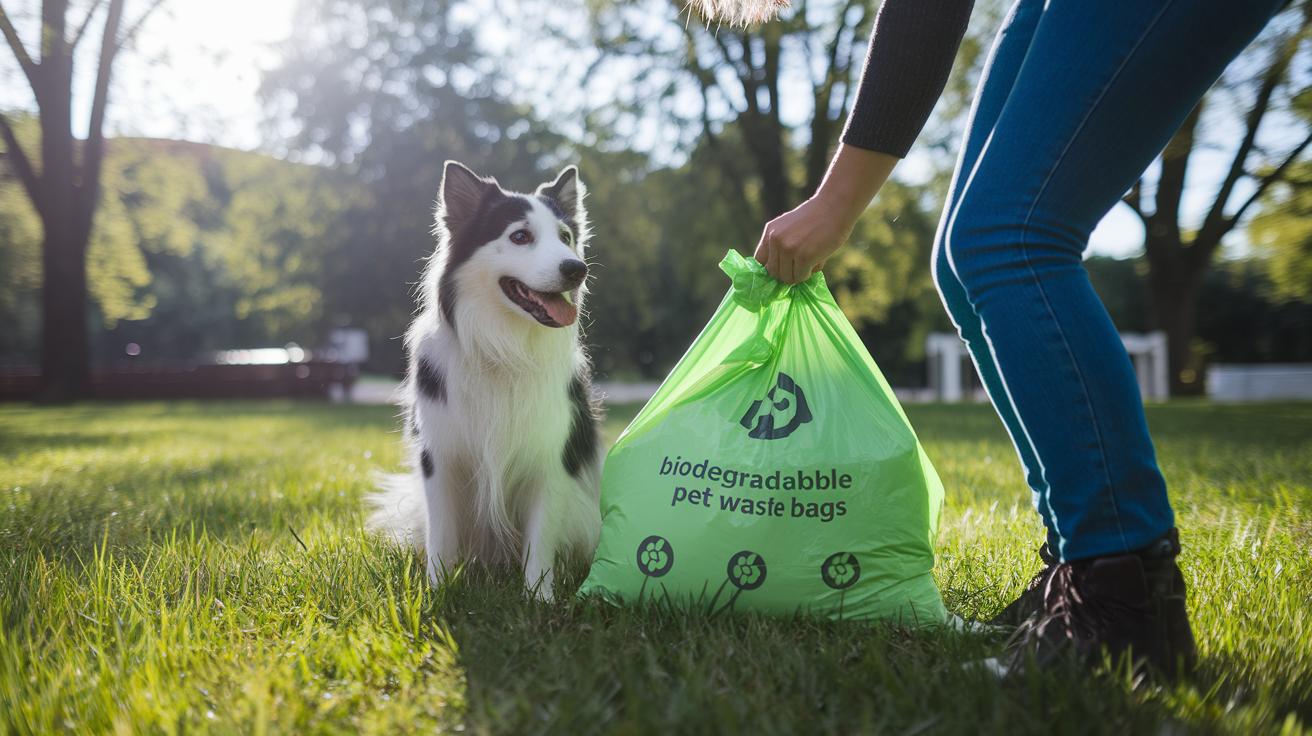
  • Waste Management: Check out BeyondGreen’s biodegradable pet waste bags. Made from flour-meal (the byproduct of making flour), these bags break down in your home compost. At $13.49 per roll, they help cut back on plastic waste and make cleanups kinder to our landfills.
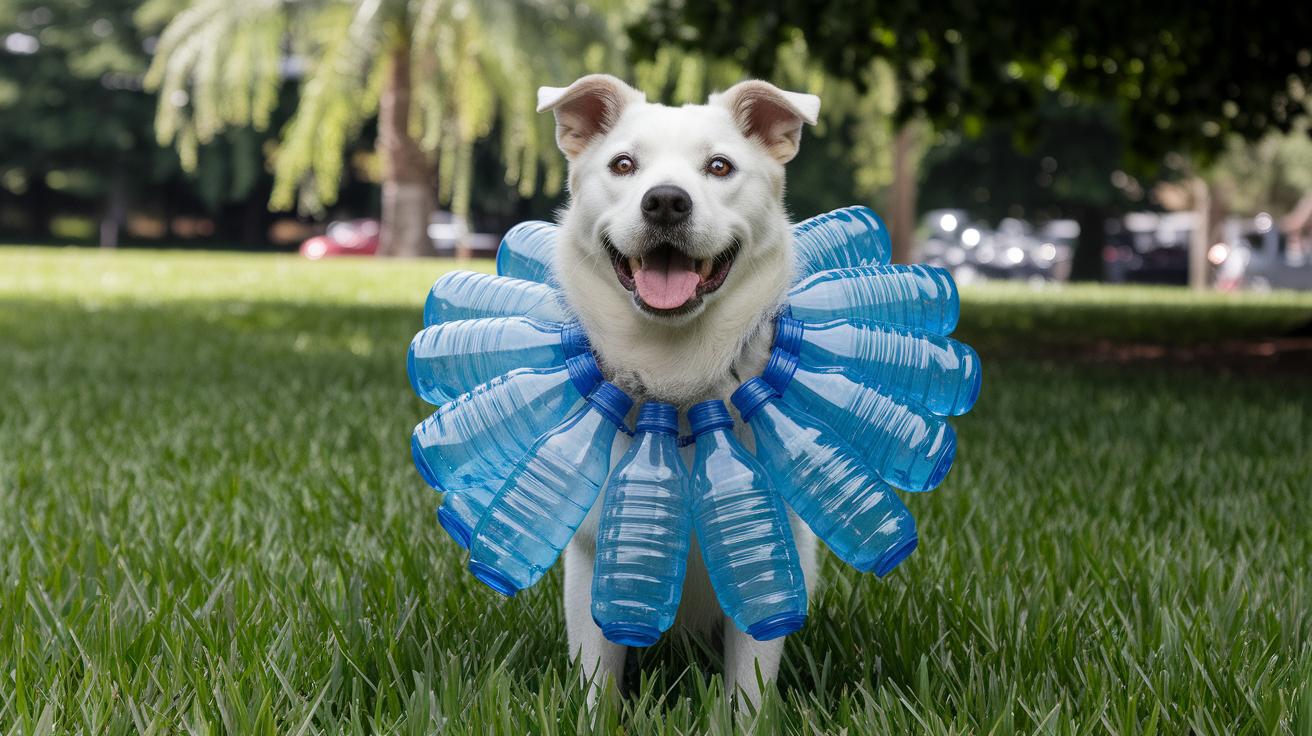
  • Accessories: BetterBone offers a Recycled Ocean Plastic Collar crafted from 100% ocean-bound plastic. Repurposing 34 plastic bottles into one stylish collar, it’s priced at $23 and brings a cool twist to your pet’s walk while protecting our waters.
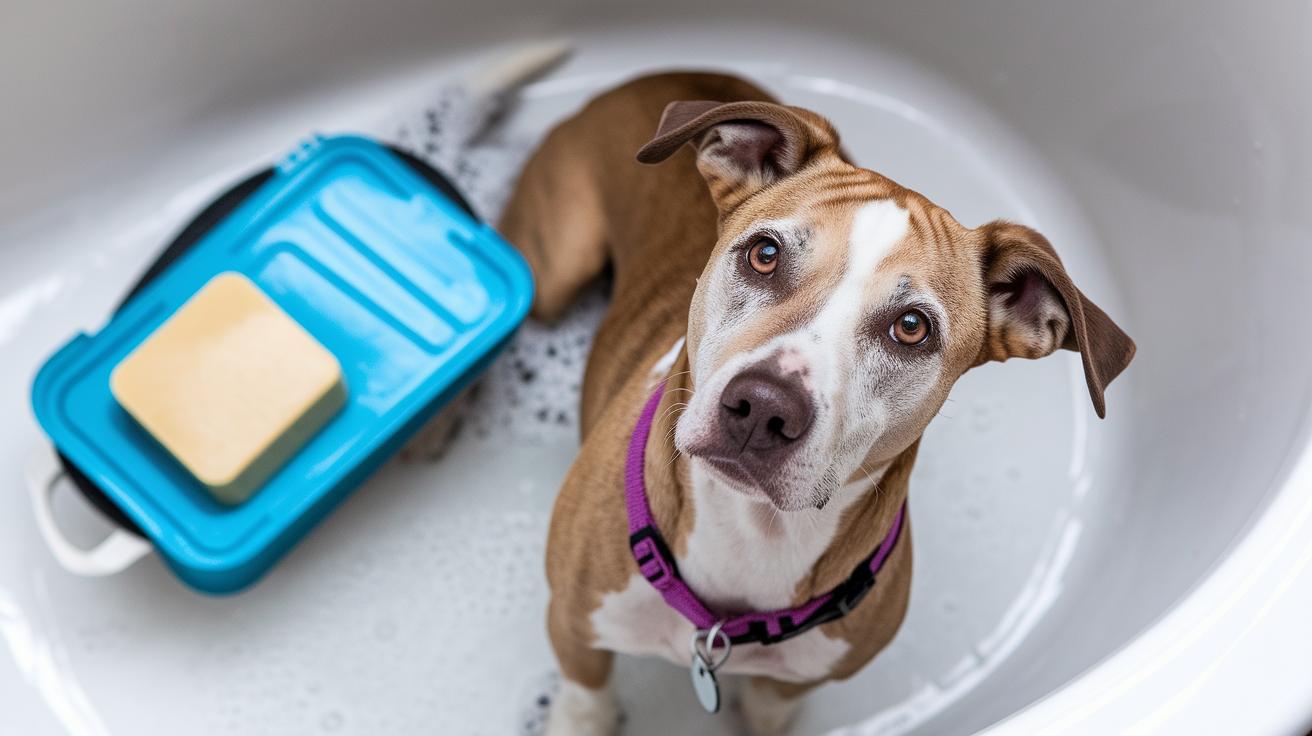
  • Grooming: Suds & Eco Pet Shampoo Bar features a zero-waste formula perfect for pets with sensitive skin or allergies. Priced at $10.49, it gives your pet a gentle, chemical-free clean that leaves them feeling fresh and happy.
  • Food Storage: The reusable silicone treat bags are airtight and non-toxic. At $9.99, these bags keep homemade treats fresh and help reduce the need for disposable packaging.

Making the switch to these green products not only keeps your pet safe from harsh irritants but also helps cut down on single-use plastics and unnecessary waste. It’s a small change with a big impact, caring for your pet and our planet in a truly thoughtful way.

Choosing Non Toxic Pet Items for Healthier Grooming

img-2.jpg

Using natural ingredients in your pet’s grooming products can make a big difference. They help keep your pet’s skin calm while leaving their coat soft and shiny. Plus, these chemical-free options keep your furry friend comfy and your home safe from harsh substances.

Here are some top picks:

  • Suds & Eco Pet Shampoo Bar is a zero-waste, allergy-friendly shampoo for $10.49. Imagine giving your pet a gentle bubble bath that feels both soothing and safe.
  • Beco Pets Bamboo Dog Wipes cost $8.99 and are 100% biodegradable. Picture wiping your dog’s paws after a playful romp, knowing you’re using a sustainable choice.
  • BetterBone All-Natural Dog Bone, made with wood fiber and plant-based oil, is available for $17.99. Think of it as a chew toy that satisfies your dog’s chewing instincts without any extra additives.

For more ideas on green cleaning, check out pet safe cleaning products.

Biodegradable Waste Bag Options and Compostable Cleanup Supplies in Eco Friendly Pet Care

img-3.jpg

Cutting down on landfill trash helps our planet stay clean. Using biodegradable pet waste bags lets nature break down waste naturally instead of it piling up. Our new eco-friendly range includes cat litter pickup bags that are USDA-certified (approved by the U.S. Department of Agriculture for being eco-friendly), a waste bag dispenser made from recycled plastic and plant-based materials, and dog bags made from flour-meal biobased ingredients, all designed with both pets and the Earth in mind.

These options not only ease cleanup but also support a greener neighborhood. If you’re not sure how to dispose of them, it’s a good idea to check with your local composting or recycling rules. That way, your thoughtful choices help keep the whole community clean.

Product Material Price
Biodegradable Dog Bags Flour-meal biobased $13.49/roll
Cat Litter Pickup Bags USDA-certified biobased $13.49/roll
Waste Bag Dispenser Post-consumer recycled plastic & plant-based polymers $6.99

Eco Friendly Pet Toys: Environmentally Safe Play Items for Dogs and Cats

img-4.jpg

If you care about your pet and our planet, you'll love these toys made from recycled and natural materials. They use organic fabrics like cotton and jute to keep your furry friend safe from harsh chemicals and plastic bits. It feels nice knowing your pup can play with organic cotton toys without any worries about residues. And food-grade silicone lick mats (that means safe, high-quality silicone) are great for pets with sensitive tummies. These choices not only cut down on waste but also promise extra durability.

Top brands are turning eco-style into real play. For example, Zero Waste Store offers fun organic cotton and jute dog toys that welcome playful paws. FunnyFur also makes organic cotton toys that are soft and kind on your pet. Then there’s Dog & Co. with their PlanetFill toys made from 100% post-consumer recycled plastic bottles, a smart pick for eco-minded pet lovers. Each product stands up to rough play and keeps your pet busy in a safe, natural way.

A few simple cleaning tips help keep these toys in great shape. Just wipe them down with a damp cloth to get off any dirt and keep them smelling fresh. Rotate the toys every few weeks to lessen wear and avoid any bacteria buildup. This way, your pet enjoys safe play while you lend a hand in protecting the Earth.

Sustainable Collars, Leashes, and Harnesses: Renewed Accessory Collections in Eco Friendly Pet Supplies

img-5.jpg

Collars and leashes made from reclaimed materials bring both style and lasting strength to your pet's wardrobe. Take the BetterBone Recycled Ocean Plastic Collar, for instance, it costs $23 and transforms 34 plastic bottles into a smart, resourceful collar that helps cut down on plastic waste. And then there’s Awoo Pets’ GRS-certified recycled polyester leash, priced at $50. Not only does it make your daily walks sturdier, but it also gives a little nod to a healthier environment. It’s clear that eco-friendly collars and leashes can be both practical and kind to our planet, letting your pet strut with pride.

Harnesses go a step further in eco care by offering flexible, size-adjustable options that really work for all kinds of breeds. The Awoo Pets Huggies Adjustable Harness, available for $50, even has three size settings so you can easily find a comfy fit. Plus, Pawness has made vegan leather collars and harnesses that come with a heart, 10% of the profits go to animal charities. These fresh designs in harnesses and accessories show that you can look after your pet while also caring for our world. It feels great to know that every purchase supports ethical practices for both our furry friends and the planet.

Top Eco Friendly Pet Supplies Brands and Their Sustainable Practices

img-6.jpg

These brands are really shaking up the pet world with products that are kind to our planet. Imagine owning items that pamper your pet and help keep nature green at the same time. Every purchase from these folks feels like giving back to Mother Earth while making sure your furry friend gets the best care.
Below is a handy table that lists the top 10 brands, their favorite products, and the eco practices or green certifications they proudly uphold. It’s like having a quick chat with a buddy who tells you the best spots for eco-friendly pet treats!

Brand Signature Products Sustainability Credentials
Beyond Green USDA-certified compostable bags Compostable, eco approved
Pawness Vegan leather gear & corn-starch bags Donates 10% of profits to animal charities
The Green Pet Shop Bamboo bowls & energy-efficient cooling/warming mats Eco friendly materials, energy efficient
Nina Woof PETA-approved pet accessories with ≥50% recycled content Recyclable packaging & sustainable production
Awoo Pets GOTS-certified gear & rePAWpose buyback program Sustainably produced and repurposed
Zero Waste Store Organic cotton/jute toys and silicone lick mats Non-toxic, made with natural fibers
Wild One Plant-based treats and cornstarch poop bags Supports animal rescues and eco initiatives
Dog & Co. PlanetFill toys and Fair Trade sweaters Made with post-consumer recycled materials
FunnyFur Organic cotton toys and Ultrasuede collars Non-toxic, organic materials
Pets of the Earth Compostable wipes and vegan treats One tree planted per order, sustainable packaging

Using eco-friendly products like these means you’re not just spoiling your pet, it’s also a step toward reducing waste and protecting our environment. With green essentials for pets, every item you buy helps build a cleaner, healthier world for our four-legged pals. Isn't it amazing how a simple choice can make such a big difference?

Final Words

In the action, we explored eco friendly pet supplies from biodegradable waste bags to non-toxic grooming kits. Small yet impactful choices, like natural play toys and recycled collars, help keep your pet safe and happy. Each section provided clear examples and useful tips that make sustainable pet care feel both manageable and rewarding.

Your pet deserves safe, green accessories. Keep exploring eco friendly pet supplies for a healthier, brighter future.

FAQ

What eco friendly pet supplies can I choose for cats?

Eco friendly cat supplies include sustainable, non-toxic items like organic toys and biodegradable waste bags that keep your kitty safe and healthy while supporting planet-friendly practices.

What eco friendly pet supplies are available for dogs?

Eco friendly pet supplies for dogs feature non-toxic toys, recycled collars, and gentle grooming items that cater to sensitive skin, offering fun and safe products that also protect the environment.

Where can I buy wholesale or dropshipping eco friendly pet products?

Wholesale and dropshipping options for eco friendly pet products give retailers access to sustainable, bulk items such as green toys, grooming essentials, and accessories that benefit both pets and the planet.

What are considered the best eco friendly pet supplies?

The best eco friendly pet supplies use recycled and renewable materials to create safe, non-toxic products. They help safeguard your pet’s health while reducing waste, fostering a cleaner, greener world.

What eco friendly pet toys are available?

Eco friendly pet toys are made from organic materials like cotton, jute, and recycled plastic. They provide durable, safe play options that ensure your pet enjoys engaging, non-toxic fun.

Best Exercise Routines To Boost Pet Vitality: Energizing

0

Ever notice how a few simple moves can brighten your pet's day? A little exercise helps burn off extra energy, lifts their mood, and even eases stiff joints. It’s like giving them a little burst of happiness.

Imagine your furry friend taking a brisk walk or playing lightly in the backyard. With each step and playful jump, they feel more spirited, as if they're thanking you with every wag of their tail.

In this post, you’re going to find easy routines to boost your pet's vitality and keep them strong and cheerful. So why not make movement a fun, everyday part of your pet’s life? Trust me, you and your pet will enjoy every moment together.

Pet Exercise Routines to Boost Energy and Vitality

img-1.jpg

Regular exercise is like a little gift to your pet’s body and mood. Moving around helps with keeping a healthy weight, easing joint stiffness, and even calms any extra jitters they might have. It’s a simple way to help your furry buddy feel balanced and full of life.

Every day, a bit of movement makes a big difference. Imagine the joy of a playful romp that clears their mind and fills the day with a burst of energy. It’s fun, refreshing, and can even help reduce behaviors that might bother them.

  • Brisk walks for about 20–30 minutes daily.
  • Play sessions that last around 15–20 minutes, twice a day.
  • A swim session for 15–30 minutes, two times a week.
  • Little agility drills on a mini course for 10–15 minutes.
  • Strength games like tug or some light weight lifting for 10–15 minutes.

Different pets have their own energy levels. High-spirited pals might need up to 60–90 minutes of active fun each day, while a quieter pet can do well with a couple of shorter walks or gentle play. Adjust the exercise based on your pet’s breed, age, and mood. And if your furry friend ever feels extra bouncy or a bit tired, ease into it and keep things safe.

Custom Canine Workout Plans for Vitality

img-2.jpg

Keeping your dog moving is a wonderful way to help them feel cheerful and strong. Regular exercise lifts their mood, builds muscle, and can even help reduce little misbehaviors. High-energy dogs might enjoy longer mixed activities, while moderate breeds and puppies do best with a few short, playful bursts. This guide makes it easy to match a workout with your dog’s age and energy level.

Breed/Life Stage Session Length Frequency Exercise Type
High-energy Adults 60–90 min Daily Mixed cardio and strength
Moderate Breeds 45–60 min Daily Brisk walk + 15 min fetch
Senior Dogs 10–15 min 1–2 times daily Gentle walks or swimming
Puppies 5–10 min 3 times daily Play sessions

Remember, adjust these plans based on your dog's unique energy. If your pup feels extra bouncy, you can add fun agility drills (short training exercises to boost skill and fitness) or extend playtime a little. But if they seem a bit tired, shorter, gentler outings may work best. Always pay attention to your pet's cues and tweak the workout so it stays safe and full of joy.

Feline Activity Schedules to Improve Cat Vitality

img-3.jpg

Having a steady routine really makes your cat feel alive. Regular play not only keeps them moving but also sparks their curiosity and lifts their mood. It’s like a little burst of energy and joy that turns playtime into something truly special.

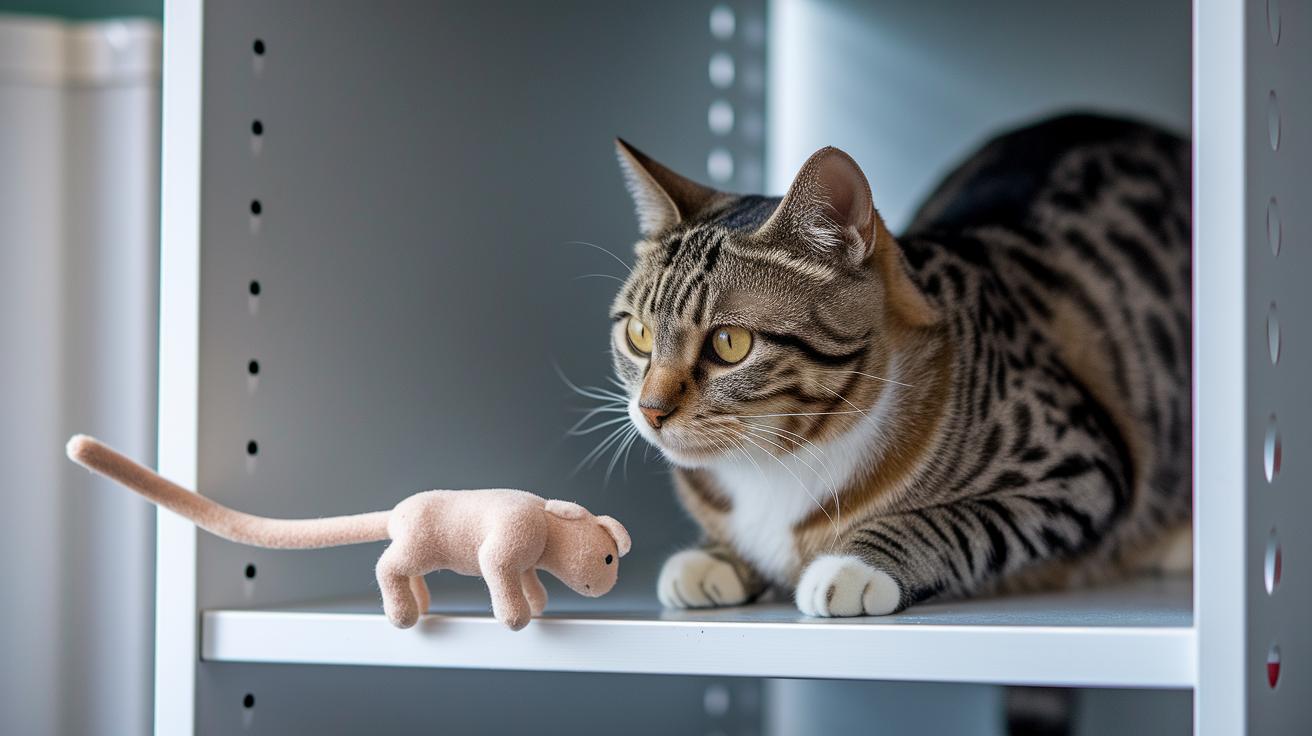
Start your day with a 10–15 minute play session that uses toys mimicking small prey. This helps kickstart their natural hunting instincts in a fun, engaging way. Then, mix in three quick bursts of play, each lasting 30–60 seconds, to get your kitty’s heart pumping (cardio means activities that get the heart beat going).

Next, offer vertical play by encouraging them to jump onto shelves or perches. This not only builds core strength but also sharpens their flexibility. And after all that excitement, wind down with some gentle stretches to ease any muscle tension and keep their joints comfy.

Spread these lively sessions out during the day. This way, your cat enjoys steady energy and balanced relaxation, making every moment as joyful as watching a playful pounce.

Low-Impact Routines and Senior Pet Exercise for Safe Vitality Boosts

img-4.jpg

Low-impact activities are a kind way to help your older pet or one recovering from surgery stay active. They ease joint tension, reduce stiffness, and gently keep muscles strong. Imagine those soft steps of a beloved dog or cat as they enjoy a little exercise that keeps their spirit light, even when times are tough.

Tailoring exercise to your pet’s unique needs is key. Slower-paced routines let them build strength slowly without feeling overworked. And when you add in these gentle moves every day, you help prevent sudden strains and support a smooth recovery. It’s about keeping your furry friend comfortable, mobile, and happy day by day.

For example, try a 15- to 20-minute swim or hydrotherapy session two times a week. This can really ease joint stress. Then, go for a slow leash walk for about 10 to 15 minutes one or two times daily to help maintain muscle tone. You could also do a few gentle drills like toe lifts or a sit-to-stand routine, just five minutes per limb, to help boost their range of motion. After surgery, a light massage along with some controlled movement (always following your vet’s guidance) can be a true relief.

Activity Details
Swimming/Hydrotherapy 15-20 minutes, twice weekly to ease joint stress
Leash Walks 10-15 minutes, once or twice daily to maintain muscle tone
Mobility Drills Toe lifts and sit-to-stand routines for 5 minutes per limb
Post-Surgery Care Light massage and controlled movement under veterinary care

Indoor Interactive Workout Games for Pet Energy Stimulation

img-5.jpg

When the weather won't cooperate or you find yourself stuck indoors, indoor games can really come to the rescue for pet parents. These fun activities mix a bit of exercise with playful challenges that both work your pet's body and tickle their mind.

Puzzle feeders and treat-dispensing balls are a great way to get your pet moving and thinking. Try letting your furry friend play with one for about 10–15 minutes, and enjoy watching them solve little puzzles for a tasty bite. It's like watching a mini detective at work, so fun to see!

Hide-and-seek with treats or toys turns your living room into a playful treasure hunt. Hide a favorite chew or toy in a surprising spot for about 15–20 minutes and watch your pet sniff around with excitement, as if they’re on a little adventure.

You can even set up a DIY obstacle course using furniture or tunnels to create a mini gym right at home. Spend 10–20 minutes mixing quick sprints with gentle pauses, and switch up the course regularly to keep things fresh and exciting. Your pet will be eager for the next fun challenge every time!

Safety Guidelines and Planning for Pet Exercise Routines

img-6.jpg

Start each session with a gentle warm-up. Spend about 5–10 minutes on a relaxing walk or some easy play to get your pet moving and ready. Then, when you're finishing up, slow things down with a cool-down routine. Think about 5 minutes of a slow walk and a few stretches to help ease your pet’s muscles, making the exercise both safe and enjoyable.

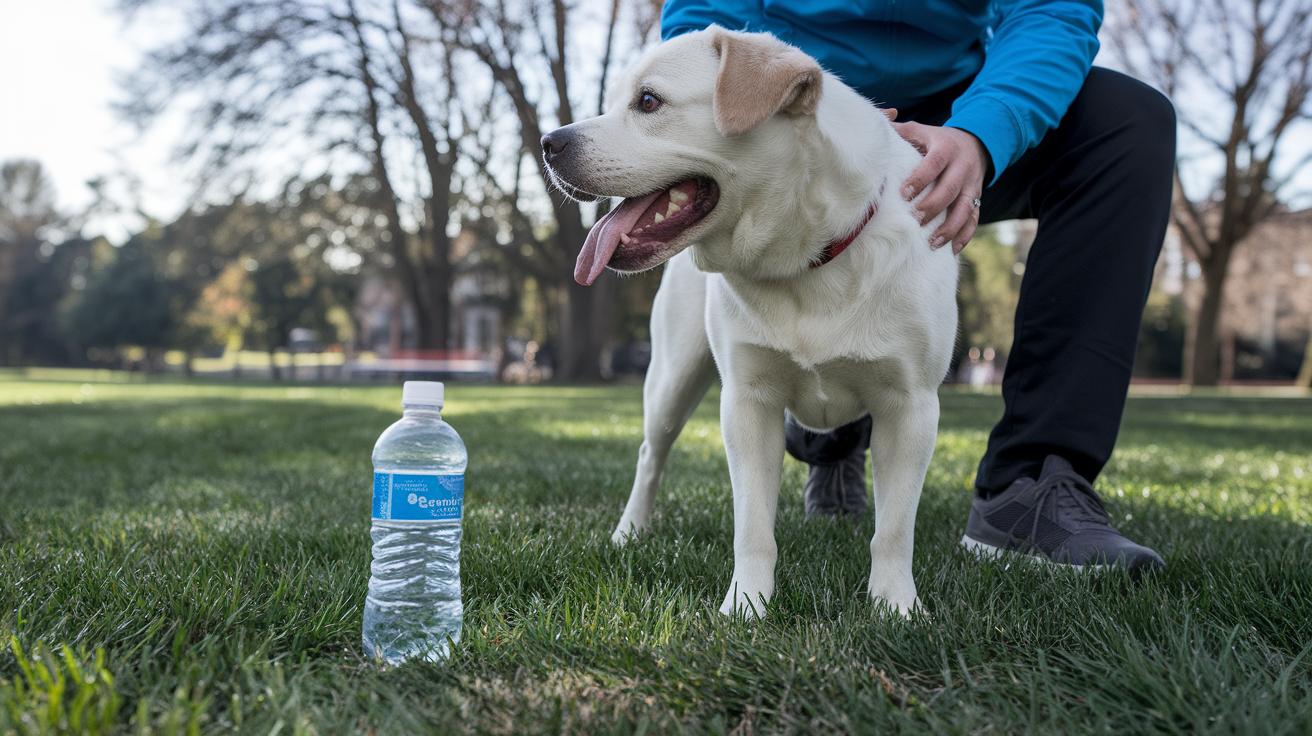
During the workout, pause every 10–15 minutes for a quick water break. This helps your pet stay refreshed. It’s also smart to check their paw pads and joints before and after the session. A quick look will help you catch any signs of discomfort early, so you can easily adjust the activity if needed.

You might want to track your progress by using a pet health app (a digital tool for monitoring workout details). This nifty app lets you log session lengths and intensity, making it simple to tailor workouts to your pet’s energy levels and overall well-being.

Final Words

In the action, we explored practical ways to improve pet wellness and energy. We talked about exercise tips for dogs, cats, seniors, and even indoor game ideas that mix fun with fitness.

You learned how to adapt exercises to suit different pet needs. The routines, from brisk walks to agility drills, offer the best exercise routines to boost pet vitality.

Keep working these routines and enjoy every playful moment with your furry friend.

FAQ

What are the best exercise routines to boost pet vitality at home, for beginners, and in 2022?

The best routines for boosting pet vitality include brisk walks, interactive play, and gentle strength drills at home. These activities work well for beginners and adapt over time, supporting both physical and mental well-being.

What are lazy ways to exercise your dog and what exercises can you do with your dog at home?

Lazy ways to exercise your dog include easy indoor games like fetch or tug-of-war, which keep dogs active in a fun, relaxed way without needing long walks or high-energy sessions.

What are common dog fitness exercises and do exercise needs vary by breed?

Common dog fitness activities include brisk walks, light agility drills, and gentle strength routines. Exercise needs do vary by breed, with high-energy dogs requiring more vigorous movement and smaller breeds needing milder routines.

What are effective ways to exercise your dog without walking?

To exercise your dog without walking, try indoor play with interactive toys, simple agility drills, or mind-stimulating games that encourage movement while keeping your pup engaged and active.

What is the best exercise for overall pet vitality?

Combining moderate activities like brisk walks with playful interactions is the best way to boost overall pet vitality. This mix supports a healthy balance of cardiovascular strength, muscle tone, and mental stimulation.

Can you increase a dog’s stamina through exercise?

Increasing a dog’s stamina is possible with regular, varied workouts that include brisk walks, engaging play sessions, and light strength training. These exercises help build endurance and improve overall fitness.

Is 2:30 minutes of walking enough for dogs?

A 2:30 minute walk is generally too short for most dogs. Most pets benefit from at least 15–30 minutes of walking to support adequate exercise and to keep them mentally stimulated.

What exercises effectively strengthen a dog’s back?

Effective back-strengthening exercises for dogs include controlled tug-of-war games and gentle agility drills. These activities support core muscles and improve back strength while keeping your dog safe and engaged.

Pet Diet Nutrition Guide For Beginners: Happy Pets

0

Ever noticed that sometimes, even with lots of love and cuddles, your pet can seem a bit grouchy? It might be because of what’s on their plate.

This guide explains how simple ingredients like lean meats, colorful veggies, and whole grains can boost energy and help keep your pet strong and happy. We talk about protein (the building block for strong muscles), fats (the fuel that gives energy), and carbs (the quick energy boost) in a way that’s easy to understand.

Follow these tips to whip up meals that not only fill their tummy but also keep that tail wagging with joy every day.

Getting Started with Pet Diet Nutrition

img-1.jpg

When it comes to feeding your pet, a balanced diet is really important. Not only does it give them energy and help them grow, but it also makes life more joyful for them. This guide, updated on March 13, 2024, shows how key nutrients like protein, fats, carbs, vitamins, and minerals work together to keep your furry friend happy and healthy.

Dogs, for example, do well with both animal and plant foods because they eat all kinds of things. Think about serving lean meat with a side of veggies and a bit of whole grains, simple and tasty. Cats, on the other hand, rely mainly on meat-based proteins because they’re naturally carnivores. So when you’re planning a meal for a cat, high-quality meat is essential.

Different life stages mean your pet’s diet needs to change. Puppies and kittens have lots of energy and need extra protein to grow, while adult and senior pets might need a bit less fat and special vitamins to help keep their skin smooth, bones strong, and organs working well. When you switch from a diet for a young pet to one for an older companion, doing it slowly helps keep their tummy happy.

There are also many trusted commercial options available. For instance, brands like Hill's Pet Nutrition (https://reipet.com?p=249) offer balanced meal plans that take the guesswork out of feeding time. Understanding these basics empowers you to set up healthy, stress-free routines that make mealtime both nutritious and enjoyable for everyone involved.

Pet Diet Nutrition Guide for Beginners: Happy Pets

img-2.jpg

When it comes to feeding your furry friend, a good pet diet is all about balance. A meal full of protein builds muscles and repairs tissues, while fats give a burst of energy and help keep their coat shiny. Carbs, like fibers from veggies and whole grains, offer steady energy for playtime and help with smooth digestion. Vitamins and minerals keep bones strong, support healthy organs, and boost their immune system. And don’t forget water, it helps move nutrients around and keeps the kidneys happy.

Below is a table that breaks down the key nutrients, what they do, and where you can find them:

Nutrient Role Food Sources
Protein Helps repair tissues and build muscle Lean meats, poultry, eggs
Fats Provides energy and helps keep the coat shiny Fish oils, chicken fat, vegetable oils
Carbohydrates Gives energy and supports healthy digestion Whole grains, sweet potatoes, legumes
Vitamins & Minerals Strengthen bones and boost immunity Fruits, vegetables, fortified cereals
Hydration Helps carry nutrients and maintains kidney health Clean water, broth

Mixing these essentials makes every meal both tasty and healthy for your pet.

Pet Diet Nutrition Guide: Commercial and Homemade Meal Options

img-3.jpg

When it comes to feeding your pet, you have two main choices: commercial foods and meals made at home. Commercial options like kibble and canned food are created by experts who ensure every bite is packed with the nutrients your pet needs. They come with clear ingredient lists and have been tested to provide a balanced mix of protein, fats, carbs, vitamins, and minerals.

On the other hand, cooking at home gives you the freedom to adjust recipes to your pet’s unique tastes and needs. With recipes approved by your veterinarian, you can pick the best ingredients, sometimes even choosing organic ones. Just be careful with raw food; if it isn’t handled properly under professional guidance, it might carry harmful germs.

Here’s a quick look at the strengths of each approach:

Commercial Foods:

  • They offer consistent nutrient levels, making daily feeding simple.
  • Strict quality checks mean you can trust the source of every ingredient.
  • Tested formulas help avoid nutritional gaps and reduce risks from contaminants.

Homemade Meals:

  • Recipes can be tailored to fit your pet’s specific dietary needs.
  • You get the chance to choose fresh, organic ingredients for a healthier meal.
  • Using vet-reviewed recipes (check out Vet Approved Homemade Dog Food Recipes – https://bonsiaai.com?p=139) ensures a safer way to prepare meals at home.

Each method has its own benefits and challenges. For those just starting out, commercial diets offer a straightforward, reliable option with balanced nutrition already taken care of by trusted brands. Homemade meals let you be creative and control what goes into your pet’s bowl, although they do require careful planning and regular chats with your vet.

Taking a moment to weigh these pros and cons can help you decide which feeding style matches your pet’s health needs, your daily routine, and how confident you feel in the kitchen. In the end, choosing the right approach can make every meal both nutritious and enjoyable.

Pet Diet Nutrition Guide: Portion Control and Feeding Schedules

img-4.jpg

Figuring out the right amount of food for your pet is key to keeping them happy and healthy. It all starts with knowing your pet’s weight, age, and how active they are. Here’s how you can easily plan meals and even switch food types without any fuss.

  1. First, weigh your pet. Once you have this number, use your vet’s advice along with details like your pet’s age and energy to work out how much food they need each day.

  2. Next, split up the daily food into meals. For little puppies and kittens, three or four small meals work best. Adult dogs and cats usually do well with two meals spaced out during the day to help maintain steady energy.

  3. Then, stick to a set schedule. Pick specific times for meals that work for you. A regular routine can help with digestion and make mealtimes something your pet can look forward to every day.

  4. Finally, if you need to change food, do it slowly. Start by mixing about 10% of the new food with your pet’s usual food, and then gradually increase the new food each day. This gentle switch over a week to ten days helps avoid tummy troubles.

Following these steps makes it easier to keep your pet’s diet on track and ensures that any changes in food are smooth and safe.

Pet Diet Nutrition Guide: Supplements and Safe Treat Choices

img-5.jpg

When you decide to add supplements to your pet's food, it's best to take it slow and follow your vet's advice. Joint-support supplements (they help your pet's joints feel better), skin and coat nutrients for a shiny fur, and digestive aids can all help your pet stay active and comfy. Many vets even suggest products like those found at Pet Health Supplement to make sure you’re not giving too much. If you lean toward natural options, Holistic Pet Nutrition gives a friendly guide for a more natural approach.

Remember, use supplements only when they’re really needed and always check with your vet to avoid giving too many. Along with these supplements, picking safe and healthy treats is a big part of a balanced diet for your furry friend. Here are some vet-approved treat options to try:

  • Freeze-dried liver bites
  • Dehydrated sweet potato strips
  • Low-fat dental chews
  • Air-dried chicken strips
  • Crunchy apple slices

Pet Diet Nutrition Guide: Tracking Progress and Overcoming Challenges

img-6.jpg

Watching your pet’s progress closely is really important for keeping their diet healthy. Regular weigh-ins, whether on a home scale or at the vet, show if the plan is working. Try using body-condition scoring (a simple way to tell if your pet is too thin or a bit overweight) because it gives clear clues about their overall health. Keeping a feeding log to track meals and any changes in behavior helps you spot patterns early, like picky eating or mild allergies.

If you notice your pet isn’t as interested in their food or shows small signs like scratching or a slight upset tummy, it might be time to tweak the food plan. A careful record not only prevents feeding mistakes but also helps manage their weight. Little adjustments like these can stop extra pounds while keeping your pet active and feeling great. So, pay close attention to your pet’s daily cues and keep that feeding log handy for a happier, healthier companion.

Final Words

In the action, this guide explained how to balance key nutrients for pets, shared options for commercial meals versus safe homemade recipes, and broke down portion control and feeding schedules. We also looked at smart tips for supplements and healthy treats to support your pet's overall health.

This pet diet nutrition guide for beginners offers simple, clear steps that keep pet care both fun and effective. Keep experimenting, stay positive, and enjoy watching your pet thrive.

FAQ

Q: How can I create a balanced, homemade dog diet using a nutrition chart?

A: The balanced homemade dog diet chart shows key nutrients like protein, fats, carbs, vitamins, and minerals. Following such a chart helps you combine natural ingredients in proper percentages to support your dog’s growth and vitality.

Q: What are the recommended nutrient percentages for a dog’s diet?

A: The recommended nutrient percentages guide you in balancing meals. For example, some diets aim for around 25%-30% protein and 10%-15% fat while using carbohydrates and fiber to fill the rest. Always check with your vet.

Q: How can I naturally add fat to my dog’s diet?

A: The advice for naturally boosting fat intake means using healthy oils like fish or flaxseed oil. These options add calorie content and support skin and coat health in your dog’s balanced meal plan.

Q: Which vitamins are important for dogs in homemade food?

A: The vitamins needed in homemade dog food include ones like A, D, E, K, and the B group. These vitamins support healthy skin, coat, and immune function, grounding your recipes in essential nutrients.

Q: What does the 25 rule for pet food mean?

A: The 25 rule for pet food means that about 25% of a pet’s diet should come from key nutrient sources. This guideline helps maintain balanced energy levels and supports overall well-being, though your vet can offer guidance.

Q: How do I create a balanced diet for my pet and what are the six basic nutrients needed?

A: A balanced pet diet includes proteins, fats, carbohydrates, vitamins, minerals, and water. Combining these six nutrients properly supports overall health, and using a vet-approved recipe simplifies meal planning for your pet.

Veterinary Research: Advancing Animal Health Studies

0

Ever think that the way we care for our pets now might spark tomorrow’s big health breakthroughs? At Cornell’s College of Veterinary Medicine, friendly experts study all kinds of animals, from tiny pets to big horses. They use cool tools like genomics (the study of genes) and smart computer programs that work a bit like human thinking.

In busy labs, scientists team up to test ideas that might change the way we look after both animals and our own health. This article shows how veterinary research is laying the groundwork for safer, healthier communities for everyone.

Veterinary Research Foundations: Academic Framework and Scope

img-1.jpg

At Cornell’s College of Veterinary Medicine in Ithaca, NY, caring for pets is serious business. They look after many animals, cats, dogs, exotics, wildlife, horses, and farm animals, from a 30-mile area. This mix of animals gives researchers a real chance to study animal health, public health, cancer, and infections. They even use recent tools like genomics (the study of genes) and artificial intelligence (computer programs that mimic human thinking) to solve tricky health puzzles.

Key research centers, like the Animal Health Diagnostic Center and the New York State Veterinary Diagnostic Laboratory, form the heart of these studies. These labs do both testing and research, offering a friendly space for experts to run tests and gather clear data. They stick to strict rules and follow detailed steps in every experiment. So, whether it’s about isolating a germ or checking out a new treatment, every test stays precise and safe.

Teamwork is a big deal here, too. Scientists, vets, and technicians work side by side, sharing ideas and methods to make pet care even better. They often go over past research very carefully to build a complete picture of what we already know. This way of working together means every piece of research helps us learn more about animal and public health.

Breakthroughs in Veterinary Science: Genomic and Diagnostic Innovations

img-2.jpg

Genomic and molecular tests are changing pet care by letting scientists see illnesses at a very small scale. These new methods help spot troubles early so that treatment can begin sooner, much like noticing a slight change in your pet’s behavior and checking it out right away.

Molecular testing tools are advancing rapidly. For instance, CRISPR-based tests (a way to quickly check genetic material) find disease-causing bugs almost instantly. There’s even a special lab, supported by an NSF grant, that uses smart computer programs (AI, which means computers that can think through data) to analyze pet genetics. This progress makes difficult lab work simpler and more dependable.

Innovation Description
CRISPR diagnostics A fast test that catches germs almost immediately.
AI-driven genomics Smart software that digs through genetic data with ease.
High-throughput sequencing A method to quickly read the complete genetic code of pets.
Immunoassay refinements More precise tests to find signs of infection.
Targeted therapy development Creating treatments that focus on specific pet health issues.

This progress means that detecting diseases early is much easier now. With these refined tests, potential health issues are caught quickly, so vets can act fast, keeping our pets vibrant and joyful every day.

Veterinary Clinical Trial Innovations: Design and Efficacy Evaluations

img-3.jpg

Veterinary clinical trials enjoy well-organized setups that blend creative design with a strong commitment to doing things the right way. The Blue Buffalo Clinical Trials Office takes care of everything from planning and budgeting to managing tricky rules, ensuring that every trial stays safe, fair, and produces trustworthy results.

Early studies, like the ones led by Dr. Autumn Harris, have already shown promising signs of treatment effectiveness. And antimicrobial stewardship programs add extra value by guiding trial designs that prevent medicine overuse and help keep resistance risks in check.

Today’s trial methods focus on clear, simple steps that boost treatment effectiveness and make the results repeatable. Check out these six key best practices:

  1. Protocol standardization – setting clear, consistent steps so everything is done the same way.
  2. Welfare monitoring – keeping a close eye on the well-being of animal participants.
  3. Data management – organizing, storing, and analyzing results in an easy-to-understand way.
  4. Regulatory alignment – meeting all legal and ethical guidelines without cutting corners.
  5. Budgeting strategies – planning financial resources smartly to support strong research.
  6. Endpoints selection – picking clear, measurable outcomes that show what the study needs to prove.

By using these practices, trials run more smoothly and produce solid data that lays the groundwork for future research. These thoughtful methods help improve tests for drugs, stem cell treatments, vaccines, and pain management strategies, ultimately supporting better health for our cherished animal friends.

Comparative and Epidemiological Veterinary Studies: Patterns and Surveillance

img-4.jpg

Scientists study diseases by comparing how they appear in different animals, much like putting together a fun puzzle where every pet offers unique clues. They gather details from vet checkups, lab tests, and observations in nature to create a full picture of each animal's health.

They also count how often certain germs show up in animals. For example, the Animal Influenza Ecology and Epidemiology Research Program watches for germ trends over long periods. And the Infectious Diseases Molecular Epidemiology Laboratory looks closely at germs found in food and hospitals, checking how these bugs learn to beat medicines. When an outbreak happens, researchers follow step-by-step plans to quickly find where the germs are coming from and note how they spread differently in various species.

All this careful work helps shape easy-to-follow advice that keeps both our furry friends and us safe. By joining information from many studies, scientists suggest smart steps to stop infections, making their recommendations clear and helpful for everyone who cares for pets.

Advanced Laboratory Techniques and Data Analytics in Veterinary Research

img-5.jpg

Modern lab machines have really changed how we take care of our pets. In places like the Animal Health Diagnostic Center and the New York State Veterinary Diagnostic Lab, tests using advanced molecular methods and techniques to isolate germs are a normal part of the process. These labs can quickly check many samples and give us key clues about our pet’s health. Imagine being able to spot a tiny germ almost as soon as you notice your pet acting a bit differently.

Automation helps make these tests run smoothly. Automated systems handle many of the routine tasks behind the scenes, which cuts down on mistakes and speeds up the way results are shared. Shared lab spaces even let experts use next-generation sequencing (determining the order of genetic material) and proteomic fingerprinting (mapping out proteins) to get a closer look at the details of genes and proteins. It feels like the lab is performing a well-practiced routine where every step plays an important part.

Big data analytics add another helpful layer to this work. By looking at huge amounts of lab data, smart tools pick up on patterns that might otherwise go unnoticed and come up with fresh ideas for treatments. These tools help find connections between tiny genetic markers and disease traits, allowing researchers to test their ideas quickly. Thanks to this approach, problems can be spotted faster and new solutions can be found.

Veterinary Research Training and Professional Development Pathways

img-6.jpg

Graduate and DVM research programs help drive better pet care by keeping us up-to-date with the latest discoveries. Programs like Comparative Biomedical Sciences M.S. and Ph.D. mix classroom learning with hands-on lab work, much like a pet owner learning by watching a playful pup explore. Eleven DVM students have already shown us the value of practical training through the Linda F. Hayward Florida Veterinary Scholars Program and VEM 5991. Their experiences remind us that mixing real-life skills with study makes all the difference.

Degree Programs and Curriculum

The master’s and doctoral tracks, plus extra research options within the DVM curriculum, offer a blend of class lessons and lab adventures. Students learn methods for experiments, pick up on problem-solving skills, and practice ethical research (meaning they treat every pet with care). This mix of everyday subjects with special research projects helps keep pet care experts ready for the unexpected. In short, this balanced approach builds strong knowledge and practical skills that work well in busy, changing environments.

Funding and Mentorship

There’s plenty of help available to fuel these big dreams. For example, the UF CVM Competitive Block Grant Awards support new PhD students for the 2026–2027 cycle, making it easier for them to dive into research. Online portals make even the grant application process clear and straightforward. Plus, mentorship networks connect students with seasoned professionals who lead workshops and training sessions. These programs boost confidence and sharpen skills, much like a caring pet trainer lifts both the pet’s and owner’s spirits.

Collaborative Networks and One Health Partnerships in Veterinary Research

img-7.jpg

One Health is all about understanding that the well-being of our pets, our families, and our planet is one big, connected circle. Experts from around the globe join forces, sharing insights just like friends chatting while walking their dogs. Imagine a scientist in one country passing on weather details to a peer overseas, each learning how local conditions affect pet health. This friendly sharing speeds up finding solutions that work on many levels.

Key programs focus on infectious diseases, cancer research, and muscle and nerve studies. They mix hands-on care with laboratory work in a way that feels like pet lovers gathering to swap tips. Each project thrives on a spirit of teamwork that makes sharing ideas and boosting pet well-being a natural part of the process.

Experts also keep a close eye on national policies and local ecosystems to guide future research. By checking on rules and watching over environmental health, they set clear goals for what needs more attention, much like keeping an eye on your pet’s routine to catch any issues early. This blend of local observation and global standards ensures that our pets, families, and nature all benefit together.

Final Words

In the action, this article took you through academic foundations, breakthroughs in diagnostics, modern trial methods, comparative studies, advanced lab techniques, education paths, and global pet care collaborations. Each section gave a closer look at how detailed steps and practical examples uplift pet health.

These insights tie together robust, AI-powered veterinary research and everyday pet care tips. Enjoy the fresh take on improving well-being while feeling confident in making smart choices for your pet's care.

FAQ

What does the Veterinary Research Impact Factor indicate?

The Veterinary Research Impact Factor indicates how often a journal’s articles are cited, helping researchers gauge the influence and quality of published findings in animal health studies.

What are veterinary research opportunities?

Veterinary research opportunities include study and work roles in animal health studies. They range from lab experiments to field studies that advance our understanding of diseases and treatments.

What is the Veterinary Research journal?

The Veterinary Research journal is a publication that shares peer-reviewed studies in animal health science. It covers diagnostics, treatment methods, and prevention strategies to improve care.

What is BMC Veterinary Research?

BMC Veterinary Research is an open-access publication that shares scientific studies on animal diseases and treatment breakthroughs, connecting researchers worldwide with valuable findings.

What does the BMC Veterinary Research Impact Factor reflect?

The BMC Veterinary Research Impact Factor reflects how frequently articles in the journal are cited. It offers researchers insight into the quality and reach of the studies published.

What are veterinary research articles about?

Veterinary research articles report on studies covering genetics, disease control, clinical trials, and other topics. They provide new insights that help improve animal care practices.

What can I expect from a veterinary research salary?

A veterinary research salary is competitive and varies with education, experience, and position. Professionals use their skills to advance animal health, contributing valuable research findings.

What topics are covered in veterinary research?

Veterinary research topics range from genetic studies and disease control to clinical trial innovations. These studies drive improvements in diagnostics, treatments, and overall animal care.

What does a veterinary researcher do?

A veterinary researcher designs and conducts experiments to study animal health, diseases, and treatments. They gather and analyze data to develop new diagnostic methods and therapies.

What is veterinary research?

Veterinary research involves studying animal health, diseases, and treatments using scientific methods. It answers important questions that help improve care for our animal friends.

How do I go into veterinary research?

To enter veterinary research, pursue veterinary education, gain hands-on experience with research projects, and consider advanced degrees or specialized programs in animal health science.

What are the different types of veterinary research?

Different types of veterinary research include laboratory experiments, clinical trials, epidemiological studies, and comparative studies across species, each offering unique insights into animal health.

Veterinary Technician Specialties: Thriving Career Options

0

Ever wonder if working in pet care could be more exciting than just the usual day-to-day tasks? A pet care career lets you explore specialties like emergency care and diagnostic imaging (taking detailed pictures inside a pet to see what’s wrong).

Experts say these sorts of roles could grow by nearly 20% over the next decade. That means more chances to work side-by-side with veterinarians and make a real difference when a pet really needs help.

If you’re looking to mix heart and skill and want to see those happy purrs and wagging tails even more often, a career as a veterinary technician might be just the thing for you.

Veterinary Technician Specialties: Overview of In-Demand Roles and Growth

img-1.jpg

Veterinary technician careers are booming. The Bureau of Labor Statistics says these jobs will grow by 19% from 2023 to 2033, adding about 24,300 new positions. This surge comes as more pet lovers look for skilled helpers to work closely with veterinarians, whether at animal hospitals or small clinics. New technicians can expect to earn between $40,000 and $60,000 a year, pretty appealing for anyone just starting out.

NAVTA has identified 16 unique specialties that cover many areas of pet care. Think about working in emergency care when a pet really needs help, or in diagnostic imaging where you help capture x-rays and MRIs (advanced pictures of a pet’s insides). You might find yourself assisting in the operating room or caring for animals used in research labs. Each field brings its own challenges and rewards, giving you many ways to share your love for animals every day.

Specialty Description Projected Growth (2023–33) Entry-Level Salary
Emergency & Critical Care Helps with urgent and life-threatening cases High $40,000–$60,000
Anesthesia & Analgesia Manages sedation and pain relief for pets High $40,000–$60,000
Diagnostic Imaging Operates x-rays, CT scans, MRIs, and more High $40,000–$60,000
Surgical Assistance Supports the team during surgeries High $40,000–$60,000
Clinical Practice Works directly with patients in day-to-day care High $40,000–$60,000
Laboratory Animal Takes care of animals in research settings High $40,000–$60,000

The growing need for these skilled technicians means lots of career opportunities. If you’re passionate about animal care and ready to put in hands-on work, any of these specialties can lead to a rewarding job that balances your love for animals with financial security. Ever notice how a gentle paw tap or a happy wag can brighten your day? That’s the kind of joy these careers promise.

Educational Pathways for Veterinary Technician Specialties

img-2.jpg

For many aspiring veterinary techs, the journey starts with a two-year associate degree from an AVMA-accredited program (AVMA stands for American Veterinary Medical Association). In these programs, you mix classroom lessons with hands-on lab work to learn the basics of caring for animals. For instance, one class might show you how to calculate a pet’s nutrient needs, kind of like mixing the right ingredients for your favorite family recipe.

Some paths require a little extra schooling. Earning a four-year bachelor’s degree or an advanced certificate can give you that extra boost. These options dive deeper into specialized topics and offer more chances to practice in real clinical settings. It’s a bit like moving from beginner tutorials to advanced workshops.

There are also many accredited online and distance-learning programs that let you study from home. Whether you’re in New Hampshire, New Jersey, New Mexico, New York, North Carolina, North Dakota, Rhode Island, South Carolina, South Dakota, Washington, DC, or West Virginia, you can find a course that fits your busy pet-loving life. This flexibility helps you keep up with your studies while still making time for your furry friends.

Certification Requirements across Veterinary Technician Specialties

img-3.jpg

If you're thinking about becoming a Veterinary Technician Specialist, here's what you need to know. First off, you have to hold a veterinary technician license and work in the field for at least three years. During this time, you must complete around 1,000 hours of supervised practice, kind of like keeping a diary of your daily pet care routines. Plus, you'll need to record detailed case logs and reports to show you’ve been practicing well.

Next, you’ll have to pass the NAVTA exams. These tests check both your hands-on skills and your knowledge. They’re designed to see how well you can apply real-life techniques in your work with animals. The exam formats and fee schedules are updated regularly, so it helps to keep an eye on those details.

Specialty Academy Prerequisites

Before you can take these tests, you need to meet some extra requirements from your specialty academy. This means gathering records of your work hours, submitting detailed case reports about your experiences, and usually providing reference letters from supervisors who can attest to your skills. This extra paperwork shows your deep commitment to animal care and your technical abilities.

Continuing Education and Recertification

Even after you become certified, your learning journey continues. You’ll need to earn ongoing education credits to keep your certification up to date. This process can involve completing specific credit hours, going through scheduled reviews, and sometimes even retaking parts of the exam if the guidelines change. All of this helps ensure you’re always ready to provide the best care for our animal friends.

Veterinary Technician Specialties: Thriving Career Options

img-4.jpg

Veterinary technician jobs can offer a range of salaries that depend a lot on your experience and where you work. If you're just starting out, you might earn between $40,000 and $60,000. With a bit more experience or extra skills, you could see your salary bump up to between $50,000 and $70,000. And if you’re a senior technician or have a special focus, salaries might reach from $70,000 to $90,000. It’s pretty neat to see how the numbers grow as you build your career.

Where you work really matters too. In places like the Northeast or on the West Coast, where living expenses are higher and competition is stiffer, wages tend to be on the higher side. But even rural areas or spots where there aren’t many technicians might offer extra incentives, such as bonus pay, to lure in skilled workers.

Region Average Salary
Northeast $55,000
Midwest $50,000
South $48,000
West $60,000

These differences in pay can come from local job demand, how much it costs to live in an area, and the type of clinic or hospital where you work. In high-cost areas, clinics might pay more so your salary keeps up with expenses. On the other hand, smaller towns may offer extra bonuses to balance out a lower base pay. So, when you’re planning your career, it’s smart to check out the local market conditions firsthand.

Top Veterinary Technician Specialties Explained

img-5.jpg

Veterinary Technician Specialists are experts who work in a bunch of different areas, all while showing a deep love for animal care. They support veterinarians in busy settings, whether it's rushing to help in an emergency or planning the perfect diet for a furry friend.

Emergency & Critical Care

These specialists jump into action when a pet faces a life-threatening moment. They quickly check vital signs and give the right treatments to keep pets safe. It’s a bit like a fast, caring response when your buddy really needs help.

Anesthesia & Analgesia

Here, the focus is on keeping pets comfortable before, during, and after surgery. These team members use safe sedation techniques and closely watch a pet’s heartbeat and breathing. Their careful work helps pets stay relaxed and secure every step of the way.

Diagnostic Imaging

These technicians work with cool machines like x-rays, CT scans, and MRIs (big machines that take detailed pictures of what’s inside an animal). By capturing clear images, they help veterinarians understand what’s going on with a pet’s health so they can plan the right treatment.

Surgical Assistance

In the operating room, these specialists make sure everything is set up perfectly. They prepare a clean, sterile area, handle tools, and assist during unexpected moments in surgery. Their supportive work helps keep the whole process smooth and safe for the pet.

Nutrition and Dietetics

These pros craft meal plans designed to meet each pet’s special needs. Whether in a clinic or a research lab, they blend scientific know-how with a heartfelt care for animals. Their guidance on balanced diets helps pets regain strength and stay healthy.

Choosing the Right Veterinary Technician Specialty

img-6.jpg

When picking a specialty, start by thinking about what you love. Maybe you enjoy caring for certain animals or you thrive in busy, hands-on environments. If playful pups get your tail wagging, you might want to work in clinical practice. But if you prefer staying behind the scenes, diagnostic imaging could be the perfect fit. Consider whether you enjoy routine care or the fast pace of emergencies and let that guide your choice.

Also, check what your local community needs and how these roles might grow in the future. It helps to look up salary ranges and what kind of training each specialty requires. Some paths might need a shorter study period and cost less to get started. Others may demand more certification and hands-on practice. Weighing these details alongside your financial goals and career timeline is a smart way to chart your path in advanced animal health work.

Connecting with experienced professionals can make a big difference, too. Try joining specialty associations where you can talk to folks who have been in the field. They often share useful tips and advice for those interested in caring for cats, dogs, and other animals. This kind of support can boost your confidence and help you make a well-informed decision about your veterinary technician specialty.

img-7.jpg

Veterinary tech jobs are changing fast. New roles in bird care and marine & aquatic work are catching on, with special groups offering a lot of support. There’s a growing focus on physical rehab and behavior specialties, where techs help our pets bounce back and feel better. Many clinics are now using telemedicine and artificial intelligence (tools that quickly sort through health info) to speed up the diagnosis. These smart tech changes mean plenty of opportunities for techs, with job numbers expected to climb by about 19% over the next ten years.

At the same time, fresh ways to learn are shaking up how techs keep their skills up to date. Interactive simulation modules give hands-on training in advanced clinical skills, so professionals can safely practice in a virtual setting. This new approach not only builds up confidence but also makes day-to-day pet care even better by mixing in the latest tools.

Switching to simulation-based learning is a smart way to keep skills sharp and move ahead in this fast-evolving field.

Final Words

In the action, this article shared a quick snapshot of veterinary technician specialties, from exciting growth stats and distinct specializations to practical education paths and clear certification steps. We broke down salary variations, compared in-demand roles, and offered insight into modern pet care strategies. These insights make it easier to consider career shifts or advancement, showing that every pet professional has exciting options ahead. Embrace this helpful guide, and feel confident navigating your next step in the world of veterinary technician specialties.

FAQ

What is vet tech specialties salary?

The vet tech specialties salary typically starts around $40,000 for entry-level roles and can reach up to $90,000 for experienced professionals in high-demand fields like emergency care.

What is the highest paying veterinary tech specialty?

The highest paying specialties are usually in emergency and critical care or anesthesia, where the advanced skills needed lead to higher pay due to the intensity and demands of the role.

What kind of jobs do veterinary technician specialties offer?

Veterinary technician specialties offer roles in diagnostic imaging, surgical assistance, clinical practice, and more, allowing techs to work within a focused field that matches their skills and interests.

What veterinary technician specialties programs are available?

Veterinary tech programs include accredited associate degrees and bachelor’s pathways that prepare you for specialties such as diagnostic imaging or anesthesia with hands-on training and targeted coursework.

What does Veterinary Technician Specialist certification involve?

The certification involves holding a current license, completing at least three years of specialty practice with over 1,000 supervised hours, maintaining detailed case logs, and passing a specialized exam.

How can someone become a veterinary technician specialist?

To become a specialist, complete an AVMA-accredited program, gain practical field experience, obtain the necessary certification, and commit to ongoing education in your chosen specialty.

What is the Academy of Veterinary Technicians in Diagnostic Imaging?

This academy supports vet techs who specialize in diagnostic imaging by providing targeted training, resources, and certification standards, helping professionals stay current in their field.

What is the Academy of Veterinary Zoological Medicine Technicians?

The academy is a group dedicated to vet techs focusing on zoological medicine, offering training, certification guidelines, and networking opportunities for those who work with exotic and wild animals.

In what areas can veterinary technicians specialize?

Veterinary technicians can specialize in fields such as emergency care, anesthesia, diagnostic imaging, surgical assistance, nutrition, and laboratory animal care, among others recognized in the industry.

Can a vet tech earn a six-figure salary?

While entry-level salaries start lower, experienced vet techs in specialized roles, particularly in high-demand regions, can earn six figures through advanced certification and skill development.

Pet Grooming Supplies: Premium Care At Home

0

Ever wonder if pricey grooming tools really make a difference when you care for your pet at home? Picture your pet's routine as if you're putting together a handy toolkit filled with brushes to smooth out fur, combs to untangle knots, dryers for a cozy warm breeze, and shampoos to keep them fresh. Each tool helps your buddy look neat and feel loved.

In this chat, we're sharing how the right supplies can make grooming a breeze for both you and your pet. Ever notice how a good tool can turn a chore into a fun little moment? So, imagine adding a touch of premium care right in your living room with some smart choices.

Essential Pet Grooming Supplies: The Ultimate Buying Guide

img-1.jpg

When you pick out grooming supplies for your pet, think of it like creating a complete toolkit. You need brushes, combs, dryers, rakes, shampoos with conditioners, shears, and even a few special tools. All these items help you care for your pet’s coat whether you're at home or at a professional groomer. Whether your buddy has a thick, fluffy coat or a sleek, short one, using the right tools makes a big difference in keeping them healthy and happy.

It’s really exciting to find a great deal too. For example, you can get a free 8 oz Silk Spirits Liquid Silk Protein when your order tops $150 (and some deals start at $100). Plus, if you spend over $99, you can use the code SHIP to get free shipping, and some orders even earn free UPS Ground shipping. One happy pet parent shared, “I got my supplies the same day and couldn’t believe how fast my package arrived!”

This guide is here to help you compare the best options from trusted online sources. For instance, check out the pet supplies online store for various choices, or click through to explore detailed options in the dog grooming supplies section.

Choosing the right grooming products not only keeps your pet’s coat in top shape, it also makes the whole grooming process smoother for both of you. Reviews keep praising the same-day shipping and fast delivery, proving that a good supply hub truly makes caring for your furry friend easier.

Top Grooming Brushes & Combs in Pet Grooming Supplies

img-2.jpg

Getting the right brush can make home grooming a breeze. For thick coats, try the Big G Slicker with its long pins, it works wonders at untangling knots. And if you have a pet with any kind of coat, the Big A Slicker has you covered. There are also special combs like the 500 Series and Competition models that help with de-matting and finishing your pet’s look. You'll find guides that explain which grooming comb fits each coat type perfectly.

Some comb sets come with multiple sections, so you can work on different parts of your pet’s fur all at once. Take the Greyhound-Style Buttercomb #000 and the Poodle comb, for example; they are great for delicate and curly coats. Plus, Crown Royale Full Body Grooming Powder works well with either a bristle or pin brush. It adds volume and soaks up extra oils, leaving your pet with a natural finish. Every tool is made to tackle tangles, smooth fur, and boost body, so you can pick the perfect one for your pet’s breed and coat type. It really turns grooming into a fun and efficient routine.

Trying out these brushes and combs makes pet grooming both simple and enjoyable, helping your furry friend look its best. Sometimes, it’s all about finding the right combination to get that beautiful shine.

Tool Type Ideal Coat Approx. Price
Big G Slicker Brush Slicker Brush Long Coats $25
Big A Slicker Brush Slicker Brush All Coats $20
Competition Comb De-Matting Comb Dense Coats $15
Greyhound-Style Buttercomb #000 Specialty Comb Fine Coats $18
Poodle Comb Multi-Compartment Comb Curly Coats $22

Premium Shampoos, Conditioners & Sprays Among Pet Grooming Supplies

img-3.jpg

If you're looking to bring a little salon magic to your home, these products are perfect for busy pet parents. They let you give your furry friend a professional spa treatment without the extra trip to the groomer.

SmartWash50 Grooming Shampoo packs a strong cleaning punch. Its 50:1 concentrate means you use just a tiny bit for a deep, thorough wash. Smith&burton Puppy 2-in-1 Conditioning Shampoo, with its big 1.3-gallon bottle, is great for those back-to-back grooming sessions when your pet needs regular care.

Need help smoothing out tangles? The Ice on Ice Detangling & Finishing Spray brings a smart boost to your pet’s coat, adding extra elasticity for a sleek finish. For a light, bouncy feel, Thick N Thicker Whipped Creme Mousse gives your pet that extra volume and texture many pet parents love.

And when you’re in a rush, Dry For Sure Dry Shampoo, with rice starch, is a handy, waterless refresh that makes cleaning on the go a snap.

Below are five popular options with their key details:

  • SmartWash50 Grooming Shampoo: A 50:1 concentrate that cleans deeply with very little product.
  • smith&burton Puppy 2-in-1 Conditioning Shampoo: Comes in a large 1.3-gallon bottle, ideal for frequent washing.
  • Ice on Ice Detangling & Finishing Spray: Boosts fur elasticity to create a sleek, smooth finish.
  • Thick N Thicker Whipped Creme Mousse: Adds extra volume and texture, perfect for a fuller look.
  • Dry For Sure Dry Shampoo: A waterless formula with rice starch for a quick refresh.

Each product is designed to be easy to use and helps you keep your pet’s coat shiny and healthy, all without leaving home.

Professional Clippers, Scissors & Blade Sets in Pet Grooming Supplies

img-4.jpg

When you're grooming your pet, having the right tool makes all the difference. Experts say it's smart to use both corded and cordless clippers. Cordless clippers let you move freely around your pet, while corded ones give you strong, consistent power. Many pet lovers also choose adjustable clippers that let you pick just the right cutting length for your dog's coat.

Precision blades really change the game when trimming your pet's fur. They come in different sizes and materials so you can choose the best match for your pet's coat. Whether you're tackling thick fur or need gentler blades for sensitive spots, the right blade helps you get a neat cut. And remember, keeping your tools in tip-top shape with replacement parts and maintenance accessories helps them last longer.

Hard-wearing grooming scissors are another big help for finer work. Pet owners and groomers often pick from straight, curved, or thinning options. Some scissors even come in left-handed designs so everyone can use them easily. With comfy ergonomic handles, these scissors help reduce hand strain during those long grooming sessions.

In short, whether you go with clippers or scissors, choosing the right power source and blade type is key to a safe, smooth, and easy grooming experience.

Advanced Dryers & Vacuum Systems for Pet Grooming Supplies

img-5.jpg

Grooming at home is now a breeze with advanced drying systems that make the process stress-free. These modern systems, like Kool Dry Dryers, quickly whisk away moisture so your pet stays comfy and ready for fun playtime. And if you need a quick touch-up, Dry For Sure Dry Mousse dries spots fast, cutting down your waiting time. Plus, each system is crafted to shorten grooming sessions while being kind to your pet, all accompanied by a gentle, soft whirr that isn't too noisy.

Mobile grooming kits add even more ease by pairing compact dryers with built-in vacuum attachments. Together, these tools not only dry your pet but also clear away loose hair and dampness, making cleanups smoother and more efficient.

Portable groomer kits pack handheld dryers, special nozzles, and vacuum hoses in one neat bundle. Whether you're at home or on the go, these kits help maintain a quiet, low-noise vibe while you tend to every part of your pet’s coat with care and precision.

Ergonomic Tables, Carts & Accessories in Pet Grooming Supplies

img-6.jpg

Creating your own pet grooming corner at home is a breeze with the right setup. Imagine a grooming table that adjusts to your height, has a non-slip surface to keep little paws safe, and built-in restraints to cozy up your pet during a grooming session. Whether it’s a quick trim or a full pampering session, you'll always feel secure setting up your grooming routine.

Then there are portable grooming carts that add more ease into your day. They come with handy compartments for your clippers, brushes, and more, so you can easily move from one room to another. It’s like having a mini toolkit that lets you work without any mess or fuss.

Plus, extra accessories like cage attachments, restraint systems, and protective mats can really boost your grooming station. You might find some great deals during clearance events or seasonal sales from local supply shops. This way, you get a professional-quality grooming space right at home without breaking the bank.

Final Words

In the action, this guide walked through key pet grooming supplies in a clear, friendly way. It covered everything from brushes and shampoos to clippers, dryers, and ergonomic workstations. We highlighted best picks, handy offers like free shipping, and free bonus gifts on larger orders. Each tip can help make your pet care routine fun and effective. Enjoy exploring these supplies and feel positive knowing you’re making smart choices that help your pet look and feel great.

FAQ

What supplies and products do professional dog groomers use?

The professional dog groomers use items like brushes, combs, shampoos, conditioners, dryers, clippers, and scissors—all chosen to create a safe and efficient grooming session.

What equipment is needed to be a dog groomer?

The equipment needed includes clipper systems (corded or cordless), adjustable grooming tables, ergonomic carts, and drying tools designed to help groomers work safely and efficiently.

How much money do I need to start a dog grooming business?

The money needed varies based on scale, generally ranging from a few hundred dollars for basic supplies to several thousand dollars for professional-grade equipment and advanced workspace setups.

Where can I buy professional pet grooming supplies wholesale or online?

Professional pet grooming supplies are available through wholesale providers and online hubs, often offering perks like free shipping and promotions, with options such as Ryan’s Pet Supplies among the featured retailers.

What distinguishes the best dog grooming supplies from standard pet products?

The best dog grooming supplies are crafted with premium materials and advanced formulas, providing superior performance and durability compared to standard pet products, ensuring reliable and expert grooming results.

Holistic Healing Tips For Enhancing Pet Vitality: Thrive

0

Ever wonder if your pet could enjoy life even more? Many pet lovers find that natural care (simple, unprocessed methods) brightens both their body and spirit. Imagine treating your pet to soothing massages and balanced meals that boost their energy, it might sound a bit unusual at first, but these gentle approaches can really make a difference.

In this post, we share easy, heartwarming tips that mix natural therapies, proper nutrition, and fun exercises to help your pet feel more vibrant. Even small, caring steps can lead to a happier, healthier life for your furry friend.

Core Principles of Holistic Healing for Pet Vitality

img-1.jpg

Taking care of a pet in a whole, natural way means looking after every part of their well-being. It isn’t just about keeping your pet physically fit; it’s also giving some care to their mind and spirit. Think of it like making sure your pet gets a balanced mix of play, healthy food, and gentle attention. Imagine a happy pup relaxing after a soft massage, that’s the natural love in action.

Many veterinarians blend the usual medical tests with kind therapies such as acupuncture (a technique using tiny, safe needles to help the body heal) and massage. Studies have shown that these natural techniques can boost a pet’s immune system, calm their nerves, and keep their energy steady. It’s like sprinkling a little extra love into every day, making your pet feel safe and lively. Experts back these methods with years of hands-on experience and scientific research, proving that natural care can be a great sidekick to standard check-ups.

The main ideas behind holistic pet healing include:

Key Points What It Means
Balanced nutrition & regular exercise Feeding your pet healthy food and moving around enough
Natural therapies Using gentle treatments like massage to ease pain and lift moods
Mental & emotional support Helping your pet feel calm and happy
Immune health & energy Keeping your pet strong and lively with daily natural practices
Vet-guided care Ensuring all methods are safe with expert advice

These elements work together like a friendly team, creating a nurturing space where your pet doesn’t just get by but truly thrives.

Integrative Nutrition Approaches for Boosting Pet Energy

img-2.jpg

Balanced food is really important for keeping your pet happy and lively while helping their digestion run smoothly. Focusing on meals with plenty of meat and fewer grains gives your pet quality protein and essential vitamins. Whether you serve raw, freeze-dried, or homemade meals, this friendly diet helps boost energy and supports a healthy tummy.

  • Lean meat – helps build strong muscles.
  • Organ meats – pack in important vitamins and minerals.
  • Fresh vegetables – add fiber and antioxidants that aid digestion.
  • Raw leafy greens – keep the gut in tip-top shape.
  • A small amount of whole grains – offers gentle energy without too much starch.

Mixing in some probiotics and prebiotics can give your pet an extra energy boost. Probiotics are live bacteria (tiny helpers) that calm inflammation in the gut, while prebiotics, like raw leafy greens or a little psyllium husk powder, feed these good bacteria. Adding a bit of these to your pet’s meals can promote smoother digestion and steady energy. For some ideas on homemade options, check out Vet Approved Homemade Dog Food Recipes. Start slowly and adjust portions to find the perfect fit for your furry friend.

Therapeutic Natural Supplements and Herbal Remedies

img-3.jpg

Herbal healing means using natural plant remedies to help your pet feel better. Many of these plants can ease anxiety, calm inflammation, support liver function, boost the immune system (the body's defense system), and even help fight off unwanted changes in cells. They work gently and nicely with the regular care your pet gets from the vet. You might even see your pet feeling happier and more energetic.

Herb Primary Benefit
Chamomile Anxiety relief
Turmeric Inflammation control
Milk Thistle Liver support
Echinacea Immune modulation
Valerian Calming effects

Before adding any new supplement to your pet's routine, be sure to talk to a professional. This way, you keep your pet safe and make sure the herbal remedy works well with their current care plan.

Safe Alternative Therapies: Acupuncture, Aromatherapy, and Homeopathy

img-4.jpg

Different gentle treatments can boost your pet’s energy without any harsh methods. These natural approaches work softly to help your furry companion recover and feel better overall. They provide supportive care while keeping your pet cozy and relaxed, easing pain and helping with smoother movement.

Acupuncture Benefits

Acupuncture uses tiny, sterile needles placed on special spots in the body. The first session might last about 60 minutes, and later visits typically run for around 20 minutes. This treatment is great for easing joint discomfort, managing arthritis, and supporting nerve health. Imagine a calm session where your pet experiences light needle placements that enhance blood flow and bring comfort over time.

Aromatherapy Practices

Aromatherapy taps into the soothing power of essential oils for pet care. You can let your pet enjoy these scents by inhaling them, applying them gently with a carrier oil, or using a diffuser. It’s important to mix the essential oils with a carrier oil so the effect stays mild and safe, especially with cats, whose livers handle substances a bit differently. Picture a peaceful room filled with a soft lavender aroma that gradually eases tension and anxiety.

Homeopathy Guidelines

Homeopathy works on the idea of "like cures like" by using highly diluted natural ingredients (tiny amounts of plant or mineral extracts) to trigger your pet’s own healing response. It can help with issues like digestive problems, joint aches, and behavior changes. Each dose is tailored just for your pet, making sure the remedy fits their unique needs perfectly. Under the guidance of a skilled professional, this gentle approach can lend ongoing support to your pet's well-being.

  • Always check with your pet’s vet before starting any new therapy.
  • Use only professional-grade tools and materials.
  • Keep an eye on your pet for any unusual reactions after treatment.
  • Follow the specific dilution instructions for essential oils carefully.
  • Make sure treatments are given by a certified specialist.

Physical Healing Methods: Massage, Physiotherapy, and Hydrotherapy

img-5.jpg

If your pet feels stiff or sore, these gentle therapies can really make a difference. They work with soft techniques to relax muscles and boost blood flow (that’s the movement of blood through your pet’s body). Imagine a soothing massage that eases discomfort from an injury or helps with any signs of aging, leaving your furry friend feeling more relaxed and strong.

Some of the methods you might encounter include:

  1. Effleurage and petrissage massage strokes
  2. Joint mobilization sequences
  3. Hydrotherapy swim sessions
  4. Targeted stretching exercises

Working with a certified professional is key. They can tailor each treatment to your pet’s unique needs and spot if something special needs extra care. This way, you can be sure your pet is safely enjoying the benefits of improved movement and overall well-being.

Stress Reduction and Emotional Balance in Holistic Pet Care

img-6.jpg

When your pet is calm, they're full of energy to play and explore. Keeping their stress low and emotions steady is key to a happy, healthy life. Natural ways to ease stress can help your furry friend relax, which often leads to better behavior and overall well-being.

Here are some simple ideas you can try:

  • Calming chamomile infusion – a gentle drink that eases anxiety.
  • Lavender diffuser – fills the room with a soft scent to help relax your pet.
  • Gentle touch therapy – a few soft pats or a light massage can make your pet feel loved.
  • Routine enrichment – adding fun little activities to their day keeps them engaged.
  • Scent puzzles – interactive games that mix the fun of aromatherapy with a little challenge.
  • Calming music – soft tunes that create a peaceful vibe at home.

Keep an eye on your pet to see what works best. Sometimes a dog might enjoy a little extra petting, while a cat could prefer a quiet corner with a familiar smell. Adjust these ideas to match your pet’s personality and daily routine so they can continue to feel balanced and content.

Detox and Immune Support Protocols for Lasting Vitality

img-7.jpg

Cleansing routines work like a refreshing reset for your pet's body. They help sweep away old buildup so your furry friend can soak up all the good nutrients and naturally keep irritants at bay. It’s a bit like cleaning out a cluttered room so everything has room to shine.

  1. Bone broth fast – Give your pet a 48-hour break from heavy meals by offering soothing bone broth. This gentle liquid still delivers key minerals while letting the tummy rest.
  2. Pumpkin fiber boost – Mix in some organic pumpkin puree. This natural fiber helps tidy up the intestines, clearing out little impurities along the way.
  3. Probiotic regimen – Add a daily dose of oral probiotics (tiny, friendly bacteria that help keep things balanced). They work to ease inflammation and support a steady immune defense.
  4. Rebalanced meals – Slowly bring back full meals with quality protein, raw leafy greens, and a pinch of psyllium husk powder to keep the gut happy and healthy.

Keep an eye on your pet’s energy during this routine. You might notice them playing more or moving with steadier energy, a sign that their digestive system is getting the care it needs and their immune system is growing stronger. This simple check can help you fine-tune meal portions along the way to keep your pet feeling vibrant and full of life.

Designing a Personalized Holistic Care Plan for Aging Pets

img-8.jpg

As our beloved pets grow older, they can start moving a little slower and seem less energetic. You might notice some stiffness in their joints or even signs of arthritis, which can make everyday play a bit more of a challenge.

With a few thoughtful tweaks, like adding natural foods, gentle exercise, and regular check-ups, you can help ease their discomfort. This little extra care is like a warm hug that reduces inflammation (swelling and soreness) and gets their blood flowing smoothly, making movement easier and more enjoyable.

Here are some simple ideas to support your senior pet:

  • Omega-3 meals – meals with fish oil can help keep their coat shiny and soothe aching joints.
  • Turmeric treats – these goodies offer natural relief from inflammation and help ease joint pain.
  • Hydrotherapy swims – low-impact water exercises that strengthen muscles and boost mobility.
  • Massage sessions – gentle rubs that improve blood flow and ease stiffness.
  • Scheduled wellness checks – regular visits every three to six months to monitor their health and adjust care as needed.

Always team up with a qualified integrative practitioner (a professional who combines both natural and conventional care) to create a plan that suits your pet’s unique needs. If you’d like even more custom advice, consider visiting an Integrative Pet Wellness Center (https://reipet.com?p=233) for additional support.

Final Words

In the action, we explored ways to boost pet vitality through balanced nutrition, natural supplements, and alternative therapies. We touched on massage techniques, detox plans, and personalized care plans for older companions. These insights help pet owners mix diet changes, natural remedies, and gentle physical treatments to support overall well-being.

Remember, using holistic healing tips for enhancing pet vitality can create a nurturing, energetic environment for your furry friend. Every small step builds towards a happier, healthier life.

FAQ

What is holistic medicine for dogs and where can I find it near me?

The holistic approach for dogs focuses on natural methods to balance physical, mental, and emotional health. Local holistic vets or pet centers offer treatments like homeopathy and natural remedies.

How does holistic medicine help dogs with allergies?

The holistic approach for allergic dogs uses natural ingredients and gentle therapies to soothe symptoms and support immunity. It often blends dietary changes and natural treatments to ease discomfort.

What are holistic dog food and natural pet remedies?

The holistic view on dog food emphasizes high-quality meals with fewer additives to boost overall health, while natural pet remedies may include herbal supplements and alternative treatments to improve well-being.

How do I send healing energy to my pet?

Sending healing energy to your pet involves calm, positive thoughts and gentle touch, which can help reduce stress and create a soothing, loving presence that benefits your pet’s emotional balance.

What are the seven holistic approaches in pet care?

The seven holistic approaches in pet care typically include balanced nutrition, exercise, physical therapies, herbal healing, natural supplements, emotional support, and alternative methods like acupuncture or homeopathy.

What is holistic healing for dogs?

Holistic healing for dogs blends natural remedies, a balanced diet, physical therapies, and emotional care to address overall well-being by treating the pet as a whole rather than focusing solely on symptoms.

Petsafe Dog Harness: Top-quality Comfort & Safety

0

Ever thought about a harness that feels like a warm cuddle? The Petsafe harness is just that, it gently hugs your pet while keeping them safe on every walk.

Picture your furry friend exploring freely, with soft padded straps and quick-release clips (clips that let you easily let go when needed) ensuring they stay secure. In this chat, we share why pet lovers choose the Petsafe harness for its perfect mix of cozy comfort and reliable safety.

Why the Petsafe Dog Harness Leads for Comfort and Control

img-1.jpg

The Petsafe dog harness mixes pure comfort with easy control, exactly what every pet parent dreams of. It hugs your pet gently while still leaving plenty of room for frolicking around. The soft, padded straps feel just like a warm cuddle on long walks, and its snug design makes sure your furry friend stays safe. You really feel at ease knowing your little buddy enjoys a perfect blend of security and freedom during your daily strolls.

Loaded with smart details, this harness helps make every day a bit safer for your pet. The tough buckles can handle even the liveliest play, and the quick-release clips mean you can get the harness off in just a few seconds, think of it like pressing a button for a smooth take-off. Even the extra padded straps are designed to give a cozy feel without skimping on strength. All these features team up to support busy, active lifestyles while keeping your canine secure.

Control is a big deal during walks, too. The handy handle gives you a solid grip, making sure your pet stays by your side no matter where you wander. With smooth, adjustable straps, this harness fits just right, which means fewer slips and less pulling. Many pet lovers have said that these thoughtful features help calm even the most energetic dogs. And if you're on the lookout for more pet gear, a quick search online can open up extra options. All in all, this harness brings together unmatched comfort and sturdiness, ensuring each walk is as fun as it is secure.

Deep Dive into the Easy Walk Innovation and No-Pull Mechanism of the Petsafe Dog Harness

img-2.jpg

The Petsafe harness has an Easy Walk design that makes your daily strolls smoother. It gently moves the pull from your dog’s neck to their chest, so there’s less tugging and more freedom for play. Every outing feels relaxed and safe, letting your furry friend explore while staying gently guided.

  • Chest Clip Placement: The clip sits right on your dog’s chest, catching pulls before they get too strong.
  • Ergonomic Strap Fit: The straps follow your pet’s natural curves, giving a snug, comfy feel.
  • Reduced Neck Strain: This clever design shifts pressure away from the neck so your dog stays at ease.
  • Size Versatility: It’s made to work well with dogs of many different sizes.

How the No-Pull Clip Works

Inside the harness, the no-pull clip rests perfectly in the center of the chest. When your dog tugs, the clip acts like a steady anchor, shifting the force away from their sensitive neck. Think of it as a gentle reminder for your pup to take it easy, enough to signal them without stopping their natural movement.

Adjusting the Reaction Strap

The reaction strap lets you fine-tune the harness to suit your dog. Slide the buckle along until you find a setting that’s firm yet flexible. If your pup tends to pull, a slight tightening adds extra resistance. And if it feels too snug, just loosen it a bit so your pet can move freely. After each tweak, let your dog take a few steps to see if the fit feels just right.

By combining the Easy Walk design with a smart no-pull system, this harness turns every walk into a calm and enjoyable adventure. Every detail, from where the clip sits to the adjustable straps, works together to keep your pet happy, safe, and full of energy.

Three-in-One Design Guide for the Petsafe Dog Harness

img-3.jpg

This harness is super handy because it works in three different ways. Whether you're training your pup, enjoying a stroll, or making sure your dog is safe in the car, this tool has you covered. It’s built to switch modes quickly, so you spend less time fiddling with straps and more time cherishing those loving moments with your furry friend.

In Training Mode, you clip it securely onto your dog’s chest using the front clip. Adjust the straps until it fits snugly, giving your pet clear cues during training sessions. It makes teaching commands easier and more fun for both of you.

In Walking Mode, the harness sits naturally on your dog’s back. You can easily fine-tune the straps to let your pet move freely while still keeping them under control during a peaceful walk or a busy outing.

For Car Restraint Mode, simply connect the harness to your vehicle’s seatbelt. This setup comes with extra strap adjustments and specially placed clips to keep your pet safe and comfortable during rides, reducing distractions for the driver.

Switching between the modes is simple and safe. A few quick strap adjustments lets you move from one setup to the next without any hassle. So, whether you’re in training, out for a walk, or driving, your pet always gets the secure support they deserve.

Fitting and Sizing Instructions for the Petsafe Dog Harness

img-4.jpg

Finding the perfect fit for your furry friend is like giving them a warm, custom cuddle. First, measure your dog's neck and chest. Wrap a soft tape measure around the neck at the spot where the collar sits, then measure the chest right behind the front legs where it is widest. These numbers will help you choose a harness size that keeps your pet both safe and comfortable. Check out the sizing chart below for common dimensions of Small, Medium, and Large sizes:

Size Neck (in) Chest (in)
Small 12-16 16-20
Medium 16-20 20-24
Large 20-26 24-30

Once you have your measurements, adjust the straps so the harness fits just right. Slide the buckles until the harness feels snug but never tight against your pet’s skin. Let your dog take a few steps around to ensure they can move freely. A well-adjusted harness stays in place even when your pet is playful and excited.

Measuring Your Dog’s Chest

Gently wrap a soft tape measure around the widest part of your dog's chest. It should feel snug without being too tight, and it helps to take the measurement while your pet is calm.

Adjusting Straps for a Secure Fit

Slide the buckles along the straps to tighten or loosen the fit as needed. Then, watch your pet move around to make sure the harness is secure and comfortable for everyday adventures.

Maintenance and Cleaning Guide for the Petsafe Dog Harness

img-5.jpg

Keeping your Petsafe dog harness clean means it will work well and last longer for your furry friend. To clean it, hand wash the harness in warm water using a gentle detergent. Don’t use harsh chemicals because they can wear out the fabric too fast. After washing, let it air dry completely. Imagine soaking it gently and then laying it flat in a sunny spot so every part dries evenly. This helps keep the soft padding fresh and the buckles strong.

Regular checks are a must to keep your harness safe during every adventure. Each week, give it a quick look-over for any worn spots or frayed straps. Gently tug on the buckles to make sure they’re secure for the next walk. Take a close look at the seams and stitching too, so you spot any loose threads early on. Doing these simple tests can help catch little issues before they turn into big problems, and it saves you money in the long run.

Comparing the Petsafe Dog Harness to Other Leading Brands

img-6.jpg

The Petsafe dog harness is a real gem for pet lovers. Its strong fabric feels soft on your pet’s skin while still holding up during the toughest playtimes. The harness gently shifts pressure from the neck to the chest, making walks smoother and less stressful for your furry friend. Plus, the extra padding is a bit like a cozy sweater, offering a soft touch every time your pet wears it.

The design keeps your pet snug and safe. A secure buckle makes sure everything stays in place, even when your pet is full of energy. The padded straps add extra comfort, almost like a warm embrace that keeps your pet happy during long walks and playful moments.

When it comes to cost and warranty, this harness offers great value. Other brands might use cheaper materials or skip on important safety features, but Petsafe strikes a perfect balance between price and quality. And with a dependable warranty, you know that it’s built to last through all your pet’s adventures.

If you’re on the fence, it might be a good idea to check out some reviews and even get advice from pet professionals, like those in dog training classes (classes that help your dog learn commands and good behavior). After all, finding a harness that fits your pet care routine is all about making everyday walks enjoyable.

Customer Feedback and Expert Ratings on the Petsafe Dog Harness

img-7.jpg

Most pet owners have given this harness about 4.5 out of 5 stars. Many say it feels secure and comfy during everyday walks. One pet parent mentioned it feels “like a gentle hug on every stroll.” Others love that its design helps lessen strain when their dogs play hard. It’s clear that lots of users trust it for combining safety with comfort.

Experts agree too. They give high marks for its durability, comfort, and ease of use. Testing shows the harness stands up well to long days of wear and tear thanks to its strong construction. Plus, professionals love how it keeps a relaxed fit without losing control, so pets stay comfy even during busy play sessions.

Online reviews often praise its snug fit and smart design that cuts down on pulling. A few users have said that the buckle adjustments might need to be a bit firmer for very energetic dogs. In the end, both pet owners and experts feel this harness brings a great mix of ease and security.

Final Words

In the action, the petsafe dog harness showed its strength with unbeatable comfort and control during daily walks. We explored padded straps, a no-pull system, and a clever three-mode design that works for training, strolling, or car rides.

Clear fittings and simple maintenance tips made it even more appealing, while honest customer feedback and expert ratings affirmed its lasting value. Overall, this innovative tool helps keep your pet safe, happy, and ready for all the fun ahead.

FAQ

What are the Petsafe dog harness instructions and how do I put it on?

The instructions tell you to adjust the straps and secure the buckles properly so your dog’s chest and neck are comfortably fitted. Follow each step for a snug, safe fit.

Where can I find the Petsafe dog harness size chart?

The size chart is included in the product manual and can also be found online. It helps you measure your dog’s neck and chest to choose the right fit.

What is the PetSafe Harness 3 in 1?

The PetSafe Harness 3 in 1 features three configurations for training, walking, and car safety. This design lets you easily switch functions to suit your dog’s needs.

What features does the PetSafe Dog Harness with Handle offer?

The harness with handle includes a sturdy grip for added control. It lets you guide your dog easily during busy walks while keeping them secure and comfortable.

How does the PetSafe Easy Walk Harness work and how do you put it on?

The Easy Walk Harness uses a front-clip system to gently reduce pulling. Follow the provided instructions to adjust the straps so it fits well and keeps your dog safe during walks.

What do Petsafe dog harness reviews highlight?

Reviews often mention its comfort, durability, and effective no-pull design. Many users appreciate the simple adjustments and secure fit that make daily walks enjoyable.

How does the PetSafe no pull dog Harness function?

The no pull design uses a front-clip to redirect your dog’s pull. This mild pressure discourages pulling, promoting a smoother, safer walk for both you and your pet.

Is a PetSafe harness good?

A PetSafe harness is well-regarded for combining comfort and control. It offers features that support safe, enjoyable walks, making it a popular choice among pet owners.

Why do some dog trainers not prefer harnesses?

Some trainers feel that harnesses can alter a dog’s natural motion and may reduce body awareness. They sometimes favor other tools that encourage natural gait and movement.

What is the safest type of harness for a dog?

The safest harness is one that fits perfectly and includes features like padded straps and secure buckles. These elements support your dog’s comfort and help prevent escape during walks.

What are the differences among models like Easy Walk, EasySport, and Deluxe Easy Walk?

The Easy Walk targets no-pull behavior, EasySport offers a lightweight design, and Deluxe Easy Walk includes extra padding for comfort. Each model is designed with unique features to match different needs.

How does the PetSafe Gentle Leader Headcollar compare to other harnesses?

Unlike full-body harnesses, the Gentle Leader Headcollar guides your dog’s head gently to reduce pulling. It offers an alternative method for controlling behavior, appealing to those who prefer headcollar guidance.

Role Of Play In Maintaining Pet Vitality: Thrive

0

Have you ever noticed that playtime does more than just keep your pet busy? Even a simple game of fetch or tug-of-war can make their little heart beat stronger, build muscle (the body’s way to stay strong), and help them feel calm.

These fun moments really act like a natural boost, sparking joy and keeping your furry pal happy and active. In this post, we’ll chat about how regular play keeps your pet full of energy and in great shape every day.

Evidence-Based Benefits of Play for Pet Vitality

img-1.jpg

Play lights a spark in our furry friends and keeps them feeling joyful and strong. Studies show that simple fun like running, jumping, and tugging helps boost their heart health (how well their heart works) and builds up their muscles. It also soothes their nerves, keeping mischief at bay. One study even found that dogs who play regularly have hearts that work about 20% better than those that don’t get enough activity. This goes to show that play supports a lifetime of good health.

Regular play lifts your pet’s mood and keeps them physically active. For example, a little puppy might only need 5 minutes of play for every month of its age, twice a day, to build strength and learn to socialize. An active adult might benefit from at least 30 minutes of fun, while a super playful pup could enjoy up to 60 minutes. Even older pets get a boost from gentler activities like swimming, which keeps their muscles moving without strain. These short play sessions act like little treats that ease anxiety and keep unwanted behaviors in check, kind of like a pet’s version of that energizing morning coffee.

Playtime is also a special moment for pets and their owners to connect. Think about tossing a ball and watching a dog’s tail wag with delight, that warm, shared moment is simply priceless. Beyond exercise, play sharpens their mind and steadies their emotions, helping them grow happier and more resilient with each joyful romp.

Physical Health Advances Through Play and Exercise

img-2.jpg

Getting your pet moving really does wonders for their body. Just a bit of play can boost blood flow, help build muscles, and even keep their brain sharp. Studies show that even a short play session can steady a pet's heartbeat and ease their stress. Vets also say that a little exercise gets more oxygen circulating and releases those happy chemicals, leaving your furry friend calm and content.

Different pets, different perks. Young animals sharpen their motor skills and focus while older pets enjoy smoother joint movement and balanced energy. Experts agree that even small bursts of active play give big benefits to your pet’s health.

Group Physiological Benefit Expert Insight
Puppies Supports brain and muscle growth Quick, playful sessions boost learning
Adult Dogs Strengthens heart and metabolism Regular activity keeps the heart in check
Senior Dogs Improves joint flexibility and eases stiffness Gentle play helps with smooth movements
Cats Keeps agility and quick reflexes Interactive play sharpens alertness

Cognitive and Emotional Enrichment Through Play

img-3.jpg

Playing with your pet is more than just fun, it keeps their mind sharp and helps soothe their emotions. When your furry friend tackles a puzzle feeder, chases an interactive toy, or even plays hide-and-seek, they’re doing a little brain workout, which boosts problem-solving, quickens reflexes, and keeps boredom away. It’s like a gentle exercise for their brain that leaves them calm and alert.

Regular playtime can help ease feelings of anxiety and even reduce those pesky behaviors that crop up when they’re lonely. Picture this: you toss a ball, and your dog pauses for a moment, thinking about the best way to catch it. Every moment of play builds their ability to learn and adapt, all while deepening the bond between you two.

Benefits
Sharpens reflexes and quickens reaction times
Improves memory and problem-solving skills
Reduces boredom and lowers anxiety levels
Decreases unwanted behaviors and enhances focus

By weaving these playful activities into your daily routine, you’re giving your pet not just joy, but lasting cognitive and emotional perks. And honestly, isn’t it amazing to watch them become more alert and responsive while channeling their energy in great ways? Every game and little challenge makes your shared time even more special.

Customized Play Strategies for Dogs and Cats

img-4.jpg

Customizing your pet’s playtime really brightens their day. When you choose games that match their energy, it feels like sharing a special moment with a good friend. And honestly, nothing beats watching their excited eyes and wagging tails.

Dogs love a good game of fetch, tug-of-war, or even a round of hide-and-seek. When you throw a ball, your dog races after it, exercising both body and mind. It’s like a mini-adventure every time, filled with learning and pure fun. Imagine calling your dog from another room and seeing it perk up and dash off to find you; these moments build a bond that makes every day a little brighter.

Cats enjoy play too, though their style is a bit different. They might chase a little red dot from a laser or bat at a feather wand with a burst of energy. Sometimes, even snack time turns into a fun puzzle when you use a feeder that makes them work for their treat. Ever notice how a cat’s eyes light up when it pounces on a toy? These playful antics keep them sharp and engaged.

Every pet is unique, and their play needs can change with age and breed. High-energy pups may crave long, lively sessions while quieter companions appreciate shorter, gentler play times. Mix things up with interactive games and simple toys to keep playtime interesting. You might even consider a dog training class or find new toys to add a creative twist to your routine.

  • Use interactive toys to spark curiosity.
  • Vary the intensity based on age and breed.

Trying out different games helps every pet feel loved and engaged. It’s the little moments of play that grow into a lasting bond full of trust and excitement.

Role of Play in Maintaining Pet Vitality: Thrive

img-5.jpg

New findings show that using accredited dog daycares can really help when you need to be away from your pet. Studies found that dogs in these settings are less stressed and bored, especially when they need extra social time. One study even mentioned that dogs seemed calmer when their owners were not around.

As our furry friends grow older, their play routines need a bit of a change too. Recent research suggests that mixing in gentle, low-impact games can help keep older dogs' muscles strong and their minds alert. One owner shared, "Taking short, fun walks really helped my senior dog stay lively without wearing him out."

Here are some friendly tips:

  • Try accredited dog daycares to give your pet safe, interactive play sessions.
  • Adjust your daily routine to match your pet’s age, quick play bursts for puppies and more relaxed games for seniors.
  • Check with pet care professionals for advice on fun, safe activities for different life stages.

A regular, age-adjusted play schedule along with trusted daycare services can really boost your pet’s overall well-being.

Environments and Toy Selection for Engaging Play

img-6.jpg

When it comes to fun playtime, setting up a lively space that matches your pet’s energy is key. Puzzle feeders and treat-dispensing balls are great for getting your pet to think while they earn a tasty reward, almost like solving a little riddle with every bite. Feather wands and laser pointers spark playful chases that bring out your pet’s natural curiosity, while tug ropes invite both of you into a game that builds strength and boosts confidence.

Inside your home, vertical climbing spots create safe places where your pet can jump and explore. And when the weather’s fine, a secure outdoor area lets them dash around and enjoy a spirited game of fetch or off-leash run. These ideas give your pet just the right room to move and play freely.

  • Choose puzzle feeders for fun brain challenges.
  • Try feather wands and laser pointers to stir up visual play.
  • Add vertical climbing spots indoors for extra adventure.

When planning your pet’s play zone, always pick toys and setups that suit their energy and size. A tug rope game can feel like a warm, little victory every time, keeping playtime engaging and safe.

Social Bonding and Behavioral Advantages of Play

img-7.jpg

Regular playtimes help you build a stronger connection with your pet. Every game, be it tossing a ball or a friendly tug-of-war, creates a little world where both of you feel safe and understood. When you see your dog's tail wag or notice a cat’s bright, curious eyes during a play session, it's a sure sign that your pet feels loved.

Playing with other animals is also a fun way to boost your dog’s social skills. Whether at the park or in small groups, these playful moments teach them gentle ways to interact. This kind of fun not only builds their confidence but also helps curb any rough or unruly behavior.

Routine play works like a natural mood booster. A lively game of chase, for example, can help ease your pet's worries and keep them emotionally balanced. It’s a healthy way for them to burn off energy and relax.

  • It builds trust between you and your pet.
  • It helps develop good social skills.
  • It calms anxiety and lessens aggressive behavior.

Every moment of play, whether it’s just with you or with other pets, helps create a happier, well-balanced friend.

Final Words

In the action, we saw how play boosts your pet’s physical fitness and sharpens their mind. The post shared clear tips on engaging exercise, fun games for mental stimulation, and setting up playtime for all life stages. It highlighted the role of play in maintaining pet vitality while strengthening bonds through interactive sessions. Enjoy your time with your furry friend and embrace these playful ideas to keep them happy and thriving.

FAQ

Q: Why is play important for animals?

A: The importance of play in animals lies in its ability to boost exercise and mental activity. It improves muscle strength, reduces stress, and builds social bonds, keeping pets physically and emotionally content.

Q: What are the key responsibilities involved in maintaining the health and well-being of a pet?

A: Maintaining pet health centers on regular play, proper exercise, balanced nutrition, and mental stimulation. These tasks help pets stay fit, calm, and engaged while strengthening their bond with you.

Q: Why is play so important for dogs?

A: The role of play in dogs is crucial since it builds strength, burns off excess energy, lowers stress, and enhances their bond with you. Active play also helps curb unwanted behaviors and improves overall well-being.

Pet Diet For Digestive Health Improvement: Proven Tips

0

Ever wonder if a little change in your pet’s food could help settle an upset tummy? Research shows that a happy belly can lift your pet’s mood and even help its immune system (the natural defense that fights off sickness). A mix of lean proteins and fresh veggies might be just the trick for easing discomfort and boosting digestion.

Our guide shares proven tips that turn meal times into fun, nourishing moments. Think of it as giving your furry friend a way to feel better from the inside out. It's like a little boost of love in every bite!

Core Diet Strategies for Digestive Health Improvement in Pets

img-1.jpg

A happy gut makes for a happy pet. When your pet’s tummy works well, it digests food better and soaks up nutrients with ease. Did you know that about 70% of your pet's immune system lives in their stomach? This means keeping their gut in tip-top shape can help prevent tummy troubles and pesky infections. It’s like giving your furry buddy a little boost from the inside out. You can check out more details in the Pet Nutrition Guide (https://goodkaws.com?p=1059).

Sometimes, signs like diarrhea, vomiting, gas, or even bloating might suggest that your pet needs a bit more digestive love. Ever noticed a pup with a droopy tail or a cat turning its head away from food? Those are clear hints that their diet might need a tweak. Nipping these issues in the bud with small changes can save your pet some discomfort later on.

Keeping meal times regular and watching portions helps set your pet up for a smooth digestive day. Think of it like a gentle routine, imagine offering 1 ounce of water per pound of body weight every day. This simple trick not only keeps your pet hydrated but also helps move nutrients along nicely. Mixing in a few lean proteins or high-quality ingredients with balanced portions can feel a lot like giving your pet a mini celebration each day. Adjusting meal times and serving sizes can be a fun experiment that makes a real difference in your pet’s digestive health.

Ingredient Selection and Homemade Pet Diet Recipes for Digestive Health Improvement

img-2.jpg

When it comes to making your pet's tummy happy, choosing the right foods is key. Lean proteins like chicken, turkey, and fish are gentle on your furry friend's stomach and pack the amino acids (the building blocks that help muscles grow) they need. Picture a simple meal: warm, steamed chicken mixed with crisp, fresh veggies. It's as comforting as a calm, sunny afternoon.

Veggies and fruits such as pumpkin, sweet potatoes, carrots, apples, and bananas add a natural dose of fiber to keep things moving along inside your pet. These foods also feed the good bacteria (tiny helpers in the gut) that keep the digestive system running smoothly. Whole grains like brown rice, oats, and barley supply steady energy and further support digestion thanks to their fiber content. When you blend these ingredients well, you end up with a meal that nourishes your dog or cat while keeping those food sensitivities in check.

Making home-cooked pet meals can be a fun little adventure in your kitchen. Check out Vet Approved Homemade Dog Food Recipes (https://bonsiaai.com?p=139) to get some friendly advice on using fresh ingredients that support gut health.

Ingredient Digestive Benefit Suggested Portion
Chicken Offers lean protein that’s easy on the stomach 25-30%
Pumpkin Provides fiber and natural prebiotics 10-15%
Sweet Potatoes Gives gentle carbohydrates and a fiber boost 10-15%
Brown Rice Supplies steady energy with dietary fiber 20-25%
Carrots Adds crunch along with prebiotic benefits 5-10%
Apples Brings antioxidants and fiber to the mix 5-10%

Remember, every pet is unique. You might need to tweak the portions a bit, smaller breeds could benefit from slightly less high-fiber veggies, and larger pets might enjoy a bit more protein. Experimenting with different food ratios can brighten your pet’s day and support their digestive comfort.

Supplementation and Gut Flora Support in Pet Diets for Digestive Health Improvement

img-3.jpg

When you add the right supplements to your pet's meals, you might notice a happier tummy. Probiotic supplements bring in friendly, live bacteria (tiny helpers that keep the gut balanced) and can be extra useful after a round of antibiotics. A spoonful of plain yogurt or kefir can work wonders, helping to restore the natural balance of good bacteria.

Next, think about prebiotics. Foods like pumpkin and even a bit of banana offer fibers (like inulin, a natural food source) that nourish the good bugs. It's like giving a tasty treat to the little helpers who break down food and keep your pet's belly content.

Sometimes, pets also need extra help to digest their meals. Digestive enzymes act like small kitchen tools, breaking down proteins, fats, and carbohydrates so that every bite is used properly. They make the whole digestive process smoother and easier on your pet's system.

And then there are omega-3 nutraceuticals. Imagine these as a soothing touch for your pet’s gut, calming any irritation and supporting a healthy gut lining. They can lower inflammation and help the digestive system work at its best.

  • Probiotic supplements bring in friendly, live bacteria for a balanced gut.
  • Prebiotic foods feed these good bugs so they can thrive.
  • Digestive enzymes break down food, making meals easier to digest.
  • Omega-3 nutraceuticals soothe the gut and boost overall digestive health.

Monitoring and Adjusting Pet Diet for Digestive Health Improvement with Veterinary Guidance

img-4.jpg

Begin slowly. When you add a new food, mix just a little at first, start with 10% new food and gradually work up to all new food over about a week to 10 days. This gentle change helps your pet's tummy adjust without any upset. Keep an eye on your pet's behavior and check if their poop stays firm and regular. When everything looks normal, it's a sign things are going well.

If you’re making changes to store-bought foods, you might want to take a peek at Dog Food for Sensitive Stomach for some extra ideas. It’s also a good plan to note down your pet’s bathroom habits every day. Look out for loose stools or signs of discomfort because these details can show if more tweaks are needed.

Here are some handy tips to fine-tune your pet’s feeding plan:

  • Change how often you feed your pet, adjust portions, and even water amounts based on their age, breed, and weight.
  • Follow the feeding plan your veterinarian recommends, especially if your pet has ongoing issues.
  • Stick with consistent feeding habits to keep your pet’s tummy calm and happy.

And always check with a vet if the tummy troubles continue or if you notice big shifts in your pet’s appetite or poop patterns. Your veterinarian can help you find the best plan to keep your furry friend feeling great.

Customized Pet Diet Plans for Digestive Health Improvement Across Species and Breeds

img-5.jpg

Cats do best with high-protein meals that include plenty of taurine (an essential nutrient for them). They really thrive on formulas that keep grains or gluten to a minimum, making digestion smoother and each bite as comforting as a soft purr.

Small-breed dogs need meals that are easy to chew and gentle on their tummies. Enzyme-rich, small-kibble diets help these little pups digest without a fuss. Plus, serving them small, frequent meals is like giving them little snacks throughout the day, so their tummies never feel overloaded.

Large breeds have their own special needs. They benefit from low-calorie, low-fat diets that reduce the risk of bloat and promote a steady, calm digestive process. For many big dogs, a raw diet with about 70% moisture works wonders, while pets with sensitive bellies might do better with cooked meals that offer around 10% moisture.

Experimenting with these feeding ideas lets you meet each pet’s unique digestive needs, ensuring every furry friend feels comfy and cared for.

Final Words

In the action, we explored core diet strategies and ingredient choices that boost your pet’s gut health. We shared home-cooked recipes, tips for supplementing with probiotics, and steps to monitor changes with care. Small adjustments in meal timing and portioning can make a big difference. A thoughtful pet diet for digestive health improvement lays a great foundation for your pet’s overall wellness. Keep experimenting with safe, nutritious options and enjoy every moment with your furry friend.

FAQ

Frequently Asked Questions

Q: What is the best pet diet for digestive health improvement and best food for dog gut health?

A: The best pet diet for digestive improvement means offering balanced, quality ingredients like lean proteins, fiber-rich fruits and vegetables, and probiotics to support a healthy gut. Consider discussing options with your vet.

Q: What foods help improve your dog’s gut health naturally, and what should you feed your dog?

A: Improving your dog’s gut health naturally involves lean proteins, fiber-rich veggies like pumpkin, and a bit of plain yogurt to feed beneficial bacteria. This mix boosts digestion and overall well-being.

Q: What are some good choices for homemade and dry dog food that promote gut health?

A: Homemade recipes using lean meats, vegetables, and whole grains work well, while dietary dry foods formulated with natural fibers and probiotics also help keep your dog’s digestive system on track.

Q: What are the symptoms of poor gut health in dogs?

A: Poor gut health in dogs can show as diarrhea, vomiting, gas, bloating, or sudden changes in appetite. Noticing these signs early helps in addressing any potential digestive discomfort.

Q: How do you treat poor gut health or reset a dog’s digestive system?

A: Treating poor gut health means gradually introducing a high-fiber, probiotic-rich diet, maintaining a steady feeding schedule, and ensuring proper hydration. Consulting a vet can help tailor the best plan.

Q: What is the 95 rule for dog food?

A: The 95 rule for dog food means that at least 95 percent of the diet should consist of high-quality, nutritionally balanced ingredients to support solid gut health and overall vitality.

Veterinary For Exotic Animals: Stellar Pet Care

0

Ever wonder if your special pet is getting all the love it deserves? Maybe your pet is a little bird whose cheerful chirps light up your day, a reptile with curious eyes, or a tiny fur buddy who snuggles close. Taking care of these unique pals can sometimes feel like a big challenge. You need someone who understands every little detail, like their behavior, their nutrition (the fuel they get from food), and even those small check-ups, just as warmly as you greet them. In this chat, we’ll explore how to find the right expert to give your extraordinary pet care that's both heartfelt and spot-on.

Locating the Right Veterinary for Exotic Animals Near You

img-1.jpg

When it comes to exotic pets, extra care is a must. These unique animals, like the chirping bird, the curious reptile, or even a tiny mammal, have needs that typical vets may not cover. You want someone who really knows how nutrition, behavior, and those special tests work to keep your buddy happy and healthy. It’s kind of like trusting a close friend who gets all the little quirks your pet shows.

When picking a vet for an unconventional pet, go for someone with the right credentials and a care plan that fits your pet perfectly. Look for certified experts who have been trained on the specific needs of these rare animals. Reviews and ratings from other pet lovers can be a great guide, too. And don’t hesitate to ask if they offer care for wildlife or non-traditional pets, this ensures your little friend gets the best care possible.

In Nassau County, there’s a special hospital that cares for everything from birds and reptiles to rabbits, small mammals, amphibians, and invertebrates. They serve pet families across Long Island, NYC, Westchester, NJ, and CT. You can book an appointment by calling (516-482-1101) or filling out an online form, and always remember to call ahead in an emergency. If you need even more guidance, check out a trusted pet wellness clinic near you at pet wellness clinic near me.

Essential Services Offered by an Exotic Animal Clinic

img-2.jpg

At these clinics, your unique pet gets a friendly, detailed check-up to keep it feeling its best. They do yearly wellness visits with full body exams and blood tests (simple tests to check your pet’s health). This way, even the tiniest critter gets the careful care it deserves throughout its life.

Next, the clinics create special vaccination plans for pets that aren’t common. They give shots for things like rabies and distemper, and even protect rabbits with a shot against RHDV. This kind of care builds a strong defense against sickness for every pet.

Dental care is another important service. Vets look after teeth by treating issues like abscesses and misaligned teeth (when teeth don’t line up right). Using special check-up methods made just for each type of pet, they help ensure your pet’s smile stays healthy over time.

Finally, these clinics offer nutrition advice that fits your pet’s unique needs. They share easy guides for feeding amphibians, aquatic creatures, birds, reptiles, and small mammals. To give the best advice, they sometimes use special imaging tools like CT scans (x-ray-like tests), endoscopy, and digital imaging. For more feeding tips, check out pet nutrition.

Advanced Diagnostic and Treatment Methods in Exotic Pet Medicine

img-3.jpg

Cutting edge pet care centers now use new methods to keep your exotics safe and happy. Modern pet medicine blends smart tests with up-to-date treatments. With high-resolution images and CT scans (a tool that makes clear pictures inside the body), vets can spot problems like tumors or organ troubles really early. It’s almost like getting a peek inside your pet’s body.

Vet teams also use endoscopy (a tiny camera for looking inside without big surgery) for gentle checks. This method is perfect for seeing how your pet is doing inside without a major operation. From everyday spays and neuters to detailed procedures like removing a lump or fixing an oral issue, the surgery area is set up for both simple and delicate jobs. Anesthesia (medicine that helps your pet sleep during procedures) is carefully adjusted for small mammals and reptiles, keeping them secure. Plus, special routines for amphibians and birds use the right tools and the care of experienced veterinary staff.

Technology Purpose Species Examples
CT Scan Early detection of tumors, organ assessment Birds, small mammals
Endoscopy Minimally invasive internal visualization Reptiles, amphibians
Digital Imaging Fracture evaluation, soft-tissue imaging Rabbits, rodents

These advanced procedures in exotic pet care mean every pet gets modern and effective attention tailored to its unique needs.

Providing Emergency Care for Rare and Unusual Pets

img-4.jpg

Our hospital is here for your unusual pet, any time of day or night. We care for rare animals when they face serious infections, injuries, or need a wildlife rescue. Our expert team covers areas like Long Island, New Jersey, and southern Connecticut, so rest assured that help is always nearby. We even use quick forms to get appointments, referrals, and medicine orders processed super fast, especially for reptile emergencies.

When an emergency happens, please call ahead so we can cut down on wait times. This helps our friendly team get ready with board-certified care for your special pet. We truly believe a little heads-up can mean a lot in giving your pet the urgent, precise first aid they need.

We also team up with wildlife groups to support animals like injured hawks and songbirds. This network makes sure that even the most unusual cases are handled with care and skill. By mixing fast action, a dedicated team, and strong safety measures, we work hard to give every rare pet the best care possible.

Specialized Care for Birds, Reptiles, Amphibians and Small Mammals

img-5.jpg

Avian Health Expertise

Bird care experts use gentle, special methods to keep your feathered friends happy. They handle delicate tasks like wing trims and breathing support with care, almost like having a warm chat with a friend. When caring for parrots, they make sure each beak trim helps maintain bright, healthy feathers. Every check-up is a kind, reassuring moment that helps prevent breathing issues and keeps your bird flying strong.

Reptile Health Assessment

Reptile care here focuses on the little details. Clinics check on digestion and support proper shedding for your scaly companions. With lizards such as bearded dragons, experts review their diet and keep an eye on UVB light exposure (a light that helps build strong bones). Each session is calm and friendly, catching concerns early while giving treats of comforting care that lets every reptile thrive.

Amphibian Treatment Center

For amphibians, keeping skin soft and pets hydrated is the top priority. Doctors use easy, caring methods to track moisture levels so that these pets stay comfortable and free from irritation. Each visit is designed to feel gentle and calming, making sure amphibians and their caretakers feel secure and happy.

Small Mammal Care for Exotics

When it comes to small mammals, every detail matters. Clinics offer dental checks to spot any tiny tooth troubles and review cage setups to ensure safety and fun. Experts handle each consultation with a caring touch, much like sharing a quiet moment with your playful pet. These careful routines ensure that every small mammal feels healthy and joyful at home.

Tips and Advice for Exotic Pet Owners on Long-Term Health

img-6.jpg

Start by creating a safe and fun space at home. It’s as easy as following a straightforward guide for pets like guinea pigs or bearded dragons. Think of it like setting up your pet’s own little paradise, secure cages, soft lighting, and plenty of room to roam. A diet that mirrors their natural favorites, paired with playful activities, can really keep them smiling and healthy.

Next, plan ahead for trips and routine care. Many clinics can hook you up with a travel health certificate using a referral form, so you’re always ready for an impromptu adventure. Budget-friendly tools can help you keep track of regular check-ups and any surprise treatments. And with remote telemedicine, it’s almost like having your vet pop over for a quick chat right in your living room.

Finally, know when to call in the experts for behavior or medical advice. Clear care guidelines and friendly advice from other pet owners can go a long way. Whether you’re looking into insurance or just need some personalized tips for your unique pet, a quick remote consultation can answer your questions and help keep your companion happy for years to come.

Final Words

In the action, this post unpacked how finding a well-equipped clinic can boost the care of your unique pet. We explored expert tips on selecting a top-notch veterinary for exotic animals and highlighted innovative diagnostic, treatment, and emergency care protocols.
Each section offers clear advice on finding certified practitioners and scheduling ahead for critical cases. The friendly guidance shared here invites you to embrace a brighter, more informed future for your pet’s well-being.

FAQ

Q: What is an exotic animal veterinarian?

A: The exotic animal veterinarian is a specialized doctor who cares for pets like birds, reptiles, amphibians, and small mammals using focused training and techniques for nontraditional species.

Q: How can I find a specialist vet for exotic animals near me?

A: Searching phrases like “exotic vet near me” helps locate clinics with advanced equipment and certification in caring for nontraditional pets; using online directories or local pet wellness clinics streamlines the process.

Q: Can a regular vet treat exotic animals?

A: A regular vet may handle basic care, but specialized doctors for exotic animals provide tailored treatment and extra expertise for less common species, ensuring safer, more precise care.

Q: How do I become an exotic animal veterinarian?

A: Becoming an exotic veterinarian involves earning a veterinary degree, then pursuing additional internships or training focused on nontraditional pets and wildlife medicine for hands-on experience.

Q: How much does it cost to take an exotic animal to the vet?

A: The cost varies with species, treatment, and clinic location; routine exams may be moderate, while specialized or emergency services can have higher fees due to advanced care methods.

Q: What is the typical salary for an exotic veterinarian?

A: An exotic veterinarian’s salary varies by region, expertise, and clinic size; generally, professionals in this field earn a competitive wage reflecting their specialized training and industry demand.

Q: Where can I find exotic animals for sale?

A: When looking for exotic animals for sale, rely on reputable breeders or rescue organizations that emphasize healthy, well-cared-for pets, ensuring proper background and husbandry practices.

Dog Enclosure: Secure Spot For Blissful Dogs

0

Ever wonder if your backyard is really safe for your playful pup? A safe space is more than just a fence, it’s a special spot where your dog can run, nap, and feel truly cared for.

In this guide, we look at simple pre-made options and fun DIY projects that help create the perfect space. Whether you choose a ready-to-use kennel or decide to build one yourself, you know you’re giving your furry friend a happy, secure area while you enjoy peace of mind.

Dog Enclosure Options: Pre-Made and DIY Solutions

img-1.jpg

Pre-made dog enclosures give you an easy and trustworthy way to keep your pups safe. They come in different sizes, from a small 4×8 spot to a larger 10×24 area, and each unit fits up to three dogs. These kennels can be arranged in different ways and finished to match your style. Plus, you can even use bitcoin for payment! They are delivered by an F550 truck for structures under 40 feet or by a tractor trailer for ones up to 60 feet. Their simple setup and clear dimensions make them a great pick if you want a secure spot in your backyard.

  • Fast shipping on special trucks, so you don’t have to wait long.
  • Fixed sizes that make planning your space easier.
  • They come with warranties and quality checks that help you feel sure about your purchase.
  • Affordable ideas from the community, like using a tin box base to save money.
  • Full customization lets you design a portable spot that fits just right.
  • A fun, hands-on project that leaves you feeling proud and teaches you new skills.

In truth, whether you choose a pre-made option or build your own depends on what you need. If you like the idea of a ready-to-go solution with steady quality and quick delivery, a pre-built kennel is ideal. But if you enjoy a creative project, want to save a bit more, and build exactly what you imagine, then a DIY dog enclosure plan can be a fun and rewarding project. Either way, you'll end up with a safe place where your dogs can play, relax, and feel right at home.

DIY Dog Enclosure Construction Plans

img-2.jpg

Starting your DIY dog enclosure project? It all begins with a handy list of tools and supplies. You'll need treated wood for a solid frame, chain-link panels for keeping your dog safe, sturdy gate hardware for secure access, and a simple roof to keep your furry friend comfy. A fun tip is to use a tin box as a ground anchor; it’s a clever trick the community loves.

Before you build, clear and level the area where your enclosure will go. Mark out its shape with a clear size guide and take a quick look for any buried pipes or wires. This not only keeps your workspace safe but helps you get the measurements just right. It’s like setting up a play area for your pup from the very start.

Next, cut and put together your treated wood pieces to form a strong frame. Then, attach your chain-link or metal panels firmly to this structure and install a gate with a latch to keep things secure. Be sure to measure carefully so that everything lines up perfectly and your pet stays safe and happy.

After the framing, it’s time to add the roof. Choose a material like corrugated metal or clear polycarbonate panels, whichever suits your style. Secure them tightly on top and seal all the joints with good quality caulk to keep out wind and rain. This extra step means your dog’s shelter will be cozy, even when the weather turns.

You’ll need basic tools like a saw, drill, level, and hammer, and most of these materials are available at your local hardware store. Expect one day for site preparation, two days for framing and panel installation, and one more day for installing the roof and adding finishing touches. Enjoy the process, and don’t you just love the feeling of creating a safe space for your best friend?

Dog Enclosure Material Comparison: Wood, Metal, and More

img-3.jpg

When you're setting up a safe spot for your dog, choosing the right material can make all the difference. Pressure-treated wood feels natural and helps keep costs low. Galvanized steel panels are tough and won't rust easily, while PVC panels are lightweight and simple to care for. Recycled plastic composites beat the hassle with almost no upkeep and an eco-friendly twist.

Material Durability Rating Average Cost Maintenance Level
Wood Moderate $5–$8 per linear foot Moderate
Steel High $10–$15 each Low
PVC Moderate $3–$6 per sq ft Low
Recycled Plastic High 20% higher than lumber Minimal

Choosing the perfect material really depends on your local weather, your budget, and the look you want. Do you lean towards the warm charm of wood, the rock-solid strength of steel, the lightweight ease of PVC, or the green benefits of recycled plastic? Matching these features with your needs will help you create an enclosure that’s both secure and welcoming for your dog.

Dog Enclosure: Secure Spot for Blissful Dogs

img-4.jpg

When setting up a home for your furry pal, start by choosing a space that fits your dog’s size. For a small pup, a snug spot of about 4×4 feet is just right. Medium breeds love a 6×8 feet area to roam, while larger dogs usually need an 8×10 feet space at the very least. If your dog is extra big, aim for around 10×12 feet or even more if you can manage it. You might see pre-built enclosures in sizes like 4×8, 6×8, 8×10, 8×12, and beyond. Pick a size that works with your yard and keeps your pet safe and cozy.

It’s not just about the space size, it’s also about the layout. Leave about 3 feet clear around the edges so your dog can move without bumping into walls. A raised area can give your pet a cool spot to chill on sunny days. And if your dog loves to run, include a connected run of at least 10 feet to let them stretch their legs and play. This way, you create a balanced space that meets both resting needs and the joy of active play.

Dog Enclosure Installation and Safety Features

img-5.jpg

When you're setting up a new dog enclosure, start by getting your space ready. Clear out the area and level the ground where the pen will go. Mark the layout to fit your measurements exactly, this planning step makes sure your build is both stable and secure.

Anchoring and Stability

For anchoring, you have two simple options: concrete footings or drive-in spikes. Concrete footings create a rock-solid base, which is especially handy in chilly areas where you might need an 18-inch depth. If you're working on a smaller project, drive-in spikes work just fine. Just take a moment to level the ground well and double-check that everything lines up with your marks.

Safety Enhancements

Next, boost safety by using heavy-duty gate latches, tops on panels that keep your dog from climbing, and extra-strong corner posts. The pest-proof skirting helps keep unwanted critters out, and quality weather seals around the doors can stop drafts and moisture. You might also add ventilation panels and lockable service doors to give your furry friend even more protection.

It’s wise to do routine checks to catch little issues before they grow. Regularly inspect the anchors and make sure the panels are lining up correctly. Check that gate latches and weather seals are secure, and repair any signs of wear quickly. After each storm, take a quick look at all the connections and securing points. And don’t forget to do a full seasonal inspection to replace any worn parts and ensure all safety features are in tip-top shape.

Dog Enclosure Cost and Pricing Options

img-6.jpg

When choosing a dog enclosure, the cost really matters. Ready-made options give you an easy, reliable setup. For example, a basic chain-link kennel that's about 4×8 feet starts at around $300. If you want something fancier, like a 10×24 wooden enclosure, it might run up to about $3,500.

Building your own can be just as fun and lets you control each detail. You might spend around $200–$400 on lumber, another $150–$300 for panels, and about $100–$200 on hardware and roofing. Many pet parents check their local pet supply stores to find the best prices on these items.

Item Cost Estimate
Pre-made chain-link kennel (4×8 ft) ~$300
High-end wooden kennel (10×24 ft) ~$3,500
DIY lumber materials ~$200–$400
DIY panel costs ~$150–$300
DIY hardware & roofing ~$100–$200
Optional upgrades (custom paint, shade roof, insulation kit) ~$150–$350

Your best choice depends on what feels right for you. If you need something quick and trusted, a pre-built option might be best. But if you love getting hands-on and making every detail your own, a DIY project can be really rewarding. Both ways help keep your furry friend safe and happy.

Dog Enclosure Maintenance and Upkeep Tips

img-7.jpg

Every month, take a stroll around your dog's play area and check that all latches work smoothly and are well-oiled. Give the chain-link fences a gentle tug to make sure they’re still tight, and keep an eye on any spots where the wood looks worn. This little monthly walk helps you catch tiny issues before they grow into big headaches.

As the seasons change, set aside some time to clear out gutters and roof panels. Removing leaves and dirt stops debris from pooling and causing rust, keeping your dog's area safe and dry. This simple seasonal check keeps the whole structure in good shape, no matter the weather.

If you notice any wear, treat rust spots on metal parts with an inhibitor primer (a special type of paint that stops rust) and swap out any damaged slats or panels right away. Keeping a small repair kit around, from sealants to spare panels (find these at your local pet supply store), makes it super easy to fix problems quickly and keep your enclosure in tip-top shape.

Final Words

In the action, you explored pre-made and DIY options, learned about building plans and material choices, checked out size and layout guides, and discovered installation, cost, and upkeep tips. Each section offered clear steps and practical ideas to help you build the perfect safe, fun space for your pet. Use these insights as a roadmap to create a secure dog enclosure that meets your pet’s needs and enhances its well-being. Enjoy putting these plans into practice and watching your furry friend thrive.

FAQ

What defines an outdoor dog enclosure and heavy-duty kennel options?

An outdoor dog enclosure and heavy-duty kennel offer secure, sheltered spaces with features like roofs, floors, and runs. They come in various sizes, including options from retailers such as Lowe’s, to suit different dog needs.

What do dog enclosure kits and indoor dog enclosures offer?

Dog enclosure kits and indoor options provide ready-made or DIY plans with pre-measured parts and design ideas that let you create a safe, customized space for your dog right at home.

What does the 3 3 3 rule for dog training mean?

The 3 3 3 rule in dog training usually means holding three short training sessions daily, each lasting three minutes, and focusing on three key commands to build consistency and focus.

What is the idea behind the 7 second and 7 7 7 rules for dogs?

The 7 second and 7 7 7 rules advise pausing for about seven seconds before rewarding a dog and structuring training with seven repetitions or elements to reinforce good behaviors effectively.

Is it cruel to leave a dog in a cage?

Leaving a dog in a spacious, comfortable cage for short periods, with proper care and breaks, is generally safe, though extended confinement without interaction can be stressful for your pet.

Choosing Activities That Boost Pet Vitality: Spark Joy

0

Have you ever seen how a quick game or a gentle walk lights up your pet’s day? Picture your pup chasing a ball or your cat tiptoeing after a toy. It’s amazing how simple fun like playing fetch or solving puzzles can make them happy and healthy.

When your pet moves around, their muscles get stronger and their mind feels brighter. A little exercise goes a long way in keeping them full of energy. And sometimes, all it takes is a short burst of play to bring a spark of joy to their heart.

Health and Energy Benefits of Choosing Activities That Boost Pet Vitality

img-1.jpg

Choosing fun activities can light up your pet’s day and keep them feeling strong and happy. Daily walks, playtime with their favorite toys, and simple puzzles help keep their muscles moving and minds sharp. These little moments of action can also stop problems like too much weight, sore joints, or weak bones, making sure your pet stays peppy and alert.

Mixing up different activities, like a brisk walk, a game of fetch at the park, or a fun training class, can work wonders. It not only makes your pet fit but also sparks their brain, helping to ward off troubles like diabetes or muscle loss. And honestly, it’s a great way to see their tail wag with joy!

Even a few quick play sessions throughout the day can make a big difference. A sprinkle of active fun is an easy, proven way to keep your furry friend healthy while building the special bond between you both. So, why not add a little extra play and movement into your pet’s day and watch their energy flourish?

Boost Pet Vitality with Physical Activity Plans for Dogs

img-2.jpg

Planning fun activities for your dog can bring lots of joy and keep them healthy. Simple outings like hikes on friendly trails, cheerful games of fetch in the park, or even a quiet swim help build strength and spark curiosity. These plans match your dog's breed and energy, while offering lots of fresh air and playtime.

  1. Hiking Adventures: Pick trails that are safe for your furry friend and match their fitness. Bring along water, a few treats, and a basic first aid kit. It’s a great chance to explore new smells and sounds in nature together.

  2. Fetch and Frisbee: Visit open parks or beaches where your dog can run and leap. Playing catch improves agility and keeps their heart happy. And a fun dog toy can make the game even more exciting.

  3. Swimming Sessions: Choose safe, calm spots for a supervised swim. This low-impact exercise helps build muscle, protects their joints, and boosts overall stamina. Try to find a spot with cool shade and gentle water.

  4. Backyard Agility Courses: Set up simple obstacles like jumps, tunnels, or weave poles in your backyard. It’s a fun way to encourage mental challenges and keep your dog physically active right at home.

  5. Nature Walks and Scavenger Hunts: Combine a slow walk with a little hunt for treats. This playful activity sparks your dog’s senses, keeping them curious and mentally alert.

Mixing these activities can really improve your dog’s overall health and happiness. Regular exercise builds muscle, increases energy, and helps keep weight in check, all while reducing the risk of joint issues. Including a mix of outings in your routine means plenty of outdoor fun and those heartwarming moments that strengthen your bond.

Mental Stimulation and Feline Movement to Boost Pet Vitality

img-3.jpg

Interactive toys such as wand teasers and laser pointers bring a quick spark of joy to your cat. They help keep your pet’s muscles moving and its mind busy. This playful action means your kitty is not sitting still all day and can enjoy fun indoor games.

Short play sessions work wonders to boost your cat’s energy. Try a gentle chase with a moving toy or a small light that dances across the floor. It feels like a sudden burst of delight every time your cat plays.

For even more fun, create spaces that let your cat use its problem-solving skills and natural instincts. Puzzle feeders and treat toys invite slow, curious exploration. A sturdy cat tree or a safe window perch gives your pet a great spot to climb and stretch, adding strength and flexibility. You might also hide treats around a room to encourage scent-based play that lights up both body and mind.

Low-Impact Options to Boost Pet Vitality in Senior Pets

img-4.jpg

Swimming is a smooth activity that lets older pets use their muscles without putting heavy stress on their joints. It’s gentle and safe, so your furry friend can gradually build strength. Picture your pet paddling slowly in a shallow, calm pool, feeling the cool water and keeping active.

A relaxed, short walk on flat ground is another great option. These easy strolls help boost heart health and keep mobility in check while preventing too much strain. Imagine a peaceful walk through a quiet neighborhood, starting with a brief jaunt on a smooth path and slowly extending the route as your pet grows more comfortable.

Indoor play with soft toys or a gently rolled ball adds fun and movement without any hard turns or sudden jumps. These calm games spark both exercise and mental engagement. Picture a simple game of fetch with a plush toy, where your pet moves around contentedly and stays happily stimulated.

Structured Activity Schedules for Boosting Pet Vitality

img-5.jpg

Imagine a week where your pet gets 30 minutes of active fun plus 10–15 minutes of brain-boosting play every day. It’s a simple plan that helps your furry buddy stay strong and cheerful. You can switch it up based on your pet’s age and energy. On warm days, try indoor games; when it’s cooler, enjoy some outdoor adventures. Mixing morning walks with playful training and brain games keeps every day exciting and builds both physical strength and mental sharpness.

Day Morning Activity Evening Activity
Monday 30-min brisk walk 15-min puzzle challenge
Tuesday 30-min light play session 15-min basic training drills
Wednesday 30-min leash walk in the park 15-min interactive toy play
Thursday 30-min short run or jog 15-min agility course practice
Friday 30-min morning hike 15-min scavenger hunt
Saturday 30-min outdoor fetch 15-min calming training session
Sunday 30-min nature walk 15-min puzzle feeder fun

This plan shows how switching up activities helps keep things fun so your pet never gets bored. It’s like giving them a little surprise every day! Regular movement builds muscle and confidence, while mind games keep their brain sharp. If you’re planning a long-term schedule, checking out pet wellness ideas can inspire even more fun. With a bit of consistency, you’re on the way to a healthier, happier pet.

Safety Measures When Choosing Activities That Boost Pet Vitality

img-6.jpg

Watching your pet’s progress is really important. Checking their weight and how they look every few months helps you decide how hard they should play and what foods to offer. It’s a bit like getting a check-up to make sure everything’s running smoothly. Think of it as giving your furry friend a little tune-up so they can keep having fun.

Taking your pet to the vet once a year or every six months gives you great ideas about which activities are best. A friendly vet might suggest switching up some play routines or trying gentler exercises. Their advice can help steer you away from problems and keep your pet safe while they get the perfect mix of fun and exercise.

Keeping a close eye on your pet is key, especially when they’re splashing in water or playing outside. A life vest or a safe play area can really cut down on the chance of injuries. Watch for signs like tiredness, a slight limp, or if they seem too hot. These simple steps help keep your pet lively, happy, and safe as they enjoy their active life.

Final Words

In the action of boosting pet vitality, we explored smart ways to keep dogs moving, entertained, and safe while offering gentle, fun exercises for older pets. We shared ideas that mix regular play with brain-teasing challenges to stop boredom and promote healthy habits. Choosing activities that boost pet vitality helps maintain muscle strength, mental alertness, and overall well-being. Every step, from daily walks to interactive games, sets a solid foundation for care that feels personal and uplifting. Keep experimenting with fun, carefully chosen routines for a life filled with health and joy.

FAQ

How does choosing activities that boost pet vitality at home positively impact my pet?

Choosing activities that boost pet vitality at home means providing your pet with engaging physical exercises and mental challenges. This keeps them active, alleviates boredom, and supports overall health.

How does choosing activities that boost pet vitality for dogs enhance their health?

Choosing activities that boost pet vitality for dogs involves selecting fun games and walks suited to their needs. This keeps them physically fit and mentally alert, promoting a happy, healthy life.

What does the 50 30 20 rule for pets signify?

The 50 30 20 rule for pets signifies a balance of 50% physical exercise, 30% mental stimulation, and 20% rest, helping to sustain an overall healthy lifestyle.

What is the most useful tool in helping a parent choose a pet for their lifestyle?

The most useful tool is a comprehensive pet wellness plan that compares pet needs with a family’s lifestyle, ensuring a suitable and fulfilling match.

How does one improve a pet’s overall wellness?

Improving a pet’s overall wellness involves balanced exercise, healthy nutrition, mental challenges, and regular checkups. These steps help keep your pet lively and well-cared for.

What is considered the most overlooked pet healthcare issue?

The most overlooked pet healthcare issue is dental care. Regular grooming and routine vet checks for teeth can prevent gum problems and other serious health concerns.

Pet Diet For Diabetic Pets: Healthy, Tasty Options

0

Ever wonder if what you feed your pet could boost their overall health?
Imagine a meal plan that helps keep their blood sugar steady while making mealtime more enjoyable, especially for pets with diabetes (a condition where blood sugar levels are too high).

A mix of foods low in carbs and rich in fiber can help keep their energy steady and support strong, lean muscles.
In our chat today, we'll explore smart, tasty choices that can truly brighten your pet’s day.

It’s all about a well-planned pet diet that brings a little extra pep to their step.

Fundamentals of a Pet Diet for Diabetic Pets

img-1.jpg

Diabetes in our furry friends happens when their bodies don’t make enough insulin (the hormone that helps use sugar) or can’t use it properly. This means that both cats and dogs can have trouble keeping their blood sugar steady, and that imbalance can affect their overall health.

A special diet really makes a difference. Meals packed with fiber help slow down the sugar entering the blood, keeping things more even. Low-carb foods matter, too, because they cut back on extra sugars after a meal. And by reducing unhealthy fats, you avoid extra calories that might lead to weight gain, a common worry for diabetic pets. Fun fact: One diabetic dog, switched to a high-fiber, low-carb diet, started to feel more energetic and playful thanks to steadier sugar levels.

Sticking to a regular feeding schedule is also key. Feeding your pet at the same time every day, usually about 10 to 12 hours apart, not only helps with smooth digestion but also makes insulin treatments work better. A steady mealtime routine means your pet ends up with more predictable energy all day. It turns meal time into a cozy, stable part of your pet’s day, making diabetes care a bit easier to manage.

Core Nutritional Components in Diabetic Pet Diets

img-2.jpg

If your pet has diabetes, crafting meals with more lean protein and fewer carbohydrates can make a big difference. Lean proteins help keep your pet’s blood sugar steady after meals, which means fewer sudden spikes and a smoother energy level throughout the day. It’s like giving your furry friend a gentle nudge toward balanced health.

When planning meals, it’s smart to focus on ingredients that pack protein while cutting back on carbs. Every little bit counts in keeping your pet feeling good and their blood sugar in check. Think of it as putting together your pet’s favorite puzzle, each piece works together for a better, healthier meal.

Below is a simple breakdown of the main nutrients and what they do:

Macronutrient Role
Protein Builds and repairs body tissues and helps lower the need for too many carbs
Fiber Slows sugar absorption, aids tummy health, and keeps your pet feeling full
Fats Provides essential fatty acids for a healthy coat and skin while controlling calories
Micronutrients Small amounts of vitamins and minerals that boost overall health and metabolism

Always check nutrition labels to make sure each meal is balanced. Reading labels is a simple way to ensure every bite supports steady blood sugar and keeps your pet happy and healthy.

Building Low-Carb, High-Fiber Regimens for Diabetic Pets

img-3.jpg

When you plan meals without added sugar, it's important to pick foods with a low glycemic index (this means they cause a slower rise in blood sugar). Using grains or veggies that break down slowly can help keep your pet's blood sugar steady after meals. This is especially true for cats since every ingredient must suit their unique needs. Low-glycemic recipes let your pet enjoy tasty food while keeping energy levels even.

Switching to a low-carb way of feeding means swapping out foods that turn into sugar quickly for smarter choices. When you replace high-carb items with alternatives, you support steadier energy and a calm tummy. It’s a simple change that can make a big difference day to day.

  • Try pumpkin instead of potatoes
  • Choose quinoa instead of rice
  • Use zucchini instead of pasta
  • Pick lentils in place of high-carb beans
  • Opt for cauliflower instead of starchy veggies

Start the change slowly. Mix a bit of the new low-carb, high-fiber food with what your pet already eats. Then, gradually increase the new food. This gentle switch helps avoid sudden blood sugar changes and keeps the tummy happy as your pet embraces a healthier meal plan.

Insulin-Friendly Ingredients and Meal Timing for Diabetic Pet Diets

img-4.jpg

Choosing the right foods can really help your pet keep their blood sugar steady. Lean proteins like chicken or fish give them essential building blocks without extra sugars. Healthy fats, such as omega-3 from fish oil, keep their metabolism humming and make their coat shine. And simple fibers in whole grains and veggies help slow sugar absorption so your pet gets a steady burst of energy throughout the day.

  1. Feed your pet right after their insulin shot. This timing helps the medicine do its job better by keeping blood sugar levels in check.
  2. Space meals about 10 to 12 hours apart to support smooth digestion and balanced sugar levels throughout the day.
  3. Watch portion sizes and adjust them as your pet’s energy needs change, ensuring their sugar levels stay stable and match the insulin dosing.

Don’t forget treats! A diabetic-friendly treat should be low in calories and free of added sugars to avoid sudden spikes in blood sugar. Giving these treats right after an insulin dose can be a nice little reward while keeping levels steady. With careful choices of ingredients and a regular feeding routine, you help your pet’s insulin work well and make managing diabetes feel more natural every day.

Veterinary Diet Recommendations and Portion Control for Diabetic Pets

img-5.jpg

Veterinary diets for diabetic pets are crafted with care so your furry friend gets the same balanced meal every time. These meals come pre-measured with a set number of calories, which helps keep your pet’s blood sugar steady and avoids any surprise calorie bumps. It’s a simple, controlled way to make sure every bite counts, letting the insulin work as it should.

Here are a few tips to keep it easy:

  • Use measuring cups to serve the exact amount
  • Follow feeding charts to track what your pet eats each day
  • Try using digital scales for super precise portions
  • Consider pre-packaged meals made just for diabetic pets

Regular monitoring and watching portion sizes are key when caring for a diabetic pet. Even small adjustments in meal size can make a big difference, especially when your pet is on a weight-loss journey. Working side by side with your veterinarian helps you get the right portions and, if needed, tweak the insulin doses. With a little guidance from a pet professional, you can confidently choose diets that are vet-approved and perfectly suited to your pet’s needs, even when trying out vet-approved homemade recipes.

Monitoring and Adjusting a Pet Diet for Long-Term Diabetes Management

img-6.jpg

Regularly checking your pet's blood sugar is a must for keeping diabetes under control. It’s like watching how your furry friend reacts after a meal, which helps you know when to tweak their food or insulin.

Helping your pet reach a healthy weight is super important too. A lot of diabetic pets arrive with a bit of extra weight, which can make insulin (the hormone that helps turn food into energy) work less well. By slowly changing portion sizes and trying different foods, you can help your pet shed those extra pounds, little by little.

Sometimes, a few extra nutrients can make a big difference. With advice from your vet, you might add vitamins or omega fatty acids (good fats that help keep your pet’s skin and joints healthy) to their meals. These extras, along with a balanced diet, can boost your pet’s overall well-being.

And don’t forget those regular vet visits! They’re a great time to check progress, fine-tune their diet, and make sure any extra supplements are still a good fit.

Final Words

In the action, we explored how diabetes in pets calls for careful meal planning. We covered the basics of a pet’s nutritional needs, explained which ingredients help manage blood sugar, and shared tips on meal timing and portion control. We also looked at the benefits of vet-approved diets and the importance of regular checkups to adjust food plans. These steps make pet care easier and more effective for managing diabetes, all while keeping feeding routines simple and safe. Embrace a pet diet for diabetic pets that supports your furry friend’s long-term wellness.

FAQ

What homemade diabetic dog food recipes are recommended for diabetic pets?

Homemade diabetic dog food recipes involve using lean proteins, high-fiber vegetables, and low-fat ingredients. They are often vet-approved to help maintain steady blood sugar and support your pet’s health.

What kind of meal plan is best for diabetic pets?

A proper diabetic pet meal plan means choosing foods that are low in carbohydrates and high in fiber. This balanced approach helps stabilize blood sugar and supports overall health.

What foods should I avoid for my diabetic dog?

What not to feed diabetic dogs involves skipping sugary treats, refined carbohydrates, and processed snacks. These foods can spike blood sugar levels and disrupt insulin control.

Are scrambled eggs good for diabetic dogs?

Scrambled eggs can be a good protein source for diabetic dogs when served plain without extra fats. They provide essential nutrients but should always be given in moderation.

What food is considered the number one enemy of diabetes?

The number one enemy of diabetes in pets is high-sugar food, which causes rapid blood sugar spikes. Steering clear of sweet and processed treats helps keep glucose levels more stable.

Pre-veterinary Blueprint For Academic Triumph

0

Have you ever wondered if mapping out your classes could kickstart a rewarding journey in animal care? In pre-veterinary studies, every class, from biology to math, acts like a stepping stone, much like a puppy learning a new trick with every practice session.

Each course you take builds the foundation for a future filled with compassion for our furry friends. It’s like watching a playful pet pick up a new game; every lesson brings you closer to becoming the caring vet you aspire to be.

With a strong base in science and some smart study habits, your dream of helping animals isn't just a wish, it can become your reality.

Pre-Veterinary Foundations: Required Prerequisites and Coursework

img-1.jpg

If you’re dreaming about a career in veterinary care, starting with the basics is key. Courses in biology, chemistry, physics, and math help you build a strong science foundation for all the exciting challenges ahead.

A good plan might be to begin with general biology. This class introduces you to how living things work, almost like learning how a puppy’s playful energy gets sparked by a good meal. After that, jump into chemistry where you’ll discover the reactions that keep life moving, much like finding out what makes your pet’s tail wag.

You’ll also encounter placement or standardized tests along this journey. Think of these tests as small hurdles, just like the steps your pet takes learning a new trick. And here’s a fun fact: Before she became a famous scientist, Marie Curie used to carry test tubes in her pockets. This reminds us that even the smallest steps in learning can lead to big discoveries later on.

Most vet schools expect you to keep a steady record of good grades, so maintaining solid study habits is important. Make sure you finish these foundational courses well before your vet school applications open. Planning ahead helps you focus on what matters most, building your skills to care for animals.

One way to organize your studies might look like this:

Semester Courses
Semester 1 General Biology, Introductory Chemistry, College Algebra
Semester 2 General Chemistry, Physics I, English Composition

Each course adds to your understanding of animal science and brings you one step closer to your dream of working with animals every day. Keep checking your course catalogs and stick to your plan, you’re on your way to a rewarding veterinary career.

Pre-Veterinary Program Options: Choosing the Right Undergraduate Path

img-2.jpg

College animal studies programs open up many paths to learn about pet health. One favorite route is a BS in Animal Science. This degree lets you spend time in labs, use modern campus facilities, and take classes that feel like real-world vet work. You might also go for a BS in Biology with a pre-vet focus, which mixes general science classes with animal health topics. Either option sets you up nicely for the next chapter in caring for animals.

Local programs are pretty appealing too. They offer smaller classes and labs that buzz like a playful puppy exploring a new park. Each campus provides its own research opportunities that can spark ideas and keep you motivated.

Community college tracks provide a flexible, cost-friendly start. They let you build a solid foundation with key courses before transferring to a four-year program. Plus, you often get one-on-one academic advising in animal health, which makes planning your course map much easier.

Good academic advising in animal health makes a world of difference. It guides you on whether a BS in Animal Science or a BS in Biology with a pre-vet twist fits your dreams. No matter if you start at a community college or dive into a four-year program, your path in animal studies sets the stage for future success.

Pre-Veterinary Blueprint for Academic Triumph

img-3.jpg

Start by planning a schedule that pairs essential classes with smart study habits, much like planning a fun playdate for your furry friend. Begin with core courses such as general biology (the study of living things) and organic chemistry, so you can build both a strong theory base and practical skills right away.

Keep your study habits simple and effective. Review your notes soon after class, and get together with peers to discuss any tricky ideas. When setting lab times, try to schedule them right after your lectures, kind of like watching a pet perform a neat trick and then immediately rewarding it. This keeps the connection between the lesson and the hands-on experience fresh in your mind.

Here's an example of a possible schedule:

Semester Primary Courses
Semester 1 General Biology, English Composition, Introductory Lab Techniques
Semester 2 Organic Chemistry, Statistics, Basics of Animal Anatomy

Tailor your course plan to match your goals in veterinary medicine. If you're leaning toward clinical fields like pet surgery, consider adding electives that focus on that area after you've nailed the basics. Mixing core electives like animal physiology and genetics with extra courses can boost both your scientific know-how and communication skills.

One handy tip: after your organic chemistry lecture, head straight to the lab to see the concepts in action. Choose your classes thoughtfully and keep an eye on your course catalogs so you can adjust your plan as needed.

Pre-Veterinary Experience: Extracurricular Activities, Internships, and Research

img-4.jpg

Getting hands-on experience is a key part of your pre-vet journey. Volunteering at animal shelters lets you get close and care for pets while experiencing how little acts of kindness, like a gentle pat or kind word, can help calm even the most anxious pup.

Many students also choose to spend time with real vets by shadowing them in busy clinics or cozy practices. This gives you a window into how science and care work together every day. It’s a chance to see how vets handle emergencies and chat with pet owners. Don’t be shy about asking questions, every detail is a little lesson in practical pet care.

Joining undergraduate research in veterinary science is another smart step. Whether you’re working on projects about animal biology or watching disease patterns, you’re not only boosting your resume but also learning more about the science behind pet care. I like to think of it like keeping a diary of a pet’s unique habits, it helps you notice all those little details.

Getting involved in student organizations related to animal health is a great way to meet other pre-vet friends. These groups often offer fun projects, seminars, and even mini-internships with local clinics.

  • Volunteering at shelters
  • Shadowing in clinics
  • Participating in lab research
  • Joining pre-vet clubs

All these activities build your skills and show future schools that you truly care and learn from every hands-on experience.

Pre-Veterinary Admission Advice: Preparing a Competitive Application

img-5.jpg

Applying to vet school is a lot like preparing your pet’s favorite meal, it takes time, care, and the right mix of ingredients. Start by collecting recommendation letters from professors, volunteer leaders, or supervisors who have seen your passion for helping animals up close. These letters are like little love notes that show you’re ready for a career in animal care.

When you write your personal statement, share your real-life experiences. Talk about your time at an animal shelter, a pet clinic, or even when you shadowed a veterinarian. For example, you might say, "While volunteering at a local clinic, I learned that a small act of kindness can calm a nervous pet." Little stories like that help your application feel genuine and easy to relate to.

Begin preparing early for your Veterinary College Admission Test (VCAT/DAT). Try taking practice tests, join a study group, and make sure to take breaks, just like you’d let your pet rest during a busy play day. This balance will help keep both your mind and spirit refreshed.

For interviews, practice common questions with a friend or someone who cares about you. Think about answers that show your experience and love for animals, such as, "My time in the lab and shelter has taught me that every pet deserves kind, attentive care." This way, you’ll feel more confident when the time comes.

Finally, review every detail of your application. Ask trusted people for feedback on your essays and interview style. Keep tweaking and polishing each part until your application truly reflects your dedication to a future in veterinary medicine.

Pre-Veterinary Career Guidance: Goal Setting and Professional Growth

img-6.jpg

Setting goals for your studies and future career is a lot like planning a fun day out with your pet. It gives you a clear path to becoming a caring, skilled animal doctor. Start by jotting down goals that you can reach soon, maybe finishing a tough course or landing an internship, and those big dreams like getting involved in research or joining animal care groups.

Have you thought about finding a mentor? A good mentor is like a wise friend who’s been there before. They can share personal tips, help refine your study habits, and guide your career plans. It might be fun and helpful to attend local sessions where practicing veterinarians chat about their journeys. For instance:

What to Do How It Helps
Attend campus talks or small workshops Learn fresh ideas and practical advice
Book one-on-one meetings with faculty mentors Get tailored guidance just for you
Join groups with peers sharing similar career goals Build a supportive network

Laying out these plans early can be as rewarding as organizing your pet’s favorite play routine. Plus, you’ll get to local and national conferences where veteran animal care experts share the latest tips and tricks. These gatherings are also a great place to meet new friends and professionals who can widen your network.

Don’t forget to join professional organizations too. They’re like community clubs that help you grow both academically and professionally. Keep an eye on upcoming events and be ready to chat about your love for animals with others who share your passion.

Pre-Veterinary Resources: Workshops, Online Modules, and Study Abroad

img-7.jpg

Extra learning choices can really boost your pre-veterinary skills while giving you a hands-on feel for animal care. Summer workshops let you jump right in with real practice and fun simulations. They usually come with friendly fees and might even count for credits on your degree. Imagine attending a session where you learn clinical care techniques by taking part in realistic scenarios.

Online courses, like MOOCs in animal physiology (that’s a free or low-cost online class about how animals work), offer a flexible way to learn. Video demos and fun quizzes bring animal biology to life, making it easy for you to follow along. These distance learning sessions let you set your own pace, so you can study when it fits your busy life. Just be sure to check registration dates because many courses have firm deadlines.

Study abroad programs in animal sciences give you a unique chance to see how animal care works in different parts of the world. When you join an international exchange, you explore diverse care methods and earn credits for your graduation. It’s a good idea to compare costs, factor in travel expenses, and note those important deadlines for applications.

Take time to review each program and mark your calendar for upcoming deadlines. Compare fees and the credit options to pick the best choice for adding to your pet care knowledge and skills.

Resource Cost Credits
Workshop $300-$600 Possible
Online Course Free-$100 Yes
Study Abroad $1000-$3000 Varies

Final Words

In the action, this post breaks down the essentials of a pre-veterinary path, from must-have coursework to hands-on experiences and strong vet school applications. It covers everything from planning your classes to joining clubs and setting future goals.

Each section gives clear steps to help you build a solid foundation fast. The advice here makes it easy to see how your hard work leads to a bright future in pet care. Enjoy putting these tips to work!

FAQ

Q: What is a pre-veterinary program?

A: A pre-veterinary program means you study subjects like biology, chemistry, physics, and mathematics to build a strong base for vet school applications.

Q: Which major is best for pre-vet students?

A: The major best for pre-vet students is often animal science or biology with a pre-vet focus, as they cover essential science courses needed for veterinary studies.

Q: Are there pre-vet programs near me, especially in New York?

A: Pre-vet programs near you include options like Hunter College pre vet and various pre vet colleges in New York, offering practical experience and academic advice on becoming a veterinarian.

Q: How challenging is pre-vet school?

A: Pre-vet school can be challenging due to rigorous science courses and hands-on requirements, but careful course planning and practical experiences make the workload manageable.

Q: Which schools offer strong pre-vet programs?

A: Well-known programs include Stony Brook pre vet, Maryville University, Purdue University, Northwest Missouri State University, Arizona State University Tempe Campus, University of Missouri-St. Louis, and Southern New Hampshire University, each with unique strengths.

Q: What is a pre-vet camp?

A: A pre-vet camp provides intensive, hands-on animal care experiences, giving aspiring veterinarians a chance to work directly with animals to gain practical skills and confidence.

Q: What degree is required to become a veterinarian?

A: The lowest degree you need for a veterinary career starts with a bachelor’s degree in a related field, followed by earning a Doctor of Veterinary Medicine degree for advanced clinical training.

Pet-safe Cleaning Supplies: Bright Options For Happy Pets

0

Ever worry that cleaning might hurt your furry friend? Imagine a cleaner that lifts away dirt yet keeps your pet safe with natural goodness. Picture a product made with ingredients you can trust, leaving your home fresh and your pet at ease. In this post, you'll find non-toxic choices that work on the everyday spots in your house. Choosing the right cleaner can turn your home into a warm, worry-free haven for both you and your pet.

Understanding Pet-Safe Cleaning Supplies

img-1.jpg

Pet-safe cleaning supplies are made with natural ingredients that help keep your pets safe at home. They rely on plant-based and biodegradable components (ingredients that break down naturally) instead of harsh chemicals like bleach or ammonia. These cleaners work well on surfaces such as wood, tile, and vinyl, and they neutralize odors without leaving behind any harmful residues.

For example, a cleaner that uses natural enzymes and essential oils can gently lift dirt without upsetting your furry friends. Many households now choose plant-powered cleaning because it not only brightens up your home but also helps dogs and cats feel secure in their environment.

These products offer a gentle yet effective clean. Each swipe on your hardwood floors or ceramic tiles leaves behind a soft, safe shine you can feel good about. Easy-to-read labels ensure you know which ingredients are safe for your loved ones. Embrace a cleaning routine that works for every member of your family, both the two-legged and the four-legged.

pet-safe cleaning supplies: Bright Options for Happy Pets

img-2.jpg

Keeping your home safe for your furry friends is a top priority. You know, choosing cleaning supplies that care for your pet as well as your floors really makes a difference. Some brands work hard to make products that are gentle on pets while still cleaning up dirt effectively. Four top choices offer non-toxic solutions for everyday surfaces like wood, tile, and vinyl, without using the harsh chemicals that could bother your pet’s sensitive nose or paws. Let’s take a quick look to find the option that fits your home best.

Brand Key Features Certifications Price Range
Mrs. Meyer’s Clean Day 100% pet-safe kitchen products EPA Safer Choice $$
Seventh Generation No dyes or synthetic fragrances Eco Certified $$
Method Plant-based, biodegradable cleaner Green Seal $$$
Earthbath Natural, organic pet products Leaping Bunny $

Each brand brings its own kind of gentle yet effective cleaning power. Mrs. Meyer’s Clean Day, for example, makes products perfect for kitchens where your pets both eat and frolic. And if your pet has a tickly nose or is a bit sensitive, Seventh Generation’s scent-free cleaner might be a great pick. Method uses plant-based ingredients so that your floors sparkle without harmful chemicals, and Earthbath focuses on natural, organic recipes that give you peace of mind even when your curious pet is nearby.

By checking out the key features, certifications, and price ranges above, you can decide which brand fits your home best and keeps your pet safe and happy.

DIY Pet-Safe Cleaning Supplies Recipes for Pet Homes

img-3.jpg

Try these eight easy recipes using common ingredients you likely already have. Each one tackles everyday cleaning tasks while keeping your furry friends safe and happy.

First up is an odor absorber. Sprinkle baking soda (a natural way to cancel unpleasant smells) on your carpet or pet bed. Let it rest for 15 to 30 minutes, then vacuum it up. Imagine how nice it feels when your cozy room smells fresh, like the soft purr of a relaxed cat.

Next, mix one cup of vinegar with one liter of water to make an all-purpose floor cleaner. Mop this solution onto tile or vinyl floors. If you’re feeling extra neat, follow up with a mop dampened in club soda. It’s like watching your floors sparkle under a bright, cheerful light.

For cleaning windows and glass, combine five tablespoons of lemon juice with two liters of water in a spray bottle. Wipe down the surfaces with a lint-free cloth until they’re streak-free. Think of it as a burst of tangy freshness that lets every ray of sunshine shine through.

If you want your laundry to smell naturally fresh, add a few drops of lemon essential oil right into your washing load, no need for dryer sheets. Your fabrics will come out light and invigorated.

To get rid of paint fumes, place small bowls of vinegar around any freshly painted room. Swap them out every day until the smell fades away. It’s like letting nature slowly clear away the harsh odors.

For stubborn kitchen or bathroom grease, mix baking soda, lemon juice, and a bit of mild Castile soap (a gentle, plant-based soap). Use the blend to scrub off greasy spots from countertops and sinks, restoring their shine.

Now for stains: prepare a mixture using half a cup of 3% hydrogen peroxide, one teaspoon of dishwashing liquid, and a pinch of baking soda. Sprinkle the baking soda over the stain, then slowly add the liquid mix. Give it a gentle scrub, wait ten minutes, and vacuum up any residue.

Lastly, for a sparkling toilet bowl, pour a quarter cup of an orange drink alternative or a simple vinegar-water solution into the bowl. Let it sit before scrubbing away for a clean, fresh result.

Each of these recipes is a simple step towards a safer, happier home for both you and your pet. Enjoy the process and the little moments of freshness along the way!

Handling Pet Messes with Pet-Safe Cleaning Supplies

img-4.jpg

When accidents happen, it's important to act fast. Start by gently sprinkling baking soda on the spot to help lift stains and keep bad smells away. You might let it sit for a few minutes, then lightly brush it off.

Next, mix half a cup of 3% hydrogen peroxide (a gentle cleaner), one teaspoon of dishwashing liquid, and a pinch of baking soda. Slowly pour this mixture over the mess and gently scrub with a soft cloth. Let the mixture sit for about 10 minutes so it can break down all the leftover residue.

After that, use a vacuum to pick up any dried baking soda and loose bits. Rinse the area with warm water to wash away any cleaning solution left behind. And remember, avoid using bleach or any harsh chemicals since they can mix with pet waste and create dangerous fumes.

Ingredient Insights in Pet-Safe Cleaning Supplies

img-5.jpg

When you check a cleaner’s label, look for natural ingredients like plant-derived surfactants (ingredients that help mix water and oil), enzymes (natural proteins that break down dirt), and essential oils. These gentle components clean well without overwhelming your pet’s delicate senses. Most pet-safe products proudly display certifications such as EPA Safer Choice or Leaping Bunny, showing they’re made with your furry friend in mind.

Label reading doesn’t have to be hard. Start by looking for lists that skip harmful stuff like phosphates, phthalates, synthetic fragrances, and dyes. A fragrance-neutral formula can be a huge plus because it lowers the risk of irritation, think of it as having a soft, unobtrusive scent in your home that keeps your pet comfy.

Here are some quick tips for reading ingredient lists:

  • Look for real, natural ingredients like plant enzymes and essential oils.
  • Seek out safety stamps such as EPA Safer Choice.
  • Avoid products with artificial dyes or harsh chemicals.

Knowing these details helps you choose cleaning supplies that keep every corner of your home sparkling clean and your pet safe.

Maintaining a Clean Home with Pet-Safe Cleaning Supplies

img-6.jpg

Keeping your home friendly for pets really doesn’t have to be a big job. It all starts with using the right tools and a few simple habits. For instance, a light vacuum, like a Shark cordless hand vacuum or a Dyson designed for catching pet hair, can quickly whisk away those stray hairs from your carpets and couches. It saves you time and leaves more moments for enjoying cuddles with your pet.

Another smart tip is mopping with club soda or warm water. A Swiffer PowerMop glides easily over tiles and hardwood floors, lifting dirt and spills without harsh chemicals that might bother your pet’s sensitive paws. This keeps your floors shiny and safe.

Daily habits make a world of difference, too. Taking a few minutes every day to brush your cat with an Aumuca brush (a gentle tool that helps reduce shedding) can really cut down on stray hair around your home. And if your little friend uses a litter system, an automatic litter box helps capture stray waste while keeping your floors neat and odor-free.

For more ideas on picking the best cleaning tools, check out this handy pet supplies resource: https://bonsiaai.com?p=347. With a steady routine like this, you can keep a cozy, safe space where both you and your pet can truly thrive.

Final Words

In the action, we covered everything from what pet-safe cleaning supplies are to comparing top brands and even whipping up DIY recipes. We talked through safe solutions for pet messes and how to read labels for non-toxic ingredients. Each section gave hands-on tips and ideas to keep your home clean without harsh chemicals. All those insights aim to help make your home healthier, happy, and safe, just what every pet deserves. Enjoy caring for your workspace with pet-safe cleaning supplies.

FAQ

What pet safe cleaning supplies are ideal for cats?

The pet safe cleaning supplies ideal for cats use plant-based ingredients that avoid harsh chemicals. They clean effectively while keeping your feline friend safe and comfortable.

What pet safe cleaning supplies can I find at Walmart and Amazon?

The pet safe cleaning supplies available at Walmart and Amazon include trusted non-toxic brands with biodegradable formulas. They offer a safe cleaning option for both dogs and cats.

What are the best pet safe cleaning supplies overall?

The best pet safe cleaning supplies rely on natural, plant-based ingredients. Top picks include brands like Mrs. Meyer’s, Seventh Generation, and Method, plus simple DIY recipes using vinegar and water.

What pet safe cleaning products are popular on Reddit?

The pet safe cleaning products popular on Reddit are non-toxic, plant-based options. Pet owners often recommend brands like Mrs. Meyer’s and share DIY formulas that work well in busy pet households.

Is Method cleaner safe for pets and what is the safest cleaner to use around pets?

The Method cleaner is safe for pets because it uses plant-based, biodegradable ingredients. The safest cleaners avoid bleach and ammonia, relying on natural formulas that protect your pet’s health.

How can I keep my home clean and fresh with multiple pets?

Keeping a home with multiple pets clean means using non-toxic cleaners, frequent vacuuming and mopping, and spot-treating messes quickly with DIY recipes, all while staying gentle on your pets.

What can I mop my floors with if I have a dog?

For pet-friendly floor cleaning, you can mop with warm water or club soda. Some pet-safe floor cleaners offer extra cleaning power without adding harsh chemicals that might irritate your dog.

Is Mrs. Meyer’s safe to use around pets?

Mrs. Meyer’s products are considered safe around pets thanks to their natural, plant-derived ingredients and lack of synthetic dyes or fragrances, making them a gentle choice for household cleaning.

2 Key Signs Of Pet Vitality And Energy!

0

Have you ever noticed how a shiny coat or a playful stride can brighten your day? It’s not just about looks, it shows your pet is full of life. When their fur feels as soft as a warm blanket and they move with a confident bounce, it tells you they’re enjoying good food, fun exercise, and plenty of care. Today, let's chat about two clear signs your furry friend is in great shape and ready for some playtime.

Recognizing Physical Indicators of Pet Vitality and Energy

img-1.jpg

Your pet’s glossy coat is like a window into its overall well-being. When you feel a smooth, even fur, it's a sign that your furry friend is getting good food and plenty of care. That shiny coat reveals that natural oils are at work, keeping the skin soft and well-hydrated. Ever notice how your pet preens or how its fur feels like a gentle hug? Those little details say it’s healthy and full of energy.

Next, pay attention to how your pet stands and moves. A lively pet usually holds itself tall with a balanced, flowing stride. Imagine a dog trotting happily or a cat gliding gracefully, it’s not just cute; it shows strong muscles and active energy. Quick reactions to sounds or sudden movements demonstrate sharp reflexes and a comfort in its surroundings.

In short, look out for:

  • A shiny, even coat
  • Flexible, toned muscles
  • Upright ears and bright, curious eyes
  • A smooth, effortless walk or trot
  • Fast reflexes

Keeping an eye on these signs during regular checkups helps catch any health changes early, ensuring your beloved pet stays ready for every joyful, playful moment.

Behavioral Indicators Reflecting Pet Energy Levels

img-2.jpg

Our pets show us how they’re feeling just by the way they act. When a pet bounces into play or brightens up at mealtime, it tells you they’re full of energy and enjoying life. It’s almost like a little spark that makes your day when you see them active and engaged.

Here are some signs to look for:

  1. They eagerly grab toys or join games.
  2. They always show interest when it’s time for meals or treats.
  3. They happily join walks, runs, or a quick play session outside.
  4. They greet you and guests with a joyful, wagging welcome.
  5. They enjoy hanging out with other pets.
  6. They know how to settle down and relax after a fun play session.

When a pet keeps up this playful spirit and looks forward to their food, it means they have a good balance of energy. Even on days when they seem a little lonely, their lively actions remind you that deep inside, they’re feeling strong and content.

Tracking Exercise and Recovery to Gauge Vitality

img-3.jpg

Keeping track of your pet's play and rest helps you understand their energy. Try writing down what kind of activity they do each day, how long it lasts, and how quickly they settle down afterward. This simple diary shows you if your pet is bouncing back quickly after a fun game or taking a little extra time after a vet visit.

For example, a sunny morning walk or a playful fetch session may be followed by a short nap, while a post-vaccine rest might last a bit longer. This method can help you tell the difference between a normal recovery and signs that your pet might be feeling unusually tired.

Date Activity Type Duration Recovery Notes
03/15/2023 Morning Walk 30 min Normal recovery
03/16/2023 Fetch Session 20 min Quick bounce back
03/17/2023 Post-Vaccine Rest 45 min Slightly slower pace
03/18/2023 Evening Run 25 min Rested well

Keep an eye out for patterns like slower recovery times or signs of extra tiredness. Noticing these details lets you adjust play and rest periods to ensure your pet stays healthy and happy.

Nutritional Support for Sustained Pet Vitality and Energy

img-4.jpg

When you give your pet a mix of good foods, you're really boosting their energy. A balanced diet with protein (the building block for muscles), fats (a quick energy boost), and fiber (helps with smooth digestion) works like a perfect recipe. Your pet might start moving with a happier, lighter step, kind of like a playful pup on a sunny day.

Fruits and veggies add extra goodness, too. They pack antioxidants (natural protectors that help keep your pet strong) which can make a coat shine and boost the immune system. It’s like giving them a mini beauty routine and a health check rolled into one.

  • Lean poultry or fish
  • Omega-rich oils (like salmon or flaxseed)
  • Seasonal fruits (like blueberries and apples)
  • Veggies full of beta-carotene (like carrots and spinach)

When to Consult a Veterinarian About Your Pet's Energy Levels

img-5.jpg

If you notice your pet is unusually tired, acting off, or not eating like they normally do, it might be time to talk to a vet. A pet that seems constantly sleepy, moves in a strange way, or suddenly loses interest in their food might be trying to tell you something. These signs can mean there’s an infection or another health issue putting stress on their immune system.

Concerning Sign Possible Cause Recommended Action
Loss of appetite Infection or feeling low Book a vet visit
Labored breathing Heart or lung problems Seek emergency care
Strong lethargy Reaction to medicine or infection Keep an eye and consult a vet
Weird walking style Joint or nerve issues Have your vet take a look

Regular checkups are really important. It can help if you jot down any unusual behavior or low energy moments so your vet can see any patterns. These routine visits help catch little issues early, keeping your pet happy and full of life.

Final Words

In the action, we explored how a shiny coat, upright posture, and lively behavior reveal your pet's true energy. We discussed the importance of monitoring exercise, nutrition, and recovery patterns while noting moments when a vet’s advice becomes a must.

These discussions help highlight the key signs of pet vitality and energy every pet owner should watch for. Keep this guide handy and enjoy noticing those joyful hints in your pet’s day-to-day antics.

FAQ

Can dogs sense spiritual energy?

Dogs may be tuned in to changes around them, which can include spiritual energy or subtle mood shifts. Their sensitive nature helps them notice what we might not see.

What are the 5 signs of good health pedigree and what are the vitals of a pet?

Healthy pet indicators include a shiny, even coat, well-toned muscles, bright eyes with erect ears, a smooth and balanced stride, and quick reflexes. These physical signs reflect overall vitality.

Which pet gives positive energy?

A pet that exudes positive energy shows lively, affectionate behavior and playful engagement. Both dogs and cats can create a cheerful atmosphere that brightens your day.

Grain Free Pet Diet Pros And Cons: Balanced

0

Ever wonder if a grain-free diet is the right choice for your pet? Some pet owners say these meals help calm upset tummies and boost energy, while others worry they might miss key nutrients.

Let’s chat about both the good and the not-so-good sides. For example, skipping grains can sometimes mean fewer allergies and smoother digestion. But, you should also keep an eye on possible nutritional gaps.

Take a minute to imagine your pet enjoying a meal that suits them perfectly. This discussion is all about how these diets might affect your pet's well-being so you can decide what feels right for your furry friend.

Comprehensive Overview of Grain-Free Pet Diet Pros and Cons

img-1.jpg

Grain-free pet diets skip common grains like wheat, corn, barley, oats, and rye. Instead, they use fruits, vegetables, and high-quality animal proteins to give your pet a meal that's easier on their tummy. Many pet owners try out these diets thinking they might help with allergies or just make mealtime more comfortable for their furry companion.

These formulas are believed to reduce typical allergens and help your pet absorb nutrients better. Many pet parents feel that cutting out grains means more protein for strong muscles, a lower glycemic index (how food affects blood sugar) for steady energy, and even better skin and coat. Sometimes, grain-free diets work best for pets with sensitive stomachs who need a food mix that's just right for them.

Pros Cons
Reduces allergens Risk of nutritional imbalance
Improves digestion Concerns about DCM (a heart condition)
Steady energy Higher cost
Custom nutrition Varied ingredient quality
Better skin and coat Adjustment period issues

Choosing the right food depends on your pet’s unique needs and overall health. It’s a good idea to have a chat with your vet or a pet nutrition expert before making any changes, especially if allergies or digestion problems are a worry. Switching to a new diet slowly can help your pet adjust without any tummy troubles.

Health Benefits of Grain-Free Pet Diets

img-2.jpg

Grain-free diets help cut out common allergens like wheat and corn so your pet feels more comfortable. They pack in easy-to-digest proteins and natural fibers that support smooth tummy work, steady energy, healthy weight, and even a shinier coat.

Improved Allergy Management

Removing grains can ease allergy issues that cause itchy skin or discomfort. Many pet parents have seen fewer allergy problems when switching to grain-free options, like dog food specially made for allergies. One owner even shared that Bella's constant scratching went down a lot after the switch.

Enhanced Digestive Health

These diets use gentle proteins and natural fibers that help your pet absorb nutrients better. Picture your pup enjoying a meal that soothes its tummy, like a warm, comforting bowl that feels just right.

Stable Energy & Weight Control

A lower glycemic index means your pet gets steady energy throughout the day without big blood sugar spikes. This balanced approach not only keeps energy levels up but also helps maintain a healthy weight, so your furry friend can play and relax happily.

Skin & Coat Improvements

When you swap out grain fillers with quality ingredients, many pet owners notice softer skin and a shinier coat. It’s like giving your pet a mini spa day with every meal, leaving them looking and feeling their best.

Grain-free pet nutrition brings all these benefits together, reducing allergy signs, easing digestion, stabilizing energy, and supporting a healthy, vibrant coat.

Potential Risks and Nutritional Challenges in Grain-Free Diets

img-3.jpg

Balancing a grain-free diet for our pets can be a real challenge. Without grains, some pet foods might not have all the vitamins and minerals our furry friends need. It’s like trying to finish a puzzle with a few missing pieces.

Another thing to watch out for is the use of low-quality fillers. Some grain-free foods include fillers that don’t offer much nutrition. Choosing a certified pet food (one that trusted experts have checked to meet all nutrient needs) can help you avoid these gaps.

You might also have heard of dilated cardiomyopathy (DCM), a heart condition linked to some grain-free diets since 2018. Pets with a history of heart issues might be extra sensitive. Changing your pet’s food too quickly can upset their tummy, leading to diarrhea or vomiting. It’s a good idea to work with your vet or a pet nutrition expert when switching diets.

Implementation Steps for Shifting to a Grain-Free Diet

img-4.jpg

Switching your pet’s food to a grain-free option should be a careful and gradual process. When you change their meal plan slowly, it helps prevent tummy troubles like diarrhea or vomiting. Plus, it gives you a chance to check on things like their stool, appetite, and even the shine of their coat, making sure they stay happy and healthy.

  1. Chat with your vet.
  2. Mix in the grain-free food gradually over 7-10 days.
  3. Keep an eye on their stool and how eager they are for meals each day.
  4. Watch for any signs of allergies or tummy upset.
  5. Adjust portion sizes so your pet gets just the right amount of energy.
  6. Consider your budget, as grain-free options can be a bit more expensive.

Stay close to your pet during this change. Regular check-ins and a quick call to a trusted pet care expert can make all the difference if anything seems off. This gentle, step-by-step plan helps both you and your pet enjoy a smoother switch to a grain-free diet.

Comparative Analysis: Grain-Free vs Grain-Inclusive Pet Diets

img-5.jpg

Grain-free diets skip the usual grains like wheat, corn, barley, oats, and rye. Instead, they mix in fruits, veggies, and high-quality proteins that many pet owners love. Meanwhile, grain-inclusive diets add these grains back in to give pets complex carbs and important nutrients. Both types of food are popular because they meet different needs, a grain-free meal might be just right if your pet has food sensitivities, while a grain-inclusive option offers a balanced blend of nutrition.

When you take a closer look, the nutritional profiles really stand apart. Grain-inclusive diets give your pet a good dose of natural carbohydrates, which help with energy and tummy health. They also come with more consistent ingredient sources and typically cost a bit less. On the other hand, grain-free diets are often chosen for their higher protein content and potential to soothe allergies, though the ingredients can change a lot between brands. This means that the price and quality might vary more compared to some grain-inclusive brands.

The best choice really depends on your pet's unique needs. Think about your pet’s overall health, how active they are, and how they react to different proteins. If your furry friend shows signs of food sensitivity, a grain-free diet might help them feel better. But if they don’t have these issues, a grain-inclusive meal can offer the balanced nutrition they need. In the end, it’s all about checking the full nutrition profile and chatting with your vet to choose a plan that fits your pet’s lifestyle and energy needs.

Final Words

In the action, we explored what a grain-free pet diet is, weighing benefits like better digestion and energy stability against potential nutritional challenges and risks. We broke down how to safely transition while keeping a close eye on your pet’s health and comparing options with grain-inclusive diets.

This guide on grain free pet diet pros and cons offers clear insights to help you make balanced decisions, always with your pet's unique needs in mind. Stay positive and keep caring for your furry friend with confidence!

FAQ

Q: What are the pros and cons of grain-free dog food?

A: The pros and cons of grain-free dog food include benefits like lower allergy risks and improved digestion, while drawbacks may be nutritional imbalances, higher costs, and potential links to canine heart issues.

Q: Do vets recommend grain-free dog food or caution against it?

A: Some vets caution against grain-free dog food because it may lack balanced vitamins and minerals and carries a potential risk for heart issues, so careful evaluation and gradual diet transition are advised.

Q: What is the grain-free dog food myth?

A: The grain-free dog food myth is that it works best for all pets, yet many dogs digest grains well, and switching diets should be based on individual needs rather than a one-size-fits-all view.

Q: What warnings and downsides exist for grain-free dog food?

A: Warnings for grain-free diets include risks of nutritional deficits, possible digestive upset during transition, and concerns over canine heart disease (DCM), making vet guidance important.

Q: What is the link between grain-free dog food and heart disease?

A: The link between grain-free dog food and heart disease is under study, as some cases of dilated cardiomyopathy have been associated with these diets, urging extra care and balanced nutrition.

Q: Is grain-free dog food good for dogs with allergies?

A: Grain-free dog food can lower allergens for dogs sensitive to wheat or corn, but its benefits vary, so it’s wise to talk with your vet to decide if it suits your pet.

Q: What are some of the best grain-free dry dog food options available?

A: The best grain-free dry dog foods list clear, quality ingredients and balanced nutrients; review product labels and get vet advice to find a formula that fits your pet’s health needs.

Q: Is grain-free better for pets overall?

A: Grain-free diets aren’t automatically better for every pet. Some may benefit from reduced grains if they have allergies, while many pets thrive on a diet that includes grains as part of balanced nutrition.

Veterinary Clinical Pathology: Leading Animal Diagnostics

0

Ever wonder how one simple lab test can change a pet's whole health story? Vets use clinical pathology (a method that examines blood and tissue samples) to gather little clues that help map out the best treatment. It's like putting together a puzzle where every tiny piece matters. In this chat, I'll show you how reading lab data can lead to smarter pet diagnoses and care. Ever notice how even the smallest sample can hide big secrets? Keep reading to find out how these tests can reveal key insights and brighten your pet’s path to better health.

Overview of Veterinary Clinical Pathology

img-1.jpg

Veterinary clinical pathology is all about running lab tests on blood, body fluids, and tissues from many different animals. Whether it's a playful puppy, a curious parrot, or even a wild creature, this field digs into the details. It covers topics like hematology (studying blood cells), clinical chemistry (checking chemicals in fluids), and cytology (looking at cells). It also looks at how well blood clots, does immunodiagnostics, studies how drugs work (pharmacology), and even explores different treatment methods and complementary care. For example, a vet might examine a blood smear from a little pet to figure out why it feels tired. Think of it like solving a mystery with clues from the lab!

Interpreting this lab data is super important. It’s like putting together a puzzle, each test gives a small piece of a bigger picture about your pet’s health. These test results can hint at things like infections or issues with organs. One test might show that a pet’s liver is stressed by looking at enzyme levels, while another could spot subtle problems by counting cells. By piecing together all these clues, veterinary clinical pathology turns lab numbers into useful advice, helping vets take the best care of our furry friends.

Standardized Laboratory Techniques in Clinical Pathology

img-2.jpg

When your pet visits the clinic, lab tests done using careful, consistent methods give trusted insights into their health. By handling samples in the same way every time and using well-set machines (devices adjusted to give accurate readings), our team makes sure diagnoses are spot on. Regular check-ups of these practices keep everything steady.

Hematology Testing

For blood tests, technicians use EDTA (a special chemical that stops blood from clotting) to collect clear samples. They then prepare a neat blood smear to count cells under the microscope. This method not only creates clear images but also shows tiny shifts in cell numbers that can hint at health issues.

Biochemical Analysis

After blood clots form, the clear liquid part, called serum, is separated so lab experts can measure key chemicals. Machines are carefully adjusted to read liver enzymes and electrolytes (minerals that help your pet’s body functions) accurately. This careful setup makes sure nothing important is missed when checking your pet’s body.

Cytological Examination Procedures

A fine-needle is used to draw out cells from different tissues so they can be examined closely. Once the sample is collected, a staining process brings out cell details, letting us see cell shapes and sizes more clearly. These steps help spot problems early, making it easier to act fast if needed.

Urinalysis Protocols

Urine samples might be caught as your pet urinates naturally or collected straight from the bladder using cystocentesis (a method to get a cleaner sample). Quick dipstick tests check for chemical levels, while a look at the sediment searches for tiny particles that might indicate a problem.

Technique Sample Type Key Considerations
Hematology Blood EDTA collection, blood smear quality, accurate cell counts
Clinical Chemistry Serum Serum separation, analyzer calibration, key analyte monitoring
Cytology Tissue/Aspirate Fine-needle technique, staining precision, morphology review
Urinalysis Urine Collection method, dipstick testing, sediment evaluation

Veterinary Clinical Pathology Diagnostic Methods & Case Studies in Pet Diseases

img-3.jpg

Veterinary clinical pathology uses many tests to check on your pet's health. For instance, when a small animal needs help with things like routine care, internal issues, or even cancer, vets might use a test called flow cytometry (a quick way to look at cell details) to spot problems with certain cells. They also use fast cell tests to catch tumors early, giving a clearer idea of what might be happening.

Real-life case studies show just how helpful these tests can be. Picture a pet that is usually full of energy but suddenly seems more tired than usual. A careful blood test may pick up small changes in its cells, while a cell study might reveal the first hints of a tumor. By looking at these cases, lab experts learn more about how test results match up with a pet’s overall health and adjust their methods with each new discovery.

Lab teams work hard to avoid mistakes. They double-check results by comparing several tests and carefully reviewing each step of their process. They also regularly test and adjust their equipment to catch any small errors. This careful routine builds trust among pet owners, knowing the results are reliable for making important care decisions for their beloved companions.

Quality Control and Standardization in Veterinary Clinical Pathology

img-4.jpg

Labs that work in veterinary clinical pathology depend on clear, step-by-step checks to keep every test reliable. They follow easy-to-understand guidelines and run routine proficiency tests (simple checks to see if everything meets set standards) throughout the process. They stick to strict accreditation rules and regularly validate their tests to ensure each step is spot-on. On top of that, they set species-specific reference intervals, like having a guide that shows what’s normal for your pet. They also calibrate their instruments often and watch closely for any mistakes, which helps keep the testing process steady and trustworthy.

Regular monitoring and upkeep of equipment are key to avoiding diagnostic errors. Lab teams do routine checks and follow total allowable error guidelines (basic limits to catch if a test deviates too much) to make sure every result is up to par. This process breaks each test into smaller parts, making it easier to spot little issues early on, kind of like noticing a pet's unusual behavior right away. These careful quality measures build trust among pet owners and help veterinary professionals make smart decisions based on solid lab work, ensuring every detail counts.

Residency Training and Career Pathways in Veterinary Clinical Pathology

img-5.jpg

In veterinary clinical pathology, you learn by doing. This residency program teaches you key diagnostic skills and opens doors to rewarding careers in animal testing. At the University of Minnesota, a 3-year residency starting on July 15, 2026, offers hands-on learning with tests like cell studies, blood work, chemistry, and clotting checks. You also get to share what you learn by teaching DVM students, imagine explaining how careful blood sample handling can spot early signs of disease!

Residency Program Structure

The program mixes real lab work with research. You’ll work alongside a friendly team of five board-certified pathologists who are busy with both patient care and innovative research projects, such as NIH-supported studies in muscle diseases, stem cell biology (the study of special cells that can become other types of cells), and cancer in animals. You’ll get a chance to try different tasks, from preparing samples to examining them under the microscope, and even lead classes for second-year and fourth-year students.

Certification & Continuing Education

As you work through the program, you prepare for board certification using ACVP guidelines (standards for clinical pathology practice). There are workshops, online courses, and self-study sessions that go hand-in-hand with your hands-on lab work. These experiences help sharpen your skills and keep you updated with new developments in veterinary medicine. For example, one resident might join a workshop on the latest cell-counting methods and then apply those techniques in the lab right away.

This residency not only builds your technical skills but also sets you up for a bright future in animal diagnostics. With practical training, teaching moments, and thorough certification prep, you become a confident professional ready to make a big difference in pet care.

img-6.jpg

Some favorite textbooks, like Fundamentals of Veterinary Clinical Pathology (3rd Ed) and Clinical Pathology and Laboratory Techniques for Veterinary Technicians (2nd Ed), are the go-to guides for anyone learning about pet health. These books, along with titles like Equine Hematology, Cytology & Clinical Chemistry (2nd Ed) and BSAVA Manual of Canine & Feline Clinical Pathology (3rd Ed), give both students and professionals a solid base. They even include friendly series such as Blackwell’s Five-Minute Veterinary Consult, which add clear, step-by-step advice and cool hands-on tips. It’s like chatting with a seasoned vet who shares neat secrets about animal health!

New techniques are shaking things up, too. Researchers now use modern tools like novel biomarkers (small bits in the body that show health clues), digital pathology (using screens to spot tiny details in cell pictures), and multimodal diagnostic algorithms (smart methods that combine several tests). Imagine looking at a screen where the smallest irregularities in your pet’s cells pop out. These new ideas mix lab work with cutting-edge research, making tests clearer and more fun, almost like swapping pet stories with a friend.

Plus, labs are combining old-school methods with these fresh techniques to check samples from different animals. This way, vets get consistent results whether they’re looking at a cat, a dog, or even a horse. By blending trusted textbooks with innovative research, veterinary clinical pathology stays lively and ever-changing, always working to keep our furry pals as happy and healthy as possible.

Final Words

In the action, the article covered veterinary clinical pathology from its scope and lab methods to case studies and quality control techniques. It showed how careful sample processing and method consistency help in diagnosing pet health, while also shedding light on residency training and trusted reference texts.

The discussion paints a bright picture of personalized care for our animal friends. A focus on modern, AI-driven insights leaves us excited about future improvements in pet care and a healthier life for every pet.

FAQ

Q: What is veterinary clinical pathology?

A: The field of veterinary clinical pathology involves analyzing animals’ blood, body fluids, and tissues to diagnose health issues. It uses tests like hematology and clinical chemistry (measuring substances in the blood) to guide treatment.

Q: What does a Veterinary Pathologist do?

A: A veterinary pathologist examines samples such as blood and tissue under the microscope to diagnose diseases in animals. Their work helps determine the best treatments and ensures accurate animal health assessments.

Q: How long does it take to become a Veterinary Pathologist and are they in demand?

A: Becoming a veterinary pathologist usually takes about seven to nine years, including veterinary school and residency training. Their expertise is in demand for diagnosing animal diseases in labs, clinics, and research settings.

Q: What academic details surround the Veterinary Clinical Pathology Journal, including impact factor and publication fee?

A: The Veterinary Clinical Pathology Journal publishes research related to animal diagnostics and laboratory testing. Its impact factor reflects its scholarly influence, and publication fees vary based on manuscript type and study details.

Q: What training options exist in veterinary clinical pathology, such as residency, certification, and courses?

A: Training in veterinary clinical pathology includes residency programs, board certifications (like those from ACVP), and various courses. These options equip you with essential lab techniques, from cytology to biochemical analysis, for diagnosing animal diseases.

Q: What is the career outlook and salary for jobs in veterinary clinical pathology?

A: Careers in veterinary clinical pathology offer competitive salaries and diverse employment opportunities in labs, research, and academia. These roles are highly valued for their role in advancing animal health diagnostics and treatment.

Pet Supplies Retailers: Trusted Stores For Happy Pets

0

Ever wondered if your pet gets everything they need from online orders or local stores? We’ve been there too. Some shops let you order from home with just a few clicks, while others offer that good, personal touch when you visit in person.

Mixing quick online shopping with some hands-on help can really boost your pet’s happiness. Ever notice how a friendly smile makes your day a bit brighter? Check out our blog to find the perfect match for you and your furry buddy.

Top Pet Supplies Retailers: Online and Brick-and-Mortar

img-1.jpg

Online shopping makes it super easy to grab pet supplies right from your cozy home. Many pet parents love scrolling through digital catalogs to quickly check out options, while others enjoy getting that hands-on feel by visiting a local store. Both choices help you find just the right match for your pet’s style and needs.

Local shops let you get immediate help and see products up close. There’s something nice about talking to friendly staff and even snagging your item on the same day. This mix of quick online shopping and the warm, personal feel of a brick-and-mortar experience makes pet care shopping a joy.

Retailer Store Type (Online/Physical) Key Highlights Website
Chewy Online Great selection for dogs, auto-ship plans, friendly service https://www.chewy.com
Tuft & Paw Physical Stylish and sturdy cat furniture and accessories https://www.tuftandpaw.com
Amazon Pets Online Wide range of products, real-time delivery updates, smooth shopping https://www.amazon.com/pets
Petco Both Ideal for exotic-animal owners with local support https://www.petco.com
PetSmart Both Biggest variety for all your furry friends https://www.petsmart.com
BarkBox Online Specialized subscription boxes for dogs https://www.barkbox.com
Fable Pets Online Modern, design-driven pet products https://www.fablepets.com
Kitty Poo Club Online Easy subscription service for cat litter https://www.kittypooclub.com

In the end, your choice depends on what matters most to you. If you're having a busy day, online shopping gives you speed and variety. But if you need some help or want to hold that squishy pet toy before buying it, a local store might be just right.

Wholesale and Distribution Options for Pet Supplies Retailers

img-2.jpg

When you buy pet supplies in bulk, it means you get everything you need all at once. A family-run retailer in Torrance, CA, with over 40 years of experience, shows you how buying large quantities can save you time and money. They have special programs that let you purchase loads of pet items in one go, so you don’t have to worry about reordering all the time. If you’re curious about other ways to stock up, you can explore programs for wholesale pet supplies that offer clear options and competitive pricing.

Support plays a big part in making bulk buying smooth and easy. There’s a friendly Help Center ready to guide you through the catalog and assist with your orders. If you have questions or need help, just call their toll-free number at 800-637-7338, and someone will be there to help you out. Plus, advertising opportunities for distribution partners can help you reach more pet-loving customers with advice from experts who really understand pet supply logistics.

For those dreaming of starting their own pet-supply store, franchising packages offer an exciting opportunity. These packages come with easy-to-follow guidelines and plenty of support, making it simpler to join a trusted pet brand. With ready-to-use systems in place, new franchisees get help with everything from supply chain steps to logistics, so they can jump right in and make their mark.

Inventory Management Strategies for Pet Supplies Retailers

img-3.jpg

When pet supply stores embrace new technology, keeping shelves stocked becomes a breeze. Many shops now use a central ordering system that reduces mistakes and speeds up the refill process. It's a bit like having a digital pal that knows exactly when to re-order your favorite pet treats.

Digital dashboards and mobile scanning tools give a clear look at inventory, so the team can quickly update what’s on display. Think of it as a friendly reminder that helps avoid a jumble of unsold items. This tech makes organizing items feel as simple as monitoring your pet's bowl during mealtime.

Process improvements also make a big difference. Hands-on training with these tech tools boosts staff confidence when counting and restocking items. That extra bit of training helps keep those inventory levels just right, avoiding overstock that can lock up funds. When the team is comfortable with the tools, the entire workflow flows smoothly, much like a playful kitten chasing its toy.

Real-time notification systems work much like delivery alerts, signaling when a product is running low. This smart setup not only keeps the shelves moving but also adds a clever twist to daily operations, ensuring every order helps boost the store’s success.

img-4.jpg

Getting your product mix just right is super important to grab the attention of today’s pet parents. It’s all about balancing everyday must-haves with a few special treats, think top-quality pet food recipes and stylish pet beds that add a bit of flair. When shoppers see a well-thought-out selection that meets both their practical needs and their taste for style, they feel encouraged to come back and explore even more.

  • Premium nutrition lines
  • non toxic dog toys
  • Designer pet furniture
  • Interactive tech-enabled toys
  • Experiential service bundles

These popular categories take care of both what pets eat and how they play. Premium nutrition lines make sure pets get the best quality ingredients, kind of like preparing a gourmet meal full of love. And non toxic dog toys provide a safe way for pups to have fun. Designer pet furniture gives homes a chic and modern look, while interactive tech-enabled toys bring a spark of smart play to curious friends. Plus, experiential service bundles, like self-serve dog wash zones or pet-teeth cleaning stops, make shopping an enjoyable experience that builds strong ties with customers.

Another key move is teaming up with niche suppliers. By working directly with producers who focus on unique pet goodies, retailers can offer products you just won’t find everywhere else. This not only sets them apart in a busy market but also brings together brands that are as passionate about quality pet care as you are.

Local Store Location Planning and Community Engagement for Pet Supplies Retailers

img-5.jpg

If you want more customers, start by choosing a spot with plenty of foot traffic and the right mix of people. It’s a lot like finding the perfect spot for a neighborhood park where families and pet lovers gather. Picking a busy location means you get a natural buzz of walk-ins, and you can even offer same-day delivery for those last-minute pet treats.

Getting involved with the local community is just as important. Many family-owned stores build trust by teaming up with charities or hosting pet adoption events. These friendly gatherings show your commitment to both pets and their people, much like a block party where everyone feels welcome and cared for.

Another smart idea is to use interactive store locators. These tools help pet owners find your store quickly and even check which items are in stock. It’s like giving them a helpful guide that makes their shopping trip smooth and enjoyable.

Final Words

In the action, we explored both online and physical retail options that boost pet care. We looked at smart stock systems, bulk buy options, curated product mixes, and local store planning to create a balanced retail strategy.

Each piece shared practical insights that mix digital ease with face-to-face advice. When you blend these ideas with your love for pets, you step confidently into the world of pet supplies retailers.

FAQ

What does the 50 30 20 rule for pets mean?

The 50 30 20 rule for pets means budgeting pet expenses by spending 50% on food, 30% on supplies, and 20% on accessories. It’s a simple guide to managing pet care costs.

What happens to unsold pets at PetSmart?

Unsold pets at PetSmart are typically placed in adoption programs. This method helps ensure that the pets find caring homes through partnerships with local shelters and rescue organizations.

How many retail stores does Pet Supplies Plus have?

Pet Supplies Plus operates more than 140 retail locations across the USA, offering a widespread network of stores to serve pet owners in many communities.

Should I buy pet supplies from Chewy or Amazon?

Chewy offers personalized support, auto-ship options, and a strong focus on pet care, while Amazon delivers fast service and a wide selection, making both great choices depending on your needs.

How can I find pet supplies retailers near me?

Finding pet supplies retailers near you is easy with local search directories and store locators. These tools help you pinpoint locations with in-store options and same-day delivery services.

What are wholesale pet supplies retailers?

Wholesale pet supplies retailers sell products in bulk typically for pet businesses. They often provide bulk-purchase programs, catalog support, and dedicated service lines for smooth order setup.