Home Blog Page 2

Pet Diet Planning For Active Breeds: Boost Energy

0

Ever notice how sometimes our active dogs seem to run out of steam in the middle of playtime? It might be because they aren’t getting the right mix of food. A balanced diet with the right amounts of protein (the building blocks for muscles), carbs (energy-boosting sugars and starches), and fats (the oils that keep their coat shiny) can be the secret to keeping your dog playful all day.

Imagine your dog bounding during a morning walk and still full of energy during an evening frolic. With the right fuel, your furry friend can enjoy stronger muscles, a smooth coat, and steady energy throughout the day. It’s like giving them a little extra spark to keep those tails wagging happily.

Comprehensive Nutrient Blueprint for Active Breeds
img-1.jpg

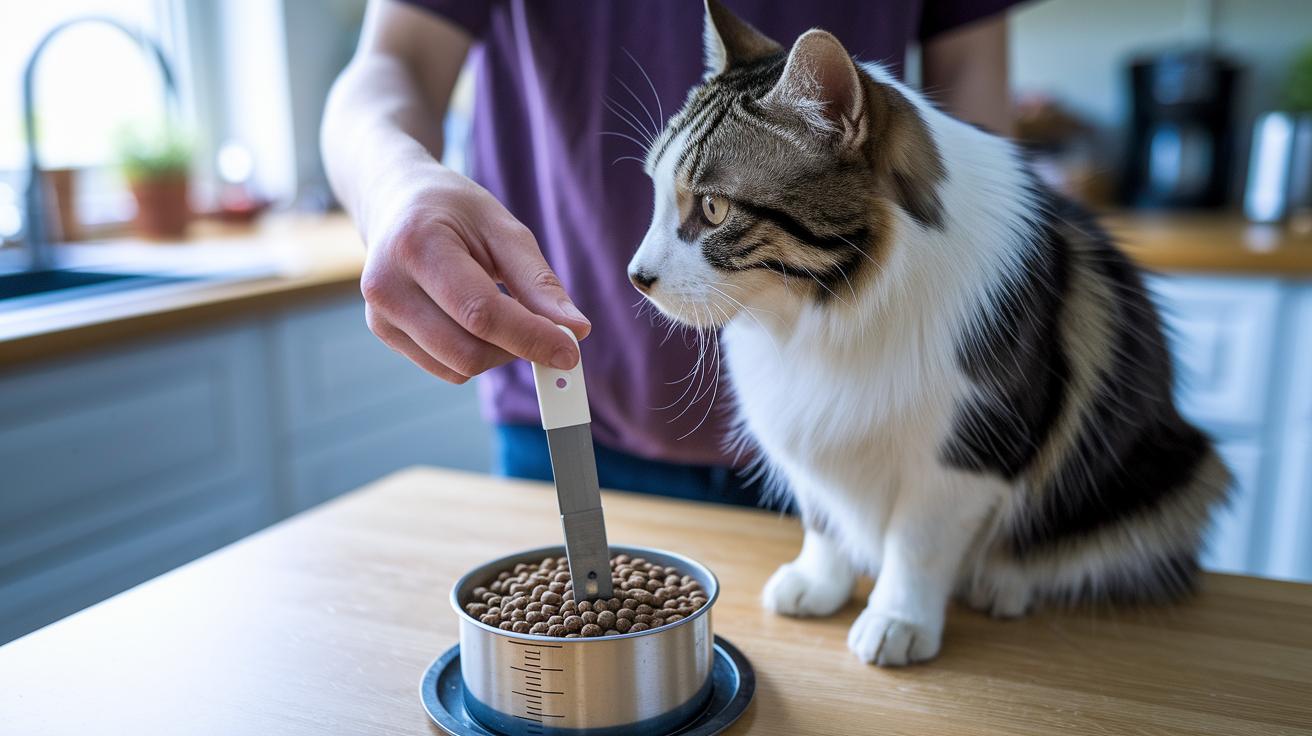
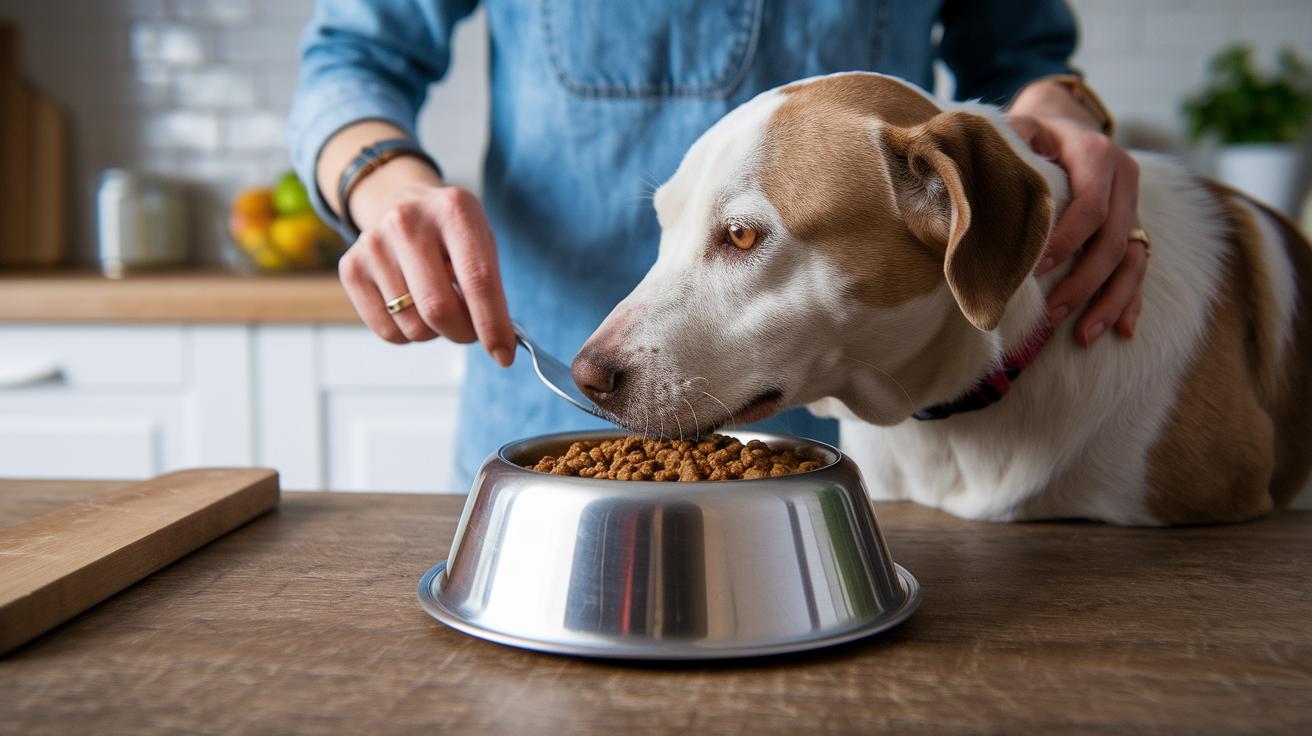
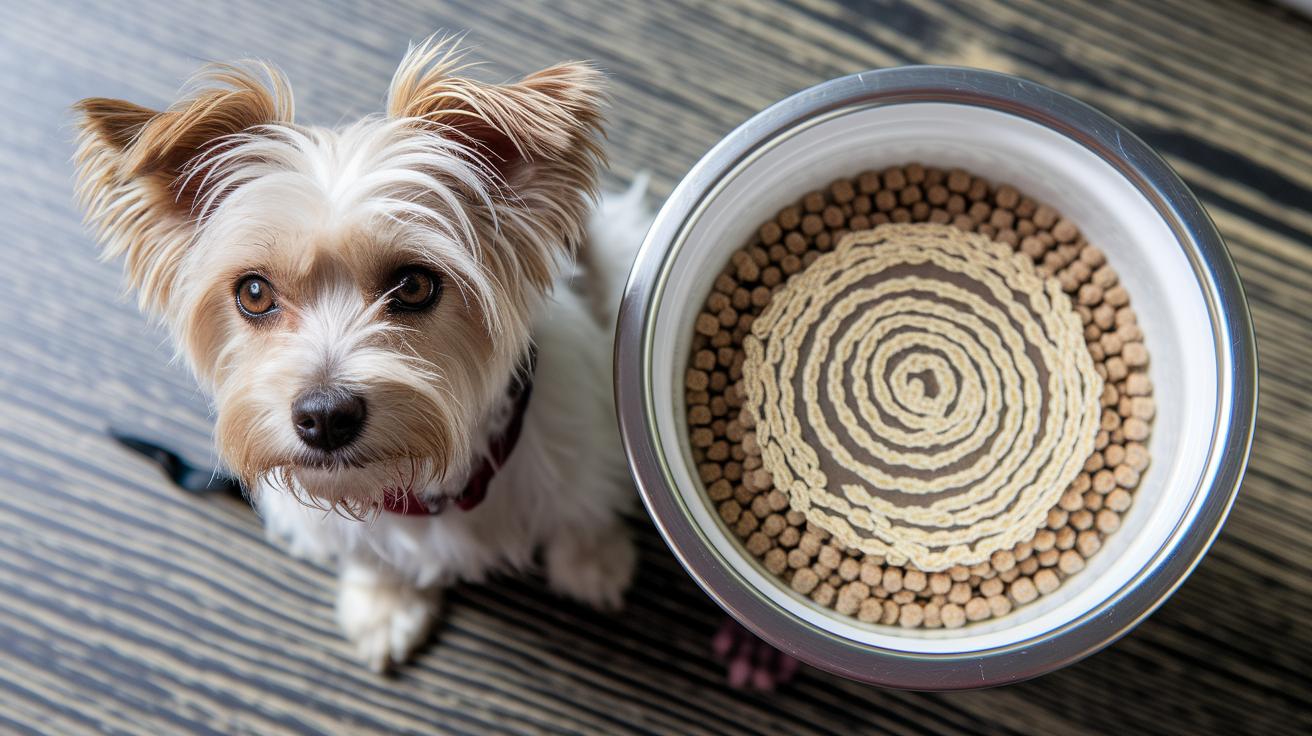
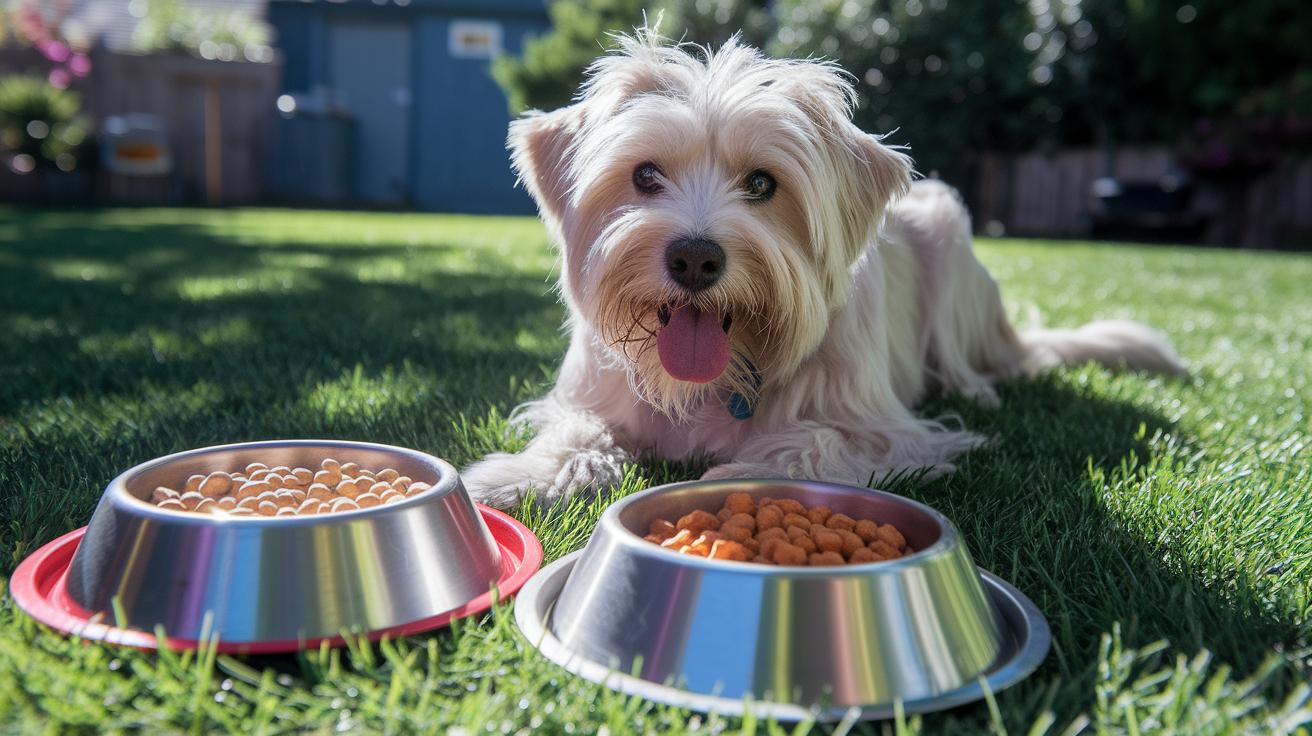
Active dogs need lots of protein to keep their muscles strong and energy high. Protein fixes up muscles after all that play, like running agility courses or competing in events. Usually, a good, protein-rich meal is just right for pups who get 1 to 2 hours of exercise each day. Picture your dog coming home after a fun play session, needing amino acids (the tiny bits of protein) to rebuild its muscles.

But there’s more than just protein. Carbs from whole grains or veggies give a steady burst of energy for everything from morning walks to evening frolics. Fats work like a concentrated fuel that keeps your dog going during long bursts of activity. And vitamins with minerals help keep a shiny coat, a strong immune system, and even help manage stress. It’s a bit like building a house: protein forms the frame, carbs and fats are the bricks, and vitamins plus minerals put on the perfect finishing touches for good health.

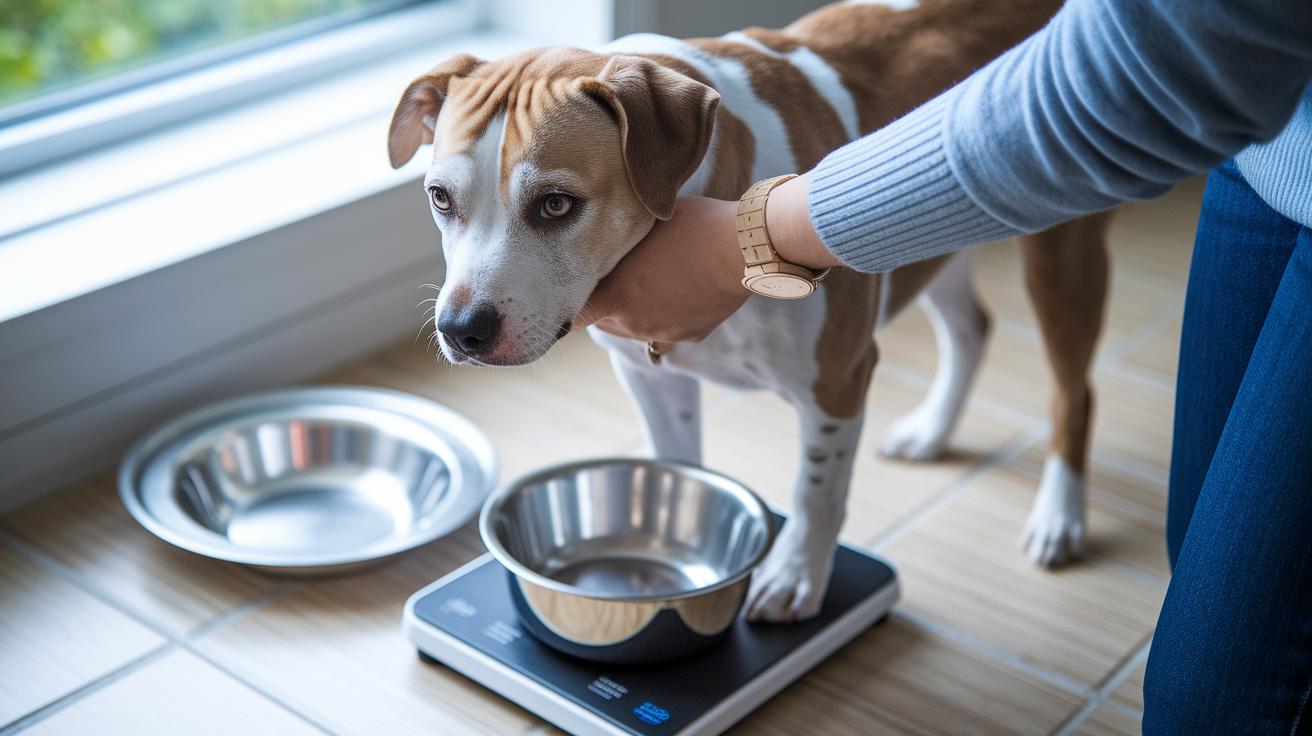
Staying hydrated is super important too. Active dogs need plenty of water, and adding wet food or a little water to dry food can really help. A simple rule is to give about 0.5 dl of water for every kilogram of body weight each day. This little tip makes sure your furry friend stays refreshed, even after a long day of play.

Mixing these nutrients right sets up your dog for days full of fun, exercise, and healthy living. A well-balanced diet means your pet gets the energy to move and the muscle support to play hard all day long.

Macronutrient Breakdown for High-Performance Canines
img-2.jpg

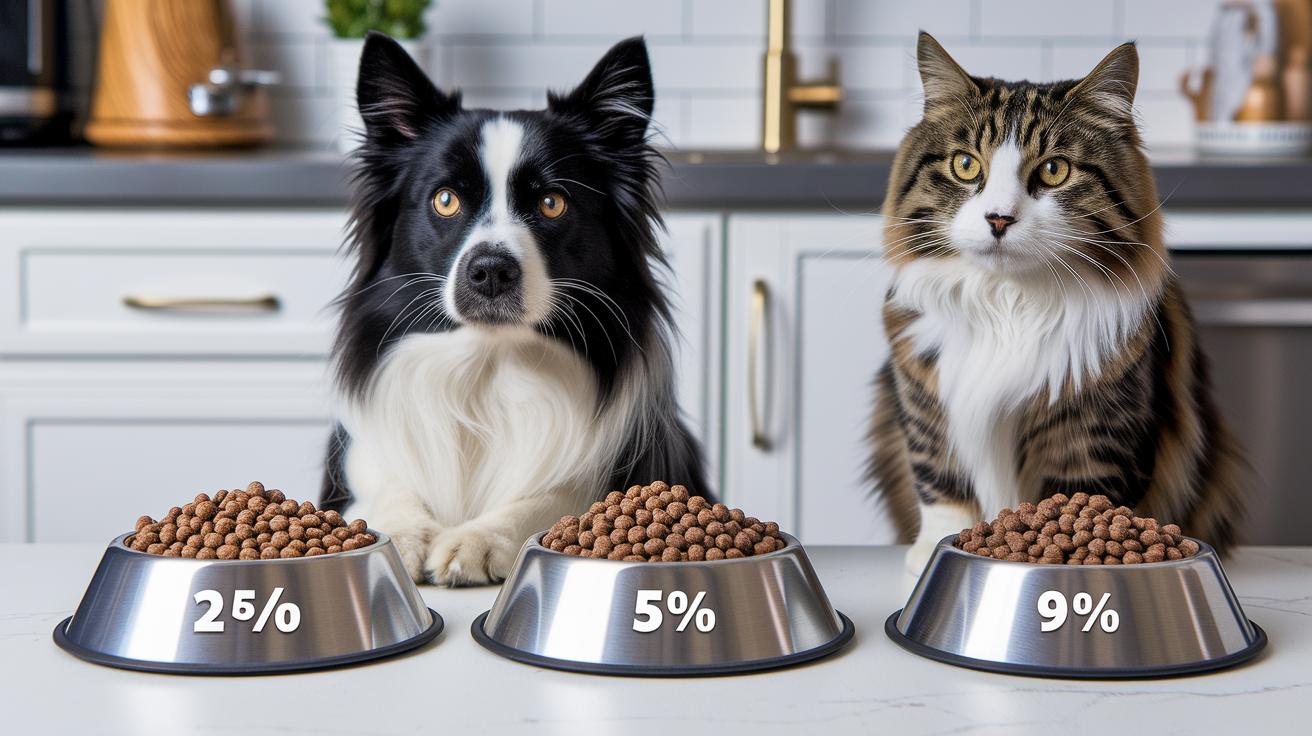
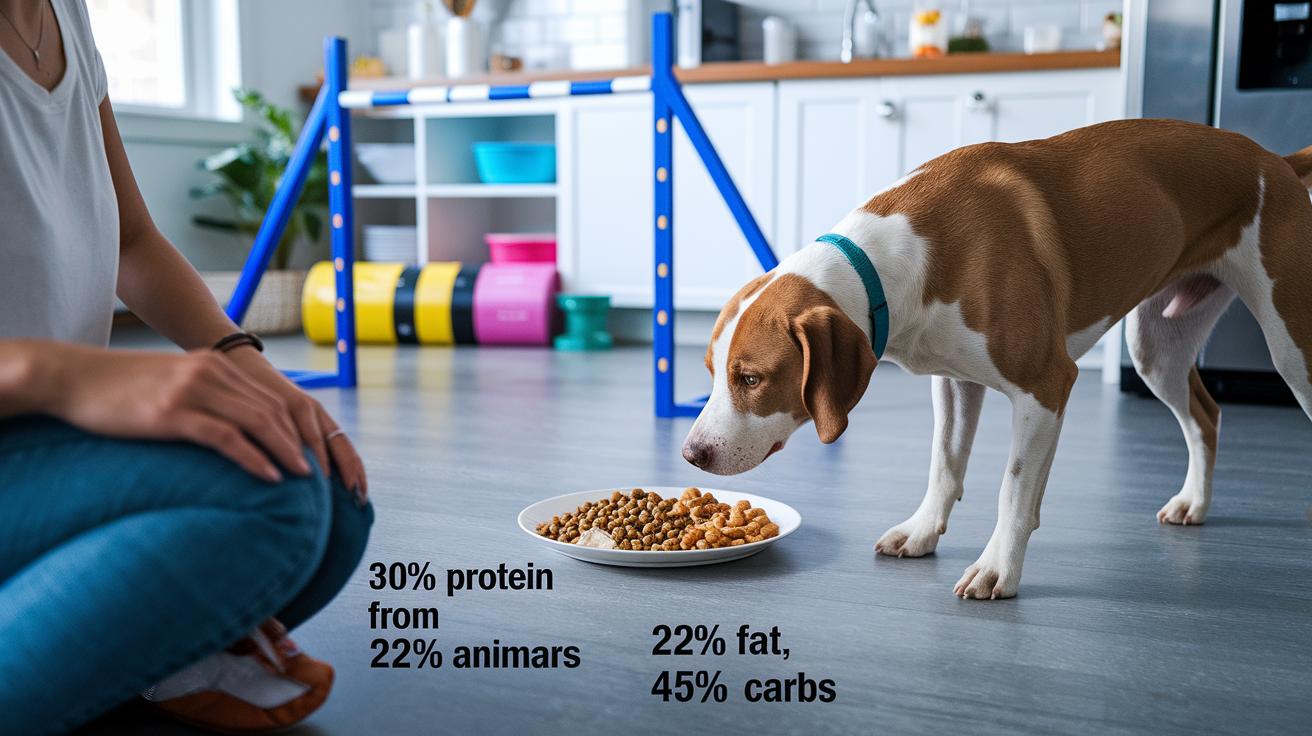
Our updated nutrient plan gives clear steps to fuel your active pup. It suggests about 30% protein from animal sources (which helps repair and build muscles), roughly 22% fat for concentrated energy during play, and about 45% carbohydrates to keep their energy even. National agility groups helped fine-tune these numbers to match the special needs of energetic breeds.

Think of it like a recipe for your dog's peak performance. That 30% protein works wonders for muscle repair, 22% fat keeps energy packed for long playtimes, and 45% carbohydrates help them stay steady during busy days.

Macronutrient Recommended Range Role
Protein ~30% Muscle building and repair
Fat ~22% Provides concentrated energy
Carbohydrates ~45% Keeps energy levels steady

By blending these detailed nutrient values into our plan, we now have a friendly, easy-to-follow guide that helps your furry friend do their best.

Exercise-Based Diet Planning for Active Breeds

img-3.jpg

Short-Duration Anaerobic Nutrition

When your dog is dashing around for a quick burst like an agility run or a fast race, they need food that gives them a sudden splash of energy and helps fix their tired muscles afterward. A meal rich in protein (like lean meat) helps rebuild those muscles in a snap. It also has a bit of fat, which acts like a quick fuel boost during short, intense spurts. Imagine serving a small plate of finely chopped chicken blended with a touch of healthy fat from fish oil, about one to two hours before playtime. This setup gives them a burst of energy just when they need it, just like a quick snack before a morning sprint.

Long-Duration Aerobic Nutrition

For longer outings, like a day spent on a hunt or an extended walk, your pup needs fuel that lasts. Increasing the fat content in their meal gives a slower, steadier release of energy. When you mix in some complex carbohydrates, such as brown rice or sweet potatoes, your dog gets energy that builds up gradually. These carbs break down slow, ensuring they have energy from start to finish. A meal that blends a bit more fat with these wholesome carbs is just right for keeping your furry friend moving strong without extra calories weighing them down. It’s like having a balanced pack that keeps up with your dog through every step of a long adventure.

Product Lines & Recipe Recommendations for Active Dogs
img-4.jpg

Active dogs need meals that match their boundless energy. Options like Nature’s Fresh®, Homestyle Creations™, Fresh Treats, Freshpet® Delivery, and Deli Fresh® give you plenty of choices for every active pup. These formulas are made to power your pet during playful races, fun training sessions, and even recovery time after a big burst of exercise.

Each line uses top-notch ingredients to mix just the right amount of protein (the building blocks for muscles), carbs (the fuel to keep them going), and fats. Imagine picking a meal like you’d choose a favorite recipe from a cookbook, Nature’s Fresh® is like a snack for busy days at the park, while Homestyle Creations™ feels like a warm, home-cooked meal.

There are six special recipes made just for energetic dogs. One recipe for large breeds is packed with lean protein and energy-rich carbs to help keep muscles strong. For small breeds, there’s a mix made easy on delicate tummies yet full of the nutrients needed for fun-filled days. Plus, a grain-free option swaps out common cereals for alternatives like sweet potatoes, perfect for pups with sensitivities. Expert nutrition teams have put these recipes together, just like a chef carefully selects ingredients to create a meal that fuels every wag and bounce.

Hydration Strategies for Active Canines
img-5.jpg

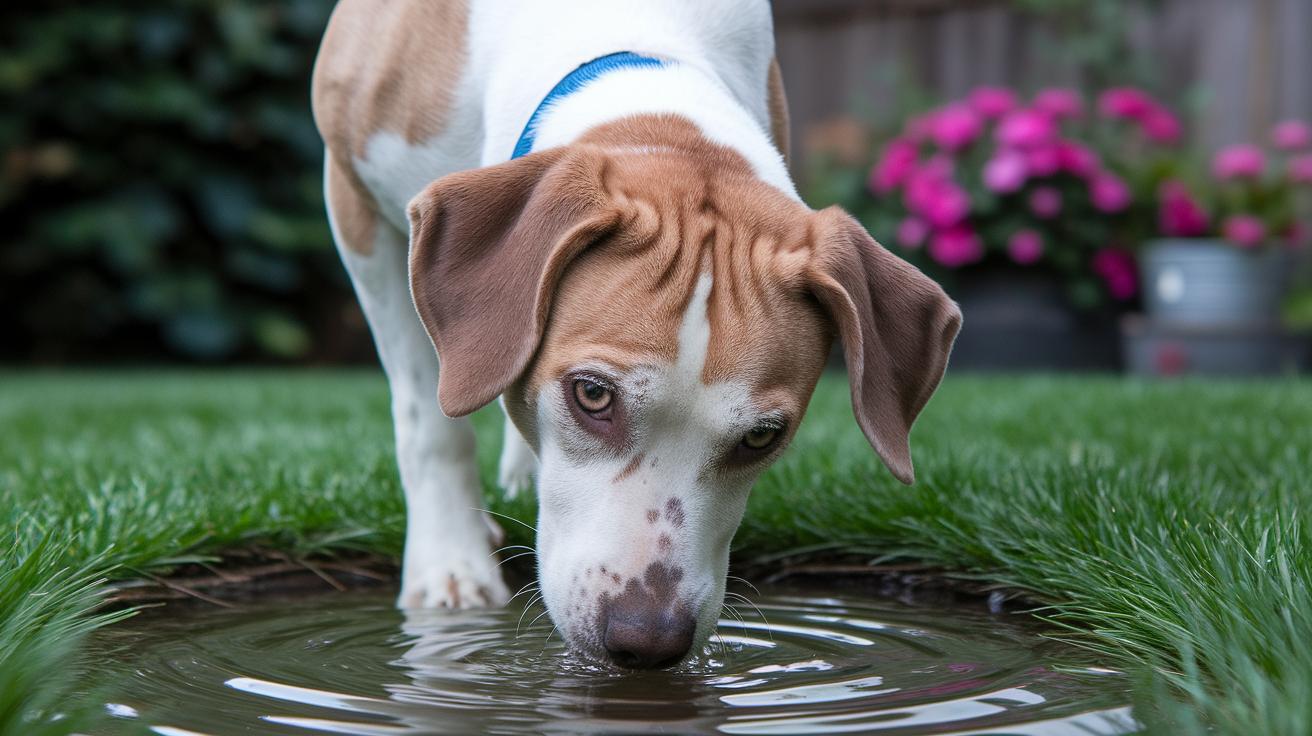
If your dog is running, playing, or just enjoying a day out, keep an eye on his water needs. Instead of sticking to a fixed rule like 0.5 dl per kilogram, notice his behavior. Dry gums, a tired look, or darker urine are little hints that he might be thirsty. For example, if his mouth seems dry after playtime, it might be time for a water break.

Adding moisture to his food can also help. Mixing in wet food or drizzling a bit of water over kibble gives him an extra drink, kind of like enjoying a cool, refreshing glass on a warm day.

Keep in mind that different sizes of dogs have different water needs. Smaller breeds might sip steadily, while larger pups can drink more often. Always make sure his water is fresh and check his bowl regularly to avoid any stale water.

  • Watch for signs of dehydration.
  • Adjust water access to match your dog's size and energy.
  • Refresh water often for better taste and safety.
Breed Size Water Intake (approx.)
Small Varies; watch for thirst signals
Medium 1–2 liters per day
Large More than 2 liters per day

Transitioning & Monitoring a Performance Diet
img-6.jpg

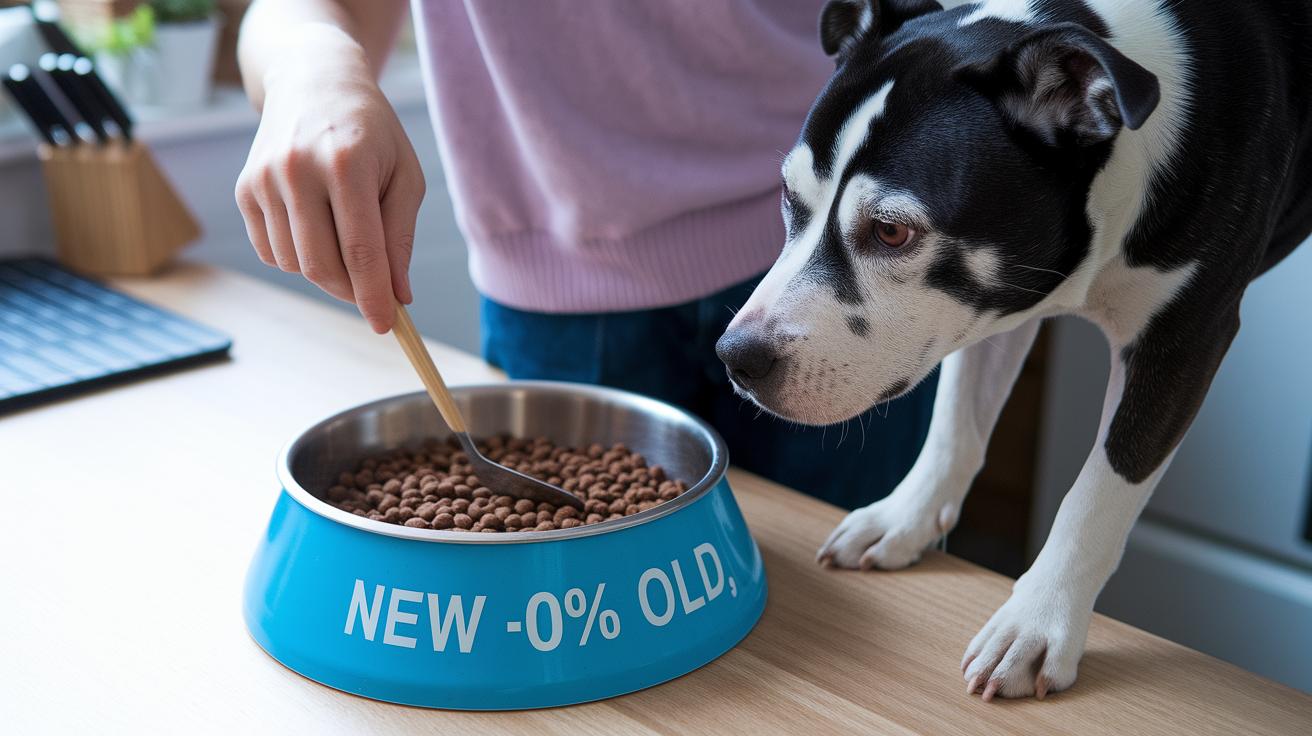
Switching your dog's food should feel like a gentle introduction to something new. Start by mixing about 10% of the new food with 90% of the old one on day one, and then slowly shift the balance over 7–10 days. This simple, gradual change helps keep tummies happy and your furry friend comfortable.

Always take a moment to read the pet food labels so you know what goes into each bowl. Look for clear percentages of protein (the building block for muscles), fat, and carbohydrates (the energy source) to ensure a well-balanced meal, especially for active pups. Keep an eye on your dog's progress by noting any changes in weight, energy levels, and overall mood during play or training sessions. If things seem off, like if your dog feels sluggish or starts gaining extra weight, it might be time to adjust portions or check with your vet.

A daily log of these observations can be really useful. Jot down little details about your pet’s energy or muscle tone, and share this log with your vet. It’s a simple way to see what works and help your best buddy enjoy every meal with a happy tummy.

Common Pitfalls in Active Breed Diets

img-7.jpg

A common mix-up we see is giving your dog an active formula when they only get one or two hours of exercise each day. Adding extra calories when they don’t need them can cause unwanted weight gain. Think about it like this: if you overfill a car’s gas tank when only a little fuel is needed, the extra weight slows everything down.

Another pitfall is overlooking your pet’s need for water. After a playful run or a fun romp, your dog might feel a bit thirsty, even if the exercise was short. So, keep an eye on signs like dry gums or a tired look and offer some water to keep them happy and hydrated.

It’s also easy to miss that your dog’s activity level can change from day to day. Whether your pet’s week is jam-packed with fun or more laid-back, the portions and nutrient mix should match their energy level.

  • Stick to nutritional guidelines to avoid overfeeding.
  • Watch for dehydration signs like dry gums or sluggish behavior.
  • Adjust food portions when your pet has more or less activity than usual.

Final Words

In the action, this article explored key ways to support active dogs through balanced meals and smart hydration. We covered how every macronutrient, protein, fats, and carbohydrates, plays a role in muscle repair and energy, shared tips for mixing up recipes, and explained how gradual diet transitions can make a big difference. By looking at common mistakes and practical product options, the discussion helps you feel ready to adjust your pet's food routines. Keep up the good work with your pet diet planning for active breeds.

FAQ

How do dog calorie calculators by breed, weight, and the RER formula work?

The dog calorie calculators use your pet’s breed and weight to estimate daily energy needs. The RER (resting energy requirement) formula calculates base calories from weight to help maintain health.

How do I determine the resting energy requirement (RER) for my dog?

The RER calculation means using your dog’s weight to estimate the basic calorie needs for normal body functions. This guides portion sizes and ensures your pet gets enough fuel every day.

What are the nutritional needs for working dogs?

Working dogs need a balanced diet rich in high-quality protein, healthy fats, and complex carbohydrates. Their meals support muscle recovery, energy levels, and overall performance during active play and work.

What is the best diet for an active or hyperactive dog?

The best diet for active or hyperactive dogs combines nutrient-rich ingredients, including lean proteins and balanced fats, to boost energy and muscle support while keeping calorie intake proper for their activity level.

How much food should I feed my active dog?

Feeding guidelines depend on your dog’s weight, energy, and activity levels. Using a reliable dog nutrition chart helps calculate proper meal sizes so your pet gets the right balance of calories and nutrients.

Which diets work best for large dogs, small dogs, and for longevity?

Diets for various sizes focus on balanced macros—proteins, fats, and carbohydrates. Large dogs, small dogs, and those needing longevity benefit from meals tailored to support sustained energy, muscle maintenance, and overall vitality.

What information does a dog nutrition chart provide?

A dog nutrition chart outlines the ideal amounts of nutrients like protein, fats, and carbohydrates based on your pet’s weight and activity. It serves as a handy guide for creating a balanced, healthful meal plan.


Science-backed Pet Diet Guidelines For Optimal Health Thrive

0

Ever wondered if your pet’s meal is really doing them any favors? Studies show that a good, balanced diet filled with water, quality protein, fats, carbs, vitamins, and minerals can give your furry friend a burst of energy and help boost their immune system (that’s the body’s way of fighting off illness).

Foods labeled as complete and balanced might keep your pet in tip-top shape. But sometimes, leaving out grains or opting for a raw diet can bring a few extra risks. In this post, we share some easy, science-backed tips to help your little companion thrive every day.

Science-Backed Foundations of Pet Diet for Optimal Health

img-1.jpg

When it comes to keeping your pet happy and healthy, a balanced diet is a must. A great pet meal has six key ingredients: water, high-quality animal protein, fats, carbohydrates, vitamins, and minerals. These elements work together to help every cell run smoothly, repair muscles, and give your pet the energy it needs while strengthening its immune system. Foods with an AAFCO complete and balanced label (this shows they have the right mix) can give you extra peace of mind.

The FDA looks over food labels mainly to check for cleanliness, not the perfect nutrient mix. Still, these rules help make sure that pet foods follow trusted research and meet vets’ advice.

  • Water: Keeps every cell hydrated and helps the body function well.
  • High-quality animal protein: Provides the building blocks needed for repair and a strong immune system.
  • Fats: Give a concentrated energy boost and help absorb fat-soluble vitamins.
  • Carbohydrates: Supply energy and fiber to support smooth digestion.
  • Vitamins: Boost the immune system, improve skin health, and keep coats shiny.
  • Minerals: Support strong bones, nerve function, and many other body tasks.

It’s interesting to note that some grain-free diets have been linked to heart issues in dogs because cutting out grains can mean losing a key source of fiber and energy. On the flip side, raw diets can sometimes bring risks like Salmonella and E. coli, which could put both your pet and you at risk. Balancing these factors is essential to creating a diet that is both safe and backed by science.

Customizing Canine and Feline Diets Through Research-Based Protocols

img-2.jpg

Dogs need a bit of extra care when it comes to their energy. As they grow, their food needs change. For example, an adult dog usually requires about 1.2 to 1.8 times their resting energy requirement (RER, which is a way to figure out how much energy they need while resting, using the formula 70 × kg^0.75). So, a middle-aged dog might eat more than an older one. And for puppies, richer food is key, about 22–32% protein and 12–20% fat, to help them grow strong and build muscles.

Cats, on the other hand, thrive on meat. Being natural carnivores, they do best with lots of animal protein. They also need a bit of taurine (at least 0.1 percent) to help keep their hearts and eyes healthy. Since they can’t really digest too many plants, nearly all of a cat’s meal should come from meat. This approach supports the way they naturally eat and keeps them lively.

When it comes to meal times, timing matters too. Adult dogs and cats usually do fine with one or two meals a day. But little ones like puppies and kittens are happiest with three to four smaller meals that help keep their energy steady as they grow. For more detailed feeding tips tailored to your pet’s needs, check out the advice at ultimate pet nutrition.

Evaluating Pet Food Quality With Scientific Meal Evaluations

img-3.jpg

When you check pet food labels, take your time to really understand what you're feeding your furry friend. Look for AAFCO approval; that means the food meets strict nutritional standards. Make sure the first few ingredients are high-quality proteins and steer clear of fillers like corn or wheat. Sometimes, heat during processing can lower vitamins, so some makers add extra nutrients afterward. This careful look helps you choose foods that have been tested and made with trusted ingredients, just like those backed by holistic pet nutrition research.

Dry Food Canned Food
Budget friendly, lasts a long time, and is easy to store Has more moisture, making it tastier for your pet

The next step is checking functional additives. Look for reviews on bioavailability (this means how much of a nutrient your pet actually gets after eating) to be sure antioxidants and probiotics are present at proper levels. These reviews tell you how much of the nutrient is available to help your pet. This method makes it easier to pick food that is safe and packed with nutrients your pet needs.

Designing Calibrated Meal Plans With Data-Driven Feeding Tactics

img-4.jpg

First, let’s figure out your pet’s basic energy needs. Use the trusted formula where RER equals 70 times your pet’s weight in kg raised to 0.75. Then, adjust that number for MER (the energy your pet uses each day) by multiplying by a factor between 1.2 and 1.8. These figures give you a good starting point for planning meal sizes and daily energy intake.

These simple calculations create a framework that makes it easy to adjust meals when your pet’s activity level or age changes. It keeps feeding routines both flexible and healthy.

Next, you can build on this by using advanced tactics that release nutrients slowly. Slow-release carbohydrates, for example, provide a steady stream of energy throughout the day. Timed-release capsules help spread out the delivery of vital nutrients. Imagine your pet getting a gentle boost of energy all day long, rather than a sudden spike.

Monitoring Nutrient Intake and Adjusting Diets Through Clinical Nutrition Experiments

img-5.jpg

Checking your pet's health is all about the basics. You start with simple look-overs, like giving them a body score (on a 1-9 scale) and weighing them each week. These easy steps help you see if their food is giving them the energy and nutrients they need. Plus, a quick blood test (which checks things like albumin, BUN, creatinine, glucose, and fats) can tell you more about what’s happening inside their body.

With these check-ups and tests, you can tweak both the big parts (macronutrients) and the little parts (micronutrients) of your pet’s diet to keep them healthy. Adjusting their meals based on what you see makes sure every bite is balanced and good for them. And don’t forget to stop by the vet every 3 to 6 months; a regular check-up makes it easier to fine-tune their diet so they stay full of life and energy.

Addressing Special Dietary Considerations: Raw, Grain-Free, and Homemade Diet Science

img-6.jpg

Raw diets can be risky for your pet. They might expose them to harmful bacteria like Salmonella and E. coli. You know, by keeping a clean kitchen and scheduling a monthly lab test, you can catch any issues before they become big problems.

Grain-free diets might seem great, but they can throw off your pet's nutrition. The FDA found that some grain-free foods may lead to heart problems, such as canine dilated cardiomyopathy. Grains actually offer fiber and steady energy from balanced carbohydrates. So, switching to a mix that adds a bit of whole grains might help smooth out their energy levels.

Homemade diets let you design meals just the way your pet likes, but they might miss out on vital vitamins and minerals. Experts from groups like AAFCO and NRC suggest talking to a pet nutritionist to ensure your recipes are complete. Imagine a pet owner who regularly tweaks recipes with advice from a nutrition expert, making sure each meal is perfectly balanced for their furry friend.

Integrating Supplemental Nutrients and Functional Ingredients Based on Evidence

img-7.jpg

Have you ever noticed how a shiny coat on your pet lights up their playful spirit? Omega-3 fatty acids, like EPA and DHA (good fats that help your pet’s skin and joints), given at about 75 mg per kilogram, can make a big difference. Research shows that the more of these fats your pet gets, the better their coat and joint health can be, almost like a little boost of love in every meal.

Antioxidants such as vitamins E and C work to keep your pet’s cells safe from everyday wear and tear. For instance, vitamin E, about 2 IU per kilogram of dry food, acts like a gentle shield that guards their cells from damage, much like a cozy blanket on a chilly night.

Then there’s the healthy gut connection. Probiotics and prebiotics (think of these as the good bugs and their favorite snack) help keep the tummy happy and balanced. Tried and true strains like Enterococcus faecium and Bifidobacterium animalis have shown promising benefits. And if your dog is a bit older and moving a little slower, a supplement combining glucosamine and chondroitin at 500 mg per dog has been shown to support smoother joint movement.

All these targeted ingredients work together, each playing its part to keep your pet active, comfy, and full of life. It’s like building a little army of support inside them, ready to face each day with energy and joy.

Ensuring Long-Term Health Through Research-Based Feeding Frameworks and Ongoing Compliance

img-8.jpg

Recent studies have shown that pets enjoying a complete, balanced diet tend to live about 15% longer than those fed diets that aren't carefully controlled. The research suggests that feeding our furry friends with meals based on solid scientific data can lower the chances of obesity, tooth problems, and ongoing inflammation by roughly 30% in test groups. In simple terms, a diet packed with proven nutrients does more than just give your pet the energy they need day-to-day, it helps keep them healthier for longer.

Sticking to a good feeding routine is really important. It helps to check pet food labels every now and then to make sure they match the latest guidelines from AAFCO and the FDA, the organizations that set food standards (they are the folks behind the rules for safe pet food). And it doesn't hurt to have a vet visit every 6 to 12 months. These check-ups are a great way to stay on top of your pet's diet and to tweak meals as new nutritional advice comes in. This ongoing care ensures that your pet’s feeding plan grows with new discoveries, always helping to boost their long-term well-being.

Final Words

In the action, we broke down essential pet diet elements, water, protein, fats, carbs, vitamins, and minerals, and discussed regulatory checks and balanced meal planning. We tackled ideas on customizing diets for canine and feline needs, weighing dry versus canned choices, and fine-tuning portions with proven energy formulas. We even touched on the risks tied to grain-free and raw diets while highlighting safe supplemental choices. Following science-backed pet diet guidelines for optimal health helps you confidently provide pets with the love, care, and balanced meals that keep their tails wagging and hearts happy.

FAQ

Science backed pet diet guidelines for optimal health pdf

The science backed pet diet guidelines PDF outlines research-based nutritional standards that help you build meals with balanced proteins, fats, carbohydrates, vitamins, and minerals for complete pet health.

Healthy dog diet homemade

A healthy dog diet homemade meal follows evidence-backed recipes to offer balanced nutrients from animal protein, grains, and vegetables, ensuring your dog gets all the vital elements for strong health.

Dog nutrition chart

The dog nutrition chart gives you clear numbers on essential nutrients like protein, fats, fibers, and vitamins, using research-supported data to help you measure proper portions for your pet.

Dog nutritional requirements homemade food

Dog nutritional requirements in homemade food stress the need for balanced portions of meat, vegetables, and grains, providing all key vitamins and minerals based on established health standards for pets.

Dog nutrition supplements

Dog nutrition supplements are used to add vital nutrients such as omega fatty acids, antioxidants, and joint-support compounds to your pet’s diet, enhancing overall health when paired with a balanced meal plan.

Best dog diet for longevity

The best dog diet for longevity incorporates complete nutrition from high-quality proteins, essential fats, and necessary vitamins, guided by scientific research that links balanced diets with longer, healthier lives for dogs.

How much protein in dog food per 100g

How much protein in dog food per 100g depends on the formula but typically ranges from 20 to 30 grams, which supports muscle repair and energy needs while matching life stage and activity level.

What vitamins do dogs need in homemade food

What vitamins do dogs need in homemade food includes vitamins A, D, E, and B-complex, which help with vision, bone health, skin care, and energy metabolism, making them essential for a balanced pet meal.

Simple Steps To Create A Healthy Pet Diet

0

Ever wonder if your pet's meal plan really gives them the energy to play and explore? Even little changes, like measuring their food properly and feeding them at the same time every day, can make all the difference.

Every pet deserves a meal packed with good things like proteins, carbs (fuel for energy), fats, vitamins, and minerals. This special mix helps them run, play, and relax comfortably after a busy day of adventures.

In this post, I'm sharing a few simple steps to build a healthy diet that boosts your pet's energy and overall well-being. Give your furry friend meals that work as hard as they do, and enjoy watching them thrive!

Step-by-Step Guide to Creating a Healthy Pet Diet

img-1.jpg

Every pet is one-of-a-kind, and their food needs can change based on their age, breed, or how much they play around. A meal that mixes proteins (for strong muscles), carbohydrates (for quick energy), fats (for a shiny coat), vitamins, minerals, and water helps keep your buddy active and happy. It’s amazing how simple measures like checking portions and maintaining a regular feeding time can boost your pet’s overall well-being.

Chatting with your vet is a smart move, too. They can suggest a wellness exam (a checkup to see how healthy your pet is) or some tests that help fine-tune your pet’s diet. This way, you not only stick to your daily feeding routine but also catch any small health issues before they become big ones.

  • Measure food amounts to match your pet's size.
  • Stick to a regular feeding schedule to support smooth digestion.
  • Choose meals with a balanced mix of proteins, carbs, fats, vitamins, and minerals.
  • Limit treats to avoid giving extra calories.
  • Plan regular vet visits to adjust the diet as needed.

By following these simple tips, you can easily keep your pet's mealtime on track. With a bit of care and planning, you'll serve up meals that hit every nutritional need while keeping your furry friend energetic and joyful. It’s the perfect blend of everyday loving care and a little professional guidance for a healthier, happier pet.

Understanding Pet Nutrition Fundamentals

img-2.jpg

Your pet’s well-being starts where food meets everyday energy. When your furry friend eats proteins, carbs, fats, vitamins, and minerals, special helpers (enzymes) in their gut break these nutrients down so they can be used. For example, proteins become amino acids (tiny building blocks for muscles), so the quality of their food makes a big difference in growth and repair.

New pet foods now often add ingredients like probiotics (helpful germs that improve digestion) and extra fibers that boost nutrient uptake. Some people think these extras aren’t needed, but studies show they can help balance gut health and make nutrients work better. Fun fact: Research suggests that adding probiotics can improve nutrient absorption by as much as 20% in some pets!

Nutrients work together like a well-coordinated team. Take vitamin D for example, it helps your pet’s body use calcium more efficiently, and certain fats allow them to absorb vitamins A, D, E, and K. A balanced diet like this can lead to a shinier coat and a burst of playful energy. One pet owner even noticed that pairing vitamin D with calcium-rich food resulted in stronger bones and extra pep during playtime.

Selecting Natural Ingredients and Crafting Homemade Pet Meals

img-3.jpg

When it comes to feeding your pet, using natural whole foods is a smart way to boost their health. Fresh ingredients like real chicken, crisp vegetables, and natural grains pack a great mix of protein, carbs, fats, vitamins, minerals, and water. This helps your pet soak up the good stuff while steering clear of additives that might upset a sensitive tummy.

Canine Homemade Meal Ideas

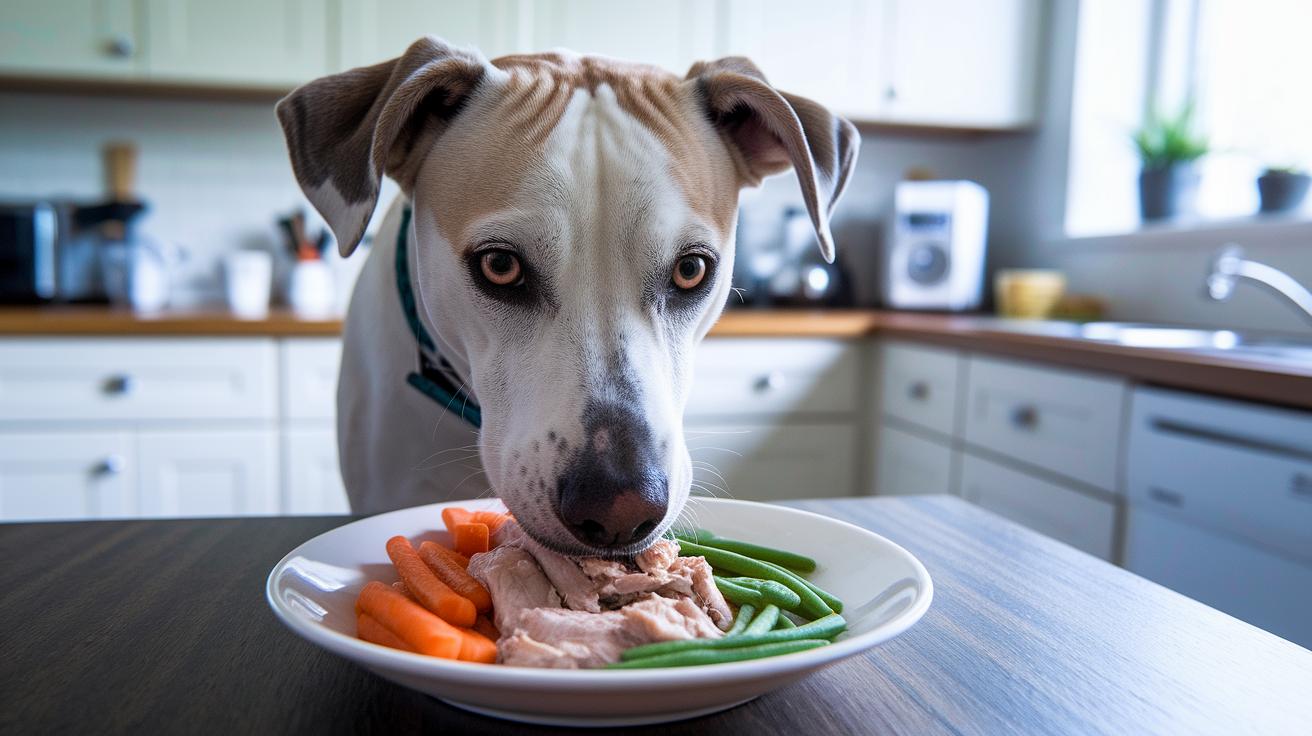
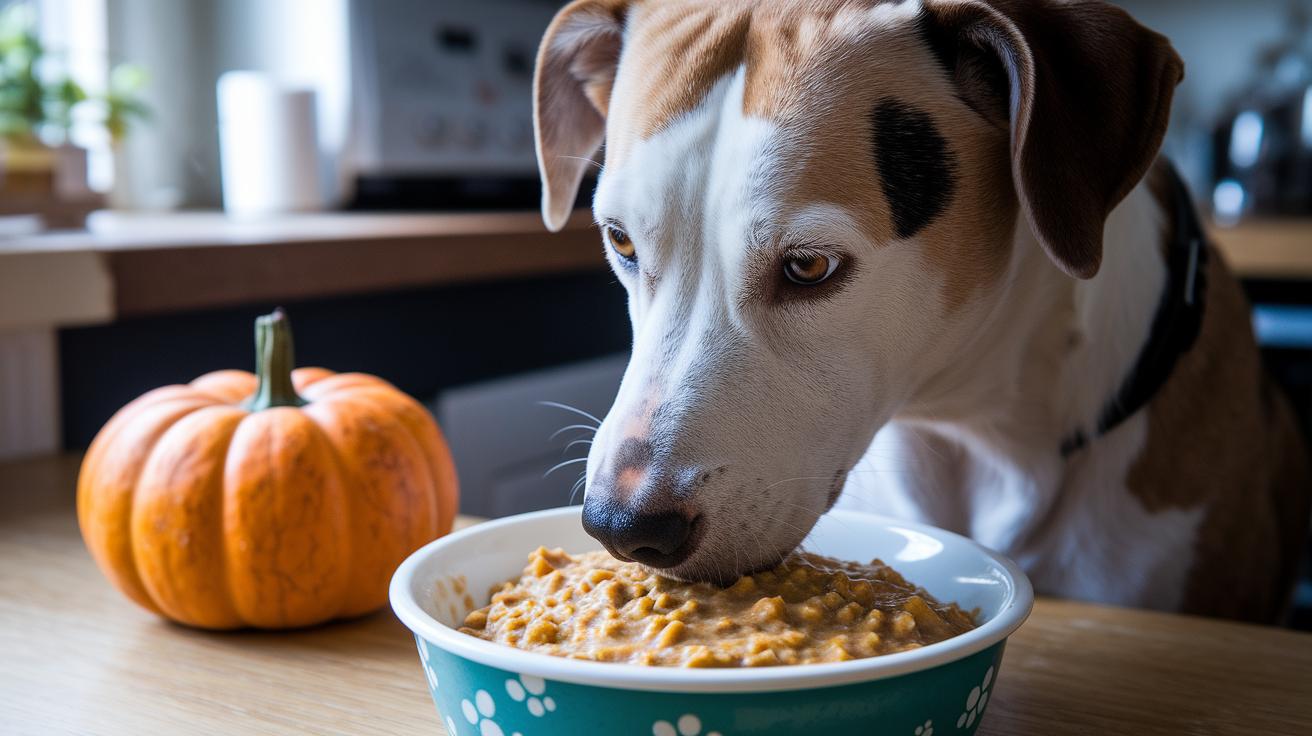
For our dog friends, meals built on high-quality proteins work wonders. Try mixing lean chicken or turkey with finely chopped carrots and green beans. These simple dishes support strong muscles and a shiny coat. A cozy stew or mix offers energy and comfort without any extra fillers. And every now and then, add a little pumpkin to help keep digestion on track, just like a pinch of spice that makes the meal extra comforting.

Feline Homemade Meal Ideas

Cats usually do best with meals heavy on protein and light on carbohydrates. Think about preparing a dish with fresh fish or chicken that’s lightly cooked (this way, most of the good nutrients are kept intact) and mixing in a small amount of pureed peas. This kind of meal fits perfectly with their natural, meat-focused diet while keeping calorie counts in check.

By combining proteins, carbs, fats, vitamins, and minerals in these down-to-earth, natural recipes, you’re making meals that help your pet feel healthy and happy every day.

Determining Optimal Portion Sizes and Feeding Schedules

img-4.jpg

Keeping track of how much food your pet gets and sticking to a feeding routine is super important for their health. A set schedule not only helps control their weight but also makes sure they get all the nutrition they need. It’s a small habit that can really boost your pet's energy and well-being. Plus, checking their portions now makes it easier to adjust as your pet grows or becomes more (or less) active.

Pet Weight Category Daily Portion (cups) Feeding Frequency
Small (0–15 lbs) 0.5 to 1 cup 2 meals/day
Medium (15–40 lbs) 1 to 2 cups 2 meals/day
Large (40–70 lbs) 2 to 3 cups 2 meals/day
Giant (>70 lbs) 3 to 4 cups 2 meals/day

Keep a close eye on your furry friend’s body and energy. If they seem a bit heavier or are less energetic than usual, try cutting down a little on their meal or tweaking the feeding times. Always remember, a little change today can mean a happier, healthier pet tomorrow. For more handy tips on keeping your pet at the perfect weight, check out the advice on pet weight management at https://bonsiaai.com?p=965.

Ensuring Food Safety and Hygiene in Your Pet’s Diet

img-5.jpg

Keeping your pet’s eating area neat is essential. Make it a habit to wash your pet’s bowls, utensils, and surfaces with warm soapy water to get rid of any leftover food bits that might encourage bacteria growth. Think of it like giving your pet’s dish a quick bath so it stays fresh and inviting.

Storing food correctly is just as important. Always keep fresh ingredients in sealed containers and pop them in the fridge when needed. This way, the food keeps its good nutrients and stays safe from germs, kind of like saving leftovers for your own dinner. And remember, keep cleaning supplies and other harsh chemicals away from where you prepare your pet’s meals. Using dedicated cutting boards and utensils helps prevent any mix-ups, making mealtime both safe and healthy for your furry friend.

Monitoring and Adjusting Your Pet’s Diet for Ongoing Health

img-6.jpg

Keep a close eye on your pet’s everyday habits to see if their diet is really working. Notice if they seem less energetic, if their weight shifts suddenly, or if their coat doesn’t look as shiny and full as before. A slower wag of the tail during a walk or a dull, shedding coat might signal it’s time to review what they're eating.

If you observe more serious signs, like quick weight loss or constant vomiting, reach out to your vet immediately. They might suggest a checkup with some lab tests (simple tests that help figure out what's wrong). With your vet’s advice, you can adjust meals so your pet’s food supports a lively and playful day every day.

Final Words

In the action of planning balanced meals, we covered pet nutrition basics, the use of fresh ingredients in homemade recipes, portion sizes, food safety, and how to adjust diets for best results. Every section offered clear tips to build confidence in your daily pet care.

By embracing simple steps to create a healthy pet diet, you can support your pet’s overall health and happiness. Happy feeding, and here’s to seeing their tails wag with joy!

FAQ

Q: What are simple steps to create a healthy pet diet for dogs?

A: The simple steps to create a healthy pet diet for dogs involve mixing lean proteins, whole grains, and fresh veggies with essential vitamins and minerals. These steps ensure a balanced, nourishing meal plan for your furry friend.

Q: How can I prepare a healthy homemade dog diet?

A: The healthy homemade dog diet can be made by combining fresh meats, veggies, and grains while avoiding fillers. This approach provides natural protein, beneficial fats, and vital nutrients needed for dog vitality.

Q: What should a dog nutrition chart include?

A: The dog nutrition chart should include key elements like proteins, fats, carbohydrates, vitamins, and minerals. This chart helps pet owners plan balanced meals and maintain consistent feeding practices tailored to their dog’s needs.

Q: How do I add fat to a dog’s diet naturally?

A: The method to add fat naturally involves incorporating sources like fish oil or chicken fat into the dog’s meals. These ingredients offer essential fatty acids that promote healthy skin and coat.

Q: What vitamins do dogs need in homemade food?

A: The vitamins for dogs in homemade food include A, D, and E, along with B-complex vitamins. These vitamins support vision, immune health, and metabolism, making them essential for your pet’s overall well-being.

Q: What are the seven things needed for a balanced diet?

A: The seven things for a balanced diet include proteins, carbohydrates, fats, vitamins, minerals, water, and fiber. This combination provides the energy and nourishment essential for maintaining your pet’s health.

Q: What is the 95 rule for dog food?

A: The 95 rule for dog food means that 95 percent of the diet should consist of high-quality, fresh ingredients, with the remaining 5 percent made up of supplements or additional nutrition sources for complete balance.

Q: Is a scrambled egg good for a dog?

A: The scrambled egg is beneficial for a dog when served plain and fully cooked. It provides a source of protein and amino acids, though it should be given in moderation and without added seasonings.

Q: What is the healthiest homemade dog food?

A: The healthiest homemade dog food combines lean proteins, whole grains, and a variety of vegetables, ensuring your pet gets balanced nutrition. This recipe avoids artificial additives while supplying essential nutrients for optimal health.

Pet Diet Myths Debunked By Experts: Trusted Insights

0

Ever wonder if your pet’s food really gives them what they need? So many pet parents fall for diet myths that offer quick fixes but miss the mark on true nutrition.

Science shows there isn’t one magic ingredient. Instead, a balanced mix of proteins (which help build strong muscles), fats (that give energy), and carbohydrates (fuel for fun play) makes all the difference. Top veterinarians share simple tips to help you choose a diet that keeps your furry friend happy and healthy.

Expert Clarification of Common Pet Diet Myths

img-1.jpg

It’s easy to fall for pet diet myths, and even the most caring pet owners can be tricked. Many vets now rely on evidence-based nutrition science (that means using solid facts and research about what pets really need) to clear up the confusion. You might see promises of miracle diets that overlook the unique needs of your furry friend. But experts say that pet nutrition should be guided by science, not just flashy headlines.

Studies show that misleading pet food advice is everywhere. For instance, some folks believe every pet should eat mostly meat. But research has shown that a balanced mix of proteins, fats, carbs, veggies, and fruits helps keep pets healthy. Science-backed advice, like the tips on Ultimate Pet Nutrition (https://bonsiaai.com?p=885), reminds us to check that pet foods meet trusted nutritional standards.

Veterinarians are on a mission to set the record straight. They dig into ingredients and look at clinical research so they can offer proper nutritional guidance. They even break down old myths passed along by non-experts. So, when it comes to feeding your pet, it’s a great idea to trust the advice of these professionals who base their recommendations on real science and genuine care.

With these facts in hand, you can confidently choose a diet that keeps your pet happy, healthy, and full of energy.

The Balanced Diet Myth: Why Meat Alone Isn’t Enough

img-2.jpg

A lot of pet parents believe that feeding only meat is the best choice, but our furry companions need more than just protein. Experts say that dogs and cats do best when their food includes proteins, fats, and carbohydrates (the energy your pet gets from food) along with a blend of veggies and fruits. This balanced mix helps build strong bones with calcium (the mineral that keeps bones sturdy), improves vision and skin health with Vitamin A, and boosts calcium absorption with Vitamin D.

One pet owner shared a personal story: “Before we switched our cat’s diet to a balanced meal, she seemed less playful. After adding a little bit of fruits and vegetables, her energy came right back.” This mix of personal experience with expert advice shows how important it is to offer varied nutrients for a happier, healthier pet.

It’s also a good idea to read ingredient labels and nutritional facts closely. That way, you can be sure every meal brings a proper mix of the nutrients your pet needs.

Raw Feeding vs. Commercial Kibble: Evaluating the Evidence

img-3.jpg

Have you ever wondered if a raw diet gives your furry friend the best start in life? It sounds so natural, a bowl filled with fresh, uncooked ingredients that seems like a treat from the garden. But, research shows that raw diets can sometimes miss out on key vitamins and minerals (those nutrients that help your pet stay strong and active). Without careful balancing, these meals might not have enough calcium, Vitamin A, or even iron to keep bones strong and energy levels up.

Commercial kibble, on the other hand, often offers a reliable solution. When you see the AAFCO seal (a set of rules making sure the food has all the basics), you know the food is packed with the right mix of proteins, fats, carbohydrates, and essential vitamins for every stage of your pet’s life, from playful pups to wise old cats.

Many pet parents try out homemade raw recipes, like those from Vet-Approved Homemade Dog Food Recipes, aiming for a truly natural diet. But even these need extra care to cover all nutritional bases. In fact, when comparing raw feeding claims with solid research, it turns out that raw diets often don’t provide a complete meal as safely as commercial kibble.

So, what’s the takeaway? Always read your pet food labels carefully. Look for that trusted AAFCO mark, it’s your best guide to avoid myths and ensure your pet enjoys a balanced meal that supports their overall wellbeing.

By-Products and Kibble Quality: Separating Fact from Fiction

img-4.jpg

Have you ever wondered about by-products in your pet’s food? They’re not just fillers. Items like organs, cartilage, heart, and lung pack a real nutritional punch. They provide vitamins, minerals, and proteins that help keep your pet healthy. Plus, using these parts is a smart way to make sure nothing goes to waste.

When you check your pet food label, keep an eye out for the AAFCO seal (a marker that shows the food meets tested nutritional standards). That little stamp means the kibble has a balanced mix of nutrients for every stage of your pet’s life. Don’t be put off if the ingredient names sound a bit odd, they do important work for your furry friend.

Ingredient Source Nutritional Benefit
Liver Animal organ Full of vitamins and iron
Cartilage Animal connective tissue Helps with joint health
Heart Muscle tissue Rich in protein and essential fats
Lung Air-filled organ Offers important minerals

Always take a moment to read labels. That way, you can tell which ingredients support a balanced, nutrient-rich diet for your pet and which might be less beneficial. Enjoy the peace of mind knowing you're giving your pet food that’s made with care and goodness.

Vet Recommendations Under the Microscope: Myth vs. Reality

img-5.jpg

Rumor has it that vets push special diets just to make extra cash. But the truth is much simpler and more honest. Vets base their advice on real research and clear evidence. When your vet suggests a diet, it’s all about giving your pet the right mix of nutrients for a healthy, happy life. One pet owner even shared, "My vet explained how a balanced meal schedule boosted my dog's energy, and I trusted that advice because it was backed by solid research."

Experts spend a lot of time checking out the latest nutrition studies and comparing ingredient lists to trusted standards. They look at various food options and pick only those that are supported by clear facts. Their focus is on keeping your pet lively, playful, and comfortable. Every bit of advice is double-checked to ensure it fits your pet’s nutritional needs without any sneaky hidden motives.

This evidence-based approach means you can feel confident in your vet's suggestions. Their advice comes from years of careful study and a genuine love for animals. In a world full of myths and mixed messages, you have clear, research-backed reasons to trust that your vet’s guidance is all about what’s best for your pet.

Final Words

In the action of debunking common pet diet myths, experts have shown that balanced nutrition goes far beyond meat alone. Each section shed light on myths, comparing raw diets with commercial kibble and clarifying by-product benefits.

The article also affirmed that veterinary advice is trusted and science-based. Remember, pet diet myths debunked by experts offer a reliable guide to feeding your furry friends right. Enjoy nurturing your pet with confidence and care.

FAQ

What common pet diet myth do experts aim to debunk?

The experts target the idea that pets thrive on a meat-only diet. Their research shows pets need proteins, fats, carbs, and produce to stay fully nourished.

Why isn’t a meat-only diet enough for pets?

A meat-only diet leaves out vital vitamins and minerals. Pets benefit most from a balanced meal with fruits, vegetables, and whole grains to prevent nutrient deficiencies.

Is a raw food diet better than commercial kibble?

Studies reveal that not all raw diets offer balanced nutrition. Commercial kibble that meets AAFCO standards assures pets receive necessary nutrients across every life stage.

What are the benefits of including by-products in pet food?

By-products, like organs and cartilage, pack essential nutrients while reducing waste. When sourced properly, they contribute to a well-rounded diet and overall pet health.

Are veterinary recommendations influenced by financial gain?

Veterinary advice is driven by science, not profit. The recommendations focus solely on providing balanced, evidence-based nutrition to keep your pet healthy.

How To Read Pet Diet Nutrition Labels Simplified

0

Ever wonder if your pet’s favorite food is really as healthy as it looks? Sometimes, a fancy package can catch your eye, but the real story is in the nutrition label. It’s like checking the ingredients for your own meal, you want to know exactly what’s inside. Our simple guide shows you how to read the list, see which ingredients come first, understand the calorie (the energy your pet gets from food) count, and more. Stick with us for a few easy tips to help you choose the best diet for your furry friend.

Step-by-Step Guide to Reading Pet Diet Nutrition Labels

img-1.jpg

Fancy packaging and bold claims might catch your eye, but the real story is in the nutrition label. Taking a closer look helps you see what your pet is really eating instead of getting dazzled by bright pictures. It’s a bit like checking the list of ingredients when you make your own meal, you want to know what’s inside.

Understanding your pet food label starts with a few key things. First, the ingredients are listed by weight before cooking, so the ones at the top matter most. Every US pet food box has a section called the guaranteed analysis, which shows you the minimum and maximum amounts of nutrients like protein and fat. Also, checking the calorie count can help you figure out right portions for your fur buddy. And if you’re curious about omega-3 and omega-6 (types of fat that help keep their coat shiny and skin healthy), a little extra supplementation can usually fix any imbalance.

Here’s an easy guide to help you read that label:

  1. Check ingredient order – Look at the first three ingredients; they are the main parts of the food.
  2. Evaluate the guaranteed analysis – Notice the listed percentages for key nutrients such as crude protein and fat.
  3. Note calorie content – Start with the calorie details to plan portion sizes and keep your pet at a healthy weight.
  4. Assess essential fatty acids – Look for a good balance of omega-3 and omega-6, which supports a healthy coat and skin.
  5. Scan for additives – Watch for extra ingredients that might be added later in the list, like salt, that can signal how the food was made.

Following these straightforward steps gives you a clear picture of your pet’s diet. It helps you decide if a food truly meets their nutritional needs, making mealtime both safe and satisfying. For a deeper dive, check out the complete guide at ultimate pet nutrition.

Key Ingredients on Pet Diet Nutrition Labels

img-2.jpg

When you look at a pet food package, the ingredients are listed in the order of their weight before cooking. That means the first few items make up most of the food before any heat is applied. So, if you spot meat at the top, remember it’s measured raw, and after cooking, the actual meat content might be a bit lower.

Cooking takes away moisture, which changes the protein concentration. For instance, a label might show a lot of chicken, but since water evaporates during cooking, you end up with less protein than the raw weight suggests. Always check labels carefully to see what your pet is really getting.

Manufacturers sometimes split up similar ingredients to hide too many carbs. They list them separately to make it seem like the recipe has lots of good ingredients, when actually one type of carb is doing most of the work. For more tips on checking ingredient lists, you might want to visit your local pet nutrition center.

Also, keep an eye out for words like “meal” or “by-product meal.” These usually signal a lower quality protein source that might not be as beneficial for your pet.

Interpreting Guaranteed Analysis on Pet Diet Nutrition Labels

img-3.jpg

When you pick up a pet food bag, you'll notice a section called the guaranteed analysis. This part is on every pet food package in the US and shows you key nutrient details in a simple way you can trust.

It tells you the lowest amounts of protein and fat and the highest amounts of fiber and moisture in the food. That means you know exactly what your pet is getting. For example, a high minimum protein figure means the food always brings in enough good protein for your furry friend, while strict moisture limits show how much water gets removed during cooking. These numbers are like little clues to help you decide if a food fits your pet’s diet.

Often, debates about grains versus grain-free diets focus on these figures. Most kibbles have somewhere between 30% and 60% carbohydrates. This data is important for seeing how the nutrients balance out, following clear guidelines from pet nutrition experts. In other words, every brand is held to the same standards.

So, take a moment to compare these numbers when you're shopping. Those small differences might just make a big impact on your pet’s health and happiness.

Decoding Calorie and Macronutrient Details on Pet Diet Nutrition Labels

img-4.jpg

When it comes to feeding your pet, the calorie count is your first stop. It tells you whether your furry friend is getting too little or too much food. Knowing these numbers makes it simpler to fine-tune portions based on how active your pet is and overall health.

Once you have a good handle on the calorie details, it's time to check out the macronutrient details. This info helps you balance your pet's diet by showing what they’re really eating.

Nutrient Label Section Key Insight
Protein % Main ingredients list Highlights the building blocks for muscle
Fat % Guaranteed analysis Provides energy and helps keep skin healthy
Fiber % Nutrient breakdown Plays a role in digestion and stool quality
Carbohydrates % Percentage details Shows where the energy and filler content come from
Moisture % Guaranteed analysis Affects how nutrient-dense the food is after cooking

By glancing at the macronutrient data, you can tweak your pet’s meal if needed. For instance, if you spot that the protein level seems lower after cooking (because moisture escaped), you might decide to adjust the serving size or switch to a formula that packs more protein. For a closer look at how to get these ratios just right, check out the helpful guide on dog food analysis.

Comparing Pet Diet Nutrition Labels: Spotting Red Flags and Hidden Tricks

img-5.jpg

When you compare pet food labels side by side, it’s like having a chat about what really goes into your pet’s bowl. You start to notice little tricks and hidden tactics that can affect your pet’s nutrition. Ever see how marketing buzzwords sometimes hide the plain truth about a food’s quality?

One tip to watch out for is what folks call the salt divider method. When salt pops up on the list and ingredients like turmeric or blueberry come right after, they usually make up less than 1% of the total mix. It’s a sneaky way to cover up a recipe that might be leaning too hard on fillers.

Then there’s ingredient splitting. This is when the maker lists similar items separately so it seems like there’s more variety than there really is. Even if the label shouts “grain-free,” you might actually be looking at 30% to 60% of the food made up of cheap carbs. It’s kind of like disguising a common filler as lots of different things.

Keep an eye out for words like “meal” or “by-product meal.” These terms often hint at lower-quality proteins, so it’s best to be cautious. By comparing these details, you’re better equipped to pick a food that truly supports your pet’s well-being.

Final Words

In the action, we've walked through a clear guide on reading nutrition labels for your pet's diet. You learned how ingredient order, guaranteed analysis, and calorie details all play a role in making smart food choices.

Your new toolkit helps you spot tricky details and understand label insights easily. Use these steps when considering how to read pet diet nutrition labels. Every pet deserves the best care, and your informed decisions can boost their health and happiness.

FAQ

How to read pet diet nutrition labels PDF or free guides?

Reading pet diet nutrition labels from PDFs or free resources offers clear steps on checking ingredients, guaranteed analysis, and calorie info. This helps you choose a balanced meal for your pet.

How to read pet diet nutrition labels for dogs and cats?

Reading pet diet nutrition labels for dogs and cats means looking at ingredient order, guaranteed analysis, and calorie details. It helps you see what’s in the food so you can pick a healthy option.

What do AAFCO pet food labeling guidelines and pet food label requirements mean?

AAFCO guidelines set legal standards that require pet food labels to list nutrient values and ingredient order. They help verify that brands meet basic nutritional rules for your pet.

How to read dog food nutrition labels and guaranteed analysis correctly?

Reading dog food nutrition labels correctly means checking the guaranteed analysis for minimum protein and fat and maximum fiber and moisture, while also noting calorie content and ingredient order.

What does 80/20 mean in dog food?

The 80/20 ratio in dog food refers to a basic balance between major components like protein and fillers, helping you understand the food’s main nutrient focus.

What is the 25% rule in dog food?

The 25% rule in dog food suggests that ingredients listed after the first few only make up less than 25% of the formula, so focus on the top-listed ingredients for quality insight.

Monitoring Pet Vitality: Signs Of Energy And Health

0

Ever notice when your pet bounces slowly or purrs a bit softer? It might mean more than just a chill day. Each wag, jump, or gentle stroll tells its own little story, like finding a favorite toy hidden away.

By jotting down what you see or using a simple tracker, you can catch any small changes early. This simple habit helps you understand your pet’s feelings and health, so you can keep them feeling their best.

Core Vitality Indicators for Monitoring Pet Energy and Health

img-1.jpg

Watching your pet’s energy every day gives you little clues about how they’re feeling. Notice if they eat differently, seem less playful, or even if their bathroom habits change. When your usually lively friend grows quiet or acts off, it’s a gentle hint to take a closer look. Think of it like discovering a favorite toy misplaced, small changes matter.

Jotting down these little details can really help. Keeping a simple journal or using a health tracking app lets you see patterns over time. You might record when your dog’s tail wags a bit slower or when your cat seems less keen on their usual treats. This record becomes a handy snapshot to share with your vet, helping create a care plan that fits your pet perfectly.

Everyday observations aren’t just about big changes. They’re about understanding your pet’s unique rhythms, from the joyful bounce in their step to the soft purr when they rest. Paying attention to these everyday moments keeps you tuned in to your companion’s well-being. And if you notice any shifts, a quick chat with your vet could make all the difference in keeping your furry friend happy and healthy.

Monitoring Activity Levels and Motion Patterns in Pets

img-2.jpg

Watching your pet move throughout the day is a friendly way to keep tabs on their health. Some days, you'll see them bounding around excitedly, while other days they might take it a bit slower. Tracking daily walks, play sessions, or even casual roaming helps you understand what’s normal for your furry friend. Every pet is different, age, breed, and size all play a role in how active they are. If you’re into gadgets, there are sensor-based trackers (simple devices that measure movement) you can try to make monitoring even easier.

Here are a few simple ways to keep an eye on your pet’s activity:

  • A collar tracker that moves with them.
  • Smartphone apps that let you log their adventures.
  • A good old-fashioned diary where you note observations.
  • Home video monitoring to catch every playful moment.

Noticing a big change in your pet’s usual behavior can be an early sign that something isn’t quite right. Whether they’re suddenly more energetic or seem less playful than usual, these little clues help you decide if it might be time to call the vet for a check-up.

Core Vitality Indicators for Monitoring Pet Energy and Health

img-3.jpg

Watch your pet’s little cues, a wagging tail, bright eyes, and eagerness to play are clear signs it’s feeling good. When your pet jumps up excitedly at the sound of its name, it’s almost like saying, “I’m ready for fun!”

Also, be on the lookout for small changes. A shift from a crisp, happy bark to a softer sound or fewer tail wags might mean something’s off. A quieter bark during play can be a gentle hint that your pet’s energy or mood is changing.

And don’t forget to notice when your pet seems to hide or rest more than usual. Longer naps or skipping favorite activities could mean it’s not feeling like its usual lively self. When you see these signs, check in on your pet’s behavior and learn more about keeping them feeling their best at understanding pet behavior for better health.

Tracking Physiological Vital Signs for Pet Health Monitoring

img-4.jpg

Measuring your pet’s vital signs at home is a smart way to catch early hints of health changes. You don’t need fancy gear, a simple stopwatch can help you count heartbeats by placing it on your pet’s chest. This little check lets you know if their heart rate stays steady over time.

Next, pay close attention to how your pet breathes. For both dogs and cats, a normal resting breathing rate is usually between 15 and 32 breaths per minute. Then, take a moment to gently examine your pet’s gums. They should be pink, moist, and smooth when you press lightly.

Temperature checks are important too. A rectal measurement gives you the most dependable reading compared to ear or mouth methods.

  • Measure heart rate (beats per minute)
  • Count respiratory rate (breaths per minute)
  • Check gum color and capillary refill time
  • Record body temperature using a rectal or auricular thermometer

Following these steps helps you build a simple routine to keep a close eye on your pet’s vital signs. Regular checks can reveal unusual increases in heart rate or changes in breathing that might mean your pet is not feeling well. Similarly, any shift in gum color or slower capillary refill can signal circulation issues. Keeping an accurate temperature record helps you catch hidden fevers. Over time, this steady care gives you a clear picture of your pet’s well-being and helps you share useful details with your veterinarian if needed.

Evaluating Diet and Hydration as Vitality Contributors

img-5.jpg

Keeping your pet’s meals balanced is key to letting them shine every day. The right mix of food tailored to their age and energy offers a natural boost, much like a gentle pat on the back after a playful romp. Foods that are high in fiber and low in extra calories support a smooth metabolism, ensuring your furry friend gets the energy they need without any extra weight. Adjusting the portions based on reliable nutrition tips helps pack each meal with the goodness that keeps your pet thriving. Many pet lovers turn to resources like holistic pet nutrition (advice based on natural, whole ingredients) to make sure every bite counts and mealtime remains as delightful as a wagging tail.

Hydration plays an equally important role in your pet’s happiness. Simple checks, like the skin test, where you gently pinch to see how quickly the skin bounces back, offer clear clues about their hydration levels. If you notice the water bowl empties too fast or not quickly enough, it might be time to adjust their water intake. Even a small change in their drinking habits can signal a need to recheck their diet and water intake, keeping those playful moments and restful naps just as lively as ever.

img-6.jpg

Start by jotting down your pet’s daily energy, appetite, and any small changes in behavior. Whether you prefer a simple journal or a handy health tracking app, write down even the little things, like a day when you noticed your cat’s purr was a bit softer or your dog’s tail didn’t wag as much. For instance, you might note, “Today, Bella napped a bit more than usual,” hinting that she might have been low on energy. This simple record helps you capture both regular habits and tiny mood shifts.

Then, take a moment each week or month to review your notes. Look for trends that might not stand out from one day alone. Maybe you’ll see a slow dip in playful moments or a change in eating habits over time. This easy routine gives you a fresh way to understand shifts in your pet’s behavior and helps you keep their overall vitality in check.

Recognizing Warning Signs and Knowing When to Consult a Veterinarian

img-7.jpg

Keep an eye on your pet’s everyday habits. If your furry friend starts meowing or barking more, skips meals, moves slowly, or hides in their favorite corner, it might be a sign something isn't right. Even changes like gums that look a bit pale or take on a blue hue should not be ignored.

If you notice these behaviors sticking around for more than 24 hours or getting worse, it's time to call your vet. A quick pet wellness exam can help clear up any worries. Over time, you’ll start seeing the difference between a little off day and something that needs extra care, just like when your playful pup isn’t as bouncy as usual.

Older pets especially need some extra love. Try to schedule check-ups twice a year to catch any issues early. This way, you’re keeping your pet cozy and feeling their best every single day.

Final Words

In the action, we explored core vitality indicators, tracking daily activity, and catching behavioral signals to help you stay on top of your pet’s energy levels. We talked about measuring key physiological signs and keeping detailed logs to spot any shifts in your pet’s well-being. Observing your furry friend closely and using these tips creates clearer insights for better care. Keep focusing on monitoring pet vitality: signs of energy and health, and enjoy the bright moments your pet brings every day.

FAQ

Frequently Asked Questions

How to monitor dog vitals?

Monitoring dog vitals means checking key health markers such as heart rate, breaths per minute, gum color, and temperature using a stopwatch and thermometer. Regular checks help you notice any changes early.

What are the vital signs of a pet?

The vital signs of a pet include measuring heart rate, respiratory rate, gum color with capillary refill time, rectal temperature, and noting behavior. These signs give a clear picture of your pet’s overall health.

Why is it important to correctly and accurately take vital signs when assessing animal health?

Correctly measuring vital signs lets you track subtle changes in your pet’s condition. Accurate readings help detect early signs of distress, making it easier to decide if a vet visit may be needed.

What is your first step to recognizing when your pet may be having a health issue?

Recognizing health issues starts by observing your pet for changes in behavior, energy, or appetite. Noticing signs like lethargy or hiding signals that it may be time to check with a veterinarian.

Recommended Pet Diet For Indoor Vs Outdoor Pets!

0

Have you ever seen how a quiet indoor pet relaxes all day, while an outdoor pet bursts with energy, exploring every corner? Indoor pets burn fewer calories (the energy your pet gets from food) because they spend most of their days calmly resting. But pets that love the outdoors use up more energy as they run, jump, and play.

So, it makes sense to feed them differently. For indoor pets, a meal that matches their relaxed routine is perfect. And for outdoor pets, a diet that fuels their adventures is key.

Keep reading to see which meal plan will help your furry friend feel their best every day!

Comparing Nutritional Needs of Indoor vs Outdoor Pets

img-1.jpg

Indoor pets enjoy calm spaces and gentle routines. They don’t run around much, so they use less energy and need fewer calories (the energy your pet gets from food). For example, a quiet indoor cat or dog might eat less to stay trim. Imagine a soft purr while napping, steady and relaxed.

Outdoor pets, on the other hand, are full of energy. They often wander long distances, sometimes even 9 km in a day, and burn lots of calories. This extra movement means they need more food packed with extra protein and fat (nutrients that help build muscles and give energy). Ever notice how a playful dog seems to bounce with joy? That’s the energy of outdoor life.

When it comes to food, indoor diets aim for lower calories with a boost of fiber for smooth digestion. They usually provide just the right amount of protein to keep muscles strong without piling on extra fat. Outdoor pet food, however, ramps up the protein and fat to fuel their busy days. These choices help active outdoor pets stay strong while keeping indoor ones healthy and cozy. Sometimes, indoor cat food even comes in a lower-calorie, high-fiber option, like the one from Hill's Pet Nutrition Cat Food (click to check it out).

Both types of pet diets are made to suit different tastes and habits. Wet food gives extra moisture and is easier on older pets’ teeth, while dry food is handy and keeps feeding mess to a minimum. And complete formulas mean your pet gets balanced nutrition in every bite. Whether your pet lounges indoors or explores the outdoors, there’s a perfect meal plan to keep their tail wagging.

Macronutrient Differences in Indoor and Outdoor Pet Diets

img-2.jpg

Protein is the foundation for strong muscles, much like the way your pet’s favorite toy encourages playful energy. Recent studies show that indoor pets do just fine with a moderate amount of protein, while those who enjoy the great outdoors benefit from extra protein to help repair muscles after all that frolicking. One study with active dogs even found that a little protein boost made their muscles recover faster, proving protein isn’t just about building muscle, it’s about keeping those muscles resilient.

Fat is another important nutrient that acts like a concentrated energy booster and helps keep your pet’s coat shiny and joints strong. Outdoor pets often thrive on meals with a bit more fat, especially when it includes healthy Omega-3 fatty acids (these fats help with energy and overall well-being). A little tip from pet owners: a splash of fish oil can really enhance a pet’s coat and boost their energy, while indoor pets usually do well with a leaner meal to match their less active style.

Carbohydrates and fiber provide a steady burst of energy and help ensure smooth digestion. Indoor pets, in particular, benefit from a bit of extra fiber, which can help them feel full and maintain a healthy weight. Research shows that even a small switch in carbohydrate sources, like adding whole grains, can even out energy levels and improve digestion. So, consider tweaking their diet by increasing soluble fiber by about 10% to keep those tummies cheerful.

Functional Supplements for Indoor vs Outdoor Pets

img-3.jpg

When it comes to your pet's well-being, choosing the right supplements can make a big difference. These special add-ons are picked to match your pet's daily life. For example, indoor pets sometimes feel a bit stressed or anxious. A little ashwagandha (a natural herb that helps ease stress) can work like a gentle, calming hug.

Outdoor pets, on the other hand, deal with more challenges from nature. Reishi mushrooms (a type of mushroom known to give an immune boost) can be a smart choice for them. Sea buckthorn oil is also great, it helps keep skin, fur, and even eyes in tip-top shape and mixes easily with wet food. Vitamin B6 is another helper; it supports the creation of red blood cells and brain chemicals (messy terms made simple!) and is usually found in protein treats like poultry, fish, and eggs. One pet owner even said, "A dash of ashwagandha made my indoor cat more relaxed during stormy nights." That's a pretty cool tip, right?

Supplement Benefit Pet Type
Ashwagandha Helps reduce stress Indoor
Reishi Mushrooms Boosts immune support Outdoor
Sea Buckthorn Oil Enhances skin, fur, & eye health Both
Vitamin B6 Supports red blood cell and brain chemical production Both

And remember, always check with your vet before adding any new supplements. This way, you can be sure that they fit perfectly into your pet’s balanced meal plan while keeping them happy and healthy.

Building Custom Meal Plans for Indoor and Outdoor Pets

img-4.jpg

Start by picking nutrient-rich core ingredients. Think of recipes lovingly crafted by vets and pet nutrition experts. These meals use high-quality meats and veggies that supply solid protein, key vitamins, and minerals your pet needs. For example, choices like Beef Up for Cats or Chicken & Fish Delight are designed to work well for both cats and dogs. Every bite gives your pet the natural goodness they need to build strong muscles and keep their bellies happy.

Next, figure out the right portion sizes based on where your pet lives. Indoor pets do best with meals served in a calm space, so they eat slowly and peacefully. Smaller, measured portions help them stay at a healthy weight, since they’re not as active. Meanwhile, outdoor pets might find little snacks on their adventures, so it’s smart to serve slightly larger meals during main feeding times. This way, you balance out those extra nibbles and supply just the right amount of energy.

Finally, add in tasty treats and switch up recipes to keep mealtime exciting. Mixing in a variety of ready-made options like Cheeky Chicken & Salmon or Lamb & Beef Bonanza makes each meal feel like a special treat. Changing up the recipes not only keeps things fun but also supports your pet’s overall well-being, making every bite a joyful experience.

Monitoring, Hydration, and Adjustments in Pet Diets

img-5.jpg

Keeping your pet well-hydrated is essential. Fresh, clean water is a must for every pet. For indoor animals, it helps to place their water bowl in a quiet corner where nothing disrupts their sip. Outdoor pets might find water in nature, but it's still a good idea to offer them a bowl of fresh water so they always have a safe spot to drink. I once checked my pet’s bowl before an afternoon walk, and it made a big difference.

Feeding times are just as important. Indoor pets do best with regular meal routines in a calm setting. This routine helps them avoid overeating. For outdoor pets that might nibble on random treats here and there, having a set schedule lets you keep an eye on how many calories (the energy your pet gets from food) they’re getting.

It’s also smart to check your pet’s weight and overall body shape every month. These little measurements help spot any changes early on. When you switch up their diet, try to do it gradually over a week or two. This slow change gives your pet’s tummy time to adjust. If you notice changes in your pet’s weight or energy, you might want to call your vet. They can suggest small tweaks to things like calorie amounts or nutrient ratios that suit your pet’s age, size, and activity level, making sure both indoor and outdoor pets stay happy and healthy.

Final Words

In the action, we explored how indoor and outdoor pets need different calorie levels, protein, fat, and fiber to keep them healthy. We broke down nutrient ratios, supplement benefits, and meal planning tips to highlight key differences. Each pet’s activity level shapes what works best. Always follow the recommended pet diet for indoor vs outdoor pets to keep your furry companion lively and content.

FAQ

What is the difference in pet diet recommendations for indoor vs outdoor cats?

The recommended pet diet for indoor cats usually has fewer calories and higher fiber for lower activity, while outdoor cats get more protein and fat to support higher energy use.

What types of cat food work best for indoor and outdoor cats?

Best indoor cat food features lower calories and added fiber for smooth digestion, whereas outdoor cat food is richer in protein and fat to fuel their extra activity.

Can outdoor cats safely eat indoor cat food?

Outdoor cats can eat indoor cat food sometimes, but since indoor formulas target lower energy levels, they might miss out on extra nutrients needed for active outdoor living.

Do indoor and outdoor cats need different types of food?

Yes, because indoor cats typically need fewer calories and more fiber, while outdoor cats require extra protein and fat to match their higher energy output.

What do veterinarians say about indoor versus outdoor cats for health?

Veterinarians often weigh the pros and cons; safe indoor lifestyles with measured diets may support longer, healthier lives, while outdoor living offers more natural exercise with added risks.

How does living indoors or outdoors affect a cat’s lifespan?

Indoor cats usually live longer due to reduced risks like accidents and illness, whereas outdoor cats face more dangers that can shorten their lifespan despite the benefits of natural activity.

Natural Physical Activities For Pet Vitality: Spark Energy

0

Ever notice how a few minutes of play can turn your pet’s day around? When you take them for a brisk walk or even let them sprint around, their energy lights up while they build strength and coordination (that means getting stronger and moving better). Picture the happy sound of paws gently tapping on soft pavement as your furry friend explores the park.

These playful moments aren’t just exercise. They add a little extra sparkle to everyday life, making your pet feel lively, cheerful, and even more confident. So next time, mix up your routine with some natural play, it's a fun and easy way to boost your pet’s mood and energy.

Key Benefits of Natural Physical Activities for Pet Vitality

img-1.jpg

Mixing up playful, natural activities is essential for keeping our pets lively and engaged. When your pup dashes through the park or your cat chases a little toy in the sun, they’re not just having fun, they're building strength and coordination. Picture the soft rustle of paws on pavement during an energetic walk. It’s these little moments that spark energy and boost overall vitality.

Every pet is unique, and their exercise needs can depend on their breed, age, or size. Big puppies might need extra care during active play so they don’t get too tired, while smaller dogs or older kitties might enjoy a shorter, leisurely stroll instead. For example, a bouncy border collie might thrive on a long, fast-paced outdoor run, whereas a sweet lapdog might be happier with a gentle walk around the block. Tailoring activities to your pet’s needs helps ensure every furry friend gets the perfect mix of fun and exercise.

A blend of walking, running, and even a splash in the pool can do wonders for your pet’s health. These natural activities support good digestion, smooth joint movement, and overall organ function. Regular play not only improves how their body moves but also strengthens their immune system (the natural defense that keeps them well) and lifts their spirits. In truth, keeping a mix of these activities in your pet’s routine is a simple and effective way to help them feel happier and more energetic day after day.

Natural Physical Activities for Dog Vitality: Spark Energy

img-2.jpg

Dogs just love to have fun and be on the move. A good play session outdoors not only fires up their spirit but also helps them stay strong and fit. Whether it's a brisk walk or a light jog, these activities work wonders for their muscles and endurance.

A quick walk through a quiet park or an energetic run in a sunny field adds a bit of magic to your pup’s day. It boosts their agility and coordination while keeping their minds sharp. Many pet parents even say they see a happier, more relaxed dog right after a playful session.

Mixing in playful challenges and natural movements makes exercise feel like an adventure rather than a chore. Think about fun activities like outdoor dog jogging, eco-friendly dog aerobics (simple exercises that benefit your pet and nature), or even a little obstacle run. These creative workouts turn everyday outings into exciting events that your furry friend will love.

Regular natural exercise helps build strength, balance, and confidence. It’s amazing to watch how these activities can improve muscle tone, posture, and overall mood. And let's be honest, a happy dog brings loads of joy and energy to your home.

Here are a few fun ideas:

  • Brisk nature walk
  • Park sprint intervals
  • Stream wading
  • Log jump exploration
  • Meadow agility runs
  • Hill climb sessions
  • Obstacle course play

Natural Physical Activities for Cat Vitality

img-3.jpg

Playing naturally is so important for our cats. It feeds their inner hunter and keeps them strong and cheerful. Picture your cat leaping at a toy, eyes shining with excitement, like it’s on a mini adventure. Even the soft rustle of a toy on the floor can turn an ordinary day into a playful escape.

It’s really simple to set up fun activities right at home. Try placing a safe, low platform near a window where your cat can climb and relax. Then, engage in a quick chase session by dangling a string or using a laser pointer in a spacious room. Aim for about 5 to 7 minutes so your furry friend stays active without getting too tired.

You can also mix things up with a little pounce practice. Scatter a small toy or some crinkly paper on the floor and encourage quick hops for two or three minutes. This helps your cat maintain lean muscles and agility. It’s all about keeping playtime fun and just the right amount of exercise.

Interactive play does more than just boost physical health. A regular 10 to 15-minute session can help relieve stress and sharpen your cat’s focus. Watching your cat climb and chase can lift your mood, too, it’s a perfect mix of exercise and fun that makes both of you feel great.

Preparation and Safety for Natural Pet Exercises

img-4.jpg

Before you head outside for play, take a few minutes to warm up with your pet. A brief session of simple stretches gets their muscles ready, sort of like a gentle garden dance for both you and your furry friend.

During playtime, make sure to offer water every 15 minutes. A quick sip keeps your pet feeling fresh and helps them stick with the fun. Short breaks also mean they can catch their breath and keep their energy up.

Before getting started, take a moment to check your play area. Walk around your yard or park and remove any sharp objects or bumpy spots that might cause an accidental slip. A little effort here goes a long way in keeping your pet safe and happy during every outdoor adventure.

Building a Routine of Natural Physical Activities for Pet Vitality

img-5.jpg

Start by setting small, everyday goals. Plan a 20- to 30-minute session each day that combines easy cardio, some strength moves, and a bit of stretching, like a mini workout just for your pet. Imagine kicking off the week with a joyful, scenic walk that gets both you and your pet moving. These sessions help build endurance and make it easy to stick to a fun routine, much like ticking off a friendly reminder on your calendar.

Mix things up each day to keep your pet excited. One day, try a brisk walk; the next, play a gentle chase game or even a nature-inspired workout that taps into your pet’s natural energy. Sometimes, add a simple dog flex circuit to boost agility and strength, ensuring every muscle gets its own little workout. This variety keeps things fresh and fun for both of you.

Pay close attention to how your pet acts during these sessions. Notice if their tail is wagging or if they seem a bit tired. Use an activity journal or a basic wearable tracker (a small device that measures movement) to see how well they're doing. This way, you can adjust the pace and time of the workout to keep your pet happy, healthy, and always looking forward to the next activity.

Final Words

In the action, we explored how a mix of engaging walks, playful runs, and creative indoor games boosts energy while caring for our furry pals. We looked at how exercise needs shift with age, breed, and size, ensuring every pet gets the right mix of fun and challenge.

By planning safe, varied routines and monitoring progress, it's easier than ever to support natural physical activities for pet vitality. Embrace these ideas and enjoy watching your pet shine with health and happiness.

FAQ

What natural physical activities promote pet vitality in dogs?

The natural physical activities that promote pet vitality include brisk nature walks, playful swims, and hill climbs. These exercises boost overall health, joint flexibility, and muscle tone in your dog.

What are some lazy or at-home exercises for my dog, especially when I can’t walk them?

The lazy or at-home exercises for your dog can include short fetch games, indoor obstacle courses, and interactive puzzle toys. These activities keep your pet active without requiring long outdoor walks.

What are the exercise requirements for dogs by breed?

The exercise requirements for dogs vary by breed, age, and size. Smaller breeds may enjoy shorter, lighter play sessions, while larger breeds often need longer, more vigorous activity for proper health.

How does dog exercise help build muscle?

The dog exercise that helps build muscle includes activities like hill climbs, sprint intervals, and log-jump play. These exercises strengthen muscles and boost endurance while keeping your pet engaged.

What benefits do dog exercise routines provide?

The benefits of dog exercise routines include improved joint health, better digestion, increased muscle tone, and enhanced mental stimulation. This regular activity also helps reduce unwanted behaviors.

What are some low-impact activities for dogs?

The low-impact activities for dogs include gentle stretching, slow-paced nature walks, and relaxed indoor play sessions. They offer a safe way to stay active, particularly for older or sensitive pets.

What are five fun physical activities for my dog?

The five fun activities for your dog include brisk nature walks, park sprint intervals, stream wading, log-jump exploration, and obstacle-course play. Each option promotes fitness while keeping exercise enjoyable.

Vegan Pet Diet Considerations And Guidelines: Smart Nutrition

0

Ever wonder if a vegan pet diet can really make your furry friend feel their best? It might sound unusual, but many pet lovers are trying out plant-based meals that pack a healthy punch.

Every meal is mixed with care, just like you’d put together the perfect recipe, to help your pet grow strong and full of energy. Experts say that a balanced vegan diet can be both ethical and smart.

So, why not explore a few simple food swaps that could lead to smart, wholesome nutrition for your beloved companion?

Vegan pet diet considerations and guidelines: Smart nutrition

img-1.jpg

Looking after your pet’s meals is a bit like planning a special recipe just for them. Dogs need about 37 key nutrients every day, and these needs change as they grow, play, and age. A vegan approach for pets means using plant-based ingredients to cover those needs. Smart plans are made by nutrition experts who design each recipe to fit your pet’s unique life and energy. With research still growing, careful meal planning helps ensure your furry friend gets just the right mix of vitamins, minerals, and proteins. For example, mixing legumes with grains can provide a complete nutrient boost.

Both dogs and cats can enjoy a wholesome diet. Dogs, in particular, can adjust well when their meals include the needed supplements. And since cats are built to eat meat, they require a bit more care with nutrients like taurine (a helper for heart and eye health), arachidonic acid (a type of fat for smooth skin), and preformed vitamin A (good for vision). A balanced, plant-based plan supports overall well-being and even helps with digestion. Next, this way of feeding ties into a broader look at pet health, one where natural and balanced meals really make a difference.

Experts set certain standards for protein too, about 18% for most adult dogs and roughly 22.5% for puppies or breeding dogs. When using plant-based foods, extra supplements are often added to fill any gaps, especially vitamin B12 (needed for healthy cells), taurine, and omega-3 fatty acids (great for a shiny coat and brain support). Following these guidelines lets you choose ethical food options that keep your best friend healthy and happy.

Protein and Amino Acid Strategies in Vegan Pet Diets

img-2.jpg

Mixing plant proteins is a clever way to ensure your pet gets all the essential building blocks. When you combine ingredients like soy, lentils, pea protein, quinoa, and chickpeas, it’s like putting together a puzzle where every piece, every amino acid (the tiny parts that help build strong muscles), fits perfectly. Plus, fermenting grains and legumes can make them easier for your pet to digest, so they absorb more of those important nutrients.

For example, adult dogs generally need about an 18% protein diet, whereas puppies and breeding dogs might need closer to 22.5%. This careful balancing act helps tailor the meal to your pet’s needs.

Source Protein % Key Amino Acids Comments
Soy 35% Lysine, Methionine Provides a well-rounded amino acid set
Lentils 26% Arginine, Leucine Rich in fiber and protein
Pea Protein 20% Arginine, Lysine Offers easy digestibility
Quinoa 14% Complete profile Balances out other proteins
Chickpeas 19% Lysine, Tryptophan Adds variety to the protein mix

By blending these protein sources, you create a complete mix that supports overall pet health. Simple food preparation methods like fermentation can boost nutrient absorption, making your pet’s diet even more efficient. Keep in mind that while dogs can usually meet their protein needs through this balanced mix, cats still need a bit of extra taurine (a nutrient crucial for their heart and eye health). This thoughtful strategy helps make vegan pet diets both balanced and beneficial for your cherished animal companion.

Transition Plans for Vegan Pet Diet Considerations

img-3.jpg

Switching your pet over to a plant-based meal should be done slowly so their tummy doesn’t get upset. Start by mixing just a small bit, about 10%, of vegan food into their regular meals. Whether you choose a balanced commercial vegan diet or try making home-prepared meals (check out these vet-approved homemade dog food recipes: https://reipet.com?p=285), this method helps keep your furry friend comfortable while you watch closely for any changes.

Begin by stirring in 10% vegan food with their usual chow.
Then, each day, boost the vegan part by roughly another 10%.
Keep an eye on how your pet’s body looks and feels.
Notice their stool every day for any signs of discomfort or upset.
Jot down what you see so you can track how well they adjust.
If your pet shows any signs of distress, tweak the mix accordingly.
In about 7–10 days, they should be ready to enjoy a full vegan diet.

After the switch, don’t forget to visit your vet regularly. Also, check out the ultimate pet nutrition guidelines (https://bonsiaai.com?p=885) to help keep your buddy happy and healthy.

Monitoring and Supplement Integration in Vegan Pet Diet Guidelines

img-4.jpg

Keeping an eye on your pet's health while they enjoy a plant-based diet is super important for their well-being. You know, it’s all about mixing in the right supplements, like vitamin B12 (helps fix cells), vitamin D (keeps bones strong), taurine (important for heart and eye care), L-carnitine (helps turn food into energy), and plant-based omega-3 (good for shiny skin and a soft coat). Following expert advice on how much to give makes all the difference, and regular twice-a-year vet check-ups with blood tests are a great way to catch any missing nutrients early.

Regular check-ups help you spot little signs that might mean your pet isn’t getting enough of what they need. Quick body condition scores and checking their stool can say a lot about how well they're absorbing their food. Sometimes, natural things in plants, like phytates, can stop minerals from being taken up properly. So, it’s smart to tweak the supplement amounts based on those blood test results. This way, you avoid giving too little or too much, keeping your pet comfy and balanced.

Sticking to regular vet visits and keeping a careful diary of your pet’s condition is key when you’re on a vegan diet plan. Checking things like protein levels with blood tests and looking at their overall condition can give you a clear picture of how well they’re doing. When you mix in the right supplements and keep an eye on health, you help secure a balanced diet that cuts down on risks linked to plant-based meals. It’s a thoughtful way to keep your furry friend happy, healthy, and ready for all those joyful, energetic moments.

Ethical Canine Nutrition Strategies for Vegan Pet Diet Planning

img-5.jpg

When you care for your pet, choosing food that is kind and healthy really counts. It means picking plant-based proteins grown with care and making meals that match your beliefs. Imagine your dog happily crunching on food made with ingredients that help support sustainable farming.

Big dogs can sometimes have a harder time with joint comfort, so they might need a little extra care. A smart tip is to add joint-friendly supplements like glucosamine (a natural help for your dog’s joints) into their meals. When you prepare food for a large dog, mix in these supplements to keep them feeling active and comfortable.

Feline Vegan Meal Planning Tactics in Pet Diet Guidelines

img-6.jpg

When you’re planning a cat-friendly vegan meal, remember that cats are natural meat-eaters. Their bodies need special nutrients like taurine (an essential nutrient for heart and vision), arachidonic acid (a fatty acid important for healthy growth), and vitamin A (vital for skin and eye health) that are usually found in meat. So, if you want to create a plant-based meal plan, you must add synthetic taurine and vitamin A supplements to cover those important needs.

It’s also important to pick plant ingredients that are easy on your cat’s digestion while filling in the gaps that plants leave behind. For example, plant proteins do provide some benefits, but they simply can't give the taurine your cat needs for a healthy heart and bright eyes.

Keeping an eye on your cat’s health is super important with this kind of meal plan. Regular checks of things like urinary pH and kidney function help make sure that even small imbalances are caught early before they become bigger issues. And because we don’t have a lot of long-term studies on vegan diets for cats, making careful measurements and having routine vet visits is a must.

By mixing a vegan meal plan with the right synthetic supplements, pet care providers can support a balanced diet that meets the unique needs of our natural meat-loving feline friends.

Pitfalls and Preventative Measures in Vegan Pet Diet Considerations

img-7.jpg

Relying on just one ingredient is a common trap. It might not give your pet all the amino acids (the building blocks of protein) they need. Using only one source can mean missing out on key nutrients, and some natural compounds in beans or peas may even block mineral absorption. There’s also a worry about heavy metals if strict quality checks aren’t in place. Many pet owners assume every vegan pet food offers a complete array of nutrients, but limited long-term studies show that important gaps can be hidden. Being cautious really pays off.

Using a well-planned formula along with regular check-ups can lower the risk of nutritional mishaps. Routine vet visits, keeping an eye on your pet’s body condition, and rotating different plant protein sources can help nip problems in the bud. Paying close attention to how nutrients mix and work together means your pet’s meals not only boost energy but also keep them strong and healthy.

Final Words

In the action, we reviewed core nutrient demands, plant protein balancing, and safe transition steps to support your pet's health. We highlighted methods to monitor progress while blending practical tips with caring insights.

Our guide on vegan pet diet considerations and guidelines offers clear steps, from gradual menu shifts to regular health screenings, that help keep pets happy and thriving.

Embrace these ideas with confidence, and enjoy watching your furry friend blossom on a carefully planned, plant-based meal plan.

FAQ

What are key considerations and guidelines for a vegan pet diet?

The key vegan pet diet considerations involve balancing all essential nutrients with expert-designed formulas, gradual transitions, and regular vet checks to keep your pet happy and healthy.

Can a dog be vegan and what should be fed to a vegan dog?

A vegan dog diet can work with proper planning, meeting the 37 essential nutrients by using specially formulated commercial or home-prepared recipes that address protein, vitamins, and minerals.

What do studies say when comparing vegan and meat-based dog foods?

Research shows that well-formulated vegan diets may sustain normal health markers, support good digestion, and sometimes lead to lower inflammation than traditional meat-based options.

Do vets recommend vegan diets for dogs and what are the guidelines?

Some veterinarians support vegan diets given that the pet obtains precise protein, vitamin, and mineral levels, and stress careful formulation, gradual transitions, and routine health evaluations.

Can you feed a cat a vegan diet safely?

Feeding a cat a vegan diet is challenging since cats need specific nutrients like taurine and vitamin A; any plant-based cat diet must include synthetic supplements to prevent serious health issues.

What rules define a safe vegan diet for pets?

A safe vegan pet diet means using complete amino acid profiles, transitioning slowly over days, monitoring health, consulting with pet nutrition experts, and ensuring every meal meets strict nutrient standards.

Veterinary Consulting Drives Practice Success

0

Have you ever noticed how a pet's day feels just right when every moment fits together perfectly? It's like watching a puppy dash around or a cat curl up in your lap. Veterinary consulting acts like that friendly neighbor who helps a pet follow its favorite routine, making each step feel smoother.

This service brings decades of hands-on care experience to clinics, tuning up everyday tasks so operations run more easily. When a clinic's workflow feels as natural as a pet's well-loved ritual, both staff and pet owners sense the positive change. It just goes to show that a little smart planning can brighten everyone's day.

Comprehensive Veterinary Consulting Services: Strategic Guidance & Operational Excellence

img-1.jpg

Veterinary consulting is a tailored service that helps animal clinics sharpen their business plans and smooth out daily operations. With over 35 years of hands-on experience and 23 years managing practices, our consultant brings practical know-how and smart planning together. Imagine a clinic that runs as smoothly as your pet’s favorite routine, each step is planned with care and real-world insight.

We also focus on keeping risks low and performance high. Using reliable risk-check methods (think of it as a routine health check for your clinic), we help spot potential issues before they become a problem. For example, reorganizing staff roles and offering focused training can cut down waiting times while keeping both pets and their owners happy. It’s all about making every part of the clinic work better, just like a well-rehearsed pet show.

Since 2014, our approach has been all about real results. We rely on data-backed insights to boost client satisfaction, improve staff well-being, and create a positive, welcoming clinic vibe. The result? Steady growth and a smooth operation that meets the needs of pets and their families today, while planning for a bright future.

Core Veterinary Consulting Offerings: Coaching, Training & Advisory Models

img-2.jpg

Inside our practice support, we have a range of helpful services designed to help your animal care practice flourish. We mix proven coaching tips, friendly training sessions, and clear, targeted advice, all built on real-life experience and caring insights. Our approach includes on-demand courses, hybrid webinars, live on-site classes, private consulting sessions, and a monthly subscription program. Simply put, we want to help vet teams sharpen management ideas, boost communication, and improve overall clinic performance while staying connected to remote pet care and online guidance.

  • CoachingMoxie™: This service is all about building strong leadership and resilience. It helps practice managers learn skills that keep their teams inspired and focused.
  • TrainingMoxie™: Focused on team communication and leadership, this offering turns daily teamwork into a more cooperative, friendly environment.
  • Operational Support: This provides a clear look at your workflow and uses easy technology to make your clinic run smoother, helping management practices get better.

Our modules are made to meet the unique needs of your practice and offer practical fixes for everyday pet care challenges.

You can take advantage of our services in ways that best suit you, whether that's a hands-on workshop at your clinic, a relaxed remote session, or an interactive online setup. This flexible approach means you choose the setting that works best for your team. Together, these training and consulting services help create lasting improvements in every area of veterinary consulting, driving success and making every team member feel valued.

Veterinary Consulting Expertise: Credentials & Industry Insights

img-3.jpg

Founder Julie Nash brings 25 years of hands-on experience with pets. She’s not only worked directly with animals but also earned key credentials like PHR (a basic HR certification from 2010), CVPM (Certified Veterinary Practice Manager from 2011), and even became an ATD Certified Master Trainer in 2016. It’s like chatting with a friend who’s been around the block when it comes to pet care.

Consultant Debbie Boone, with 35 years in practice management, has crafted plenty of real-world solutions for clinics anywhere. And then there’s team member Debbie K. Hill, her credentials (including CVPM, SPHR, SHRM-SCP, and CCFP) add an extra layer of trust and expertise. Together, they offer advice that feels genuine and friendly, backed by years of personal experience with animals.

We’re also really proud of the glowing reviews our firm receives. Clients appreciate our clear, honest approach to veterinary consulting. Every suggestion we share comes from deep, hands-on knowledge and a heartfelt commitment to caring for pets. It’s like having a warm conversation with a trusted friend who truly understands both pets and their owners.

Veterinary Consulting Case Studies & Client Success Stories

img-4.jpg

Real-life stories show how smart veterinary consulting can help clinics grow and thrive. One client started with two sites and three doctors. After joining our programs, they expanded to four sites and nine doctors. This boost not only increased their revenue but also kept their staff happy, just like a calm day at your favorite pet park. It’s a clear sign that real, practical advice can make daily clinic work easier and bring a team closer together.

Practice Challenge Result
Limited operational scope Expanded from 2 to 4 locations
Understaffed teams Improved staff retention and morale
Inconsistent internal communication Enhanced team collaboration and efficiency

One hospital administrator shared, "The energizing presentations changed our everyday routine, turning challenges into new chances." Another practice manager said, "The Moxie programs didn’t just fix our workflow, they built a supportive, dynamic space for our team."

Optimizing Clinic Operations through Veterinary Consulting Strategies

img-5.jpg

When it comes to making your clinic run smoothly, finding and fixing little workflow bumps is our top priority. We start by taking a close, hands-on look at everything, from booking appointments to entering data, almost like tracking a playful pet on a fun walk. This careful check helps us spot tiny delays or extra steps that might slow things down. Picture noticing a small holdup at check-in and then fixing it so everything flows together much better.

Next, we help boost your tech game. By adding easy-to-use software and digital record systems, we make managing patient details as simple as playing fetch. This upgrade not only smooths out data entry but also makes reports more accurate, just like swapping an old, clunky toy for one that works like new and makes life easier.

Then, we focus on coaching your team and reshaping your processes. Our friendly training sessions share clear, practical tips for better communication, imagine a quick chat about your pet’s latest antics that leads to a clever trick. With these fresh ideas, we fine-tune your scheduling and cut down on slow moments, creating a work environment where efficiency and care come together as perfectly as a pet’s joyful greeting.

Driving Practice Growth with Veterinary Consulting: Revenue & Market Expansion

img-6.jpg

Veterinary consulting is a bit like caring for a playful pet, it’s all about attention to detail and constant care. Experts start by taking a close look at fee structures, client billing, and service costs so that every financial shift feels as natural as a tail wag. They help clinics adjust their pricing using smart, data-based tips (facts and figures that show how well the clinic is doing).

Then, these specialists guide clinics to fine-tune their services. They suggest simple tweaks, like sharpening fees or adding new service options, that keep clients happy while boosting revenue. With careful planning and regular checks, the clinic’s every decision adds a little extra muscle to its bottom line.

Market expansion is another big piece of the puzzle. Experts encourage clinics to mix things up by adding new services, polishing their online image, and studying the competition closely. In doing so, they help practices attract fresh client groups and open up new revenue channels. This way, clinics can keep up with changing trends and align their smart money moves with long-term goals.

Ultimately, all these steps work together like a well-timed pet playdate, creating a strong, lasting presence in the market while steadily growing revenue.

Risk Management & Compliance via Veterinary Consulting Solutions

img-7.jpg

We offer veterinary consulting that feels like a routine pet check-up. Our approach uses clear risk checks and simple healthcare policy support, so clinics catch small issues before they become big problems. We team up with clinic staff to create policies that work just like regular pet visits, covering everything from routine care to emergency plans. Think of it this way: just as regular pet vaccinations keep your furry friend healthy, a solid risk review can save your clinic from unexpected legal or clinical setbacks. This down-to-earth method builds a dependable system to spot and fix any gaps in your operations.

We also provide hands-on crisis management tips and help with following all the right regulations. In true team spirit, our experts from different fields come together to plan for sudden surprises. We set up clear steps so that when something unexpected happens, your clinic can handle it smoothly and stay within the rules. Imagine having a caring vet on call to ease your pet’s discomfort during a scare, our support turns emergencies into situations you can manage with confidence.

Implementing Veterinary Consulting Recommendations: Next Steps for Your Practice

img-8.jpg

Begin with a friendly review of your clinic’s daily life. Look at how you run things each day, from mentoring pet owners in leadership to training your team and managing client connections. It’s a bit like checking your pet’s weight, a quick look tells you if a small change might help things run smoother. With those insights, you create a simple, custom plan that feels practical and down-to-earth.

Next, jump into the hands-on part. Set up regular strategy sessions with your team, offer direct coaching, and keep a close eye on progress through simple check-ups (think of it like watching a pup learn a new trick). Routine reviews and fun workshops with continuing education credits help everyone learn continuously. It’s just like training a playful puppy, steady practice and little rewards help build up real strength and skill.

Final Words

In the action, this article mapped out how veterinary consulting brings clear, hands-on strategies to boost pet clinic operations. It covered practical tips on practice operation planning, risk management solutions, and clinic performance improvement.

The discussion highlighted expert advice and real-life examples from seasoned industry professionals. Veterinary consulting empowers pet care facilities to optimize both their workflows and client care.

Enjoy exploring these actionable methods and watch your pet practice thrive!

FAQ

What are veterinary consulting jobs?

Veterinary consulting jobs represent roles that provide clinical guidance and operational support. They help clinics improve workflows, manage risks, and drive revenue growth using industry expertise and practical strategies.

How do veterinary consulting companies support clinics?

Veterinary consulting companies offer strategic guidance, operational support, and risk management. They use research-backed methods to boost clinic performance, improve staff well-being, and foster overall practice health.

How can I find veterinary consulting near me?

Finding local veterinary consulting involves checking online listings, professional association pages, or clinic review sites. Local consultants often offer on-site or remote services designed to meet your clinic’s needs.

What is a veterinary consultant salary like?

A veterinary consultant salary varies by experience, location, and clinic size. Generally, it reflects a consultant’s background in practice management and ability to enhance operational performance and revenue.

What services does Peak Veterinary Consulting offer?

Peak Veterinary Consulting provides personalized operational support, practice management planning, and risk assessments. Their research-backed solutions aim to improve clinic performance and boost staff morale.

What does Connect Veterinary Consulting specialize in?

Connect Veterinary Consulting focuses on strategic guidance, workflow analysis, and leadership training. They help clinics optimize operations, enhance communication, and meet regulatory standards with personal support.

What services are offered by BHC Veterinary Consulting?

BHC Veterinary Consulting delivers operational insights, risk management techniques, and performance improvement strategies. Their personalized approach helps clinics streamline processes, boost revenue, and maintain high client satisfaction.

How do veterinary management consultants help practices?

Veterinary management consultants assist practices by identifying workflow challenges, advising on risk controls, and creating strategic action plans. They offer expert support to improve efficiency and enhance overall clinic performance.

Seasonal Adjustments To Your Pet Diet: Boost Vitality

0

Ever notice how your pet’s energy might change with the seasons? When the weather shifts, even our furry friends can use a little menu update. Imagine a summer pup enjoying a cool, refreshing meal or a winter pet savoring a warm, hearty bite. These little tweaks can lift their mood and boost their energy. Here, I’ll share some easy ideas to help your pet feel lively and happy with every meal.

Seasonal Nutrition Overhaul: Overview of Adjustments to Your Pet’s Diet

img-1.jpg

As the weather shifts, our pets need a little extra care to stay happy and healthy. Their basic food stays the same, but a bit of tweaking can make all the difference when it’s hot out or super cold. For example, during the summer, a dog might enjoy foods that are lighter and packed with moisture to keep them refreshed.

Longer days and brighter sunshine can even bring changes in your pet’s energy and mood. Ever notice how a playful pup behaves differently when it’s sunny? That’s why switching up their meals with the seasons can really work wonders. These changes help keep your furry friend lively and satisfied, bite after bite.

Here are a few things to consider when you’re planning their seasonal menu:

What’s Affected Why It Matters
Temperature and energy use Helps keep them comfortable and active
Hydration needs Makes sure they’re getting enough water
Activity level Supports energy matching their play or rest
Seasonal ingredients Fresh options change with the market
Metabolic changes Their body might need different calories

Keep a close watch on your pet’s daily habits. When you notice changes in energy, appetite, or even their body shape, it can be a sign that a little tweak in their food is needed. Adding juicy fruits during a warm summer or offering warm, calorie-rich treats in the winter can help them adjust. By checking in regularly, you’ll keep their energy steady and bellies happy throughout every season.

Summer Seasonal Adjustments to Your Pet Diet: Hydration and Meal Tweaks

img-2.jpg

When the sun is strong and the days get warm, our furry friends can really benefit from a lighter, water-packed meal plan. During the heat, pets, whether dogs or cats, often crave food that’s full of moisture instead of heavy meals. This little switch-up keeps their bellies comfortable and their energy levels steady without pushing them to overheat. Try mixing in some wet food with pet-approved fruits and veggies; it’s a simple trick that can work wonders. You might even explore some nutrient-boosting summer recipes (check out "Holistic Pet Nutrition" at https://reipet.com?p=227) and make sure to watch their water intake using easy tools like "Pet Health Tracking Devices" (https://bonsiaai.com?p=1181).

Canine Summer Diet Tweaks

For our loyal canine pals, hydration is the name of the game on hot days. Consider serving a bit of chilled kibble, frozen broth cubes, or even sprinkling water-rich toppers over their food. These small meal changes can help cool them down and keep their energy up, making those sunny afternoons more fun for everyone.

Feline Summer Snack Innovations

Our feline friends can enjoy summer too with some refreshing treats. How about trying tuna ice cubes, chilled pureed blends, or a yummy moisture-packed pâté? These treats not only offer a cool break from the usual food but also help keep your cat happily hydrated while adding a little extra excitement to snack time.

Ingredient Hydration Benefit Serving Suggestion
Watermelon High water content 1–2 small cubes
Cucumber Electrolyte support Thin slices
Wet food Added moisture ¼ cup mixed with kibble
Coconut water Natural electrolytes 1 tbsp per serving

Keeping an eye on how much your pet eats, using fresh ingredients, and making sure they’re well-hydrated can really boost their energy during summer. With these friendly tips, you can rest easy knowing your pet is comfortable, nourished, and ready to enjoy each sunny, playful day.

Autumn and Winter Seasonal Adjustments to Your Pet Diet

img-3.jpg

As the days shorten and the air gets a bit chilly, your pet might start burning extra calories just to keep warm or even slow down a bit. A small change in meal timing or size can help keep things balanced. Try spacing out meals a little more or slightly cutting back on portions during these colder months to help maintain a steady weight and energy level.

Adding warm and comforting ingredients to your pet's diet can also make mealtime feel like a cozy treat. Think about mixing in some cooked pumpkin or oatmeal blends (oatmeal: a soft, warm grain that many pets enjoy). These additions not only boost calorie intake just enough to keep your pet fueled in the cold but also add a comforting flavor that feels just right.

When your pet’s activity slows down with the cooler weather, adjusting feeding schedules can be really helpful. Keep a close eye on your pet’s body condition and adjust how often and how much you feed them. Simple check-ins using tips from Pet Weight Management (tips: advice on keeping your pet's weight just right) can ensure your furry friend stays comfortable and happy all through autumn and winter.

Seasonal Adjustments to Your Pet Diet: Boost Vitality

img-4.jpg

Keeping your pet’s meals exciting isn’t just fun, it also helps them get a mix of important nutrients. By rotating ingredients every 6–8 weeks, you ensure a spread of vitamins and minerals while keeping meals tasty. Switching up proteins and fresh produce is like giving your pet a little nutritional adventure that boosts their energy and overall health.

Spring is the perfect time for a light, colorful meal. Imagine a plate filled with tender poultry, sweet peas, and crisp kale, a blend that feels as refreshing as a sunny morning. This kind of dish is gentle on your pet’s tummy and makes meal time feel extra special with local ingredients adding a touch of nature’s best.

In summer, go for cool and refreshing choices. You might serve fish paired with a few berries and juicy melon chunks. This combination offers a hydrating treat that feels as refreshing as a splash of water on a hot day, keeping your pet lively and happy with every bite.

When autumn and winter arrive, turn to hearty meals that warm your pet from within. Think of a dish featuring beef, roasted squash, and a mix of root vegetables. This filling meal not only delivers rich protein and energy but also comforts your pet during the cooler days, helping them stay active and cheerful.

Balancing Portions and Nutrients in Seasonal Adjustments to Your Pet Diet

img-5.jpg

Keeping your pet’s diet balanced is the secret to a happy, healthy companion, come rain or shine. When you mix the right amount of protein, carbs, and fats, you’re giving your pet fuel (energy from food) to play, nap, or do anything in between. It’s just like putting together a meal that fits perfectly with your pet’s current lifestyle.

When the weather changes, you might notice your pet moves a little differently. On sunny days, when they love to run and explore, you could find that a slightly bigger meal works best. But when it’s cool or when they’re feeling a bit more laid back, offering a smaller portion enriched with a bit more fat can be just the ticket to keep them cozy and content.

It’s a good idea to check on your pet now and then. Watching for signs like a shiny coat, changes in energy, or how they move around can guide you to adjust their diet just right. By keeping an eye on these little details, you can make sure every meal works in tune with your pet’s seasonal needs, keeping them sprightly and full of life.

Veterinary Guidance and Monitoring for Seasonal Adjustments to Your Pet Diet

img-6.jpg

When the weather changes, your pet might feel it too. Regular visits to the vet help catch small shifts when seasons change. Your veterinarian can check if your pet is absorbing nutrients (this means how well your pet gets the benefits from food) or if their tummy is having issues. These checkups can also reveal little changes in appetite, energy, or weight that might go unnoticed day-to-day.

Using helpful tools like weight scales or pet activity monitors (gadget that tracks movement) adds to this care. Watching your pet’s daily movement and eating habits gives you a clear picture of what they might need. With regular data, you can quickly decide if a small tweak in their diet is needed to match their current energy levels or any digestive changes that come with the season.

Paying attention to these trends makes it easier to handle common seasonal feeding problems. When you notice your furry friend getting a bit heavier or moving slower than usual, it might be time for a diet adjustment. With routine checkups and some extra care at home, you can help keep your pet balanced and feeling great all year long.

Final Words

In the action, this article served smart tips for matching your pet's meals with each season. From lighter, water-rich summer meals to heartier, warming recipes in the cold, every section shared practical ideas.

We touched on ingredient rotation, balanced portions, and regular monitoring to keep meals just right. Season changes call for seasonal adjustments to your pet diet, helping keep your furry friend both happy and healthy.

Enjoy watching your pet thrive with these simple, caring tweaks.

FAQ

Should you continuously change your pet’s diet or when should a pet’s diet be changed?

Adjusting a pet’s diet should be done gradually based on their seasonal needs, activity level, and health, rather than making constant changes. Regular monitoring lets you know when tweaks are needed.

Do dogs need more food when they are in season?

Dogs may need extra food during seasonal shifts. Their food requirements can change with temperature and activity, so sometimes a bit more nourishment supports their energy levels.

What happens when you change your dog’s diet?

Changing your dog’s diet brings a transition period where digestion and behavior can shift. A slow adjustment and careful observation can help your pet adapt smoothly to the new meal plan.
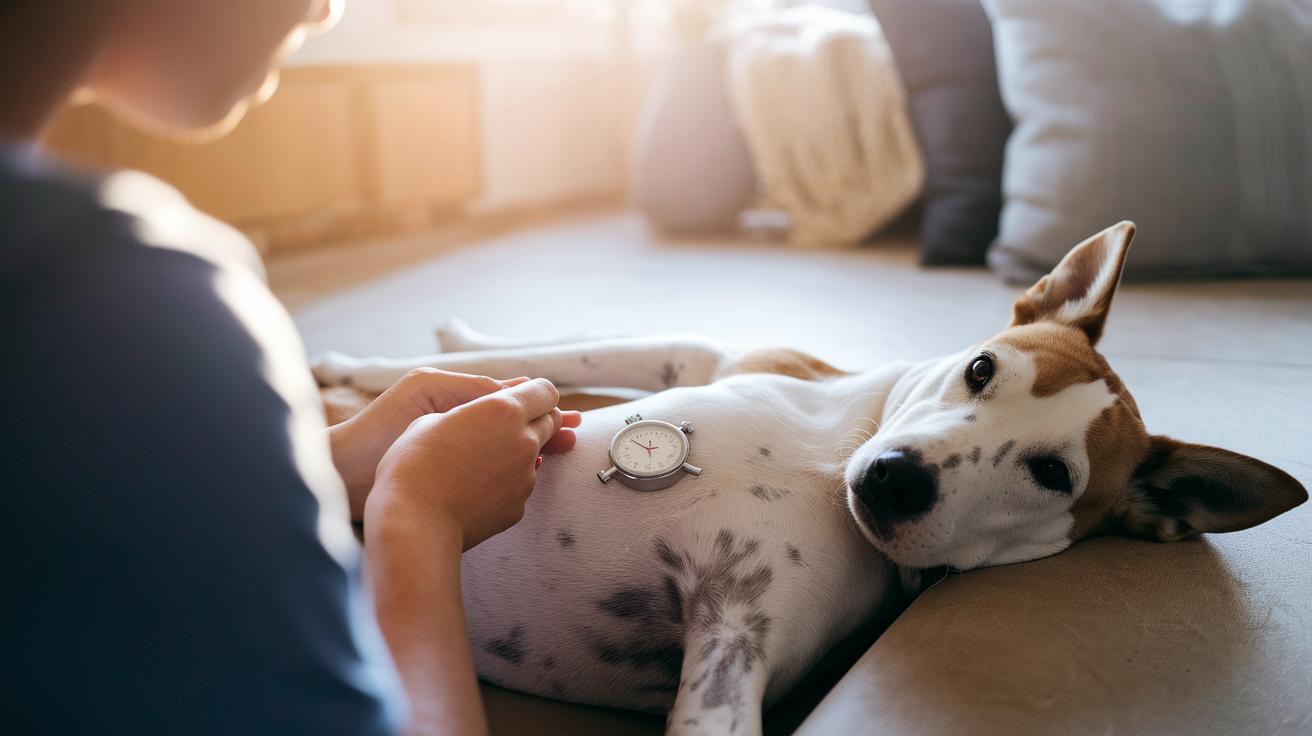
Veterinary Diagnostic Laboratories Shine With Promise

0

Ever wonder how a little test can solve your pet’s puzzling symptoms? Vet labs work like friendly detectives, checking blood, tissues, and even genes (tiny bits of info found in every cell) to uncover the mystery behind a pet’s health.

They help vets, pet lovers, and even health experts get answers quickly and clearly. With easy online guides and simple steps, finding the right care for your furry friend feels almost effortless. Keep reading to see how these labs light up the path to better pet health.

Veterinary Diagnostic Laboratories: Comprehensive Overview of Services and Capabilities

img-1.jpg

Veterinary diagnostic labs help vets, animal lovers, and public health officials get fast, accurate test results for many animal diseases. They use tests like clinical analysis, tissue study, molecular diagnostics (methods to detect small details in genes), and even next-generation sequencing (Illumina is a modern tool to decipher genetic information). Imagine your pet's puzzling symptom cleared up by a precise blood test, just like finding the missing piece of a puzzle.

These labs also offer an online test and price directory where you can explore diagnostic panels for pets, farm animals, fish, and zoo collections. You can send your sample via FedEx or UPS, drop it off locally, or use a courier service. Clear instructions help you collect and package samples correctly every time.

There are two accredited facilities in Athens and Tifton that meet strict ISO 17025 standards. Board-certified pathologists and infectious disease experts work hard to make sure you feel confident about every result. Picture a pet owner logging into a simple client portal with step-by-step submission guidelines and live updates, all to get the best care for their furry friend.

This reliable diagnostic network stands out as a trusted lab locator and directory. With clear contact details, easy payment options, and regular news updates, veterinary diagnostics have never been more accessible and user-friendly for every pet care professional.

Diagnostic Testing Services in Veterinary Diagnostic Laboratories

img-2.jpg

Veterinary diagnostic labs are like special detective spots that help vets and pet owners learn more about a pet’s health. They run tests that check your pet’s blood and body fluids, look at tissues under a microscope, and even hunt for genetic clues of illnesses. Using clinical pathology, which means tests like blood cell counts and checking blood chemicals, experts find out what’s going on inside your pet. And with anatomic pathology, they examine tissue samples to uncover hidden signs of disease, almost like reading a secret story in your pet’s body.

Then there’s molecular diagnostics. These tests use smart methods like PCR panels (a way to make tiny pieces of DNA easier to spot) and next-generation sequencing (a process to look at many genes at once) to catch even the smallest genetic changes. Other tests in serology and immunology check for antibodies and antigens, which are helpful in identifying conditions in animals. And don’t forget microbiology services, which look at how bacteria and fungi grow to give vets extra clues about infections and the best way to treat them.

Service Type Description Example Tests
Clinical Pathology Examining blood and fluids CBC, chemistry panel
Anatomic Pathology Studying tissue samples Histopathology, necropsy
Molecular Diagnostics Detecting genes and germs PCR panels, NGS
Serology & Immunology Looking for antibodies and antigens Brucella ELISA, HPAI HI test
Microbiology Studying bacterial and fungal growth Bacterial culture, fungal isolate

Veterinary Diagnostic Laboratories Shine With Promise

img-3.jpg

Keeping specimens safe is super important for getting results you can trust. When you follow clear steps for collecting and handling samples, pet care pros know every test is spot-on. Using the right tools and methods is a bit like planning a calm, caring vet visit for your furry friend, it makes everything go smoothly.

To keep your sample in top shape and meet quality standards, follow these six simple steps:

  1. First, make sure you're using the correct type of sample and label it well. Check that each sample has its own unique name or number, the species name, and the date and time you took it. This helps you track everything without any mix-ups.

  2. Next, gather your specimen with the proper tools. Use items like blood tubes, swabs, or clean containers that are designed for your pet’s needs so the sample stays pure.

  3. Then, pack the sample carefully in a leak-proof container with some absorbent material. Put it in a primary container that stops spills, and add a second layer of packaging to be extra safe.

  4. Fill out the paperwork completely. Include details about your pet’s health and the reasons behind the test. This info guides the lab to run the most accurate tests.

  5. Now, ship your sample using an approved carrier. Use trusted services like FedEx or UPS and follow the temperature control instructions to keep it at the right coolness along the way.

  6. Finally, track your sample from start to finish. Write down each handoff and check the temperature logs once it arrives to confirm it stayed in perfect shape.

Accreditation and Quality Standards in Veterinary Diagnostic Laboratories

img-4.jpg

Veterinary diagnostic labs pass strict reviews to ensure top-notch quality. They’re checked by trusted groups like the American Association of Veterinary Laboratory Diagnosticians (AAVLD), which shows they follow clear, strict rules. They even use ISO 17025 practices (a quality control process that reviews every step, from testing samples to reading the results) to guarantee every detail meets high standards.

These labs take great care of their equipment by keeping it in perfect shape and controlling the lab’s environment closely. Each lab follows clear, written procedures to make sure tests are done the same way every time. The staff also need to prove they have the right skills and are regularly rechecked, so you can feel confident about every result. They abide by guidelines from well-known groups like the FDA, USDA, and state veterinary authorities, and they stick to careful biosecurity protocols.

All of these efforts mean you get results you can really trust. By using scientific methods and following strict rules, these labs help ensure that animal health insights are accurate and dependable. Their ongoing commitment to quality makes each test valuable and reinforces the trust pet owners have in their work.

img-5.jpg

Today, innovative gene sequencing tools, like the Illumina system, are changing the way labs spot genetic shifts in our furry friends. They pick up tiny mutations just as quickly as reading a pet’s unique story hidden in its genes. And now, smart robotics help handle samples and run loads of tests, almost like a gentle vet carefully checking each pet one by one.

Digital record-keeping is another exciting change. Labs are now using secure cloud systems to organize and store test results, simple and as familiar as saving your favorite pet photo. Plus, telemedicine is on the rise, letting experts connect with pet owners from afar, so our pet’s health gets checked in real time without making extra trips.

Artificial intelligence (AI, which means machines learning to make sense of data) is also leaving its mark. These smart tools quickly interpret complex test outcomes, guiding decisions much like a trusted, caring companion. At the same time, new molecular tests are becoming more advanced, detecting tiny germs or gene changes with great accuracy. And by using barcodes and RFID tags (small electronic chips for tracking), every sample is closely monitored, just like a pet’s microchip gives you peace of mind.

Looking ahead, labs are set to blend smart technology with everyday pet care. This forward-thinking approach makes vital diagnostic testing more accessible, promising a future where our pets receive the best care possible.

Accessing Veterinary Diagnostic Laboratories: Locations, Client Support, and Online Portals

img-6.jpg

Veterinary diagnostic labs make life simpler with easy-to-use online portals. These sites let you search for tests, check pricing, customize sample panels, and order diagnostic plans with only a few clicks. It’s like having a handy tool right at your fingertips, one that even shows you the latest rabbit papillomavirus case studies or expert opinions on pet care.

Big names such as Antech Diagnostics, Cornell Animal Health, and Midwest university systems have built trusted networks to support you. Need a test for your beloved pet or a special assay for livestock? They’ve got you covered. One great example is the Fort Collins Lab (2450 Gillette Drive, Fort Collins, CO 80526), known for its smooth shipping and efficient operations.

These labs don't just stop at tests; they also share important details like hours, holiday schedules, and updates from their diagnostic services coordinator. With clear information on payment options and employee support, placing orders and getting help is fast and straightforward. It’s all designed to give you a stress-free experience, making it easier to care for your furry friends.

Final Words

In the action, we explored how veterinary diagnostic laboratories boost pet care with detailed clinical tests, sample submission steps, and strict quality standards. The article illustrated services from clinical pathology to molecular diagnostics alongside hands-on guidelines for quick and safe sample handling. It highlighted accreditation and smart tech trends that make results both fast and reliable. With veterinary diagnostic laboratories leading the way, every pet owner can feel secure knowing their furry friend’s health is cared for with precision and compassion.

FAQ

Frequently Asked Questions

What is a list of veterinary diagnostic laboratories?

A list of veterinary diagnostic laboratories includes centers that offer services like blood tests, tissue examinations, and molecular analytics to help veterinarians quickly identify animal diseases.

How can I find a veterinary diagnostic lab near me?

Finding a lab near you means checking local lab locators or online directories from accredited networks, which provide submission forms, addresses, and contact details for easy access.

What is the Michigan State Veterinary Diagnostic Lab submission form?

The Michigan State Veterinary Diagnostic Lab submission form is a document that lets you record clinical details and test requests, guiding you through proper sample submission for testing.

What services does the Cornell Veterinary Diagnostic Lab offer?

Cornell Veterinary Diagnostic Lab offers a variety of tests, including tissue examinations, bacterial cultures, and genetic analyses, all aimed at accurately identifying health issues in animals.

What does the MSU Veterinary Diagnostic Lab offer and where is it located?

MSU Veterinary Diagnostic Lab provides diagnostic tests and client support via an online submission system, making it a key resource for veterinarians seeking reliable laboratory services.

How does Texas A&M Veterinary Diagnostic Lab support veterinarians?

Texas A&M Veterinary Diagnostic Lab supports veterinarians through rapid testing services, clear submission procedures, and reliable testing protocols that help speed up animal health decisions.

What can I learn from the Minnesota Veterinary Diagnostic Lab?

The Minnesota Veterinary Diagnostic Lab details a range of tests, proper submission instructions, and contact information, making it easier for pet owners and vets to access precise diagnostic services.

How do I get the Iowa State Veterinary Diagnostic Lab submission form?

You can access the Iowa State Veterinary Diagnostic Lab submission form online, where you can record clinical history and sample details so your specimens are correctly prepared for testing.

Daily Routine Changes To Boost Your Pet’s Vitality

0

Ever notice how a tiny change can boost your pet's mood? Changing a meal time or adding a short play session might just give them a burst of energy.

When your pet has a set routine, they feel safe and extra happy, like curling up in a cozy spot on a rainy day.

Today, I’m excited to share a few easy tweaks that can brighten your furry friend's day. Ready to see how a steady routine can help your pet feel lively and calm?

How Consistent Routines Improve Your Pet’s Vitality

img-1.jpg

A steady daily routine is like a warm hug for your pet. When your furry friend knows what comes next, it feels safe and calm. This predictable schedule helps keep their worries at bay and reduces chances of stress or anxiety. It’s a bit like having a regular playdate, they look forward to each moment.

Feeding your pet at the same times every day, say 8 AM and 6 PM, helps with digestion and keeps their weight in check. This regular meal plan gives them a comforting rhythm. Plus, a fun 30-minute walk or play session daily boosts their energy and keeps their body healthy. Think of it as a little adventure that benefits them in many ways.

Spending a few dedicated moments each day for grooming, cuddling, or even a brief training session deepens the bond between you and your pet. It’s these small moments of connection that build trust and make them feel loved. And for our senior pets, a reliable routine can make a big difference in managing their mobility and adjusting to changes in their health. Regular vet visits, every six months for younger pets and more often for older ones, ensure they get the right care to stay happy and thriving.

Energizing Morning Habits for Furry Friends

img-2.jpg

Imagine starting your pet's day full of pep, it really sets the mood for both of you. A quick 15 to 20-minute walk outdoors lets your buddy enjoy fresh air and natural sunshine. This little adventure not only gets them moving but also helps tune their body clock with the sunrise. Fun fact: regular outdoor walks can boost mood and ease stress in your pet. For more ideas, check out pet exercise routines at https://bonsiaai.com?p=877.

Then, about 30 minutes after you get back, serve up a well-measured meal. This helps spark their metabolism and eases their tummy into the day. Plus, that extra bit of natural light keeps them feeling lively and balanced.

  1. Take a brisk 15–20-minute walk to enjoy fresh air and sunshine.
  2. Wait 30 minutes after walking, then serve a measured meal.
  3. Let the sunrise help keep your pet’s body clock on track.

Boost Vitality with Balanced Nutrition and Supplements

img-3.jpg

Keeping your pet's diet balanced is the secret to a happy, energetic companion. A diet full of 25–30% high-quality protein along with balanced fats and carbohydrates helps build strong muscles and keeps your pet lively. Organic treats like pumpkin offer fiber (which helps with digestion), and a dash of salmon oil gives a good dose of omega-3 (which supports a shiny coat and healthy skin). It’s important to ensure your pet drinks about 50–60 ml of water per kilogram to stay well-hydrated, especially if they are full of energy.

If you’re curious about how much to feed, you might want to check out the pet nutrition alliance calorie calculator. And if you’re looking for extra support, try the ME & MY Vitality Supplement. This supplement is made to help ease stress and blend perfectly with your pet’s daily nutrients. Switching up the food or adding supplements can boost their energy, help digestion, and even spark a bit more playfulness. Even small tweaks in what you feed can make a big difference in your pet’s daily energy and overall performance.

Nutrient Benefit Recommended Daily Amount
Protein Helps muscles grow and repair 25–30% of diet
Fiber Aids digestion and keeps the tummy happy Depends on pet size
Omega-3 Keeps skin and coat healthy; supports joint health 1-2% of diet from salmon oil
Probiotics Helps digestion and boosts the immune system Use as advised by a veterinarian

Keep an eye on portion sizes and, if needed, talk to your veterinarian to get the best plan for your pet.

Interactive Play and Mental Stimulation for Sustained Energy

img-4.jpg

Sometimes, boredom makes your pet hide or seem a bit uneasy. Mixing playful moments with fun brain games gives them a little break that wakes up both their body and mind. A daily routine of short play bursts and gentle challenges keeps them happy and sharp.

Puzzle-Feeder Sessions

Give your pet a puzzle feeder challenge for about 10 minutes, twice a day. It’s a fun way for them to work a little for a treat, just like solving a tiny puzzle. Imagine your furry friend nudging the dispenser until it releases a yummy reward, it’s both stimulating and satisfying.

Short Interactive Play Bursts

Set up five quick play sessions of about five minutes each day. A round with their favorite toy, whether it’s a bouncy ball or a tug rope, can spark lots of excitement. It’s like watching a little spark light up in their eyes when they dash after the toy, boosting their focus and confidence.

Weekly Social Activities

Plan a weekly playdate or a visit to the park to boost their social skills and get additional exercise. Meeting other pets and exploring new places can feel as refreshing as a fun day out with a good friend. This kind of adventure adds a delightful twist to your pet’s daily routine.

Evening Wind-Down Routines to Recharge Energy

img-5.jpg

A gentle evening routine helps your pet settle into a calm, cozy night’s sleep so they can wake up full of energy. Taking these quiet moments together not only helps lower the day’s stress but also deepens the bond you share, think of it as winding down after a busy day full of fun and play.

Having a consistent routine really matters. It gives your pet time to relax before the lights go out. Simple, soothing activities like a bit of stretching or a calm grooming session can help lower stress levels (cortisol, the stress hormone) and signal that bedtime is near.

Try these easy steps:

  1. Spend 5 minutes doing some gentle stretching to ease tired muscles.
  2. Enjoy a calm 10-minute grooming or light training session to help reduce stress.
  3. Offer a small snack about one hour before bed to keep evening hunger at bay.
  4. Keep a regular lights-out time in a quiet space that stays around 68°F for the best sleep environment.

These little actions can make the evening extra special for both you and your pet, setting the stage for sweet dreams and a fresh new day.

Preventive Care and Seasonal Adjustments for Year-Round Vitality

img-6.jpg

Keeping your pet healthy is all about regular checkups. A steady routine at the vet gives your furry friend the best chance to stay active and happy. For adult pets, visiting the vet twice a year helps spot small problems early. Older pets might need to see the vet every few months so you can keep a close eye on their well-being.

It’s important to keep the main vaccines current each year. For vaccines that aren’t as essential, you can adjust them based on your pet’s lifestyle. Changing your pet’s daily routine with the seasons can boost both physical energy and emotional comfort. Little changes in exercise, playtime, and water breaks help create a calm, stress-free life for your pet.

  • In summer: Try taking walks early in the morning or later in the evening when it’s cooler, and give extra water breaks to keep overheating at bay.
  • In winter: Have shorter play sessions indoors with some warm-up stretches to help fight the chill.
  • All year long: Don’t skip those regular vet visits so you can catch any little health changes quickly.
  • With each season: Tweak your pet’s daily routine as the weather changes to keep care just right.

Final Words

In the action, setting up a steady schedule lifts your pet’s spirit. Clear routines in feeding, exercise, playful breaks, and quiet evening wind-downs help reduce stress while building a stronger bond. Daily routine changes to boost your pet's vitality work hand in hand with smart meal times, walks, and interactive play. Seasonal checkups and minor tweaks keep everything running smoothly. A simple, balanced routine means a happier, energetic pet ready to enjoy life every single day.

FAQ

What is the 3-3-3 rule for new pets?

The 3-3-3 rule for new pets means breaking introductions into three short sessions daily. It helps ease their adjustment by offering brief moments for positive interactions, gentle training, and bonding.

What is the 50 30 20 rule for pets?

The 50 30 20 rule for pets organizes care spending by suggesting that about 50% goes toward essentials like food, 30% covers day-to-day care such as grooming, and 20% is for extras like toys.

What is the 7 second rule for dogs?

The 7 second rule for dogs suggests that if food is dropped, it should be picked up within 7 seconds to reduce bacterial risk. It’s a light guideline meant to remind owners about quick clean-up.

How to create a pet care routine that promotes health and happiness?

Creating a pet care routine that promotes health and happiness involves setting regular times for feeding, exercise, rest, interactive play, grooming, and vet visits. A steady schedule lowers stress and strengthens the bond between you and your pet.

Pet Diet Modifications For Arthritis Relief: Happy Joints

0

Ever wonder if changing your pet’s meals could ease their arthritis pain? It might sound too simple, but a few small tweaks to their diet can help ease stiff joints.

Imagine your pet enjoying a bowl full of good stuff, meals with omega-3 fatty acids (the healthy fats found in fish oil), balanced proteins, and antioxidants (nutrients that protect their cells), all working together like a gentle massage on their joints.

In this chat, we’ll explore how these tasty, healthy changes may soothe discomfort and help your furry friend stay active and happy.

Dietary Strategies to Ease Arthritis in Pets

img-1.jpg

One of the best ways to help your pet’s joints is by adding foods rich in omega-3 fatty acids. These good fats (the ones that help reduce swelling) are like a warm hug for tired joints. Imagine serving your furry friend a bit of salmon that not only tastes great but also eases their discomfort.

Balanced protein is another must. When your pet gets plenty of quality protein, it builds strong muscles that support their joints, much like a runner fueling up with the right snacks before a race. It’s all about giving them that extra boost to help keep them moving smoothly.

Carrying extra weight can really put stress on aching joints. Many pets are a bit over their ideal weight, which can worsen inflammation. That’s where antioxidants come in. Found in fruits and veggies, think crisp apples or leafy greens, these nutrients act like a gentle shield, protecting delicate joint tissues as if they were oil preventing a door from squeaking.

The key is a consistent, balanced daily routine. Measure out food portions carefully and adjust them based on your pet’s energy levels and health needs. Mixing in omega-3 sources, high-quality proteins, and antioxidant-rich produce day by day can make a noticeable difference. And remember, always check with your veterinarian when making changes to your pet’s diet.

Key Anti-Inflammatory Diet Nutrients for Joint Health

img-2.jpg

Whole foods packed with natural goodness can really soothe your pet's arthritic joints. Research shows that feeding them ingredients with natural anti-inflammatory powers acts like a gentle reset for their body. For example, salmon is bursting with EPA and DHA fatty acids (types of healthy fats that help reduce swelling) and has been linked to less joint discomfort. It’s a simple way to give your pet a boost of natural comfort throughout the day.

Turmeric is a standout ingredient because its curcumin helps block those pesky signals that trigger inflammation, like NF-κB (a protein that can start the inflammation process). Fruits and veggies like cranberries, carrots, and kale bring vitamins A and C along with polyphenols (plant compounds that protect cells) to the mix. Sweet potatoes and quinoa offer fiber to keep the gut happy and help lower inflammation. And leafy greens? They deliver vitamin E to keep tissues strong and joints moving smoothly.

Dietary Supplements and Functional Ingredients to Support Mobility

img-3.jpg

Veterinary experts often suggest adding supplements to your pet’s diet as little helpers that keep their joints feeling good. These special nutrients work together to care for your furry friend’s cartilage and ease joint discomfort. For example, glucosamine and chondroitin rebuild and protect the cushion (cartilage) for smooth movement. And when combined with MSM, which helps make collagen (a key protein in your pet’s body), joint aches might feel less bothersome. Hyaluronic acid keeps that cushioning fluid in the joints silky, while natural extracts like boswellia and devil’s claw work gently to calm inflammation, making every step a bit easier.

These supplements fit into a balanced plan that your veterinarian can guide you through, helping to boost your pet’s overall mobility. The exact amounts depend on your pet’s weight and specific needs. Below is a quick look at some common joint care helpers:

Supplement How It Helps
Glucosamine Works to repair cartilage and support joint structure; the dose usually depends on your pet’s weight.
Chondroitin Helps slow down cartilage wear, with dosages adjusted based on weight.
MSM Supports collagen production and may ease joint pain when used with glucosamine; typically measured in mg per kilogram.
Hyaluronic Acid Keeps the liquid in joints smooth and cushioned; dosages vary by pet size.
Boswellia Acts like a natural anti-inflammatory, helping to ease joint stiffness as recommended by your vet.
Devil’s Claw Helps reduce certain inflammation signals; its dosage is carefully tailored to your pet’s weight.

Always follow your veterinarian’s advice when adding these supplements to your pet’s diet. Adjustments based on your pet’s weight and needs are key to keeping them happy, active, and moving with ease.

Portion Control and Diet Adjustments for Weight Management in Arthritic Pets

img-4.jpg

Extra pounds can put a lot of pressure on your pet’s joints, making arthritis flare-ups even more painful. Studies say about 52.5% of dogs and cats carry more weight than they should. It’s a bit like overfilling a cup, too much, and things just spill over, causing inflammation and discomfort.

Adjusting your pet's meals based on their body condition and daily play helps keep calories in check while still giving them important nutrients. Using measured bowls and sticking to a regular feeding schedule is like setting a routine that keeps those joints happy and strong.

Try some simple steps: use a measuring cup for each meal and keep a feeding log to track any changes in your pet’s weight and mobility. Pairing just the right amount of food with moderate exercise not only helps build lean muscle but also eases joint pain. And, of course, regular visits with your vet can guide you in fine-tuning these portions as your pet’s needs change. For more ideas on portion control, check out the Pet Weight Management Tips link.

Diet Options: Homemade vs Commercial Meals for Arthritic Pets

img-5.jpg

Homemade Anti-Inflammatory Recipes

When you whip up meals at home, you get to choose every single ingredient for your pet. For example, one vet suggestion mixes salmon with brown rice and steamed veggies. This dish gives your pet omega-3 (good fats that help soothe joints) and antioxidants that may help calm inflammation. Another idea is to blend lean chicken with sweet potatoes and just a pinch of turmeric. It’s a tasty way to offer natural anti-inflammatory benefits along with essential vitamins. One more recipe uses turkey combined with quinoa, chopped carrots, and kale to keep a balanced protein mix and add fiber for a happy tummy. Always swap in a safe alternative if your pet has allergies, say, using oatmeal instead of brown rice, and steer clear of too much salt or toxic ingredients like onion or garlic. For extra ideas, check out Vet Approved Homemade Dog Food Recipes.

Selecting Joint-Friendly Commercial Diets

Commercial diets are all about convenience and quality. They come packed with carefully tested ingredients that meet veterinary nutrition standards. When choosing these meals, take a close look at the label for a balanced mix of proteins, fats, and carbohydrates. It’s also smart to verify if the ingredients have been third-party tested for safety, especially for pets with arthritis. Look for key joint-supporting nutrients such as omega-3 fatty acids, antioxidants, and high-quality proteins. Many brands, like Rosie’s Beef N’ Rice or Tuxedo’s Chicken & Yams, are designed specifically to ease joint discomfort in pets. Always examine the label to ensure it has low preservative levels, since too many additives might not sit well with a sensitive stomach. If you’re ever in doubt about the best choice, consider exploring Holistic Pet Health Care Approaches for trusted guidance. Finding the right balance between nutritional benefits and potential risks helps you decide if a homemade meal or a commercial diet is the way to go for keeping your pet’s joints steady and comfortable.

Monitoring and Adjusting Your Pet’s Arthritis Diet Plan

img-6.jpg

Keep a close eye on your pet’s movements and how they carry their body. It’s like noticing the difference between a lively stroll and a sluggish shuffle. Use a simple feeding calculator or jot things down in a log to track what they eat, their weight, and how active they are each day.

Watch for any changes in joint stiffness or pain, kind of like checking if a once-bouncy step becomes hesitant. These little shifts tell you if the diet is helping or if a small change might be needed. Also, don’t skip those vet visits every three to six months. The vet can do a joint check and run blood tests to see if those nutrient levels and inflammation markers look right, just like a routine check-up for you.

Then, based on what you observe, adjust your pet’s meals slowly and safely. Maybe tweak the ingredient ratios or change the supplement amounts bit by bit. Write down each tweak to see if lighter meals help improve their movement. And remember, always work with your veterinarian when changing your pet’s diet. This way, you’re keeping every step safe and effective, helping to avoid tummy troubles from too many pain medicines and making sure their digestive system stays balanced with the right probiotics.

Final Words

In the action from nutrient-rich meals to practical portion control, we explored key dietary tweaks that ease joint discomfort. Focusing on omega-3 fatty acids, antioxidants, and safe supplements, these pet diet modifications for arthritis relief lay the groundwork for happier, more agile pets.

We also compared homemade recipes with quality-tested commercial diets and emphasized the need to monitor progress. Every tip helps brighten pet health one meal at a time. Here's to thriving pets and joyful care.

FAQ

What are the best pet diet modifications for arthritis relief and the best diet for a dog with arthritis?

The best pet diet modifications for arthritis relief include adding omega-3 fatty acids, controlled portions, antioxidants, and balanced protein to support joint health while preventing extra weight that may stress the joints.

How can I help my dog with arthritis naturally and what natural anti-inflammatory options exist for dogs with arthritis?

Helping your dog naturally with arthritis means including ingredients with natural anti-inflammatory properties like turmeric and omega-3 rich foods, which help reduce joint swelling and ease pain.

What is the best dry dog food for arthritis and the best anti-inflammatory dog food?

The best dry dog foods for arthritis focus on high-quality protein, omega-3 enrichment, and antioxidants. They are formulated to support joint health by reducing inflammation and maintaining muscle around the joints.

What can I give my dog for joint pain at home and for arthritis pain?

For joint and arthritis pain management at home, supplements like glucosamine, chondroitin, and MSM can support cartilage health, but always check with your veterinarian for proper dosage based on your dog’s weight and needs.

What dog foods are vet recommended for arthritis and what do vets suggest for dogs with arthritis?

Veterinarians often recommend diets rich in omega-3 fatty acids, antioxidants, and balanced proteins to help manage arthritis in dogs. Such diets aim to reduce joint inflammation and maintain overall joint comfort.

What is the best arthritis medicine for dogs over the counter?

Over-the-counter arthritis medicine for dogs generally includes options like NSAIDs for short-term pain relief; however, it is crucial to consult your veterinarian to determine the right medication and dosage for your pet.

Home Veterinary Care: Quick, Reliable Support

0

Have you ever seen your pet get uneasy at the vet? Imagine a kind vet coming right to your home so your furry friend can stay cozy.

Home vet care means a caring professional brings modern tools (those are the gadgets that help checkups go fast) and gentle care to your space. Your pet can relax, knowing they’re in their own safe spot.

It’s neat, isn’t it? With speedy support and even online visits, taking care of your pet just got a whole lot simpler and less stressful. Let's chat about how this fresh approach keeps our pets happy from the comfort of home.

Comprehensive Home Veterinary Care Services

img-1.jpg

Imagine full-service pet care coming right to your home. With home veterinary care, you can skip the long car rides and crowded waiting rooms. You simply book an appointment online or by call/text, and soon enough, a caring veterinarian and a helpful vet technician are at your door. And if you can’t be there in person, you can join by video chat.

This friendly mobile vet service covers everything from regular wellness exams to quick checkups for minor injuries or dental care. Your pet gets their care in a familiar, comforting space where they feel safe and relaxed. Many pets actually show fewer signs of stress when they’re examined at home compared to a traditional vet office.

They also offer hospice care and end-of-life support for your cherished companion. Plus, you can join a pet health plan for even more benefits. The in-home checkups use modern equipment, including imaging tools you’d usually find at a clinic. And if your pet needs medicine, there’s an online pharmacy to make getting supplies a breeze.

Overall, this approach is all about lowering stress for both you and your pet while keeping care simple, thorough, and convenient.

Mobile Vet Medicine in Home Veterinary Care Versus Traditional Clinic Visits

img-2.jpg

Mobile veterinary care today brings along smart tools that go well beyond a simple home visit. They use portable imaging devices and quick blood tests (tests that give fast results), which aren’t usually part of your standard house call. Imagine your vet arriving with a small ultrasound machine, ready to perform checks that could save your pet’s life right in your living room.

They also make scheduling a breeze by mixing in telemedicine support, letting you connect instantly with pet experts for a second opinion. This way, your furry friend gets the care they need without the hassle and stress of a busy clinic.

Pet owners have noticed the difference too. One shared, “My vet came quickly and had all the tools needed, saving my pet from the anxiety of a crowded waiting room.”

home veterinary care: Quick, Reliable Support

img-3.jpg

When your pet gets a checkup at home, you and your furry friend are in for a treat. The team brings all the high-tech tools right to your door, a mobile unit stocked with everything from a working microscope (that helps spot the tiniest details) to an easy-to-use, electronic lift exam table for pets who have trouble moving around. Just think about it: quick diagnostics and instant test results, all in the comfort of your living room.

Our in-house imaging service offers top-notch results you’d normally expect only at a vet clinic. The mobile systems let us perform fast ultrasounds and imaging checks, so both routine visits and sudden health concerns are handled right away. Plus, with private blood tests and rapid diagnostics, it’s like having a mini clinic at your house.

Here's what you can expect:

Service Offered
In-residence pet checkups
Direct animal examinations
In-house imaging services
Private blood analysis

The team even manages parasite control on the spot and explains each step in clear, simple language, just like chatting with an old friend about your pet's well-being. It really takes the stress out of vet visits by eliminating the hassle of travel and long waiting room times.

Scheduling and Booking At-Home Veterinary Care Visits

img-4.jpg

Booking your pet’s care is as simple as sending a quick text or a few easy clicks. You can use our online portal to set up a mobile check-up or just give us a call or text. Imagine saying, "I need a last-minute checkup," and our friendly team will sort it out for you right away.

We offer both same-day visits when your pet needs urgent care and routine check-ups to keep your little buddy in tip-top shape. Whether it’s early in the morning, during a busy workday, or in the evening, we’re here to fit into your schedule.

If you’re juggling a million things or simply need an appointment fast, don’t worry. Just call us at 952-818-2273 or drop an email at Dr.Soucheray@gmail.com. Whether it’s a regular wellness buff or a sudden concern, help is always a call or click away.

  • Mobile wellness bookings
  • On-door medicine visits
  • Last-minute checkups

Pricing, Fee Structures, and Value in At-Home Veterinary Care

img-5.jpg

At-home vet care can be a great way to save both money and stress. You get top-notch care right at home, without the extra hassle of driving, parking, or waiting in a busy room. Many pet owners have seen real benefits, like saving on extra fuel costs and avoiding those stressful rides to the clinic.

Monthly membership plans, like pet wellness packages, make routine checkups, vaccines, and more very affordable. These plans give you a flat rate for lots of services, which can be a huge help over traditional vet visits that might surprise you with extra fees. It’s a budget-friendly way to care for your furry friend while keeping surprises to a minimum.

Adding pet wellness insurance to the mix can also lower the cost for each service even more. And because the care comes right to your door, you won’t worry about extra charges for travel or lost time from work. The pricing is straightforward, letting you know exactly what you’re paying for from the start.

In the end, at-home veterinary care can be a smart, affordable alternative that doesn’t cut corners on quality. It’s a service designed to be cost-effective and easy to plan for, making pet care both comfortable and budget-friendly.

Geographic Availability of Home Veterinary Care and Local Support Services

img-6.jpg

Home vet care is now within reach for many pet families. It’s available in places like Collin County and neighboring southern regions, so you can easily have a trusted vet come straight to your door. In Northern Kentucky and Greater Cincinnati, mobile vets and community wellness checks make sure every pet gets the care they need, imagine the comfort of a gentle, familiar face arriving at your doorstep!

In the Twin Cities metro, local networks work to bring regular check-ups and community support right to you. These nearby mobile clinics team up with partner specialists who offer extra referrals if needed. It’s reassuring to know that no matter where you live, quick and reliable help is never far away.

Consider these friendly service options:

  • Regional mobile clinics covering Collin County and southern areas
  • Mobile care services in Northern Kentucky and Greater Cincinnati
  • Local support and community wellness checks in the Twin Cities metro

Every neighborhood benefits from these caring home-based networks, making it easy to ensure your pet always gets quality care.

Emergency Response and After-Hours Services in Home Veterinary Care

img-7.jpg

Home veterinary care is your go-to during normal business hours for wellness check-ups, urgent visits, and palliative care. But if an emergency pops up after hours, we kindly suggest you take your pet to a nearby 24-hour clinic so they can get prompt care.

When a pet crisis happens unexpectedly, we offer a touch of extra support with our after-hours crisis management calls. We quickly check on your pet’s condition and guide you through the next steps. Even though our urgent care visits are mainly set during the day, our emergency plans ensure that every pet’s health need is swept into action without delay.

For delicate situations like hospice care or end-of-life consultations, our friendly team is here during regular hours to offer clear and compassionate advice. It’s all about making sure you always have a trusted buddy to lean on, even if full care isn’t available right away. And by the way, you might want to consider pet health insurance (pet health insurance) for a little extra financial comfort during those urgent moments.

Provider Qualifications and Compassionate Care in Home Veterinary Care

img-8.jpg

Our home veterinary team is led by caring, licensed professionals with over twenty years of mobile service experience. They offer one-on-one healthcare sessions that create personalized wellness plans, all designed to meet your pet's unique needs. Working alongside friendly, well-trained technicians, our crew makes every visit feel efficient and warm. Ever notice how a gentle smile and kind voice can calm a jittery pet?

We also pride ourselves on close ties with top educational institutions like the University of Minnesota. This means we always use current research and trusted methods in our care. Every checkup isn’t just a routine task; it’s a chance to build trust in a comforting environment. And when your pet needs extra love during their later days, our team is ready with hospice care and palliative support to ease worries and offer gentle reassurance.

Whether you’re here for a quick evaluation or a longer chat about your pet’s needs, our friendly staff is here for you. We create simple, clear wellness plans that are easy to understand and comforting for both pets and their owners. Experience care that feels like family, each visit is filled with genuine compassion that leaves your pet happy and well cared for.

Client Testimonials, Satisfaction Ratings, and Reviews of Home Veterinary Care

img-9.jpg

Pet parents often share kind words online, saying how home vet visits help keep our furry friends calm and our days easier. They love that skipping the long car ride not only soothes their pets but also cuts down on busy travel time and fuel. One pet owner happily shared, "My pet felt relaxed without the long car ride, and the whole process was so easy!" Others mention that having the vet come right to their home feels just like getting care from a caring neighbor.

Many folks appreciate not having to deal with crowded waiting rooms, noting that their pets stay peaceful and content during the visit. Reviews often mention that mobile vet care easily works with busy schedules, offering flexible appointments in the day or early evening.

  • Online service reviews confirm that in-home vet care is super convenient.
  • Feedback from home visits highlights the feeling of personal, gentle care.
  • Direct testimonials appreciate the careful approach that comforts both pet and owner.

These heartfelt stories truly build trust in mobile vet care. Pet owners feel reassured knowing that each visit is handled with genuine care, and that trust helps spread the word and boosts satisfaction with the service.

Final Words

In the action, this guide walked through the convenience and gentle care of home veterinary care. We looked at mobile vet medicine that saves time and eases stress, in-residence checkups with on-spot diagnostics, flexible scheduling, and fair pricing.

Efficient booking, compassionate providers, and glowing testimonials show how these services can truly transform pet care. Each element works together to give pets a caring, hassle-free checkup right where they feel safe, and that always leaves a positive note.

FAQ

What is home veterinary care near me?

Home veterinary care near you means a mobile service that brings full pet health services right to your doorstep, reducing stress for both you and your furry friend.

Can vets come to the house?

Vets do come to your home. They arrange in-residence pet checkups, offering direct animal examinations and care in a familiar, less stressful environment.

How much does a home vet visit cost?

Home vet visit costs are competitive with traditional clinic co-pays. Pricing varies by services and location, saving you time and money while reducing travel expenses.

What are the drawbacks of a mobile vet?

Mobile vet services might have limited emergency availability and may not handle every complex case on-site. They’re best for routine exams and non-critical treatments during scheduled visits.

Are emergency vet services available through home care?

Emergency home care is limited to routine business hours, with after-hours emergencies typically directed to 24/7 clinics to provide immediate critical aid when needed.

Which areas are served by home veterinary care services like Dr. Soucheray’s and Blake Home Vet?

These services cover regions such as Northern Virginia, Elmira NY, and Stafford VA, offering personalized care with local support and community wellness check options.

Benefits Of Interactive Toys For Pet Vitality: Joy

0

Do you think play is just fun, or can it really give your pet more pep? Interactive toys spark curiosity and help keep your furry friend moving. Picture a happy puppy chasing a ball or a curious cat gently batting a hidden treat. Every play session feels like a mini workout for both body and mind. These toys do more than just entertain, they boost energy and lift your pet’s mood. Let's dive into how a little playtime can bring lots of joy and health to your beloved companion.

Benefits of interactive toys for pet vitality: Joy

img-1.jpg

Interactive toys are fun tools that spark your pet’s natural curiosity with playful puzzles and hidden treats. They come in all shapes and sizes, so whether you have a mischievous kitten or a bouncy puppy, there's always a toy to keep them engaged. Picture a happy pup chasing a squeaky ball or a curious cat swatting at a moving target, it’s like a little workout for both their body and mind.

Interactive play does more than just entertain; it boosts your pet’s overall energy and health. Here are nine ways these toys make a big difference:

  • Engaging natural instincts through puzzles and little secret treats.
  • Easing boredom by giving your pet a fun mental workout.
  • Boosting heart health with active bursts of play.
  • Strengthening muscles during fun sessions of fetch and tug.
  • Helping manage weight by burning calories during play.
  • Promoting healthier teeth by reducing plaque and tartar buildup.
  • Sharpening problem-solving skills with brain-teasing puzzles.
  • Reducing stress and easing separation anxiety when they play alone.
  • Leading to peaceful, restful sleep after a lively play session.

When your pet gets both mental stimulation and physical exercise, they tend to be more cheerful and content. Try switching up the types of toys throughout the week, maybe a puzzle feeder one day and a tug toy the next. It’s a simple way to keep their day bright and full of joy.

Physical Exercise Benefits of Interactive Play for Pets

img-2.jpg

Interactive play does wonders for your furry friend. It not only keeps them entertained but also helps their body stay strong and healthy.

  • It gives their heart a gentle workout. For instance, a squeaky ball or a fun automatic toy launcher can offer about 10–15 minutes of playful exercise, which boosts their mood and supports a strong heart.

  • It builds muscle strength too. Every time your pet runs after a ball in a game of fetch or tugs on a rope, they’re getting a mini workout for their arms and legs.

  • It also helps with weight control. A lively 30-minute play session, like a brisk fetch game, can burn around 100–200 calories – much like a fun walk in the park.

All these benefits come together to create a perfect blend of heart-pumping and muscle-building exercise, making playtime both fun and healthy for your pet.

Mental Stimulation and Cognitive Enrichment via Interactive Toys

img-3.jpg

Interactive toys, like puzzle feeders and treat-dispensing toys, get your pet to work a little for their rewards. It’s pretty neat, studies show these kinds of play can cut boredom by 60% and even reduce destructive behavior by 45%. Ever notice how a new challenge can light up your pet’s eyes?

When your pet solves a puzzle, it’s like a little workout for their brain. This activity helps their brain form and strengthen new connections (that’s the process where your pet builds up new neural pathways for planning and decision-making). In other words, these toys do more than just keep your buddy entertained, they help build long-lasting brain strength.

Mixing this with our earlier chat on mental stimulation, these fun challenges show us exactly how interactive play not only avoids boredom but also boosts your pet’s mental agility in the long run.

Behavioral Improvements and Anxiety Reduction with Interactive Toys

img-4.jpg

Interactive play is not just about keeping your pet occupied, it also helps them feel safe and relaxed at home. Studies show that toys like fetch puzzles and treat dispensers (gadgets that give out treats at set times) can ease separation worries in many dogs who are alone for long stretches. Pet parents have seen a real drop in stress when these toys become part of their pet’s daily fun. One study even found that fun play sessions lowered cortisol (a stress hormone that rises with anxiety) levels by nearly 30%, which meant many pets were much calmer when their owners returned.

These playful tools let your pet work through little challenges that mimic natural searching for food. They give your pet a chance to turn anxious energy into a fun, engaging activity. It’s like watching your pet solve a small, exciting puzzle every day.

  • behavior training with fun puzzles
  • comfort through playful activities
  • ways to keep your pet happily engaged

Using these interactive toys, your pet can swap uneasy feelings for focused, relaxed energy. And that makes coming home a real treat for both of you.

Interactive Chew Toys for Dental Health and Weight Management

img-5.jpg

Interactive chew toys are more than just a fun distraction for your pet; they also help scrub their teeth and keep them at a healthy weight. Rubber chew toys with ridges gently wipe away plaque and tartar (that sticky buildup on teeth) in just a short 10-minute session. Researchers have found they can remove up to 25% of that buildup, which means your pet gets a mini cleaning while having a blast.

Slow-release feeders are another clever tool. They slow down your pet’s eating pace, cutting mealtime in half. This not only makes each bite last longer but also lowers the risk of bloat, a painful tummy issue in dogs. Combined with regular play, these feeders can help overweight dogs shed about 15% of their weight in eight weeks. Imagine your pet busy nibbling away, sneaking in a little jaw and tummy workout without even realizing it.

Benefits include:

  • Cleaner teeth by reducing plaque and tartar.
  • Slower eating that lowers the risk of bloat.
  • A fun boost toward weight loss when included in daily play.

These chew-and-feed toys create a playful setting where fun and health come together, keeping your pet happily engaged and cared for.

Safety and Selection Tips for Interactive Pet Toys

img-6.jpg

When choosing interactive pet toys, safety always comes first so your furry friend can play happily and worry-free. Start by checking that the toy fits your pet well, small toys might be a choking risk for bigger dogs, while a huge toy might be too much for a delicate kitten. Make sure the materials are non-toxic and BPA-free (BPA is a chemical sometimes found in plastics that can be harmful).

It’s a great idea to give these toys a quick check every week. If you notice any wear, toss them out right away. Rotating the toys every couple of weeks not only makes playtime feel new and fun, it also helps avoid injuries from overplaying.

Toy Type Material Breed Size Suitability Durability Rating (1–5)
Rubber Puzzle Feeder Food-grade rubber Small to large dogs 4
Rope Tug Toy Cotton blend Medium to large dogs 3
Treat Dispenser Ball Polypropylene All breeds 4
Motion-activated Cat Teaser ABS plastic All cats 3

Remember these simple tips:

  • Pick the right toy size to help prevent choking.
  • Always choose non-toxic, BPA-free toys for safe play.
  • Check toys every week and get rid of those showing signs of wear.
  • Rotate toys every two weeks to keep your pet engaged and prevent overuse.
  • Consider toys that boost playful interaction with your pet.

If you’re looking for quality choices, check out professional pet products for options you can trust.

Innovative Interactive Toy Examples for Companion Vitality

img-7.jpg

Interactive toys can truly light up your pet's day. They offer fun challenges that get their minds and bodies moving. Picture your furry friend diving into a game that entertains while sparking their natural instincts. These clever gadgets come in different levels, so there's a perfect match for every pet's personality. Every play session feels like a mini celebration, building a deeper bond between you and your companion.

Some of these toys even use digital tricks to keep things lively. For example, a ball launcher for dogs can surprise your buddy with unexpected tosses, turning fetch into a fun workout. And for cats, a motion-activated toy creates a tantalizing moving target that taps into their hunting skills. It’s like watching a little adventure unfold right at home.

Here are five popular categories for interactive toys:

  • Motion-activated mice for cats that scurry in unexpected ways.
  • Programmable ball launchers for dogs that mix up playtime with surprise kicks.
  • Robotic feeders that dish out treats on a set schedule.
  • Laser pointers that create zippy spots to chase.
  • Puzzle sets that let pets solve simple, fun challenges.

In truth, these toys add a burst of innovation to everyday play, making every moment feel fresh and engaging.

Establishing Regular Interactive Play Routines for Pet Vitality

img-8.jpg

Interactive play is like a burst of sunshine for your pet. It fills their day with fun and keeps them moving when they might feel lonely. When your furry friend spends four or more hours alone, a good toy can lower stress and add a dose of happy energy.

Experts say two 15-minute play sessions each day work wonders. But it all depends on your pet’s energy, breed, and overall health. Ever notice how a playful moment can make a tail wag faster?

Here’s a simple plan to get started:

  • Check your pet’s energy and health.
  • Choose two different, fun toys.
  • Set a regular time in the morning and evening for play.
  • Watch how your pet reacts and add a bit more challenge when they're ready.

A regular routine makes playtime feel extra special and keeps your furry buddy engaged and joyful every day.

Final Words

In the action to boost pet vitality, interactive toys deliver so many wins. They help by:
• Engaging instincts
• Providing mental stimulation
• Boosting cardiovascular health
• Aiding weight management
• Improving dental health
• Sharpening critical thinking
• Reducing stress
• Easing anxiety
• Promoting restful sleep

These benefits of interactive toys for pet vitality show how play can spark joy and keep pets healthy and happy. Keep exploring new play ideas and enjoy watching your pet thrive.

FAQ

Q: What are the benefits of interactive dog toys, and why are toys important for pets?

A: Interactive dog toys boost pet vitality by engaging natural instincts, stimulating the brain, and enhancing physical fitness while easing anxiety. Benefits include:

  • Engaging natural instincts with puzzles and hidden treats
  • Providing mental stimulation
  • Curbing boredom
  • Boosting cardiovascular health
  • Strengthening core muscles
  • Supporting weight management
  • Enhancing dental health by reducing plaque and tartar
  • Sharpening critical thinking
  • Reducing stress and separation anxiety for more relaxed sleep

Importance Of Fiber In A Pet Diet: Vital

0

Ever notice your pet might seem like they could use a bit more fiber? It might sound simple, but fiber is as important for their stomach as oil is for a smooth-running engine. It helps your pet absorb nutrients better and can ease tummy troubles, like upset stomachs or irregular bathroom visits. With benefits that include easing constipation and keeping energy levels steady, fiber helps your furry friend feel happy and light on their paws. In this chat, we’ll look at how adding fiber to your pet’s meals can make every day more comfortable and healthy.

Why Fiber Matters in Your Pet’s Diet

img-1.jpg

Fiber might not be a vitamin or mineral, but it helps your pet’s tummy work just right. It keeps bowel movements steady and helps the digestive system stay on track, which is important for any pet, whether you're caring for a young pup or an older cat.

Adding the right amount of fiber can help your pet absorb nutrients more effectively and ward off issues like constipation and upset stomachs. A balanced dose even helps support friendly gut bacteria that keep your pet’s immune system strong. If you’d like to dive deeper into pet nutrition, check out this link for holistic pet nutrition (https://bonsiaai.com?p=703).

  • Helps keep bowel movements regular and reduces constipation.
  • Supports good gut bacteria that enhance nutrient absorption and overall immunity.
  • Balances stool consistency, easing issues like diarrhea or hard stools.
  • Makes your pet feel fuller, which may help maintain a healthy weight.
  • Slows digestion a bit, so energy is released more steadily and comfortably.

Adding fiber isn’t just about regular meals, it creates a comfortable digestive rhythm that leaves your pet satisfied. It’s like giving your furry friend a cozy routine inside, making sure their tummy has a calm, happy environment. These fiber benefits are simple yet effective ways to give your pet a healthier gut and a better overall life.

Types of Fiber for Optimal Pet Diets

img-2.jpg

Fiber is a must-have in your pet's diet to keep their tummy working smoothly. There are two main kinds of fiber that support digestion in different ways. When they’re mixed just right, your pet gets all the benefits without issues like loose stools or extra gas. In other words, giving your pet both sugars feeds the good bacteria that help pull nutrients from their food.

Soluble Fiber

Soluble fiber dissolves in water to form a kind of gel in the gut. This gel slows down digestion, so your pet’s food has time to break down slowly. Plus, it nourishes the good bacteria that help keep the digestive system on track. Think of it as a gentle helper that creates a calm, cozy space for your pet’s meal.

Insoluble Fiber

Insoluble fiber, on the other hand, adds bulk to your pet’s stool and helps food move through the intestines faster. It works like a tiny broom that clears out the digestive tract, making sure bowel movements are regular and comfortable. When paired with soluble fiber, it creates a balanced rhythm that keeps your pet happy and healthy.

img-3.jpg

Most pet foods meant for everyday use usually have fiber levels of about 2% to 4%. This helps your dog’s or cat’s tummy work smoothly. When you pick special foods for weight control or extra fiber, the fiber can go up to around 9% or 10%. These higher amounts help keep hunger in check and support a gentle, steady digestion. Many pet owners check advice from the Pet Nutrition Alliance (a trusted source for pet food tips – see https://reipet.com?p=212) to make sure they’re on track.

Both dogs and cats typically do well with a daily fiber (the part of food that helps with digestion) intake of 2% to 5% on a dry food basis. This range helps with regular bowel movements and creates a nice home for the good bacteria in their bellies. Of course, every pet is a bit different. A bouncy little puppy might use fiber in a different way than a quiet, older cat.

It’s always a smart idea to chat with your veterinarian to find the right fiber level for your pet. They can help you think about things like weight, daily activity, and overall health. Adjusting fiber slowly with expert advice makes sure your furry friend gets a balanced diet that feels just right for their digestion.

Top Natural Fiber Ingredients for Pet Meals

img-4.jpg

Natural ingredients can make your pet's meal extra special with balanced fiber that supports smooth digestion. Try adding foods like pumpkin, sweet potato, legumes, green beans, peas, and brown rice. These choices not only boost fiber but also deliver extra nutrients your pet will love. For instance, pumpkin and sweet potato are full of soluble fiber (the kind that dissolves in water and forms a gentle gel in your pet’s tummy), while green beans and brown rice give insoluble fiber, which adds bulk and helps keep the digestive system moving.

Ingredient Fiber Type Typical Fiber Content (%)
Pumpkin Soluble 2.7
Sweet Potato Soluble 3.3
Green Beans Insoluble 2.6
Peas Soluble + Insoluble 6.1
Brown Rice Insoluble 3.5
Lentils Soluble + Insoluble 8.0

Figuring out the best mix means thinking about your pet’s unique digestive needs and tastes. Start with a blend of soft, soluble fibers like pumpkin or sweet potato alongside the hearty, insoluble ones such as green beans or brown rice. This gives your pet a balanced meal that helps keep their tummy happy and regular. Experiment a bit with different mixes to see what your pet enjoys most, and soon you'll have every meal feeling wholesome and satisfying.

Fiber’s Role in Weight Management and Blood Sugar Control

img-5.jpg

Feeding your pet a meal with lots of fiber, sometimes up to 9 or 10%, helps them feel full for longer. It slows down how fast their stomach empties, so they end up taking in fewer calories, much like when you enjoy a meal that leaves you comfortably satisfied. If you’re interested in more pet weight management ideas, check out these handy tips.

A slower digestion means carbohydrates break down at a gentler pace. This helps avoid sudden spikes in blood sugar, which is especially important for pets with diabetes (a condition where the body struggles to manage sugar levels). With a steadier flow of sugar, your pet can enjoy a more balanced mood and energy throughout the day.

Senior pets often need fewer calories, and adding fiber helps them feel full on a smaller amount of food. This means they get the nutrients they need without excess calories, keeping unwanted weight at bay. In all, the right fiber balance not only helps with weight control but also supports steadier blood sugar levels.

Avoiding Digestive Upsets: Potential Side Effects of Too Much Fiber

img-6.jpg

Too much fiber in your pet’s diet can ferment in their tummy, producing extra gas. A little gas is normal, but too much might lead to noticeable flatulence and cause discomfort. If you see these signs, it might be a clue to lower the fiber content. Keep a close eye on your furry friend.

When pets eat a lot of fiber, it can sometimes block the absorption of key minerals (the basic nutrients that keep them strong and healthy). This extra fiber can also cause loose stools or diarrhea, upsetting their digestive balance. Balancing fiber in the diet is really important, so don't hesitate to check in with your vet.

If you're planning to add more fiber, introduce it slowly over several days. This gradual change helps their tummy adjust and cuts down on any discomfort. Regular visits to the vet can also help you find just the right balance for a happy, healthy pet.

Selecting and Preparing High-Fiber Diets for Your Pet

img-7.jpg

Have you ever thought about jazzing up your pet's meal with some extra fiber? It’s super easy. Try stirring in a spoonful of plain pureed pumpkin, a few steamed green beans, or a bit of plain brown rice into their usual food. These tasty mix-ins not only add fiber to their dish but also help keep their tummy calm and happy.

Remember, when introducing any new food, go slow, about seven to ten days is perfect. This gentle change lets your pet’s stomach get used to the new flavors without any upset. For a bit more guidance, you can check out some vet-approved homemade dog food recipes right here: vet approved homemade dog food recipes. A few extra spoonfuls here and there can give them a nice fiber boost without overwhelming their system.

When you’re looking at commercial pet food, there are formulas made just for boosting digestion and managing weight. Look for options with fiber levels in the 5–10% range. These foods mix the perfect balance of ingredients to release energy slowly while keeping your pet fuller for longer. And, just like with homemade treats, slowly switch to these types of diets over about a week to ten days. Whether you choose a store-bought formula or whip up something at home, both help keep your pet’s digestion smooth and their belly comfy.

Final Words

In the action, this article explored fiber’s role in supporting digestion and maintaining a healthy gut for pets. We unfolded how soluble and insoluble fibers work, showed natural ingredients you can use, and touched on smart eating changes that help with weight control and blood sugar levels.

By embracing the importance of fiber in a pet diet, you can keep your pet feeling fuller and healthier. Simple, mindful adjustments make a big difference, paving the way for a more energetic, well-balanced pet.

FAQ

How to add fiber to a dog’s diet naturally and what foods are high in fiber for dogs?

Adding fiber naturally means using foods like pumpkin, sweet potato, and green beans. These natural ingredients boost healthy digestion while gently aiding in regular bowel movements.

How does fiber help with a dog’s digestion, anal glands, and bowel movements?

Fiber supports digestion by easing stool passage and helping maintain clean anal glands. It regulates bowel movements, reducing pressure on glands and promoting a smoother, more comfortable process for your pet.

What high-fiber options work for small breed dogs and dogs on a raw diet?

For small breeds or dogs on raw diets, offering small amounts of fiber from fruits and veggies like pumpkin or green beans can smoothly supplement their meals and improve digestion without upsetting their stomach.

How does fiber help dogs with diarrhea?

Fiber absorbs excess water in the gut and helps firm up loose stools, which stabilizes the digestive process. It offers a gentle way to soothe diarrhea and support overall gut health in your dog.

What role does fiber play in a pet’s diet and why is it important?

Fiber helps regulate bowel movements and nourishes beneficial gut microbes, leading to better nutrient absorption and immune support. It is vital for maintaining balanced digestion and overall pet health.

What happens if dogs don’t get enough fiber in their diet?

Without enough fiber, dogs may experience irregular bowel movements or constipation. A lack of dietary fiber can also lower the levels of helpful gut bacteria needed for efficient digestion.

Is a high-fiber diet good for dogs?

A well-balanced high-fiber diet can boost satiety, support weight control, and promote regular digestion in dogs. It works best when introduced gradually and with guidance from a veterinarian.

Veterinary Emergency Care: Swift Pet Rescue

0

Ever wonder what to do when your furry friend seems off? When your pet shows signs of distress, getting a vet’s help right away can truly save a life. Imagine your dog struggling for breath or your cat suddenly lacking energy, these are signals that something isn’t right.

In this chat, we’ll explore the signs to look out for, simple steps you can take while staying calm, and tips on how to find help quickly, whether it’s day or night. After all, every second matters when your pet’s well-being is on the line.

Recognizing Emergencies in Veterinary Emergency Care

img-1.jpg

When your pet starts acting different or seems unwell, it could be a signal that something’s wrong. Spotting these signs early means you can get them urgent care before things get worse. I remember one time when my cat suddenly lost energy, it made me realize how important it is to trust your gut.

Keep an eye out for these clear warning signs:

  • Severe breathing difficulty: Think of your pet panting hard and almost struggling to breathe.
  • Major injuries: Imagine your pet having a bad fall or accident that leaves them stiff or in pain.
  • Poisoning: Watch out if your pet might have eaten something harmful or unusual.

  • Heatstroke: On a hot day, if your pet is panting wildly, drooling, or even collapsing, it’s a call to act fast.
  • Collapse: If your pet suddenly drops or looks very weak, don’t wait.
  • Prolonged seizures: Seizures lasting more than a few minutes can be very dangerous.

Before you rush to the clinic, try to keep your pet as calm as possible. Keeping your cool can help, since stress might just make things worse. If you see any bleeding, gently press a clean cloth on it and be extra careful when moving your pet. And while you’re doing these simple steps, don’t forget to call the emergency clinic right away. That way, the staff knows you’re coming and can prepare to give your pet the care they need.

Locating 24/7 Veterinary Emergency Care Options

img-2.jpg

When your pet needs help fast, you want a friendly clinic nearby that accepts walk-ins any time, day or night. This hospital has been caring for pets non-stop since 2004. They even offer appointments in as little as 30 minutes and free parking, which makes a stressful situation a bit easier. Imagine it’s midnight, and you know there’s a place ready to help your furry friend.

Clinic Name Hours Contact Services
Downtown Emergency Vet 24/7 (555) 123-4567 Critical Care, Diagnostics
Suburban Pet Clinic 24/7 (555) 234-5678 Walk-In Services, Surgery
Cityside Animal Emergency 24/7 (555) 345-6789 Internal Medicine, Urgent Appointments

When you’re choosing a clinic, look for proper accreditation, like AAHA or VECCS (these are trusted pet care standards). Also, think about how close the clinic is to your home so your pet can get help fast. Whether you need a 24-hour vet clinic or a full round-the-clock emergency service, having the right local option can really make the difference when every minute matters. A quick search for a pet wellness clinic in your area might just lead you to a team that’s ready to treat your pet with care, no matter the hour.

Veterinary Emergency Care: Swift Pet Rescue

img-3.jpg

Triage and Rapid Assessment

When your pet first arrives at the hospital, the team quickly checks simple signs like breathing, heartbeat, and temperature. They also score your pet’s pain to see how much discomfort there is. It’s like a speedy pit stop, making sure everything is safe before moving ahead.

Emergency Diagnostics

After the basics, the focus shifts to tests. Your pet might get an X-ray or ultrasound, those are pictures of what’s happening inside, to help spot any hidden problems. Blood tests can reveal things such as infections or injuries. This step is all about finding clues to guide the best care plan for your furry friend.

Critical Care and Stabilization

Once they understand your pet’s condition, the team moves to stabilize things. They might give fluids through an IV to keep hydration up, offer oxygen if breathing feels tough, or provide medicine to ease the pain. They keep a close eye on your pet, watching for any changes, just like a loving caregiver making sure a pet feels safe and comfy.

Emergency Surgical Interventions

Sometimes, a quick surgery is the best step. This might mean removing something that shouldn’t be there, stopping heavy bleeding, or fixing broken bones. These prompt actions are crucial for saving your pet’s life in a tight spot.

Throughout it all, the team talks with you, explaining each step and listening to your worries, so you always stay in the know about your beloved pet’s care.

Cost, Insurance, and Financial Planning for Veterinary Emergency Care

img-4.jpg

When your furry friend suddenly needs urgent care, the bills can add up fast. You might see charges for an initial check, quick tests like blood work or X-rays, even surgery for injuries, and sometimes a stay in the hospital if they need care overnight. Every step adds a bit to the total, and the final bill can change based on what tests or treatments are needed at that time.

Many pet owners find that using pet health insurance (which helps cover some vet costs) and nonprofit help can ease the financial stress. These options work by sharing a part of the cost, whether it’s an unexpected visit or more intensive care. Nonprofit clinics often have donor support that lowers costs, making walk-in or same-day appointments a bit more affordable.

It really helps to chat openly with your vet about how you can pay. Ask about payment plans and try to get clear estimates before you decide. And if you can, set aside a little emergency fund, so you can focus on helping your pet recover without worrying about surprise expenses.

After-Hours and On-Call Veterinary Emergency Care Services

img-5.jpg

When your regular vet's office is closed, after-hour care is a lifesaver for your pet. These services are ready to help on nights, weekends, and holidays so your furry friend can get urgent care any time. Imagine noticing a worrisome sign in your pet in the middle of the night and finding comfort in knowing help is just one phone call away.

It’s really simple to get in touch with these services. A quick call connects you with caring professionals who can guide you on what to do next. Sometimes, a mobile unit will come straight to your door, or you might be linked with a nearby vet who can handle emergency cases. These options work together to make getting care fast and hassle-free.

Staying connected with your regular vet, along with the on-call team, means your pet’s care stays consistent. Sharing a brief update about your pet’s health history helps everyone provide the best support possible when every second counts.

Final Words

In the action, the article highlighted how to spot urgent pet issues, from severe trouble breathing to major injuries, then guided you through steps to calm and safely transport your pet for veterinary emergency care. We touched on finding 24/7 clinics, what happens during in-clinic treatment, and even navigated cost considerations.

The discussion helped paint a clear picture of immediate animal treatment, from connecting with local, round-the-clock services to stabilizing your pet while en route. Keep a cool head; quick action and the right info can make all the difference.

FAQ

Q: What does 24 hour veterinary emergency care mean and how can I locate one near me?

A: A clinic is open day and night to treat urgent pet issues. Simply search online using “veterinary emergency near me” for the closest option.

Q: What are some common examples of veterinary emergencies?

A: Common veterinary emergencies include severe breathing difficulty, major trauma, poisoning, heatstroke, collapse, and prolonged seizures. These signs signal that your pet needs immediate help.

Q: What protocols do veterinary emergency clinics follow during an emergency?

A: Clinics quickly assess your pet with vital checks, use necessary imaging and lab tests, and stabilize your pet before starting any further treatment.

Q: What options exist if I don’t have money for an emergency vet visit?

A: You should speak with the clinic about payment plans, check local nonprofit aid, and consider pet health insurance, all of which can help cover urgent care costs.

Q: What qualifies as an emergency for veterinary care?

A: Incidents like severe injuries, uncontrolled bleeding, respiratory distress, seizures, poisoning, or collapse—any sudden, severe change in your pet’s condition—qualify as an emergency.

Q: How much does an ER visit to the vet typically cost?

A: Expenses vary with tests, treatments, and possible surgeries, often totaling several hundred dollars. It’s best to request an itemized estimate at the clinic.

Best Vegetables For A Balanced Pet Diet: Delicious

0

Ever thought fresh veggies could be an exciting treat for your pet? Imagine crunching into a bite of carrot or broccoli, it's not just tasty, it can actually boost your pet's health.

These treats help support digestion and even keep their coat shiny while giving a little natural clean to their teeth. Next, we'll share some simple tips on safely mixing these crunchy delights into your pet's meals.

It’s amazing how a few select veggies can add a burst of flavor and healthy benefits to your pet’s everyday diet.

Core Best Vegetables for a Balanced Pet Diet

img-1.jpg

If you care about your pet’s health, fresh vegetables can be a great treat. They can boost your dog’s energy and support your cat’s coat and digestion. Always check with your vet before new foods, and slowly introduce these veggies over 7–10 days. This way, you can watch for any funny reactions.

Cooked asparagus cut into small pieces helps lower the risk of choking and offers vitamins for overall health. Bell peppers, when you remove the stem and dice them, can help give a boost to your pet’s immune system. Broccoli, served in little bits without the thick stem, is a good source of vitamins C and K but should be given in moderation. And those tender, cooked Brussels sprouts? They not only pack vitamins C and K but also help keep digestion running smoothly.

Cabbage is another veggie that can support digestion and even improve coat quality, especially when it’s shredded and cooked. Crunchy carrots bring along beta-carotene and help clean teeth while offering a fun snack texture. Cauliflower, whether you serve it raw in tiny bites or give it a light steam, is gentle on sensitive tummies. Celery and cucumber provide low-calorie hydration, with cucumber also helping to balance blood pressure, and they leave your pet with fresher breath. Green beans in any form can help your furry friend maintain a healthy weight, while thinly sliced lettuce adds extra water and fiber to keep them content. Peas bring along essential B vitamins and potassium that support energy and strong bones.

Pumpkin is famous for its fiber that helps even out digestion, and a little bit of spinach gives antioxidants plus vitamins A, C, and K, just don’t overdo it. Sweet potato is full of fiber, thiamine, niacin, and copper, making it a treat for skin and bone health. Finally, zucchini, with its boost of vitamin C, magnesium, and potassium, is a great finish to this veggie mix, helping to keep your pet’s digestion running gently.

Nutritional Profiles of Top Vegetables for Pet Health

img-2.jpg

Carrots are delightfully crunchy and help clean your pet's teeth while offering beta-carotene (a nutrient that supports healthy eyes). Spinach is packed with vitamins A, C, and K, plus iron for natural energy and healthy blood, but just a little bit is best because of its oxalate. Broccoli florets are bite-sized powerhouses, giving vitamin C, K, and fiber to support your pet's immune system and strong bones. Pumpkin is smooth on the tummy and full of soluble fiber and vitamin A, which helps keep your pet’s coat shiny. Sweet potatoes bring along fiber, thiamine, niacin, and copper to nourish the skin and boost energy metabolism.

Vegetable Key Nutrients Health Benefits
Carrot Beta-carotene, Fiber Eye support, Dental cleaning
Spinach Vitamins A, C, K, Iron Natural energy, Blood health
Broccoli Vitamin C, K, Fiber Immune boost, Bone strength
Pumpkin Soluble Fiber, Vitamin A Digestion support, Coat health
Sweet Potato Fiber, Thiamine, Niacin, Copper Skin support, Energy boost

Safe Serving and Preparation for Vegetable Integration

img-3.jpg

When you decide to add veggies to your pet’s meals, it's key to do it safely and with care. Start by chopping raw vegetables into small, bite-sized pieces so your furry friend can enjoy them without any risk of choking. Picture cutting carrots into little cubes, each piece manageable and easy to chew.

Steaming is another great way to prepare veggies. This method keeps their bright color, natural flavor, and important nutrients intact (nutrients are the good stuff that helps your pet stay healthy). For instance, steaming spinach makes it tender and easier on your pet’s tummy while preserving those valuable vitamins. Just be sure not to add any salt, fats, or oils since these can upset a sensitive stomach.

After cooking, let the vegetables cool down to room temperature before you serve them. A good rule is to start with about 1 teaspoon per 10 pounds of your pet’s body weight, and remember, veggies should make up no more than 5% of their daily calories. So, for example, a 20-pound dog could start with around 2 teaspoons as a gentle introduction.

Keep an eye on your pet’s stool and appetite for the next 3 to 5 days. If you notice any changes or if your pet seems uncomfortable, it’s a smart idea to consult your veterinarian. And if you're looking for more fun ways to mix veggies into balanced meals, check out some vet-approved homemade dog food recipes.
Vegetables to Avoid in Your Pet’s Balanced Diet

img-4.jpg

Onions, garlic, leeks, shallots, and chives can harm your pet’s red blood cells. This condition, known as hemolytic anemia (a problem where the blood loses its strength), can sneak up on you if you ever mix up a nibble of garlic with a treat.

Rhubarb leaves are another worry. They’re full of oxalates (chemicals that can hurt your pet’s kidneys) and could cause kidney damage when eaten. Mushrooms might seem natural and safe, but they sometimes carry toxins that upset your pet’s tummy or lead to more serious symptoms.

Unripe tomatoes and the green parts of the tomato have a substance called solanine. This chemical can cause stomach upset and other health issues. And while giving a few cooked corn kernels might be okay, corn on the cob itself is a big risk, it can choke your pet or block their intestines.

Food Item Risk
Onions, garlic, leeks, shallots, and chives Hemolytic anemia
Rhubarb leaves Kidney damage
Mushrooms Toxins that can upset the stomach
Unripe tomatoes/green parts of tomatoes Contain solanine (causing gastrointestinal upset)
Corn on the cob Choking hazard or intestinal blockage

Instead of these risky options, why not opt for safe greens like spinach or lettuce? They add variety to your pet’s balanced diet without the hidden dangers.

Tailoring Vegetable Choices for Dogs vs Cats

img-5.jpg

Dog-Specific Vegetable Guidelines

Hey there, pet friend! Dogs can enjoy a little veggie treat, too. In fact, about 10% of their daily calories can come from mixed vegetables. Think of tossing in some chopped green beans, carrot slices, peas, or little bits of pumpkin with their regular kibble or lean protein. Imagine how a few tiny pea pearls can boost their vitamin B and fiber, it’s like a small, healthy celebration in their bowl. Start with roughly one teaspoon per 10 pounds of your dog’s weight and slowly add more if everything feels just right in their tummy. Always chop the veggies into small, bite-sized pieces so it’s super safe and easy to chew.

  • Pick fresh greens and crispy carrots.
  • Combine veggies with a good protein source for a balanced meal.
  • Keep the portions low and watch if your dog’s appetite or stool changes.

Cat-Specific Vegetable Guidelines

Now, when it comes to our feline friends, veggies are just a tiny nibble in their mainly meat-loving diet. Cats, being natural carnivores, should get only about 2–5% of their daily calories from vegetables. Many cat owners love giving pure pumpkin because it helps their smooth digestion. A small serving of steamed green beans can also be an occasional treat, and even a few pea pearls might add a gentle boost of vitamin B and fiber if given very sparingly. Just mix these subtle choices with their main protein meals, and always keep an eye out for any signs like loose stool or a bit of gas.

  • Stick to minimal amounts to nicely complement their diet.
  • Praise gentle options like pure pumpkin or steamed green beans.
  • Always monitor your cat’s reaction when introducing new veggies.

Final Words

In the action, we've explored vegetable options that boost immune support, aid digestion, and keep coats shiny. We highlighted how to serve raw and steamed veggies safely while showing care for both dogs and cats.

Remember to start slowly and always check with your vet before making changes. Using the best vegetables for a balanced pet diet can truly lift your pet’s well-being and add a tasty crunch to their meals. Enjoy the process and watch your furry friends thrive.

FAQ

Which fruits and vegetables are safe for dogs?

The list of safe fruits and veggies for dogs includes apples, blueberries, carrots, green beans, pumpkin, and peas. These choices boost energy, support clear vision, and improve overall digestion.

What veggies can dogs eat daily?

The veggies dogs can eat daily include carrots, green beans, and pumpkin. These options are packed with vitamins and are easy on a dog’s tummy when served in bite-sized pieces.

How should you prepare vegetables for dogs?

The best way to prepare vegetables for dogs is to chop them into small pieces or lightly steam them. This keeps their vitamins intact and ensures they’re cool enough to munch on safely.

What vegetables should dogs avoid?

The vegetables dogs should avoid are onions, garlic, raw green tomato parts, and corn on the cob. These can upset a dog’s stomach or cause more serious health problems.

What is the easiest vegetable for a dog to digest?

The easiest vegetable for a dog to digest is cooked pumpkin. It’s soft on the tummy and high in soluble fiber, making it a friendly choice for smoother digestion.

Can I feed my dog chicken and vegetables every day?

Feeding your dog lean chicken along with pet-safe veggies like carrots or green beans daily can offer balanced nutrition. Always check with your vet to get the portions just right.

Virtual Veterinary Care: Swift And Caring Choices

0

Ever thought about checking on your pet without leaving the house? Virtual vet visits let you chat with your vet on a quick video call while your pet cozies up right next to you. No long waiting rooms and no stressful trips to the clinic. This friendly option works great for small concerns or routine check-ups, saving you time and easing your worries. It’s like getting expert advice from your favorite pet friend, making everyday pet care feel simple and warm.

Understanding Virtual Veterinary Care: How Remote Consultations Work

img-1.jpg

Virtual veterinary care makes it easy to reach your favorite vet using video calls or messages. Imagine chatting with your vet from your comfy living room while your pet relaxes on the couch. No travel, no long waits, just a quick check-up from home.

You can use this service with your regular vet if they offer video care or through services like Chewy’s Connect with a Vet. Just grab your smartphone, tablet, or computer with a camera and mic, and you’re set. The vet will ask about your pet’s symptoms, listen to your concerns, and offer simple advice, like suggesting a small change in diet after observing your dog’s playful behavior.

It’s a really handy option, especially for minor issues or regular check-ups. But remember, virtual care can’t replace a hands-on exam. Certain signs, like tiny swellings or slight injuries, are much harder to spot from a screen. So while online visits are great for everyday care, more serious issues might still need an in-person visit.

Overall, virtual veterinary care shows how modern tech can make pet care easier and less stressful, for both you and your furry friend.

virtual veterinary care: New Insights on Platforms and Security

img-2.jpg

Telemedicine platforms do more than just let you connect easily. Some let you video chat with a pet doctor in real time, while others use safe text messaging to talk about your pet’s symptoms. One pet owner shared, "When my cat had a mild tummy upset, my online visit gave me quick advice and reassured me that my pet’s data stayed safe with strong encryption (a tool that keeps your information private)."

Many services now ask detailed questions to match your pet with the right kind of care. For example, after a virtual check-up for a dog with a small skin irritation, the pet owner got a custom care plan and felt confident knowing all records were kept private.

These platforms get compared by looking at their features and how they protect your data. Studies even show that for minor problems, virtual care can work almost as well as visiting a clinic, reducing stress and keeping your pet’s information secure.

  • Convenience: Saves you time and travel.
  • Stress Reduction: A calm, familiar home helps both pet and owner feel at ease.
  • Accessibility: Available 24/7 for when you need help.
  • Follow-up Care: Quick check-ins keep tabs on ongoing issues.
  • Emergency Triage: Fast advice to know if a clinic visit is needed.

Virtual Veterinary Care Limitations and When to Seek In-Person Treatment

img-3.jpg

Online vet visits are a quick way to get help with small pet issues. But they don’t replace a good, hands-on check-up. When you’re on a video call with your vet, it can be hard to spot things like tiny fractures or a little swelling because the vet isn’t there to feel your pet’s body.

Also, remember that online vets can only do so much with prescriptions. They need a VCPR (which means a past in-person exam or a complete medical history) before they can give out antibiotics or controlled drugs. So even if you get helpful advice online, some problems still need a traditional visit for a full check-up. And if your pet faces serious issues like heavy trauma, poisoning, or trouble breathing, digital care just isn’t enough, they really need to see a vet right away.

Condition Virtual Veterinary Care In-Person Care
Minor Health Questions Provides basic advice and follow-up support Offers a detailed exam if symptoms worsen
Fractures or Bone Injuries Can’t fully check for potential breaks Needs a careful physical exam and imaging
Subtle Swelling or Masses May miss early warning signs Requires a hands-on palpation and thorough evaluation
Poisoning or Toxic Exposure Gives initial advice only Calls for immediate emergency treatment
Breathing Difficulties Can screen symptoms through a digital visit Demands critical care with oxygen support and close monitoring

If your pet needs a full physical exam, it’s best to call your local vet clinic right away. Nothing beats the comfort of an in-person check-up when your furry friend isn’t feeling well.

Technology Requirements for Virtual Veterinary Care Appointments

img-4.jpg

When you're gearing up for an online vet visit, having a solid tech setup really helps. A steady internet connection is key, kind of like watching your pet's favorite video without any lag. You'll need a device like a smartphone, tablet, or computer that has a good camera and a working microphone. Imagine placing your gadget in a nicely lit, quiet corner, much like how you’d capture a cute photo of your furry friend.

The right software and a cozy space are just as important. Good lighting lets the vet see your pet's charming expressions, and a calm room keeps background noise to a minimum. Sometimes you'll just log onto a website, and other times you might download an app. There may even be a chat option when a video call isn’t possible. Setting things up early can make your virtual check-up feel just as smooth as an in-home visit, ensuring your pet's well-being is shared clearly with the vet.

virtual veterinary care: Swift and Caring Choices

img-5.jpg

When it comes to online pet check-ups, the cost really depends on who you choose and what type of care your pet needs. Many services charge a one-time fee, usually somewhere between $30 and $80 per visit. This fee covers a quick look at minor issues or gives you follow-up tips that can really save you time.

Some providers also have subscription plans that you pay for every month or year. With these, you often get unlimited check-ups, extra follow-up sessions, and quick advice even during late hours. Prices can change based on the veterinarian’s experience, the number of follow-up visits, 24/7 availability for urgent questions, and even the ability to write a prescription when your pet needs one.

Pricing Model Features
One-time fee $30 to $80 per session
Subscription plan Unlimited check-ups and follow-ups
Based on veterinarian experience Different pricing for credentials
24/7 availability Round-the-clock help when needed
Follow-up and prescription services Billing may include extra advice and meds

Every pricing option has its own benefits, so you can choose a plan that fits your needs and your budget perfectly.

Choosing the Right Virtual Veterinary Care Platform

img-6.jpg

When you’re picking a pet telehealth service, start by checking what kinds of care they offer. Some services, like Chewy’s Connect with a Vet, focus just on pet care, while others let you chat with your regular vet online. This way, you can choose what's best for your furry buddy. It also helps to pick a platform that has the right state licenses and approvals, so you know your pet’s care is safe and trusted. One pet parent shared, "I felt reassured knowing my vet was fully licensed and had access to my pet's records." That kind of trust can make all the difference when your pet needs help fast.

Next, think about the range of services. Some platforms help with small issues, while others offer full consultations, including the option to get a prescription if you already have an established vet relationship. Ask yourself if you need only some quick advice on a mild tummy upset or a full check-up with follow-up care. Knowing exactly what each service offers can help you pick the right one to cover your pet’s health needs.

Finally, don’t forget the everyday details that shape your experience. Check the hours they’re available, some offer round-the-clock care which is great for those unexpected late-night worries. It’s also useful to read reviews from other pet owners to learn about their experience with customer service and ease of use. Plus, make sure the platform can easily share medical records with your regular vet. All these details work together to help you find a service that’s simple to use and just right for your pet.

Understanding VCPR and Prescription Policies in Virtual Veterinary Care

img-7.jpg

When you chat with your pet’s vet online, there’s a simple rule to follow. Before a vet can write a prescription over the internet, they need to have a genuine bond with you and your pet. This connection is called a veterinary-client-patient relationship (VCPR). It means the vet has either met your pet in person or has all the details of your pet’s medical history.

Imagine sitting down for a friendly online chat about your pet’s mild tummy troubles. Because the vet already knows your pet’s background, they feel confident enough to send a digital prescription your way. If that history isn’t there, the online chat can only offer general advice, much like a caring conversation without any specific solutions.

Having a solid VCPR is really all about keeping your pet safe. It gives your vet the full picture, like knowing the gentle purr of a content cat or the happy wag of a playful dog, so they can safely recommend medicines such as antibiotics or other controlled drugs. Often, your first in-person visit helps lay the groundwork for this relationship. Then, follow-up chats online can include prescription services, ensuring that even digital consultations are both safe and caring for your pet’s well-being.

Final Words

In the action, we explored how virtual veterinary care makes it easier for pet owners to get advice from veterinarians without leaving home. We covered its benefits, like saving time and reducing stress, and discussed key limitations to watch for.

We also talked about the tech needed, pricing details, and finding the right platform for your pet’s unique needs. This friendly guide leaves you with clear insights and confidence to make smart care choices for your furry friend. Enjoy smoother, stress-free pet care!

FAQ

Can a virtual vet prescribe medications online and are there free options?

The virtual vet can prescribe meds when a proper pet-owner relationship exists, though not for all drugs. Some services even offer free basic prescriptions for minor issues.

How do online reviews and cost compare for virtual veterinary services?

Online reviews show that top virtual vets deliver reliable, pet-friendly care. While some offer premium services with higher fees, budget options provide essential care at a lower price.

Is there a free, 24-hour online veterinary service available?

Certain platforms provide round-the-clock advice without charge for basic consultations. Remember, these services might only cover simple inquiries and not full, hands-on treatments.

What technology does a virtual veterinary care app use for pet consultations?

A virtual care app uses a stable internet connection and a smart device with a camera and microphone. This setup lets you enjoy live video or chat consultations from home.

Are virtual vet services available for dogs?

Virtual veterinary care for dogs is common. It lets owners get advice on issues like minor skin irritations or dietary tips, saving time and minimizing stress for both pet and owner.

Which states allow veterinary telemedicine?

Rules differ by state. Some states permit full online care under specific guidelines, while others may need an initial in-person exam before remote prescriptions are made.

Outdoor Play Benefits For Pet Vitality Lift Spirits

0

Ever thought a fun burst of outdoor play might be just what your pet needs to feel bright and happy? Imagine your furry friend chasing a ball under a clear blue sky.

When they romp outside, they get to build strong muscles and enjoy a burst of energy that indoor play just can’t match. Every playful step, every curious sniff, helps them soak up fresh air, warm sunshine, and good exercise.

Ready to see how a little time outdoors can boost your pet’s spirit and overall well-being?

How Outdoor Play Boosts Pet Vitality

img-1.jpg

When your pet spends time playing outside, it gets a boost in energy and spirit. Imagine a happy dog running after a ball with its tail wagging like crazy, it's pure joy that brightens its mood and strengthens its muscles.

Outdoor play isn’t just for dogs. Cats enjoy exploring too, whether they're climbing to a sunny spot or simply strolling around. This little adventure helps them make the most out of nature, picking up important vitamin D and acting on their natural instincts. Even a short burst of play can make a big difference in your pet's overall health.

Benefit Description
Weight Management Regular movement helps keep your pet at a healthy weight.
Muscle and Bone Health Running and jumping build stronger muscles and bones.
Heart Health Outdoor activity boosts cardiovascular strength.
Immune Support Fresh air and exercise help support a strong immune system.
Mental Stimulation Fun outdoor games keep boredom and anxiety at bay.

Playing outside regularly isn’t just about exercise. It also lifts your pet’s mood by reducing stress and boredom. Whether it’s a fast game of fetch or a peaceful walk, each moment outside combines movement, fresh air, and sensory fun, all working together to keep your pet lively and healthy.

Physical Health Gains from Outdoor Play for Pet Vitality

img-2.jpg

Outdoor play does wonders for your pet’s overall health. It keeps them moving, which means less body fat, about a 10% drop, and even builds up their muscles by roughly 20%. A quick romp outside gives their heart a mini workout, boosting cardiovascular health by around 20% and easing their joint stiffness.

Cats love a little adventure too. When they climb and jump, their joints stay flexible and strong. Regular outdoor fun helps them keep a lean build and can even boost their immune markers by about 15%. Want to see the numbers at a glance? Check out the details in the table below.

Benefit Impact Metric
Weight control 10% reduction in body fat
Muscle tone 20% improvement in strength
Cardiovascular function 20% boost in heart health
Immune response 15% increase in immune markers

Mental and Emotional Gains from Outdoor Play for Pet Vitality

img-3.jpg

Getting outside isn’t just about exercise, it also sparks joy and mindfulness in your pet. When your furry friend steps out to explore, they experience a burst of mental alertness and emotional warmth. The mix of new smells, sights, and sounds keeps them curious and engaged, like a child on a treasure hunt in the backyard.

Cognitive Stimulation

Outdoor adventures make playtime a real brain workout. Using fun puzzles or treat-dispensing toys can feel like a playful riddle that your pet loves to solve. Imagine your pup working on a puzzle feeder, much like you’d enjoy cracking a brain teaser. These activities build problem-solving skills and keep their mind sharp, cutting through the boredom that comes from a dull and unvaried setting.

Stress and Anxiety Reduction

There’s just something about a good run or a game of fetch that lifts a pet’s spirits. Even a few minutes of energetic play can help melt away stress and anxiety. When you see your pet’s tail wag or notice how relaxed they are after being outdoors, you know that the fresh air is working its magic. Simple interactions, like a friendly meet-up with another pet, release those feel-good endorphins that help ease nervous energy.

Regular time outside blends fun with comfort, leaving your pet calmer and more alert. It’s like giving them a little boost that brightens their day, turning restless moments into ones filled with contentment and playful energy.

Outdoor Play Strategies for Different Pet Life Stages

img-4.jpg

For puppies, it’s best to keep their play sessions fun yet brief. Try a 10-15 minute game of fetch or a gentle chase around the yard. This way, your little pup gets to move and play without getting too tired. Picture a tiny pup happily prancing after a soft, bouncy ball.

Adult dogs usually enjoy a bit more challenge. A daily 30-60 minute walk on a trail or a fun agility drill can give them both physical exercise and mental excitement. Imagine a lively dog exploring a safe path, tail wagging as it maneuvers through little obstacles while basking in the fresh air.

Senior dogs need a gentler routine to stay active without straining their joints. Low-impact walks or short bursts of play, such as a calm game of fetch, work well for them. Think of an older friend enjoying a slow, peaceful stroll in a quiet park, savoring every step.

Cats, too, can enjoy outdoor time with a little extra care. Offer a secure, enclosed area with climbing structures or set up gentle chase games. Picture a curious cat testing its balance on a low wall, its eyes wide with wonder at every soft rustle and flutter around.

Outdoor Play Benefits for Pet Vitality Lift Spirits

img-5.jpg

Before you let your pet run free, take a moment to wander around your yard or park and check for any hazards like harmful plants, sharp objects, or open water. A safe, inspected area helps your furry friend enjoy the outdoors without worry.

When you’re out on an adventure, it’s best to keep your pet on a leash. This simple step stops any accidental escapes and protects them from potential mishaps. Also, make sure your pet’s vaccines are up-to-date, that they’re microchipped (a little ID for extra safety), and that you’ve done what you can to prevent pests. These little health checks help ensure your pet enjoys outdoor playtime safely.

Don’t forget to pack fresh water and plan some shady spots where your pet can cool off. In hot weather, these simple extras keep them comfortable and active without overheating. With these tips, you’re all set for a fun and safe play session that boosts your pet’s vitality and lifts their spirits.

Monitoring and Measuring Outdoor Play’s Impact on Pet Vitality

img-6.jpg

Begin by keeping a simple journal where you jot down notes about your pet’s shape and weight. It’s like recording the little details after a fun day at the park, if your pet seems leaner or has more pep in their step, you know their outdoor time is paying off.

Next, think about using a pet tracker that measures active minutes, distance walked, and heart rate (the number of times your pet’s heart beats per minute). These handy devices work like a tiny diary for your pet’s adventures. They capture every burst of energy and playful sprint, giving you clear numbers that show how much stamina and liveliness outdoor play brings.

Also, don’t skip regular visits to your vet. A short check-up can help confirm if your pet’s muscles are strong and their heart is healthy. These visits make sure that your personal observations match up with professional insights, so you know your pet’s outdoor fun is truly boosting their overall well-being.

Creative Outdoor Play Ideas to Bolster Pet Vitality

img-7.jpg

When your pet heads outside, its energy soars and everything feels brighter. Fun activities not only help build strength but also sharpen your pet’s mind and fill its day with joy.

  • Try a game of fetch using different toys, it builds muscle and keeps their focus sharp.
  • A friendly tug-of-war challenges their strength and gives them a natural boost.
  • Set up a little outdoor obstacle course with logs or low branches to improve agility.
  • Play hide-and-seek with treats to heighten their sense of smell and problem-solving skills.
  • Use puzzle feeders outside so they can have a longer time staying active.
  • For curious cats, a catio or safe enclosure lets them explore without worry.

Mixing these playful ideas into your daily routine gives your pet a refreshing burst of activity that feels both fun and healthy. Imagine your dog chasing a ball with powerful strides, or a cat peering around in a safe space with bright, curious eyes. Every game brings a break from the ordinary, lighting up their day and turning simple outdoor moments into lively, heartwarming exercise.

Final Words

In the action, the article showed how outdoor play boosts pet vitality through exercise, mental engagement, and safety checks for every pet age. It explained how brief play sessions and longer outdoor adventures support muscle and joint health, reduce anxiety, and promote a strong bond between pets and owners.

Outdoor play benefits for pet vitality by keeping pets active, fit, and happy. It’s a heartfelt reminder to make outdoor time a cherished part of your pet’s care.

FAQ

Does being outside stimulate dogs?

The idea that being outside stimulates dogs comes from their exposure to fresh air, new smells, and varied sounds that keep them alert, engaged, and physically active while brightening their mood.

What are the positive benefits of pets?

The fact that pets offer positive benefits shines through in the companionship they provide, which reduces loneliness, encourages more physical activity, and brings comfort and joy to daily life.

How does playing with pets help mental health?

The way playing with pets improves mental health lies in the interactive fun that lowers stress, lifts mood, and creates a warm feeling of connection, helping both pet and owner feel more balanced.

Does sitting outside help dogs?

The view that sitting outside helps dogs is backed by fresh air and a calm atmosphere that support relaxation, making them feel more at ease and content during quiet moments.

Veterinary Microbiology: Empowering Animal Health Insights

0

Ever wonder how little critters can share secrets about your pet's health? Veterinary microbiology is like flipping through your pet’s secret diary. It looks at bacteria, viruses, and other tiny invaders (germs that can make your pet sick), helping us understand their well-being.

Every microbe uncovered feels like a small clue that brings us closer to figuring out what makes our pets tick. This science mixes years of trusted research with simple, practical care tips. And who knows? It might just change the way you care for your furry friend every day.

Fundamental Principles of Veterinary Microbiology

img-1.jpg

Veterinary microbiology dives into the world of tiny germs like bacteria, viruses, fungi, and parasites that can make our furry friends unwell. Imagine it like reading your pet's secret diary, each little microbe offers clues about why your pet may not be feeling their best.

For over 50 years, the American College of Veterinary Microbiologists (ACVM) has been a trusted name in pet care. They connect research and everyday practice with easy-to-follow updates, training programs, and helpful directories. Their work makes sure that ideas about germs and lab tests are spot on for keeping your pet healthy.

A specialist recently shared that teaming up between animal and human health, often called One Health (this means caring for both pets and people), is key. It’s a bit like solving a puzzle, where every test result is one more piece that shows the full picture of animal health.

Today, modern pet diagnostics start with the basics: knowing how these tiny bugs behave and look. Whether it’s spotting how germs grow on a plate or understanding their family tree, every detail counts. The hard work of groups like ACVM reminds us that careful tests and teamwork are essential in helping our pets live their best lives.

Diagnostic Techniques in Veterinary Microbiology

img-2.jpg

Testing for pet germs is all about getting it right by starting with the best samples. In our pet labs, careful methods and safety rules (as suggested by ACVM guidelines) help ensure every test is done properly.

Traditional Microbial Culture Methods

Many labs use classic techniques by growing germs on a nutrient-rich plate, kind of like giving them the perfect meal. The staff picks special growth media (a type of food for germs) that matches the germ type. They keep the plates at just the right temperature and time so that tiny colonies form. The way these colonies look, from their shape to their color and size, offers clues about which microbe might be causing trouble.

Molecular Diagnostic Methods

Modern labs also lean on molecular tests. They often use PCR assays (tests that make tiny amounts of DNA easier to detect) to spot microbial DNA quickly. Other tests look for proteins unique to germs, and DNA sequencing reads the microbe’s genetic plan to be extra sure of its identity. These methods speed up finding the answer and make the diagnosis more precise.

• Proper specimen labeling and chain-of-custody documentation
• Selection of appropriate transport media
• Temperature control during storage and transport
• Use of aseptic techniques to prevent cross-contamination
• Decontamination and disposal protocols for biohazardous materials

Using both the classic and modern techniques together creates a complete test process that not only finds the germs but also keeps everyone safe. Our experienced lab technicians follow clear steps to protect the samples and maintain a safe lab environment at all times. This warm, careful approach helps vets feel confident in their test results.

Pathogen Identification and Resistance in Veterinary Microbiology

img-3.jpg

Imagine a detective story where each lab test is a clue. In labs, experts use a mix of tests to figure out what's making our pets sick. They start with biochemical tests (which check how germs react to certain chemicals), then use immunological tests (applying antibodies to spot specific germs), and even molecular tests (reading a germ's DNA to understand its instructions). Each test shows a bit more about the microbe, much like piecing together a puzzle until the culprit is found.

Then, there are tests for antimicrobial resistance. These tests, done the same way every time, measure how well germs survive common drugs. The results come in a standard format, which makes it easy for vets to compare notes. When lab findings line up with what vets see during an exam, everyone works together to pick the right treatment. This teamwork not only helps control resistance but also leads to better care for our furry friends.

Advances and Research in Veterinary Microbiology

img-4.jpg

Modern tools like next-generation DNA sequencing (NGS) and bioinformatics are changing the game in veterinary labs. These techniques let scientists explore the tiny world of pet germs in amazing detail. With NGS, labs can quickly read a germ’s genetic code, which helps spot outbreak sources in no time. And bioinformatics (using computers to study biological data) sorts through huge amounts of genetic info so we can understand it all better. This progress speeds up the discovery of new pet bugs and shows us how these germs spread and behave. Researchers and vets are now using these tools to share breakthroughs from top journals and international meetings, pushing pet health care forward.

Technology Application Benefit
NGS Outbreak tracing Quickly pinpoints infection sources
Real-time PCR Rapid screening Delivers speedy results
Metagenomic sequencing Pathogen discovery Finds even rare microbes
MALDI-TOF Strain typing Identifies different pathogen types

These breakthroughs really boost diagnostic precision and help teams respond fast to outbreaks. By mixing solid genetic data with smart analysis, pet health care stays ahead of emerging infections.

Surveillance and Disease Management in Veterinary Microbiology

img-5.jpg

National programs keep an eye on animal diseases by gathering info from clinics, labs, and on-the-ground reports. These systems work a bit like a neighborhood watch, spotting shifts in how diseases affect both farm animals and our furry companions. With clear reporting steps in place, vet clinics and public health teams quickly share important updates. The ACVM (Animal Care and Veterinary Management group) provides easy-to-follow outbreak guidelines that blend all the data together, which helps catch surprises early and lets us act fast to protect our animal pals.

Prevention goes hand in hand with these smart monitoring systems. Vets put in place vaccination plans, strict cleaning and safety measures (that means keeping germs out), and quarantine rules to stop infections before they spread. They even train every team member so that even tiny signs of trouble get noticed right away. With ACVM’s handy recommendations, everyone knows exactly what to do. In the end, mixing sharp tracking with smart prevention creates a safer environment for both our livestock and our beloved pets.

Professional Development in Veterinary Microbiology

img-6.jpg

Starting out in veterinary microbiology usually means getting hands-on work as a lab technician, joining externships, or enrolling in graduate programs focused on bacteriology (the study of bacteria) and microbial diagnostics (tests to find germs). Working as a lab technician lets you dive into everyday tasks like running tests and handling samples with care. Externships give you the chance to learn straight from seasoned pros, while advanced studies help sharpen your skills in checking diseases and researching germs. It’s a solid way to kick off your journey if you’re passionate about keeping our animal friends healthy.

If you’re ready to take your career to the next level, ongoing learning is key. ACVM offers workshops, residency training sessions, and certification updates. These resources keep you in the loop on new lab techniques and safety tips. Attending recognized residency programs, going to conferences, and even publishing articles can really boost your professional profile. With guidance on disability support and tips for research or academic careers, every pet care enthusiast finds a clear path to grow in the field.

Final Words

In the action of exploring veterinary microbiology, we covered core principles, diagnostic methods, and advanced research trends. We discussed how proper culture techniques, molecular testing, and careful sample processing lead to accurate animal pathogen diagnostics. The post also highlighted strategies for screening antimicrobial resistance and the latest DNA sequencing tools.

By merging classic lab work with modern AI insights, veterinary microbiology continues to boost pet care and wellness. Keep pushing for smarter, healthier decisions for our furry friends.

FAQ

Q: What is veterinary microbiology, and what does a veterinary microbiologist do?

A: Veterinary microbiology means studying bacteria, viruses, fungi, and parasites that affect animals. Veterinary microbiologists diagnose infections, suggest control strategies, and guide research to keep pets and livestock healthy.

Q: What is a veterinary microbiology book?

A: A veterinary microbiology book is a textbook covering key topics like animal pathogens, lab techniques, and diagnostic methods. It helps students and professionals review critical concepts for diagnosing animal diseases.

Q: What does the veterinary microbiology impact factor mean?

A: The veterinary microbiology impact factor shows how often articles in a journal are cited. It reflects the journal’s influence and the relevance of its published research in the field.

Q: What career opportunities and education paths are available in veterinary microbiology?

A: Careers include lab technician roles, research scientist positions, or academic posts. Completing a PhD or taking courses in veterinary microbiology enhances skills in diagnostic methods and research, opening up broader career options.

Q: What is the typical salary for veterinary microbiologists?

A: Veterinary microbiologists earn competitive wages that vary by experience, location, and specific role. Their salaries reflect the expertise and critical skills they apply in diagnosing and managing animal diseases.

Q: What should I know from veterinary microbiology notes?

A: Veterinary microbiology notes cover important ideas and techniques regarding animal pathogens and lab procedures. They help learners review core concepts and keep up with best practices in diagnosing microbial diseases.

Q: Which veterinary microbiology journals are influential?

A: Influential journals publish peer-reviewed research on animal pathogens, lab diagnostics, and treatment methods. They shape how the field evolves by sharing the latest findings and innovations in veterinary microbiology.

Q: What are the benefits of taking veterinary microbiology courses?

A: Veterinary microbiology courses provide hands-on lab experience, practical diagnostic skills, and a solid understanding of animal infectious diseases. These courses prepare students for careers in animal health and disease management.

Q: Why is it important to study veterinary microbiology?

A: Studying veterinary microbiology is important because it helps diagnose, manage, and prevent infections in animals, protecting their health and contributing to public health by controlling diseases that can cross species.

Pet Supplies Checklist For New Owners Spark Joy

0

Ever wonder if picking the right pet supplies can change how your whole home feels? It might seem like there are too many choices at first. But our handy checklist sorts out the must-haves, from yummy meal basics to snug beds that hug your pet close.

With just a few simple steps, you can build a home that feels safe and fun for both you and your fur buddy. Each item has its own important part, helping create a warm, loving space where you both feel at home.

Core Pet Supplies Checklist Categories for New Owners

img-1.jpg

Every item in this checklist is chosen to help create a safe, comfy space for your pet. Whether it’s the right bowl for meals or a cozy bed for naps, each piece plays its part in making home feel secure and loving.

This complete checklist covers all the basics, from feeding to safety. Whether your furry friend is a playful kitten or an energetic dog, every category has its own special role. The supplies support feeding, playtime, grooming, and training, helping both you and your pet settle into a happy home routine.

  • Food & water bowls: Provide a steady place for every meal and drink.
  • Age-appropriate food: Gives balanced nutrition for each growth stage.
  • Collar with ID tag & sturdy leash: Helps keep your pet safe on outings.
  • Comfortable bed: Offers a cozy spot for a good night’s sleep.
  • Crate/kennel: Acts as a private retreat and supports house training.
  • Toys: Encourage fun play and spark mental activity.
  • Grooming tools: Keep your pet clean with a brush, shampoo, and nail clippers.
  • Waste bags or litter supplies: Make cleanup quick and simple.
  • Training treats: Perfect for rewarding good behavior.
  • First aid kit: Ready to handle minor scrapes or bumps.
  • Pet-safe cleaning supplies: Help keep your home clean and free of hazards.
  • Harness: Ensures safe, comfortable walks every time.

Customize each category to match your pet’s species and size, always keeping their well-being first.

Feeding & Hydration Gear in Your Pet Supplies Checklist

img-2.jpg

Keeping your pet's meal changes smooth and safe is so important. When you introduce new food, mix it slowly with the old food. This gentle switch helps avoid any tummy troubles, especially for those playful pups or kittens still adjusting. I trust stainless steel bowls because they're super easy to clean and don't hold onto germs, making every meal feel fresh and special.

  • Food bowls: Pick sturdy stainless steel bowls that are a breeze to wash.
  • Water dispensers: Choose ones that keep water cool and bubbling with freshness.
  • Measured scoop: Use a scoop marked with clear measurements so you always serve the perfect amount.
  • Puzzle feeder: Find a feeder that turns eating into a fun little challenge and encourages a relaxed pace.
  • Food storage container: Select airtight containers to keep your pet's food fresh and safe from unwanted critters.

Clean water is a must for your pet’s well-being. Fresh water not only boosts energy but also helps with digestion and keeps your furry friend cool during playtime. Make sure to refill and clean the water dispenser regularly. This simple routine gives your pet a calming sense of stability and shows them just how much you care every day.

Comfort, Bedding & Toy Gear in the Pet Supplies Checklist

img-3.jpg

Creating a safe and warm space for your pet can really help them feel at home. A comfy bed gives them a snug hideaway to rest, while fun toys keep their spirits high and minds busy. Picking the right bedding and toys means they feel secure and enjoy playful moments throughout the day.

When it comes to bedding, think of a place that feels like a personal retreat. It might be a quiet crate bed that helps with house training, a foam bed that gently supports aching joints, or a soft cushion that’s easy to wash so you can keep things fresh and inviting.

Option Description
Crate or Kennel Bed A small personal space that helps with house training and gives a sense of security.
Foam or Orthopedic Bed Extra comfort and support for pets with joint needs or for little ones growing up fast.
Cozy Cushion with a Washable Cover A soft, inviting spot that’s simple to keep clean and looks great in any room.

Now, let’s talk about toys. Your pet will love having items that invite cuddles and active play. Soft plush toys are perfect for snug snuggling, while rope tug toys bring out that playful side and reinforce your special bond. Treat-dispensing puzzles turn snack time into a fun brain challenge, and chew toys help keep their teeth healthy and busy.

Option Description
Plush Toys They’re soft and great for gentle play and snuggling moments.
Rope Tug Toys Built to last and perfect for interactive play that deepens your bond.
Treat-Dispensing Puzzles Turn snack time into a fun challenge that sharpens your pet’s mind.
Chew Toys Keep your pet’s mouth busy and promote healthy teeth.

Switching out these toys every now and then can keep things fresh and exciting, making playtime a delightful part of your pet's day.

Training, Grooming & Cleanup in Pet Supplies Checklist

img-4.jpg

Keeping your pet clean and happy can make a big difference. When you spend a little time on grooming and training, it helps your furry friend feel calm and cared for. Simple routines can lead to fewer mishaps and more fun during walks and play.

Grooming Tools:

  • Slicker brush – Helps smooth out tangles and makes fur shine. (For more details, check dog grooming supplies)
  • Nail clippers – Trim nails often to keep your pet comfortable.
  • Deshedding tool – Works to catch loose fur, keeping your home neater.

Waste Management:

  • Poop bags – Great for cleaning up during your walks.
  • Covered litter box – Gives indoor cats a private spot and controls smells.
  • Cleanup scoop – A handy tool that makes outdoor mess removal quick and easy.

Training Supplies:

  • High-value treats – Use these to reward your pet for good behavior.
  • Advance Potty Pads with Turbo Dry® Technology – Perfect for house training and accidents.
  • Training bells – Help your pet signal clearly when it’s time for a potty break.

Both puppies and kittens need a safe space to play and learn. A tidy, organized area makes it easier to set up new routines. When everything has its spot, grooming tools, cleaning items, and training supplies, it not only reduces confusion but also keeps your little buddy safe while exploring and playing.

Safety, Travel & Health Gear in Pet Supplies Checklist

img-5.jpg

Finding a great vet is super important. Your vet keeps your pet’s records up to date, from microchip details to their shots. Regular visits help catch any little issues early, giving you a comforting sense of security that your pet is always well cared for.

Having a trusty first aid kit is a must for those unexpected scrapes during play or travel. It’s like having a mini emergency pack on hand with things like bandages and antiseptic spray. This way, you can manage a little bump or cut until you can see the vet.

  • First-aid kit – Comes with bandages and antiseptic spray for quick care.
  • ID tag – A breakaway collar with engraved info helps others spot your pet easily.
  • Carrier/Crate – Try a secure travel option like the Bergan® Comfort Carrier. For extra help, check out tips on how to crate train an adult dog at this link.
  • Travel harness – Provides extra safety during car rides or walks by keeping your pet secure.
  • Insurance plan – Pet wellness insurance can help with unexpected vet bills, a choice nearly 88% of pet owners make.

Regular check-ups, yearly wellness visits, and routine flea and tick treatments all help keep your pet in great shape. By sticking to a schedule and chatting with your vet often, you can spot any changes early and ensure your pet’s health stays a top priority.

Final Words

In the action, this post broke down all key categories new pet parents should consider. We walked through must-have feeding and hydration gear, cozy bedding and engaging toys, grooming tools, waste and training supplies, and essential safety and travel items. Each section helped remind you why every piece matters so your pet feels happy and secure.

Keep this pet supplies checklist for new owners close by as you pick out the best products to keep your furry friend healthy and content.

FAQ

Q: What are the top 10 essential supplies for a new dog owner?

A: The top 10 essential supplies for a new dog owner include feeding bowls, proper dog food, a collar with an ID tag and leash, a cozy bed or crate, fun toys, grooming tools, waste bags, training treats, a first aid kit, and pet-safe cleaning items.

Q: Where can I find a new dog checklist or pet supplies list?

A: A new dog checklist or pet supplies list is easily found online as PDFs or posts on sites like Reddit, helping new owners find all the must-have items in one handy resource.

Q: Which stores sell the essential pet supplies for new dog owners?

A: Essential pet supplies are available at stores like Pet Supplies Plus, Chewy, Petco, BarkBox, Amazon, Walmart, and eBay, offering a variety of products to meet your dog’s needs.

Q: What basic responsibilities should new dog owners keep in mind?

A: New dog owners should manage feeding, grooming, training, regular vet visits, exercise, and cleaning up after their pet while creating a safe, happy home environment.

Indoor Exercise Ideas To Maintain Pet Vitality: Thrive

0

Have you ever noticed your pet's eyes light up with excitement at even the tiniest spark? Sometimes our homes feel a bit cramped when we want our furry pals to stay full of energy. But with some simple creativity, like an indoor game of fetch, a small obstacle course, or hiding treats around the living room, your buddy can remain active and happy, even when the weather is gloomy. These fun indoor ideas help keep your pet in top shape so you both enjoy every moment together.

Core Indoor Exercise Ideas for Pet Vitality

img-1.jpg

When outdoor time is short, it’s important to help your pet stay active both physically and mentally. Even on rainy days or in small spaces, fun exercises and little brain challenges can keep boredom at bay and boost overall well-being.

Switching things up can make a big difference. One day, you might enjoy a quick game of fetch that makes your pup’s tail wag wildly; the next, you might set up a small treat hunt that gets those curious noses working. Mixing different activities brings joy and strength to your furry friend.

  • Structured Walking Routine: Set a timer or check your watch in a safe indoor spot. Try 15 minutes twice a day or 10 minutes three times a day.
  • Stair Climbing: With a safe staircase and careful watching, let your pet get a bit of quick cardio. Aim for 5–10 minutes twice daily (skip this one if your pet has joint concerns).
  • DIY Obstacle Course: Use items like broomsticks, boxes, cardboard tunnels, and plastic cones placed about 3 feet apart to set up a fun circuit. A 3–5 minute circuit works great.
  • Treat Hunt: Hide small treats in different rooms to encourage your pet’s natural sniffing skills. Look for a 10–15 minute session.
  • Indoor Fetch: Play with soft balls or plush toys to encourage safe and gentle retrieval. A quick 5–10 minute game is perfect.

Mixing these activities creates a balanced routine that brings out extra energy while keeping your pet’s body and mind strong, even when outdoor adventures aren’t an option.

Compact Indoor Exercise Regimens for Limited Spaces

img-2.jpg

Even if your home is small, you can create a fun workout area for your pet. With just a few simple items, narrow hallways, cozy living rooms, or even a staircase can become a safe, engaging space where your pet can move and play.

Area Equipment Setup Steps Recommended Time
Hallway Mats, cones Lay out mats in a straight line and set cones about 3 feet apart to mark a course 5-7 minutes
Living Room Cushions, stools Arrange cushions and stools to create a little jump course with soft obstacles 5-10 minutes
Staircase Non-slip mats Cover the steps with mats and encourage your pet to carefully go up and down 5-10 minutes

Make sure all surfaces are secure and non-slip by clearing away any clutter. Keep the sessions short and always watch your pet closely as they enjoy their new exercise routine.

Interactive Indoor Game Ideas to Maintain Pet Vitality

img-3.jpg

Playing indoors with your pet not only brightens their day, it keeps them smart and cheerful. Mixing physical movement with fun mental puzzles helps ease stress and even boosts basic skills like coming when called. These playful activities turn an ordinary day into a memorable adventure for your furry friend.

  1. Hide-and-Seek:

    • What You Need: A favorite toy or a tasty treat.
    • How to Set It Up: Hide the toy in a room your pet can easily explore, then call their name so they can find it.
    • Fun Time: About 10 minutes.
  2. Treat-dispensing Puzzles:

    • What You Need: A puzzle toy that releases treats (a clever toy that makes them work for snacks).
    • How to Set It Up: Fill the toy with small treats and let your pet figure out how to get them.
    • Fun Time: 10 to 15 minutes.
  3. Wand Toys:

    • What You Need: An interactive wand toy with a fun lure.
    • How to Set It Up: Wave the toy around to mimic the movements of small animals, inviting your pet to chase and jump.
    • Fun Time: 5 to 10 minutes.
  4. Cardboard Box Play:

    • What You Need: Cardboard boxes or paper bags.
    • How to Set It Up: Arrange the boxes to form a mini maze where your pet can explore and hide.
    • Fun Time: 5 to 10 minutes.
  5. Scent Hunts:

    • What You Need: Tiny bits of treats.
    • How to Set It Up: Scatter the treat pieces in different corners or under light obstacles around the room.
    • Fun Time: 5 to 10 minutes.
  6. Soft Indoor Fetch:

    • What You Need: Plush balls or soft toys that are gentle on your pet.
    • How to Set It Up: Gently toss the toy in a safe area for your pet to fetch.
    • Fun Time: 5 to 10 minutes.

Rotate these games every few days. This way, your pet stays curious and challenged while enjoying a balanced mix of play and exercise.

At-Home Agility Setups for Indoor Pet Vitality

img-4.jpg

Indoor agility training is a fun way to build your pet's muscle and improve their coordination. It also helps them learn to make quick decisions while staying safe. Think of it as a fresh twist on everyday play, giving your furry friend a boost in confidence and balance.

Obstacle Course Setup

Try setting up an obstacle course using everyday items in creative ways. Mix up the routine by adding moments where your pet stops for a quick cue, imagine them pausing mid-run for a little treat before moving on. Tweak the layout over time with turns or tiny delays in rewards to keep your pet engaged and focused on each step.

Stairway Drills

Make stair drills fun and safe by keeping a steady pace and offering extra encouragement. Start slow, letting your pet carefully step up with your gentle nudge. Always use non-slip surfaces and watch them closely to ensure they maintain good balance.

If stairs seem too tough, switch to a gentle weave drill with planned pauses. This alternative helps protect their joints while still honing those agility skills.

As your pet gets more confident, add more challenges by revisiting earlier exercise ideas and tracking progress with pet wellness plans (pet wellness plans). A simple log can help you see improvements without pushing your pet too hard.

Tailoring Indoor Exercise Plans to Your Pet’s Needs

img-5.jpg

Every pet is a little different, and not all of them enjoy the same kinds of activities. What makes one pet wag its tail might not work for another. It’s important to adjust play sessions based on your friend’s age, energy, and health. A curious kitten and a bouncy puppy can need very different routines, and even pets of the same kind might prefer one game over another.

  • Puppies under 6 months: Keep their play bursts short, around 5 minutes is perfect. This helps protect their growing joints while still giving them a fun moment.
  • Senior dogs: Pick gentle games like a quiet indoor swim session or a short scent hunt that lasts 5 to 10 minutes. These low-impact activities support easy movement.
  • High-energy breeds: Try mixing in a variety of games for 15 to 20 minutes. Balance their fevered play with little rest breaks to keep them happy and healthy.
  • Low-energy pets or those with joint, balance, or heart concerns: Aim for about 10 minutes of activity and skip stairs. Choose easier, safer indoor games instead.
  • Pets with chronic health issues: Always have a quick chat with your veterinarian before changing the exercise routine to make sure any new activity is safe.

Keep a warm eye on your pet during playtime. If they seem too tired or simply aren’t as excited, it might be a good idea to cut the session a bit short or switch to an easier game. As they become stronger and more joyful, you can gently adjust their routine to match their pace.

Maintaining Consistent Indoor Exercise Schedules for Pet Vitality

img-6.jpg

You know, pets thrive on routine. Set aside a few fixed time slots each day for indoor exercise. Try two 15-minute sessions, one in the morning and one in the evening, or three quick 10-minute sessions spread out during the day. For example, kick off the morning with a burst of play and remind yourself, "Did you know that a playful moment lasting just 10 minutes can boost your pet’s calorie burn?" This steady routine helps keep their energy balanced and adds a comfortable structure to your day.

Mixing exercise with feeding can work wonders too. Pair your workout sessions with meal times and use kitchen scales or measuring cups (they help you check calorie intake) to keep everything in balance. Keeping a pet health log or using an app to track activities and portions means you can make small tweaks as needed, just like jotting down a few notes after a lively play session.

To keep your pet interested, change things up every few days. Rotate activities like indoor fetch, fun stair drills, or even a playful treat hunt. One day, try a treat hunt; the next, switch over to stair climbs. This mix not only keeps your pet moving but also gives their mind a little tickle with fresh, engaging challenges.

Final Words

In the action, we explored indoor exercise ideas that help keep pets active and engaged. We looked at various ways to blend movement and fun, from playful obstacle courses to treat hunts that spark curiosity.

The tips show that even small spaces hold great potential for enriching your pet’s life. Give these ideas a try, and watch how a few simple changes can brighten your pet’s day and boost overall well-being.

FAQ

What indoor exercise ideas help maintain pet vitality at home?

Indoor exercise ideas for pet vitality include setting up treat hunts, gentle indoor fetch, and simple obstacle courses using everyday household items that boost both movement and mental engagement.

What are lazy ways to exercise my dog?

Lazy ways to exercise your dog involve using treat-dispensing toys, indoor fetch with soft balls, and light stair climbs (if safe) to encourage movement without too much setup.

What indoor dog exercise equipment can I use?

Indoor dog exercise equipment can include soft fetch toys, puzzle feeders, and items like broomsticks or boxes to create mini obstacle courses that promote fun, safe activity.

How can I exercise my dog without walking or a yard?

Exercising your dog without walking or a yard can be achieved with indoor fetch, treat hunts, and small obstacle setups that let your dog run and play in a controlled space.

How does exercise help build muscle in dogs?

Dog exercise for muscle means incorporating short bursts of energy like stair climbs and obstacle challenges that help build strength and tone muscles in a safe, controlled manner.

How can I exercise my dog in the winter?

Exercising your dog in the winter means choosing indoor activities such as treat hunts, gentle fetch games, and short guided exercises to keep them moving in cold weather.

What are dog exercise requirements by breed?

Dog exercise requirements by breed vary; some need longer, high-energy play sessions while others thrive on shorter, gentle bursts. Adjust routines based on your pet’s age, size, and health.

How do I tire my dog out inside?

Tiring your dog out inside is possible through interactive games such as indoor fetch, puzzle challenges, and treat hunts that engage both their body and mind in fun ways.

What is an indoor boredom buster for dogs?

An indoor boredom buster for dogs could be a game of hide-and-seek with treats, a puzzle toy challenge, or even a mini obstacle course that entertains and tires them out.

What are fun activities to exercise with pets?

Fun activities to exercise with pets include interactive fetch, treat hunts, and simple obstacle setups that are engaging, help burn energy, and strengthen the bond between you and your pet.

Tailored Pet Diet Recommendations Explained: Happy Pets

0

Have you ever wondered if regular pet food might be holding your furry friend back from being their happiest self? Custom meal plans consider your pet’s age, activity, and overall health to whip up nutrient mixes just for them, kind of like having a tailor-made recipe for each meal.

In this post, we chat about how these personalized plans work and why they keep your pet bouncy and satisfied. When every bite is made to fit your pet’s unique needs, it turns mealtime into a fun, healthy adventure that brightens up their day.

How Tailored Pet Diet Recommendations Work for Your Pet

img-1.jpg

Customized pet diet recommendations are like a personal meal plan for your furry family member. They look at your pet’s age, breed, health, and energy levels so that every pet gets food made just for them. These plans pack all the right nutrients, proteins (for muscle building), carbohydrates (for energy), fats, vitamins, and minerals, in neat, balanced doses. Plus, they steer clear of any ingredients that might cause allergies or upset sensitive tummies.

You start with a friendly, detailed health check and consultation, much like a visit to your local pet health center. This helps make sure the meal plan fits your pet perfectly. Then, as your pet grows or their energy changes, the plan can be adjusted to keep them feeling their best. It’s a hands-on approach that keeps your buddy in tip-top shape with every bite.

Step What It Means
Veterinary Assessment A full health check and lab work to see how your pet is doing.
Lifestyle Evaluation Looking at daily activities and surroundings to fine-tune the diet.
Ingredient Selection Picking natural, high-quality proteins and nutrient-rich foods.
Portion Calculation Measuring servings to give the right amount of nutrients and manage weight.
Ongoing Monitoring Regular check-ups to tweak the diet as your pet’s needs evolve.

Over time, this custom plan can make a big difference. Many pet parents see their buddies enjoying more energy, steady weight, and a happier, livelier attitude. With regular updates, the meal plan keeps pace with your pet’s changing needs, making life easier and more joyful for both of you.

Key Factors in Tailored Pet Diet Recommendations

img-2.jpg

When planning your pet's meals, it’s important to consider a few key details like age, breed, size, and health. Each of these affects how your pet uses energy and builds muscle. For example, a playful puppy or curious kitten needs extra protein and fat to help growing bones and organs. Adult pets do better with a balanced mix that keeps their energy steady, and older pets often do best on fewer calories and more fiber to keep their digestion smooth and joints happy. Breed and size also matter; a small pet may need more calorie-dense food, while a larger pet might benefit from controlled minerals that support healthy joints.

Factor Nutrient Focus Typical Range Notes
Age Protein & Fats Puppies: 25–30%, Adults: 18–25% Helps with growth or keeping steady energy
Breed Calorie Density Varies Affects how much energy is used
Size Energy Levels Small: High, Large: Moderate Helps adjust meal portions
Health Fiber & Supplements Lower calories for seniors Aids digestion and mobility

If your pet has allergies or a sensitive tummy, choosing the right ingredients is key. Some pets do well with grain-free feeding (a type of diet that avoids grains to prevent allergy triggers), which keeps their meals nutritious without upsetting their stomachs.

  • Age: Affects protein and fat needs
  • Breed: Shapes calorie density requirements
  • Size: Helps determine the right portion size and energy level
  • Health: Guides the need for fiber, supplements, and safe ingredients

Scientific Appraisal of Tailored Pet Diet Recommendations

img-3.jpg

When it comes to planning the perfect meal for your pet, nutrient profiling is the secret sauce. It uses simple lab tests, a quick look at your pet’s body (body condition scoring), and a check on how fast food turns into energy (metabolic rate analysis) to whip up a meal plan that helps build muscles, a shiny coat, and lots of pep.

First, lab tests give us a snapshot of your pet’s nutrient levels and overall health. They let us know if a little food tweak might help your furry friend grow steadily and stay balanced. It’s like getting a quick health check to figure out which foods make them happiest.

Next, we take a close look at your pet’s shape and weight with body condition scoring. By watching how your pet carries themselves, experts can tell if they might need more muscle-building proteins or a small change in healthy fats. This simple check helps ensure your pet isn’t carrying too much extra weight, keeping them just right.

Then we check how quickly your pet turns food into energy. This metabolic rate analysis makes sure we mix the right balance of proteins, fats, and carbohydrates. Adjusting for how active your pet is and how they burn calories ensures the meal plan really fits their lifestyle.

Finding Result
Obesity reduction Up to 30% decrease
Allergy reactions 40% fewer incidents
Muscle & Coat Health Noticeable improvement

Digital feeding trackers and virtual consultations add another neat twist. They give pet owners real-time updates on their pet’s eating habits, so adjustments to the meal plan can be made in a snap. This keeps our furry pals happy, active, and full of life.

Case Studies in Tailored Pet Diet Recommendations

img-4.jpg

Real-life stories show just how powerful a custom pet diet can be. Many pet owners have watched their furry friends bounce back after switching to a meal plan made just for them. It’s like a little transformation that makes a big difference.

For example, one Labrador with itchy skin got a whopping 60% improvement in its skin health in just six weeks after starting a grain-free, limited-ingredient diet. This simple change brought its comfort back, almost like a breath of fresh air.

Another case features a senior cat dealing with arthritis. After a switch to a low-calorie, high-fiber diet paired with joint supplements, the cat gained about 10% better mobility and dropped 8% of its body weight. The owner also saw a 50% reduction in vet visits over six months, which made caring for the pet a lot less stressful.

These examples remind us that tailoring your pet’s diet not only helps with specific health concerns but often cuts back on trips to the vet. Ever notice how a happy pet can brighten even the toughest day?

Actionable Steps to Implement Tailored Pet Diet Recommendations

img-5.jpg

Start off by giving your furry friend a proper health check. A vet exam with lab tests sets a clear baseline that helps you understand your pet’s current state before you use any online tools to plan meals.

First, book a full veterinary exam. This check-up gathers all the details of your pet’s current health so you know exactly where things stand.

Next, enter your pet’s info into an online meal analysis tool, like the Pet Nutrition Center. It’s a simple way to get a custom plan based on your pet’s specifics.

Then, follow the tool’s advice on how much food to serve. Measuring the exact portions means your pet gets just the right amount of energy (nutrients from food).

After that, keep a daily food log. Track what your pet eats and note its energy levels using a digital feeding tracker, kind of like a diary for your pet.

Finally, schedule follow-ups every 4 to 6 weeks. Online appointments or check-ups help you adjust the meal plan as needed to match your pet’s changing energy and health.

Remember, sticking to a routine with daily logs and check-ups makes a big difference. And don’t forget the fresh, clean water at every meal to help with smooth digestion and good overall well-being.

Final Words

In the action, we explored the heart of personalized pet diets, from a pet’s unique health traits to the smart steps like veterinary exams, careful ingredient choices, and digital tracking. These insights help shape diets that truly fit your pet’s needs.

Breaking down the process into clear, manageable steps brings you closer to a routine that boosts vitality and reduces vet visits. Overall, embracing tailored pet diet recommendations leads to healthier, happier pets every day.

FAQ

How do tailored pet diet recommendations explain dog food?

Tailored pet diet recommendations explain dog food by matching nutrition to your pet’s age, breed, and health needs, ensuring balanced macros and eliminating unnecessary ingredients while also preventing common allergies.

What are Royal Canin’s nutritional philosophy and truths?

Royal Canin’s nutritional philosophy and truths are based on scientific analysis and quality ingredients, focusing on precise nutrient balances that support overall pet health and well-being.

What is sometimes required to keep certain exotic animals as pets?

Keeping certain exotic animals as pets sometimes requires special permits, secure enclosures, and expert care, because each species has unique habitat, dietary, and regulatory needs.

What defines Royal Canin Cat wet food?

Royal Canin Cat wet food is defined by its specially formulated recipes that offer balanced hydration and nutrients, catering to cats’ taste preferences and specific dietary requirements.

What does the Royal Canin product guide offer?

The Royal Canin product guide offers information on various formulas, ingredients, and feeding instructions, helping you choose the best diet for your pet’s specific health and nutritional needs.

How do Royal Canin calories impact feeding practices?

Royal Canin calories indicate the energy content per serving, helping pet owners manage portion sizes and maintain healthy weights by offering guidelines to match their pet’s energy needs.

What can you find at the Royal Canin shop?

The Royal Canin shop provides a range of pet food products, including specialized formulas for different ages, breeds, and dietary needs, so you can select the ideal option for your pet.